


A Ngozi Crater Birdwatching Tour in Tanzania offers an exceptional opportunity for ornithologists and nature enthusiasts to explore the rich avian biodiversity of the Southern Highlands, specifically focusing on the unique ecosystem within and around the stunning Ngozi Crater. This specialized tour typically involves guided walks through montane forests and along the crater rim, identifying a wide array of endemic and migratory bird species, often lasting several days to maximize viewing opportunities and understand the local birding calendar for 2026-2027.
Discovering the Avian Treasures of Ngozi Crater
Tanzania is globally renowned for its spectacular wildlife, and while many associate it with the vast savannas and iconic large mammals, its feathered inhabitants are equally captivating. The Ngozi Crater, nestled within the verdant landscapes of the Southern Highlands, presents a distinct and less-trodden path for dedicated birdwatchers. This region, characterized by its high altitude, unique microclimates, and lush montane forests, harbors a surprising number of avian species, many of which are sought after by keen ornithologists. A specialized Ngozi Crater Birdwatching Tour is designed to navigate these rich habitats, offering intimate encounters with birds in their natural settings.
Unlike the more frequented safari destinations, birding around Ngozi Crater provides an intimate and focused experience. The journey itself is part of the adventure, often starting from Mbeya or Iringa, and winding through scenic routes that hint at the natural wonders to come. Top Guide Adventures specializes in crafting these niche experiences, ensuring that travelers have access to knowledgeable guides who can identify not just the common species but also the elusive rarities that make this area special. Planning for a 2026-2027 birding trip to Ngozi Crater means tapping into local expertise that understands the seasonal movements of birds and the best times to observe specific species.
Why Ngozi Crater is a Birdwatcher’s Paradise
The allure of Ngozi Crater for birdwatching stems from several factors:
- Unique Habitat Diversity: The crater’s caldera, its surrounding forested slopes, and adjacent grasslands create a mosaic of habitats. This variety supports a wide range of bird families, from forest dwellers and open-country species to waterbirds if any permanent water bodies exist within the caldera.
- Endemic and Restricted-Range Species: The Southern Highlands are known for having a higher proportion of endemic bird species compared to other regions of Tanzania. A Ngozi Crater tour provides a prime opportunity to spot species that are difficult to find elsewhere.
- Less Touristy Environment: The relative remoteness and specialized nature of birding here mean fewer crowds, allowing for a more peaceful and immersive experience. This is ideal for photographers and those who prefer undisturbed wildlife observation.
- Scenic Beauty: Beyond the birds, the dramatic landscape of the crater itself, often shrouded in mist or bathed in sunlight, offers a breathtaking backdrop that enhances the overall travel experience.
Crafting Your Ngozi Crater Birdwatching Itinerary
A well-planned Ngozi Crater Birdwatching Tour is crucial for maximizing sightings and ensuring a comfortable journey. Top Guide Adventures focuses on creating itineraries that balance dedicated birding time with an appreciation for the wider environment. Typical tours range from 3 to 7 days, allowing sufficient time to explore different altitudinal zones and habitats around the crater.
Typical Tour Duration and Structure
Most birdwatching tours to Ngozi Crater are structured to allow for thorough exploration. A common itinerary might look like this:
Sample 5-Day Ngozi Crater Birdwatching Itinerary
- Day 1: Arrival in Mbeya & Transfer to Ngozi Area. Arrive at Mbeya Airport (MBI), meet your guide, and begin the scenic drive towards the Ngozi Crater region. Settle into your lodge or camp, with an introductory evening bird walk to acclimatize and spot nocturnal species or early evening flyers.
- Day 2: Ngozi Crater Rim Exploration. Full day dedicated to birding along the crater rim. Focus on montane forest species, raptors soaring above, and unique crater-edge inhabitants. The crisp morning air is often the best time for activity.
- Day 3: Caldera Floor and Lower Slopes. Descend into parts of the crater (where accessible and safe) or explore the denser forests on the lower slopes. This offers a chance to see different species that prefer thicker undergrowth or specific tree types.
- Day 4: Surrounding Montane Forests and Grasslands. Venture into adjacent forest reserves or grasslands known for specific bird specialties. This might include areas around Kitulo National Park, often referred to as the ‘Serengeti of Flowers’ but also a haven for birds.
- Day 5: Morning Birding & Departure. Enjoy a final morning birding session, perhaps revisiting a productive spot or exploring a new patch. Afterwards, begin the drive back to Mbeya for your onward journey or departure flight.
The specific route and daily activities will be tailored by guides from Top Guide Adventures based on current birding reports, weather conditions, and the specific interests of the birdwatchers. For planning purposes for 2026-2027, it’s advisable to book well in advance, especially if traveling during peak migration seasons.
Key Birding Hotspots within the Ngozi Crater Ecosystem
While the entire area is rich, certain micro-locations within the Ngozi Crater ecosystem are particularly rewarding:
- The Crater Rim Trail: Offers panoramic views and access to montane forest edges. Look for forest birds flitting in the canopy and raptors overhead.
- Dense Montane Forests: The higher altitude forests are home to species like the Ruwenzori Turaco, various sunbirds, and elusive forest dwellers.
- The Caldera’s Edge Vegetation: Depending on the specific flora, this can attract unique insectivorous birds and nectar feeders.
- Adjacent Grasslands and Shrublands: These areas can be excellent for spotting seed-eating birds, larks, and pipits, as well as birds of prey that hunt in open country.
Target Bird Species for Your Ngozi Crater Tour
The Southern Highlands, and by extension the Ngozi Crater area, are home to a fascinating array of birdlife. While a comprehensive list would be extensive, focusing on some of the most sought-after species can help set expectations for your 2026-2027 birdwatching adventure.
Specialty Birds of the Southern Highlands
Birdwatchers often target species that are endemic to this specific region of Tanzania or have a very restricted range. These can include:
- Southern Hyliotta (Hyliota flavigaster australis): A beautiful and elusive bird found in the montane forests.
- Ruwenzori Turaco (Musophaga johnstoni): While more associated with the Ruwenzori Mountains, related species or similar montane forest birds are present.
- Streaky Seedeater (Crithagra striolata): Common in highlands, but always a pleasure to spot.
- Various Sunbirds: The region hosts several species of sunbirds, attracted to the flowering plants in the montane forests and clearings. Examples include the Malachite Sunbird and Scarlet-tufted Sunbird.
- Appert’s Tetraka (Bernieria apperti): A critically endangered species found in Madagascar, but its presence highlights the potential for discovering unique avian populations in isolated African highlands. For Ngozi, look for other endemic warblers and flycatchers.
- African Green Pigeon (Treron calvus): Often seen in forest canopies.
- Montane Oriole (Oriolus monor): A striking bird of the upper forest levels.
- Dusky Turtle Dove (Streptopelia lugens): A common resident of highland areas.
Migratory Visitors and Resident Birds
Beyond the endemics, Ngozi Crater is a vital stop for migratory birds, especially during the northern hemisphere’s winter. The presence of resident species means there’s always something to see year-round. Guides from Top Guide Adventures are adept at identifying both:
- Palearctic Migrants: Species like various wagtails, harriers, and some waders might be present during the European winter months (roughly October to April).
- Intra-African Migrants: Birds that move within Africa based on seasonal rains and food availability.
- Common Forest Birds: Such as various barbets, woodpeckers, cuckoos, and forest flycatchers.
- Birds of Prey: Eagles, buzzards, and kestrels that inhabit the highlands.
To get the most accurate and up-to-date information on species likely to be seen in 2026-2027, consulting with the local experts at Top Guide Adventures is highly recommended. They maintain current birding logs and understand seasonal patterns.
Planning Your 2026-2027 Ngozi Crater Birdwatching Tour
Successful birdwatching trips require careful planning, especially for a destination like Ngozi Crater that is off the main tourist circuit. Considering the best time to visit, accommodation options, and necessary gear will significantly enhance your experience.
Best Time to Visit for Birdwatching
The timing of your Ngozi Crater Birdwatching Tour is critical for maximizing sightings:
- Dry Season (June to October): Generally considered the best time for birdwatching across Tanzania. The vegetation is less dense, making birds easier to spot. Migratory birds from the north are often present, and water sources are fewer, concentrating birds and animals. The weather is typically clear and pleasant for hiking.
- Wet Season (November to May): While challenging due to rain, this season brings out breeding plumage in many birds, and the landscape is lush and green. It’s also a time when resident birds are most active. Migratory birds from the south might be present. Certain species are more vocal during this period.
- Shoulder Seasons (March-May and September-November): These periods can offer a good balance, with fewer crowds and a mix of resident and migratory species. The rains typically start in March/April and end in May, while the dry season begins around June.
For 2026-2027, consider that weather patterns can be unpredictable. Consulting with Top Guide Adventures will provide the most current advice based on recent climate trends and local conditions.
Accommodation Options
Accommodation near Ngozi Crater is generally more rustic and integrated with nature compared to luxury safari lodges. Options typically include:
- Basic Lodges/Guesthouses: Located in nearby villages, offering simple but comfortable rooms. These provide a local cultural experience.
- Tented Camps: Some operators may set up semi-permanent or mobile tented camps closer to the crater, offering a more immersive wilderness experience while maintaining comfort.
- Camping: For the truly adventurous, pitching tents in designated campsites offers the most direct connection with nature. Top Guide Adventures can arrange full camping logistics, including meals and equipment.
The choice of accommodation will significantly influence the overall cost and comfort level of your Ngozi Crater Birdwatching Tour.
Essential Gear for Birdwatchers
To make the most of your birdwatching expedition, proper gear is essential:
- Binoculars: A high-quality pair (e.g., 8×42 or 10×42) is indispensable for spotting and identifying birds.
- Field Guide: A comprehensive bird identification guide for East Africa is crucial. Your guide will also be an invaluable resource.
- Camera with Telephoto Lens: For capturing high-quality images of birds, especially those in flight or high in the canopy.
- Appropriate Clothing: Lightweight, breathable, and neutral-colored clothing is recommended. Include waterproof layers, a warm jacket for cool highland evenings, and sturdy hiking boots.
- Sun Protection: Hat, sunglasses, and high-SPF sunscreen are necessary due to the high altitude.
- Insect Repellent: Especially important for evenings or areas with denser vegetation.
- Notebook and Pen: For recording sightings, notes, and observations.
The Role of Expert Guides in Your Birdwatching Tour
The success of any specialized wildlife tour hinges on the expertise of the guides. For a Ngozi Crater Birdwatching Tour, local guides are not just navigators; they are ornithological experts, naturalists, and cultural ambassadors.
Why Local Guides are Indispensable
Top Guide Adventures prides itself on employing guides who possess:
- Deep Ornithological Knowledge: They can identify birds by sight and sound, understand their behavior, nesting habits, and seasonal movements.
- Familiarity with the Terrain: They know the best trails, viewpoints, and times of day for optimal sightings in the Ngozi Crater area.
- Safety Expertise: They are trained in first aid and aware of potential hazards in the wilderness.
- Cultural Insight: They can provide context about the local communities and environment, enriching the travel experience.
- Language Skills: Fluent in local dialects and English, facilitating clear communication.
When you book your 2026-2027 tour with Top Guide Adventures, you are guaranteed to be accompanied by guides who are passionate about Tanzania’s natural heritage and dedicated to providing an exceptional birdwatching experience.
How Guides Enhance Birding Sightings
Expert guides employ several techniques to enhance birding opportunities:
- Spotting Birds by Sound: Many birds are heard before they are seen. Guides can identify calls and songs, leading you to the source.
- Knowing Bird Habitats: They understand which species prefer specific types of trees, vegetation, or altitudes within the crater ecosystem.
- Using Playback Sparingly: While controversial, responsible use of playback can sometimes draw out shy birds for observation or photography, always under strict ethical guidelines.
- Patience and Observation: Guides know when to wait quietly, observe patiently, and understand bird behavior to predict movements.
Sustainability and Responsible Birdwatching at Ngozi Crater
As custodians of Tanzania’s natural wonders, Top Guide Adventures is committed to sustainable tourism practices. This is particularly important in sensitive ecosystems like Ngozi Crater.
Ethical Birding Guidelines
We adhere to strict ethical birdwatching guidelines to minimize our impact:
- Respect Wildlife: Maintain a safe distance from birds, especially during nesting or breeding seasons. Never feed or disturb wildlife.
- Minimize Habitat Disturbance: Stay on designated trails where possible and avoid trampling sensitive vegetation.
- Responsible Photography: Avoid using excessive flash or baiting birds for photos. Respect the birds’ natural behavior.
- Waste Management: Pack out all trash and ensure no waste is left behind in the natural environment.
- Community Engagement: Support local communities through responsible tourism, respecting local customs and traditions.
Conservation Efforts in the Region
By choosing a Ngozi Crater Birdwatching Tour with Top Guide Adventures, you contribute to conservation efforts. A portion of the proceeds from responsible tourism operations often supports local conservation initiatives, habitat protection, and anti-poaching patrols. We actively work with local authorities and communities to ensure the long-term preservation of this unique natural heritage for future generations, including planning for sustainable travel in 2026-2027 and beyond.
Combining Birdwatching with Other Tanzanian Experiences
While the Ngozi Crater Birdwatching Tour is a specialized focus, Tanzania offers a wealth of other experiences that can be combined to create a comprehensive African adventure.
Extending Your Tanzanian Journey
Consider incorporating:
- Southern Circuit Safaris: Explore nearby national parks like Ruaha or Selous Game Reserve (now Nyerere National Park) for classic safari experiences with large mammals.
- Kilimanjaro Trekking: For the adventurous, a climb up Mount Kilimanjaro, Africa’s highest peak, is an iconic challenge. Top Guide Adventures offers various routes, including the popular Machame Route.
- Zanzibar Holidays: Relax on the pristine beaches of Zanzibar, explore Stone Town’s rich history, or enjoy spice tours.
- Cultural Tourism: Engage with local communities, visit traditional villages, and learn about different Tanzanian cultures.
Top Guide Adventures excels at creating custom itineraries that blend these diverse experiences. Whether you’re interested in a full Tanzanian safari, a Kilimanjaro climb, or a relaxing beach holiday, we can tailor a package to suit your interests and timeframe.
Ngozi Crater in the Context of Tanzania’s Biodiversity
The Ngozi Crater represents a vital ecological niche within Tanzania’s broader biodiversity landscape. Its montane forests are distinct from the acacia-dotted savannas of the Serengeti or the miombo woodlands of Ruaha. Understanding these differences highlights the importance of specialized tours like the Ngozi Crater Birdwatching Tour for appreciating the country’s full natural spectrum. For travelers planning their 2026-2027 trips, this means opportunities to witness wildlife and ecosystems found nowhere else.
Booking Your Ngozi Crater Birdwatching Tour with Top Guide Adventures
Ready to experience the incredible birdlife of Ngozi Crater? Top Guide Adventures is your premier partner for crafting an unforgettable ornithological journey in Tanzania. We combine local expertise with a passion for conservation and customer satisfaction.
Why Choose Us for Your Birding Adventure?
- Specialized Knowledge: We focus on niche tours like birdwatching, ensuring you get expert guides and tailored experiences.
- Customizable Itineraries: Whether you want a short birding trip or a longer expedition combined with other Tanzanian highlights, we create it for you.
- Commitment to Sustainability: We practice responsible tourism that benefits both travelers and the environment.
- Experienced Local Team: Our guides and staff are passionate about Tanzania and dedicated to your safety and enjoyment.
- Competitive Pricing: We offer value for money, ensuring high-quality experiences without compromising on service.
Get in Touch for Your 2026-2027 Birdwatching Expedition
Start planning your dream Ngozi Crater Birdwatching Tour today. We are excited to help you discover the hidden avian gems of Tanzania’s Southern Highlands. Whether you have specific species in mind or are looking for a general birding experience, our team is ready to assist. Contact us via:
- WhatsApp: +255616946642
- Email: topguideadventures@gmail.com
- Backup Email: info@topguideadventures.com
Let Top Guide Adventures be your guide to an exceptional Ngozi Crater Birdwatching Tour. We look forward to crafting your perfect Tanzanian adventure for 2026-2027!
Check Availability for Ngozi Crater Birdwatching Tour: Your Ultimate Tanzania Ornithology Adventure
Ready to compare dates, prices, and the best option for your group? Send the package name and travel month so the team can reply with a clear quote, availability, and what is included.
 2-Day Ngozi Crater Camping Adventure: Your Ultimate Tanzanian Escape 2026-2027start a thrilling 2-day camping adventure to Ngozi Crater, a less crowded place in Tanzania. This compact journey offers breathtaking views…View package
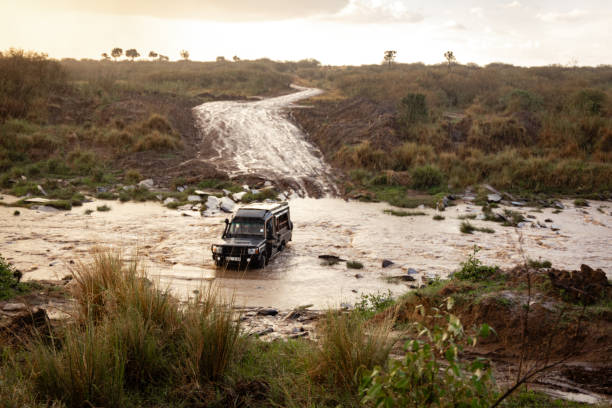 1-Day Ngozi Crater Lake Hike: Your Ultimate Tanzania Adventure 2026-2027start an unforgettable 1-day hike to Ngozi Crater Lake, a less crowded place in Tanzania's Southern Highlands. This guide covers everything from…View package
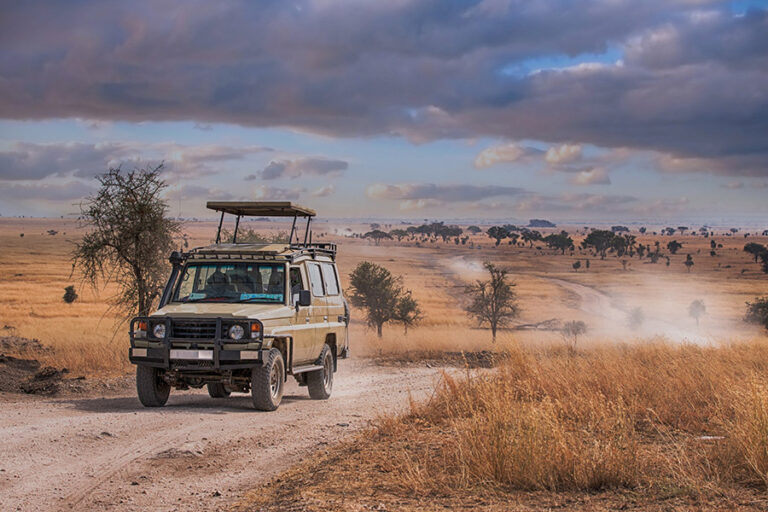 Mbeya Scenic Photography Tour: Capturing Tanzanias Southern HighlandsDiscover the breathtaking landscapes and vibrant culture of Tanzania's Southern Highlands on a Mbeya Scenic Photography Tour. This specialized…View package
 Mbeya Historical Tour: Uncover Southern Tanzanias Rich Past 2026-2027Discover the Mbeya Historical Tour, a journey through Southern Tanzania's fascinating past. Explore ancient ruins, colonial influences, and the…View package
 Mbeya Cycling Adventure: Explore Tanzanias Southern Highlands By Bikestart a unique Mbeya Cycling Adventure, traversing the stunning Southern Highlands of Tanzania. This guide covers routes, highlights, what to…View package
 Mbeya Local Food Experience: A Culinary Journey Through Tanzanias SouthernExplore the vibrant Mbeya local food experience, a deep look at the culinary traditions of Tanzania's Southern Highlands. From staple crops like…View package
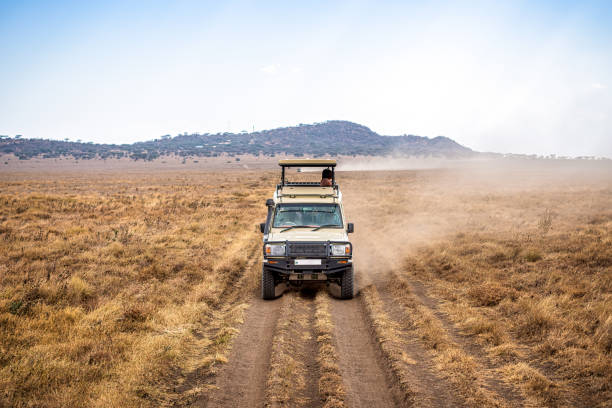 3-Day Mbeya Culture And Nature Tour: Your Essential Guide 2026-2027Discover the highlights of Mbeya with our 3-day culture and nature tour. This itinerary blends breathtaking scenery, authentic cultural…View package
 2-Day Mbeya Highlands Escape: Your Ultimate Itinerary For 2026-2027Experience the Mbeya Highlands in just two days. This guide details an unforgettable itinerary for 2026-2027, covering scenic drives, cultural…View package


