
A 4-day Central Serengeti Big Cat Safari in 2026-2027 is an ideal trip for witnessing lions, leopards, and cheetahs in their prime habitat, focusing on the Seronera Valley and surrounding areas known for high predator densities. This concentrated itinerary maximizes wildlife viewing opportunities within a limited timeframe, offering an unforgettable glimpse into the lives of these magnificent felines and other Serengeti inhabitants.

Why Choose Central Serengeti for Big Cat Encounters?
The Central Serengeti, particularly the Seronera Valley, is renowned globally as one of the most consistent places to observe big cats. Unlike other regions that might be seasonal, Central Serengeti offers year-round opportunities due to permanent water sources and a high concentration of prey animals. This makes a 4-day Central Serengeti Big Cat Safari an excellent choice for travelers seeking definitive sightings of lions, leopards, and cheetahs, even outside the peak migration seasons.
The ecosystem here is rich and diverse, supporting a vast array of wildlife. While the Great Migration is a spectacle that draws millions, the resident populations of predators in the Central Serengeti ensure that thrilling predator-prey interactions are a common occurrence. For those specifically interested in big cats, concentrating their safari time here is a strategic decision that greatly enhances the probability of remarkable sightings.
Understanding the Central Serengeti Ecosystem
The Central Serengeti is characterized by rolling grasslands, acacia woodlands, and kopjes (rocky outcrops). These kopjes are vital habitats for leopards, providing elevated vantage points and safe havens for their young. Lions often congregate near water sources or in areas with abundant prey, while cheetahs, the fastest land animals, prefer the open plains where they can spot and chase down their quarry.
The Seronera River is the lifeblood of the region, attracting a wide variety of herbivores like wildebeest, zebras, gazelles, and buffalo, which in turn sustain the large predator populations. This intricate balance of predator and prey makes the Central Serengeti a dynamic and endlessly fascinating environment to explore. Planning a safari for 2026-2027 allows you to take advantage of established knowledge of these wildlife patterns.
Crafting Your 4-Day Central Serengeti Big Cat Safari Itinerary
A 4-day safari is relatively short, so maximizing every moment is key. This itinerary is designed to focus intensely on the best wildlife viewing areas within Central Serengeti, ensuring you have the best chance to see the big cats you’ve come to admire.
Day 1: Arrival in Central Serengeti & First Game Drive
Upon arrival at Seronera Airstrip (SEU) or after driving from a nearby park like Ngorongoro Conservation Area, you’ll be met by your Top Guide Adventures safari guide. After a brief introduction and perhaps a quick stop at your lodge or camp for check-in, you’ll immediately head out for your first game drive. The afternoon light is often spectacular for photography, and predators can become more active as the heat of the day subsides. Your guide will use their expertise to take you to areas known for recent sightings of lions, leopards, or cheetahs. Expect to see large prides of lions, often resting under trees or stalking prey. You might also spot a leopard draped over a tree branch or a cheetah scanning the plains. The sheer abundance of wildlife, including herds of wildebeest and zebras, provides a constant backdrop to the predator action.
Day 2: Full Day Exploring the Seronera Valley
Today is dedicated to a full day of exploration in the Seronera Valley and its immediate surroundings. You’ll start early, perhaps with a packed breakfast, to catch predators during their most active hunting times, often at dawn and dusk. Your guide will focus on areas where big cats have been frequently seen. This might include following up on tracks, listening to bird calls that indicate predator activity, or visiting known leopard-frequented kopjes. You’ll spend ample time observing lion prides, potentially witnessing playful cubs or impressive males. Leopards can be elusive, but patience and expert tracking can lead to sightings in the acacia trees or rocky outcrops. Cheetahs are often seen on the open plains, hunting or resting after a kill. Beyond the big cats, you’ll encounter elephants, giraffes, buffalo, and a variety of antelopes, making for a comprehensive Serengeti experience.
Day 3: Deeper Exploration & Specialized Tracking
On day three, you’ll venture slightly further afield from the immediate Seronera area, perhaps exploring the Moru Kopjes region or heading towards the Retima Hippo Pool. Moru Kopjes are known for their resident lion prides and are excellent for leopard sightings. These rocky outcrops offer unique geological features and often provide shade for resting animals. You’ll continue your search for elusive leopards and spend more time observing the social dynamics of lion prides. Your guide will leverage their knowledge of individual prides and territories to enhance your chances. If you haven’t yet seen a cheetah, today offers another opportunity to search the more open grasslands. Even if big cat sightings are plentiful, the diverse birdlife and other mammals like rhinos (though rare in Central Serengeti) add to the richness of the day. A picnic lunch in the bush adds to the authentic safari feel.
Day 4: Morning Game Drive & Departure
Your final morning offers one last chance to soak in the Serengeti’s magic. An early morning game drive is highly recommended, as predators are often active at this time. It’s a perfect opportunity to revisit a favorite spot or try to find any species you might have missed. You might get a final glimpse of a lion pride on the move, a leopard finishing its night’s hunt, or a cheetah cub playing. After your drive, you’ll return to your lodge or camp for breakfast and check-out. You will then be transferred to Seronera Airstrip for your onward flight, filled with memories of your incredible 4-day Central Serengeti Big Cat Safari.
Where to Stay in Central Serengeti
Accommodation in Central Serengeti ranges from luxurious lodges and tented camps to more budget-friendly options. The choice of accommodation significantly impacts your safari experience, offering different levels of comfort, service, and proximity to prime wildlife viewing areas. For a 4-day Central Serengeti Big Cat Safari, staying centrally located is paramount to minimizing travel time to game drives.
Luxury Lodges & Camps
These offer an opulent safari experience with spacious rooms, fine dining, private verandas, and often swimming pools. They are ideal for travelers seeking comfort and exclusivity. Examples include:
- Four Seasons Safari Lodge Serengeti: Offers stunning views, an infinity pool overlooking an elephant watering hole, and exceptional service.
- Singita Sasakwa Lodge: While a bit further west, its associated concessions can offer excellent wildlife viewing, and it represents the pinnacle of luxury.
- Melia Serengeti Lodge: A modern, high-end option with excellent amenities and location.
Mid-Range Tented Camps
These provide a more intimate, classic safari feel with comfortable canvas tents, often with en-suite bathrooms and private decks. They offer a great balance of comfort and authenticity.
- Serengeti Serena Safari Lodge: A well-established lodge with a prime location and good facilities.
- Kubuku Tented Lodge: Offers a comfortable and stylish tented experience.
- Seronera Wildlife Lodge: Offers a classic safari lodge experience with great views.
Budget-Friendly Options
While Central Serengeti is generally more expensive due to its prime location, budget options might include simpler tented camps or lodges slightly further from the core Seronera area, or potentially public campsites for the very adventurous (though less common for a short, focused safari). For a 4-day Central Serengeti Big Cat Safari, it’s often worth investing in a centrally located mid-range option to maximize your wildlife viewing time.
When planning for 2026-2027, booking your preferred accommodation well in advance is crucial, especially during peak seasons.
When is the Best Time for a 4-Day Central Serengeti Big Cat Safari?
While the Central Serengeti is a year-round destination for big cat viewing, certain times might offer slightly different experiences. The key advantage of Central Serengeti is its resident wildlife population, meaning you don’t strictly need to time your visit with the Great Migration to see predators.
- Dry Season (June to October): This is considered a prime time. The grass is shorter, making spotting animals easier. Wildlife congregates around permanent water sources, leading to predictable animal movements and increased predator activity. This is also peak tourist season, so expect more vehicles.
- Wet Season (November to May): This period sees lush green landscapes and fewer crowds. The wildebeest migration is typically in the southern Serengeti from December to March and then moves north. While the migration isn’t in Central Serengeti during these months, the resident predators are still very active. The rains can sometimes make game drives challenging, but the scenery is beautiful, and photographic opportunities are abundant. The period between March and May often sees the calving season, which can lead to increased predator activity as they target young, vulnerable calves.
For a 4-day Central Serengeti Big Cat Safari, the dry season (June-October) is often recommended for ease of spotting. However, the shoulder months like May or November can offer a good balance of wildlife viewing and fewer crowds. Planning for 2026-2027 means you can aim for these shoulder periods for a potentially more exclusive experience.
What to Expect: Big Cat Behavior and Sightings
A 4-day Central Serengeti Big Cat Safari offers a high probability of encountering lions, leopards, and cheetahs. Here’s what you might expect:
Lions
Central Serengeti is home to numerous lion prides. You are very likely to see lions daily. Sightings can range from prides resting lazily under acacia trees during the heat of the day to lions on the move, hunting, or interacting within their social structure. Observing a kill is rare but possible. You might see large males, females with cubs, and adolescent lions. Their territories are well-established, and your guide will know where to look.
Leopards
Leopards are solitary and elusive, making them a more challenging but incredibly rewarding sighting. They are masters of camouflage and often rest in trees or dense bush. The kopjes in Central Serengeti are prime leopard habitat. When you spot one, it’s often perched on a branch, surveying its surroundings, or with a kill hoisted into a tree to keep it safe from scavengers like lions and hyenas. Patience is key, and your guide’s expertise in spotting their subtle signs is invaluable.
Cheetahs
Cheetahs prefer more open grasslands, where their incredible speed is an advantage. You are likely to see cheetahs during your drives, especially in the mornings and late afternoons when they hunt. Watching a cheetah stalk and chase down prey is one of the most exhilarating wildlife spectacles. They are often seen with their cubs, teaching them to hunt, or resting after a successful chase.
Other Wildlife
While focusing on big cats, your 4-day Central Serengeti Big Cat Safari will also expose you to the park’s incredible biodiversity. Expect to see:
- Herds of Wildebeest and Zebras: Even outside the main migration, resident herds are abundant.
- Gazelles and Antelopes: Thomson’s gazelles, Grant’s gazelles, impalas, and dik-diks are common.
- Elephants: Large herds can be seen, especially near water sources.
- Giraffes: Maasai giraffes are a common sight, often browsing on acacia trees.
- Buffalo: Large herds of Cape buffalo can be encountered.
- Hippos: Usually found in rivers and pools, like the Retima Hippo Pool.
- Crocodiles: In rivers and waterholes.
- A Vast Array of Birdlife: Over 500 species, including ostriches, secretary birds, eagles, and various smaller colorful birds.
Essential Packing List for Your Safari
Packing correctly ensures comfort and preparedness for your 4-day Central Serengeti Big Cat Safari. The climate can vary, and days can be hot while mornings and evenings can be cool.
Clothing
- Neutral-colored clothing: Khaki, beige, light brown, or green are best. Avoid bright colors and white, which can disturb wildlife or attract insects.
- Long-sleeved shirts and trousers: For sun protection and to ward off insects, especially in the evenings.
- T-shirts and shorts/comfortable trousers: For warmer parts of the day.
- Fleece jacket or warm sweater: For cool mornings and evenings.
- Lightweight waterproof jacket: In case of unexpected rain, especially during the wet season.
- Comfortable walking shoes/hiking boots: For around the lodge or camp.
- Sandals or flip-flops: For relaxing at the lodge.
- Hat: Wide-brimmed for sun protection.
Gear & Accessories
- Sunglasses: Essential for glare.
- Sunscreen: High SPF.
- Insect repellent: With DEET.
- Camera and extra batteries/memory cards: You’ll take countless photos! Consider a zoom lens for wildlife.
- Binoculars: Crucial for spotting distant wildlife.
- Personal medications: And a basic first-aid kit.
- Hand sanitizer and wet wipes.
- Adapter for electronics.
- Reusable water bottle.
Documents & Money
- Passport and visa.
- Flight tickets and itinerary.
- Travel insurance details.
- Credit cards and some USD cash: For tips and souvenirs.
Tips for Maximizing Your Big Cat Sightings
Seeing big cats is a highlight for most safari-goers. Here are some tips to increase your chances during your 4-day Central Serengeti Big Cat Safari:
- Listen to your guide: Their experience and knowledge of animal behavior, tracks, and local conditions are invaluable. Trust their judgment on where to go and when.
- Be patient: Wildlife viewing is not a guarantee. Sometimes you need to wait for animals to appear or become active.
- Go out early and late: Predators are most active during the cooler parts of the day – dawn and dusk. Early morning and late afternoon game drives are essential.
- Focus on the habitat: Lions are often found near water or in areas with prey. Leopards favor kopjes and acacia trees. Cheetahs prefer open grasslands. Your guide will know these preferences.
- Look for signs: Fresh tracks, scat, or alarm calls from birds can indicate the presence of predators.
- Communicate with your guide: Let them know your specific interests. If you’ve heard of a leopard sighting, ask if they can try to track it.
- Respect the wildlife: Maintain a safe distance and avoid making loud noises that could disturb the animals.
Logistics and Travel Considerations for 2026-2027
Planning a safari involves several logistical steps. For a 4-day Central Serengeti Big Cat Safari in 2026-2027, consider the following:
Getting There
Most international travelers fly into Kilimanjaro International Airport (JRO). From there, you can either take a domestic flight directly to Seronera Airstrip (SEU) in Central Serengeti or start with a drive to Arusha, then fly to Seronera. Alternatively, if you are combining your safari with other destinations like the Ngorongoro Crater, you might drive from Arusha to Central Serengeti, which takes several hours.
Best Time to Book
For 2026-2027 safaris, especially if you have specific accommodation or dates in mind, it’s advisable to book at least 6-12 months in advance. Peak seasons (June-October, and December-February) fill up quickly.
Safari Vehicle and Guide
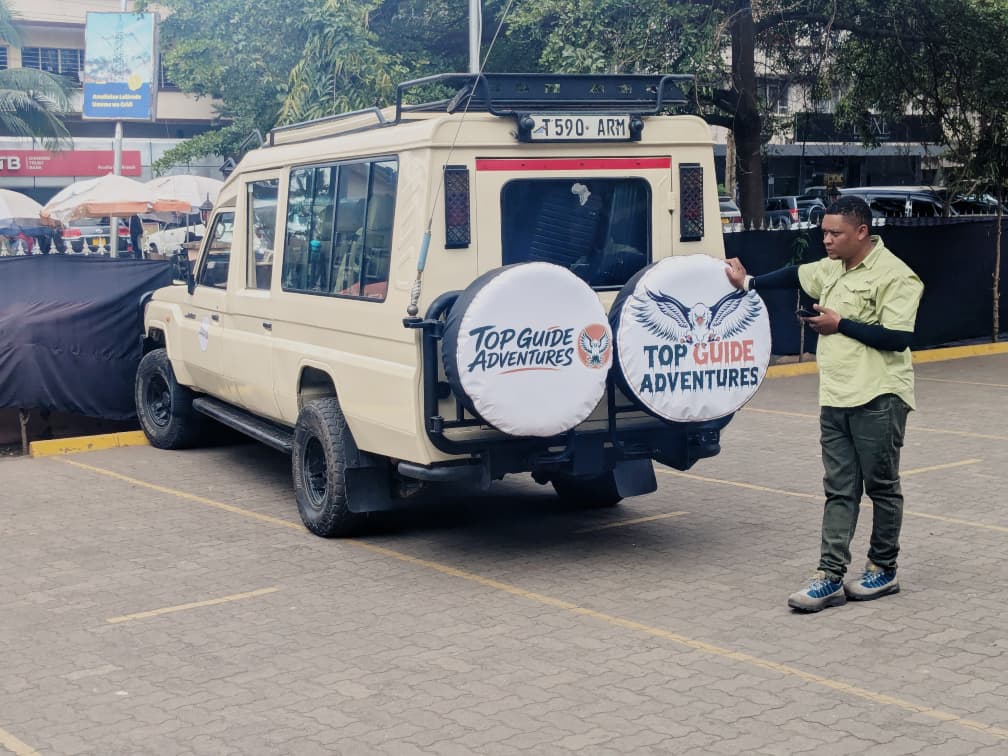
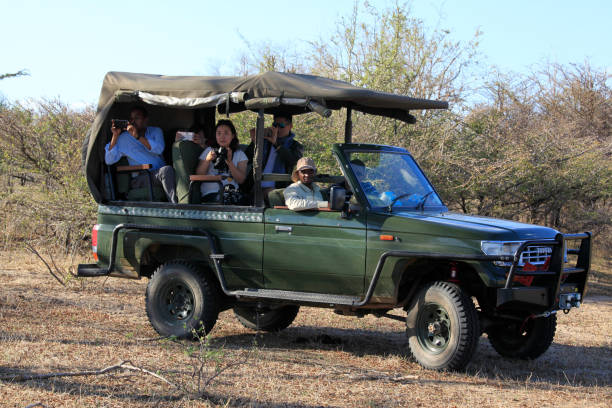
A 4×4 safari vehicle (typically a Land Cruiser or Land Rover) is standard for Serengeti safaris, equipped with pop-up roofs for optimal game viewing and photography. A knowledgeable and experienced guide is crucial for maximizing your big cat sightings and ensuring a safe and informative trip.
Park Fees
Serengeti National Park has daily entrance fees, vehicle fees, and camping/accommodation fees. These are typically included in your tour package price but are important to understand. Fees are subject to change, so confirm current rates for 2026-2027.
Health and Safety
Consult your doctor about necessary vaccinations and malaria prophylaxis well in advance of your trip. Ensure you have adequate travel insurance covering medical emergencies and evacuation.
Comparing Central Serengeti with Other Regions
While Central Serengeti excels for big cats year-round, understanding its context within the larger Serengeti ecosystem and other parks can help tailor your safari.
- Central Serengeti vs. Western Serengeti: Western Serengeti (Grumeti River) is famous for dramatic wildebeest river crossings during the migration (typically May-July). It’s excellent for big cats but can be more challenging to access and less consistent year-round than Central.
- Central Serengeti vs. Northern Serengeti: Northern Serengeti (Mara River) is the prime location for witnessing the Great Migration river crossings (typically July-October). It also boasts excellent big cat populations, especially during the migration. However, a 4-day trip might not allow sufficient travel time to cover both Central and Northern effectively if you want deep exploration of either.
- Central Serengeti vs. Southern Serengeti: Southern Serengeti (Ndutu area) is renowned for the wildebeest calving season (December-March), offering incredible predator action as lions and cheetahs hunt newborn calves. The landscape is different, with vast plains. While good for predators, Central Serengeti offers more reliable leopard sightings due to the kopjes.
For a focused 4-day Central Serengeti Big Cat Safari, sticking to the Central region ensures you spend maximum time in the most productive areas for lions, leopards, and cheetahs without extensive travel between zones. This is particularly true if your visit falls outside the peak migration months in 2026-2027.
The Role of a Top Guide Adventures Expert
Choosing a reputable tour operator like Top Guide Adventures is essential for a successful safari. Our expertise ensures:
- Tailored Itineraries: We craft your 4-day Central Serengeti Big Cat Safari to match your interests, budget, and desired pace.
- Experienced Guides: Our guides are local, knowledgeable, and passionate about wildlife. They understand animal behavior, tracking, and the best locations for sightings.
- Logistical Management: We handle all the complexities of park fees, accommodation bookings, vehicle arrangements, and transfers, allowing you to relax and enjoy the experience.
- Safety and Comfort: We prioritize your well-being with well-maintained vehicles and adherence to safety protocols.
- Insightful Commentary: Our guides provide fascinating information about the flora, fauna, and cultural aspects of Tanzania.
For planning your 2026-2027 safari, connecting with us early ensures the best availability and personalized service. You can reach us via WhatsApp at +255616946642 or email us at topguideadventures@gmail.com or info@topguideadventures.com.
Cost Considerations for a 4-Day Central Serengeti Safari
The cost of a 4-day Central Serengeti Big Cat Safari can vary significantly based on accommodation level, group size, and time of year. As a general guideline for 2026-2027:
Indicative Price Ranges (Per Person, Based on 2 People Sharing):
- Budget/Mid-Range: Expect prices from approximately $1,200 – $1,800 USD per person. This typically includes mid-range lodges or tented camps, a private 4×4 vehicle, a guide, park fees, meals, and basic activities.
- Luxury: For high-end lodges and exclusive services, prices can range from $2,000 – $4,000+ USD per person. This includes top-tier accommodation, premium vehicles, potentially more exclusive guiding services, and finer dining.
Factors influencing cost:
- Accommodation: Luxury lodges are significantly more expensive than mid-range tented camps.
- Vehicle Type: While most use Land Cruisers, specialized vehicles might cost more.
- Group Size: Private safaris are more expensive per person than joining a small group departure.
- Season: Peak season (June-October) usually commands higher prices.
- Inclusions: Ensure your package covers park fees, meals, accommodation, guide, vehicle, and specified activities. Exclusions often include international flights, visas, tips, personal expenses, and drinks.
For a precise quote tailored to your 2026-2027 travel plans for a 4-day Central Serengeti Big Cat Safari, please contact Top Guide Adventures.
Frequently Asked Questions About Central Serengeti Safaris
Here are some common questions potential travelers have:
Is 4 days enough for the Serengeti?
While longer trips allow for exploring more regions, 4 days is sufficient for a focused 4-day Central Serengeti Big Cat Safari. It allows for in-depth exploration of the highly productive Central Serengeti area, maximizing your chances of seeing big cats without excessive travel time.
What are the chances of seeing a leopard?
Leopards are elusive, but Central Serengeti, with its kopjes and acacia woodlands, offers good chances. With an experienced guide and patience, your probability increases significantly. They are more commonly seen resting in trees or on rocks.
Do I need malaria tablets for the Serengeti?
Yes, malaria is present in the Serengeti. It is highly recommended to consult your doctor or a travel clinic about malaria prophylaxis and other necessary vaccinations before your trip. Using insect repellent and wearing long sleeves/trousers in the evening also helps.
Can I do a walking safari in Central Serengeti?
Walking safaris are generally not permitted inside the main Serengeti National Park for safety reasons, especially in big cat territories. However, some lodges or camps might offer guided nature walks in areas surrounding the park or on their private concessions. Your 4-day Central Serengeti Big Cat Safari will primarily involve game drives in a vehicle.
What’s the difference between a lodge and a tented camp?
Lodges are permanent structures, often built with stone and thatch, offering amenities like swimming pools and restaurants. Tented camps feature canvas tents, often with en-suite bathrooms and comfortable furnishings, providing a more classic safari ambiance. Both can offer excellent comfort and service.
Planning Your 2026-2027 Big Cat Adventure
A 4-day Central Serengeti Big Cat Safari is a concentrated yet incredibly rewarding experience. It’s designed for those who want to maximize their time observing the Serengeti’s most iconic predators in one of the world’s most renowned wildlife destinations. By focusing on the Central Serengeti, you ensure consistent opportunities to witness lions, leopards, and cheetahs, complemented by the park’s vast array of other wildlife.
Whether you are planning for 2026 or 2027, the key to a successful safari lies in careful planning, choosing the right itinerary, accommodation, and most importantly, an expert guide. Top Guide Adventures is dedicated to creating unforgettable safari experiences. We handle all the details, from arranging your accommodation and game drives to ensuring you have the best possible chance of encountering the magnificent big cats.
To start planning your tailor-made 4-day Central Serengeti Big Cat Safari for 2026-2027, or if you have any questions, please do not hesitate to contact our safari specialists. You can reach us directly via WhatsApp at +255616946642, or email us at topguideadventures@gmail.com. We are excited to help you plan your dream African wildlife adventure.
Check Availability for 4-Day Central Serengeti Big Cat Safari: Expert Itinerary & Planning…
Ready to compare dates, prices, and the best option for your group? Send the package name and travel month so the team can reply with a clear quote, availability, and what is included.
6-Day Nyerere Safari And Zanzibar Holiday: Your Ultimate Tanzania Adventure
Discover the perfect blend of adventure and relaxation with a 6-day Nyerere Safari and Zanzibar holiday. Explore the vast wilderness of Nyerere National Park, renowned for its large...
View package details
6-Day Southern Tanzania Wildlife Safari With Top Guide Adventures 2026-2027
Discover the wild heart of Tanzania on a 6-day Southern Tanzania wildlife safari. This itinerary highlights the unique ecosystems and abundant wildlife of Selous Game Reserve and Ruaha...
View package details
6-Day Nyerere And Ruaha Safari Guide
Discover the untamed beauty of Southern Tanzania with a 6-day safari combining the vast wilderness of Nyerere National Park (formerly Selous) and the dramatic landscapes of Ruaha National...
View package details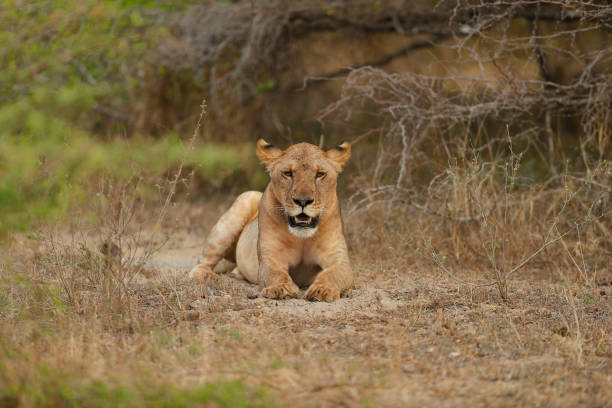
6-Day Selous, Mikumi & Udzungwa Safari: Southern Tanzanias Wildlife Trio
Discover the untamed beauty of Southern Tanzania on a 6-day safari adventure. This journey takes you through the vast Selous Game Reserve, the wildlife-rich Mikumi National Park, and the...
View package details
6-Day Nyerere And Mikumi Safari Guide
Discover the untamed beauty of Southern Tanzania on a 6-day safari adventure through Nyerere National Park (formerly Selous Game Reserve) and Mikumi National Park. This itinerary offers a...
View package details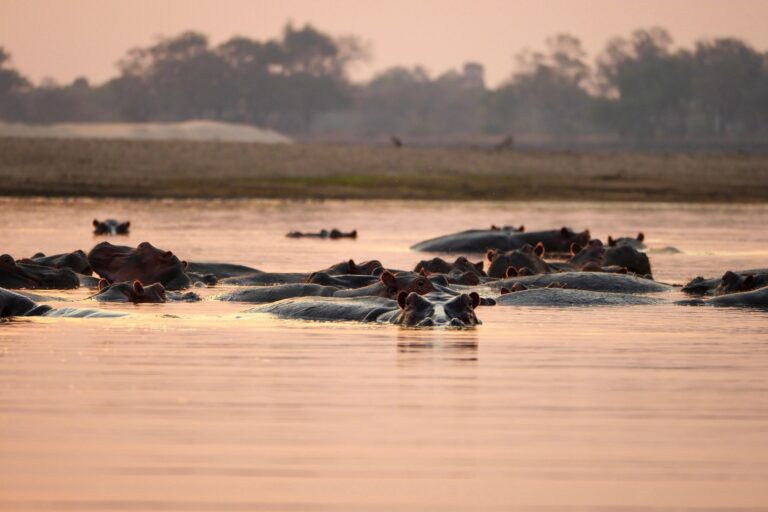
5-Day Mikumi, Nyerere And Zanzibar Safari Package With Top Guide Adventures
Combine the thrilling wildlife encounters of Mikumi and Nyerere National Parks with the tropical allure of Zanzibar on this unforgettable 5-day safari package. This itinerary offers a...
View package details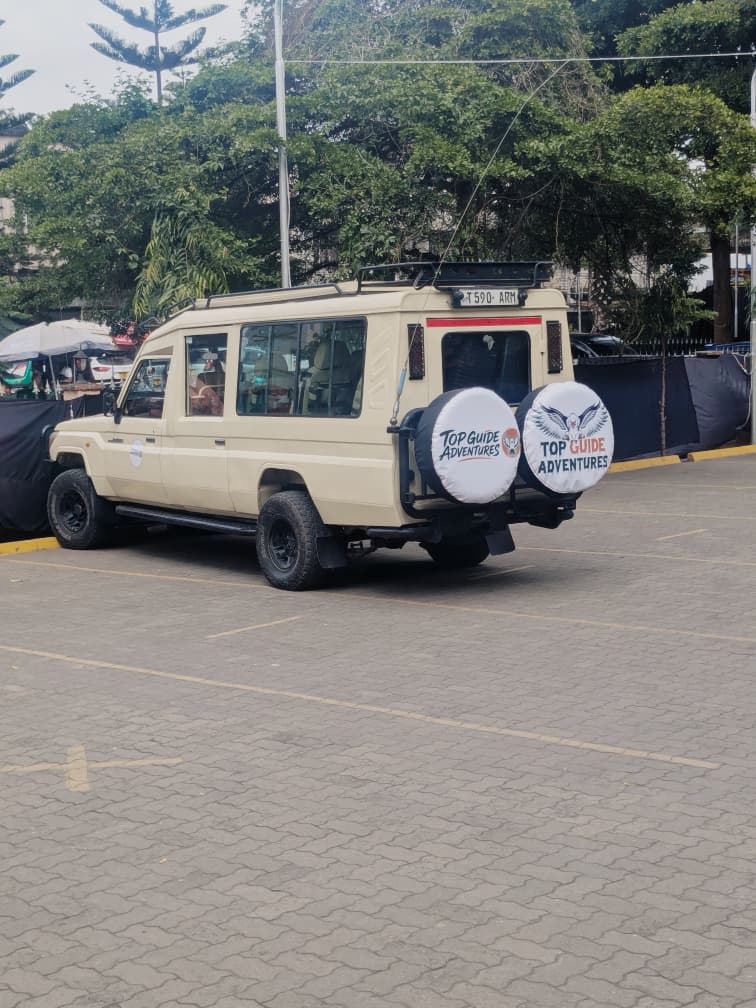
6-Day Nyerere, Mikumi, And Udzungwa Safari: Your Southern Tanzania Adventure
Explore the wild heart of Southern Tanzania on a 6-day safari adventure. This journey combines the vast wilderness of Nyerere National Park (formerly Selous), the abundant wildlife of...
View package details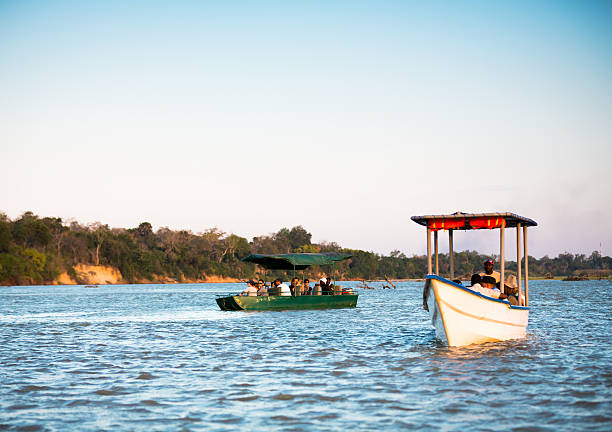
5-Day Southern Tanzania Group Joining Safari: Your Ultimate Adventure
Discover the wild heart of Southern Tanzania on a 5-day group joining safari. This adventure offers incredible wildlife viewing in Selous Game Reserve and Ruaha National Park, perfect for...
View package details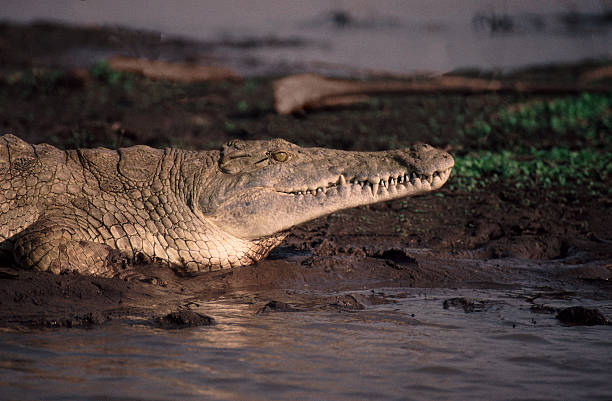
5-Day Private Nyerere And Mikumi Safari With Top Guide Adventures 2026-2027
start an unforgettable 5-day private safari adventure through Tanzania's Nyerere National Park (formerly Selous) and Mikumi National Park. This itinerary focuses on maximizing wildlife...
View package details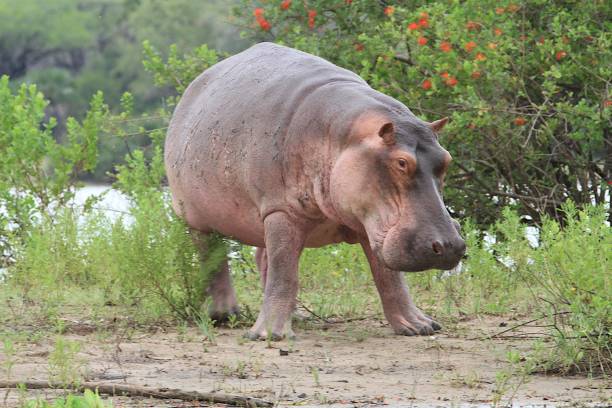
4-Day Luxury Nyerere Safari With Rufiji Boat Your Ultimate Itinerary 2026-2027
Discover the magic of a 4-day luxury safari in Nyerere National Park, famed for its Rufiji River boat safaris. This itinerary offers unparalleled wildlife viewing and unique aquatic...
View package details
6-Day Nyerere And Mikumi Southern Tanzania Safari With Top Guide Adventures
This 6-day safari adventure takes you through Southern Tanzania's Nyerere National Park (formerly Selous) and Mikumi National Park. Expect incredible wildlife viewing, unique activities...
View package details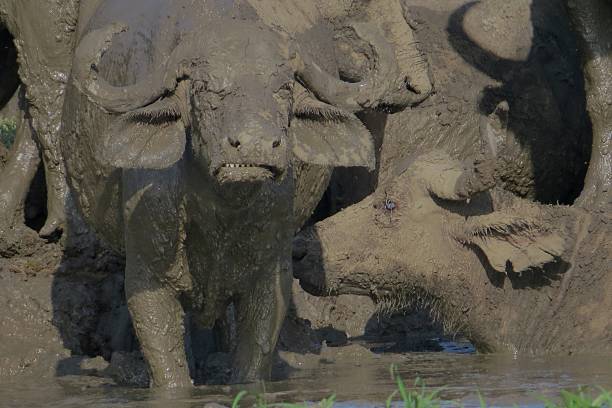
5-Day Selous, Mikumi & Udzungwa Safari: Your Ultimate Southern Tanzania
Plan your 5-day safari adventure covering Selous, Mikumi, and Udzungwa National Parks in Southern Tanzania. This itinerary offers a rich blend of game drives, walking safaris, and unique...
View package detailsNo related package matches those filters. Clear one or more filters to see the other topic-matched options.



