
An Eastern Serengeti cheetah safari offers a prime opportunity to witness these magnificent predators in their natural habitat, particularly in areas like the Moru Kopjes and the expansive plains bordering the Grumeti River, with peak viewing often aligning with the presence of resident cheetah populations and their prey, especially from June to October and again from December to March, though sightings can occur year-round with expert guidance.

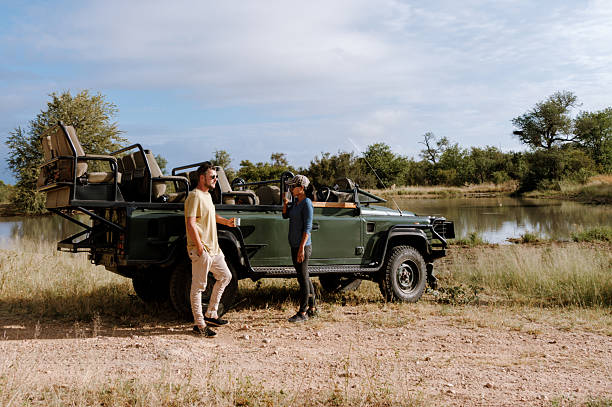
Understanding the Eastern Serengeti for Cheetah Encounters
The vastness of the Serengeti National Park is legendary, and while many visitors associate its iconic wildlife spectacles with the Great Migration in the central and western corridors, the eastern sector holds unique appeal, especially for those specifically seeking out the lightning-fast cheetah. Unlike the dense woodlands of the west or the open grasslands of the central plains, the eastern Serengeti presents a varied topography that cheetahs favor for hunting and raising their young. This region includes the dramatic granite outcrops known as kopjes, interspersed with acacia woodlands and sweeping savannas, creating ideal vantage points for cheetahs to survey their surroundings and launch their incredible pursuits.
For travelers planning an Eastern Serengeti cheetah safari for 2026-2027, understanding the nuances of this specific area is key. It’s not just about the sheer number of animals, but about the habitat that supports these specialized hunters. Cheetahs, with their slender build and semi-retractable claws, are built for speed across open ground. They often use elevated positions, such as termite mounds or the aforementioned kopjes, to gain a better view of potential prey like gazelles and impalas. The eastern Serengeti provides exactly this kind of landscape, making it a strategic location for dedicated cheetah observation.
When considering an Eastern Serengeti safari, it’s important to differentiate it from the more commonly discussed central (Seronera) or western (Grumeti) regions. While cheetahs are present throughout the Serengeti, the eastern sector, often encompassing areas around the Moru Kopjes, Namiri Plains, and extending towards the Lobo area, offers a distinct experience. These areas are generally less crowded than Seronera, providing a more intimate wildlife viewing experience. This can be a significant advantage when tracking elusive predators like cheetahs, where patience and a clear line of sight are paramount.
Why the Eastern Serengeti is a Cheetah Hotspot
The eastern Serengeti’s reputation as a cheetah haven is well-earned. Several factors contribute to its suitability for these magnificent cats:
- Ideal Hunting Grounds: The mix of open grasslands and scattered acacia provides excellent cover for cheetahs while offering visibility for spotting prey. The plains are home to abundant populations of Thomson’s gazelles, grants gazelles, and impalas – staple foods for cheetahs.
- Kopje Habitats: The numerous granite kopjes scattered across the landscape serve as natural lookout points for cheetahs. They also offer shelter and protection for raising cubs, providing a safe haven away from larger predators like lions and hyenas.
- Lower Predator Density (in parts): While the Serengeti is teeming with predators, certain areas within the eastern sector can have a slightly lower density of lions and hyenas compared to the most prime lion territories. This can offer cheetahs a better chance of survival and successful hunting, especially for mothers with cubs.
- Resident Populations: Unlike some areas where cheetahs are more transient, the eastern Serengeti is known to host resident cheetah populations, including females with cubs. This increases the likelihood of consistent sightings for safari-goers.
For travelers specifically interested in an Eastern Serengeti cheetah safari in 2026-2027, focusing on these aspects of the habitat and the presence of resident cats will significantly enhance your chances of a memorable experience. Top Guide Adventures specializes in crafting itineraries that maximize these opportunities, taking you to the heart of cheetah territory with guides who understand their behavior and preferred locations.
Best Times to Visit for Cheetah Sightings in the East
While cheetahs can be spotted year-round in the Serengeti, certain periods offer statistically better chances for sightings in the eastern sector. These optimal times often correlate with prey movements and the general wildlife viewing conditions across the park.
Dry Season Advantage (June to October)
The dry season, typically from June through October, is a prime time for safaris across Tanzania. In the Eastern Serengeti, this period sees wildlife congregating around dwindling water sources, making prey more predictable. Cheetahs, in turn, benefit from this concentration of herbivores. The open landscapes are also more accessible with less dense vegetation, and the clear skies offer excellent photographic opportunities. This is often considered the best time for an Eastern Serengeti cheetah safari due to the combination of accessible terrain and concentrated prey.
Short Rains and Green Season (December to March)
Following the dry season, the short rains usually arrive in November, leading into the main rainy season from December to March. While this period is often referred to as the ‘green season’ and can offer lush landscapes and fewer crowds, it also presents a different dynamic for cheetah spotting. Newborns are often born in the latter part of the year, and mothers with young cubs may prefer the cover of the slightly longer grass that emerges after the rains. Prey species also disperse more widely to take advantage of fresh grazing. This season can be excellent for cheetahs, especially if you are prepared for potential rain showers and slightly more challenging driving conditions.
Transitional Months
The shoulder months, such as late May, early June, November, and early December, can also offer rewarding experiences. You might catch the tail end of the migration moving through or the beginning of the rains, often with fewer visitors than the peak dry season. These periods can present a good balance of wildlife activity and a more tranquil safari experience.
When planning your Eastern Serengeti cheetah safari for 2026 or 2027, consider these seasonal patterns. Top Guide Adventures can help you align your travel dates with the periods most conducive to cheetah sightings, factoring in your specific interests and tolerance for different weather conditions.
Key Locations within the Eastern Serengeti for Cheetahs
The Eastern Serengeti is not a monolithic block; specific areas within it are particularly renowned for cheetah activity. Knowing these locations can help you and your guide focus your search.
Moru Kopjes
The Moru Kopjes are a series of large granite rock formations that rise dramatically from the plains in the southern-central part of the Serengeti, often considered the gateway to the eastern regions. This area is a mosaic of short-grass plains, acacia woodlands, and the kopjes themselves. Cheetahs frequently use the kopjes as vantage points and denning sites. The surrounding plains are rich with gazelles and other small to medium-sized herbivores, providing ample food. It’s a classic Serengeti landscape and a reliable area for spotting cheetahs, especially mothers with cubs seeking the security of the kopjes.
Namiri Plains
Located in the far eastern part of the park, Namiri Plains is a vast, open grassland area that has seen a remarkable recovery in its cheetah and lion populations in recent years, thanks to conservation efforts that reduced human activity. This area is exceptionally good for cheetah sightings due to its open nature, which allows for long-distance spotting and exhilarating chases. The plains are dotted with termite mounds, which cheetahs readily use as elevated platforms. If you are serious about seeing cheetahs, dedicating time to Namiri Plains is highly recommended.
The Great Migration Corridor (Eastern Flanks)
While the heart of the Great Migration’s river crossings is often in the western corridor (Grumeti River) or northern corridor (Mara River), the eastern flanks of the migration path can also attract cheetahs. As vast herds of wildebeest and zebras move through the eastern Serengeti, they bring their own predators, including cheetahs, who opportunistically follow. This can lead to excellent viewing opportunities, particularly during the migration’s transit phases.
Lobo Area
Further north, towards the Lobo Wildlife Lodge area, the landscape becomes more rugged with more hills and kopjes. This region also supports resident cheetah populations. The terrain here can be more challenging but offers stunning scenery and diverse wildlife viewing, with cheetahs often found patrolling the more open valleys and plains between the hills.
When you book your Eastern Serengeti cheetah safari with Top Guide Adventures for 2026-2027, we will tailor your itinerary to include these prime cheetah habitats, ensuring your safari is focused on maximizing sightings. Our experienced guides know these areas intimately and understand the subtle signs that indicate cheetah presence.
What to Expect on an Eastern Serengeti Cheetah Safari
A safari focused on cheetahs in the Eastern Serengeti is an experience that requires patience, keen observation, and the expertise of a knowledgeable guide. Unlike lions, which often move in prides and are more readily visible, cheetahs can be more solitary and adept at blending into their environment. However, the rewards of spotting them are immense.
The Thrill of the Chase
The ultimate experience on an Eastern Serengeti cheetah safari is witnessing a hunt. Cheetahs are the fastest land animals, capable of reaching speeds up to 70 mph (112 km/h) in short bursts. When a cheetah spots its prey, it often crouches low before exploding into a impressive sprint. These hunts are incredibly fast and often unsuccessful, but when they happen, they are a spectacular display of natural prowess. Your guide will work to position the vehicle discreetly to observe this drama unfold without disturbing the animals.
Mothers and Cubs
One of the most heartwarming sights is a mother cheetah with her cubs. Cheetah cubs are born blind and helpless, and their survival rate is relatively low. A mother cheetah is incredibly dedicated, teaching her cubs essential hunting and survival skills. Observing a family unit interact, play, and learn provides deep insight into the lives of these animals. The eastern Serengeti, with its kopjes and varied terrain, offers safe havens for cheetah mothers to raise their young.
Cheetah Behavior and Ecology
Beyond the chase, a safari focused on cheetahs offers opportunities to learn about their unique ecology. Cheetahs are diurnal hunters, meaning they are most active during the day, often in the early morning and late afternoon. This contrasts with lions and leopards, which are often more active at dawn, dusk, or night. Their slender build and non-retractable claws are adaptations for speed, but they make cheetahs vulnerable to larger predators. Understanding these adaptations and challenges adds depth to your viewing experience.
The Role of the Guide
Your guide is your most crucial asset on an Eastern Serengeti cheetah safari. An experienced guide from Top Guide Adventures will not only know where to look but also how to interpret animal behavior, track subtle signs, and anticipate movements. They understand the cheetah’s preferred habitats, hunting times, and resting spots. Their ability to communicate with other guides across the park can also provide valuable real-time information about sightings.
Photography Opportunities
The Eastern Serengeti’s open landscapes and the cheetah’s diurnal habits make it a photographer’s dream. The clear, often golden light of early morning and late afternoon is perfect for capturing stunning images. Whether it’s the sleek silhouette of a cheetah perched atop a kopje, the intense focus in its eyes as it surveys the plains, or the blur of a chase, the photographic potential is immense. Ensure your camera gear is ready, and your guide can help position the vehicle for the best shots.
Planning a trip in 2026 or 2027? Let Top Guide Adventures craft an itinerary that maximizes your chances for these incredible moments. We focus on providing expert guides and vehicles suited for optimal viewing and photography.
Planning Your Eastern Serengeti Cheetah Safari: Practical Tips
A successful safari, especially one focused on a specific animal like the cheetah, requires careful planning. Here are some practical tips to ensure your Eastern Serengeti cheetah safari is as rewarding as possible.
Choosing the Right Time of Year
As discussed, the dry season (June-October) and the green season (December-March) offer different advantages. For cheetahs, the dry season’s open plains and concentrated prey can be ideal. The green season might offer more dramatic landscapes and opportunities to see mothers with cubs, but requires flexibility with weather. Consider your priorities and tolerance for weather when selecting your dates for 2026-2027.
Safari Vehicle and Guide Selection
For cheetah spotting, a pop-top 4×4 safari vehicle is essential. This allows for excellent visibility and photographic opportunities from a standing position. More importantly, select a reputable tour operator with experienced, knowledgeable guides. Guides who specialize in predator tracking and understand cheetah behavior are invaluable. Top Guide Adventures prides itself on its highly skilled guides who are passionate about delivering exceptional wildlife experiences.
Accommodation Options
The Eastern Serengeti offers a range of accommodation, from luxury tented camps to more rustic lodges. Choosing accommodation strategically located within or near prime cheetah habitats can reduce travel time to viewing areas. Options might include lodges near Moru Kopjes or camps in the Namiri Plains region. Consider whether you prefer a mobile camp that follows the wildlife or a permanent lodge.
What to Pack
Clothing: Neutral-colored clothing (khaki, green, beige) is recommended to avoid startling wildlife. Pack layers, as mornings and evenings can be cool, while midday can be hot. Include a warm fleece or jacket, long-sleeved shirts, t-shirts, comfortable trousers, and shorts. A wide-brimmed hat and sunglasses are essential for sun protection.
Footwear: Comfortable, closed-toe walking shoes are suitable for camp, but you’ll primarily be in a vehicle. Trainers or light hiking boots work well.
Health and Safety: Consult your doctor about malaria precautions and recommended vaccinations well in advance of your 2026-2027 trip. Pack insect repellent, a basic first-aid kit, and any personal medications.
Gear: Binoculars are a must for spotting distant wildlife. A good camera with a zoom lens is highly recommended for capturing cheetahs. A headlamp or flashlight is useful for navigating camps at night.
Duration of Stay
To maximize your chances of seeing cheetahs and other wildlife in the Eastern Serengeti, a minimum stay of 3-4 nights is recommended. This allows ample time for game drives in different areas and at different times of day, increasing your odds of encountering cheetahs during their active periods.
Respecting Wildlife
Always follow your guide’s instructions regarding wildlife viewing. Maintain a safe distance from animals, never feed them, and avoid making loud noises or sudden movements that could disturb them. Ethical wildlife viewing is paramount for the animals’ well-being and ensures a more authentic experience.
Top Guide Adventures is committed to responsible tourism. We ensure our safaris adhere to the highest standards of wildlife viewing ethics, providing an enriching and respectful experience for both our guests and the animals. For your Eastern Serengeti cheetah safari in 2026-2027, we offer comprehensive planning services to cover all these aspects.
Beyond Cheetahs: The Rich Biodiversity of the Eastern Serengeti
While the allure of the cheetah might draw you to the eastern Serengeti, the region’s biodiversity extends far beyond these magnificent cats. A well-rounded safari experience here will introduce you to a stunning array of wildlife, showcasing the Serengeti’s status as one of the world’s premier wildlife destinations.
The Great Migration
Depending on the time of year, you might witness parts of the Great Migration in the eastern Serengeti. While the dramatic river crossings are typically associated with the western and northern regions, the vast herds of wildebeest and zebras traverse these eastern plains during their annual cycle. Seeing hundreds of thousands of animals moving across the landscape is a spectacle that few places on Earth can match.
Lions and Other Big Cats
The eastern Serengeti is also home to robust populations of lions, including the iconic Serengeti lion prides. You’ll have opportunities to observe them resting under acacia trees, hunting, or interacting within their social structures. While leopards are more elusive and solitary, they are also present in the eastern sector, often found in areas with more dense vegetation or rocky outcrops. The chance to see all three big cats – lion, leopard, and cheetah – on a single safari is a significant draw.
Elephants and Large Mammals
While not as densely populated with elephants as some other parks, the eastern Serengeti does have elephant herds that move through, particularly in areas with acacia woodlands. You’ll also encounter large numbers of giraffes, buffaloes, zebras, and various species of antelopes, including Thomson’s gazelles, grants gazelles, impalas, and the elegant gerenuk in certain habitats. Hippos and crocodiles are found in permanent water sources like the Grumeti River, which forms a boundary in parts of the region.
Birdlife Extravaganza
For bird enthusiasts, the eastern Serengeti is a paradise. The diverse habitats support a remarkable avian population, with over 500 species recorded. Look out for large ground birds like ostriches and secretary birds, various raptors including eagles and vultures soaring overhead, colorful bee-eaters, kingfishers, rollers, and numerous smaller species. The kopjes and woodlands provide nesting grounds for many resident and migratory birds.
Smaller Mammals and Reptiles
Don’t overlook the smaller creatures that contribute to the ecosystem’s richness. You might spot hyenas (both spotted and striped), jackals, wild dogs (though rarer in this specific sector), bat-eared foxes, mongoose, and various primates like baboons and vervet monkeys. Reptiles such as monitor lizards and agama lizards are also commonly seen basking in the sun.
An Eastern Serengeti cheetah safari planned with Top Guide Adventures ensures you experience the full spectrum of the park’s wildlife. We balance dedicated predator tracking with opportunities to witness the broader biodiversity that makes the Serengeti so extraordinary. Let us help you plan your unforgettable 2026-2027 adventure.
Comparing Eastern Serengeti Cheetah Safaris with Other Regions
When planning a Serengeti safari, visitors often consider different sectors of the park. Understanding the distinctions, particularly for cheetah enthusiasts, can help in making the best choice for your 2026-2027 travel plans.
Eastern Serengeti vs. Central Serengeti (Seronera)
Central Serengeti (Seronera): This is the most popular and accessible part of the Serengeti, known for its high density of resident wildlife year-round. It’s particularly famous for its lion populations and leopards. Cheetah sightings are common, but the sheer number of vehicles can sometimes detract from the experience. The landscape is a mix of woodlands and open plains.
Eastern Serengeti: Offers a more varied landscape with kopjes and wider plains, ideal for cheetahs. It generally experiences fewer vehicles, leading to a more exclusive feel. While lions and leopards are present, the focus here often shifts towards cheetahs and the vast open spaces. Namiri Plains is a standout for cheetahs.
Eastern Serengeti vs. Western Serengeti (Grumeti)
Western Serengeti (Grumeti): This region is most famous for the dramatic wildebeest river crossings during the Great Migration (typically May-July). The Grumeti River, with its resident crocodiles, makes these crossings perilous and spectacular. The landscape is characterized by woodlands and riverine forests.
Eastern Serengeti: Less focused on river crossings and more on the open plains and kopjes. Cheetah sightings are often considered more consistent here due to habitat suitability and resident populations, outside of the migration’s specific transit times. The western corridor can be more challenging to access during the rainy season.
Eastern Serengeti vs. Northern Serengeti (Mara River)
Northern Serengeti (Mara River): This area is renowned for the even more dramatic wildebeest river crossings of the Mara River (typically July-October). It’s a prime location for witnessing lions, crocodiles, and the sheer scale of the migration.
Eastern Serengeti: While the migration passes through, the eastern sector doesn’t feature the iconic Mara River crossings. Its strength lies in the habitat conducive to cheetahs and the potential for excellent sightings away from the peak migration crowds. It offers a different, perhaps more intimate, predator-focused experience.
Conclusion for Cheetah Seekers
For travelers whose primary goal is to see cheetahs, especially mothers with cubs or hunting cheetahs in expansive landscapes, the Eastern Serengeti cheetah safari, particularly focusing on areas like Namiri Plains and Moru Kopjes, often presents the best opportunities in 2026-2027. While cheetahs are found elsewhere, the combination of habitat, resident populations, and fewer vehicles in the east provides a distinct advantage. If witnessing the Great Migration’s river crossings is your top priority, then the west or north might be more suitable, but you can still incorporate eastern Serengeti for a diverse experience.
Top Guide Adventures can help you design an itinerary that balances your specific wildlife interests, whether that’s a dedicated Eastern Serengeti cheetah safari or a broader Serengeti experience incorporating multiple regions.
Crafting Your 2026-2027 Eastern Serengeti Cheetah Safari Itinerary
Designing the perfect safari involves more than just booking flights and accommodation; it’s about creating a journey that maximizes your chances of experiencing the wildlife you most want to see. For an Eastern Serengeti cheetah safari, a thoughtfully planned itinerary is crucial.
Sample Itinerary Framework (7 Days / 6 Nights)
This is a conceptual framework, and Top Guide Adventures excels at customizing every detail to your preferences.
- Day 1: Arrival in Arusha & Safari Briefing
Arrive at Kilimanjaro International Airport (JRO). You’ll be met by a Top Guide Adventures representative and transferred to your comfortable lodge in Arusha. Enjoy a detailed safari briefing for your upcoming Eastern Serengeti cheetah safari, allowing you to ask questions and prepare for the adventure ahead. - Day 2: Fly to Eastern Serengeti & First Game Drive
After breakfast, transfer to Arusha Airport for your scenic bush flight to a airstrip serving the Eastern Serengeti (e.g., Seronera Airstrip, followed by a drive east, or directly to a more eastern airstrip if available). Meet your dedicated safari guide and vehicle. Enjoy your first game drive en route to your chosen camp or lodge in the eastern sector. Keep an eye out for cheetahs as you settle into the rhythm of the Serengeti. - Day 3-5: Exploring the Eastern Serengeti Plains & Kopjes
Dedicate these days to exploring the prime cheetah habitats. Early morning and late afternoon game drives are scheduled to coincide with cheetah activity. Focus on areas like Namiri Plains and the Moru Kopjes. Your guide will utilize their expertise to track cheetahs, observe their behavior, and position the vehicle for optimal viewing and photography. You’ll also encounter lions, leopards, elephants, giraffes, and abundant plains game. Night drives may be available depending on your lodge’s location and park regulations. - Day 6: Full Day Game Drive & Optional Activities
Enjoy another full day of exploration. Depending on your lodge and interests, you might opt for a full-day game drive with a packed picnic lunch, venturing further afield, or perhaps focus on a specific area known for recent cheetah sightings. Discuss options with your guide to tailor the day perfectly. - Day 7: Final Game Drive & Departure
Enjoy a final early morning game drive, perhaps catching a last glimpse of a cheetah or other wildlife. After breakfast, you’ll be transferred to the airstrip for your flight back to Arusha or Kilimanjaro International Airport (JRO) for your onward journey.
Customization Options
- Duration: Extend your stay to 8, 10, or even 14 days to explore more of the Serengeti or combine it with other Tanzanian destinations like the Ngorongoro Crater or Zanzibar.
- Accommodation Style: Choose from luxury tented camps offering fine dining and amenities, mid-range lodges providing comfort and excellent service, or more adventurous mobile camps that move with the seasons.
- Activities: Depending on your lodge and location, consider adding guided bush walks (where permitted and safe), hot air balloon safaris for a bird’s-eye view, or cultural visits to local Maasai communities.
- Focus: While this itinerary emphasizes cheetahs, we can adjust the balance to include more time for birdwatching, photography, or general wildlife viewing across the Serengeti ecosystem.
Top Guide Adventures specializes in creating bespoke Eastern Serengeti cheetah safari experiences for 2026-2027. We work closely with you to understand your vision for the perfect safari, ensuring every detail is meticulously planned. Contact us today to start designing your dream adventure.
Why Choose Top Guide Adventures for Your Eastern Serengeti Cheetah Safari?
Selecting the right tour operator is paramount for a successful and memorable safari. Top Guide Adventures is dedicated to providing an unparalleled Eastern Serengeti cheetah safari experience, grounded in expertise, passion, and a commitment to responsible tourism.
Expert Local Knowledge
Our guides are the heart of our operation. They are Tanzanian nationals with intimate knowledge of the Serengeti’s ecosystems, animal behaviors, and the best locations for spotting elusive wildlife like cheetahs. Their experience, honed over years of guiding, ensures you are in the best hands for tracking and observing these magnificent predators.
Tailored Itineraries
We understand that every traveler is unique. We don’t offer one-size-fits-all packages. Instead, we work closely with you to craft a personalized itinerary that aligns with your interests, budget, and travel style. Whether your sole focus is cheetahs or you wish to combine this with other Tanzanian highlights, we design a safari that meets your exact needs for 2026-2027.
Commitment to Responsible Tourism
Top Guide Adventures is deeply committed to conservation and supporting local communities. We practice ethical wildlife viewing, ensuring minimal impact on the environment and wildlife. We also strive to provide fair employment and support initiatives that benefit the communities surrounding the national parks.
Quality Vehicles and Accommodation
Your comfort and safety are our priorities. We utilize well-maintained, custom-built 4×4 safari vehicles with pop-up roofs for optimal game viewing and photography. We partner with a selection of lodges and tented camps that meet our high standards for quality, service, and location, ensuring a comfortable and authentic safari experience.
smooth Planning and Support
From your initial inquiry to your departure, our team provides dedicated support. We handle all the logistics, including park fees, permits, internal flights, and transfers, allowing you to relax and anticipate your adventure. Our team is always available to answer your questions and provide assistance.
For an unforgettable Eastern Serengeti cheetah safari in 2026-2027, trust Top Guide Adventures to deliver an exceptional experience. We are passionate about sharing the magic of Tanzania’s wildlife with the world.
Contact Us to Plan Your Dream Safari
Ready to start an incredible journey to witness cheetahs in their natural element? Get in touch with our safari experts today to start planning your personalized Eastern Serengeti cheetah safari. We are excited to help you create memories that will last a lifetime.
WhatsApp: +255616946642
Email: topguideadventures@gmail.com
Backup Email: info@topguideadventures.com
Let Top Guide Adventures be your guide to the wonders of the Eastern Serengeti. We look forward to hearing from you and planning your 2026-2027 adventure!
Check Availability for Eastern Serengeti Cheetah Safari: Expert Guide For 2026-2027
Ready to compare dates, prices, and the best option for your group? Send the package name and travel month so the team can reply with a clear quote, availability, and what is included.
Kilimanjaro Stopover Package Between Safari And Zanzibar 2026-2027
Kilimanjaro Stopover Package between Safari and Zanzibar is explained with current 2026-2027 planning, price, itinerary and booking information.
View package details
Where To Store Safari Luggage During Kilimanjaro Climb: Expert Guide 2026-2027
Planning a Kilimanjaro climb and a safari in Tanzania? Learn the best strategies for storing your safari luggage and extra gear securely and conveniently during your trek. Top Guide...
View package details
Best Kilimanjaro Month For Safari Extensions In | Top Guide Adventures
Discover the ideal months for combining a Kilimanjaro climb with a safari in Tanzania, focusing on optimal weather conditions, wildlife spectacles, and extension opportunities for...
View package details
December Kilimanjaro And Safari Holiday: Your Ultimate Guide 2026-2027
Discover the magic of a December Kilimanjaro and Safari holiday in Tanzania. This comprehensive guide covers everything from choosing the right Kilimanjaro route and safari destinations to...
View package details
Kilimanjaro Airport Meet-And-Greet Service: Your Smooth Arrival In Tanzania
Top Guide Adventures offers a comprehensive Kilimanjaro Airport meet-and-greet service designed to make your arrival in Tanzania effortless and welcoming. From the moment you step off the...
View package detailsNo related package matches those filters. Clear one or more filters to see the other topic-matched options.



