
The best Kilimanjaro months for safari extensions, considering optimal climbing and wildlife viewing conditions in Tanzania, are generally the dry seasons: January to early March and June to October. These periods offer clearer skies, less rainfall on the mountain, and abundant wildlife concentrations in the national parks, making them ideal for combining a trek with a safari adventure in 2026 and 2027.
Planning Your Kilimanjaro Climb and Safari Extension in 2026-2027
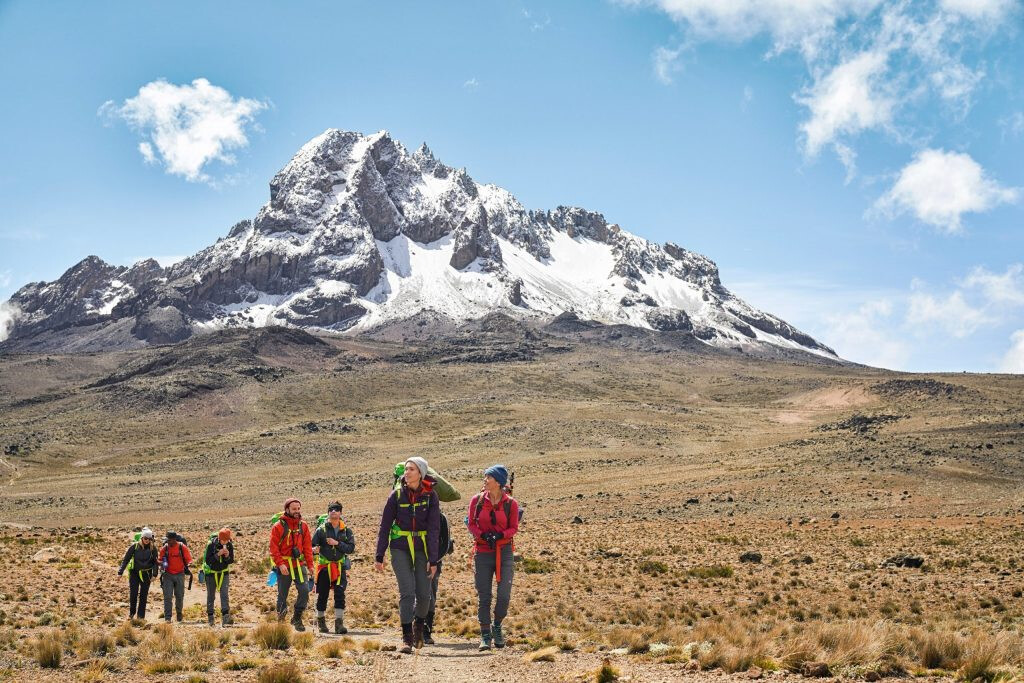
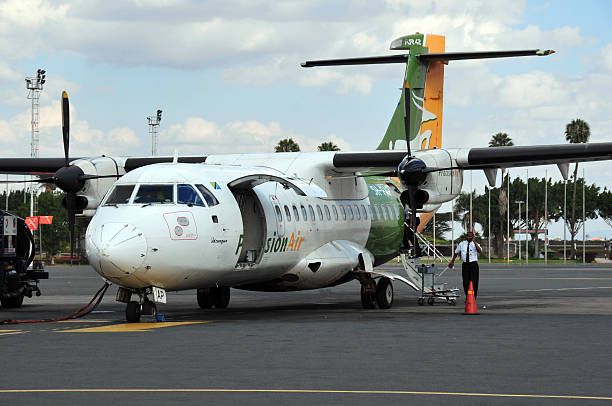
Combining a trek up Mount Kilimanjaro with a Tanzanian safari is a dream adventure for many, offering a profound experience of both natural wonder and impressive landscapes. The success of such an expedition hinges significantly on timing. Choosing the right month for your Kilimanjaro climb and subsequent safari extension ensures you maximize your chances of good weather on the mountain and witness the spectacular wildlife migrations and game viewing opportunities in parks like the Serengeti and Ngorongoro Crater. At Top Guide Adventures, we help you navigate these crucial decisions for a memorable journey in 2026 and 2027.
When considering the best Kilimanjaro month for safari extensions, it’s essential to understand Tanzania’s distinct climate patterns. The country experiences two main seasons: a dry season and a wet season. Each has its unique advantages and disadvantages for both trekking and wildlife viewing.
Understanding Tanzania’s Climate: The Key to Choosing Your Best Kilimanjaro Month for Safari
Tanzania’s climate is largely influenced by its proximity to the equator and its diverse topography, ranging from the coastal plains to the high-altitude summit of Kilimanjaro and the expansive savannas. For trekkers and safari-goers, understanding these patterns is paramount. The two primary dry seasons are considered the most favorable for combining a Kilimanjaro climb with a safari extension.
The Long Dry Season: June to October
This period is widely regarded as the prime time for both climbing Kilimanjaro and experiencing exceptional wildlife viewing. The weather is typically stable, with sunny days, cool nights, and very little rainfall. The humidity is low, making the trekking conditions more comfortable, especially on the higher slopes.
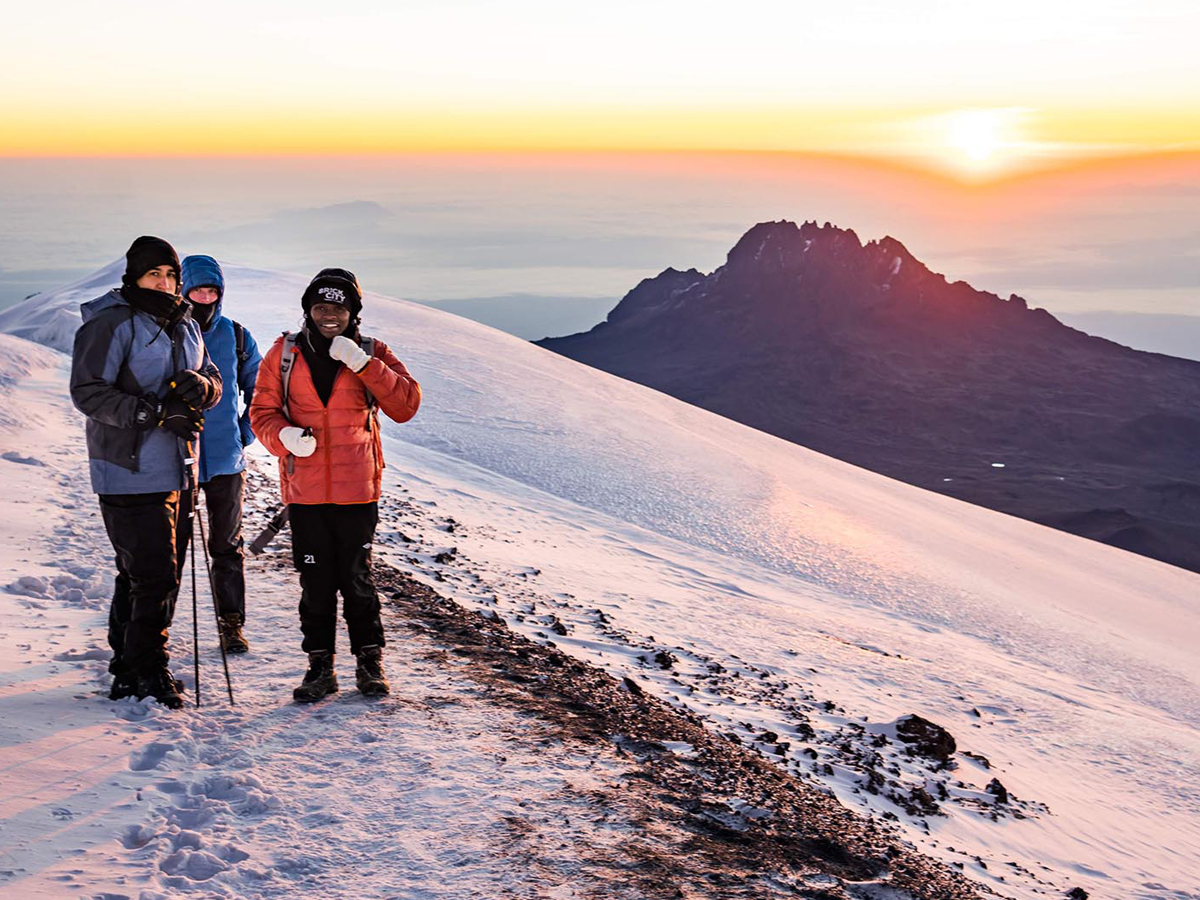
- Kilimanjaro Conditions: Clear skies offer stunning panoramic views from the summit. The trails are generally in good condition, with less mud and slippery sections. The cold temperatures, particularly at night and on the summit day, are manageable with appropriate gear.
- Safari Conditions: This is also peak safari season. The grasses in the plains are shorter, making wildlife easier to spot. The Great Migration is often found in the Serengeti’s western and northern regions during these months, offering incredible predator-prey action. Waterholes become crucial gathering points for various animals, concentrating game for impressive viewing. However, it’s also the busiest tourist season, meaning parks and accommodation can be more crowded and prices might be higher for 2026-2027 bookings.
The Short Dry Season: January to Early March
This is another excellent window for a Kilimanjaro and safari combination. The weather is generally dry and warm, though there can be occasional light showers. It’s a fantastic time for wildlife viewing, especially as it coincides with the calving season of the Great Migration in the southern Serengeti.
- Kilimanjaro Conditions: While generally dry, the southern slopes of Kilimanjaro can sometimes experience brief, localized showers. However, these are usually not disruptive to the climb. The temperatures are warmer during the day compared to the June-October period, but the summit remains very cold.
- Safari Conditions: This is a spectacular time for safaris, particularly in the southern Serengeti, where vast herds of wildebeest and zebras gather for the calving season. This attracts numerous predators, leading to exciting wildlife encounters. Birdwatching is also excellent during this period. It’s a slightly less crowded period than the long dry season, offering a more intimate safari experience.
The Shoulder Months: November, December, and April/May
These months fall within or adjacent to the rainy seasons and present a mixed bag of conditions. They can offer fewer crowds and potentially lower prices, but come with a higher risk of rain, which can impact both trekking and wildlife viewing.
- November & December (Short Rains): These months often mark the beginning of the short rains. While not as intense as the long rains, showers can be frequent and unpredictable, making trails muddy and potentially reducing visibility. However, the landscapes become greener, and wildlife is more dispersed.
- April & May (Long Rains): This is Tanzania’s wettest period. Heavy, prolonged rainfall is common, making the mountain trails very challenging, muddy, and often inaccessible. Safari roads can also become difficult to navigate. While the landscapes are lush and beautiful, and tourist numbers are low, these months are generally not recommended for climbing Kilimanjaro or for optimal safari experiences.
The Best Kilimanjaro Month for Safari Extensions: A Detailed Breakdown by Month
To truly pinpoint the best Kilimanjaro month for safari extensions, let’s examine each month’s typical conditions and what they mean for your adventure plans in 2026-2027.
January: A Strong Start to the Year
- Kilimanjaro: January is part of the short dry season. It’s a great month for climbing, with generally clear skies and good trekking conditions. Temperatures are warm during the day but cold at the summit.
- Safari: Excellent for wildlife viewing. The Great Migration is typically in the southern Serengeti, a prime time for witnessing the calving season and abundant predators. It’s a popular month, but less crowded than July-September.
- Combined Trip: Highly recommended for a Kilimanjaro climb followed by a safari.
February: Peak of the Short Rains (Dry Season)
- Kilimanjaro: Continues the dry season. Often considered one of the best months for climbing due to stable weather.
- Safari: Still prime time for the southern Serengeti’s calving season and predator action. The landscape is lush and green.
- Combined Trip: Excellent choice for combining both experiences.
March: Transition Month
- Kilimanjaro: The end of the short dry season. Weather remains generally good, though chances of brief showers increase towards the end of the month.
- Safari: Wildlife viewing is still excellent, especially in the southern Serengeti. The migration begins to move north.
- Combined Trip: Very good, but starting to see a slight increase in rain probability.
April: Beginning of the Long Rains
- Kilimanjaro: Marks the start of the heavy rainy season. Trails become muddy, slippery, and potentially dangerous. Visibility can be poor. Not recommended for climbing.
- Safari: While the landscapes are beautiful and green, heavy rains can make roads impassable and disperse wildlife. Tourist numbers are very low.
- Combined Trip: Generally not advisable due to high rainfall impacting both activities.
May: Peak of the Long Rains
- Kilimanjaro: Deep in the long rainy season. Climbing conditions are extremely challenging and often not feasible. Strongly not recommended.
- Safari: Heavy rains continue. Game viewing can be difficult, and many lodges might be closed.
- Combined Trip: Avoid this month for any Kilimanjaro-safari combination.
June: Transition to Dry Season
- Kilimanjaro: Marks the end of the long rains and the beginning of the dry season. Trails start to improve. Weather is generally stable with clear skies, though occasional showers are possible early in the month.
- Safari: The Great Migration begins to move into the western corridor of the Serengeti. Wildlife viewing is excellent. It’s the start of the peak tourist season.
- Combined Trip: A very good month to combine a climb and safari, especially from mid-June onwards.
July: Prime Dry Season
- Kilimanjaro: Excellent climbing conditions. Clear skies, dry trails, and cold temperatures at the summit.
- Safari: Peak season for the Great Migration in the western and northern Serengeti, often involving river crossings. Wildlife is concentrated and easy to spot.
- Combined Trip: One of the absolute best months for a Kilimanjaro-safari extension. Be prepared for peak season crowds and prices.
August: Consistently Good
- Kilimanjaro: Continues the excellent dry season conditions. Ideal for trekking.
- Safari: The Great Migration is typically in the northern Serengeti, offering spectacular predator-prey interactions and river crossings. Peak season continues.
- Combined Trip: Another top-tier month for a combined adventure.
September: Another Peak Month
- Kilimanjaro: Still offers fantastic dry weather for climbing. Temperatures are cool, and skies are usually clear.
- Safari: Wildlife viewing remains superb, with the migration often still in the northern Serengeti or beginning to move south.
- Combined Trip: Highly recommended. It’s a fantastic balance of good weather and slightly fewer crowds than July/August.
October: End of Dry Season
- Kilimanjaro: The end of the long dry season. Weather is still generally good, but there’s an increasing chance of rain later in the month.
- Safari: Excellent wildlife viewing continues. The migration is often moving through the central Serengeti towards the south.
- Combined Trip: Very good, especially in the first half of the month. Consider booking for early October for the best odds.
November: Start of Short Rains
- Kilimanjaro: Marks the beginning of the short rains. Showers can be frequent and brief, making trails muddy. Visibility may be reduced.
- Safari: The migration is typically moving into the Serengeti’s central and western areas. Wildlife viewing is still good, but rain can make game drives less predictable. Landscapes become greener.
- Combined Trip: Possible, but with a higher risk of rain impacting the climb. Fewer crowds and lower prices might be appealing for some.
December: Holiday Season and Variable Rains
- Kilimanjaro: The short rains can continue, though they are often intermittent. Some trekkers still choose this month for the festive atmosphere and fewer crowds compared to peak dry season.
- Safari: Wildlife viewing is generally good as animals are spread out. The migration is moving towards the southern Serengeti for the upcoming calving season. It’s a popular time due to holidays, leading to more crowds and higher prices.
- Combined Trip: A viable option, especially for those seeking a festive climb and good, though potentially wet, safari conditions.
Why the Dry Seasons Reign Supreme for Kilimanjaro and Safari Extensions
The consistent theme emerging is that the dry seasons offer the most predictable and favorable conditions for both climbing Kilimanjaro and enjoying a Tanzanian safari. Let’s elaborate on why these periods are so critical:
Predictable Weather for Kilimanjaro Climbs
Climbing Kilimanjaro is a significant physical undertaking. Unpredictable weather can turn a challenging trek into a dangerous one. During the dry seasons:
- Reduced Rainfall: Less rain means fewer muddy, slippery trails, making ascents and descents safer and more comfortable.
- Clearer Skies: This significantly improves visibility, offering impressive views and enhancing the overall climbing experience. Summit nights are crucial for clear views of the crater and surrounding landscapes.
- Stable Conditions: While Kilimanjaro’s summit is always cold, the dry season offers more stable temperature ranges and less wind, which can be a critical factor in summit success and safety.
Optimal Wildlife Viewing on Safari
Tanzania’s national parks, particularly the Serengeti and Ngorongoro Crater, are world-renowned for their wildlife. The dry seasons enhance the safari experience in several ways:
- Concentrated Wildlife: As water sources dwindle during the dry season, animals congregate around permanent waterholes and rivers, making them easier to spot and observe.
- The Great Migration: The timing of the Great Migration’s movement across the Serengeti plains is a major draw. The dry seasons align with key events like the calving season (January-March) and the dramatic river crossings (July-October), offering unparalleled wildlife spectacles.
- Easier Game Drives: Shorter grasses in the dry season improve visibility, allowing for better viewing of animals hiding in the savanna. Roads are also generally in better condition, leading to smoother game drives.
Choosing Your Safari Extension Itinerary Based on the Best Kilimanjaro Month
Once you’ve identified the best Kilimanjaro month for safari extensions, you can tailor your safari itinerary to take advantage of the specific wildlife events occurring during that time. Top Guide Adventures specializes in crafting these bespoke experiences.
Safari Extensions During the Long Dry Season (June-October)
If you’re climbing Kilimanjaro between June and October, your safari extension will likely focus on the Serengeti’s northern and western regions.
- Serengeti National Park: Witness the thrilling river crossings of the Great Migration, where wildebeest and zebras brave crocodiles and predators in the Mara River. This is a highlight of any safari.
- Ngorongoro Conservation Area: The Ngorongoro Crater offers incredible resident wildlife viewing year-round, but during the dry season, game is easily spotted on the crater floor. It’s a condensed ecosystem with a high density of animals, including the Big Five.
- Tarangire National Park: Known for its large elephant herds and iconic baobab trees, Tarangire is particularly rewarding during the dry season as animals gather around the Tarangire River.
A typical safari extension in this period might involve 3-5 days exploring these iconic parks, often starting with Tarangire, then moving to the Ngorongoro Crater, and finally spending time in the Serengeti, focusing on areas where the migration is most active. For 2026-2027, booking well in advance is crucial for these popular months.
Safari Extensions During the Short Dry Season (January-March)
Climbing Kilimanjaro in January or February and extending your safari means experiencing the magic of the southern Serengeti during the calving season.
- Southern Serengeti: This is the nursery of the Serengeti, where thousands of wildebeest and zebras give birth. The plains are teeming with young animals, attracting a high concentration of predators like lions, cheetahs, and hyenas. It’s a photographer’s paradise.
- Ngorongoro Conservation Area: Still an excellent destination for general game viewing, offering a diverse range of animals within its unique caldera.
- Lake Manyara National Park: Famous for its tree-climbing lions and diverse birdlife, Lake Manyara offers a different ecosystem experience, especially beautiful when the surrounding vegetation is lush from recent rains.
An itinerary during this time might include the southern Serengeti for the calving season, followed by the Ngorongoro Crater and perhaps Lake Manyara. This offers a rich mix of wildlife experiences, different from the river-crossing focus of the long dry season.
Considering Shoulder Months for Your Kilimanjaro and Safari Trip
While the dry seasons are ideal, some travelers might opt for the shoulder months (November, December, March) for potential cost savings or to avoid peak crowds. If you choose one of these months, flexibility and realistic expectations are key.
- March: Still offers good safari conditions as the migration moves north. Kilimanjaro climbing is generally still good, but rain chances increase.
- November: Safari viewing is decent, and the landscape is becoming greener. Kilimanjaro climbs face increased rain risk. This could be a good option for budget-conscious travelers in 2026-2027 who are willing to risk some rain.
- December: Popular for holiday travel. Safari is good, and Kilimanjaro is possible, but rain is a factor.
When planning for 2026 or 2027 during these shoulder periods, it’s vital to work with an experienced tour operator like Top Guide Adventures. We can help you select routes and safari lodges that are less affected by rain and provide the necessary gear and advice to manage variable weather.
Route Selection on Kilimanjaro: Impact on the Best Month for Safari Extensions
The route you choose for your Kilimanjaro climb can also subtly influence the overall experience, though the month remains the primary factor for combining with a safari. Different routes have varying acclimatization profiles and scenery.
- Machame Route: Popular for its scenic beauty and good acclimatization profile. It’s accessible year-round, but the dry seasons (January-March, June-October) are best for clear views and trail conditions.
- Lemosho Route: Offers stunning scenery and excellent acclimatization. Like Machame, it’s best during the dry seasons for optimal trekking.
- Marangu Route: The only route with hut accommodation, making it a unique option. It’s also climbable year-round, but the dry months provide the most pleasant experience.
Regardless of the route chosen, the overarching advice for the best Kilimanjaro month for safari extensions remains consistent: prioritize the dry seasons for the most reliable and enjoyable conditions for both parts of your adventure.
Safari Extension Durations: How Long Should Your Safari Be?
The duration of your safari extension is a personal choice, often dictated by time, budget, and interests. However, to truly experience the highlights of Tanzania’s northern circuit, we recommend a minimum of:
- 3 Days/2 Nights: A whirlwind tour, typically covering the Ngorongoro Crater and a brief visit to Tarangire or Lake Manyara. This is a short but impactful introduction.
- 4 Days/3 Nights: Allows for a more thorough exploration of two parks, such as the Ngorongoro Crater and Tarangire National Park, or a taste of the Serengeti.
- 5 Days/4 Nights or More: This is ideal for experiencing the Serengeti extensively, including potential migration viewing, alongside the Ngorongoro Crater and Tarangire. This duration provides a more relaxed pace and deeper immersion into the wildlife.
When planning your 2026-2027 trip, consider how much time you have after your Kilimanjaro climb. A 4-5 day safari extension is a popular choice for those who want a comprehensive experience without feeling rushed.
Logistics and Booking for 2026-2027 Adventures
Booking your Kilimanjaro climb and safari extension requires careful planning. For the best Kilimanjaro month for safari extensions, especially during peak seasons like July-September and January-February, it’s advisable to book at least 6-12 months in advance for 2026 and 2027. This ensures availability for:
- Kilimanjaro Permits: While not strictly limited, having your climb booked allows us to secure park entry and camping/hut fees.
- Accommodation: Lodges and tented camps in popular safari destinations get booked up quickly, particularly for prime viewing locations.
- Guides and Vehicles: Ensuring you have experienced guides and reliable safari vehicles booked for your chosen dates.
Top Guide Adventures prides itself on personalized service. We can help you select the best month, route, and safari itinerary tailored to your interests and budget. Our team has extensive local knowledge to ensure your 2026-2027 adventure is perfectly timed and executed.
Key Considerations for Your Trip
- Altitude Sickness: Proper acclimatization on Kilimanjaro is crucial. Choosing a longer route (e.g., Lemosho, Machame) and climbing during the dry season can aid this.
- Gear: Ensure you have appropriate cold-weather gear for Kilimanjaro and comfortable, neutral-colored clothing for safari.
- Vaccinations and Health: Consult your doctor about necessary vaccinations and malaria precautions well in advance of your 2026-2027 travel.
- Travel Insurance: Comprehensive travel insurance covering high-altitude trekking and safari activities is essential.
- Budget: Factor in costs for climbing permits, park fees, guides, porters, accommodation, meals, transport, and tips. Peak season months (July-September, January-February) will generally be more expensive.
Frequently Asked Questions About the Best Kilimanjaro Month for Safari Extensions
Here are some common questions we receive regarding timing your Kilimanjaro climb and safari:
-
Q: Can I climb Kilimanjaro and go on safari during the rainy season?
While technically possible, it is not recommended. The long rainy season (April-May) makes climbing extremely difficult and potentially dangerous due to muddy, slippery trails. Safari roads can also become impassable, and wildlife viewing is less predictable. The short rains (November-December) are more manageable, but still carry a higher risk of rain affecting both activities.
-
Q: Is it too cold to climb Kilimanjaro in the dry season?
The dry season (June-October) offers the best trekking conditions, but it is indeed cold, especially at higher altitudes and on summit night. This cold is manageable with proper layering and high-quality gear. The temperatures at the summit can drop to -20°C (-4°F) or lower with wind chill. Warm clothing is essential, but the lack of rain and clear skies make it the most sought-after period.
-
Q: When is the Great Migration in the Serengeti?
The Great Migration is a year-round phenomenon, but its location varies. January-March is typically in the southern Serengeti for calving. April-May sees the herds moving north. June-October often involves river crossings in the western and northern Serengeti. Knowing this helps plan your safari extension around the best Kilimanjaro month for safari.
-
Q: Are there fewer crowds if I travel in the shoulder months?
Yes, generally there are fewer tourists during the shoulder months (March, November, December) compared to the peak dry season (July-September). This can lead to a more exclusive experience and potentially slightly lower prices for tours and accommodation in 2026-2027.
-
Q: What is the best route for a Kilimanjaro climb in the dry season?
All major routes are suitable for the dry season. Popular choices like Machame and Lemosho are highly recommended for their scenic beauty and good acclimatization profiles, which are enhanced by clear dry weather. The Marangu route is also a good option for those preferring huts.
-
Q: How much does a combined Kilimanjaro climb and safari cost?
Costs vary significantly based on the route, duration, accommodation style, and time of year. A 7-day Kilimanjaro climb combined with a 4-day safari extension could range from $3,500 to $7,000+ per person for 2026-2027. Peak season months and private tours will be at the higher end. Top Guide Adventures offers customized quotes based on your specific requirements.
Making Your Decision for 2026-2027
Choosing the best Kilimanjaro month for safari extensions is about balancing your priorities. If clear skies, dry trails, and abundant wildlife are paramount, then the dry seasons of January to early March and June to October are your prime windows. For those seeking fewer crowds and potentially lower costs, the shoulder months of March and November can be viable, provided you are prepared for a higher chance of rain.
At Top Guide Adventures, we are dedicated to helping you plan the perfect Tanzanian adventure. Our expert team can provide detailed advice on the weather patterns for 2026 and 2027, recommend the best routes and safari itineraries, and tailor a package that meets your needs. We ensure that every aspect of your journey, from the moment you land to your final safari drive, is handled with personal attention, care, and dedicated support.
Don’t leave your dream adventure to chance. Contact us to discuss your ideal timing and craft an unforgettable Kilimanjaro climb and safari experience. Reach out via WhatsApp +255616946642, email us at topguideadventures@gmail.com, or our backup email info@topguideadventures.com. Let’s make your 2026-2027 Tanzanian exploration a reality!
Check Availability for Best Kilimanjaro Month For Safari Extensions In | Top Guide Adventures
Ready to compare dates, prices, and the best option for your group? Send the package name and travel month so the team can reply with a clear quote, availability, and what is included.

December Kilimanjaro And Safari Holiday: Your Ultimate Guide 2026-2027
Discover the magic of a December Kilimanjaro and Safari holiday in Tanzania. This comprehensive guide covers everything from choosing the right Kilimanjaro route and safari destinations to...
View package details
November Kilimanjaro And Safari Package: Your Ultimate Tanzania Adventure
Explore comprehensive details for a November Kilimanjaro and Safari package in Tanzania, covering the best routes, packing essentials, safari experiences, and planning tips for 2026-2027...
View package details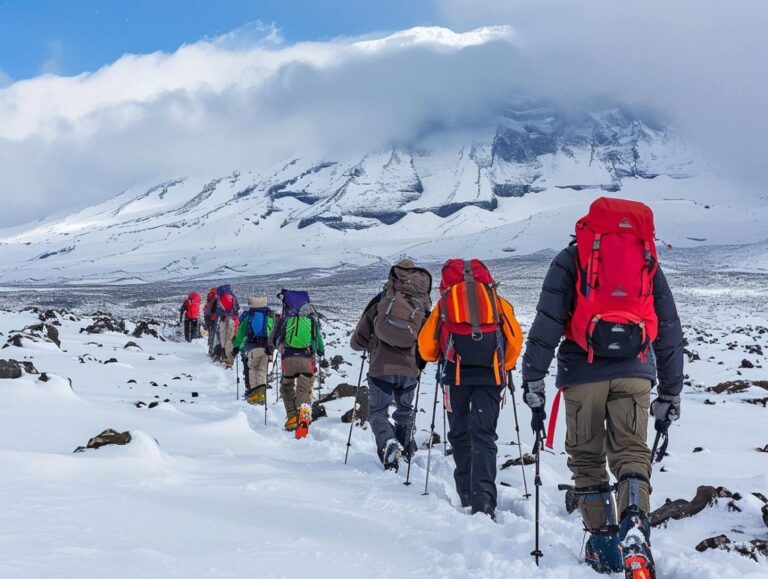
Kilimanjaro Month-By-Month Route Planner: Your Guide 2026-2027
Plan your Kilimanjaro climb with our month-by-month route planner. Covering 2026-2027, we detail weather patterns, route suitability, and expert advice for your successful summit.
View package details
Rainiest Month On Mount Kilimanjaro 2026-2027
Rainiest Month on Mount Kilimanjaro is explained with current 2026-2027 planning, price, itinerary and booking information.
View package details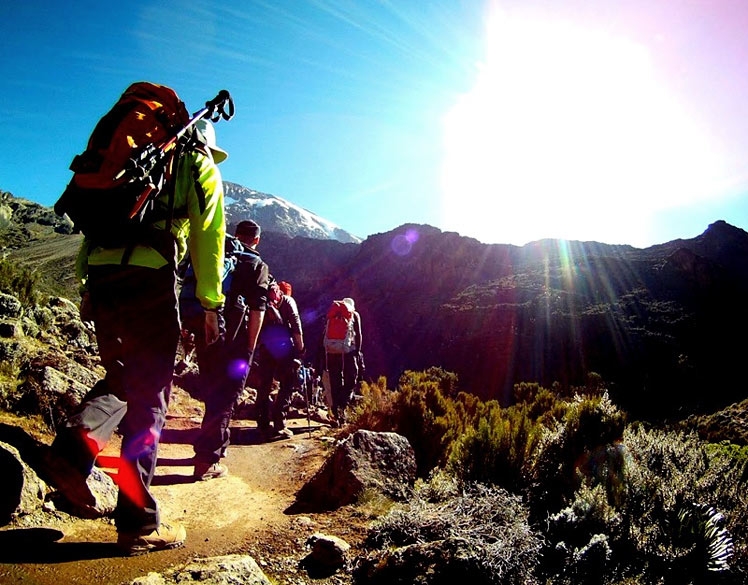
Driest Month To Climb Kilimanjaro: Your Guide For 2026-2027
The driest months for climbing Kilimanjaro are generally January, February, and June through October. These periods offer the clearest skies and lowest rainfall, ideal for a successful and...
View package details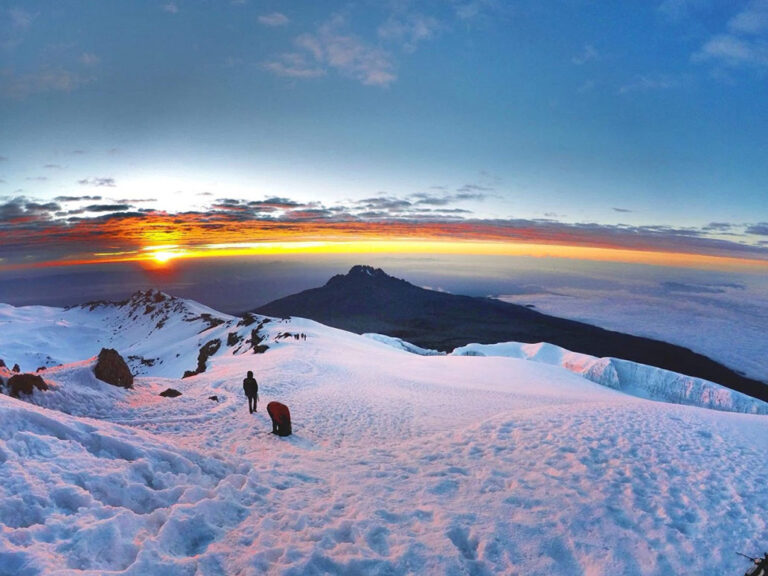
Coldest Month To Climb Kilimanjaro 2026-2027
Coldest Month to Climb Kilimanjaro is explained with current 2026-2027 planning, price, itinerary and booking information.
View package details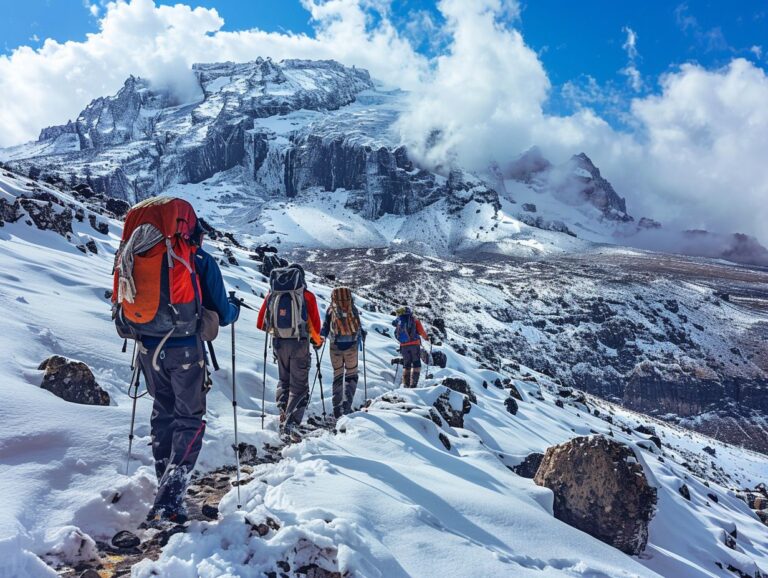
Warmest Month To Climb Kilimanjaro 2026-2027
Warmest Month to Climb Kilimanjaro is explained with current 2026-2027 planning, price, itinerary and booking information.
View package details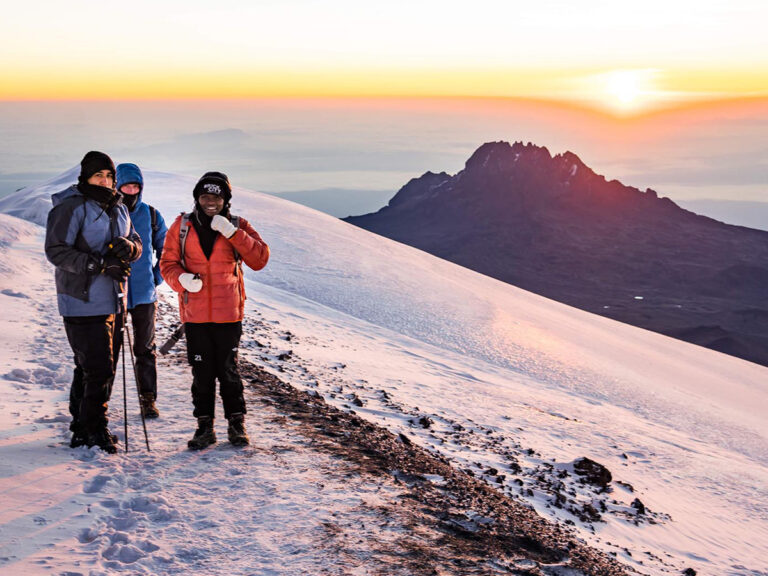
Quietest Month To Climb Kilimanjaro: Your Guide For 2026-2027
Planning a Kilimanjaro climb and seeking fewer fellow trekkers? This guide reveals the quietest months to ascend Africa's highest peak, focusing on shoulder seasons and off-peak periods for...
View package details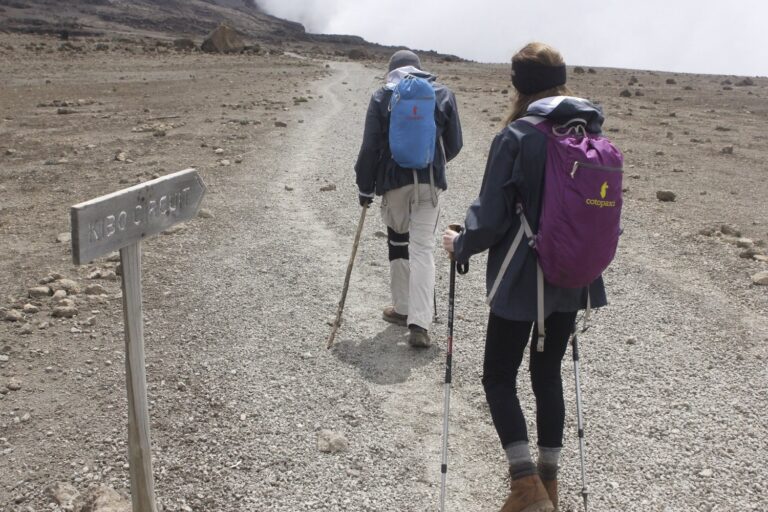
Busiest Month To Climb Kilimanjaro: Peak Seasons & Planning For 2026-2027
Understanding the busiest month to climb Kilimanjaro is crucial for planning a successful trek. This guide details peak seasons, crowd considerations, and optimal times for your 2026-2027...
View package details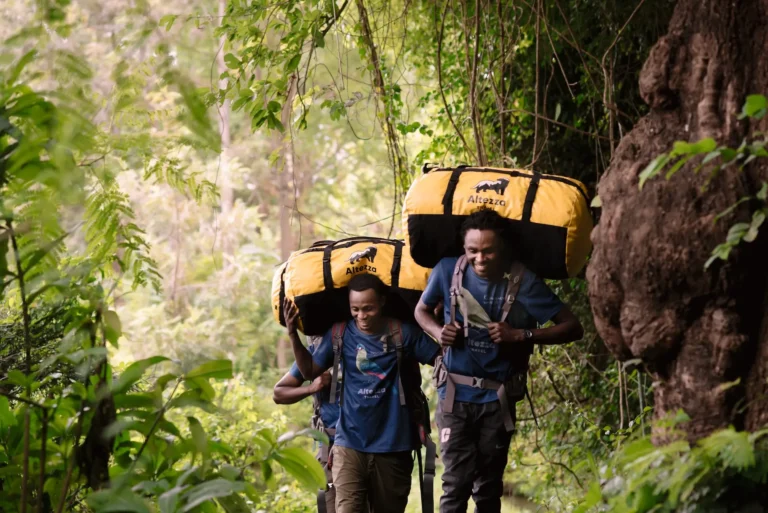
Best Kilimanjaro Month For A Zanzibar Extension: Your Ultimate Guide 2026-2027
Planning a Kilimanjaro climb followed by a Zanzibar beach holiday? This guide helps you choose the best month in 2026-2027 for perfect weather on the mountain and the islands, considering...
View package details
Best Kilimanjaro Month For Solo Travellers: Your Guide 2026-2027
Planning a solo climb of Kilimanjaro? This guide reveals the best months for solo travellers in 2026-2027, focusing on optimal weather, crowd levels, and route availability for an...
View package details
Best Kilimanjaro Month For Senior Climbers: Expert Guide 2026-2027
Planning a Kilimanjaro climb as a senior adventurer? Learn which months offer the best conditions for a successful and enjoyable trek in 2026-2027, considering weather, crowds, and your...
View package detailsNo related package matches those filters. Clear one or more filters to see the other topic-matched options.



