
The busiest months to climb Kilimanjaro are generally January, February, and September, which offer the most stable weather conditions with clear skies and moderate temperatures. These periods attract the highest number of trekkers, meaning trails and camps will be more crowded. If you prefer fewer people on the mountain, consider climbing during the shoulder seasons like March or October/November, though you might encounter more unpredictable weather.
Understanding Kilimanjaro’s Peak Climbing Seasons
Kilimanjaro, Africa’s highest peak and a bucket-list destination for adventurers worldwide, offers a unique climbing experience year-round. However, the mountain’s weather patterns create distinct climbing seasons, with some periods being significantly more popular and, consequently, busier than others. For those planning their expedition for 2026 or 2027, understanding when the busiest month to climb Kilimanjaro occurs is paramount for making informed decisions about when to go, what to expect regarding crowds, and how to best prepare for the journey. At Top Guide Adventures, we help countless trekkers navigate these choices to ensure their climb is both safe and memorable.
The general consensus points to two primary high seasons and two shoulder seasons, interspersed with two distinct wet seasons. The busiest times align with the most favorable weather conditions, which typically means dry periods with minimal rainfall, clear skies, and comfortable temperatures. This combination is highly sought after by trekkers aiming for the best possible summit success rates and overall experience. Let’s break down what defines these seasons and why certain months see a surge in climbers.
The Dry Seasons: Kilimanjaro’s Prime Climbing Windows
Kilimanjaro experiences two main dry seasons each year, and these are consistently the periods when most people choose to ascend the mountain. These dry spells are characterized by lower humidity, less precipitation, and a higher likelihood of clear views from the summit and along the trails.
The Long Dry Season (June to October)
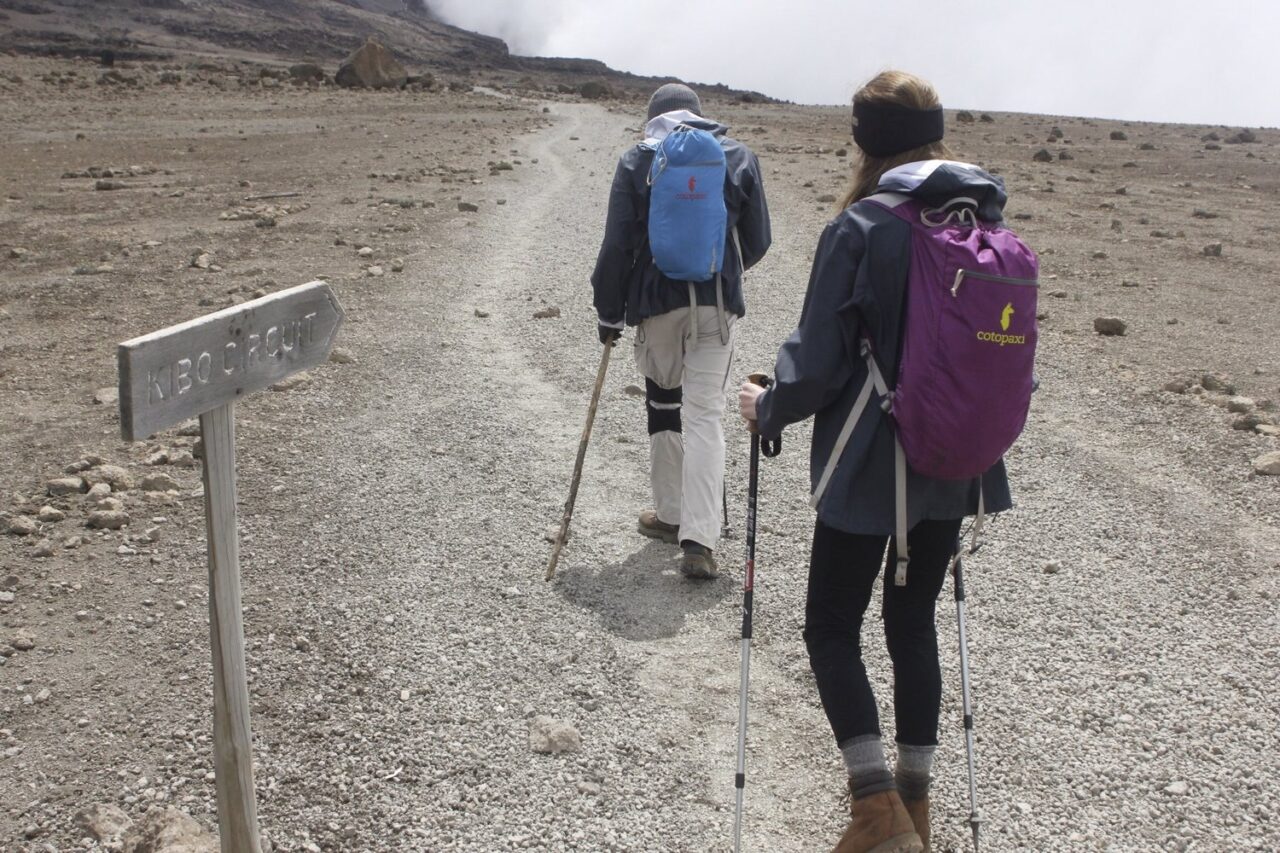
This is arguably the most popular and, therefore, often the busiest month to climb Kilimanjaro within this window. June, July, August, and September are prime months. The weather is typically excellent: cool, dry, and with very clear skies. Temperatures are moderate during the day and can become very cold at higher altitudes, especially on summit night. The visibility is usually superb, offering impressive panoramas of the surrounding plains and, on clear days, even Mount Meru in the distance. Because of this ideal weather, these months see a significant influx of trekkers from around the globe. Expect well-populated trails and busy campsites, particularly on the more popular routes like Machame and Lemosho. Many tour operators, including Top Guide Adventures, experience their highest booking volumes during these months for 2026 and 2027 expeditions.
The Short Dry Season (December to March)
The second dry season, running from December through March, is also a very popular time to climb. December, January, and February stand out as particularly busy. The weather is generally dry, though slightly warmer and more humid than the June-October period. There’s a chance of occasional light showers, especially in February, but overall, conditions are favorable for climbing. The festive season in December often contributes to higher numbers, as many people combine their holiday celebrations with an adventure. January and February are consistently busy due to the reliable dry weather. While perhaps not as intensely crowded as August, these months are definitely within the peak season and qualify as among the busiest month to climb Kilimanjaro. Many trekkers opt for this period for their 2026-2027 adventures seeking good conditions before the long rains.
The Shoulder Seasons: A Balance of Weather and Crowds
Falling between the dry and wet seasons, the shoulder months offer a compromise. The weather can be more variable, but the advantage is fewer people on the mountain. This can lead to a more serene and personal trekking experience.
March to May: The Long Rains
This period is characterized by the long rainy season. While it’s considered the low season, meaning significantly fewer trekkers, it’s not the ideal time for climbing. Heavy rainfall is common, especially at lower and middle altitudes, making trails muddy, slippery, and sometimes difficult to navigate. Visibility can be poor, and the cold at higher elevations is exacerbated by the dampness. Summit success rates can be lower due to the challenging conditions. Therefore, March, April, and May are generally avoided by most trekkers, making them the least busy months.
October to November: The Short Rains
Following the main dry season, October and November represent the short rainy season. These months are considered shoulder seasons. While the rains are not as heavy or persistent as the long rains (March-May), there is an increased chance of showers, often in the afternoon. However, mornings can still be clear, and the landscape becomes incredibly lush and green. The advantage here is a noticeable drop in the number of trekkers compared to the peak dry months. For those who don’t mind a bit of unpredictable weather in exchange for more solitude on the trails and potentially lower prices from some operators, October and November can be excellent choices for a 2026-2027 climb. They are often less busy than the absolute peak months, offering a good balance.
Identifying the Absolute Busiest Month to Climb Kilimanjaro
While several months fall within the peak climbing seasons, pinpointing the single busiest month to climb Kilimanjaro often depends on various factors, including holidays and specific weather patterns in a given year. However, based on historical data and general trends:
- September: This month consistently ranks as one of the busiest. It marks the end of the prime dry season, offering excellent weather, and coincides with summer holidays in many parts of the world, drawing many trekkers.
- August: Similar to September, August is characterized by superb dry weather and high visitor numbers. It’s a classic peak season month.
- January & February: These months are part of the second dry season and are very popular. They offer good climbing conditions after the holiday rush and before the onset of the long rains.
- July & December: These months also see high traffic, with July benefiting from summer holidays and December from the Christmas and New Year period.
When considering the busiest month to climb Kilimanjaro, it’s important to understand that even during these peak times, the mountain is vast, and different routes experience varying levels of traffic. However, the most popular routes like Machame, Marangu, and Lemosho will feel noticeably more crowded during these months. For instance, campsites on Machame Route can become quite full in August or September.
Crowd Levels on Popular Routes During Peak Times
The impact of peak season is most felt on the most frequently used routes. The Machame Route, known for its scenic beauty and high success rate, is often the busiest. The Lemosho Route, also very popular and scenic, experiences significant traffic, especially when combined with the Machame descent. The Marangu Route, the ‘Coca-Cola’ route, is popular for its hut accommodation and shorter climb duration, leading to consistent numbers throughout the peak season. Routes like Rongai and Northern Circuit, while gaining popularity, tend to be slightly less crowded even during peak months due to their less direct approach or longer duration.
For trekkers aiming for 2026 or 2027, booking well in advance is crucial if you plan to climb during these busy periods. Tour operators like Top Guide Adventures often fill their group departures months, sometimes over a year, ahead for peak season dates.
Why Do Certain Months Become the Busiest Month to Climb Kilimanjaro?
The concentration of climbers during specific months is driven by a confluence of factors, primarily weather, but also including global holiday schedules and school breaks.
1. Weather Predictability
Kilimanjaro’s weather is the single biggest determinant of climbing popularity. The mountain has distinct wet and dry seasons. Trekkers naturally gravitate towards the dry seasons because:
- Clear Skies: Less cloud cover means better visibility, allowing for stunning views of the crater and the surrounding landscape.
- Lower Rainfall: Dry trails are easier and safer to navigate, reducing the risk of slips and falls. Campsites are also more pleasant.
- Moderate Temperatures: While it’s always cold at high altitudes, the dry seasons generally offer more moderate temperatures during the day, making the trek more comfortable.
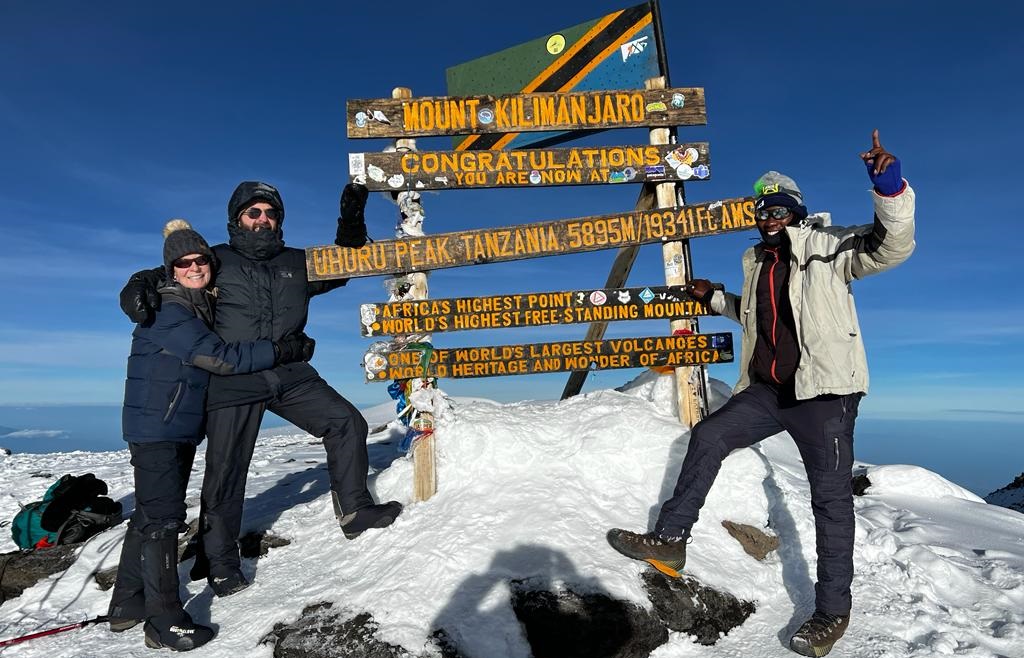
- Higher Summit Success Rates: Favorable weather conditions significantly contribute to a higher probability of reaching Uhuru Peak.
2. Global Holiday Schedules and School Breaks
The influence of international holidays and school vacations cannot be understated. The busiest month to climb Kilimanjaro often aligns with:
- Summer Holidays (Northern Hemisphere): June, July, and August are peak summer vacation months in Europe and North America. This allows students and working professionals to take extended leave for a significant adventure like climbing Kilimanjaro.
- Christmas and New Year: December and early January are popular for a festive break. Many people use this time to undertake challenging expeditions, making it a busy period.
3. Operator Availability and Group Departures
Reputable tour operators, such as Top Guide Adventures, schedule group departures throughout the year. However, their most popular group dates, especially for shared budget-friendly climbs, are concentrated in the peak dry seasons to maximize participation. Booking a spot on these popular group departures for 2026 or 2027 requires early planning.
Planning Your Kilimanjaro Climb for 2026-2027: Avoiding or Embracing the Crowds
Your preference for solitude or the desire for the most stable weather will dictate whether you aim for the peak season or opt for a quieter time. Understanding the busiest month to climb Kilimanjaro helps you make this strategic choice.
Option 1: Embrace the Peak Season (If You Don’t Mind Crowds)
If your primary concern is the best possible weather and you’re prepared for busier trails and campsites, then targeting the peak months is the way to go. The months of January, February, August, and September are excellent choices for 2026-2027 climbs.
- Pros: Highest chance of clear skies, minimal rain, excellent visibility, generally more pleasant trekking conditions, higher summit success rates due to weather.
- Cons: More trekkers on the trails and in campsites, potentially less intimate experience, requires booking significantly in advance (especially for popular routes and group departures).
If you choose this option, it’s wise to book your 2026 or 2027 climb at least 6-12 months in advance, particularly if you are looking for specific dates or joining a popular group departure. Contacting Top Guide Adventures early is recommended to secure your preferred dates and route.
Option 2: Avoid the Busiest Month to Climb Kilimanjaro (Seek Solitude)
If a more tranquil experience is a priority, and you’re willing to accept a slightly higher chance of encountering rain or less predictable weather, consider climbing during the shoulder or even low seasons.
- Shoulder Seasons (March, October, November): These months offer a good balance. Weather is generally decent, though more variable than the peak dry season. You’ll find fewer trekkers, leading to a more peaceful climb. March can be the tail end of the long rains, while October and November have the short rains.
- Low Season (April, May): These are the wettest months. While significantly less crowded, they present the most challenging conditions due to heavy rain, mud, and poor visibility. Summit success can be compromised.
Climbing during these less busy periods for your 2026-2027 trip can offer a unique perspective of Kilimanjaro, with lush landscapes and a sense of having the mountain more to yourself. Even during these times, booking a few months in advance is still advisable to ensure operator availability.
Comparing Routes Based on Seasonality and Crowds
While the overall season dictates crowd levels, the choice of route also plays a role. Some routes are inherently more popular, and thus busier, regardless of the month.
- Machame & Lemosho: Most popular, scenic, and thus busiest, especially during peak months.
- Marangu: Consistently popular due to hut accommodation; busy year-round but peaks align with dry seasons.
- Rongai: Approaches from the north, drier side; often recommended for the rainy seasons as it’s less affected by rain, making it a good option for those seeking fewer crowds even during shoulder months.
- Northern Circuit: Longest route, offering the highest success rate and a more gradual acclimatization. It’s less crowded due to its duration and cost, making it appealing for those seeking solitude even in busier months.
- Umbwe: Steepest and most direct route, technically challenging. Less popular and therefore less crowded, but only recommended for experienced hikers due to rapid ascent and poor acclimatization profile.
For 2026-2027 planning, if you choose a less popular route like Rongai or Northern Circuit, you might find a more secluded experience even during the busiest month to climb Kilimanjaro. However, even these routes will have more traffic during the prime dry seasons.
What to Expect on the Busiest Month to Climb Kilimanjaro
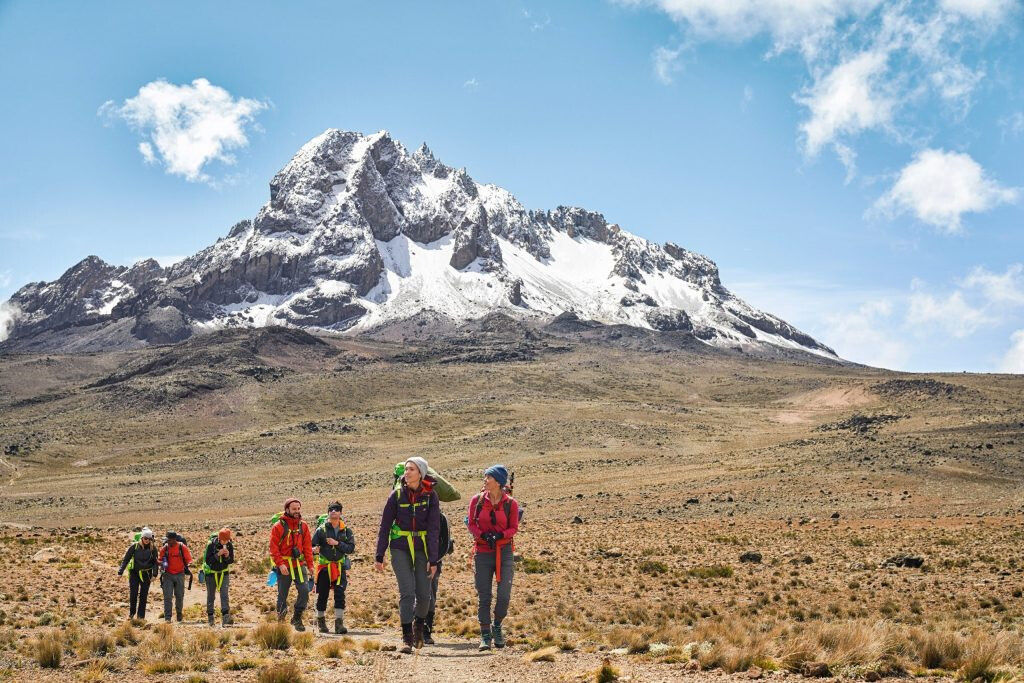
If you decide to climb during the peak season, prepare for a vibrant atmosphere on the mountain. Campsites will be bustling with activity, and you’ll encounter many other trekking groups on the trails. This can be a positive experience, offering a sense of camaraderie and shared adventure. You’ll likely see numerous other teams at every stage of the climb, from the base camps to the summit.
Campsite Life
During the busiest months, campsites can feel like small villages. Designated areas for tents will be fully utilized. While there’s enough space for everyone, you’ll be sharing the environment with many others. Meal times can be lively, with multiple groups preparing food. The camaraderie among trekkers, guides, and porters is often a highlight, and sharing stories around the mess tent can be a great part of the experience.
Trail Etiquette and Pace
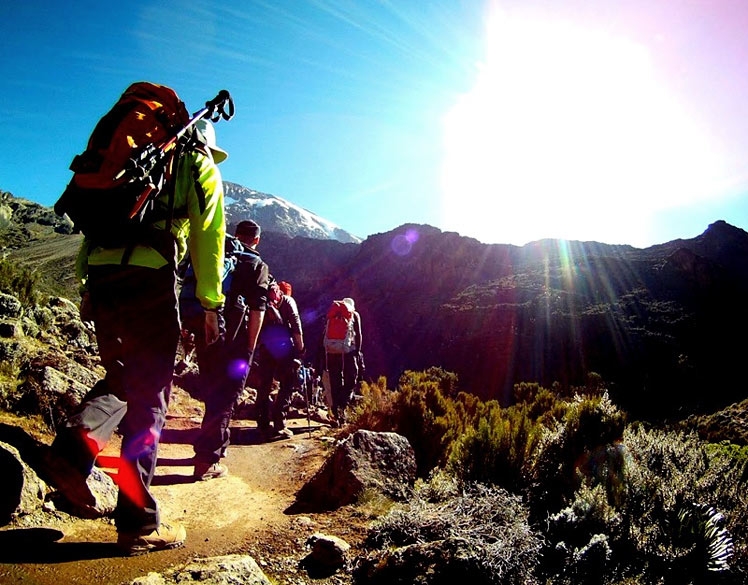
On the trails, you’ll be part of a larger flow of people. Guides are skilled at managing pace, ensuring that their group maintains a steady rhythm and doesn’t get too disrupted by others. However, you may find yourself waiting briefly at certain points or moving in parallel with other groups. The ‘pole pole’ (slowly, slowly) philosophy is essential, and guides will ensure you maintain a safe and manageable pace, regardless of the number of people around.
Summit Night
Summit night is often the most crowded part of the climb, especially on popular routes. You’ll likely see many headlamps moving up the mountain in the dark. The path to Stella Point and then to Uhuru Peak can become congested. While this can be intimidating, experienced guides know how to navigate these conditions safely. The shared goal of reaching the summit creates a unique atmosphere, even with many people around.
The Impact of Weather on Crowd Dynamics
While the dry seasons are inherently busier, the actual number of people on the mountain can fluctuate daily based on specific weather forecasts. A sudden forecast of heavy rain might cause some last-minute cancellations or shifts in booking, while consistently clear skies will reinforce the decision for many to climb during that period.
For instance, if early forecasts for September 2026 suggest exceptionally clear skies and mild temperatures, it could further solidify September’s position as the busiest month to climb Kilimanjaro. Conversely, an unusually wet patch in August might slightly deter some, though it typically remains a peak month due to holiday schedules.
Choosing Your Dates for 2026-2027 with Top Guide Adventures
At Top Guide Adventures, we offer flexible departure dates and can help you select the best time to climb based on your priorities. Whether you aim for the popular dry season to maximize your chances of good weather, or prefer the quieter trails of the shoulder seasons, our expert team can guide you.
Key Considerations for 2026-2027 Planning:
- Weather: Prioritize the dry seasons (Jan-Feb, Jun-Sep) for the best conditions.
- Crowds: If solitude is key, aim for shoulder months (Oct-Nov, March) or low season (Apr-May), accepting weather risks.
- Route Choice: Less popular routes (Rongai, Northern Circuit) offer more solitude.
- Booking Window: For peak season 2026-2027 climbs, book 6-12 months in advance. For shoulder/low seasons, 3-6 months may suffice.
- Flexibility: Being slightly flexible with your dates can sometimes help secure spots on popular group departures.
We understand that choosing the right time is a critical part of planning your Kilimanjaro adventure. Our team is dedicated to providing personalized advice to ensure your trek aligns with your expectations for weather, crowds, and overall experience. Whether you’re aiming for the busiest month to climb Kilimanjaro or seeking a more secluded journey, we have options tailored for you.
The ‘Busiest’ Isn’t Always ‘Best’
It’s crucial to remember that the busiest month to climb Kilimanjaro is primarily dictated by favorable weather. However, ‘best’ is subjective. For some, the best experience involves fewer people, even if it means a slightly higher risk of rain. For others, the assurance of clear skies and comfortable trekking conditions outweighs the presence of crowds.
Consider your personal preferences:
- Are you an experienced trekker comfortable with variable conditions? A shoulder season climb might be ideal.
- Is this a special trip where you want the absolute best weather odds? Aim for the peak dry months.
- Do you value solitude and a more intimate connection with nature? Opt for less popular routes or shoulder/low seasons.
By understanding these trade-offs, you can make a more informed decision for your 2026 or 2027 Kilimanjaro climb.
Preparing for Your Climb: Regardless of the Season
While the timing of your climb is important, thorough preparation is essential for any season. This includes:
- Physical Fitness: Kilimanjaro is a challenging trek. Consistent cardiovascular training and strength exercises are vital.
- Acclimatization: Choose a route with a longer duration (7-8 days) for better acclimatization, which significantly increases summit success rates.
- Gear: Invest in quality, layered clothing suitable for extreme temperature variations, from warm days to freezing summit nights. Waterproof and windproof outer layers are crucial.
- Hydration and Nutrition: Proper hydration and eating well on the mountain are key to maintaining energy levels.
- Mental Preparation: The climb is as much a mental challenge as a physical one. Be prepared for demanding conditions and push through the difficulties.
Top Guide Adventures provides comprehensive pre-climb information and support to ensure you are fully prepared, no matter which month you choose for your Kilimanjaro adventure in 2026 or 2027.
Conclusion: Finding Your Ideal Climbing Window
The busiest month to climb Kilimanjaro typically falls within the dry seasons of January-February and June-September, with August and September often seeing the highest concentrations of trekkers. This popularity is driven by the desire for optimal weather conditions, clear skies, and a higher probability of reaching the summit. For those planning their 2026-2027 expeditions, understanding these peak times is essential for managing expectations regarding crowds and booking availability.
However, the ‘busiest’ period is not necessarily the ‘best’ for everyone. If a more serene experience is your priority, consider the shoulder months of October-November or March, or even the lower season (April-May), while being prepared for more unpredictable weather. Choosing a longer, less-trafficked route like the Northern Circuit or Rongai can also enhance solitude, even during peak times.
Ultimately, the ideal time to climb Kilimanjaro depends on your personal priorities: weather certainty, crowd avoidance, or a balance of both. At Top Guide Adventures, we are committed to helping you craft the perfect Kilimanjaro experience. Whether you’re aiming for the vibrant energy of the busiest months or the quiet trails of the off-season, our team is here to guide you every step of the way.
Ready to plan your 2026-2027 Kilimanjaro climb? Contact us today for personalized advice, detailed itineraries, and booking information. Reach us via WhatsApp +255616946642, email at topguideadventures@gmail.com, or our backup email info@topguideadventures.com. Let’s make your Kilimanjaro dream a reality!
Check Availability for Busiest Month To Climb Kilimanjaro: Peak Seasons & Planning For 2026-2027
Ready to compare dates, prices, and the best option for your group? Send the package name and travel month so the team can reply with a clear quote, availability, and what is included.
Driest Month To Climb Kilimanjaro: Your Guide For 2026-2027
The driest months for climbing Kilimanjaro are generally January, February, and June through October. These periods offer the clearest skies and lowest rainfall, ideal for a successful and...
View package details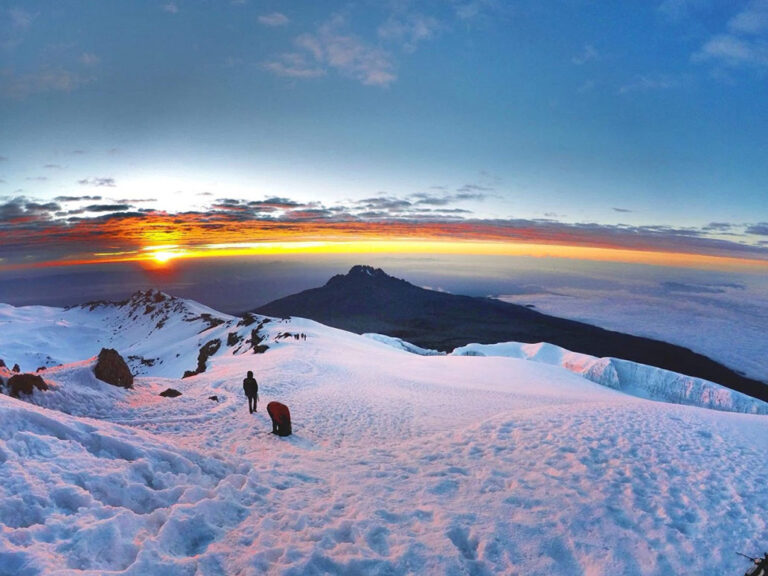
Coldest Month To Climb Kilimanjaro 2026-2027
Coldest Month to Climb Kilimanjaro is explained with current 2026-2027 planning, price, itinerary and booking information.
View package details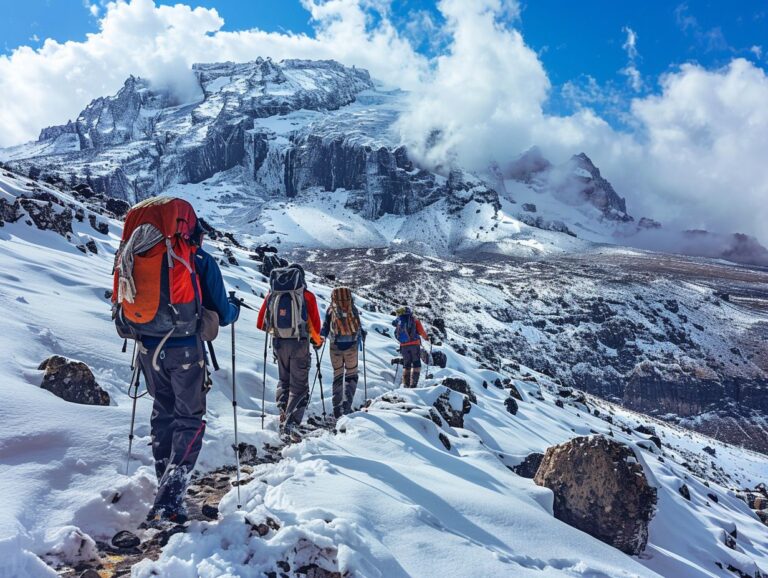
Warmest Month To Climb Kilimanjaro 2026-2027
Warmest Month to Climb Kilimanjaro is explained with current 2026-2027 planning, price, itinerary and booking information.
View package details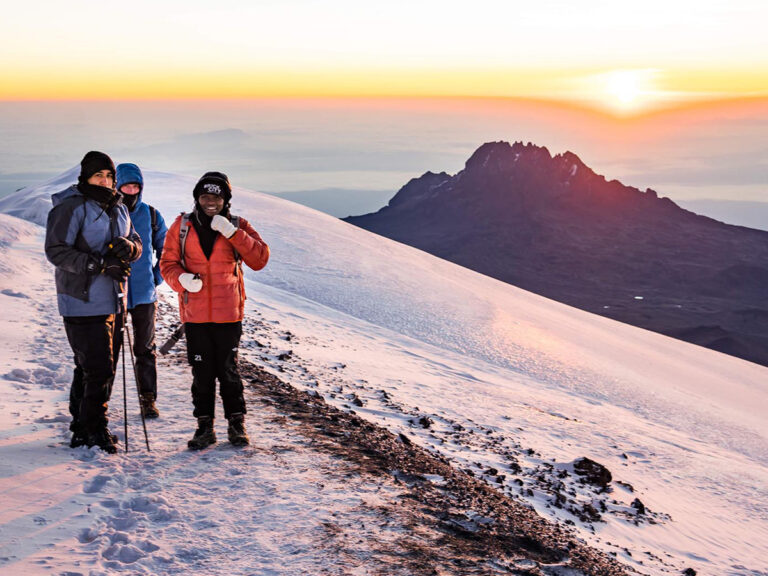
Quietest Month To Climb Kilimanjaro: Your Guide For 2026-2027
Planning a Kilimanjaro climb and seeking fewer fellow trekkers? This guide reveals the quietest months to ascend Africa's highest peak, focusing on shoulder seasons and off-peak periods for...
View package details
Best Kilimanjaro Month For Senior Climbers: Expert Guide 2026-2027
Planning a Kilimanjaro climb as a senior adventurer? Learn which months offer the best conditions for a successful and enjoyable trek in 2026-2027, considering weather, crowds, and your...
View package details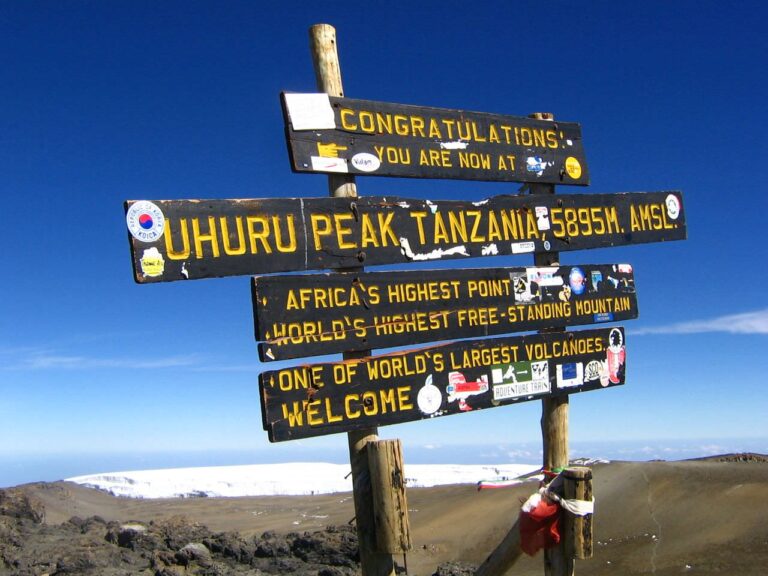
Best Kilimanjaro Month For Full-Moon Climbs In 2026-2027
Planning a Kilimanjaro climb under the glow of a full moon is a dream for many adventurers. This guide details the best months for full-moon ascents in 2026 and 2027, helping you choose the...
View package details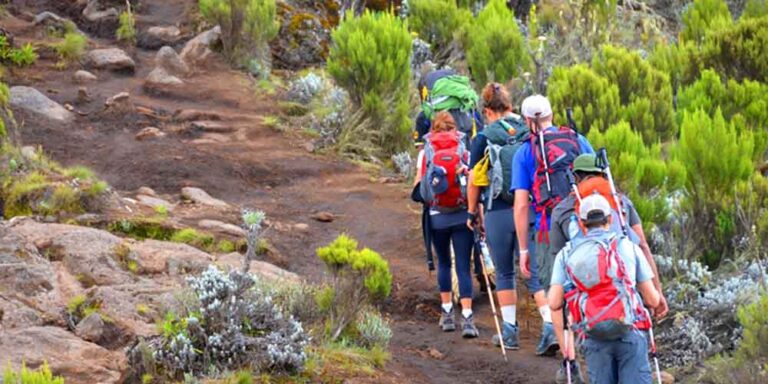
Best Kilimanjaro Month For Fewer Climbers In | Top Guide Adventures 2026-2027
Planning a Kilimanjaro climb in 2026 or 2027 and hoping for a less crowded experience? This guide reveals the best months to ascend Mount Kilimanjaro for fewer fellow trekkers, focusing on...
View package details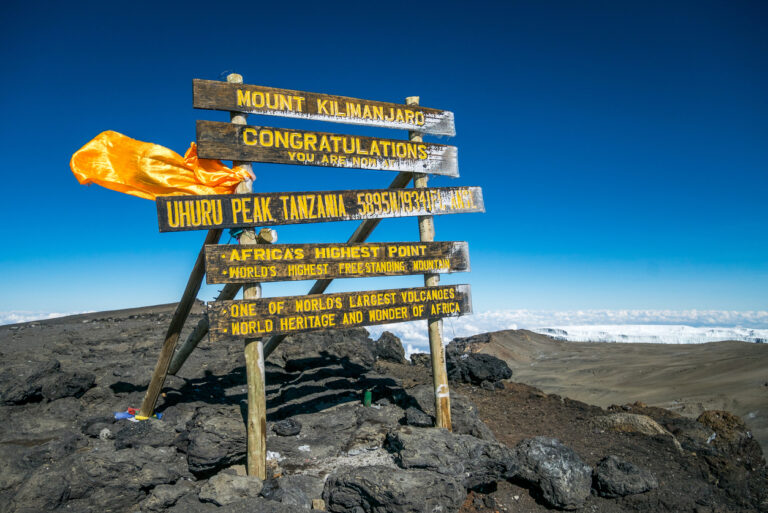
Best Kilimanjaro Month For Low Prices: Saving Money On Your Climb In 2026-2027
Planning a Kilimanjaro climb on a budget? Discover the best months for low prices in 2026-2027, focusing on off-peak seasons and how to maximize savings without compromising your experience.
View package details
January Vs February: Best Month To Climb Kilimanjaro In 2026-2027
Choosing between January and February for your Kilimanjaro climb? This in-depth guide compares the weather, crowds, and overall experience to help you decide the best month for your...
View package details
Is December A Good Month To Climb Kilimanjaro? Your Guide 2026-2027
December offers a unique window for Kilimanjaro climbs, balancing good weather with fewer crowds. This guide explores its advantages and considerations for 2026-2027.
View package details
Late-Night Arrival At Kilimanjaro Airport Before Your Climb: Essential
Planning a Kilimanjaro climb with a late-night arrival at Kilimanjaro International Airport (JRO)? This guide covers everything you need to know for a smooth transition from the airport to...
View package details
Kilimanjaro Full-Moon Birthday Climb: Plan Your Celebration 2026-2027
A Kilimanjaro full-moon birthday climb offers an unparalleled celebration, combining the thrill of summiting Africa's highest peak with the magical ambiance of a lunar glow. This guide...
View package detailsNo related package matches those filters. Clear one or more filters to see the other topic-matched options.



