
The best Kilimanjaro months for low prices are typically during the shoulder seasons, specifically April, May, November, and early December. These periods fall outside the peak dry seasons (January-March and June-October) and the main rainy seasons, offering a balance of decent weather and reduced demand, which often translates to lower prices for climbs in 2026 and 2027.
Understanding Kilimanjaro’s Weather and Pricing Cycles
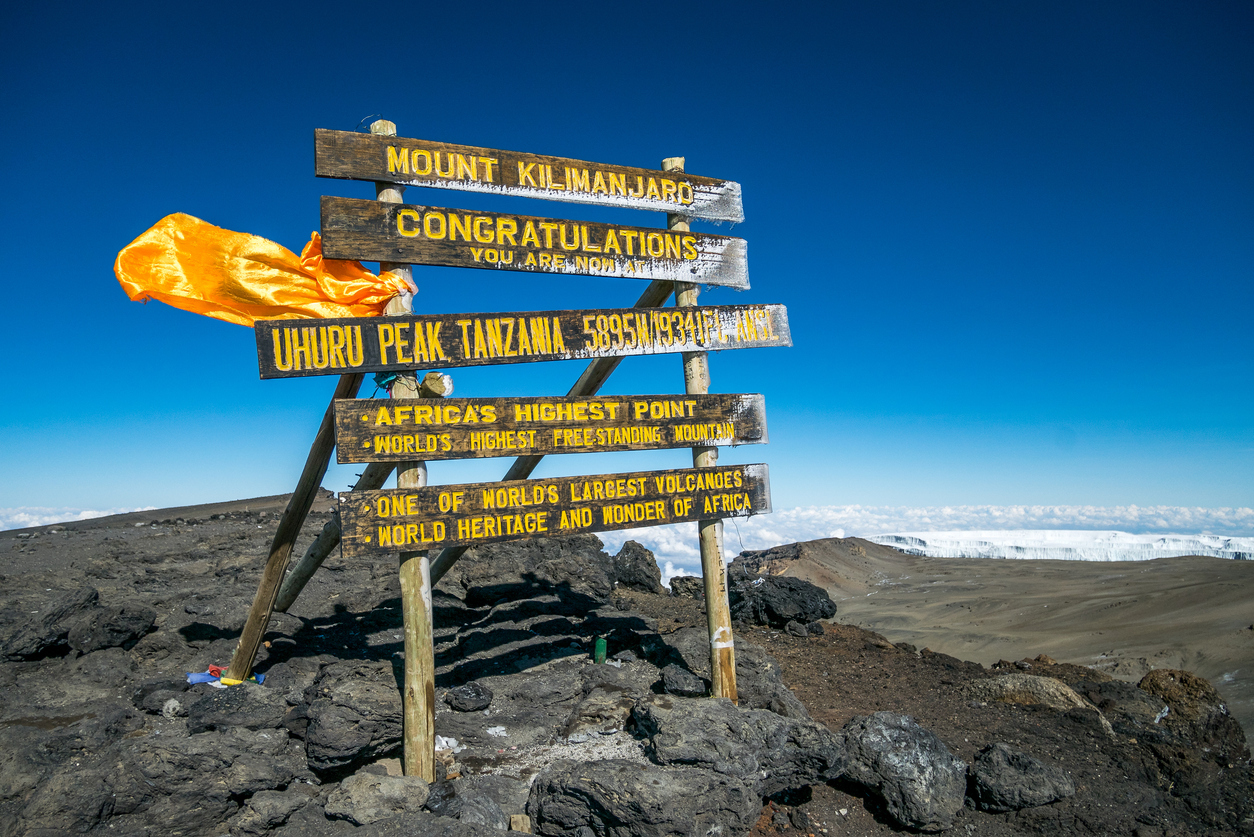
Mount Kilimanjaro, a majestic dormant volcano in Tanzania, is a dream destination for trekkers worldwide. Its allure lies not just in its status as the highest peak in Africa and the world’s highest free-standing mountain, but also in the incredible journey it offers. However, like any significant travel undertaking, the cost is a crucial factor for many aspiring climbers. Understanding when to go to find the best Kilimanjaro month for low prices is key to making your adventure more accessible and affordable, especially as you plan for 2026 and 2027.
Kilimanjaro’s climate is dictated by its equatorial location and significant altitude. The mountain experiences two main rainy seasons and two dry seasons. This weather pattern directly influences the trekking seasons and, consequently, the pricing. Tour operators often adjust their prices based on demand, which is heavily influenced by the likelihood of good weather. Therefore, the months with less predictable weather or those that fall between the most popular trekking windows tend to be more budget-friendly.
At Top Guide Adventures, we believe that everyone should have the opportunity to experience the magic of Kilimanjaro. While we strive to offer competitive pricing year-round, understanding the seasonal dynamics can help you pinpoint the most cost-effective times for your climb. This guide will break down Kilimanjaro’s seasons, pinpoint the cheapest months, and offer practical advice for saving money on your 2026-2027 expedition.
Kilimanjaro’s Climatic Seasons: The Foundation of Pricing
To truly grasp why certain months offer lower prices for climbing Kilimanjaro, it’s essential to understand the mountain’s distinct weather patterns. These seasons are not just about rain or sun; they dictate visibility, trail conditions, and the overall comfort of the trek, all of which influence the number of people attempting the summit and, by extension, the pricing strategies of tour operators.
The Dry Seasons: Peak Demand and Higher Prices
Kilimanjaro experiences two primary dry seasons, which are also its peak trekking seasons. These are the periods when the weather is most conducive to climbing, with clear skies, less rain, and generally more stable conditions.
- January to March: This is one of the two major dry seasons. The weather is typically clear, with sunny days and cold nights. It’s a very popular time to climb, meaning higher demand and, consequently, higher prices. While it’s a great time for views, it’s also one of the busiest periods.
- June to October: This is the other significant dry season and is often considered the absolute peak time. The weather is generally excellent, with cooler temperatures and minimal rainfall. This period sees the highest influx of trekkers, making it the most expensive time to climb Kilimanjaro. Many organized group departures for 2026 and 2027 will likely be concentrated during these months, driving up costs.
During these peak dry seasons, tour operators face consistent demand. They can maintain higher price points because trekkers are willing to pay a premium for the best chance of good weather and a successful summit bid. Availability of guides, porters, and park permits can also become tighter, further supporting these higher rates.
The Rainy Seasons: Lower Demand and Potential Savings
Kilimanjaro has two distinct rainy seasons. While these periods can present challenges, they also offer significant opportunities for cost savings for those willing to be flexible.
- March to May (Long Rains): This is the period of the heaviest rainfall, particularly in April and May. Clouds often shroud the upper reaches of the mountain, and rain or even snow can be frequent. The trails can become muddy and slippery, making the trek more challenging. Due to these conditions and lower demand, prices often drop during this time.
- November to December (Short Rains): This season brings intermittent, lighter showers, usually in the afternoons. The mornings can still be clear and pleasant, but the possibility of rain increases. This period also sees fewer trekkers compared to the dry seasons, leading to more competitive pricing. Early December often offers a good compromise before the Christmas and New Year rush.
These rainy seasons, especially April and May, are generally avoided by the majority of trekkers seeking optimal conditions. This reduced demand is the primary driver for lower prices. However, it’s important to note that even during the rainy seasons, the summit is still achievable, and the experience can be profoundly rewarding, offering a more solitary journey.
The Shoulder Seasons: The Sweet Spot for Value
The shoulder seasons are the periods that bridge the gap between the peak dry seasons and the full-on rainy seasons. These months often provide a good balance of manageable weather and lower prices, making them ideal for finding the best Kilimanjaro month for low prices.
- Late May to June: As the long rains begin to subside, June often sees a return to clearer skies, though the trails might still be wet in places. Demand starts to pick up as the peak dry season approaches, but it’s usually not as high as July or August. This transition period can offer good value.
- October to early November: This period marks the transition from the long dry season to the short rains. October can still have excellent weather, while November might see occasional showers. Demand typically decreases after the summer months, making this a prime time for potential savings. Early November is particularly attractive before the increased interest around the end-of-year holidays.
These shoulder months are where many savvy travelers find the best Kilimanjaro month for low prices. The weather is often good enough for a successful climb, but the reduced number of trekkers means tour operators may offer more competitive rates to fill their expeditions for 2026 and 2027.
Identifying the Cheapest Months for Kilimanjaro Climbs in 2026-2027
Based on the seasonal analysis, we can pinpoint the months that consistently offer the most significant cost savings for a Kilimanjaro climb. These are the times when demand is lowest, allowing you to potentially secure a better deal on your trek package.
The Absolute Cheapest Months: April and May
Without a doubt, April and May are typically the cheapest months to climb Kilimanjaro. These months fall squarely within the long rainy season. Expect significant rainfall, especially at lower and middle elevations, cloudy skies, and potentially muddy trails. The summit views might be obscured more often than not.
However, for the budget-conscious traveler planning for 2026 or 2027, these months represent the greatest potential for savings. Tour operators often run fewer expeditions, and those that do may offer reduced prices to attract clients. If you are prepared for challenging weather, prioritize cost savings, and are flexible with your expectations regarding summit views during the trek, climbing in April or May can be a very economical choice. It’s crucial to choose a reputable operator who can handle these conditions safely.
The Next Best Value Months: November and Early December
Following April and May, November and early December (before the Christmas/New Year peak) usually offer the next best opportunities for lower prices. These months experience the short rains, which are generally less intense and shorter in duration than the long rains. You might encounter afternoon showers, but mornings and early afternoons can still be clear and pleasant.
The number of trekkers significantly drops during this period. This lower demand allows for more competitive pricing from tour operators. For many, this represents a good compromise: you can still experience generally favorable trekking conditions for much of the climb while benefiting from off-peak pricing. This makes November and the first half of December excellent contenders for the best Kilimanjaro month for low prices in 2026-2027.
Shoulder Season Savings: June and October
While not as cheap as the core rainy months, June and October can also present good value. These months are on the cusp of the peak seasons.
- June: Marks the end of the long rains. While trails might still be damp, the weather usually improves significantly throughout the month. Demand starts to rise but isn’t at its highest.
- October: Often considered the end of the dry season and before the short rains. The weather is generally very good, but the number of trekkers begins to decrease after the summer high.
These months are ideal if you want to avoid the absolute cheapest but potentially most challenging weather, while still securing a price that is lower than the prime dry season months of July-September. They offer a good balance for those seeking value and reasonable weather for their 2026-2027 climb.
Factors Influencing Kilimanjaro Climb Prices Beyond the Month
While the month you choose to climb is a significant factor in finding the best Kilimanjaro month for low prices, it’s not the only determinant of cost. Several other elements play a crucial role in the overall price you’ll pay for your Kilimanjaro expedition.
1. Tour Operator Choice
This is perhaps the most significant variable. Tour operators range from budget-focused companies to luxury providers. The quality of service, safety standards, equipment, food, and guide-to-client ratio all impact pricing. Top Guide Adventures prides itself on offering excellent value, balancing quality services with competitive pricing, ensuring your safety and comfort are paramount without breaking the bank, even during peak seasons for 2026-2027.
- Budget Operators: Often cut costs by using less experienced guides, providing basic equipment, offering simpler meals, and potentially having lower staff-to-client ratios. While cheaper, they may compromise on safety or comfort.
- Mid-Range Operators (like Top Guide Adventures): Offer a good balance. They invest in experienced, certified guides, quality equipment, nutritious meals, and adequate support staff. They adhere to strict safety protocols and often provide more comfortable accommodations at base camps.
- Luxury Operators: Provide premium services, including higher-end accommodations, gourmet meals, private toilets, and highly personalized attention. These come at a significantly higher price point.
2. Route Choice
Different routes up Kilimanjaro vary in length, difficulty, acclimatization profile, and popularity. Longer routes generally cost more due to the additional days of service required (park fees, guide/porter wages, food, equipment use).
- Cheaper Routes: Marangu and Machame are often perceived as potentially cheaper due to shorter durations or popularity, but longer routes like Lemosho or Northern Circuit offer better acclimatization and higher success rates, and their longer duration increases the cost.
- More Expensive Routes: The Northern Circuit and Lemosho are longer (8-9 days) and offer superior acclimatization, leading to higher success rates. Their longer duration means higher overall costs. The Crater Rim route is also pricier due to its exclusivity and specialized logistics.
When seeking the best Kilimanjaro month for low prices, consider that the route choice can significantly impact the final price, irrespective of the month.
3. Group Size and Type (Shared vs. Private)
Climbing with a group is almost always cheaper than a private climb. Many operators offer ‘group departures’ where individuals can join a pre-scheduled climb, sharing costs among more people.
- Shared/Group Climbs: These are the most economical options. Costs are spread across multiple trekkers, reducing the per-person price. If you’re looking for the absolute lowest price, joining a group departure is highly recommended for 2026-2027. Check for Machame Route group departures or other options.
- Private Climbs: Offer flexibility in dates and a more personalized experience but come at a higher cost, as you bear all the expenses yourself.
4. Inclusions and Exclusions
What is included in your climb package can vary widely. Always check the details carefully.
- Common Inclusions: Park fees, rescue fees, guide and porter salaries, food during the trek, tents and camping equipment, pre- and post-climb accommodation (sometimes), transfers to/from the mountain.
- Common Exclusions: Flights to Tanzania, visa fees, travel insurance, personal climbing gear, tips for guides and porters (a significant cost), meals and drinks in town before/after the climb, optional hot showers.
A cheaper quoted price might be due to fewer inclusions. Ensure you budget for potential exclusions, especially tips, which are often mandatory and substantial.
5. Duration of the Climb
Longer routes, while offering better acclimatization and higher success rates, naturally cost more due to the extended period of service provision. A 6-day climb will be cheaper than an 8-day climb on the same route, simply because you are paying for fewer days of guide, porter, and park services.
6. Time of Year for Booking
While less common for Kilimanjaro than for flights, booking very far in advance or looking for last-minute deals (though rare and risky for Kilimanjaro) can sometimes influence price. However, for Kilimanjaro, the month for low prices is driven more by season than by booking window, though booking popular low-season dates for 2026-2027 well in advance is wise to secure your spot.
Maximizing Savings: Tips for Finding the Best Kilimanjaro Month for Low Prices
Beyond simply choosing the cheapest months, there are several strategic ways to reduce the overall cost of your Kilimanjaro adventure for 2026-2027. Combining these tips with an off-peak month can lead to significant savings.
1. Travel During the Shoulder or Rainy Seasons
As discussed, actively choose to climb during April, May, November, or early December. These months offer the best combination of lower prices and relatively manageable (though potentially challenging) weather. You’ll encounter fewer crowds, and operators are often more willing to negotiate or offer better deals.
2. Opt for Group Departures
Joining a pre-scheduled group climb is one of the most effective ways to lower your cost. The shared expenses make it significantly more affordable than a private climb. Top Guide Adventures offers various group departure dates for popular routes; check our schedules for 2026 and 2027 to find a suitable option.
3. Compare Operator Inclusions Carefully
Don’t just compare the headline price. Scrutinize what each operator includes. A slightly more expensive quote might actually be better value if it includes items that would be extra with a cheaper operator (e.g., airport transfers, pre-climb briefing, quality gear rental, more meals).
Example Comparison (Hypothetical):
| Feature | Operator A (Cheaper Quote) | Operator B (Top Guide Adventures – Mid-Range) |
|---|---|---|
| Base Price | $1800 | $2100 |
| Park Fees (Included) | No (Extra $700) | Yes |
| Porter Tips (Mandatory) | Not listed, estimate $250 | Estimated $200-300 (clearly stated) |
| Pre/Post Climb Hotel | No (Extra $100) | Yes (1 night) |
| Gear Rental (Sleeping Bag) | No (Extra $50) | Yes |
| Total Estimated Cost | $2900 | $2300 – $2400 |
This hypothetical example shows how Operator B, despite a higher initial quote, ends up being more cost-effective due to better inclusions. Always ask for a detailed breakdown.
4. Pack Smartly and Rent Wisely
Investing in high-quality gear can be expensive. While essential items like waterproofs and good boots are worth purchasing, consider renting bulky items like sleeping bags, down jackets, and trekking poles from your operator if they offer them. Ensure you know the quality of rental gear provided.
5. Extend Your Stay in Tanzania (Carefully)
While the climb itself has a fixed cost, extending your stay for a safari or Zanzibar trip might offer better value if booked as a package. Operators like Top Guide Adventures can create combined itineraries. Sometimes, adding a few extra days in Moshi before or after the climb, staying in more budget-friendly guesthouses, can reduce overall trip costs compared to expensive hotels.
6. Be Flexible with Your Dates
If your schedule allows, being flexible with your exact climb dates within the low or shoulder seasons can help you snag a spot on a departure that might be priced slightly lower. Sometimes, moving your climb by a week or two can make a difference, especially if it avoids a holiday period or aligns with a specific group departure.
7. Look for Packages and Deals (with Caution)
Occasionally, operators might offer package deals that combine a Kilimanjaro climb with a safari or Zanzibar. These can represent good value. However, be wary of deals that seem too good to be true, especially concerning Kilimanjaro climbs. Prioritize safety and reputable operators over deep discounts. For 2026-2027, keep an eye on reputable company offerings.
Comparing Routes for Budget-Conscious Climbers
While the month is key to finding low prices, the route you choose also significantly impacts the total cost. Some routes are inherently more expensive due to their duration and logistics.
Budget-Friendly Route Considerations:
- Marangu Route (Coca-Cola Route): Often cited as the cheapest due to its shorter duration (5-6 days) and unique hut accommodation, eliminating the need for camping gear. However, its lower acclimatization profile means a lower success rate, and the views can be less scenic than other routes. The 5-day option is the shortest and cheapest, but success is not guaranteed.
- Machame Route (Whiskey Route): A popular 6-7 day trek. While longer than Marangu’s 5-day option, it offers better acclimatization through its ‘climb high, sleep low’ approach and varied scenery. It’s a good balance of cost and success rate, especially when booked as a group departure. Group departures for Machame are often available.
Routes That Tend to Be More Expensive:
- Lemosho Route: Typically 7-8 days, known for its stunning scenery and excellent acclimatization. The longer duration increases the overall cost.
- Northern Circuit: The longest route (9 days), offering the best acclimatization and highest success rates. Its extended duration makes it the most expensive option.
- Shira Route: Similar in cost to Lemosho, often 7-8 days, and starts at a higher altitude.
For the best Kilimanjaro month for low prices combined with a budget-conscious route, consider the Marangu (5-day) or Machame (6-day) routes during the off-peak months. Be aware that sacrificing acclimatization for cost can significantly reduce your chances of reaching the summit.
The Impact of Weather on Success Rates and Cost
While seeking the best Kilimanjaro month for low prices, it’s crucial not to completely disregard weather conditions and their impact on your chances of reaching Uhuru Peak. A cheaper climb that results in a failed summit bid can be a costly disappointment.
Rainy Season Challenges (April, May, November)
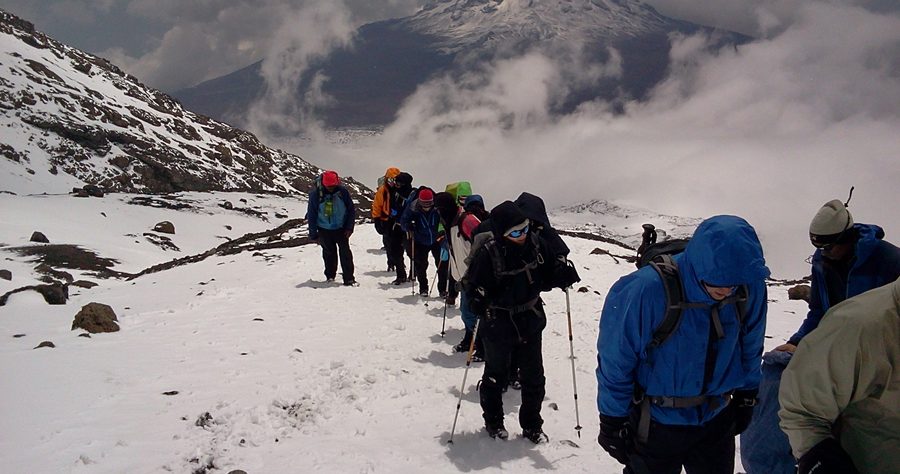
During the rainy seasons, visibility can be poor, trails can be muddy, slippery, and even flooded. The cold, wet conditions can be demoralizing and increase the risk of hypothermia. Summit night, in particular, can be treacherous if accompanied by heavy rain or snow. However, experienced guides and proper gear can mitigate many of these risks. Many successful climbs still happen during these months.
Dry Season Advantages (January-March, June-October)
The dry seasons offer the clearest skies, generally stable weather, and better trail conditions. This leads to higher summit success rates, especially during the peak months of July-September. However, the trade-off is the higher cost due to increased demand.
Finding a Balance
The shoulder seasons (June, October) and the short rains (November, early December) often present the best balance. You might encounter some rain or clouds, but the overall conditions are usually manageable, and the crowds are smaller, contributing to lower prices. For 2026-2027, aiming for November could be a strategic move for budget travelers who still want a reasonable chance of good weather.
What to Expect When Climbing in the Low Season
Climbing Kilimanjaro during the low season (rainy months like April/May or shoulder months like November) offers a different experience compared to the peak season. Understanding these differences helps manage expectations and prepare accordingly.
Fewer Crowds, More Solitude
One of the biggest advantages of climbing in the low season is the solitude. You’ll encounter far fewer trekkers on the trails and at the campsites. This can lead to a more personal and reflective experience, allowing for a deeper connection with the mountain’s environment and your fellow climbers and guides.
Potentially Muddy or Wet Trails
Be prepared for wet conditions. Trails can be muddy, slippery, and require good waterproof footwear and gaiters. Streams might be higher, and river crossings could be more challenging. Proper waterproof clothing (jacket, trousers, gloves) is essential.
Variable Visibility
Cloud cover is more frequent during the rainy seasons. While you might still get stunning views, especially on clear mornings or evenings, the panoramic vistas from the summit might be obscured by clouds. However, the dramatic cloud formations and misty forests can also create a unique, atmospheric beauty.
Cold and Damp Conditions
The combination of rain and altitude means it will be cold. Being damp can exacerbate the cold, increasing the risk of hypothermia. High-quality, waterproof, and warm clothing is non-negotiable. Ensure your sleeping bag is rated for sub-zero temperatures.
Potential for Increased Illness Risk (Mitigatable)
Wet and cold conditions can sometimes increase the risk of colds or other minor illnesses. However, with good hygiene practices, proper nutrition, and adequate rest, this risk can be minimized. Reputable operators will have strict protocols to manage health on the mountain.
Greatest Value for Money
The primary benefit is cost savings. You’ll likely find lower prices for your trek package, making Kilimanjaro more accessible. This is the core reason many choose the best Kilimanjaro month for low prices.
Planning Your 2026-2027 Kilimanjaro Climb on a Budget
Making the decision to climb Kilimanjaro is a significant one. Planning effectively, especially with a budget in mind, is crucial for a successful and enjoyable experience. Here’s how to approach your 2026-2027 planning.
Step 1: Define Your Budget and Priorities
Before anything else, determine how much you can realistically spend. Are you looking for the absolute cheapest option, or are you willing to spend a bit more for increased comfort, safety, and a higher chance of summit success? Your priorities will guide your choices regarding the month, route, and operator.
Step 2: Research Operators Thoroughly
Look for companies with a strong safety record, positive reviews (especially regarding guides and porters), and clear communication. Top Guide Adventures is committed to ethical treatment of staff and client safety, offering transparent pricing and excellent support. Check reviews on platforms like TripAdvisor to see feedback from past clients.
Contact Top Guide Adventures:
- WhatsApp: +255616946642
- Email: topguideadventures@gmail.com
- Backup Email: info@topguideadventures.com
Step 3: Select Your Month and Route
Based on this guide, choose a month that aligns with your budget and weather expectations. For the best Kilimanjaro month for low prices, target April, May, November, or early December. Then, select a route that matches your fitness level, budget, and desire for acclimatization and scenery. Machame or Marangu (6-day) are often good budget choices.
Step 4: Book in Advance (Especially for Low Season)
Even during the low season, popular operators can fill up, especially if you’re aiming for specific group departures. Booking 6-12 months in advance is generally recommended for 2026-2027, allowing you to secure your preferred dates and potentially lock in current pricing before any potential increases.
Step 5: Budget for Additional Costs
Don’t forget the ‘extras’:
- Tips: A significant portion of the cost. Budget around $250-350 per climber for guides, porters, and cooks. Operators will provide guidelines.
- Gear Rental: If needed.
- Travel Insurance: Mandatory for most reputable operators. Ensure it covers high-altitude trekking and emergency evacuation.
- Flights and Visas.
- Pre/Post Climb Expenses: Hotels, meals, airport transfers if not included.
Step 6: Train Adequately
Physical preparation is non-negotiable. The better prepared you are, the more you’ll enjoy the climb, regardless of the season or cost. Focus on cardiovascular fitness, strength training (especially legs), and hiking with a weighted pack.
Is Climbing Kilimanjaro in the Rainy Season Worth the Savings?
The decision to climb during the rainy season (April, May, November) for cost savings is a personal one, balancing budget against potential challenges. Here’s a breakdown to help you decide if it’s right for you in 2026-2027.
Pros of Rainy Season Climbing:
- Significant Cost Savings: This is the primary driver. Prices can be 10-20% lower than during peak season.
- Fewer Crowds: A more intimate experience with the mountain.
- Unique Scenery: Lush vegetation (at lower altitudes) and dramatic, moody weather can be beautiful in its own way.
- Higher Chance of Solitude on Summit Night: You might have the summit path almost to yourself.
Cons of Rainy Season Climbing:
- Challenging Weather: Rain, mud, fog, and potentially snow increase the difficulty and discomfort.
- Lower Summit Success Rates: While still achievable, conditions can make the final push harder and increase the risk of turning back due to weather or fatigue exacerbated by the conditions.
- Reduced Visibility: Summit views and scenic vistas may be obscured by clouds.
- Increased Risk of Hypothermia: Cold and wet conditions require careful management.
Who Should Consider Rainy Season Climbing?
- Budget-conscious travelers who prioritize cost above all else.
- Experienced hikers accustomed to challenging conditions and adverse weather.
- Those seeking a solitary, less crowded experience.
- Climbers who are flexible and adaptable to changing conditions.
Who Should Avoid Rainy Season Climbing?
- First-time high-altitude trekkers who want the best possible conditions.
- Climbers who are less tolerant of cold, wet, and difficult conditions.
- Those with a strict budget but who would be devastated by a failed summit attempt due to weather.
- Anyone seeking guaranteed clear views and comfortable trekking.
If you choose to climb in the rainy season, selecting a highly experienced operator like Top Guide Adventures is paramount. Our guides are trained to handle challenging conditions safely, and we ensure our clients have the necessary equipment and support.
Kilimanjaro Pricing in 2026 vs. 2027: What to Expect
When planning for the best Kilimanjaro month for low prices, it’s natural to wonder if prices will differ significantly between 2026 and 2027. Generally, for Kilimanjaro climbs, the seasonal pricing patterns remain quite consistent year over year. However, a few factors can influence slight variations:
- Inflation: Tanzania, like most countries, experiences inflation. Park fees, staff wages, and operational costs tend to increase slightly each year. Therefore, prices for 2027 might be marginally higher than for 2026, assuming similar seasonal demand.
- Changes in Park Fees: Tanzania National Parks Authority (TANAPA) occasionally adjusts park fees. Any significant changes could impact overall tour prices. These adjustments are usually announced in advance.
- Operator Pricing Strategies: Individual tour operators may adjust their pricing based on their own cost increases, market demand, or promotional strategies.
Recommendation for 2026-2027:
To secure the best possible prices for either 2026 or 2027, the most effective strategy remains the same: target the low or shoulder seasons (April, May, November, early December) and book with a reputable, value-focused operator like Top Guide Adventures. Booking earlier rather than later is always advisable to lock in prices before potential annual increases.
Final Considerations for Your Budget Kilimanjaro Climb
Choosing the best Kilimanjaro month for low prices is a smart move for any budget-conscious trekker. By understanding the seasonal patterns, comparing operators, choosing your route wisely, and budgeting for all costs, you can make your dream climb a reality without overspending.
Remember that while saving money is important, it should never come at the expense of safety or ethical treatment of the mountain crew. A reputable operator ensures fair wages, proper equipment, and experienced guides, which are essential for a successful and responsible climb. Top Guide Adventures is dedicated to providing just that – a high-quality, safe, and memorable Kilimanjaro experience at a competitive price, especially during the off-peak seasons of 2026 and 2027.
Don’t hesitate to reach out to us with any questions. We’re here to help you plan the perfect Kilimanjaro adventure that fits your budget and aspirations.
Contact Top Guide Adventures today:
- WhatsApp: +255616946642
- Email: topguideadventures@gmail.com
- Backup Email: info@topguideadventures.com
Let us help you find the best Kilimanjaro month for low prices for your 2026-2027 climb!
Check Availability for Best Kilimanjaro Month For Low Prices: Saving Money On Your Climb In…
Ready to compare dates, prices, and the best option for your group? Send the package name and travel month so the team can reply with a clear quote, availability, and what is included.
Kilimanjaro Month-By-Month Route Planner: Your Guide 2026-2027
Plan your Kilimanjaro climb with our month-by-month route planner. Covering 2026-2027, we detail weather patterns, route suitability, and expert advice for your successful summit.
View package details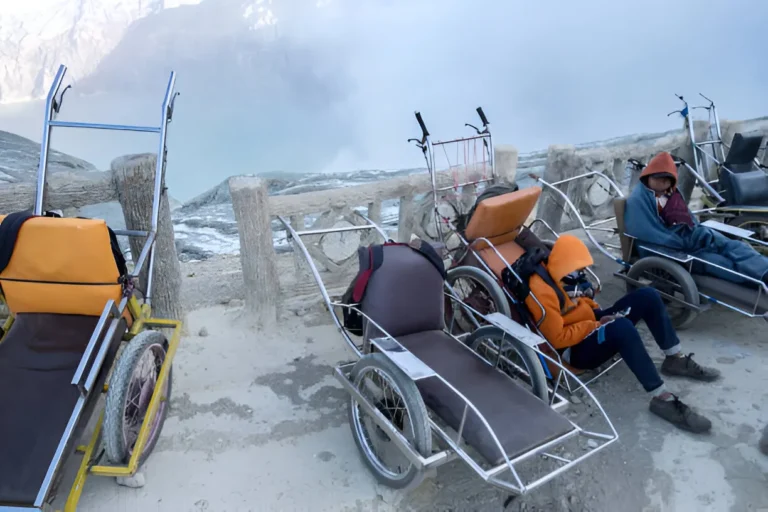
Rainiest Month On Mount Kilimanjaro 2026-2027
Rainiest Month on Mount Kilimanjaro is explained with current 2026-2027 planning, price, itinerary and booking information.
View package details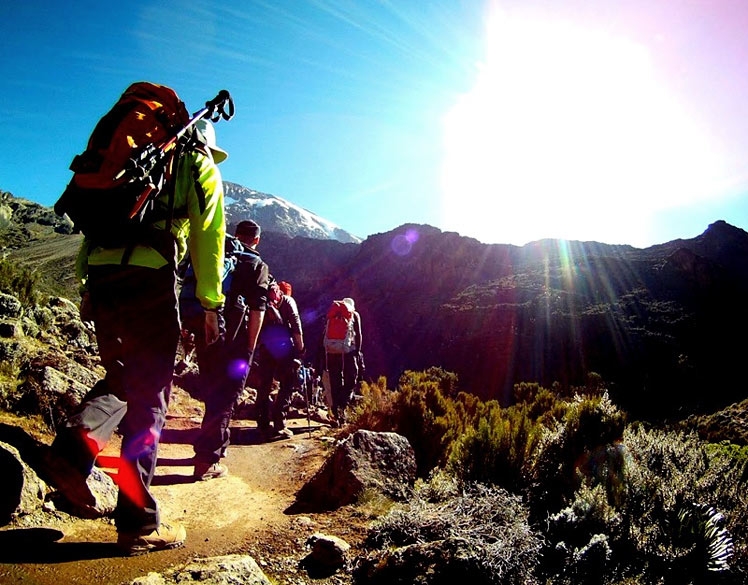
Driest Month To Climb Kilimanjaro: Your Guide For 2026-2027
The driest months for climbing Kilimanjaro are generally January, February, and June through October. These periods offer the clearest skies and lowest rainfall, ideal for a successful and...
View package details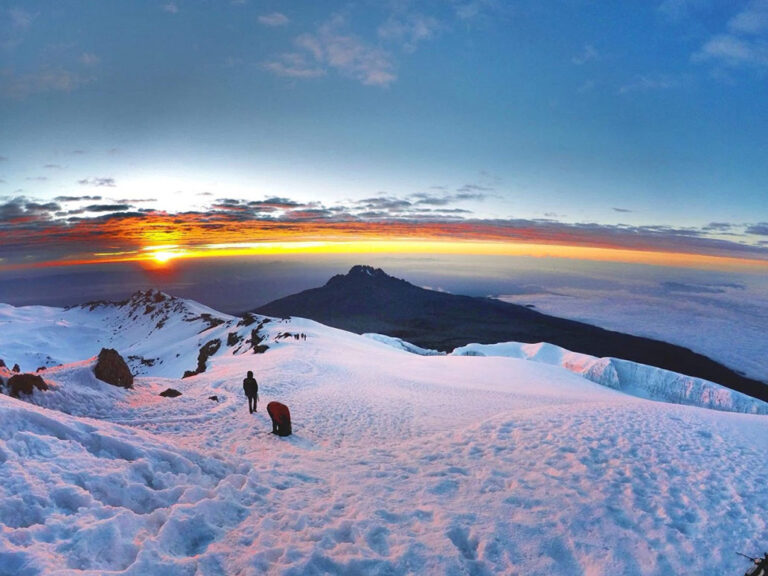
Coldest Month To Climb Kilimanjaro 2026-2027
Coldest Month to Climb Kilimanjaro is explained with current 2026-2027 planning, price, itinerary and booking information.
View package details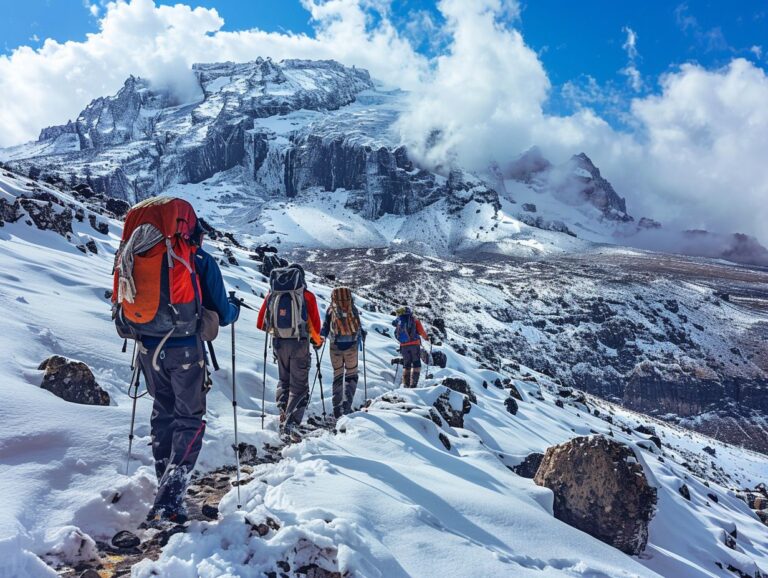
Warmest Month To Climb Kilimanjaro 2026-2027
Warmest Month to Climb Kilimanjaro is explained with current 2026-2027 planning, price, itinerary and booking information.
View package details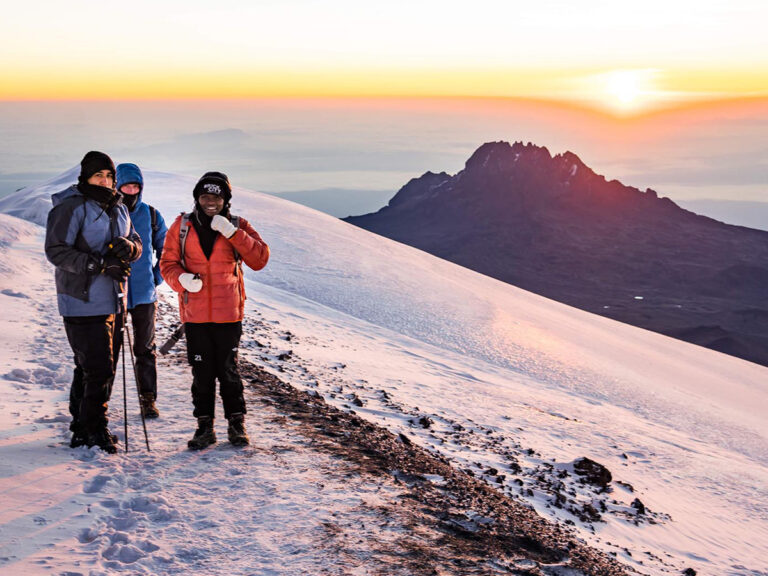
Quietest Month To Climb Kilimanjaro: Your Guide For 2026-2027
Planning a Kilimanjaro climb and seeking fewer fellow trekkers? This guide reveals the quietest months to ascend Africa's highest peak, focusing on shoulder seasons and off-peak periods for...
View package details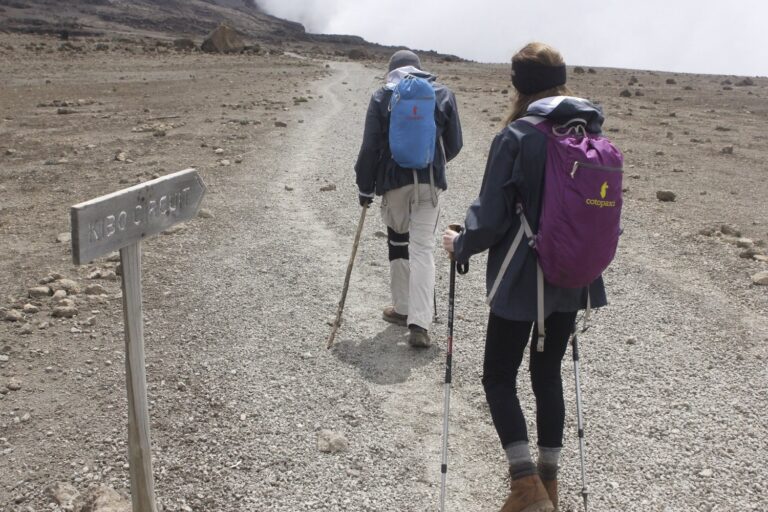
Busiest Month To Climb Kilimanjaro: Peak Seasons & Planning For 2026-2027
Understanding the busiest month to climb Kilimanjaro is crucial for planning a successful trek. This guide details peak seasons, crowd considerations, and optimal times for your 2026-2027...
View package details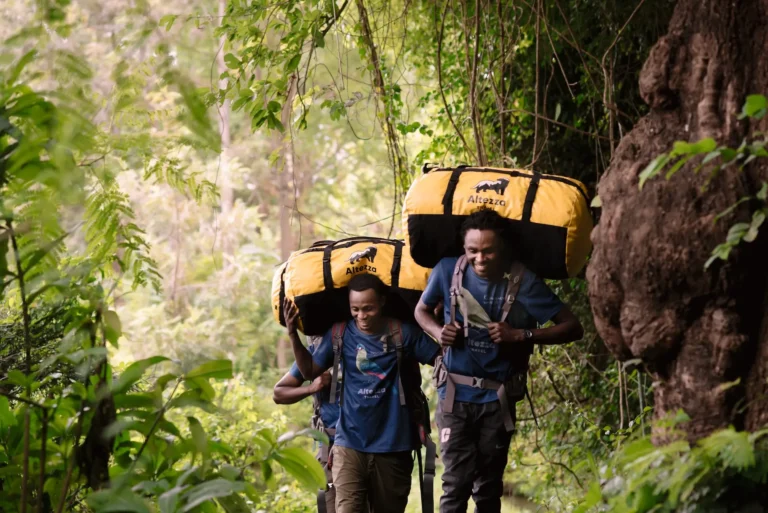
Best Kilimanjaro Month For A Zanzibar Extension: Your Ultimate Guide 2026-2027
Planning a Kilimanjaro climb followed by a Zanzibar beach holiday? This guide helps you choose the best month in 2026-2027 for perfect weather on the mountain and the islands, considering...
View package details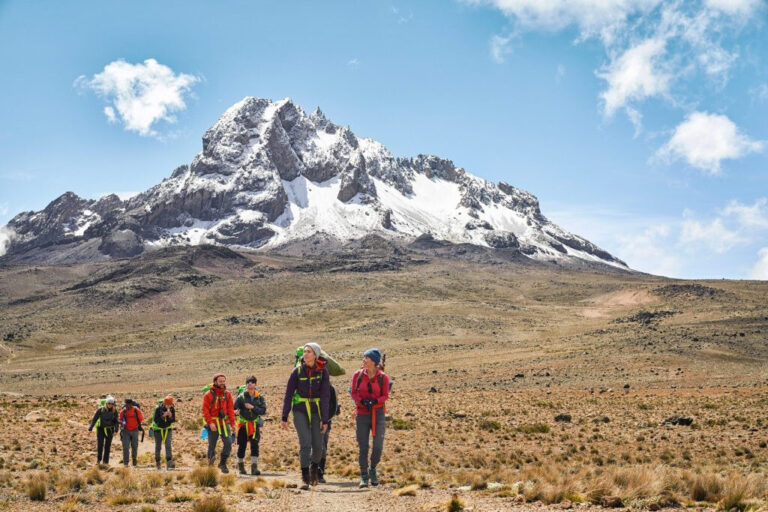
Best Kilimanjaro Month For Safari Extensions In | Top Guide Adventures
Discover the ideal months for combining a Kilimanjaro climb with a safari in Tanzania, focusing on optimal weather conditions, wildlife spectacles, and extension opportunities for...
View package details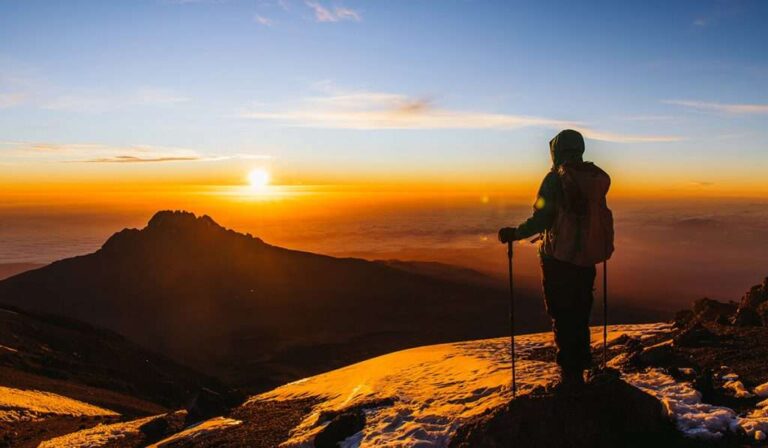
Best Kilimanjaro Month For Solo Travellers: Your Guide 2026-2027
Planning a solo climb of Kilimanjaro? This guide reveals the best months for solo travellers in 2026-2027, focusing on optimal weather, crowd levels, and route availability for an...
View package details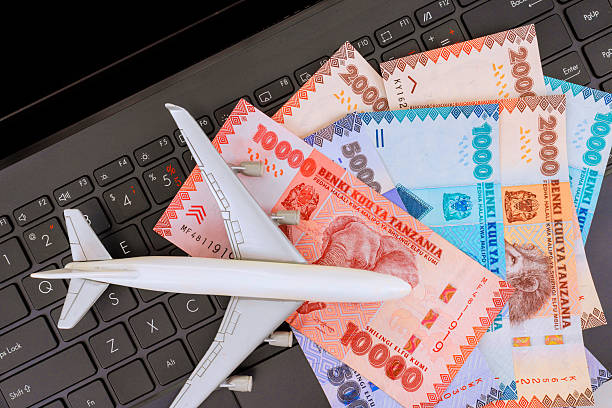
Best Kilimanjaro Month For Senior Climbers: Expert Guide 2026-2027
Planning a Kilimanjaro climb as a senior adventurer? Learn which months offer the best conditions for a successful and enjoyable trek in 2026-2027, considering weather, crowds, and your...
View package detailsBest Kilimanjaro Month For Families In : Your Ultimate Guide 2026-2027
A detailed 2026-2027 guide to Best Kilimanjaro Month for Families, with clear planning and booking information for travelers.
View package detailsNo related package matches those filters. Clear one or more filters to see the other topic-matched options.



