
For a Kilimanjaro holiday climb, December generally offers slightly warmer temperatures and less rainfall than January, making it a prime month for trekkers, especially early in the month. January also presents excellent climbing conditions with clear skies and cold, dry weather, but typically sees higher winds and colder temperatures, particularly at higher altitudes, and can be busier due to post-holiday travel. Both months are ideal for a 2026-2027 adventure, with the choice often coming down to personal preference regarding temperature, wind, and crowd tolerance.
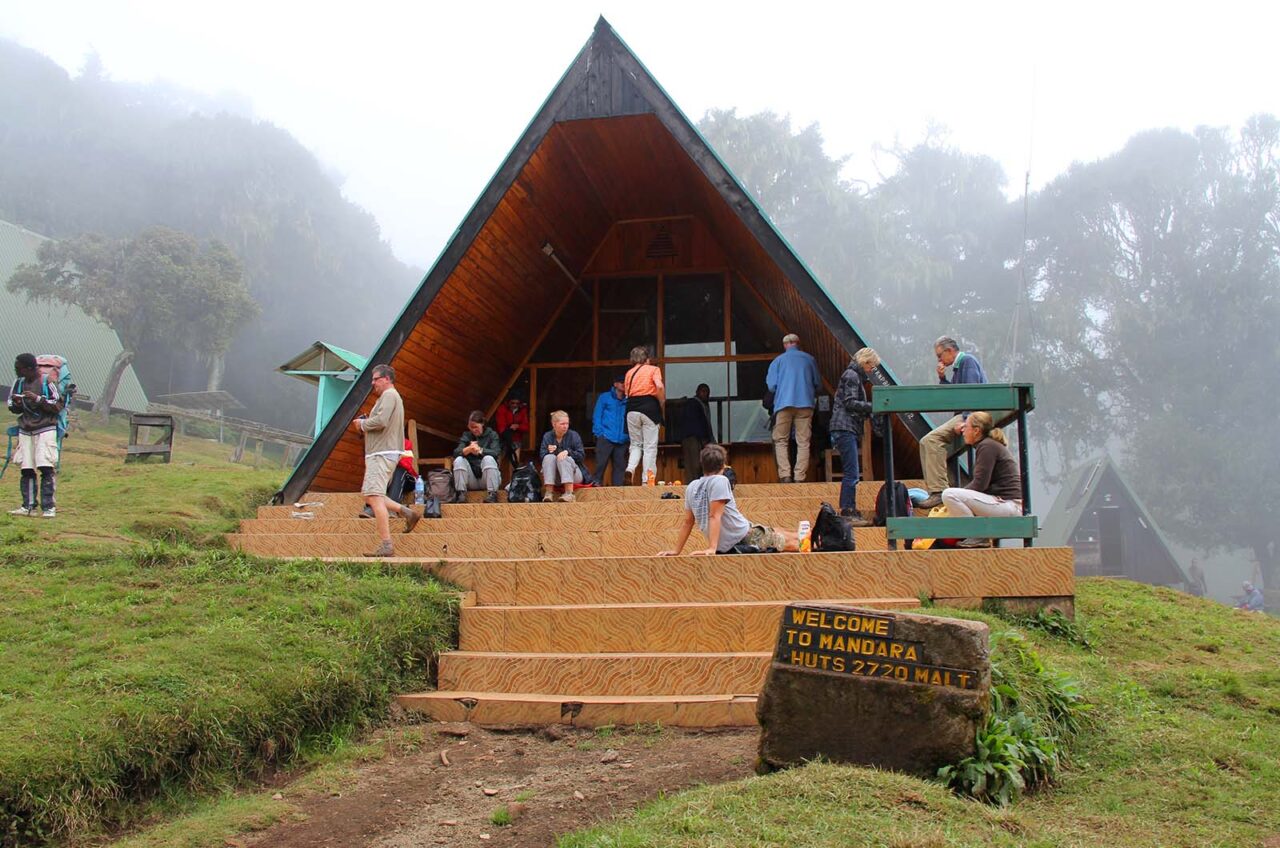
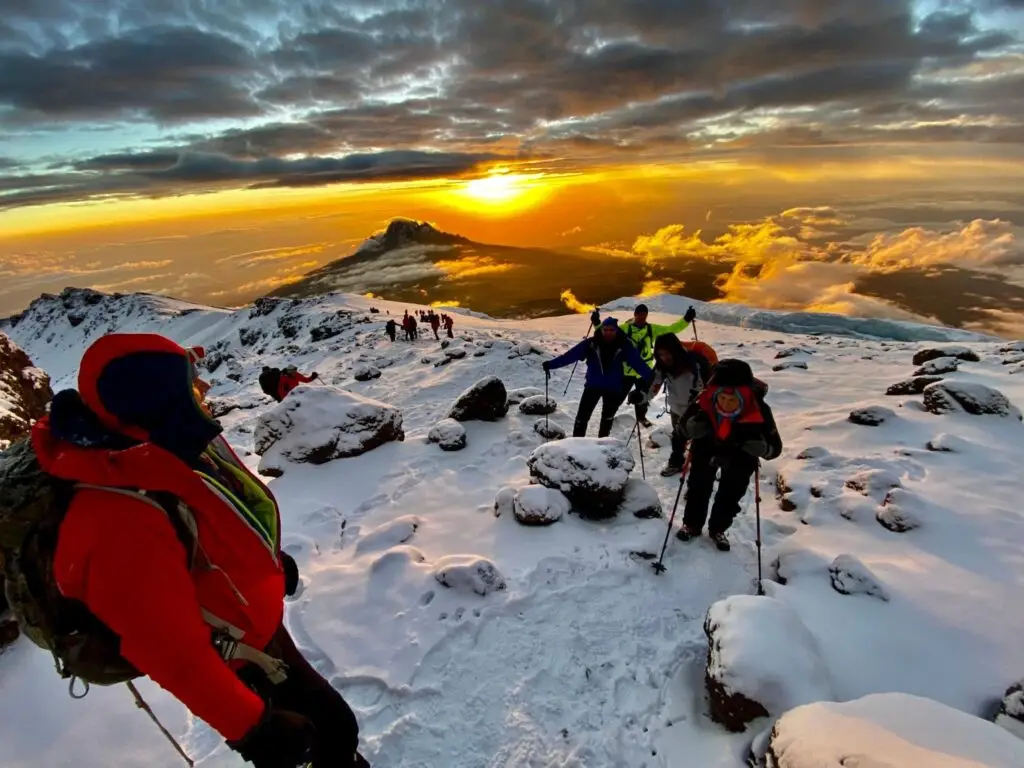
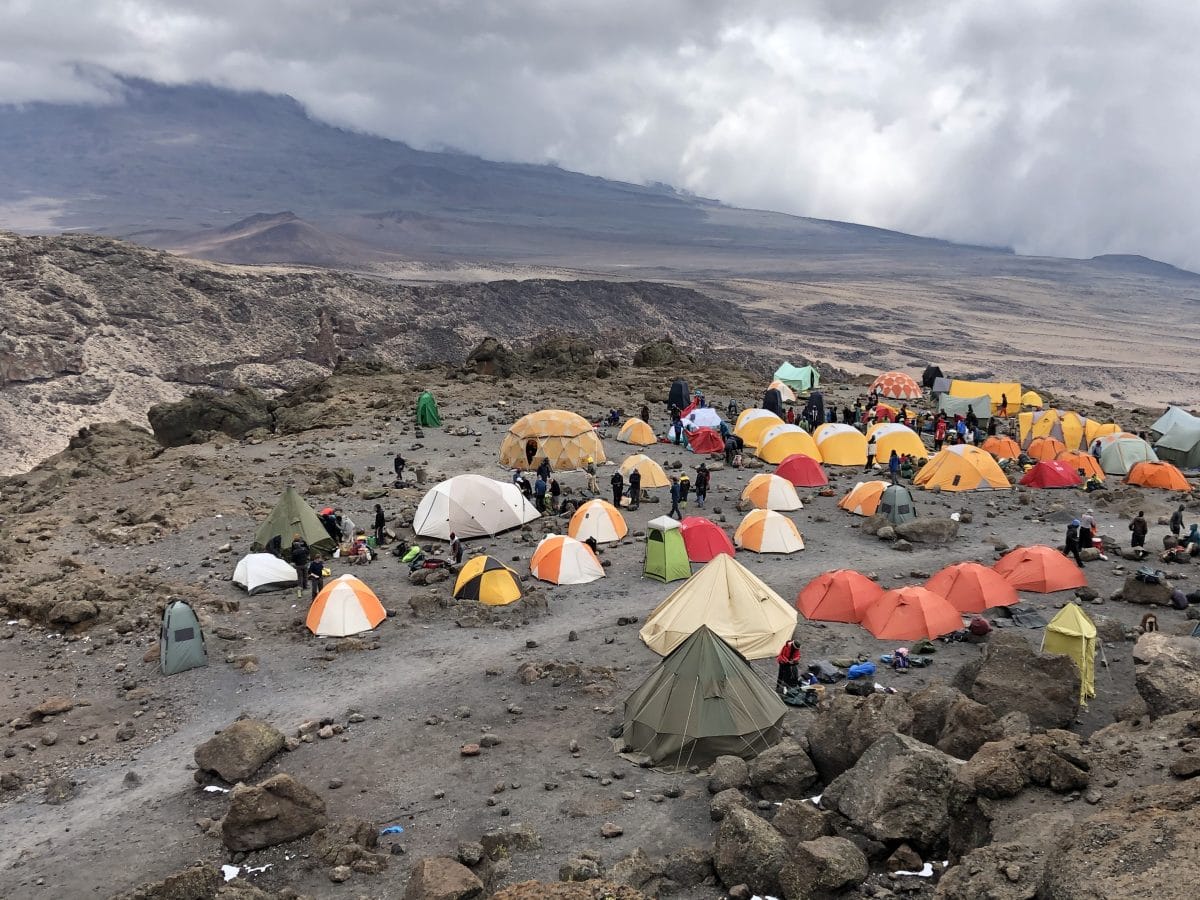
Choosing Your Kilimanjaro Climb: December or January for 2026-2027
Mount Kilimanjaro, Africa’s highest peak, beckons adventurers with its majestic presence and challenging ascent. For many, a climb is more than just a physical feat; it’s a holiday experience, a chance to connect with nature and push personal boundaries. When planning a Kilimanjaro holiday climb, particularly for the upcoming 2026-2027 seasons, two popular months often come into consideration: December and January. Both fall within Kilimanjaro’s dry seasons, promising generally favorable trekking conditions. However, subtle differences in weather, crowd dynamics, and even potential costs can influence your decision. This guide aims to dissect the nuances of a December vs January Kilimanjaro holiday climb, equipping you with the knowledge to select the perfect time for your unforgettable journey.
At Top Guide Adventures, we understand that every climber has unique priorities. Whether you’re seeking the mildest possible weather, fewer fellow trekkers, or the best value for your 2026-2027 adventure, understanding these month-specific details is crucial. Let’s explore what makes climbing Kilimanjaro in December distinct from January.
Understanding Kilimanjaro’s Climate and Seasonal Patterns
Before diving into the specifics of December versus January, it’s essential to grasp Kilimanjaro’s overall climate. The mountain experiences two distinct dry seasons and two rainy seasons. The major dry season runs from late June to October, and a shorter dry season occurs from late December to February. The rainy seasons are typically March to May (the ‘long rains’) and November to early December (the ‘short rains’).
Both December and January fall within the transition from the short rains into the main dry season. This means you can generally expect clearer skies, less precipitation, and good visibility. However, ‘dry’ on Kilimanjaro doesn’t mean entirely without rain or snow, especially at higher elevations. The weather can change rapidly, and conditions at the summit (Uhuru Peak, 5,895 meters or 19,341 feet) are always challenging, often involving extreme cold, high winds, and snow.
The Equatorial Influence: How Latitude Affects Kilimanjaro’s Weather
Kilimanjaro’s location near the equator plays a significant role in its weather patterns. Unlike many mountains where seasons are dictated by temperate climate shifts, Kilimanjaro’s weather is more about altitude zones and the cyclical movement of the Intertropical Convergence Zone (ITCZ). The ITCZ influences rainfall, and its position shifts throughout the year, creating the wet and dry periods.
During December and January, the ITCZ is typically migrating southwards, contributing to the drier conditions as the main dry season begins to establish itself. This period is often characterized by sunny mornings, cloud build-up in the afternoons, and potentially clearer skies at higher altitudes. The equatorial sun, even in cooler months, can be intense, making sun protection vital.
December on Kilimanjaro: A Closer Look for 2026-2027 Trekkers
Climbing Kilimanjaro in December offers a unique set of advantages, often making it a highly sought-after month for trekkers planning their 2026-2027 expeditions. It marks the beginning of the most significant dry spell of the year, following the short rains of November.
Weather Conditions in December
Temperature: December is generally considered one of the warmer months for climbing. While temperatures at the summit remain consistently below freezing (often -10°C to -20°C or 14°F to -4°F at night), the lower and middle altitudes tend to be milder. Daytime temperatures in the rainforest zone (around 1,800-2,500 meters) can be pleasant, sometimes reaching up to 20-25°C (68-77°F). As you ascend, temperatures drop significantly, but the overall feeling can be less biting than in the heart of the dry season or later winter months.
Precipitation: While December is part of a dry season, the early part of the month can still see residual effects from the short rains in November. Therefore, expect a possibility of light showers, particularly in the lower forest zones. However, these are usually short-lived and give way to clearer skies as the month progresses. The higher you go, the less likely you are to encounter rain and the more likely you are to encounter snow or ice, which is typical for Kilimanjaro.
Visibility: Generally, December offers good visibility, especially in the mornings. As the day warms up, clouds can form around the mountain’s slopes, but they often dissipate or move higher up, allowing for stunning views. The summit views are typically the clearest in the early morning hours.
Wind: Wind can be a factor on Kilimanjaro at any time of year, especially at higher altitudes and on summit night. In December, winds can be moderate, but they are generally not as fierce as they can become in January or later in the dry season. Still, always be prepared for strong winds, particularly above the tree line.
Crowd Levels in December
December is a popular month for climbing Kilimanjaro, largely due to the holiday season. Many people take advantage of annual leave to undertake this challenge. Consequently, you can expect a moderate to high number of trekkers on the popular routes. The trails will be active, and campsites can be busy. This can be a positive for some, offering a sense of camaraderie and shared experience. However, if you prefer solitude, this might be a consideration.
Holiday Impact: The period around Christmas and New Year’s Eve is particularly busy. Many trekkers aim to summit on New Year’s Day or celebrate their achievement shortly after. Booking well in advance is highly recommended for these peak holiday dates in December 2026 and December 2027 to secure preferred dates and routes.
Pros of Climbing in December
- Generally Milder Temperatures: Lower and mid-altitudes are often warmer and more pleasant than in January.
- Start of Dry Season: Transitioning into the main dry period means improving weather conditions throughout the month.
- Festive Atmosphere: For those climbing over Christmas, there can be a unique, celebratory atmosphere.
- Good Visibility: Typically offers clear mornings and good views.
Cons of Climbing in December
- Holiday Crowds: Can be very busy, especially around Christmas and New Year.
- Potential for Residual Rain: Early December might still see some lingering showers from the short rains.
- Higher Costs: Peak holiday demand can sometimes lead to slightly higher prices for flights and accommodation around the climb dates.
January on Kilimanjaro: An In-Depth Look for 2026-2027 Climbers
January is considered one of the prime months for climbing Kilimanjaro, falling squarely within the major dry season. It often boasts excellent weather, making it a top choice for many adventurers planning their 2026-2027 expeditions.
Weather Conditions in January
Temperature: January is typically cold and dry. While the lower slopes might still be warm during the day, the higher you ascend, the colder it gets. Summit nights are consistently frigid, with temperatures often dropping to -15°C to -25°C (5°F to -13°F), and can feel even colder with wind chill. The daytime temperatures on the upper slopes are also quite low, often hovering around freezing or just below.
Precipitation: January is one of the driest months on Kilimanjaro. Significant rainfall is rare. However, snow and ice are common at higher altitudes, especially on summit day. The conditions are predominantly dry, which is ideal for trekking, reducing the chances of slippery trails due to mud.
Visibility: January generally offers excellent visibility. The skies are often clear, providing spectacular panoramic views of the surrounding landscape and, on a clear day, Mount Meru. Sunrise views from the upper slopes and crater rim are particularly stunning.
Wind: This is where January can present a challenge compared to December. While dry, January can also be a windier month, particularly at the higher, exposed sections of the mountain and during the summit push. Strong winds can significantly increase the perceived cold due to wind chill, making summit night feel more demanding.
Crowd Levels in January
Following the peak holiday period of late December, January typically sees a slight decrease in crowds, though it remains a popular month. The initial rush of Christmas and New Year trekkers subsides, meaning trails and campsites might be a bit less congested than in the final weeks of December. However, it’s still a busy period, and booking in advance for 2027 climbs is strongly advised.
Post-Holiday Lull: While not empty, January often offers a slightly more relaxed trekking experience compared to the festive rush of December. This can be appealing for those who prefer a bit more space on the trails.
Pros of Climbing in January
- Excellent Dry Conditions: Consistently one of the driest months, ideal for trekking.
- Superb Visibility: Offers some of the best panoramic views of the year.
- Fewer Holiday Crowds (post-New Year): After the initial holiday rush, crowds can be slightly more manageable.
- Cold, Crisp Air: For those who prefer very cold, crisp conditions, January is perfect.
Cons of Climbing in January
- Colder Temperatures: Summit nights and higher altitudes are significantly colder than in December.
- Potentially Windiest Month: Increased wind can make the cold feel more extreme and the climb more challenging.
- Still Popular: While less busy than late December, it remains a popular trekking month.
Direct Comparison: December vs January Kilimanjaro Holiday Climb
To make an informed decision for your December vs January Kilimanjaro holiday climb, let’s break down the key differences side-by-side for your 2026-2027 planning.
Weather: Temperature and Precipitation
December: Generally milder, especially at lower/mid-altitudes. Possibility of light, short rains early in the month, improving significantly as it progresses. Snow is common at the summit. Good visibility.
January: Consistently dry with very little rain. Significantly colder at higher altitudes and summit nights. Excellent visibility. Can be windier.
Crowds and Atmosphere
December: Moderate to high crowds, peaking around Christmas and New Year’s. Festive atmosphere. Campsites and trails can be busy.
January: Still popular but generally less crowded than late December, especially after the first week. More relaxed atmosphere post-holidays.
Difficulty and Challenge
Both months offer challenging climbs due to altitude. However, the colder temperatures and potentially stronger winds in January, particularly on summit night, can make the ascent feel more arduous for some compared to December’s slightly milder conditions.
Cost Considerations for 2026-2027
While the base cost of a Kilimanjaro climb is largely determined by the route, duration, and operator, there can be slight variations in overall travel costs. Flights and pre/post-climb accommodation in Tanzania might be more expensive in late December due to peak holiday demand. January might offer slightly better value for these ancillary travel components, though the climb permit fees themselves remain constant.
Top Guide Adventures offers competitive pricing for both December and January climbs in 2026 and 2027. Our packages are designed to provide excellent value, focusing on safety, experienced guides, and quality equipment. For specific pricing details, we encourage you to contact us directly.
Route Suitability
Both December and January are suitable for all Kilimanjaro routes. However, consider these points:
- Machame, Lemosho, Shira: These popular routes offer excellent acclimatization profiles and are well-suited for both months. Their longer durations allow for better adaptation to altitude.
- Marangu (Coca-Cola Route): While shorter, it has a lower success rate due to poorer acclimatization. It can be done in December or January, but success depends heavily on individual adaptation.
- Northern Circuit: The longest route, offering the best acclimatization, making it a superb choice for either month, especially if you want to maximize your chances of summit success and enjoy fewer crowds on the upper reaches.
- Rongai: This route approaches from the north and is known for being drier, making it a good option if you’re concerned about residual rains in early December.
Choosing Your Route: Impact on December vs January Decision
The route you select for your Kilimanjaro climb can subtly influence whether December or January is a better fit. While all routes are generally viable in both months, some characteristics might align better with specific seasonal conditions.
Routes Best Suited for December’s Milder Conditions
December’s slightly warmer temperatures at lower altitudes can make the initial days of trekking through the rainforest more pleasant. Routes like the Machame Route and Lemosho Route, which spend more time in these lower, vegetated zones, can feel particularly enjoyable. The slightly increased chance of light rain in early December is also less of a deterrent on routes with good tree cover.
The Northern Circuit, due to its length and varied terrain, benefits from the generally good conditions of December. The extended duration allows for a more relaxed pace, and the milder start can be appreciated.
Routes Ideal for January’s Dry and Cold Air
January’s consistently dry weather and crisp, cold air are perfect for routes where minimizing mud and maximizing clear views are priorities. The Rongai Route, known for its drier northern approach, is an excellent choice for January. It’s less affected by any lingering moisture compared to routes on the southern side.
The Mweka Route, often used as a descent, can be steep and slippery when wet. January’s dryness makes it a safer descent option. For those who thrive in cold, challenging conditions and want the best chance of clear skies for summit views, January is hard to beat, especially on routes like the Uhuru Trail (a section of the Northern Circuit) or the upper reaches of Machame and Lemosho.
Acclimatization and Success Rates in December vs January
Success rates on Kilimanjaro are primarily dictated by acclimatization, the chosen route’s duration, and individual preparedness, rather than the specific month of December versus January. Both months fall within the dry season, which is conducive to climbing.
- Route Duration: Longer routes (7-8 days) significantly increase success rates in both December and January by allowing for better acclimatization. The Northern Circuit (9 days) and Lemosho (7-8 days) are top choices for maximizing success.
- Altitude Sickness: Altitude sickness can affect anyone, regardless of the month. Proper acclimatization techniques, pacing (pole pole), hydration, and listening to your body are paramount.
- Summit Night: Summit night is the most challenging part due to altitude, darkness, and cold. While December might be marginally less cold, January’s extreme cold combined with potential wind can be a significant factor. Choosing a route with good acclimatization is key to having the physical and mental strength for summit night in either month.
Top Guide Adventures prioritizes safety and success. Our itineraries are designed with optimal acclimatization in mind, and our guides are trained to manage altitude sickness. We recommend longer routes for all our clients aiming for a December vs January Kilimanjaro holiday climb in 2026-2027.
What to Pack: Adapting Your Gear for December vs January
While your core Kilimanjaro packing list will remain similar year-round, there are slight adjustments to consider when choosing between a December and January climb.
Packing for December
Given the possibility of residual rain in early December and generally milder temperatures at lower altitudes:
- Waterproofs: High-quality, breathable waterproof jacket and trousers are essential. Ensure they are well-tested.
- Layering System: Focus on versatile layers. You’ll need thermal base layers, fleece mid-layers, and an insulated outer jacket.
- Rain Cover: A good rain cover for your backpack is crucial.
- Sun Protection: Even with cooler temperatures, the equatorial sun is strong. High SPF sunscreen, a wide-brimmed hat, and sunglasses are vital.
- Gloves: Consider a lighter pair of gloves for lower altitudes and a warmer, waterproof pair for the summit.
Packing for January
January’s colder and potentially windier conditions require a focus on warmth and protection against the elements:
- Extreme Cold Gear: Invest in a very warm down or synthetic insulated jacket (often called a “puffy jacket”) for summit night and high-altitude trekking.
- Warmer Gloves and Mittens: Consider waterproof mittens, which are often warmer than gloves, and liner gloves for dexterity.
- Headwear: A warm, insulated hat that covers your ears is critical. A balaclava or neck gaiter is also highly recommended for protecting your face from wind and cold.
- Footwear: Well-broken-in, waterproof hiking boots are non-negotiable. Consider bringing liner socks and thick wool hiking socks. Gaiters can help keep snow and debris out of your boots.
- Hand/Foot Warmers: Chemical hand and foot warmers can be a lifesaver on summit night in January.
General Packing Advice for Both Months
- Hydration: Insulated water bottles or a hydration system with an insulated tube to prevent freezing.
- Headlamp: A reliable headlamp with extra batteries is essential for summit night and early morning starts.
- Trekking Poles: Highly recommended for stability, especially on descents, and to reduce strain on knees.
- High-Energy Snacks: Pack your favorite snacks for an energy boost.
- First-Aid Kit: A personal kit with any necessary medications.
Top Guide Adventures provides a comprehensive packing list tailored to Kilimanjaro climbs. We also offer equipment rental services for items like sleeping bags, jackets, and trekking poles, ensuring you are well-prepared for the specific conditions of your December vs January Kilimanjaro holiday climb in 2026 or 2027.
Planning Your 2026-2027 Kilimanjaro Adventure: Booking Considerations
When booking your December vs January Kilimanjaro holiday climb for 2026-2027, prompt action is key, especially if you have specific dates in mind.
Booking Windows
December Climbs: Due to the popularity around the holidays, securing your spot for a December 2026 or December 2027 climb should ideally be done 6-12 months in advance. This is particularly true for Christmas and New Year dates.
January Climbs: While slightly less pressured than the Christmas week, January is still a prime trekking month. Booking 4-9 months in advance is recommended for January 2027 or 2028 departures to ensure availability, especially for specific routes or group sizes.
Choosing a Reputable Tour Operator
The choice of tour operator significantly impacts your experience, safety, and success rate. When comparing operators for your December vs January Kilimanjaro holiday climb:
- Safety Standards: Look for operators who prioritize guide training (first aid, high-altitude medicine), carry comprehensive medical kits, and have emergency evacuation plans.
- Guide and Porter Welfare: Ethical treatment of staff is crucial. Reputable companies ensure fair wages, proper gear, and adequate food for their porters and guides.
- Inclusions: Understand what is included in the price. This typically covers park fees, accommodation (before/after the climb), meals on the mountain, guide and porter salaries, and equipment. Exclusions might be tips, personal gear, and flights.
- Experience and Reviews: Check reviews on platforms like TripAdvisor and look for operators with a long track record and positive feedback, especially regarding their handling of climbs during your chosen month.
Top Guide Adventures is committed to providing exceptional Kilimanjaro climbing experiences. We are a locally owned and operated company, ensuring fair treatment of our staff and a deep understanding of the mountain. Our transparent pricing for 2026-2027 climbs includes all necessary park fees, quality meals, experienced guides, and reliable equipment. We pride ourselves on our safety record and high success rates.
Costs and Budgeting for 2026-2027
Kilimanjaro climb costs can vary widely. Generally, expect to pay between $1,800 to $4,500+ per person for a standard 7-day climb, depending on the operator, route, and inclusions. High-end operators with more luxurious support might charge more.
- Permit Fees: These are fixed by the Tanzanian government and are a significant portion of the cost. They do not typically change drastically month-to-month.
- Operator Fees: This covers guides, porters, cooks, food, equipment, and logistical support.
- Tipping: Tipping is customary and a significant part of the crew’s income. Budget around $200-$300 per climber for tips.
- Ancillary Costs: Flights, visas, travel insurance (mandatory for high-altitude trekking), vaccinations, and personal gear add to the total cost.
For your December vs January Kilimanjaro holiday climb in 2026-2027, contact Top Guide Adventures for a detailed, personalized quote. We offer various packages, including group departures and private climbs, to suit different budgets and preferences. Our aim is to provide an honest and competitive price for a safe and memorable adventure.
Frequently Asked Questions: December vs January Kilimanjaro
Here are answers to common questions regarding climbing Kilimanjaro in December versus January.
Is it safe to climb Kilimanjaro in December or January?
Yes, both December and January fall within Kilimanjaro’s dry seasons, making them generally safe and favorable months for climbing. The primary safety concern on Kilimanjaro is altitude sickness, which is managed through proper acclimatization, route choice, and experienced guides, regardless of the month. Weather conditions are typically good, although cold and wind are always factors at higher altitudes.
Which month has better weather for Kilimanjaro, December or January?
Both months offer good weather. December tends to be slightly warmer at lower and mid-altitudes and is transitioning into the dry season, with conditions improving throughout the month. January is consistently dry and can offer excellent visibility but is typically colder and potentially windier, especially on summit night. The “better” weather depends on your preference: milder or colder and drier.
Will I encounter snow on Kilimanjaro in December or January?
Yes, it is very likely you will encounter snow and ice at the summit (Uhuru Peak) and on the upper crater rim in both December and January. The lower slopes will be clear, but the higher you ascend, the more likely you are to see frozen conditions. This is normal for climbing Kilimanjaro at this altitude.
Are there more crowds in December or January on Kilimanjaro?
December, particularly the period around Christmas and New Year’s Eve, is typically busier with more trekkers. January is still a popular month but often sees a slight reduction in crowds after the initial holiday rush, offering a slightly more relaxed experience, especially in the latter half of the month.
Which month offers a better chance of summit success?
Success rates are primarily determined by the route chosen (longer is better), acclimatization, and individual fitness, not significantly by the month itself within the dry season. Both December and January offer good conditions for success. However, the potentially harsher cold and wind in January might make summit night more challenging for some, requiring excellent preparation and acclimatization.
Should I book my 2026-2027 Kilimanjaro climb for December or January?
Book for December if: You prefer slightly milder temperatures at lower altitudes, don’t mind holiday crowds, and want to climb during the festive season. Early December might have a slight chance of residual rain.
Book for January if: You prioritize consistently dry weather, excellent visibility, prefer slightly fewer crowds (post-New Year), and are well-prepared for colder temperatures and potential strong winds.
Final Thoughts: Making Your Choice for 2026-2027
The decision between a December vs January Kilimanjaro holiday climb for your 2026-2027 adventure hinges on your personal preferences and priorities. Both months offer a fantastic opportunity to conquer Africa’s Roof of Africa under generally favorable conditions.
If you envision a trek with slightly milder starting temperatures, a festive holiday spirit, and don’t mind sharing the trails with more people, December is an excellent choice. Be mindful of the possibility of light rain early in the month and book well in advance for peak holiday dates.
If your ideal climb involves crisp, dry air, potentially clearer and more expansive views, and a slightly less crowded experience (especially after the New Year), then January is likely your best bet. Be prepared for significantly colder temperatures and stronger winds, particularly on summit night, and ensure your gear is up to the task.
Regardless of whether you choose December or January for your 2026-2027 Kilimanjaro journey, Top Guide Adventures is here to ensure it’s a safe, memorable, and successful expedition. We specialize in creating tailored Kilimanjaro experiences, offering expert guidance, reliable logistics, and unwavering support. To discuss your specific needs, get a personalized quote, or book your climb, please reach out to us.
Contact Top Guide Adventures today to plan your dream Kilimanjaro holiday climb:
- WhatsApp: +255616946642
- Email: topguideadventures@gmail.com
- Backup Email: info@topguideadventures.com
We look forward to helping you reach Uhuru Peak!
“,
“faq_schema”: [
{
“question”: “Is it safe to climb Kilimanjaro in December or January?”,
“answer”: “Yes, both December and January are within Kilimanjaro’s dry seasons and are generally safe for climbing. The main safety concerns are altitude sickness, which is managed through proper acclimatization and experienced guides, and the inherent challenges of high-altitude trekking. Weather conditions are typically favorable, though cold and wind are always factors at higher elevations.”
},
{
“question”: “Which month has better weather for Kilimanjaro, December or January?”,
“answer”: “Both months offer good weather. December tends to be slightly warmer at lower and mid-altitudes and is transitioning into the dry season, with conditions improving throughout the month. January is consistently dry and offers excellent visibility but is typically colder and potentially windier, especially on summit night. The ‘better’ weather depends on whether you prefer milder conditions or colder, drier air.”
},
{
“question”: “Will I encounter snow on Kilimanjaro in December or January?”,
“answer”: “Yes, it is very likely you will encounter snow and ice at the summit (Uhuru Peak) and on the upper crater rim in both December and January. While the lower slopes are usually clear, the higher you ascend, the more likely you are to encounter frozen conditions, which is normal for climbing Kilimanjaro at this altitude.”
},
{
“question”: “Are there more crowds in December or January on Kilimanjaro?”,
“answer”: “December, particularly the period around Christmas and New Year’s Eve, is typically busier with more trekkers. January is still a popular month but often sees a slight reduction in crowds after the initial holiday rush, offering a slightly more relaxed experience, especially in the latter half of the month.”
},
{
“question”: “Which month offers a better chance of summit success on Kilimanjaro?”,
“answer”: “Summit success rates are primarily determined by the route chosen (longer routes offer better acclimatization), individual acclimatization, and preparedness, rather than the specific month within the dry season. Both December and January offer good conditions for success. However, the potentially harsher cold and wind in January might make summit night more challenging for some, requiring excellent preparation and gear.”
},
{
“question”: “Should I book my 2026-2027 Kilimanjaro climb for December or January?”,
“answer”: “Book for December if you prefer slightly milder starting temperatures, don’t mind holiday crowds, and want to climb during the festive season. Be aware of potential light rain early in the month. Book for January if you prioritize consistently dry weather, excellent visibility, prefer slightly fewer crowds (post-New Year), and are well-prepared for colder temperatures and potential strong winds.”
}
]
}
“`
Check Availability for December Vs January Kilimanjaro Holiday Climb 2026-2027
Ready to compare dates, prices, and the best option for your group? Send the package name and travel month so the team can reply with a clear quote, availability, and what is included.
December Kilimanjaro Last-Minute Holiday Deals For Climbs 2026-2027
Planning a Kilimanjaro climb in December 2026 or 2027? Discover last-minute holiday deals, essential tips for winter ascents, and how Top Guide Adventures can make your dream a reality.
View package details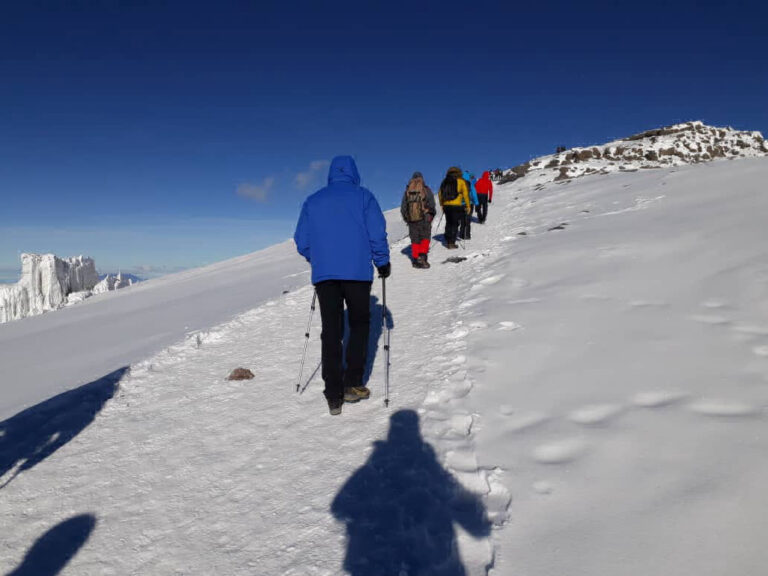
November Vs December Kilimanjaro Climbing Conditions Guide
Choosing between November and December for your Kilimanjaro climb? This guide details the distinct conditions, weather patterns, crowd levels, and cost considerations for each month...
View package details
December Kilimanjaro Climb For Solo Travellers 2026-2027
December Kilimanjaro Climb for Solo Travellers is explained with current 2026-2027 planning, price, itinerary and booking information.
View package details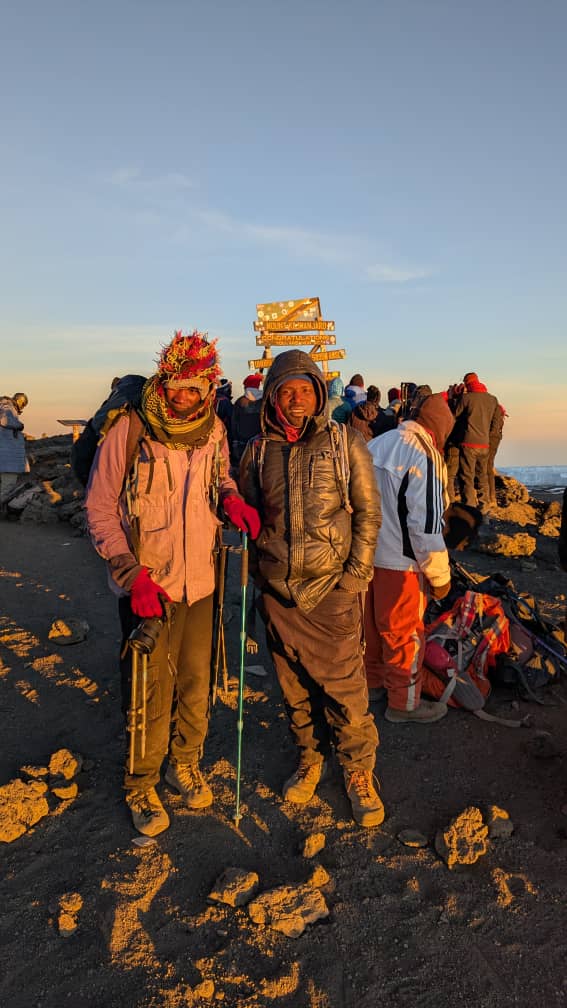
December Kilimanjaro Packing Checklist: Essential Gear For Climbs 2026-2027
Prepare for your December Kilimanjaro climb with our comprehensive packing checklist. This guide covers essential gear, clothing, and tips for conquering Africa's highest peak in the dry...
View package details
Is December A Good Month To Climb Kilimanjaro? Your Guide 2026-2027
December offers a unique window for Kilimanjaro climbs, balancing good weather with fewer crowds. This guide explores its advantages and considerations for 2026-2027.
View package detailsDecember Kilimanjaro Family Holiday Package: Your Ultimate Adventure Guide
Explore Top Guide Adventures' December Kilimanjaro family holiday packages for 2026-2027. This comprehensive guide covers everything families need to know, from route selection and...
View package details
6-Day Marangu Route Kilimanjaro Climb In December 2026-2027
Discover everything you need to know for a 6-day Marangu Route Kilimanjaro climb during December 2026-2027. This guide covers weather expectations, essential gear, itinerary details...
View package details8-Day Lemosho Route Kilimanjaro Climb In December | Top Guide Adventures
Discover the magic of an 8-day Lemosho Route Kilimanjaro climb in December. This guide details what to expect regarding weather, acclimatization, and preparation for your 2026-2027...
View package details
Your 7-Day Machame Route Kilimanjaro Climb In December : Expert Guide
A comprehensive guide to undertaking a 7-day Machame Route Kilimanjaro climb during December. Learn about the conditions, best practices, and what to expect for your 2026-2027 adventure.
View package details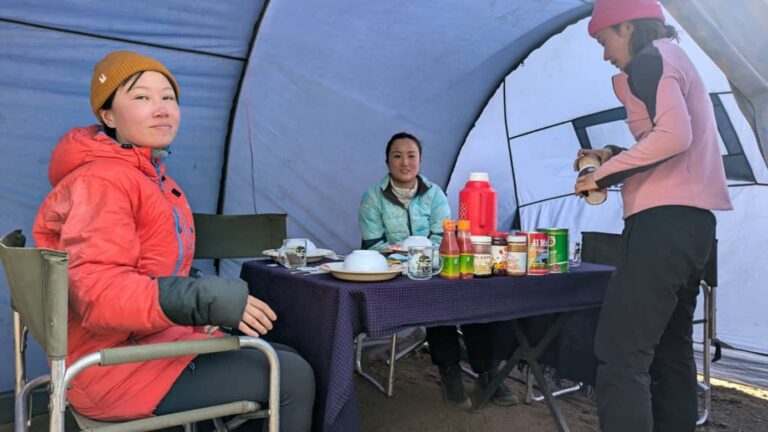
Best Kilimanjaro Route For December : Your Ultimate Climbing Guide 2026-2027
Choosing the best Kilimanjaro route for a December climb requires understanding the unique weather patterns and operational considerations of this popular month. While December marks the...
View package details
December Kilimanjaro Group Departures : Your Ultimate Climbing Guide 2026-2027
Planning a Kilimanjaro climb in December 2026? This comprehensive guide covers everything you need to know about group departures, including route options, weather expectations, packing...
View package detailsKilimanjaro Friends’ Group Climbing Holiday: Your Ultimate Guide For 2026-2027
Organizing a Kilimanjaro climb for a group of friends is an unforgettable experience. This guide from Top Guide Adventures covers everything you need to know for a successful 2026-2027...
View package detailsNo related package matches those filters. Clear one or more filters to see the other topic-matched options.



