
A comprehensive December Kilimanjaro packing checklist for 2026-2027 climbs focuses on layers for cold, windproof outer shells, sturdy waterproof boots, thermal base layers, and high-quality sleeping gear, supplemented by sun protection, hydration essentials, and personal items to manage the dry, cooler conditions and potential temperature swings from base camp to the summit.
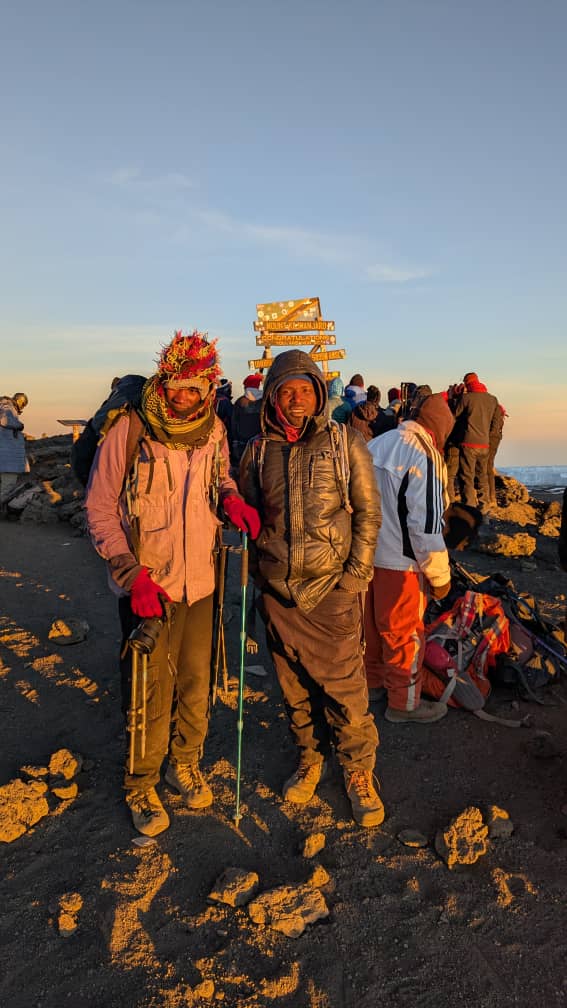

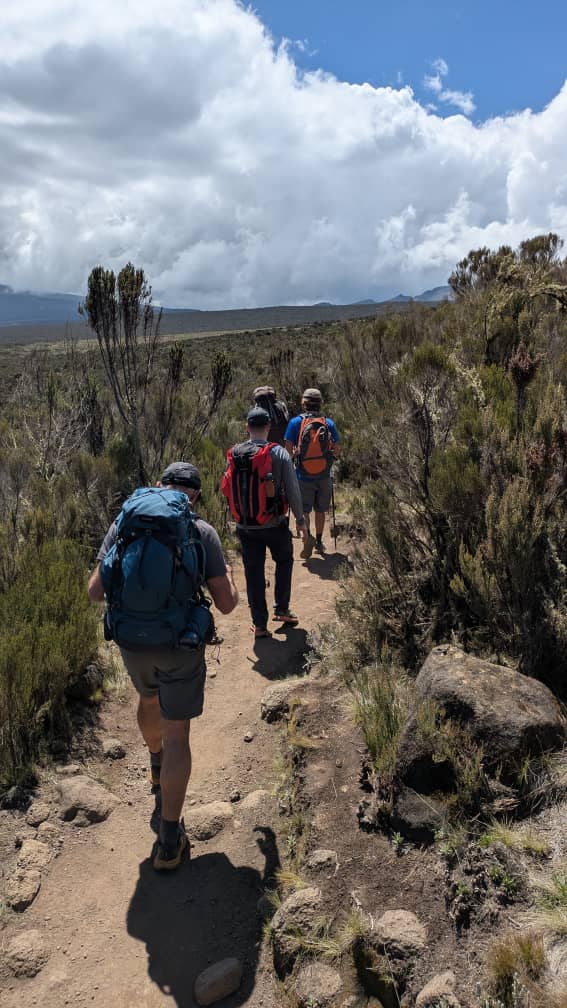
December on Kilimanjaro: Weather and What it Means for Your Packing List
Climbing Kilimanjaro in December presents a unique set of conditions that significantly influence your packing strategy. December falls within one of Kilimanjaro’s two dry seasons, which is a major advantage for trekkers. This means less rainfall, clearer skies, and generally more stable weather patterns compared to the wetter months. However, ‘dry’ on Kilimanjaro doesn’t mean warm, especially as you ascend. Temperatures can plummet dramatically, particularly at the summit, Uhuru Peak, which stands at 5,895 meters (19,341 feet). Expect daytime temperatures to range from cool to cold (around 5-15°C or 40-60°F) at lower altitudes, dropping to well below freezing (-10 to -20°C or 0 to -4°F) on summit night and at the crater rim. The dry season also means a higher likelihood of strong winds, especially at higher elevations, which can make the cold feel much more intense. Therefore, your packing for December Kilimanjaro must prioritize thermal insulation, wind protection, and robust waterproof gear, even though you won’t be dealing with heavy monsoon rains.
For trekkers planning their ascent in 2026 or 2027, understanding these December conditions is the first step toward assembling the right gear. The goal is to stay warm, dry, and comfortable, enabling you to focus on the incredible experience of climbing Kilimanjaro and reaching the roof of Africa. This detailed packing list is designed to help you prepare thoroughly, ensuring you have all the necessary equipment for a safe and successful trek during this popular climbing window.
The Foundation: Essential Clothing Layers for Kilimanjaro in December
Layering is the cornerstone of staying comfortable on Kilimanjaro, and this is especially true in December. The ability to add or remove layers as your body temperature changes, the weather shifts, or you move through different ecological zones is crucial. A well-thought-out layering system will keep you warm on cold mornings and evenings, allow you to vent excess heat during strenuous ascents, and protect you from wind and the occasional unexpected shower.
Base Layers: Wicking Away Moisture
Your base layers are the first line of defense against the cold and are worn directly against your skin. Their primary job is to wick sweat away from your body, preventing you from getting chilled when you stop moving. For December, prioritize synthetic materials or merino wool. Cotton should be avoided at all costs, as it holds moisture and will make you cold.
- Thermal Tops (2-3): Long-sleeved shirts made from merino wool or synthetic wicking fabric. Consider one mid-weight and one lightweight option.
- Thermal Bottoms (2-3): Long johns or leggings made from the same materials as the tops. Essential for warmth, especially during colder nights and summit attempts.
Mid Layers: Insulation and Warmth
These layers go over your base layers and provide the bulk of your insulation. Fleece and down are excellent choices. You’ll likely want a combination to adapt to varying temperatures.
- Fleece Jacket/Pullover (1-2): A mid-weight fleece jacket (e.g., Polartec 100 or 200) is versatile. Having two allows for flexibility, or one thicker one can suffice.
- Insulated Jacket (1): A down or synthetic insulated jacket is critical for summit night and cold evenings. Look for something packable and warm, ideally with a hood. This is your primary warmth layer for static periods or extreme cold.
Outer Layers: Protection from the Elements
Your outer layers are your shield against wind and rain. Even in the dry season, unexpected showers can occur, and wind chill is a significant factor at higher altitudes.
- Waterproof and Windproof Jacket (1): A high-quality, breathable, waterproof, and windproof shell jacket (e.g., Gore-Tex or similar). Ensure it has a hood and is large enough to fit over your other layers. Pit zips are a useful feature for ventilation.
- Waterproof and Windproof Trousers (1 pair): Similar to the jacket, these should be fully waterproof and windproof. Full-length side zippers make them easy to put on and take off over your boots.
Trekking Trousers and Shorts
While you’ll rely heavily on thermal bottoms, you also need comfortable trousers for hiking during the day.
- Hiking Trousers (2 pairs): Lightweight, quick-drying hiking trousers are ideal. Avoid jeans. Convertible trousers (zip-off legs) can offer versatility.
- Hiking Shorts (1 pair, optional): Some trekkers prefer shorts for the lower, warmer sections, especially in December.
Footwear: The Most Critical Gear for Kilimanjaro
Your feet are your lifeline on Kilimanjaro. Investing in good quality, well-broken-in footwear is non-negotiable. Blisters or ill-fitting boots can derail your entire trek. For December, consider the possibility of encountering some damp conditions at lower altitudes, although the higher reaches will be dry and frozen.
- Hiking Boots (1 pair): Sturdy, waterproof, ankle-high hiking boots are essential. They must be well broken-in before your climb to prevent blisters. Ensure they have good ankle support and a robust sole.
- Camp Shoes/Sandals (1 pair): Lightweight sandals, crocs, or comfortable trainers for wearing around camp in the evenings. This allows your hiking boots to air out and your feet to relax.
- Socks (5-7 pairs): A mix of thermal hiking socks (wool or synthetic) and liner socks. Bring more than you think you’ll need, as keeping your feet dry is paramount.
- Gaiters (1 pair): Waterproof and breathable gaiters are highly recommended for December. They keep mud, scree, and water out of your boots, and snow or ice from higher altitudes.
Headwear and Handwear: Protecting Extremities
The head and hands lose heat rapidly. Proper protection is vital, especially on summit night in December.
- Warm Hat (1): A thick, woolly hat that covers your ears. Essential for retaining body heat.
- Sun Hat/Cap (1): A wide-brimmed hat or cap for sun protection during the day. The equatorial sun is strong, even in cooler months.
- Balaclava/Neck Gaiter (1-2): A fleece neck gaiter or balaclava provides crucial protection for your face and neck against the wind and cold. A versatile buff can also serve this purpose.
- Gloves (2-3 pairs): You’ll need a combination:
- Liner Gloves (1 pair): Thin, thermal gloves for dexterity.
- Warm Waterproof/Windproof Gloves/Mittens (1 pair): Insulated, waterproof, and windproof gloves or mittens are critical for summit night. Mittens are generally warmer than gloves.
- Extra Pair of Warm Gloves (1): A spare pair of warm, non-waterproof gloves is useful for general trekking.
Sleeping Gear: Comfort in the Cold
While tour operators often provide sleeping bags, it’s worth understanding what you need, or if you prefer to bring your own, what specifications to look for. Nights on Kilimanjaro, even in December, can be very cold.
- Sleeping Bag (Rated to -15°C / 0°F or lower): If your operator doesn’t provide one, or you prefer your own, ensure it’s a 4-season bag. Down bags are lighter and more compressible but lose insulation when wet. Synthetic bags are bulkier but perform better in damp conditions.
- Sleeping Bag Liner: Silk or fleece liners add warmth and keep your sleeping bag cleaner. A fleece liner can add up to 5-10°C (10-18°F) of warmth.
- Inflatable Pillow (optional): A small, inflatable pillow can greatly improve sleep quality.
Trekking Equipment: The Tools for the Journey
Beyond clothing, specific equipment is necessary for a safe and comfortable climb. Many of these items are provided by reputable operators like Top Guide Adventures, but it’s good to be aware of them.
- Backpack (40-60 liters): A comfortable daypack for carrying essentials like water, snacks, extra layers, sunscreen, and your camera. Ensure it has a good harness and hip belt.
- Duffel Bag (80-100 liters): A large, waterproof duffel bag for your main gear. Porters will carry this bag between camps. It should be durable and easy for them to handle.
- Trekking Poles (1 pair): Highly recommended. They reduce strain on your knees, especially during descents, and aid balance on uneven terrain. Ensure they are adjustable and sturdy.
- Headlamp (1): Essential for summit night and navigating camp in the dark. Bring extra batteries! A bright, reliable headlamp is a must.
- Water Bottles/Hydration Reservoir (2-3 liters capacity): At least 2-3 liters of water-carrying capacity. Insulated bottles or reservoirs can prevent water from freezing in very cold temperatures. A hydration reservoir with an insulated tube is a good option.
- Water Purification Tablets/Filter: While operators provide boiled water, having a backup method for purification is wise.
Personal Items and Toiletries: Staying Fresh and Healthy
Maintaining personal hygiene and comfort is important for morale and health. Keep toiletries to a minimum to save weight.
- Sunscreen (SPF 30+): High SPF sunscreen is crucial due to the intense equatorial sun and high altitude.
- Lip Balm with SPF: Protect your lips from sun and wind.
- Sunglasses: High-quality sunglasses with UV protection are essential to prevent snow blindness and glare.
- Toiletries: Travel-sized toothbrush, toothpaste, biodegradable soap, small quick-dry towel, hand sanitizer, and wet wipes.
- Personal First-Aid Kit: Include blister treatment (moleskin, bandages), pain relievers (ibuprofen, paracetamol), antiseptic wipes, any personal medications, motion sickness medication, and Diamox (if prescribed for altitude sickness).
- Insect Repellent: While less of an issue at higher altitudes in December, it can be useful at lower forest levels.
- Snacks: High-energy snacks like energy bars, nuts, dried fruit, and chocolate. While guides provide food, personal snacks can be a morale booster.
- Camera and Extra Batteries/Power Bank: Capture the stunning scenery. Cold temperatures drain batteries quickly, so a power bank is useful.
- Book/Journal/Pen (optional): For downtime in the evenings.
- Cash: For tips for guides and porters, and for any souvenirs or drinks at the hotel before and after the climb. USD is widely accepted.
- Passport and Visa: Keep these in a secure, waterproof bag.
- Travel Insurance Documents: Essential for any emergency.
Special Considerations for December Kilimanjaro Climbs in 2026-2027
While the core packing list remains similar year-round, December on Kilimanjaro has specific nuances that warrant extra attention for your 2026-2027 adventure.
Sun Protection is Paramount
Despite the cooler temperatures, the sun at high altitudes is incredibly intense. The dry season means fewer clouds to offer shade. Ensure you have robust sun protection: high SPF sunscreen, a wide-brimmed hat, and UV-protective sunglasses. Even on cloudy days, UV radiation can be strong. Don’t underestimate the sun’s power, especially when combined with reflection off any potential snow or ice patches.
Windproofing is Non-Negotiable
December is known for its dry, crisp air, but this often comes with significant wind, particularly on the upper slopes and summit. Wind chill can make temperatures feel much colder than they are. Your outer shell jacket and trousers must be genuinely windproof. Consider a good fleece neck gaiter or balaclava for protecting your face and neck.
Hydration in Dry Air
The dry air at high altitudes can lead to faster dehydration. It’s crucial to drink plenty of water. For December climbs, be mindful that water can freeze in your bottles or hydration reservoir tubes. Insulated bottles are a good investment. Alternatively, use wide-mouthed bottles that are easier to fill and less prone to freezing shut, and keep them inside your sleeping bag at night.
Layering for Extreme Temperature Swings
The difference between the temperature at base camp and the summit on any given day in December can be extreme. You might start your day in a t-shirt and end it in a down suit. Your layering system needs to accommodate this. Be prepared to add and remove layers frequently. The insulated jacket is your key piece of equipment for the summit push.
Foot Care in Cold and Dry Conditions
While December is dry, your feet can still sweat, and that moisture can freeze. Ensure your socks are high-quality wool or synthetic. Keep your boots well-waterproofed. Allowing your boots to air out at camp and wearing camp shoes is beneficial. Gaiters are also excellent for keeping out any grit or potential frost.
What Top Guide Adventures Provides
Choosing a reputable tour operator like Top Guide Adventures is vital for a successful Kilimanjaro climb. We understand the mountain and the specific needs of climbers, especially during different seasons. For our 2026-2027 December expeditions, we ensure our clients are well-supported. While you are responsible for personal clothing and gear, we provide essential items that are often cumbersome to travel with.
- High-quality tents: For sleeping and dining.
- Cooking equipment: Ensuring safe and hygienic meal preparation.
- Experienced Guides and Porters: Our team is trained in safety, first aid, and mountain rescue.
- Meals: Nutritious and delicious meals prepared daily.
- Boiled Water: Safe drinking water provided at camps.
- Oxygen cylinders and pulse oximeters: For monitoring altitude sickness.
- We can also arrange for rental of certain items like sleeping bags and warm jackets if you prefer not to purchase them. Please inquire about availability and costs for your 2026 or 2027 climb when booking.
We recommend contacting us well in advance to discuss your specific needs and confirm what is included in your package. Our team is dedicated to ensuring you have a safe, enjoyable, and memorable Kilimanjaro experience.
Packing Tips for Kilimanjaro in December 2026-2027
Beyond the list itself, how you pack and prepare can make a significant difference.
- Break in Your Boots: This cannot be stressed enough. Wear your hiking boots on several long walks before your trip.
- Waterproof Everything: Use dry bags or sturdy plastic bags to line your duffel bag and daypack. Protect your electronics, sleeping bag, and spare clothing from moisture.
- Test Your Gear: Set up your tent (if you own one), test your headlamp, and ensure all your gear is functional before you leave home.
- Pack Light for Your Daypack: Only carry essentials in your daypack. Porters will carry your main duffel bag.
- Organize Your Duffel Bag: Pack it so essential items are accessible, but remember it will be carried by porters and will be at the bottom of a pile.
- Label Your Gear: Clearly label your duffel bag and daypack with your name.
- Consider the Environment: Pack out everything you pack in. Use biodegradable toiletries.
- Pre-Climb Acclimatization: Consider spending a few days in Moshi or Arusha before your climb to acclimatize to the local altitude and weather. This can also be a good time to do last-minute gear checks.
Route Considerations and Packing
While the core packing list for December Kilimanjaro remains consistent across most routes, certain routes might subtly influence your needs. For example, routes like the Lemosho or Machame, which are longer and more gradual, offer better acclimatization, potentially reducing the risk of severe altitude sickness. However, they traverse diverse ecosystems, meaning you’ll experience a wider range of temperatures and conditions. Shorter routes like Marangu might involve hut accommodation, which can slightly alter sleeping gear needs, though most operators still recommend a warm sleeping bag.
For any route you choose in 2026 or 2027, whether it’s the popular Machame Route (known for its ‘Whiskey’ route nickname and excellent acclimatization profile, with group departures often available) or the challenging Umbwe Route, the principle of layering and protecting yourself from the cold and wind in December holds true. Our team at Top Guide Adventures can advise on the best route for your fitness and preferences, and how your packing list aligns with that specific route’s demands.
Final Checks Before You Go
Before you finalize your packing and head to Tanzania for your December 2026 or 2027 Kilimanjaro adventure, run through this final checklist:
- Boots: Broken in? Waterproof?
- Socks: Sufficient quantity? Wool/synthetic?
- Base Layers: Wicking material? Enough pairs?
- Mid Layers: Fleece and insulated jacket?
- Outer Layers: Waterproof and windproof jacket and trousers?
- Headwear: Warm hat, sun hat, neck gaiter?
- Handwear: Liner gloves, warm waterproof gloves?
- Sleeping Bag: Appropriate temperature rating?
- Trekking Poles: Functional?
- Headlamp: Working? Extra batteries?
- Water Bottles: Sufficient capacity? Insulated or protected from freezing?
- Sun Protection: Sunscreen, lip balm, sunglasses?
- Personal First-Aid Kit: Comprehensive and includes personal medications?
- Documents: Passport, visa, insurance, flight details?
- Cash: For tips and incidentals?
Remember, packing smart for a December Kilimanjaro climb is about preparedness and adaptability. The conditions can be challenging, but with the right gear, you’ll be well-equipped to enjoy the journey and celebrate reaching Uhuru Peak. Top Guide Adventures is here to support you every step of the way. We organize complete travel experiences across Tanzania, including tailored Kilimanjaro climbs, safaris, and Zanzibar holidays. For any questions regarding your December 2026 or 2027 climb, or to discuss custom itineraries, please do not hesitate to reach out. You can contact us via WhatsApp at +255616946642, email us at topguideadventures@gmail.com, or our backup email info@topguideadventures.com. We look forward to helping you plan an unforgettable adventure!
Check Availability for December Kilimanjaro Packing Checklist: Essential Gear For Climbs 2026-2027
Ready to compare dates, prices, and the best option for your group? Send the package name and travel month so the team can reply with a clear quote, availability, and what is included.
December Kilimanjaro Last-Minute Holiday Deals For Climbs 2026-2027
Planning a Kilimanjaro climb in December 2026 or 2027? Discover last-minute holiday deals, essential tips for winter ascents, and how Top Guide Adventures can make your dream a reality.
View package details
December Kilimanjaro Climb For Solo Travellers 2026-2027
December Kilimanjaro Climb for Solo Travellers is explained with current 2026-2027 planning, price, itinerary and booking information.
View package details
December Kilimanjaro Luxury Festive Expedition: Your Ultimate Guide 2026-2027
Experience a special December Kilimanjaro Luxury Festive Expedition in 2026-2027. This guide covers everything from route selection and peak weather to luxury accommodations and festive...
View package detailsDecember Kilimanjaro Trail Crowd Levels 2026-2027
December Kilimanjaro Trail Crowd Levels is explained with current 2026-2027 planning, price, itinerary and booking information.
View package details
December Kilimanjaro Summit Temperature: What To Expect In 2026-2027
Planning a Kilimanjaro climb in December? Understand the extreme cold at the summit, essential gear, and how to prepare for the challenging conditions expected in 2026-2027.
View package details
Is December A Good Month To Climb Kilimanjaro? Your Guide 2026-2027
December offers a unique window for Kilimanjaro climbs, balancing good weather with fewer crowds. This guide explores its advantages and considerations for 2026-2027.
View package details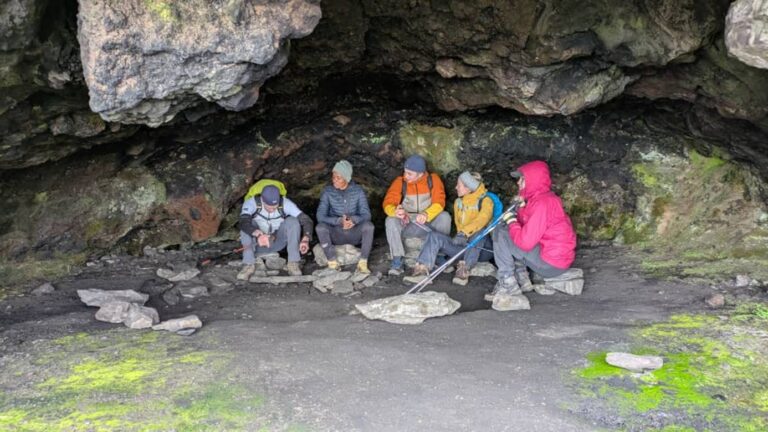
December Kilimanjaro Peak-Season Prices: Guide 2026-2027
Planning a Kilimanjaro climb in December? This guide breaks down peak-season pricing for 2026-2027, covering route options, inclusions, and what impacts the cost. Discover how to budget...
View package details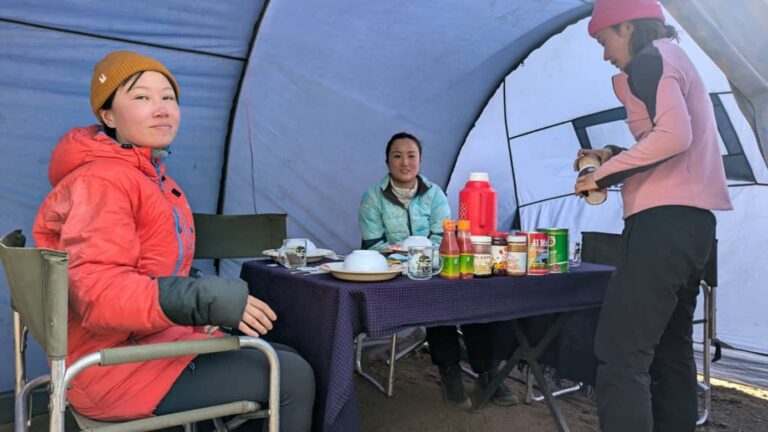
December Kilimanjaro And Zanzibar Christmas Package : Your Ultimate Holiday
Combine the thrill of climbing Mount Kilimanjaro with the relaxation of a Zanzibar Christmas. This guide details packages for December 2026 and 2027, offering adventure and festive cheer.
View package details
December Kilimanjaro And Safari Holiday: Your Ultimate Guide 2026-2027
Discover the magic of a December Kilimanjaro and Safari holiday in Tanzania. This comprehensive guide covers everything from choosing the right Kilimanjaro route and safari destinations to...
View package detailsDecember Kilimanjaro Honeymoon Expedition: Your Ultimate Guide For 2026-2027
start a unique December Kilimanjaro honeymoon expedition for 2026-2027. This guide covers everything from route selection and optimal packing to weather expectations and booking...
View package detailsDecember Kilimanjaro Family Holiday Package: Your Ultimate Adventure Guide
Explore Top Guide Adventures' December Kilimanjaro family holiday packages for 2026-2027. This comprehensive guide covers everything families need to know, from route selection and...
View package detailsDecember Kilimanjaro Full-Moon Summit Trek: Your Ultimate Guide 2026-2027
start an unforgettable December Kilimanjaro full-moon summit trek. This guide details routes, preparation, and the unique magic of climbing under a full moon in 2026-2027, with expert...
View package detailsNo related package matches those filters. Clear one or more filters to see the other topic-matched options.



