
The driest months to climb Kilimanjaro are typically January, February, and the period from June through October. These months offer the most favorable weather conditions with minimal rainfall, providing clearer skies and better visibility for trekkers aiming for the summit in 2026 and 2027.
Understanding Kilimanjaro’s Climate: Beyond Just ‘Dry’
When planning a Kilimanjaro climb, especially focusing on the driest month to climb Kilimanjaro, it’s crucial to understand that “dry” on Kilimanjaro doesn’t mean desert-like conditions. The mountain has its own microclimate, influenced by its massive size and proximity to the equator. It experiences two distinct dry seasons and two rainy seasons, with conditions varying significantly across its different ecological zones. For trekkers, particularly those planning for 2026-2027, knowing these nuances will significantly enhance your preparation and overall experience. Top Guide Adventures helps you navigate these seasonal patterns to ensure you choose the optimal time for your expedition.
Kilimanjaro’s weather is broadly divided into four seasons:
- The Long Rains: March, April, and May. This is the wettest period, characterized by heavy, persistent rainfall, especially on the lower slopes and middle altitudes. Snowfall can increase significantly at the summit.
- The Short Rains: November and December. While not as intense as the long rains, these months still see considerable precipitation, making ascents more challenging.
- The Dry Season (Summer): January, February, and June through October. These are the most sought-after periods for climbing due to lower humidity and reduced rainfall.
While the general advice points to the dry seasons, the driest month to climb Kilimanjaro within these windows can still offer slight advantages. For instance, January and February are often cited as the absolute driest, while the June-October period can sometimes experience brief, unexpected showers, though they are typically short-lived and less disruptive than during the rainy seasons.
The Peak Dry Seasons: Your Best Bet for a Clear Climb
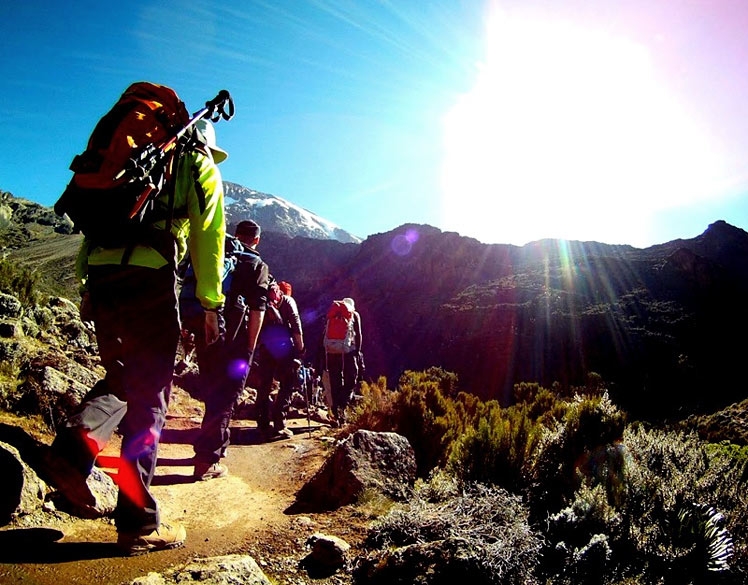
For trekkers prioritizing clear skies, minimal rain, and generally pleasant trekking conditions, the months of January, February, June, July, August, September, and October stand out. These months fall within Kilimanjaro’s two dry seasons.
January & February: The Zenith of Dryness
Often considered the absolute driest months to climb Kilimanjaro, January and February boast very low rainfall. The skies are typically clear, offering stunning panoramic views of the surrounding plains and Mount Meru. The air is crisp, and the temperatures, while cold at the summit, are manageable at lower altitudes. This period is excellent for spotting wildlife on safari before or after your climb. For those planning their trek for 2026 or 2027, these months are prime choices if your priority is the least amount of precipitation.
Advantages of climbing in January/February:
- Minimal Rain: Significantly reduced chance of encountering heavy downpours.
- Clear Skies: Excellent visibility for stunning photographic opportunities and expansive views.
- Cold but Stable Summit Conditions: While cold, the weather at the summit is often more predictable than during shoulder months.
- Post-Rainy Season Clarity: After the short rains of November/December, the atmosphere is often very clean, leading to exceptional views.
Considerations for January/February:
- Cold Temperatures: These months are among the coldest, especially at higher altitudes. Proper cold-weather gear is essential.
- Popularity: Due to favorable conditions, these months can be quite popular, meaning more trekkers on the mountain. Booking in advance for 2026-2027 is highly recommended.
June to October: The Extended Dry Spell
This period represents Kilimanjaro’s longest dry season and is another highly popular time for trekkers. The weather is generally stable, with plenty of sunshine and cool, dry air. While it’s still considered a dry season, there’s a slightly higher chance of brief, unexpected showers compared to January/February, especially in the early part of June or later in October. However, these are usually short-lived and don’t typically impede the climb significantly.
Advantages of climbing in June-October:
- Low Rainfall: Consistently low precipitation levels make for a more comfortable trek.
- Pleasant Temperatures: While still cool at altitude, the daytime temperatures are often more moderate than in January/February.
- Extended Window: A longer period offers more flexibility for planning your 2026 or 2027 Kilimanjaro adventure.
- Fewer Crowds (Early June/Late October): While July and August are peak, the shoulder months within this season can be less crowded.
Considerations for June-October:
- Peak Season Crowds (July/August): These months are extremely popular, and trails can be busy.
- Windy Conditions: The summit area can become quite windy during this season.
- Potential for Brief Showers: While rare, short rain showers can occur, especially in June and October.
Shoulder Months: Balancing Weather and Crowds
For trekkers looking to avoid the peak crowds of the absolute dry season while still enjoying relatively good weather, the shoulder months can be an excellent compromise. These include parts of the transition into and out of the main dry periods.
March: Transitioning Out of Dry Season
March is generally still considered a good month, especially the first half. Rainfall starts to increase as the month progresses, signaling the approach of the long rains. However, the first two weeks of March often provide excellent climbing conditions, with clear skies and manageable temperatures. It’s a good option if you’re looking for slightly fewer crowds than January/February.
Considerations for March:
- Increasing Rainfall: Be prepared for a higher chance of rain, especially in the latter half of the month.
- Transitioning Weather: Conditions can be variable as the mountain transitions into the long rains.
May: Transitioning Out of Long Rains
May is the tail end of the long rains. While still quite wet, the rainfall often starts to decrease towards the end of the month. Trekkers who choose May might find fewer people on the mountain and potentially lower prices. However, conditions can be muddy, visibility might be reduced, and the risk of precipitation is high, especially in the first half of the month. It is generally not recommended if your primary concern is the driest month to climb Kilimanjaro.
November: Transitioning into Short Rains
November marks the beginning of the short rains. While it can offer some dry days, particularly early in the month, the likelihood of rain increases as it progresses. Similar to May, it’s a shoulder month that might appeal to those seeking fewer crowds, but it’s not ideal if optimal dry conditions are your main goal for a 2026 or 2027 climb.
December: Entering the Dry Season
December is a transition month into the main dry season. The short rains typically subside by mid-month, making the latter half of December a good time to climb. You can expect a mix of dry and occasionally rainy days, but conditions generally improve significantly as the month progresses, leading into the prime dry period of January and February. It offers a good balance of decent weather and fewer crowds than the absolute peak season.
What to Expect During the Rainy Seasons
While the focus is on the driest months, understanding the rainy seasons helps appreciate why the dry periods are so desirable. It also helps manage expectations if your travel dates fall outside the prime dry windows.
March – May: The Long Rains
This is Kilimanjaro’s most challenging season for climbing. Heavy rainfall is common, especially on the lower and middle slopes, making trails muddy and slippery. Visibility can be poor due to cloud cover, obscuring the magnificent views. At higher altitudes, rain turns into snow, increasing the difficulty and cold. While some trekkers do climb during this period, it’s generally not recommended for those seeking the best experience, especially if you’re looking for the driest month to climb Kilimanjaro.
Challenges of the Long Rains:
- Heavy Rainfall: Constant rain can make trekking uncomfortable and increase the risk of hypothermia.
- Muddy Trails: Slopes become slippery and difficult to navigate.
- Poor Visibility: Cloud cover often obscures views.
- Increased Cold: Rain at altitude quickly turns to snow and ice.
- Higher Risk of Route Closures: In extreme cases, routes might be temporarily closed due to adverse conditions.
November – December: The Short Rains
The short rains are less intense than the long rains but can still bring significant precipitation. Expect daily showers, often in the afternoon, interspersed with periods of sunshine. While not as disruptive as the long rains, they can still make parts of the trail wet and muddy. The air is humid, and visibility can be affected. However, these months can offer fewer crowds and potentially slightly lower prices for treks in 2026-2027.
Challenges of the Short Rains:
- Intermittent Rain: Daily showers are common, requiring waterproof gear.
- Humid Air: Can make the climb feel more strenuous.
- Variable Visibility: While better than the long rains, cloud cover can still impact views.
Factors Influencing Your Kilimanjaro Climb Date
While identifying the driest month to climb Kilimanjaro is a primary concern, several other factors should influence your decision for a 2026 or 2027 trek:
Crowds
Kilimanjaro is a popular destination year-round, but certain months see significantly more trekkers. The peak seasons, coinciding with the driest weather, are January-February and July-August. If you prefer a quieter experience on the mountain, consider the shoulder months like early June, late October, or even December (second half). However, remember that fewer crowds often come with a slightly higher chance of varied weather.
Temperature
Kilimanjaro’s temperature varies dramatically with altitude and season. The driest months (January-February and June-October) tend to be colder, especially at the summit. This is because there’s less cloud cover to trap heat, and the mountain is at its highest latitude. While daytime temperatures on lower slopes can be pleasant, expect sub-zero temperatures at night and on summit day, often accompanied by wind chill. Proper layering and cold-weather gear are non-negotiable, regardless of the month.
Visibility and Scenery
Clear skies are paramount for enjoying Kilimanjaro’s impressive scenery and for the summit success rate. The driest months offer the best visibility, allowing for spectacular views of the volcanic cones, glaciers, and the vast plains below. During the rainy seasons, persistent cloud cover can obscure these views, making the experience less visually rewarding and potentially impacting morale.
Summit Success Rates
While summit success depends on many factors (route choice, acclimatization, guide expertise, individual fitness), weather plays a significant role. Treks during the dry seasons generally see higher summit success rates due to more stable weather conditions, clearer visibility, and less challenging terrain. The harsh conditions during the rainy seasons can make summit attempts significantly more difficult and dangerous.
Cost Considerations
Generally, prices for Kilimanjaro climbs remain relatively stable throughout the year, as park fees and guide wages are fixed. However, some tour operators might offer slight discounts during the low season (rainy months) to attract clients. Conversely, during peak dry seasons, prices might be slightly higher due to high demand, especially for private climbs. If budget is a major concern for your 2026-2027 trip, consider the shoulder months or the edges of the dry season.
Choosing Your Kilimanjaro Route Based on Season
While all routes are generally open year-round, some might be slightly more or less comfortable depending on the season. For the driest month to climb Kilimanjaro, any route is viable, but here’s a brief overview:
- Machame Route: Popular for its scenic beauty and good acclimatization profile. It’s a great choice for any dry month. Check Machame Route group departures.
- Lemosho Route: Offers stunning scenery and excellent acclimatization, often considered one of the most beautiful. Ideal for dry seasons.
- Marangu Route: Known as the “Coca-Cola” route, it’s the only one with hut accommodations. It can be busier and less scenic than camping routes but is a viable option in dry months.
- Northern Circuit: The longest route, offering the best acclimatization and highest success rates. Its duration makes it well-suited for the stable weather of the dry seasons.
- Rongai Route: Approaches from the north, making it slightly drier than routes approaching from the south. It’s a good option if you’re climbing during the shoulder months or early in the rainy seasons, though still best in the main dry periods.
For any route, especially during the dry season, booking well in advance for 2026 or 2027 is crucial, particularly if you aim for specific dates or group departures.
Preparing for Your Kilimanjaro Climb: Essential Gear and Tips
Regardless of the month you choose, proper preparation is key to a safe and enjoyable Kilimanjaro climb. Choosing the driest month to climb Kilimanjaro simplifies some aspects, but the mountain’s challenges remain.
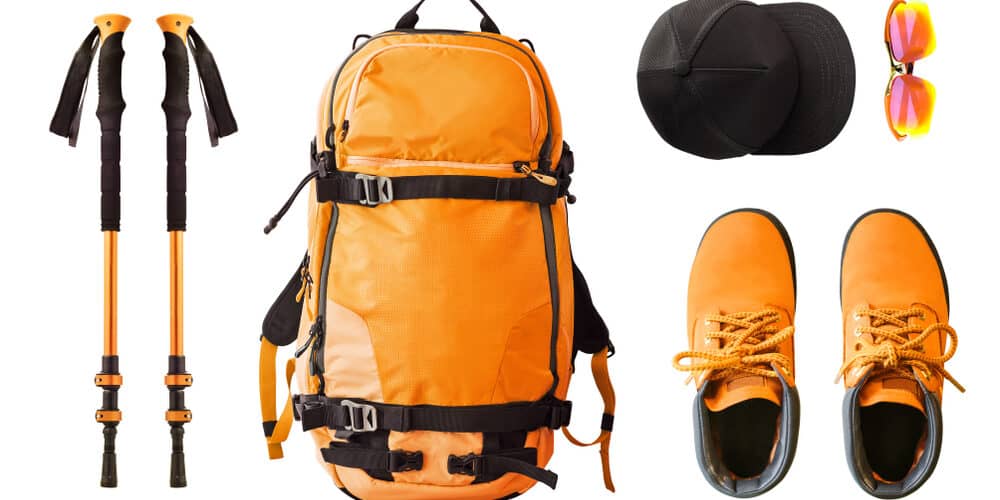
Essential Gear List (Focus on Dry Season Needs):
- Layering System: Base layers (thermal underwear), mid-layers (fleece or down jacket), and an outer shell (waterproof and windproof jacket and trousers).
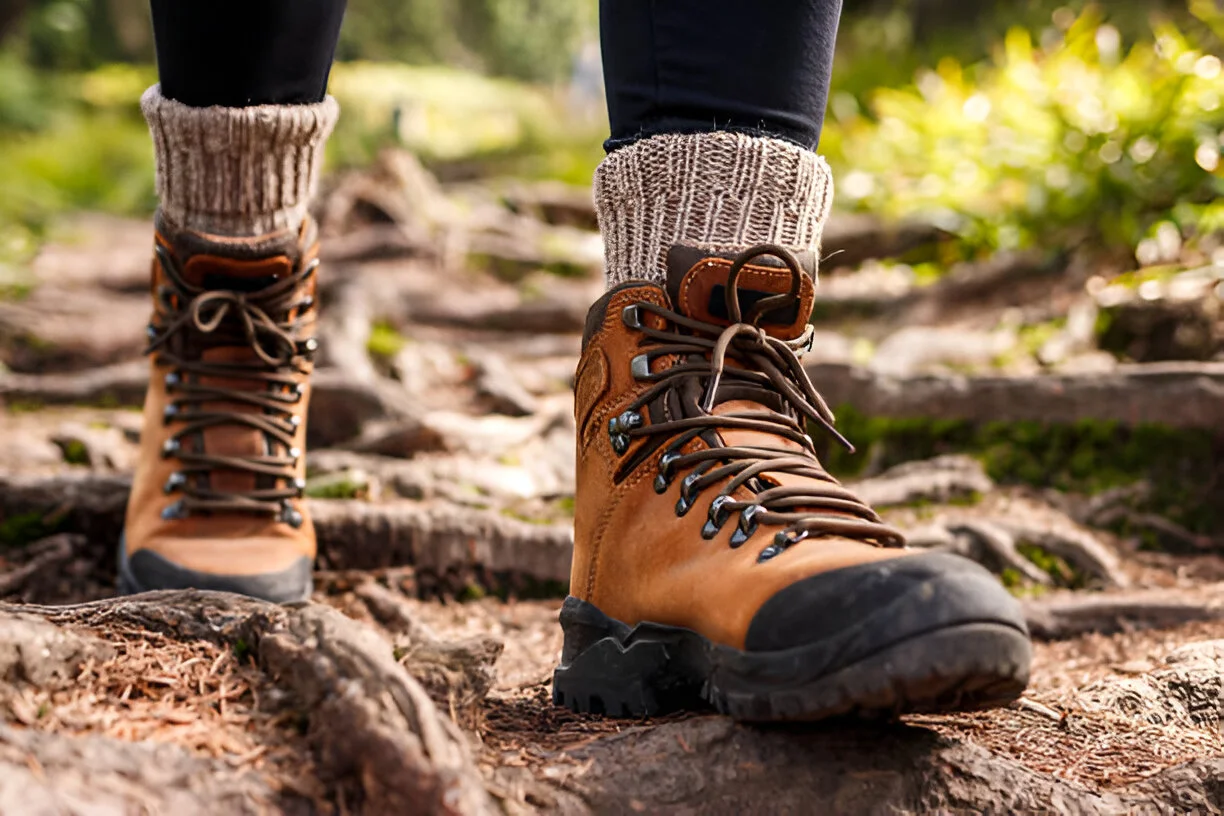
- Footwear: Broken-in, waterproof hiking boots.
- Headwear: Warm hat, sun hat, balaclava or neck gaiter.
- Handwear: Warm, waterproof gloves and liner gloves.
- Sleeping Bag: Rated for -10°C to -20°C (14°F to -4°F).
- Backpack: A comfortable daypack (25-35 liters) and a larger duffel bag for your gear.
- Sun Protection: High SPF sunscreen, sunglasses, lip balm.
- Hydration: Water bottles or hydration reservoir (ensure it’s insulated to prevent freezing).
- Headlamp: With extra batteries.
- Trekking Poles: Highly recommended for stability and reducing strain.
- Personal First-Aid Kit: Including any personal medications.
Key Preparation Tips:
- Physical Fitness: Train regularly, focusing on cardiovascular endurance and leg strength. Hiking with a weighted backpack is beneficial.
- Acclimatization: Choose a longer route (7-9 days) for better acclimatization. Follow your guide’s advice on pacing and hydration.
- Hydration and Nutrition: Drink plenty of water (3-4 liters per day) and eat well to maintain energy levels.
- Mental Preparation: Kilimanjaro is a mental challenge as much as a physical one. Stay positive and focused.
- Respect the Environment: Follow Leave No Trace principles.
Why Top Guide Adventures is Your Partner for the Driest Kilimanjaro Climb
When planning your Kilimanjaro adventure for 2026 or 2027, choosing the right tour operator is paramount. Top Guide Adventures is dedicated to providing safe, memorable, and well-organized climbs. We understand the nuances of Kilimanjaro’s weather and tailor our expeditions to maximize your chances of success and enjoyment.
Our experienced guides are trained in wilderness first aid and possess extensive knowledge of the mountain, its climate, and its routes. We prioritize your safety, comfort, and acclimatization, using high-quality equipment and providing nutritious meals. By focusing on the driest month to climb Kilimanjaro and advising you on the best routes and preparations, we ensure your expedition is as smooth as possible.
We offer:
- Expert Guidance: Local guides with unparalleled knowledge of Kilimanjaro.
- Safety First: Comprehensive safety protocols and well-equipped support teams.
- Quality Equipment: Reliable camping gear and appropriate clothing recommendations.
- Personalized Service: Tailor-made itineraries and dedicated support throughout your journey.
- Sustainable Tourism: Commitment to responsible travel practices.
Whether you’re aiming for the peak during the prime dry months of January/February or the extended dry season from June to October, Top Guide Adventures is here to make your dream climb a reality. We also offer comprehensive Tanzania safari tours and Zanzibar holidays to complement your Kilimanjaro experience.
Planning Your 2026-2027 Kilimanjaro Climb: A Final Checklist
As you finalize your plans for the driest month to climb Kilimanjaro in 2026 or 2027, here’s a quick checklist to ensure you haven’t missed anything:
- Confirm Your Dates: Lock in your preferred month within the dry season (Jan-Feb or Jun-Oct).
- Choose Your Route: Select a route that matches your desired duration, scenery, and acclimatization needs.
- Book Your Tour Operator: Secure your spot with a reputable company like Top Guide Adventures. Early booking is essential for popular dates.
- Obtain Visas and Passports: Ensure your passport is valid for at least six months beyond your stay and check visa requirements for Tanzania.
- Arrange Travel Insurance: Comprehensive travel insurance covering high-altitude trekking and emergency evacuation is mandatory.
- Get Vaccinations: Consult your doctor or a travel clinic about recommended vaccinations and malaria precautions.
- Purchase Gear: Acquire all necessary trekking gear, focusing on quality and suitability for cold, high-altitude conditions.
- Physical Training: Adhere to your training plan in the months leading up to the climb.
- Flight Bookings: Book your international flights to Kilimanjaro International Airport (JRO).
- Pre- and Post-Climb Arrangements: Plan for accommodation in Moshi or Arusha before and after your trek. Consider combining your climb with a safari or Zanzibar trip.
By meticulously planning and choosing the right time, your Kilimanjaro climb during the driest month to climb Kilimanjaro will be an unforgettable adventure. Contact Top Guide Adventures today to start planning your 2026-2027 expedition. You can reach us via WhatsApp +255616946642 or email us at topguideadventures@gmail.com or info@topguideadventures.com.
Check Availability for Driest Month To Climb Kilimanjaro: Your Guide For 2026-2027
Ready to compare dates, prices, and the best option for your group? Send the package name and travel month so the team can reply with a clear quote, availability, and what is included.
Coldest Month To Climb Kilimanjaro 2026-2027
Coldest Month to Climb Kilimanjaro is explained with current 2026-2027 planning, price, itinerary and booking information.
View package details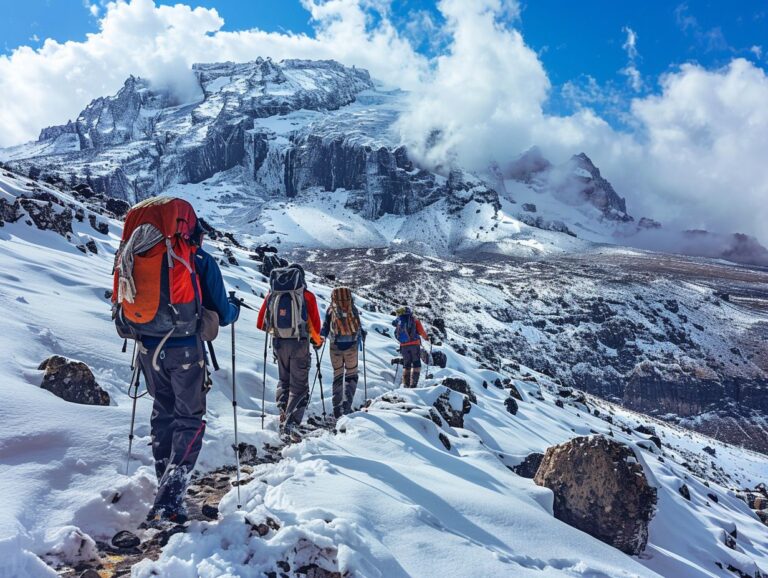
Warmest Month To Climb Kilimanjaro 2026-2027
Warmest Month to Climb Kilimanjaro is explained with current 2026-2027 planning, price, itinerary and booking information.
View package details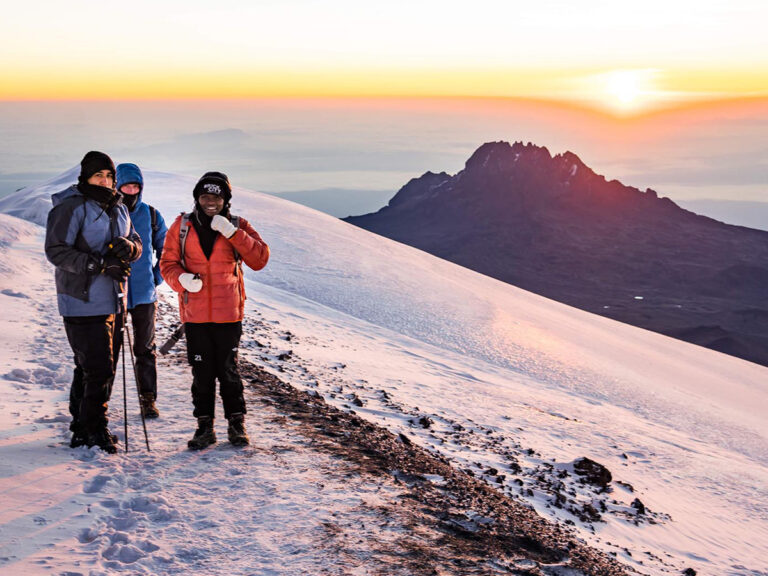
Quietest Month To Climb Kilimanjaro: Your Guide For 2026-2027
Planning a Kilimanjaro climb and seeking fewer fellow trekkers? This guide reveals the quietest months to ascend Africa's highest peak, focusing on shoulder seasons and off-peak periods for...
View package details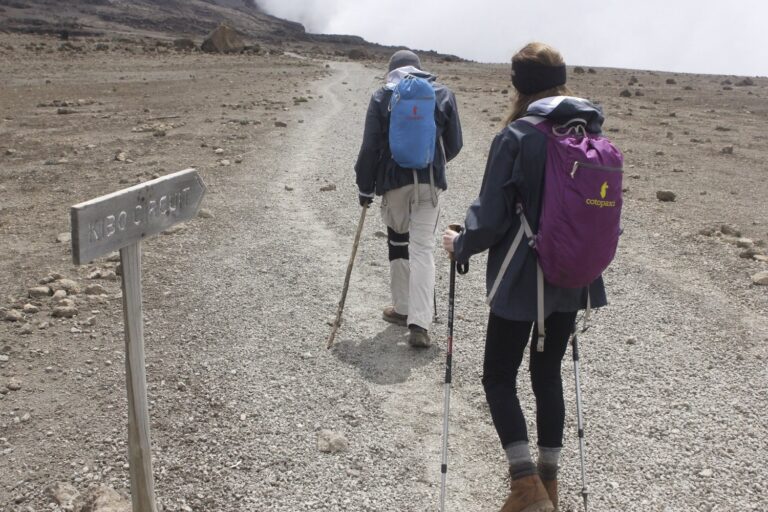
Busiest Month To Climb Kilimanjaro: Peak Seasons & Planning For 2026-2027
Understanding the busiest month to climb Kilimanjaro is crucial for planning a successful trek. This guide details peak seasons, crowd considerations, and optimal times for your 2026-2027...
View package details
Best Kilimanjaro Month For Senior Climbers: Expert Guide 2026-2027
Planning a Kilimanjaro climb as a senior adventurer? Learn which months offer the best conditions for a successful and enjoyable trek in 2026-2027, considering weather, crowds, and your...
View package details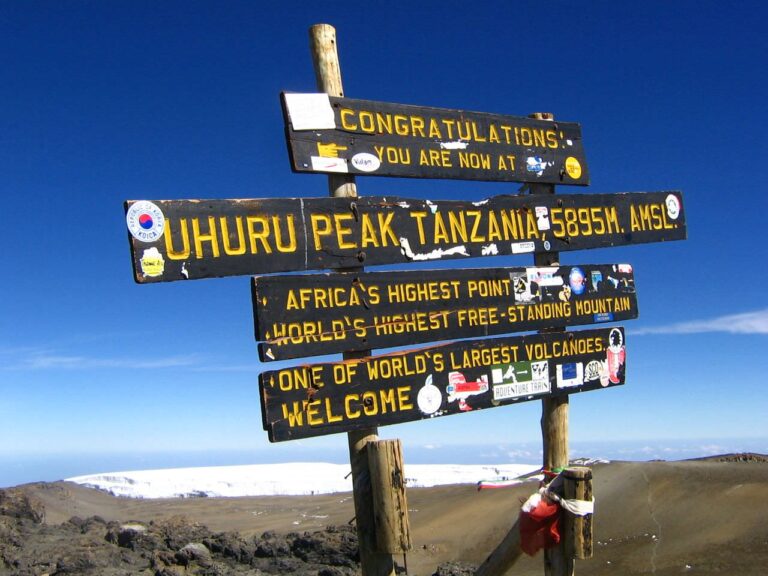
Best Kilimanjaro Month For Full-Moon Climbs In 2026-2027
Planning a Kilimanjaro climb under the glow of a full moon is a dream for many adventurers. This guide details the best months for full-moon ascents in 2026 and 2027, helping you choose the...
View package details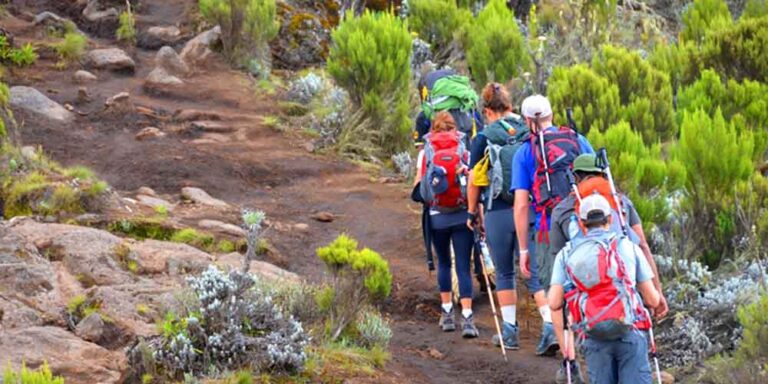
Best Kilimanjaro Month For Fewer Climbers In | Top Guide Adventures 2026-2027
Planning a Kilimanjaro climb in 2026 or 2027 and hoping for a less crowded experience? This guide reveals the best months to ascend Mount Kilimanjaro for fewer fellow trekkers, focusing on...
View package details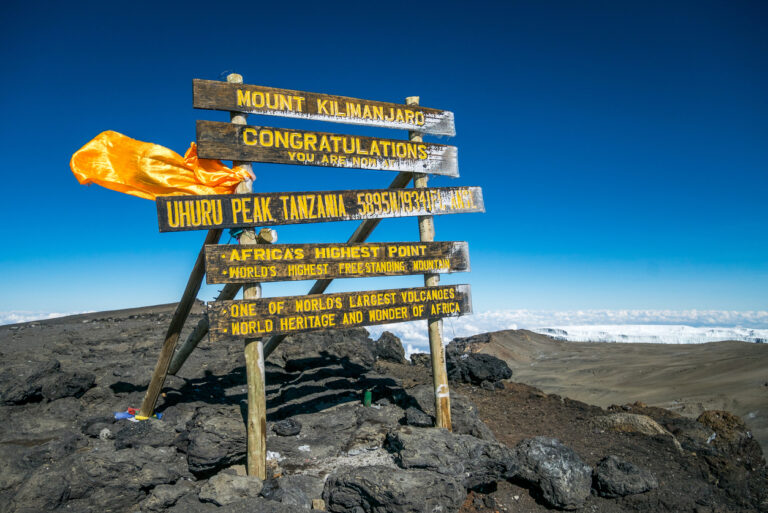
Best Kilimanjaro Month For Low Prices: Saving Money On Your Climb In 2026-2027
Planning a Kilimanjaro climb on a budget? Discover the best months for low prices in 2026-2027, focusing on off-peak seasons and how to maximize savings without compromising your experience.
View package detailsFoods To Avoid Before A Kilimanjaro Climb: Expert Guide For Trekkers 2026-2027
Planning your Kilimanjaro climb for 2026 or 2027? Proper nutrition is key. This guide details essential foods and drinks to avoid before and during your trek to prevent digestive issues and...
View package details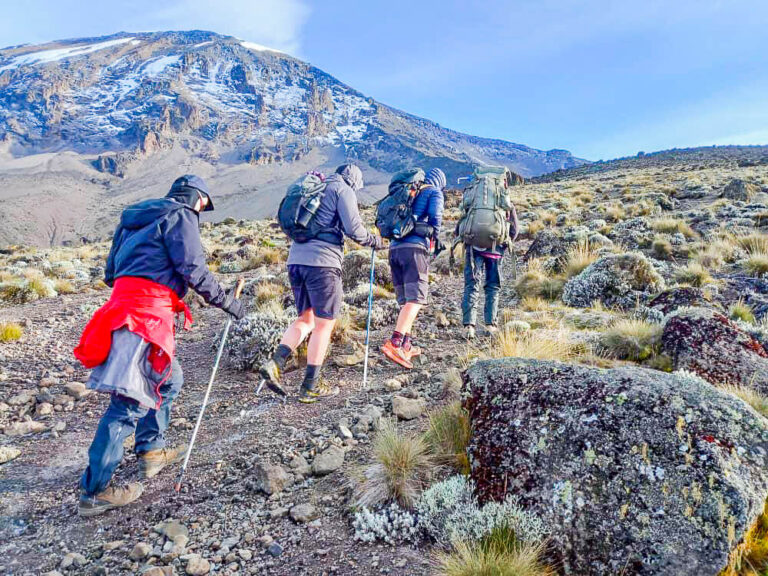
Kilimanjaro Climb With Low-Sugar Meal Planning Guide
Climbing Kilimanjaro requires careful nutritional planning. This guide focuses on low-sugar meal strategies to sustain energy, aid acclimatization, and enhance your trekking experience...
View package details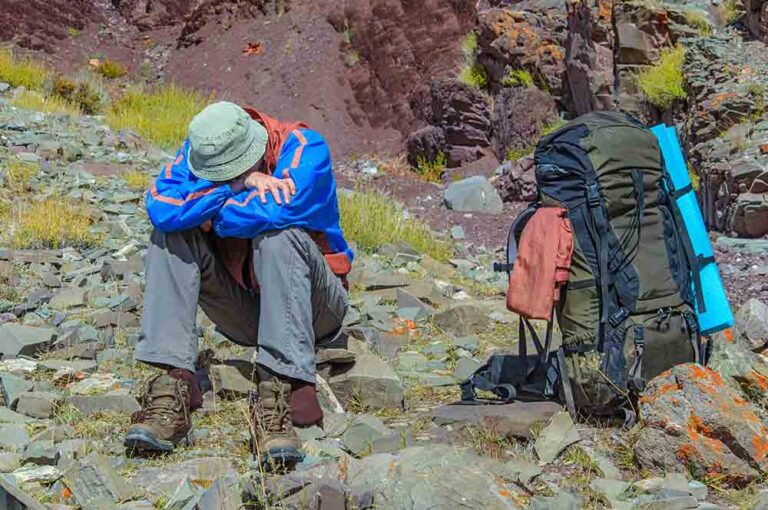
Kilimanjaro Climb With High-Protein Meals: Fueling Your Ascent In 2026-2027
Fueling your Kilimanjaro climb is as critical as choosing the right route. This guide focuses on the power of high-protein meals to sustain energy, aid recovery, and maximize your chances...
View package detailsKilimanjaro Climb With Nut-Free Meal Options Guide
Discover how to plan your Kilimanjaro climb with complete peace of mind regarding nut allergies. Top Guide Adventures specializes in providing safe, delicious, and fully customized nut-free...
View package detailsNo related package matches those filters. Clear one or more filters to see the other topic-matched options.



