
A successful Kilimanjaro climb with high-protein meals involves strategically consuming nutrient-dense foods rich in protein before, during, and after your trek to maximize energy, muscle repair, and acclimatization. This means focusing on lean meats, fish, eggs, dairy, legumes, and protein supplements, integrated into daily meal plans designed for high altitude and strenuous activity, especially vital for trekkers planning their 2026-2027 expeditions.
The Crucial Role of Protein on Kilimanjaro
Climbing Mount Kilimanjaro is an extraordinary physical challenge. It demands sustained energy, robust muscle function, and efficient recovery. While carbohydrates provide immediate fuel, protein is the unsung hero of high-altitude trekking. It’s the building block for muscle repair, essential for immune function, and plays a role in fluid balance – all critical factors when your body is under immense stress at extreme elevations.
For anyone planning a Kilimanjaro climb, whether for 2026 or 2027, understanding the science behind nutrition, particularly the importance of high-protein meals, can make a significant difference. Adequate protein intake helps your body adapt to the thinner air, prevents muscle breakdown from the strenuous hiking, and ensures you have the stamina to push towards the summit and safely descend.
Why Protein is Non-Negotiable for High-Altitude Treks
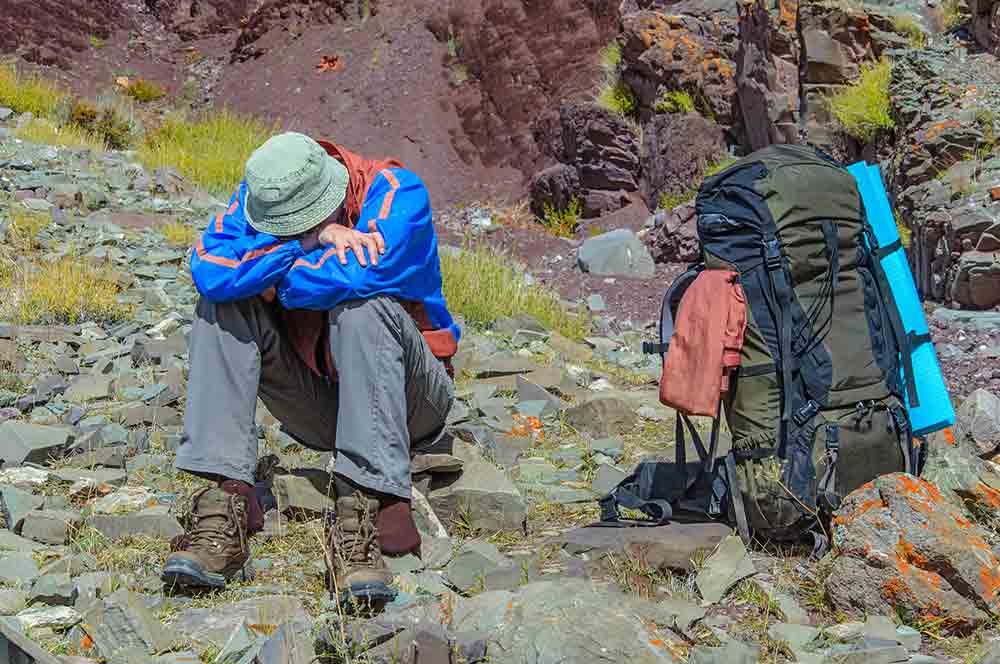
At high altitudes, the body undergoes physiological changes. Oxygen levels are lower, increasing the metabolic rate and the demand on your cardiovascular system. This increased workload, combined with the physical exertion of trekking for several hours each day, can lead to significant muscle fatigue and potential breakdown if not properly supported. This is where protein becomes indispensable.
- Muscle Repair and Maintenance: Intense physical activity causes microscopic tears in muscle fibers. Protein provides the amino acids necessary to repair these tears, build stronger muscles, and prevent catabolism (muscle breakdown). This is paramount on a multi-day trek like Kilimanjaro.
- Energy Sustenance: While not a primary energy source like carbohydrates, protein can be converted into glucose when needed and contributes to a feeling of fullness, helping to manage appetite and prevent energy crashes between meals.
- Immune System Support: High-altitude environments and extreme physical exertion can suppress the immune system, making climbers more susceptible to illness. Protein is vital for producing antibodies and maintaining a strong immune response.
- Fluid Balance: Protein, particularly albumin in the blood, helps regulate fluid distribution between blood vessels and tissues. Proper hydration is critical on Kilimanjaro, and adequate protein supports this process.
- Adaptation to Altitude: Some research suggests that higher protein intake might aid in acclimatization, though this is a complex area still under investigation. However, ensuring robust bodily functions through adequate protein intake generally supports better overall adaptation.
Pre-Climb Nutritional Preparation: Building Your Protein Reserves
The foundation for a successful Kilimanjaro climb with high-protein meals begins weeks, if not months, before you even set foot on the mountain. Your body needs to be primed to handle the demands ahead. This involves gradually increasing your protein intake and ensuring a balanced diet.
Weeks Before Departure (2026-2027 Planning)
In the weeks leading up to your Kilimanjaro expedition, focus on consistently incorporating high-quality protein sources into your daily diet. This isn’t about sudden, drastic changes, but rather a sustained effort to build lean muscle mass and ensure your body has ample protein reserves.
- Increase Lean Protein Intake: Aim for protein at every meal and snack. Good sources include chicken breast, turkey, lean beef, fish (salmon, tuna), eggs, Greek yogurt, cottage cheese, lentils, beans, and tofu.
- Incorporate Strength Training: Complement your diet with strength training exercises that focus on major muscle groups. This helps build muscle that will be crucial for the climb and makes your body more efficient at utilizing protein for repair.
- Hydration is Key: Continue to prioritize water intake. Proper hydration is essential for nutrient transport and overall bodily function.
- Avoid Extreme Diets: Fad diets or overly restrictive eating plans can deplete your body of essential nutrients and hinder muscle development. Focus on whole, unprocessed foods.
The Day Before Your Climb
The day before your Kilimanjaro climb, your nutrition strategy should focus on topping off energy stores and ensuring your body is well-hydrated and fueled with easily digestible protein. Avoid heavy, greasy, or overly spicy foods that could cause digestive upset.
- Balanced Meals: Consume balanced meals that include complex carbohydrates for sustained energy, lean protein for muscle support, and healthy fats. Think grilled chicken with sweet potatoes or a large salad with salmon and quinoa.
- Hydration Continues: Drink plenty of water throughout the day. Electrolyte drinks can also be beneficial to replenish lost minerals.
- Light Protein Snacks: If you feel hungry, opt for light, protein-rich snacks like a handful of almonds, a small container of Greek yogurt, or a hard-boiled egg.
- Limit Alcohol and Caffeine: These can contribute to dehydration, which is detrimental at altitude.
On the Mountain: High-Protein Meal Strategies for Kilimanjaro
Once your Kilimanjaro climb begins, the nutritional demands increase significantly. Your trekking company, like Top Guide Adventures, will provide meals, but understanding what constitutes a high-protein meal and how it benefits you is crucial. You can also supplement with personal snacks.
Breakfast: The Morning Power-Up
Breakfast is arguably the most important meal on Kilimanjaro. It needs to provide sustained energy for the day’s trek and kickstart muscle recovery from the previous day. High-protein options are essential.
- Oatmeal with Protein Boost: While oatmeal is a great source of complex carbs, adding protein powder, nuts, seeds, or a side of scrambled eggs significantly enhances its muscle-building and satiety benefits.
- Scrambled Eggs or Omelets: A classic high-protein breakfast, eggs provide complete protein and essential nutrients. They are often offered on Kilimanjaro climbs.
- Yogurt Parfaits: Greek yogurt, layered with fruits and granola, offers a good balance of protein and carbohydrates. Ensure the yogurt is plain to avoid excessive sugar.
- Protein Pancakes/Waffles: Some operators might offer these, made with whole grains and protein powder, they can be a delicious and effective way to start the day.
Lunch: Mid-Trek Refueling
Lunch is typically eaten on the trail or at a campsite. It needs to be easily digestible, portable, and provide enough protein and carbohydrates to sustain you through the afternoon’s hike.
- Sandwiches/Wraps: Fillings like grilled chicken, tuna salad (made with Greek yogurt instead of mayonnaise for extra protein), lean turkey, or hummus and vegetables are excellent choices. Whole-wheat bread or wraps provide complex carbs.
- Lentil or Bean Salads: These are fantastic plant-based protein sources, offering fiber and sustained energy.
- Hard-Boiled Eggs: A simple, portable, and effective protein source.
- Jerky or Biltong: Lean dried meat is a concentrated source of protein and is easy to carry.
Dinner: Recovery and Rebuilding
Dinner is your opportunity to replenish glycogen stores and provide the building blocks for muscle repair overnight. This is a critical time for protein intake.
- Lean Meats and Fish: Grilled chicken, fish fillets, or lean beef stew are ideal. These provide high-quality amino acids for muscle repair.
- Legume-Based Dishes: Lentil stews, bean chili, or chickpea curries offer substantial plant-based protein and fiber.
- Tofu or Tempeh Stir-fries: For vegetarians or vegans, these soy-based options are excellent protein sources.
- Soups and Broths: While not high in protein themselves, they are excellent for hydration and can be a good base for adding shredded chicken, beans, or lentils.
Snacks: Sustaining Energy Levels
Snacks are vital for maintaining energy levels between meals and preventing hunger that can lead to poor food choices. Prioritize protein-rich options.
- Nuts and Seeds: Almonds, walnuts, cashews, pumpkin seeds, and sunflower seeds offer protein, healthy fats, and calories.
- Protein Bars: Choose bars with a good balance of protein and carbohydrates and minimal added sugar. Look for options with 15-20g of protein.
- Dried Fruit and Nut Mixes: A combination of quick energy from fruit and sustained energy and protein from nuts.
- Cheese Sticks or Cubes: A convenient source of protein and calcium.
- Edamame: Steamed and lightly salted, edamame is a great plant-based protein snack.
Hydration and Protein: The Synergistic Duo
Hydration is often discussed separately, but it’s intrinsically linked to how your body utilizes protein and performs at altitude. Dehydration can severely impair muscle function and recovery, negating the benefits of even the best high-protein meals.
Why Water is Essential for Protein Metabolism
When you consume protein, your body uses water to metabolize it and transport amino acids. At high altitudes, the air is dry, and increased respiration further exacerbates fluid loss. This means you need to be extra diligent about drinking water.
- Supports Amino Acid Transport: Water is the medium through which amino acids are transported to muscle cells for repair and synthesis.
- Facilitates Waste Removal: Protein metabolism produces nitrogenous waste products that need to be flushed out of the body. Adequate water intake is crucial for this process.
- Prevents Dehydration-Related Fatigue: Dehydration leads to reduced blood volume, increased heart rate, and premature fatigue, all of which are exacerbated at altitude.
Electrolytes: Balancing Fluids
Beyond plain water, consider incorporating electrolyte supplements, especially on longer trekking days or during periods of intense exertion. Electrolytes like sodium, potassium, and magnesium help your body retain water and support muscle function.
- Replenish Lost Minerals: Sweating depletes electrolytes. Replenishing them helps maintain proper fluid balance and nerve function.
- Enhance Water Absorption: Electrolytes can improve the rate at which your body absorbs water.
- Prevent Muscle Cramps: Imbalances in electrolytes can contribute to muscle cramps, a common issue on strenuous treks.
Special Considerations for Kilimanjaro Climbers (2026-2027 Treks)
Planning your Kilimanjaro climb for 2026 or 2027 involves more than just booking flights and choosing a route. Your nutritional strategy needs to account for individual needs and the unique challenges of the mountain.
Vegetarian, Vegan, and Other Dietary Needs
Top Guide Adventures is committed to catering to diverse dietary requirements. If you follow a vegetarian, vegan, or have other specific needs (allergies, intolerances), communicating these well in advance is essential. High-protein vegetarian and vegan options are readily available.
- Plant-Based Protein Powerhouses: Lentils, beans (black beans, kidney beans, chickpeas), tofu, tempeh, edamame, quinoa, nuts, and seeds are excellent sources of protein for plant-based diets.
- Strategic Meal Planning: Ensuring adequate protein intake on a vegan diet requires careful planning to combine different plant-based foods to get a complete amino acid profile. For example, combining rice and beans.
- Protein Supplements: Plant-based protein powders (pea, rice, soy) can be a convenient way to boost protein intake if needed.
Dealing with Appetite Loss at Altitude
It’s common for climbers to experience a reduced appetite at higher altitudes due to physiological changes. This can make it challenging to consume enough calories and protein. The key is to eat small, frequent, high-calorie, and nutrient-dense meals.
- Focus on Palatability: Choose foods you genuinely enjoy. If your favorite snack is a protein bar, bring plenty.
- Liquid Calories: Smoothies, protein shakes, and nutrient-dense soups can be easier to consume when appetite is low.
- Don’t Skip Meals: Even if you don’t feel hungry, try to eat something small every few hours. Your body still needs the fuel.
The Role of Carbohydrates and Fats
While this guide emphasizes high-protein meals, it’s crucial to remember that carbohydrates and healthy fats are also vital energy sources on Kilimanjaro. They provide the bulk of the calories needed for sustained exertion.
- Carbohydrates: Provide the primary, readily available energy source. Focus on complex carbohydrates like whole grains, oats, sweet potatoes, and fruits for sustained energy release. Simple sugars (from fruits, honey) are useful for quick energy boosts.
- Healthy Fats: Offer a dense source of calories and are important for hormone production and nutrient absorption. Sources include avocados, nuts, seeds, and olive oil. They contribute to satiety and provide long-lasting energy.
Sample High-Protein Meal Plan for a Kilimanjaro Trek Day
This is a sample plan, and actual meals will be provided by your guide company. It illustrates the principles of incorporating high-protein foods throughout the day.
Day 1: Approaching Barranco Camp
- Breakfast: Oatmeal with added nuts and seeds, served with a side of scrambled eggs.
- Snack (Mid-morning): Protein bar and a handful of almonds.
- Lunch: Whole wheat wraps filled with grilled chicken breast, lettuce, tomato, and a light yogurt-based dressing. Served with an apple.
- Snack (Afternoon): Cheese sticks and dried apricots.
- Dinner: Grilled fish (e.g., tilapia or trout) with quinoa and steamed vegetables. A side of lentil soup to start.
- Evening Snack (Optional): Greek yogurt or a small protein shake if feeling hungry.
Post-Climb Recovery: Maximizing Protein for Rebuilding
Your Kilimanjaro adventure doesn’t end at the summit. Proper recovery is essential to allow your body to repair, rebuild, and return to its pre-trek state. Protein plays a key role in this phase.
Immediate Post-Climb Nutrition
Within the first few hours after descending, focus on replenishing lost fluids and nutrients, particularly protein and carbohydrates.
- Rehydration: Drink plenty of water, electrolyte drinks, or fruit juices.
- Protein and Carb Replenishment: Aim for a meal or snack that combines protein and carbohydrates to kickstart the recovery process. A recovery shake with protein powder and fruit, or a balanced meal like chicken and rice, is ideal.
Continued Recovery (Days and Weeks After)
Continue to prioritize protein intake in the days and weeks following your climb to support muscle repair and reduce soreness.
- Consistent Protein Intake: Aim for 20-30 grams of protein per meal.
- Listen to Your Body: Your appetite may return to normal, but continue to eat a balanced diet rich in whole foods.
- Gentle Exercise: Light activity can aid circulation and reduce stiffness, but avoid strenuous workouts until your body feels fully recovered.
Choosing a Reputable Kilimanjaro Operator for 2026-2027 Treks
The quality of food and nutritional support provided on your Kilimanjaro climb can significantly impact your experience and success. Choosing a reputable operator like Top Guide Adventures ensures you receive well-balanced, energy-dense meals designed for high-altitude trekking.
What to Look for in a Tour Operator’s Meal Plan
When evaluating operators for your 2026 or 2027 Kilimanjaro climb, inquire specifically about their meal philosophy and offerings.
- Nutritional Expertise: Do they understand the importance of balanced nutrition for climbers?
- Variety and Quality: Do they offer a varied menu with fresh, high-quality ingredients?
- Dietary Accommodations: Can they cater to specific dietary needs like vegetarian, vegan, or allergies?
- Snack Provisions: Do they provide adequate snacks, or is this something you need to arrange yourself?
- Flexibility: Are they willing to discuss your nutritional needs and preferences?
Top Guide Adventures: Your Partner for a Successful Climb
At Top Guide Adventures, we understand that fueling your body correctly is fundamental to a safe and enjoyable Kilimanjaro climb. Our experienced chefs prepare nutritious, high-protein meals using fresh, locally sourced ingredients. We cater to all dietary requirements, ensuring every climber is well-nourished throughout their expedition.
We are dedicated to providing comprehensive travel experiences across Tanzania, including expertly guided Kilimanjaro climbs. Our team is committed to your safety, comfort, and success, from the initial planning stages through to your triumphant return. Whether you’re planning your climb for late 2026 or into 2027, we ensure our meal plans align with the high standards required for such an undertaking.
Contact us today to discuss your Kilimanjaro climb and learn more about our commitment to providing excellent nutritional support.
Key Takeaways for High-Protein Kilimanjaro Climbs
- Protein is Essential: Crucial for muscle repair, energy, and immune function at high altitudes.
- Pre-Climb Prep: Build protein reserves weeks before your 2026-2027 trek.
- On the Mountain: Prioritize protein at every meal (breakfast, lunch, dinner) and through snacks.
- Hydration Synergy: Drink plenty of water; electrolytes can also be beneficial.
- Dietary Needs: Communicate any specific requirements (vegetarian, vegan) to your tour operator well in advance.
- Appetite Loss: Opt for small, frequent, nutrient-dense meals.
- Recovery: Continue high-protein intake post-climb for optimal rebuilding.
Successfully summiting Kilimanjaro is a journey that requires meticulous planning, physical preparation, and smart nutritional choices. By focusing on high-protein meals and understanding how they support your body at extreme altitudes, you significantly enhance your chances of a safe, strong, and rewarding climb. Let Top Guide Adventures be your trusted partner in making your 2026-2027 Kilimanjaro dream a reality. We handle the logistics and nutrition so you can focus on the climb.
For inquiries about booking your Kilimanjaro climb with comprehensive meal planning and expert guidance, please reach out to us:
- WhatsApp: +255616946642
- Email: topguideadventures@gmail.com
- Backup Email: info@topguideadventures.com
We look forward to helping you achieve your summit goals in 2026 and 2027!
Check Availability for Kilimanjaro Climb With High-Protein Meals: Fueling Your Ascent In 2026-2027
Ready to compare dates, prices, and the best option for your group? Send the package name and travel month so the team can reply with a clear quote, availability, and what is included.
Kilimanjaro Climb With Lactose-Free Meals: Your Complete Guide For 2026-2027
Climbing Mount Kilimanjaro with specific dietary needs, like lactose intolerance, is entirely achievable. This comprehensive guide details how to manage lactose-free meals on your trek...
View package details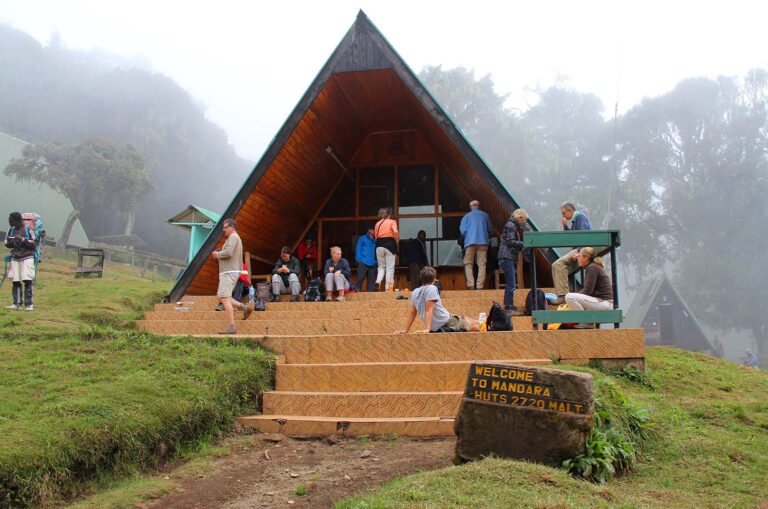
Kilimanjaro Climb With Halal Meals: Your Guide For 2026-2027
Climb Mount Kilimanjaro with confidence, knowing your dietary needs are met. Top Guide Adventures provides specialized Halal meal planning for your 2026-2027 trek, ensuring a safe and...
View package details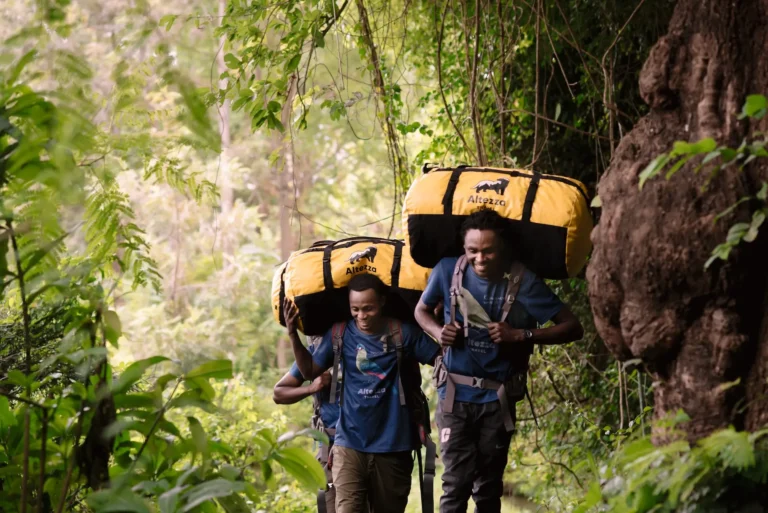
Kilimanjaro Climb With Vegan Mountain Meals: Your Expert Guide For 2026-2027
Embarking on a Kilimanjaro climb is a monumental achievement, and ensuring you have the right nutrition, especially with specific dietary needs like veganism, is crucial for success. Top...
View package details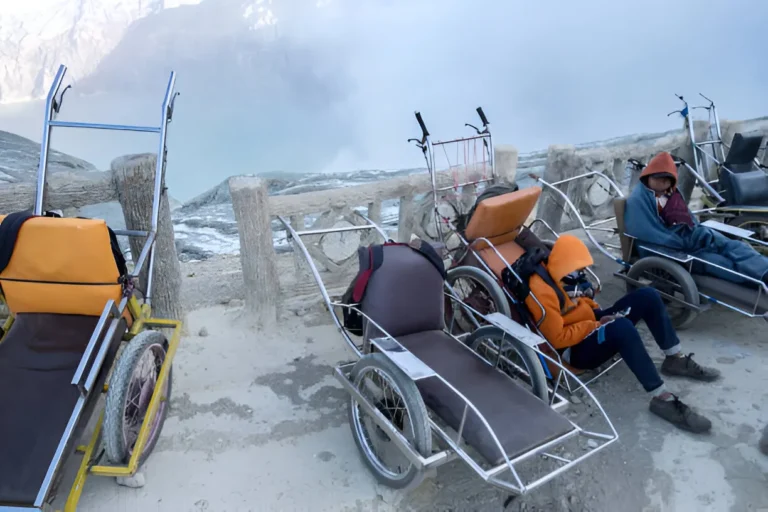
Kilimanjaro Climbing Package With Vegetarian Meals Guide
Planning a Kilimanjaro climb with specific dietary needs? This guide details Kilimanjaro climbing packages that cater to vegetarians, covering routes, meal preparation, and what to expect...
View package details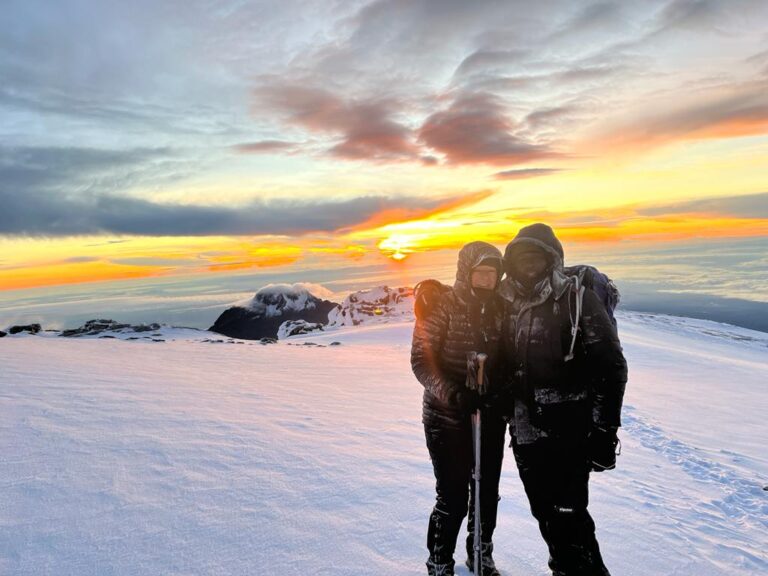
Kilimanjaro Memorial And Tribute Climb: Honoring Legacies On Africas Highest
A Kilimanjaro Memorial and Tribute Climb offers a profound way to honor a loved one's memory by ascending Africa's highest peak. Top Guide Adventures specializes in organizing these...
View package details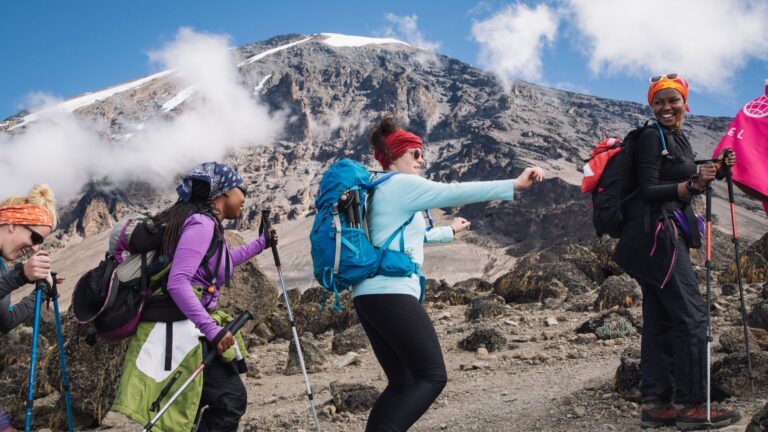
Kilimanjaro Climb With A Swahili-Speaking Guide: Your Essential Top Adventures
Ascend Mount Kilimanjaro with Top Guide Adventures, led by experienced Swahili-speaking guides. This comprehensive guide covers everything you need to know for a successful climb in...
View package detailsKilimanjaro Climb With A Hindi-Speaking Guide 2026-2027
Kilimanjaro Climb with a Hindi-Speaking Guide is explained with current 2026-2027 planning, price, itinerary and booking information.
View package details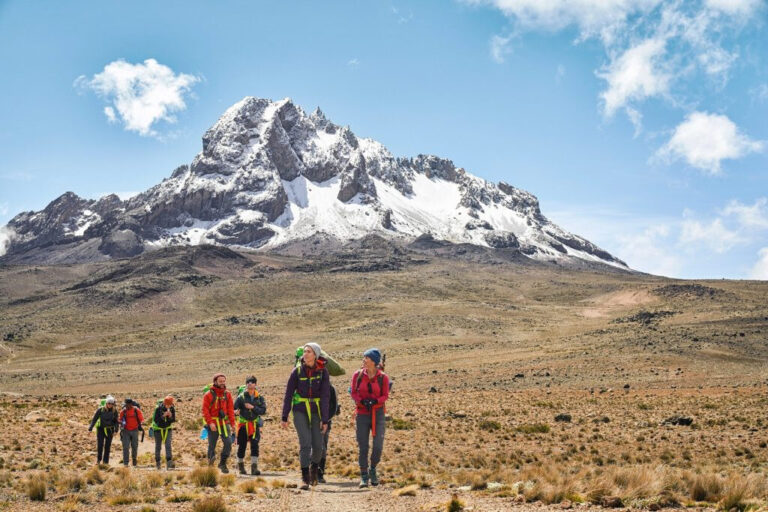
Kilimanjaro Climb With A Hebrew-Speaking Guide: Your Adventure 2026-2027
Discover how to arrange a Kilimanjaro climb with a Hebrew-speaking guide, ensuring a comfortable and culturally connected experience for Israeli hikers planning their 2026-2027 adventure...
View package details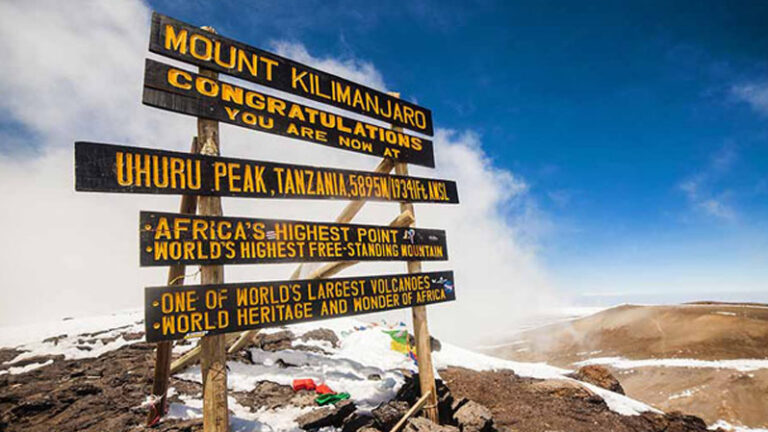
Kilimanjaro Climb With A Korean-Speaking Guide 2026-2027
Kilimanjaro Climb with a Korean-Speaking Guide is explained with current 2026-2027 planning, price, itinerary and booking information.
View package details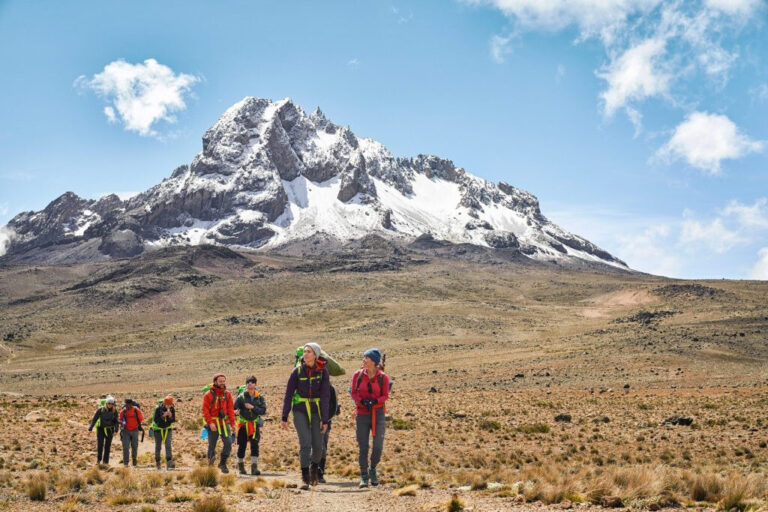
Kilimanjaro Climb With A Japanese-Speaking Guide: Your Ultimate Adventure
start your dream Kilimanjaro climb with a trusted Japanese-speaking guide from Top Guide Adventures. We provide comprehensive support, ensuring a safe and unforgettable experience on...
View package detailsKilimanjaro Climb With An Arabic-Speaking Guide In | Top Adventures 2026-2027
Ascend Mount Kilimanjaro with a dedicated Arabic-speaking guide. Top Guide Adventures provides comprehensive support, safety, and personalized experiences for your 2026-2027 climb.
View package details
Kilimanjaro Climb With A Russian-Speaking Guide: Your Ultimate Adventure
start your Kilimanjaro adventure with a dedicated Russian-speaking guide. This comprehensive guide covers everything you need to know for a successful climb in 2026-2027, from choosing the...
View package detailsNo related package matches those filters. Clear one or more filters to see the other topic-matched options.



