
Securing a Kilimanjaro climb with a Japanese-speaking guide in 2026-2027 involves partnering with a reputable tour operator like Top Guide Adventures, who can arrange for a guide fluent in Japanese to accompany your trek. This ensures clear communication, cultural understanding, and a more comfortable experience for Japanese-speaking climbers navigating the routes and acclimatization challenges of Africa’s highest peak.
Your Kilimanjaro Ascent with a Dedicated Japanese-Speaking Guide
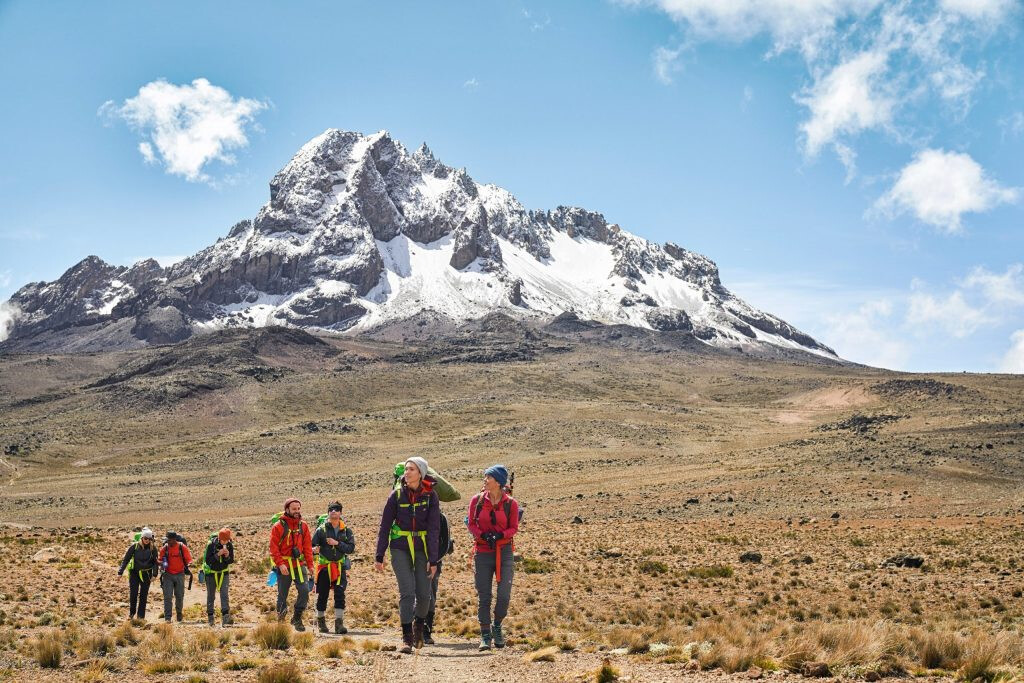
Mount Kilimanjaro, a majestic dormant volcano in Tanzania, beckons adventurers from around the globe. For Japanese travelers, the prospect of conquering this iconic peak can be made significantly more accessible and enjoyable with the presence of a guide who speaks their native language. Top Guide Adventures specializes in providing personalized Kilimanjaro climb experiences, and we understand the value of a Japanese-speaking guide for our clients from Japan. This dedicated support system is crucial for everything from understanding acclimatization protocols and safety briefings to sharing cultural nuances and ensuring your comfort throughout the challenging yet rewarding journey to the Roof of Africa.
Our commitment is to make your Kilimanjaro climb with a Japanese-speaking guide in 2026 or 2027 a truly exceptional adventure. We go beyond standard tour operations by meticulously planning every detail, from selecting the most suitable route for your fitness level and preferences to ensuring your guide not only possesses excellent climbing expertise but also fluency in Japanese. This dual expertise guarantees a smooth, safe, and culturally sensitive expedition.
Why a Japanese-Speaking Guide Matters for Your Kilimanjaro Climb
Climbing Kilimanjaro is a significant undertaking, demanding physical and mental resilience. While English is commonly spoken by guides and support staff in Tanzania, having a guide who speaks Japanese can eliminate potential communication barriers, fostering a deeper sense of trust and understanding. This is particularly important when discussing:
- Health and Acclimatization: Detailed explanations of altitude sickness symptoms, prevention strategies, and immediate actions to take are vital. A Japanese-speaking guide can ensure you fully comprehend these critical health advisories.
- Route Information and Daily Briefings: Understanding the day’s trek, the terrain, estimated times, and weather forecasts is key to preparedness.
- Cultural Exchange: Engaging in conversations about Tanzanian culture, local life, and your own background enriches the trekking experience.
- Safety Protocols: Clear communication during emergencies or unexpected situations is paramount.
- Personal Comfort and Support: Having someone to talk to in your native language can significantly ease stress and enhance overall enjoyment, especially during demanding phases of the climb.
Top Guide Adventures recognizes that a successful Kilimanjaro climb with a Japanese-speaking guide is built on trust, clear communication, and expert guidance. We invest in our guides, ensuring they are not only highly skilled mountaineers but also excellent communicators who can cater to the specific needs of our Japanese clientele.
Planning Your Kilimanjaro Climb with a Japanese-Speaking Guide for 2026-2027
The journey to the summit of Kilimanjaro requires careful planning, especially when specific guide requirements are involved. For your 2026 or 2027 climb, Top Guide Adventures offers a streamlined process to ensure you are well-prepared:
1. Choosing the Right Route
Kilimanjaro offers several trekking routes, each with varying difficulty, scenery, and acclimatization profiles. The choice of route significantly impacts your success rate and overall experience. When planning your Kilimanjaro climb with a Japanese-speaking guide, consider these popular options:
- Machame Route (Whiskey Route): Often considered the most popular route, it offers excellent acclimatization and scenic beauty. It’s a challenging trek, typically 6-7 days.
- Lemosho Route: Known for its stunning scenery and high success rates due to good acclimatization. It’s longer, usually 7-8 days, offering a more gradual ascent.
- Marangu Route (Coca-Cola Route): The oldest and simplest route, often completed in 5 days. It uses dormitory-style huts but has a lower acclimatization profile and thus a lower success rate.
- Northern Circuit: The longest route, offering the best acclimatization and highest success rates. It circles the mountain, providing unique views, typically 9-10 days.
- Rongai Route: Approaches from the north, making it a good option during the rainy season. It’s less crowded and offers a different perspective, usually 6-7 days.
When you book your Kilimanjaro climb with a Japanese-speaking guide through Top Guide Adventures, we will discuss your fitness level, desired experience, and available time to recommend the best route for you. For those seeking the highest chances of summit success, we often recommend longer routes like the Lemosho or Northern Circuit, which provide superior acclimatization opportunities.
2. Timing Your Kilimanjaro Climb
The best times to climb Kilimanjaro are during the dry seasons, which generally offer clearer skies and less rainfall. These periods are:
- January to March: Generally warm and dry, with good visibility.
- June to October: Cooler but also dry, with clear skies. This is peak season.
While it’s possible to climb year-round, the shoulder seasons (April-May and November-December) can experience more rain and cloud cover, making the trek more challenging. For your 2026-2027 Kilimanjaro climb with a Japanese-speaking guide, we advise booking well in advance, especially if you are targeting peak season dates.
3. Fitness and Preparation
A good level of physical fitness is essential for a Kilimanjaro climb. Focus on cardiovascular exercises, strength training (especially for legs and core), and hiking with a weighted backpack. Begin your training at least 3-6 months before your scheduled climb in 2026 or 2027.
Key preparation includes:
- Cardiovascular Endurance: Regular running, cycling, or swimming.
- Strength Training: Squats, lunges, step-ups, and core exercises.
- Hiking Practice: Long hikes on varied terrain with a backpack similar to what you’ll carry on Kilimanjaro.
- Mental Preparedness: Understanding the challenges of altitude and the commitment required.
Your Japanese-speaking guide will provide daily advice on pacing and hydration, but a strong foundation built through consistent training is crucial.
4. What’s Included in Your Climb Package
When you book a Kilimanjaro climb with a Japanese-speaking guide with Top Guide Adventures, our packages are designed for a comprehensive and comfortable experience. While specific inclusions can vary slightly based on the chosen route and duration, typical inclusions are:
- Professional Japanese-Speaking Guide: Your primary point of contact and safety expert.
- Assistant Guides: A team of experienced guides to support your lead guide.
- Cooks and Porters: To carry equipment, set up camp, and prepare meals.
- Park Fees: All necessary Kilimanjaro National Park entry and camping/hut fees.
- Accommodation: Camping equipment (tents, sleeping mats) or hut accommodation depending on the route.
- Meals: All meals and drinking water during the trek.
- Transfers: Airport transfers and transportation to/from the mountain.
- Emergency Support: Oxygen cylinders and a comprehensive first-aid kit.
Exclusions typically include:
- International Flights: To and from Kilimanjaro International Airport (JRO).
- Visas: For Tanzania.
- Travel Insurance: Comprehensive insurance covering high-altitude trekking and emergency evacuation.
- Tips for Guides and Crew: A customary practice in Tanzania.
- Personal Gear: Sleeping bags, trekking poles, warm clothing, etc.
- Personal Expenses: Souvenirs, alcoholic beverages, etc.
We will provide a detailed itinerary and inclusions list specific to your chosen Kilimanjaro climb with a Japanese-speaking guide for 2026-2027.
Important Considerations for Japanese Climbers
Beyond the standard preparation, Japanese climbers may have specific considerations. We encourage you to discuss any dietary requirements, preferences for specific types of accommodation, or cultural sensitivities you wish to maintain during your 2026-2027 Kilimanjaro climb with a Japanese-speaking guide. Our team is dedicated to accommodating these needs to ensure your comfort and satisfaction.
Top Guide Adventures: Your Partner for a Kilimanjaro Climb with a Japanese-Speaking Guide
Top Guide Adventures has established itself as one of Tanzania’s most trusted tour companies, offering unparalleled experiences across the country. Our expertise in organizing Kilimanjaro climbs is second to none, and our ability to provide a dedicated Japanese-speaking guide sets us apart for our Japanese clientele. We pride ourselves on personal attention, care, and unwavering support for every client.
Our Commitment to Safety and Quality
The safety of our clients is our utmost priority. Every Kilimanjaro climb with a Japanese-speaking guide is led by experienced, certified guides trained in wilderness first aid and high-altitude rescue. We adhere to strict safety protocols, carry comprehensive medical kits, and have robust emergency evacuation plans in place. Our guides are not just experts in navigation and mountain safety; they are also trained to monitor climbers closely for signs of altitude sickness, ensuring timely intervention if needed. When you book your Kilimanjaro climb with a Japanese-speaking guide for 2026-2027, you are choosing a company that prioritizes your well-being above all else.
Experienced and Certified Japanese-Speaking Guides
Finding qualified guides who are both expert mountaineers and fluent in Japanese requires specialized recruitment and training. Top Guide Adventures has cultivated a network of highly skilled guides who meet these criteria. They possess:
- Extensive experience climbing Kilimanjaro and other major peaks.
- Certification in wilderness first aid and CPR.
- Deep knowledge of Kilimanjaro’s flora, fauna, geology, and history.
- Exceptional communication skills in both Japanese and English.
- A genuine passion for sharing the beauty of Kilimanjaro and Tanzanian culture.
We ensure that your Japanese-speaking guide is not just a facilitator of your climb but a true companion, offering encouragement, insights, and support throughout your 2026-2027 adventure.
Tailored Itineraries for Your Kilimanjaro Climb
We understand that every climber is unique. Whether you are seeking a challenging 7-day Machame trek or a more leisurely 9-day Lemosho expedition, we can tailor your Kilimanjaro climb with a Japanese-speaking guide to match your preferences. We can customize:
- Route Duration: From 5 to 10 days, optimizing for acclimatization and success.
- Pace of Trekking: Adjusting daily distances and hiking times.
- Accommodation Style: Ensuring comfort with high-quality camping gear or appropriate hut bookings.
- Dietary Needs: Accommodating specific Japanese cuisine preferences or dietary restrictions.
Our goal is to craft a Kilimanjaro climb with a Japanese-speaking guide that is not just a trek, but a deeply personal and memorable experience.
The Kilimanjaro Climb Experience: A Day-by-Day Perspective
To give you a clearer picture of what to expect on your Kilimanjaro climb with a Japanese-speaking guide, let’s outline a typical itinerary for a popular route like the Machame Route (7 days). This will help you visualize the progression, challenges, and rewards.
Machame Route – 7 Day Itinerary (Example)
Day 1: Machame Gate (1,800m) to Machame Camp (3,050m)
Trek Duration: 5-7 hours
Distance: Approximately 11 km
Habitat: Rainforest
After breakfast, you’ll be driven to the Machame Gate. After registration and a briefing, you begin your ascent through the lush rainforest. The trail can be muddy and steep in places. Your Japanese-speaking guide will ensure you set a comfortable pace, and porters will carry the bulk of your gear. You’ll reach Machame Camp in the afternoon, where tents are already set up.
Day 2: Machame Camp (3,050m) to Shira Camp (3,850m)
Trek Duration: 4-6 hours
Distance: Approximately 5 km
Habitat: Moorland
Today’s trek takes you out of the rainforest and into the moorland zone, characterized by giant heathers and unique senecio plants. The trail involves a steep climb, but the views start to open up. Shira Camp is situated on a plateau with spectacular views of the Shira Ridge and Mount Meru in the distance. Your guide will focus on hydration and acclimatization.
Day 3: Shira Camp (3,850m) to Lava Tower (4,600m) then to Barranco Camp (3,950m)
Trek Duration: 6-8 hours
Distance: Approximately 10 km
Habitat: Semi-desert
This is a crucial day for acclimatization. You’ll ascend steadily towards Lava Tower, a prominent volcanic plug. After lunch at Lava Tower, you’ll descend to Barranco Camp. This ‘climb high, sleep low’ strategy is vital for helping your body adjust to the altitude. Your Japanese-speaking guide will explain the importance of this day’s trek.
Day 4: Barranco Camp (3,950m) to Karanga Camp (4,000m)
Trek Duration: 4-5 hours
Distance: Approximately 5 km
Habitat: Alpine desert
The day begins with the famous Barranco Wall, a challenging but manageable scramble. Your guide will assist you, and porters will help with ropes where necessary. After conquering the wall, the terrain becomes less steep as you trek towards Karanga Camp, situated in a valley. The views of Kilimanjaro’s southern glaciers are stunning.
Day 5: Karanga Camp (4,000m) to Barafu Camp (4,650m)
Trek Duration: 3-5 hours
Distance: Approximately 4 km
Habitat: Alpine desert
Today is a shorter trekking day, designed to conserve energy for the summit push. You’ll traverse alpine desert terrain, with the landscape becoming increasingly barren. Barafu Camp is located on a rocky ridge and serves as your base for the summit attempt. You’ll have an early dinner and rest before the midnight start.
Day 6: Barafu Camp (4,650m) to Summit (Uhuru Peak, 5,895m) and down to Mweka Camp (3,100m)
Trek Duration: 10-15 hours
Distance: Approximately 5 km ascent, 12 km descent
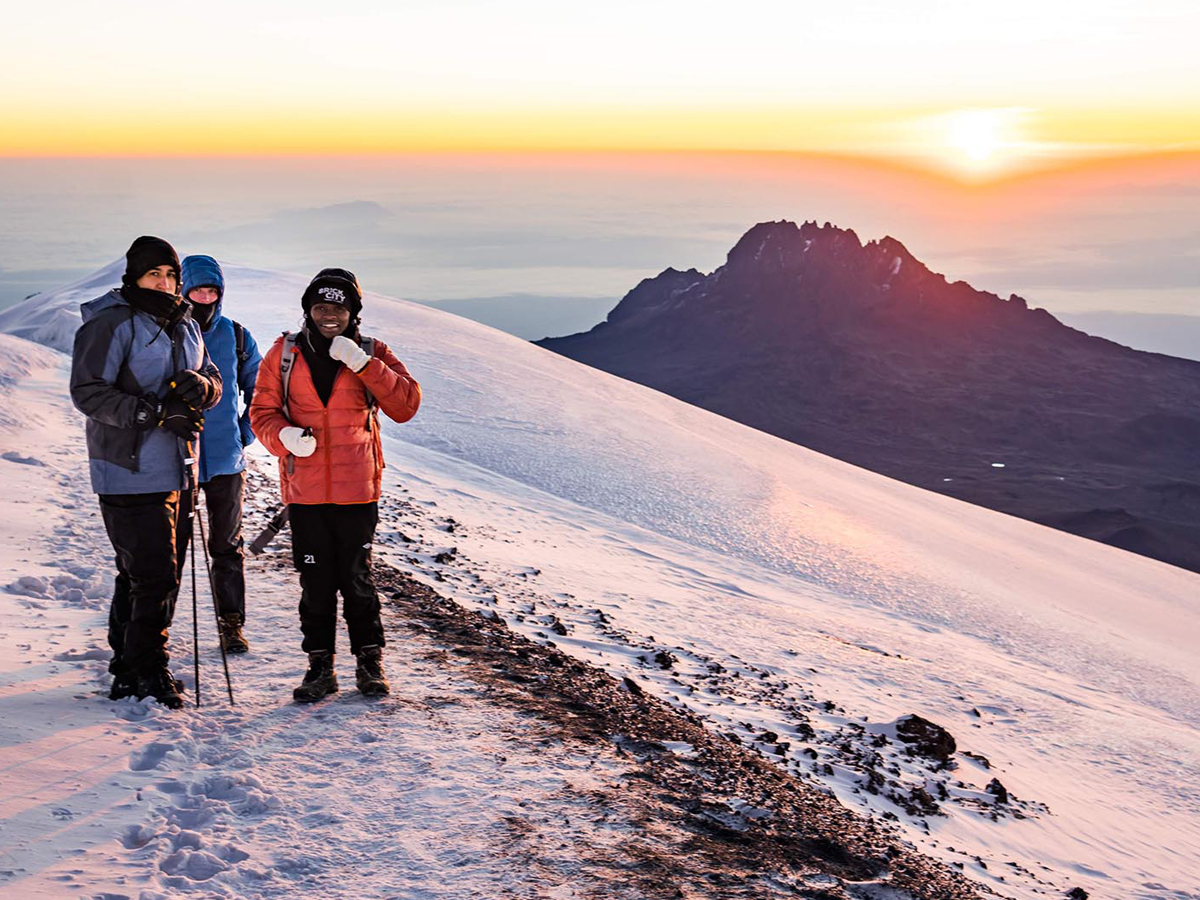
The summit night begins around midnight. You’ll trek slowly and steadily upwards in the dark, guided by your Japanese-speaking guide and the stars. Reaching Stella Point on the crater rim by sunrise is a magical moment, followed by the final push to Uhuru Peak, the highest point in Africa. After celebrating your achievement, you’ll descend back to Barafu Camp for a short rest before continuing down to Mweka Camp. This is the longest and most challenging day.
Day 7: Mweka Camp (3,100m) to Mweka Gate (1,600m)
Trek Duration: 3-5 hours
Distance: Approximately 10 km
Habitat: Rainforest
Your final day on the mountain. You’ll descend through the rainforest, enjoying the cooler air and lush vegetation. Upon reaching Mweka Gate, you’ll receive your summit certificates and meet your driver for the transfer back to your hotel in Moshi. Your Japanese-speaking guide will congratulate you on your incredible achievement.
This detailed itinerary for your Kilimanjaro climb with a Japanese-speaking guide highlights the daily challenges, distances, and altitudes. Remember, this is a template, and Top Guide Adventures can adjust it to suit your needs for 2026-2027.
Understanding Kilimanjaro’s Altitude and Acclimatization
Altitude sickness, or Acute Mountain Sickness (AMS), is the most significant risk on Kilimanjaro. Proper acclimatization is not just recommended; it’s essential for a safe and successful climb. Your Japanese-speaking guide will be vigilant in monitoring you and the group for symptoms. Key principles of acclimatization include:
- Ascend Slowly: Gradually increasing altitude each day allows your body time to adapt.
- Climb High, Sleep Low: Ascending to a higher altitude during the day and descending to a lower camp to sleep is a proven strategy.
- Stay Hydrated: Drink plenty of water (3-4 liters per day). Dehydration can exacerbate AMS symptoms.
- Avoid Alcohol and Smoking: These substances can hinder acclimatization.
- Eat Well: Maintain a healthy diet; your cook will prepare nutritious meals.
- Listen to Your Body: Communicate any symptoms to your guide immediately.
Symptoms of AMS can include headache, nausea, dizziness, fatigue, and shortness of breath. Severe forms can lead to High Altitude Cerebral Edema (HACE) or High Altitude Pulmonary Edema (HAPE), which are life-threatening. The best prevention is choosing a longer route (7+ days) for your Kilimanjaro climb with a Japanese-speaking guide, as this significantly increases your acclimatization capacity and summit success rates.
Kilimanjaro Climb Costs with a Japanese-Speaking Guide (2026-2027)
The cost of a Kilimanjaro climb with a Japanese-speaking guide can vary based on the route chosen, the duration of the trek, the number of climbers in your group, and the level of service provided. At Top Guide Adventures, we offer transparent pricing that reflects the quality of our service, the expertise of our guides, and the comprehensive nature of our packages.
For a 7-day Kilimanjaro climb with a Japanese-speaking guide, you can generally expect costs to range from $2,000 to $3,500 USD per person. Shorter or longer routes, private climbs, and luxury services will influence this figure.
Factors influencing cost:
- Route Length: Longer routes with better acclimatization (e.g., Lemosho, Northern Circuit) are typically more expensive due to more days of guide and crew services, food, and park fees.
- Group Size: Private climbs are more expensive per person than joining a group.
- Guide Specialization: The availability and training of a dedicated Japanese-speaking guide may incur a premium.
- Inclusions: Higher-end packages might include extra amenities or services.
- Season: Peak seasons can sometimes see slightly higher pricing.
We recommend contacting us directly for a personalized quote for your 2026-2027 Kilimanjaro climb with a Japanese-speaking guide. We are committed to providing exceptional value and a world-class climbing experience.
Contact us for a personalized quote:
WhatsApp: +255616946642
Email: topguideadventures@gmail.com
Backup Email: info@topguideadventures.com
Frequently Asked Questions about Kilimanjaro Climbs with Japanese Guides
We’ve compiled some common questions to help you further understand the process of organizing a Kilimanjaro climb with a Japanese-speaking guide.
What is the success rate for Kilimanjaro climbs?
Success rates vary significantly by route and duration. Generally, longer routes (7+ days) with good acclimatization, such as the Lemosho or Northern Circuit, boast success rates of 80-90%. Shorter routes like the 5-day Marangu route have lower success rates, often around 60-70%, primarily due to less time for acclimatization. Your Japanese-speaking guide will focus on your well-being and acclimatization to maximize your chances.
How much should I tip the guides and crew?
Tipping is customary and greatly appreciated. A general guideline for a 7-day climb is approximately $250-$350 USD per climber for the entire crew (lead guide, assistant guides, cook, porters). This is usually given in a sealed envelope at the end of the trek. Your Japanese-speaking guide can advise on the best way to distribute tips.
What kind of gear do I need for Kilimanjaro?
Essential gear includes waterproof and windproof outer layers, warm thermal layers, sturdy hiking boots, a warm sleeping bag (-10°C to -20°C rated), a headlamp, sunglasses, sunscreen, and a daypack. We provide a comprehensive packing list upon booking your Kilimanjaro climb with a Japanese-speaking guide.
Can I use Diamox for altitude sickness?
Diamox (acetazolamide) is a prescription medication that can help speed up acclimatization. It’s advisable to consult your doctor before your trip to discuss whether Diamox is suitable for you. Your Japanese-speaking guide can administer medication if prescribed and necessary, but they are not medical professionals and cannot prescribe it.
What happens if I get sick on the mountain?
Your safety is paramount. If you experience symptoms of altitude sickness, your Japanese-speaking guide will assess your condition. Depending on the severity, they may recommend rest, descent to a lower altitude, or immediate evacuation. We carry oxygen and first-aid kits, and have established evacuation procedures.
Is travel insurance mandatory for Kilimanjaro?
Yes, comprehensive travel insurance is mandatory for all our Kilimanjaro climbs. It must cover high-altitude trekking up to 5,895 meters and include emergency medical evacuation by air ambulance. Please ensure your policy covers these specific requirements for your 2026-2027 climb.
The Unforgettable Experience of Kilimanjaro
A Kilimanjaro climb is more than just a physical challenge; it’s a journey of self-discovery, a connection with nature, and an immersion into the vibrant culture of Tanzania. With a dedicated Japanese-speaking guide from Top Guide Adventures, you can focus on the experience, knowing that communication and cultural understanding are seamlessly handled.
Imagine standing at Uhuru Peak, the first rays of dawn illuminating the vast African landscape below. The air is crisp, the silence profound, and the sense of accomplishment immense. This is the pinnacle of your Kilimanjaro climb with a Japanese-speaking guide, a memory that will last a lifetime. Our team is passionate about helping you achieve this dream, providing the highest level of service and support throughout your 2026-2027 expedition.
We invite you to start planning your Kilimanjaro adventure with us. Whether you have specific questions about arranging a Kilimanjaro climb with a Japanese-speaking guide for 2026 or 2027, or you’re ready to book, our team is here to assist you every step of the way. Let Top Guide Adventures be your trusted partner in reaching the Roof of Africa.
Ready to book your Kilimanjaro climb with a Japanese-speaking guide?
Contact Top Guide Adventures today:
- WhatsApp: +255616946642
- Email: topguideadventures@gmail.com
- Backup Email: info@topguideadventures.com
Visit our website for more information on our Tanzania safaris, Kilimanjaro climbs, and other travel experiences: www.topguideadventures.com. You can also follow us on Instagram for inspiration: @top_guide_adventures.
Check Availability for Kilimanjaro Climb With A Japanese-Speaking Guide: Your Ultimate Adventure
Ready to compare dates, prices, and the best option for your group? Send the package name and travel month so the team can reply with a clear quote, availability, and what is included.
Kilimanjaro Climb With A Swahili-Speaking Guide: Your Essential Top Adventures
Ascend Mount Kilimanjaro with Top Guide Adventures, led by experienced Swahili-speaking guides. This comprehensive guide covers everything you need to know for a successful climb in...
View package details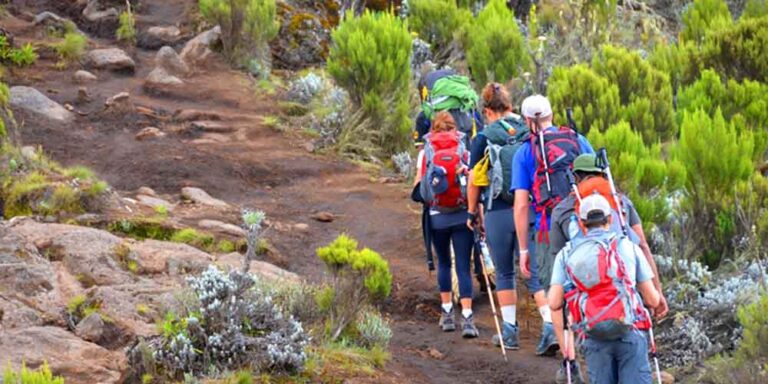
Kilimanjaro Climb With A Hindi-Speaking Guide 2026-2027
Kilimanjaro Climb with a Hindi-Speaking Guide is explained with current 2026-2027 planning, price, itinerary and booking information.
View package details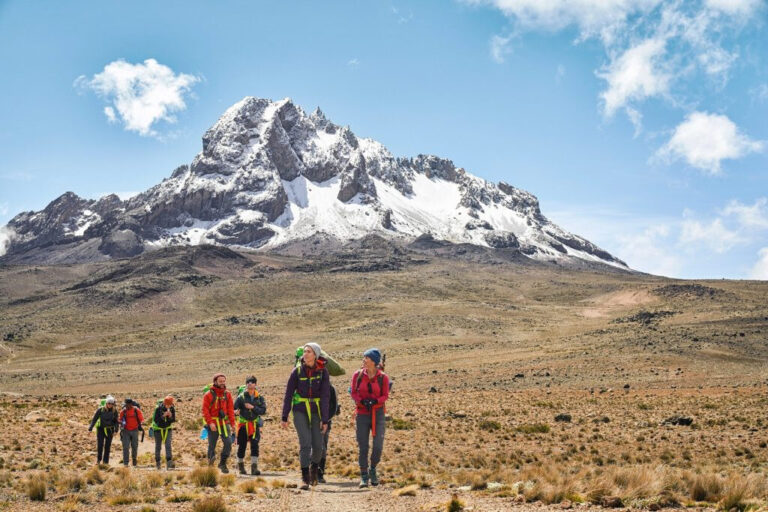
Kilimanjaro Climb With A Hebrew-Speaking Guide: Your Adventure 2026-2027
Discover how to arrange a Kilimanjaro climb with a Hebrew-speaking guide, ensuring a comfortable and culturally connected experience for Israeli hikers planning their 2026-2027 adventure...
View package details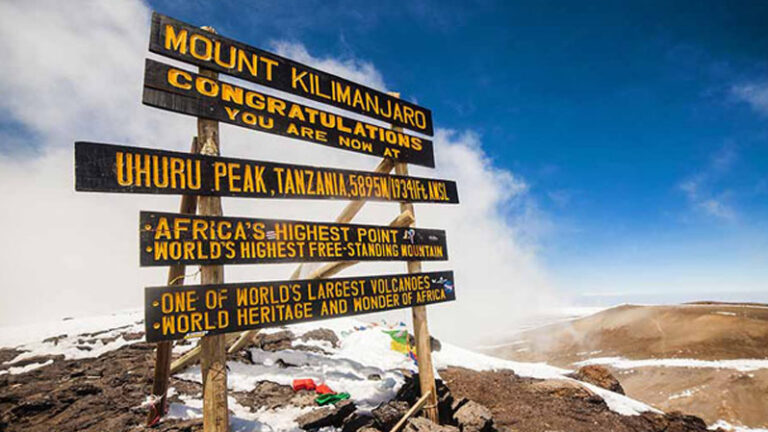
Kilimanjaro Climb With A Korean-Speaking Guide 2026-2027
Kilimanjaro Climb with a Korean-Speaking Guide is explained with current 2026-2027 planning, price, itinerary and booking information.
View package detailsKilimanjaro Climb With An Arabic-Speaking Guide In | Top Adventures 2026-2027
Ascend Mount Kilimanjaro with a dedicated Arabic-speaking guide. Top Guide Adventures provides comprehensive support, safety, and personalized experiences for your 2026-2027 climb.
View package details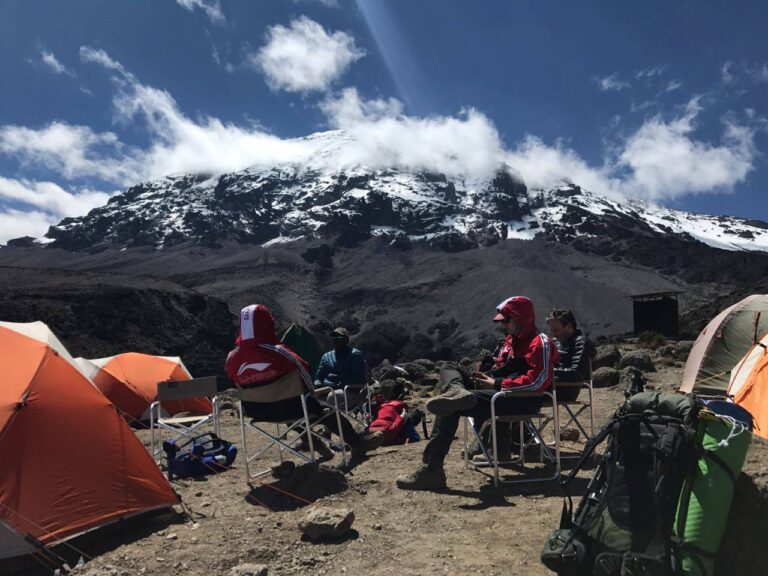
Kilimanjaro Climb With A Russian-Speaking Guide: Your Ultimate Adventure
start your Kilimanjaro adventure with a dedicated Russian-speaking guide. This comprehensive guide covers everything you need to know for a successful climb in 2026-2027, from choosing the...
View package details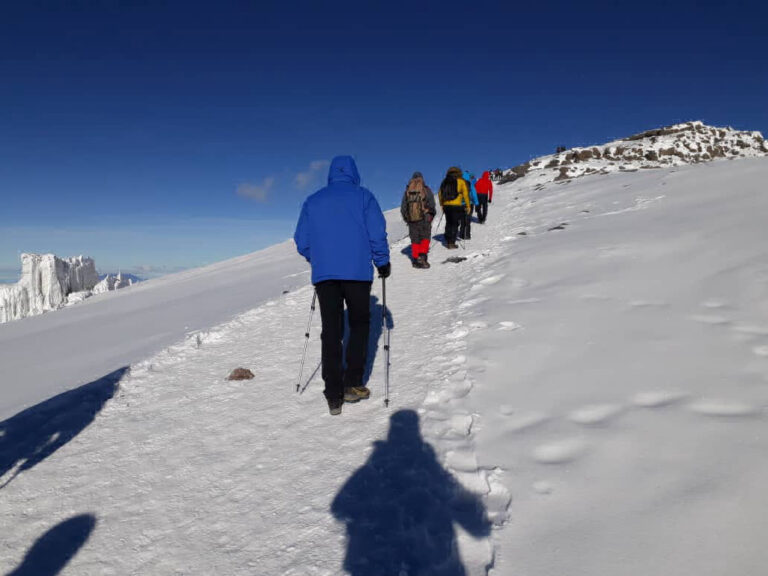
Kilimanjaro Climb With A Polish-Speaking Guide: Your Comprehensive Planning
Discover how to arrange a Kilimanjaro climb with a dedicated Polish-speaking guide. This extensive guide covers route options, preparation, costs, and booking considerations for your...
View package details
Kilimanjaro Climb With A Portuguese-Speaking Guide: Your Expert For 2026-2027
Discover everything you need to know for a Kilimanjaro climb with a Portuguese-speaking guide. Top Guide Adventures provides comprehensive planning details for your 2026-2027 ascent...
View package details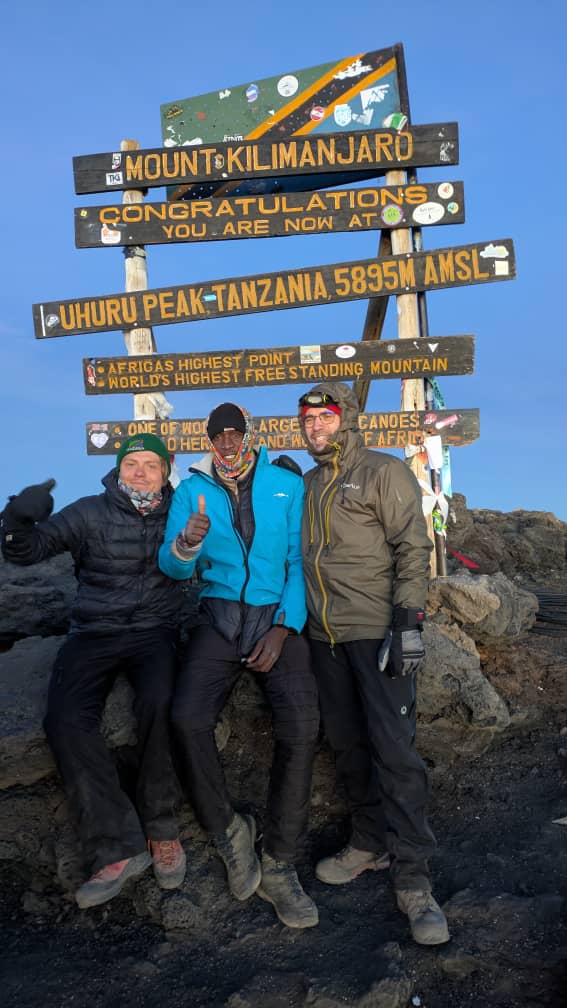
Kilimanjaro Climb With A Dutch-Speaking Guide In | Top Adventures 2026-2027
Discover the unparalleled experience of climbing Mount Kilimanjaro with a dedicated Dutch-speaking guide. Top Guide Adventures ensures your safety, comfort, and success on this iconic...
View package details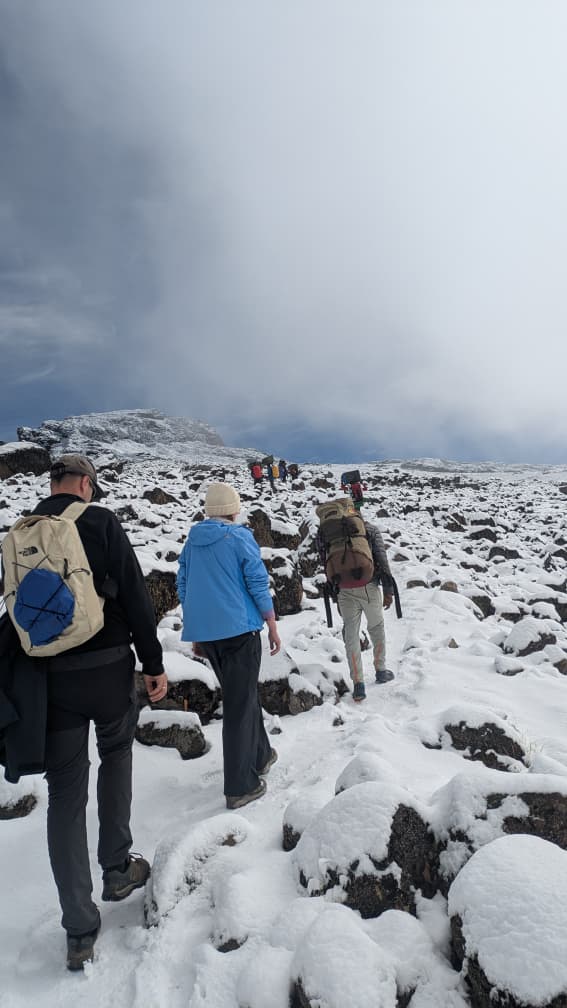
Kilimanjaro Climb With An Italian-Speaking Guide: Your Ultimate Adventure
start your dream Kilimanjaro climb with a dedicated Italian-speaking guide. Top Guide Adventures provides comprehensive support, ensuring a safe and unforgettable experience on Africa's...
View package detailsKilimanjaro Climb With A Spanish-Speaking Guide 2026-2027
Kilimanjaro Climb with a Spanish-Speaking Guide is explained with current 2026-2027 planning, price, itinerary and booking information.
View package detailsKilimanjaro Climb With A French-Speaking Guide: Your Complete Planning
Discover the unparalleled experience of climbing Mount Kilimanjaro with a dedicated French-speaking guide. This comprehensive guide covers everything you need to know for your 2026-2027...
View package detailsNo related package matches those filters. Clear one or more filters to see the other topic-matched options.



