
Securing a Kilimanjaro climb with a Hindi-speaking guide is achievable through specialized tour operators like Top Guide Adventures, who can arrange guides fluent in Hindi to enhance communication and cultural understanding during your trek. This ensures a more comfortable and personalized experience, especially if Hindi is your preferred language for detailed discussions about safety, acclimatization, and the overall journey. Expect to discuss route options, necessary gear, training regimens, and pricing, with packages typically covering park fees, accommodation, meals, and porter services. Top Guide Adventures is well-equipped to cater to such specific guide language requirements for climbs planned for 2026 and 2027.
Why Choose a Hindi-Speaking Guide for Your Kilimanjaro Ascent?
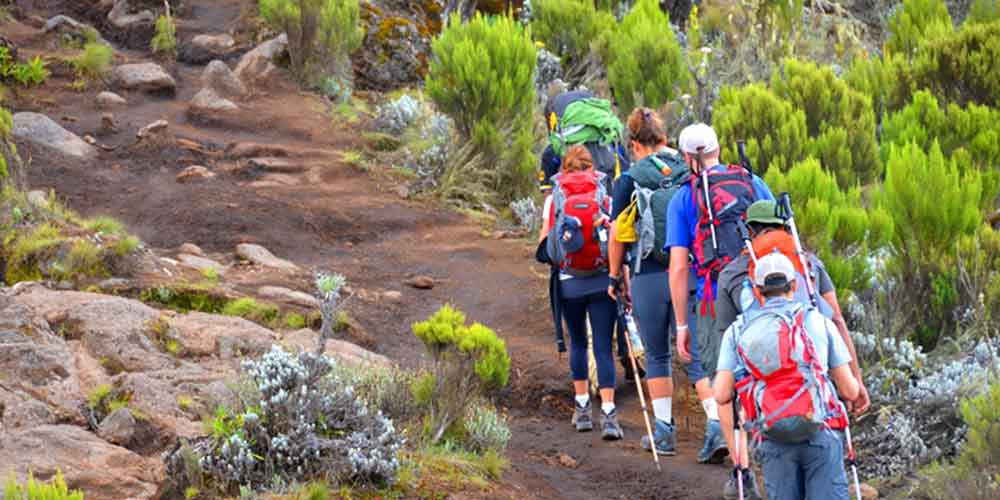
The decision to climb Mount Kilimanjaro is significant, marking a milestone for many adventurers. While the physical challenge is paramount, the comfort and clarity of communication with your guide can profoundly impact your experience. For Hindi-speaking travelers, having a guide who speaks their language offers a unique advantage. It bridges cultural gaps, allows for more nuanced conversations about your well-being on the mountain, and can foster a deeper connection with your expedition team. This personalized support is exactly what Top Guide Adventures aims to provide, ensuring your Kilimanjaro climb with a Hindi-speaking guide is not just successful, but also deeply satisfying.
A Hindi-speaking guide can assist with:
- Detailed briefing and debriefing sessions: Understanding daily progress, weather conditions, and any concerns in your native tongue.
- Cultural exchange: Sharing insights into local customs and traditions more effectively.
- Personalized attention: Discussing individual acclimatization rates, dietary needs, or any personal requirements with greater ease.
- Emergency communication: Ensuring clear and immediate understanding during any unforeseen circumstances.
Top Guide Adventures recognizes the value of such specific requests and dedicates resources to meet them, ensuring your Kilimanjaro climb with a Hindi-speaking guide is meticulously planned. We understand that for many, the linguistic connection can be a crucial factor in feeling secure and confident throughout the demanding trek.
Understanding the Kilimanjaro Climbing Experience
Mount Kilimanjaro, standing tall at 5,895 meters (19,341 feet), is Africa’s highest peak and one of the world’s Seven Summits. It’s a dormant volcano located in Tanzania, renowned for its accessibility to non-technical climbers, making it a popular destination for trekkers of varying experience levels. The journey to the summit, Uhuru Peak, is a challenging yet rewarding expedition that tests endurance, mental fortitude, and acclimatization abilities.
The climb is not merely a physical feat; it’s an expedition through diverse ecological zones. Starting from the lush rainforests at the base, climbers ascend through moorlands, alpine deserts, and finally, the arctic summit zone. Each zone presents unique environmental conditions, from varying temperatures and oxygen levels to different flora and fauna. Understanding these transitions is key to a successful summit attempt, and your guide plays a vital role in explaining and managing these changes.
For those specifically seeking a Kilimanjaro climb with a Hindi-speaking guide, the core experience remains the same: reaching the roof of Africa. However, the added layer of linguistic comfort can significantly enhance the journey. This guide will explore how to best prepare for such a climb, focusing on the practicalities and the unique benefits of having a guide who can communicate fluently in Hindi.
Choosing the Right Kilimanjaro Route
Selecting the optimal route is one of the most critical decisions for your Kilimanjaro climb. The choice impacts your acclimatization profile, scenery, difficulty, and overall success rate. Kilimanjaro offers several distinct routes, each with its own characteristics. Top Guide Adventures offers guided expeditions on all major routes, and we can certainly arrange for a Hindi-speaking guide on any of them.
The primary routes include:
- Marangu Route (Coca-Cola Route): The oldest and arguably the most straightforward route, known for its gradual ascent and hut accommodations. It has a lower success rate due to a less optimal acclimatization profile.
- Machame Route (Whiskey Route): Arguably the most popular route, offering stunning scenery and a good acclimatization profile. It’s known for its “climb high, sleep low” strategy, which significantly improves summit chances. This route is typically done over 6 or 7 days.
- Lemosho Route: A longer, more scenic route that starts in the west and joins the Machame route. It offers excellent acclimatization and a high success rate, often considered one of the best routes for scenery and success. Typically 7 or 8 days.
- Shira Route: Similar to Lemosho, but starts at a higher altitude. It’s scenic but can be challenging due to the initial high start.
- Rongai Route: The only route approaching from the north. It’s a good option during the rainy season and offers a different perspective, often with fewer crowds. Typically 6 or 7 days.
- Northern Circuit: The longest route, offering the best acclimatization and highest success rates. It circles the mountain, providing extensive views. Typically 9 or 10 days.
- Umbwe Route: The steepest, most direct, and most challenging route. It requires excellent physical condition and trekking experience.
For a Kilimanjaro climb with a Hindi-speaking guide, Top Guide Adventures recommends routes that offer more time for acclimatization, such as the Lemosho, Machame, or Northern Circuit, as these longer durations allow for more interaction and detailed guidance from your expedition leader. The 7-day Machame or 8-day Lemosho routes are excellent choices for a balance of scenery, acclimatization, and success probability. For 2026 and 2027 climbs, booking well in advance is crucial to secure your preferred route and a Hindi-speaking guide.
Route Selection for Optimal Acclimatization
Success on Kilimanjaro hinges on proper acclimatization. Routes that are longer (7 days or more) and incorporate the “climb high, sleep low” principle are statistically proven to yield higher summit success rates. When discussing your Kilimanjaro climb with a Hindi-speaking guide, ensure your chosen route duration is at least 6 days, ideally 7 or 8 days, to give your body adequate time to adjust to the altitude. The 9-day Northern Circuit offers the ultimate acclimatization advantage.
Preparing for Your Kilimanjaro Expedition
A successful Kilimanjaro climb requires thorough preparation, encompassing physical training, mental readiness, and appropriate gear selection. Top Guide Adventures provides detailed pre-climb information to all our clients, and this is amplified when arranging for specialized support like a Hindi-speaking guide.
Physical Training: Building Endurance and Strength
The physical demands of climbing Kilimanjaro are substantial. Your training should focus on building cardiovascular endurance, leg strength, and overall stamina. The key is to simulate trekking conditions as much as possible.
Cardiovascular Fitness: Engage in activities like running, cycling, swimming, or brisk walking for at least 3-4 times a week. Aim for sessions of 45-60 minutes. Hiking with a weighted backpack is particularly beneficial.
Strength Training: Focus on exercises that strengthen your legs and core. Squats, lunges, step-ups (with weights), and calf raises are essential. A strong core will help with balance and carrying your daypack.
Hiking Practice: The most crucial part of your training is hiking. Aim for long hikes, preferably on varied terrain (hills, stairs), with a backpack that mimics the weight you’ll carry on Kilimanjaro. Gradually increase the duration and elevation gain of your hikes. Ideally, you should be comfortable hiking for 6-8 hours with significant elevation gain leading up to your climb.
Altitude Simulation (Optional): If you live at sea level and have limited access to high altitudes for training, consider using an altitude training mask or visiting altitude training centers. However, consistent hiking and cardiovascular work are generally sufficient.
When you book your Kilimanjaro climb with a Hindi-speaking guide, we will provide you with a comprehensive training plan tailored to your fitness level and the chosen route. This plan will be discussed in detail with your guide during your pre-climb briefing.
Mental Preparation: The Psychological Aspect
Climbing Kilimanjaro is as much a mental challenge as it is a physical one. Altitude sickness, fatigue, and harsh weather conditions can take a toll. Mental preparation involves cultivating resilience, a positive attitude, and realistic expectations.
- Understand the Challenge: Educate yourself about altitude sickness and its symptoms. Knowing what to expect can reduce anxiety.
- Visualize Success: Imagine yourself reaching the summit and enjoying the accomplishment. Positive visualization can boost confidence.
- Develop Coping Strategies: Think about how you will handle discomfort, fatigue, or moments of doubt. Strategies like focusing on one step at a time, breaking down the climb into manageable segments, and drawing strength from your team can be effective.
- Embrace the Journey: Remember that the climb itself is an adventure. Appreciate the stunning landscapes, the unique ecosystems, and the cultural experience.
A Hindi-speaking guide can be invaluable in providing encouragement and reassurance in your native language during challenging moments. They are trained to manage psychological stress and can offer support that resonates deeply when communication is effortless.
Essential Gear for Kilimanjaro
Proper gear is critical for comfort, safety, and success on Kilimanjaro. Layering is key, as temperatures can fluctuate dramatically from the tropics at the base to freezing conditions at the summit. Top Guide Adventures provides a detailed packing list, but here are the essentials:
Kilimanjaro Gear Checklist Highlights
- Base Layers: Moisture-wicking thermal underwear (merino wool or synthetic).
- Mid Layers: Fleece jackets or insulated vests for warmth.
- Outer Layer: Waterproof and windproof jacket (Gore-Tex or similar) and trousers.
- Insulation Layer: A warm down or synthetic insulated jacket for summit night.
- Footwear: Broken-in, waterproof hiking boots with good ankle support. Several pairs of warm hiking socks (wool or synthetic).
- Headwear: Warm beanie/hat, sun hat with a wide brim, balaclava or neck gaiter for summit night.
- Handwear: Warm, waterproof gloves or mittens, liner gloves.
- Sleeping Bag: A 4-season sleeping bag rated to at least -15°C (0°F).
- Backpack: A comfortable daypack (30-40 liters) for essentials, and a larger duffel bag (80-100 liters) for porters to carry.
- Trekking Poles: Highly recommended to reduce strain on knees.
- Headlamp: With extra batteries for summit night and camp.
- Sun Protection: High SPF sunscreen, lip balm with SPF, sunglasses.
- Hydration: Water bottles or hydration reservoir (at least 3 liters capacity). Water purification tablets or filter.
- Personal Items: Toiletries, personal first-aid kit, snacks, camera, power bank.
When planning your Kilimanjaro climb with a Hindi-speaking guide for 2026 or 2027, ensure you acquire all necessary gear well in advance. Top Guide Adventures can advise on specific brands and types of gear that perform best in Kilimanjaro’s conditions.
The Role of Your Hindi-Speaking Guide and Expedition Team
Your guide is the most critical member of your expedition team. On Kilimanjaro, guides are highly trained professionals responsible for your safety, route navigation, acclimatization management, and overall well-being. Having a Hindi-speaking guide adds an extra layer of comfort and effective communication.
What Your Guide Will Do
- Safety First: Monitor your health and acclimatization status constantly. They are trained in recognizing and treating altitude sickness.
- Route Expertise: Know the mountain intimately, including the best paths, potential hazards, and optimal resting spots.
- Pacing: Set a sustainable pace for the group, ensuring everyone moves at a comfortable speed, especially on summit night. The mantra “pole pole” (slowly, slowly) is key.
- Information Provider: Explain the flora, fauna, geology, and cultural significance of the areas you pass through.
- Morale Booster: Provide encouragement, motivation, and support, especially during tough moments.
- Logistics Manager: Coordinate with porters and cooks to ensure meals are prepared, camps are set up, and all logistics run smoothly.
The addition of a Hindi-speaking guide means these vital functions are communicated with maximum clarity. Detailed explanations about how you are feeling, potential symptoms of altitude sickness, or specific instructions for summit night can be conveyed and understood without any ambiguity. This is particularly important for complex medical advice or nuanced psychological support.
The Support Crew: Porters and Cooks
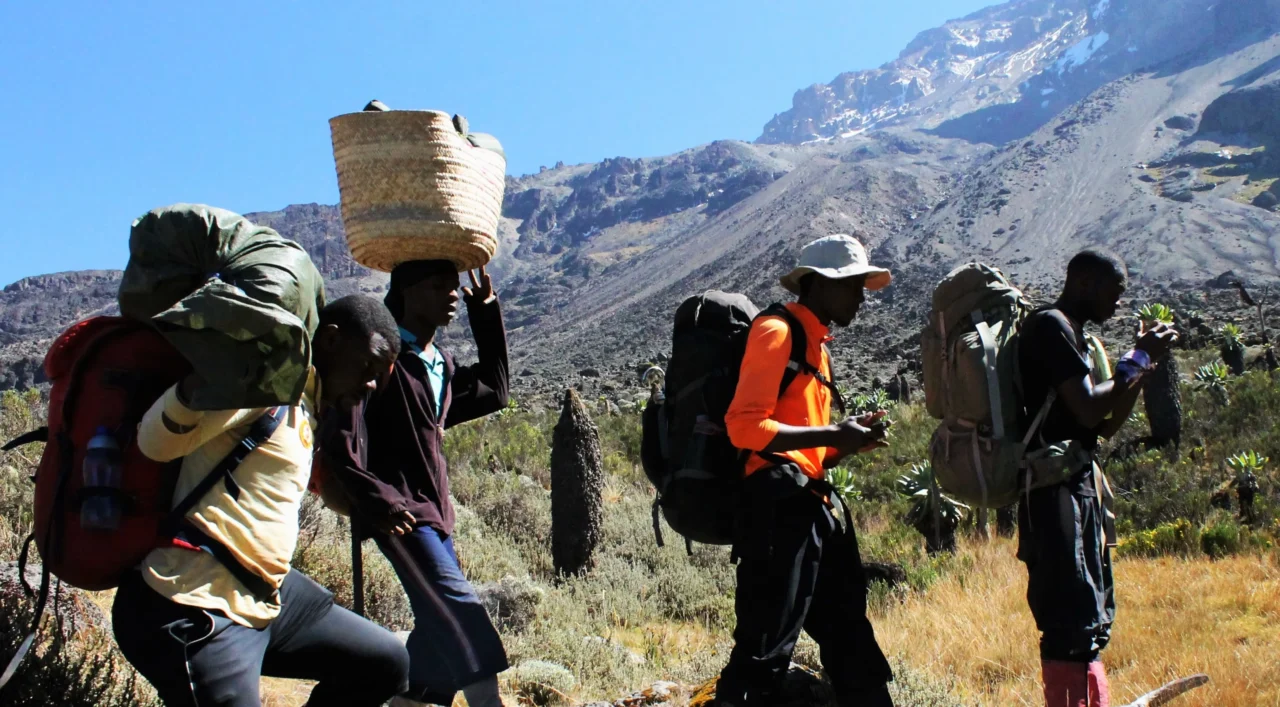
Your expedition team also includes experienced porters who carry the bulk of your gear, tents, food, and cooking equipment. Cooks prepare nutritious meals to fuel your trek. These individuals are integral to the success of your climb. Top Guide Adventures adheres to fair labor practices, ensuring all team members are well-treated, well-paid, and properly equipped.
While direct communication might be less frequent with porters and cooks, your guide acts as the intermediary. If you have specific requests or concerns that need to be relayed to the wider team, your Hindi-speaking guide can facilitate this, ensuring everyone is on the same page.
Health and Safety on Kilimanjaro
Health and safety are paramount on any high-altitude trek. Kilimanjaro presents specific risks, primarily related to altitude sickness, but also including hypothermia, dehydration, and injuries.
Altitude Sickness (Acute Mountain Sickness – AMS)
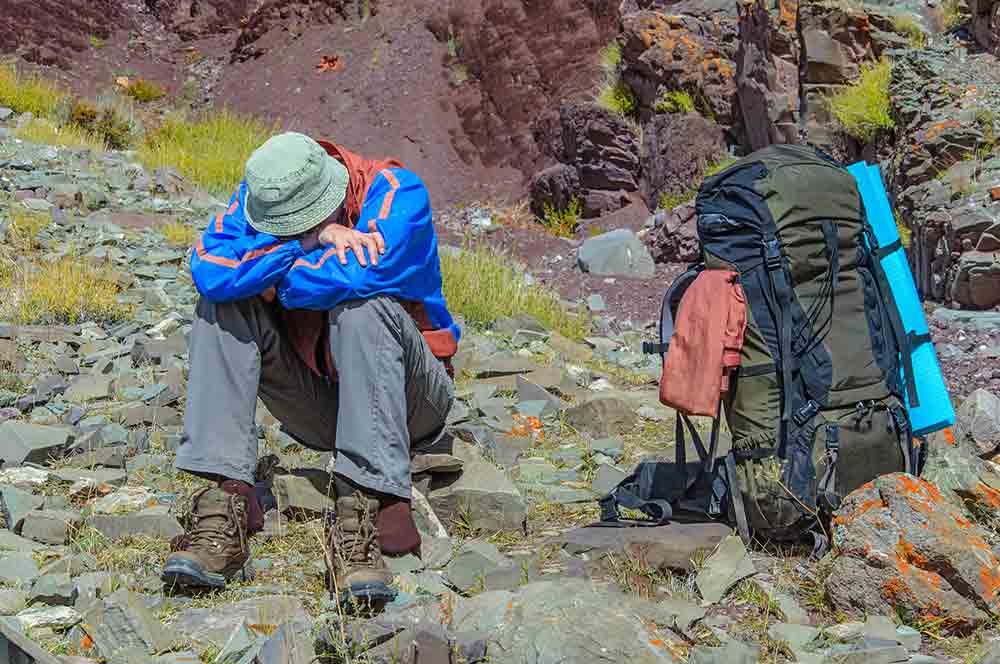
AMS is the most common risk on Kilimanjaro. It occurs when your body doesn’t adjust quickly enough to the lower oxygen levels at higher altitudes. Symptoms can range from mild headaches and nausea to severe conditions like High Altitude Pulmonary Edema (HAPE) and High Altitude Cerebral Edema (HACE).
Prevention and Management:
- Ascend Slowly: Choose longer routes (7+ days) with good acclimatization profiles.
- Stay Hydrated: Drink plenty of water (3-4 liters per day).
- Avoid Alcohol and Smoking: These can exacerbate altitude sickness.
- Eat Well: Maintain a good intake of carbohydrates.
- Communicate Symptoms: Immediately report any symptoms to your guide. Do not try to tough it out.
- Medication: Diamox (acetazolamide) is often prescribed to aid acclimatization. Consult your doctor.
Your Hindi-speaking guide will be meticulously monitoring you for any signs of AMS. They can explain the importance of hydration, the effects of Diamox, and the critical need to report symptoms without delay, all in a language you fully understand.
Other Health Considerations
- Hypothermia: Caused by prolonged exposure to cold. Proper layering and warm clothing are essential.
- Dehydration: Even in cold weather, it’s crucial to drink enough water.
- Sunburn: The sun is intense at high altitudes. Use sunscreen, wear a hat, and sunglasses.
- Digestive Issues: Stick to cooked foods provided by your team and ensure water is purified.
Top Guide Adventures ensures all guides are certified in wilderness first aid and carry comprehensive medical kits. For your Kilimanjaro climb with a Hindi-speaking guide planned for 2026-2027, we emphasize clear communication regarding all health and safety protocols.
Your Guide’s Role in Health Monitoring
A key responsibility of your guide is to observe you and your fellow climbers for signs of altitude sickness. They will check your appetite, hydration, and overall demeanor daily. A Hindi-speaking guide can make this assessment more thorough by engaging in direct conversations about how you’re feeling, ensuring no subtle symptom goes unnoticed. Prompt reporting to your guide is the most critical step in managing altitude-related issues effectively.
Cost of a Kilimanjaro Climb with a Hindi-Speaking Guide
The cost of a Kilimanjaro climb can vary significantly based on the route chosen, the duration of the trek, the operator’s quality, and the inclusions. For a Kilimanjaro climb with a Hindi-speaking guide, there might be a slight adjustment to the overall package cost, depending on the availability and sourcing of such specialized guides. Top Guide Adventures offers competitive pricing for high-quality, safe, and memorable expeditions.
Factors influencing cost:
- Route Length: Longer routes are generally more expensive due to more days of park fees, food, and staff wages.
- Operator Type: Local operators like Top Guide Adventures often provide better value and more authentic experiences compared to large international companies.
- Inclusions: Packages typically include park fees, rescue fees, accommodation (camping or huts), meals, purified water, guide and porter salaries, and transportation to/from the mountain. Exclusions often include tips for the crew, personal gear, travel insurance, visas, and flights.
- Group Size: Private climbs are more expensive per person than group climbs.
- Guide Language Specialization: While we strive to accommodate requests for Hindi-speaking guides, sometimes securing one may involve additional coordination or a small premium if a specialized guide needs to be specifically assigned or flown in for your group. However, Top Guide Adventures aims to absorb these costs where possible to provide excellent service.
Typical Price Range (Estimates for 2026-2027):
For a standard 7-day climb on a popular route like Machame or Lemosho, you can expect prices to range from $2,000 to $3,500 USD per person for a reputable operator. This typically includes all major expenses on the mountain.
A Kilimanjaro climb with a Hindi-speaking guide may fall within this range or slightly above, depending on the specifics. It is always best to request a detailed quote.
Getting a Custom Quote for Your Climb
To get an accurate quote for your Kilimanjaro climb with a Hindi-speaking guide, especially for your planned expedition in 2026 or 2027, please contact Top Guide Adventures directly. We will provide a detailed breakdown of costs based on your preferred route, duration, and any specific requirements.
Contact us:
- WhatsApp: +255616946642
- Email: topguideadventures@gmail.com
- Backup Email: info@topguideadventures.com
Tipping Your Expedition Crew
Tipping is customary and highly appreciated on Kilimanjaro. It forms a significant part of the income for guides, porters, and cooks. Top Guide Adventures provides recommended tipping guidelines, but the final amount is at your discretion and should reflect the service received.
A common guideline for a 7-day climb is:
- Lead Guide: $20-25 USD per day
- Assistant Guide: $15-20 USD per day
- Cook: $10-15 USD per day
- Porter: $8-12 USD per day
These amounts are cumulative for the duration of the climb. Your Hindi-speaking guide can help you understand these customs and assist in distributing tips appropriately at the end of the trek.
Booking Your Kilimanjaro Climb with a Hindi-Speaking Guide
Booking your Kilimanjaro adventure with Top Guide Adventures is a straightforward process. We pride ourselves on offering personalized service, from the initial inquiry to your successful summit. Securing a Hindi-speaking guide requires advance planning.
When to Book
For peak trekking seasons (January-March and June-October), it is advisable to book at least 6-9 months in advance, especially if you have specific requirements like a Hindi-speaking guide. For climbs planned for 2026 and 2027, starting your planning and booking process now is highly recommended to ensure availability.
What to Expect in the Booking Process
- Initial Inquiry: Contact Top Guide Adventures via WhatsApp, email, or our website. Specify your interest in a Kilimanjaro climb with a Hindi-speaking guide, your desired dates, preferred route, and the number of participants.
- Personalized Itinerary and Quote: We will provide a detailed itinerary and a comprehensive quote tailored to your request. This will outline inclusions, exclusions, and the overall cost.
- Deposit and Confirmation: Once you accept the quote, a deposit is required to secure your booking and confirm the availability of your preferred dates and guide.
- Pre-Climb Preparation: You will receive detailed information regarding training, gear, visas, vaccinations, and travel insurance. We can also arrange pre-climb meetings with your guide.
- Final Payment: The remaining balance is typically due a few weeks before your trek begins.
Our team is dedicated to making your booking experience as smooth as possible. We understand that arranging a climb with specific guide language requirements needs careful coordination, and we are committed to delivering exceptional service.
Why Choose Top Guide Adventures for Your Kilimanjaro Climb?
As one of Tanzania’s most trusted tour companies, Top Guide Adventures offers complete travel experiences with personal attention, care, and dedicated support for every client. We specialize in organizing Tanzanian adventures, including Kilimanjaro climbs. Our commitment to safety, quality, and client satisfaction is unwavering. When you book a Kilimanjaro climb with a Hindi-speaking guide through us, you are choosing a partner dedicated to making your dream a reality.
- Expert Local Knowledge: Deep understanding of Kilimanjaro, its routes, and the local culture.
- Safety Focus: Experienced guides trained in high-altitude trekking and emergency response.
- Quality Equipment: Well-maintained camping gear and equipment.
- Fair Treatment of Staff: We ensure our guides and porters are well-compensated and treated with respect.
- Personalized Service: Tailored itineraries and dedicated support, including accommodating specific guide language requests.
We are ready to help you plan your unforgettable Kilimanjaro climb with a Hindi-speaking guide for 2026 or 2027. Connect with us today!
Frequently Asked Questions about Kilimanjaro Climbs
Here are answers to some common questions prospective climbers have, especially regarding specific guide language needs.
Can I request a specific guide who speaks Hindi?
Yes, Top Guide Adventures can arrange for a Hindi-speaking guide for your Kilimanjaro climb. This requires advance notice to ensure availability. Please specify your requirement when you make your initial inquiry.
How much does a Hindi-speaking guide add to the cost?
The cost variation for a Hindi-speaking guide can differ. Sometimes, it’s included within our standard pricing for specialized requests. In other instances, there might be a nominal additional fee depending on guide availability and assignment. We provide transparent pricing, and any potential extra cost will be clearly communicated in your quote.
What is the best time of year to climb Kilimanjaro in 2026 or 2027?
The best times to climb Kilimanjaro are during the dry seasons: January to March and June to October. These periods offer clearer skies and more stable weather conditions. However, the mountain can be climbed year-round, with the rainy seasons (April-May and November-December) offering fewer crowds but potentially challenging weather.
What is the success rate for climbing Kilimanjaro?
Success rates vary by route and duration. Longer routes with better acclimatization profiles (like Lemosho, Machame, or Northern Circuit) typically have success rates of 80-90%. Shorter routes like Marangu may have lower rates. A well-prepared trekker with a good guide has the best chance of summiting.
Do I need travel insurance for my Kilimanjaro climb?
Absolutely. Comprehensive travel insurance is mandatory for all Kilimanjaro climbs. It should cover high-altitude trekking, emergency medical evacuation (including helicopter rescue), trip cancellation, and medical expenses.
What vaccinations are recommended for Tanzania?
Consult your doctor or a travel clinic for the most up-to-date vaccination recommendations. Yellow fever vaccination is often required for entry into Tanzania, and others like Hepatitis A, Typhoid, and Tetanus are commonly advised. Malaria precautions are also essential.
Your Adventure Awaits: Planning for 2026-2027
Mount Kilimanjaro is an iconic destination, and embarking on its ascent is an adventure that stays with you forever. Planning a Kilimanjaro climb with a Hindi-speaking guide ensures that this significant journey is as comfortable, informative, and personally fulfilling as possible. Top Guide Adventures is your dedicated partner in making this dream a reality.
We understand the importance of clear communication, cultural sensitivity, and expert guidance. By choosing us, you gain access to experienced guides, well-maintained equipment, and a team committed to your safety and success. Whether you are planning for late 2026 or early 2027, the time to start planning is now. Our team is ready to answer all your questions and help you craft the perfect Kilimanjaro expedition.
Don’t hesitate to reach out to us for a personalized quote or to discuss your specific needs for a Kilimanjaro climb with a Hindi-speaking guide. We look forward to helping you conquer Africa’s highest peak.
Contact Top Guide Adventures today:
- WhatsApp: +255616946642
- Email: topguideadventures@gmail.com
- Backup Email: info@topguideadventures.com
Let’s make your Kilimanjaro adventure a memorable success!
“,
“faq_schema”: [
{
“question”: “Can I request a specific guide who speaks Hindi for my Kilimanjaro climb?”,
“answer”: “Yes, Top Guide Adventures can arrange for a Hindi-speaking guide for your Kilimanjaro climb. This requires advance notice to ensure availability, so please specify your requirement when you make your initial inquiry.”
},
{
“question”: “How much does a Hindi-speaking guide add to the cost of a Kilimanjaro climb?”,
“answer”: “The cost variation for a Hindi-speaking guide can differ. Sometimes, it’s included within our standard pricing for specialized requests. In other instances, there might be a nominal additional fee depending on guide availability and assignment. We provide transparent pricing, and any potential extra cost will be clearly communicated in your quote.”
},
{
“question”: “What is the best time of year to climb Kilimanjaro in 2026 or 2027?”,
“answer”: “The best times to climb Kilimanjaro are during the dry seasons: January to March and June to October. These periods offer clearer skies and more stable weather conditions. However, the mountain can be climbed year-round, with the rainy seasons (April-May and November-December) offering fewer crowds but potentially challenging weather.”
},
{
“question”: “What is the success rate for climbing Kilimanjaro?”,
“answer”: “Success rates vary by route and duration. Longer routes with better acclimatization profiles (like Lemosho, Machame, or Northern Circuit) typically have success rates of 80-90%. Shorter routes like Marangu may have lower rates. A well-prepared trekker with a good guide has the best chance of summiting.”
},
{
“question”: “Do I need travel insurance for my Kilimanjaro climb?”,
“answer”: “Absolutely. Comprehensive travel insurance is mandatory for all Kilimanjaro climbs. It should cover high-altitude trekking, emergency medical evacuation (including helicopter rescue), trip cancellation, and medical expenses.”
}
]
}
“`
Check Availability for Kilimanjaro Climb With A Hindi-Speaking Guide 2026-2027
Ready to compare dates, prices, and the best option for your group? Send the package name and travel month so the team can reply with a clear quote, availability, and what is included.
Kilimanjaro Climb With A Swahili-Speaking Guide: Your Essential Top Adventures
Ascend Mount Kilimanjaro with Top Guide Adventures, led by experienced Swahili-speaking guides. This comprehensive guide covers everything you need to know for a successful climb in...
View package details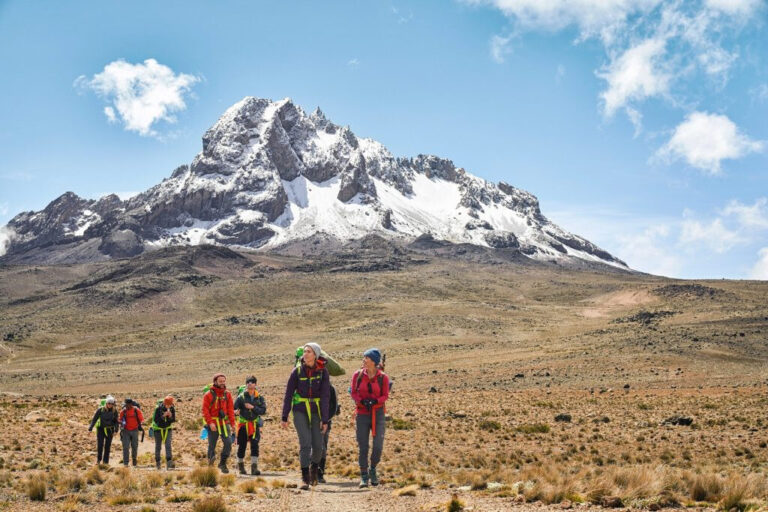
Kilimanjaro Climb With A Hebrew-Speaking Guide: Your Adventure 2026-2027
Discover how to arrange a Kilimanjaro climb with a Hebrew-speaking guide, ensuring a comfortable and culturally connected experience for Israeli hikers planning their 2026-2027 adventure...
View package details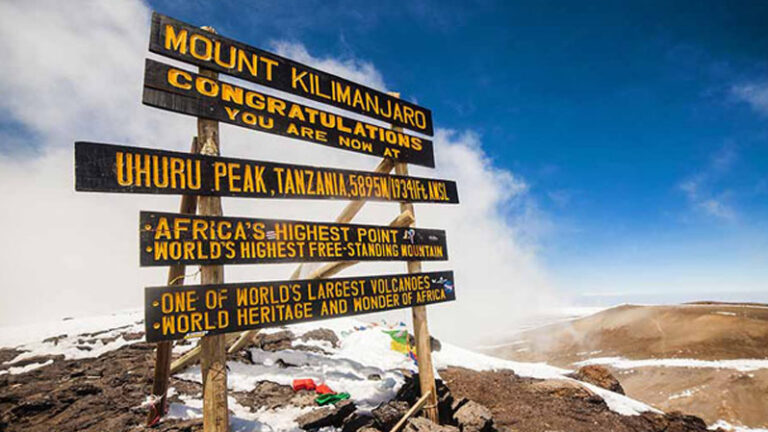
Kilimanjaro Climb With A Korean-Speaking Guide 2026-2027
Kilimanjaro Climb with a Korean-Speaking Guide is explained with current 2026-2027 planning, price, itinerary and booking information.
View package details
Kilimanjaro Climb With A Japanese-Speaking Guide: Your Ultimate Adventure
start your dream Kilimanjaro climb with a trusted Japanese-speaking guide from Top Guide Adventures. We provide comprehensive support, ensuring a safe and unforgettable experience on...
View package detailsKilimanjaro Climb With An Arabic-Speaking Guide In | Top Adventures 2026-2027
Ascend Mount Kilimanjaro with a dedicated Arabic-speaking guide. Top Guide Adventures provides comprehensive support, safety, and personalized experiences for your 2026-2027 climb.
View package details
Kilimanjaro Climb With A Russian-Speaking Guide: Your Ultimate Adventure
start your Kilimanjaro adventure with a dedicated Russian-speaking guide. This comprehensive guide covers everything you need to know for a successful climb in 2026-2027, from choosing the...
View package details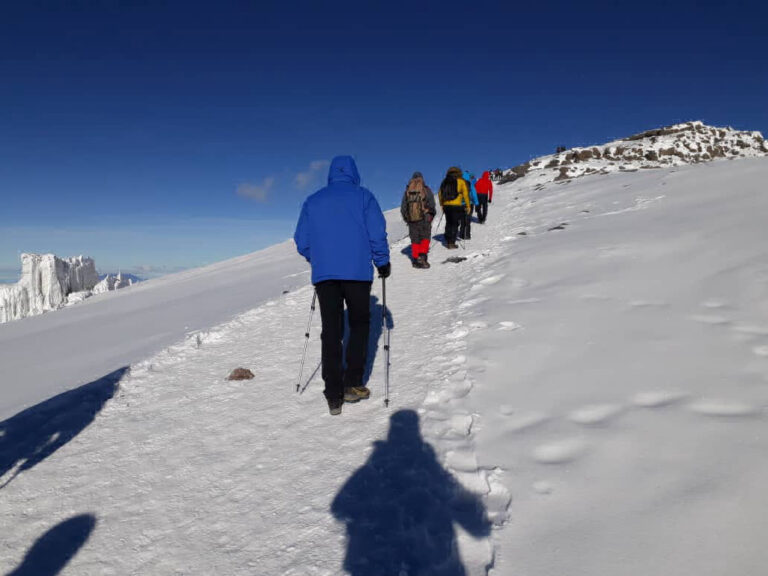
Kilimanjaro Climb With A Polish-Speaking Guide: Your Comprehensive Planning
Discover how to arrange a Kilimanjaro climb with a dedicated Polish-speaking guide. This extensive guide covers route options, preparation, costs, and booking considerations for your...
View package details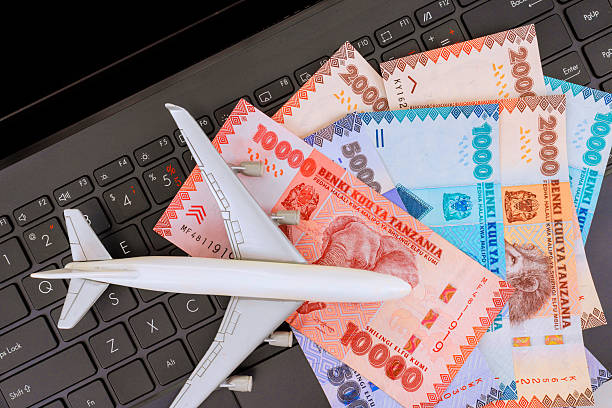
Kilimanjaro Climb With A Portuguese-Speaking Guide: Your Expert For 2026-2027
Discover everything you need to know for a Kilimanjaro climb with a Portuguese-speaking guide. Top Guide Adventures provides comprehensive planning details for your 2026-2027 ascent...
View package details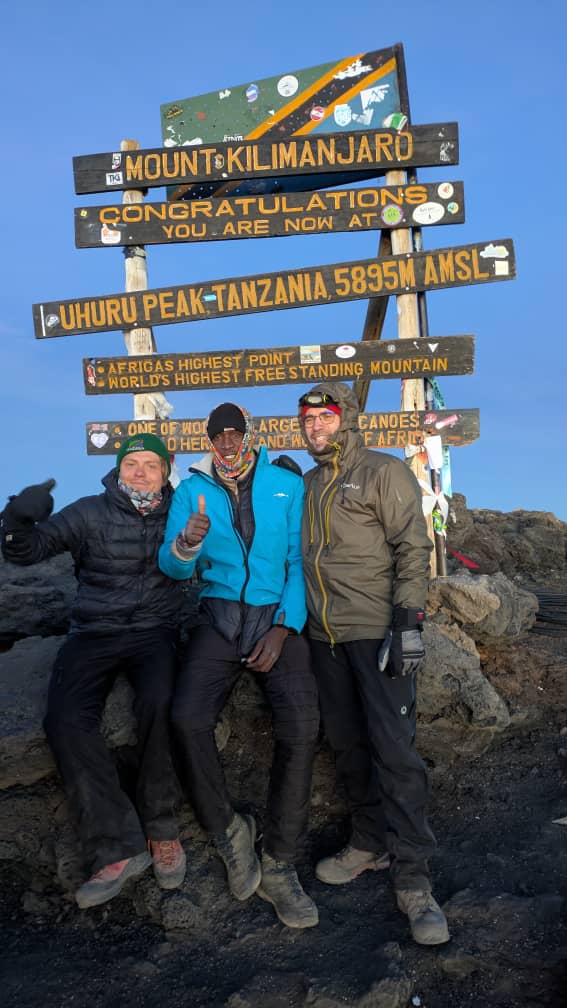
Kilimanjaro Climb With A Dutch-Speaking Guide In | Top Adventures 2026-2027
Discover the unparalleled experience of climbing Mount Kilimanjaro with a dedicated Dutch-speaking guide. Top Guide Adventures ensures your safety, comfort, and success on this iconic...
View package details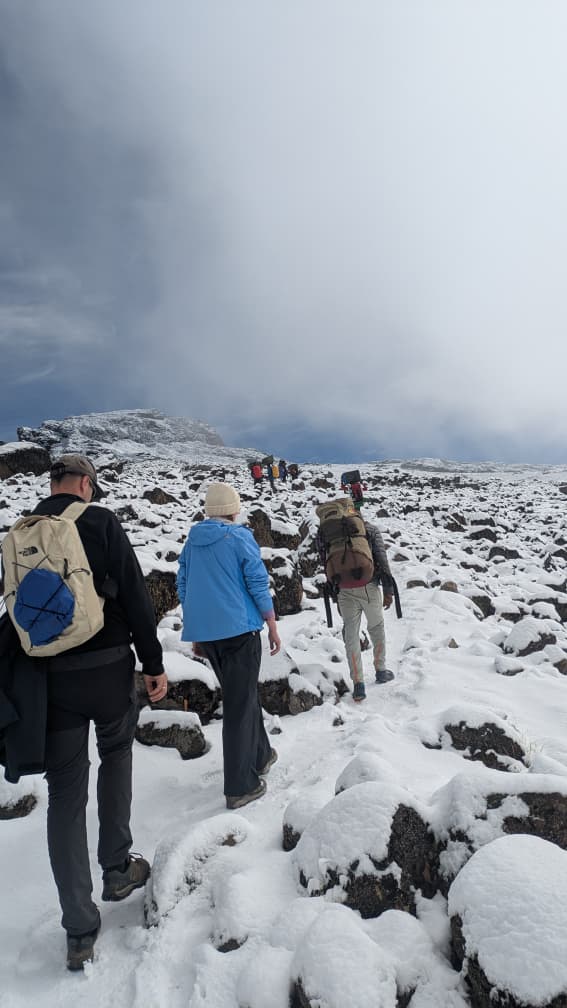
Kilimanjaro Climb With An Italian-Speaking Guide: Your Ultimate Adventure
start your dream Kilimanjaro climb with a dedicated Italian-speaking guide. Top Guide Adventures provides comprehensive support, ensuring a safe and unforgettable experience on Africa's...
View package detailsKilimanjaro Climb With A Spanish-Speaking Guide 2026-2027
Kilimanjaro Climb with a Spanish-Speaking Guide is explained with current 2026-2027 planning, price, itinerary and booking information.
View package details
Kilimanjaro Climb With A French-Speaking Guide: Your Complete Planning
Discover the unparalleled experience of climbing Mount Kilimanjaro with a dedicated French-speaking guide. This comprehensive guide covers everything you need to know for your 2026-2027...
View package detailsNo related package matches those filters. Clear one or more filters to see the other topic-matched options.



