
Choosing a Kilimanjaro climb with an Arabic-speaking guide from Top Guide Adventures ensures you have a knowledgeable and culturally attuned companion throughout your ascent. This specialized service offers direct communication and comfort for Arabic-speaking trekkers, facilitating a safer and more enjoyable experience on Africa’s highest peak, with itineraries available for 2026 and 2027.
Your Kilimanjaro Ascent with an Arabic-Speaking Guide: A Comprehensive Guide for 2026-2027
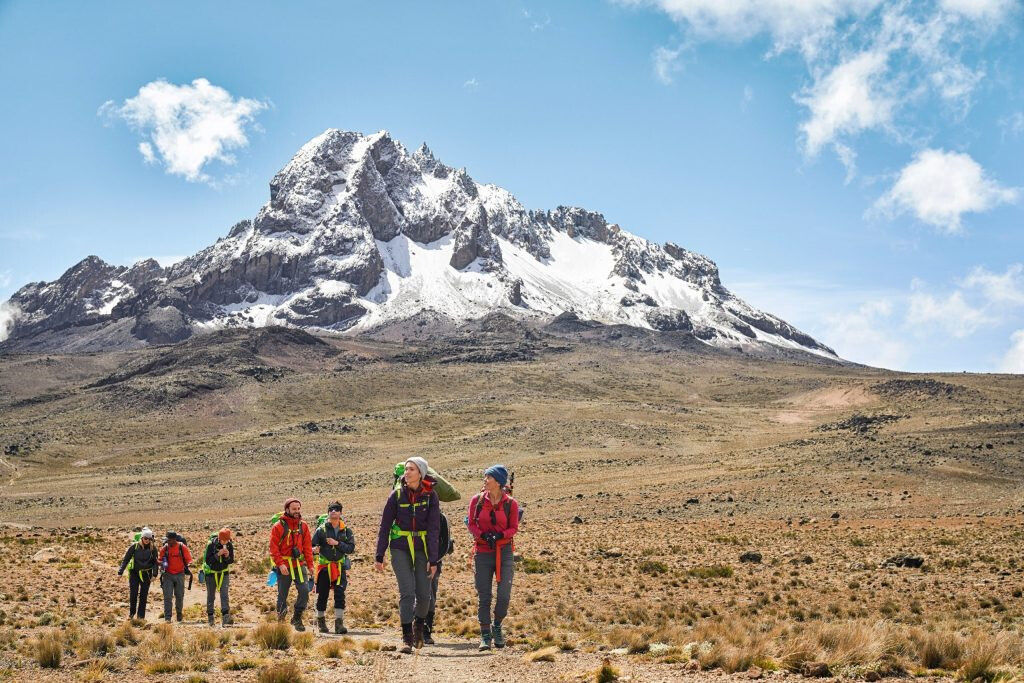
Mount Kilimanjaro, a dormant volcano in Tanzania, stands as Africa’s highest peak and a dream destination for trekkers worldwide. While the challenge is significant, the reward of standing at Uhuru Peak (5,895 meters / 19,341 feet) is unparalleled. For Arabic-speaking adventurers, the prospect of climbing Kilimanjaro might involve an extra layer of consideration: finding a guide who can communicate fluently in Arabic. Top Guide Adventures specializes in providing this exact service, ensuring that language barriers do not hinder your extraordinary journey. Whether you are planning for 2026 or 2027, our dedicated team is ready to help you prepare for a successful and memorable Kilimanjaro climb with an Arabic-speaking guide.
This guide will walk you through everything you need to know, from selecting the right route and understanding the challenges to packing effectively and preparing physically. We will highlight the unique benefits of having an Arabic-speaking guide and how Top Guide Adventures makes your dream climb a reality.
Why Choose an Arabic-Speaking Guide for Your Kilimanjaro Climb?
Communication is paramount on any challenging trek, especially one at high altitude like Mount Kilimanjaro. While our guides are all highly proficient in English and Swahili, having an Arabic-speaking guide offers distinct advantages for certain travelers:
- Enhanced Comfort and Trust: For trekkers who are more comfortable expressing themselves in Arabic, having a guide who speaks their language fosters a deeper sense of security and trust. This can be crucial for discussing personal well-being, any concerns about altitude sickness, or simply sharing the experience in a familiar tongue.
- Cultural Understanding: An Arabic-speaking guide can bridge cultural nuances more effectively, potentially leading to a richer appreciation of the local Tanzanian culture and the diverse backgrounds of fellow trekkers and crew members.
- Clearer Instruction and Safety Briefings: In critical moments, precise communication is vital. An Arabic-speaking guide ensures that all instructions, safety protocols, and information about the mountain environment are understood perfectly, minimizing risks.
- Personalized Support: Beyond just navigation, a guide’s role involves providing encouragement and support. When this support is delivered in your native language, it can feel more personal and impactful, boosting morale during difficult phases of the climb.
Top Guide Adventures is committed to providing an inclusive and supportive environment. Our network includes experienced guides who are fluent in Arabic, ready to accompany you on your Kilimanjaro expedition. This service is available for climbs booked for 2026, 2027, and beyond.
Understanding Mount Kilimanjaro: The Roof of Africa
Mount Kilimanjaro is not just a mountain; it’s a geological marvel and a UNESCO World Heritage site. Its three volcanic cones—Shira, Kibo, and Mawenzi—rise majestically from the surrounding plains. Kibo, the highest peak, features Uhuru Peak on its crater rim, the ultimate destination for climbers.
Key Facts about Kilimanjaro:
- Elevation: 5,895 meters (19,341 feet) above sea level.
- Location: Northern Tanzania, near the border with Kenya.
- Geology: A dormant volcano, one of the world’s largest single free-standing mountains.
- Climate Zones: Climbers traverse five distinct climate zones: cultivated land, rainforest, heath, alpine desert, and arctic summit.
- National Park: Kilimanjaro National Park is a protected area, requiring permits and adherence to park regulations.
Choosing the Right Kilimanjaro Route for Your 2026-2027 Climb
Selecting the best route is one of the most critical decisions for your Kilimanjaro climb. Each route offers a different experience, varying in length, difficulty, scenery, and acclimatization profiles. The success rate is often linked to the route’s acclimatization design. Top Guide Adventures offers guided climbs on all major routes, and we can assign an Arabic-speaking guide to any of them for your 2026 or 2027 adventure.
Popular Kilimanjaro Routes:
Marangu Route (Coca-Cola Route)
Duration: 5-6 days.
Description: The oldest and most established route. It’s known for its gentler gradient and unique ‘huts’ accommodation instead of camping. It’s also the shortest, which often leads to lower success rates due to poor acclimatization. The descent uses the same path as the ascent.
Pros: Easier to walk, comfortable hut accommodation, relatively cheaper.
Cons: Crowded, less scenic due to single path for ascent/descent, lower acclimatization rates leading to lower success.
Machame Route (Whiskey Route)
Duration: 6-7 days.
Description: Arguably the most popular route, known for its scenic beauty and excellent acclimatization profile, especially when done over 7 days. It involves significant ascents and descents (‘climb high, sleep low’), which aids acclimatization. Camping is the accommodation style.
Pros: Excellent acclimatization, stunning scenery, high success rates (especially over 7 days), diverse landscapes.
Cons: Steeper ascents in parts, requires camping, can be busy.
Top Guide Adventures offers group departures for the Machame Route, a great option for 2026-2027. You can check dates here: Machame Route Kilimanjaro Group Departures Dates.
Lemosho Route
Duration: 7-8 days.
Description: A more remote and scenic route starting in the west. It offers fantastic acclimatization and stunning views as it traverses the Shira Plateau. It eventually merges with the Machame route. This route is ideal for those seeking a more pristine wilderness experience.
Pros: Very scenic, excellent acclimatization, less crowded initially, high success rates.
Cons: Longer duration, can be more expensive due to remote starting point and logistics.
Shira Route
Duration: 7-8 days.
Description: Similar to Lemosho but starts at a higher altitude on the Shira Plateau. It offers immediate stunning scenery but can be challenging for initial acclimatization due to the higher starting point.
Pros: Immediate scenic beauty, good acclimatization on later days.
Cons: High starting altitude can be difficult for some, longer duration.
Rongai Route
Duration: 6-7 days.
Description: The only route approaching Kilimanjaro from the north. It’s generally drier and less vegetated, making it a good option during the rainy seasons. It offers a more remote feel and good acclimatization.
Pros: Good acclimatization, less crowded, unique northern approach, good during rainy seasons.
Cons: Less scenic than western routes, Marangu route is used for descent.
Northern Circuit
Duration: 9-10 days.
Description: The longest and arguably the best route for acclimatization and scenery. It circles the mountain, offering panoramic views and a slow, steady ascent. This route boasts the highest success rates.
Pros: Highest success rates, best acclimatization, most scenic, remote experience.
Cons: Longest duration, most expensive.
Umbwe Route
Duration: 6-7 days.
Description: The most direct and steepest route. It’s challenging and requires good physical fitness and prior high-altitude trekking experience. Acclimatization is rapid and can be difficult.
Pros: Direct, challenging for experienced trekkers.
Cons: Steep, rapid acclimatization can be problematic, lowest success rates, requires excellent fitness.
For your 2026 or 2027 Kilimanjaro climb with an Arabic-speaking guide, we recommend routes that prioritize acclimatization, such as the Machame (7 days), Lemosho (8 days), or Northern Circuit (9-10 days). These longer durations allow your body more time to adjust to the altitude, significantly increasing your chances of reaching Uhuru Peak safely.
Preparing for Your Kilimanjaro Climb: A Step-by-Step Approach
Successful Kilimanjaro climbs are built on thorough preparation. This involves physical training, mental readiness, and logistical planning. When you book your Kilimanjaro climb with an Arabic-speaking guide through Top Guide Adventures for 2026 or 2027, we provide detailed pre-departure information, but here’s a general overview:
1. Physical Training: Building Your Stamina
Kilimanjaro is a trekking challenge, not a technical climb, but it demands significant physical endurance. Focus on cardiovascular fitness and leg strength.
- Cardiovascular Exercise: Aim for at least 3-4 sessions per week. Activities like running, cycling, swimming, and hiking are excellent.
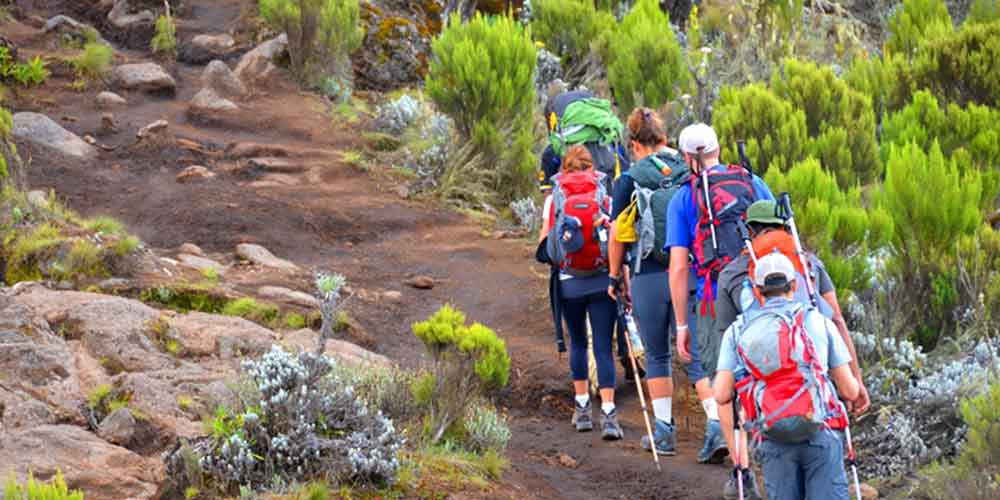
- Hiking with a Backpack: Regularly hike on varied terrain, gradually increasing the weight in your backpack to simulate climbing conditions. Include hills and stairs in your training.
- Strength Training: Focus on leg muscles (quadriceps, hamstrings, calves) and core strength. Squats, lunges, step-ups, and planks are beneficial.
- Stretching and Flexibility: Maintain flexibility to prevent injuries.
- Altitude Simulation (Optional): If possible, spend time at higher altitudes before your climb.
Start your training at least 2-3 months before your planned climb in 2026 or 2027.
2. Acclimatization: The Key to Success
Altitude sickness (Acute Mountain Sickness – AMS) is the most common reason for climbers failing to reach the summit. Proper acclimatization is crucial. This is achieved by:
- Ascending Slowly: Choose a longer route (7+ days) that allows for gradual ascent.
- ‘Pole Pole’ (Slowly, Slowly): This Swahili phrase is the mantra on Kilimanjaro. Walk at a pace that allows you to hold a conversation without getting breathless.
- Hydration: Drink plenty of fluids (3-4 liters per day) – water, herbal teas, or electrolyte drinks. Avoid alcohol and caffeine.
- Proper Nutrition: Eat well-balanced meals, even if your appetite decreases at altitude.
- Adequate Rest: Ensure you get enough sleep and rest during the day.
- Monitoring Symptoms: Be aware of AMS symptoms (headache, nausea, dizziness, fatigue) and report them immediately to your guide. They are trained to manage these conditions.
3. Mental Preparation: The Power of Mindset
The mental aspect of climbing Kilimanjaro is as important as the physical. The summit night, in particular, can be grueling.
- Set Realistic Expectations: Understand that Kilimanjaro is challenging. There will be tough moments.
- Visualize Success: Imagine yourself reaching the summit and enjoying the experience.
- Positive Attitude: Maintain a positive outlook, even when facing difficulties. Your Arabic-speaking guide and the entire Top Guide Adventures team will be there to support you.
- Patience: The climb is a journey. Enjoy the process, the scenery, and the camaraderie.
4. Packing for Kilimanjaro: Essential Gear
Proper gear is vital for comfort and safety. Layering is key to managing temperature changes across the different climate zones.
Essential Kilimanjaro Packing List:
- Clothing:
- Moisture-wicking base layers (thermal tops and bottoms)
- Mid-layers (fleece jackets, down vest)
- Waterproof and windproof outer shell (jacket and pants)
- Insulated down jacket (for summit night)
- Trekking trousers (quick-drying, not jeans)
- Hiking shorts (for lower altitudes)
- Warm hat (beanie) and gloves (waterproof outer, warm liner)
- Sun hat or cap
- Gaiters (to keep debris out of boots)
- Footwear:
- Broken-in hiking boots (waterproof, ankle support)
- Camp shoes or comfortable trainers (for evenings)
- Several pairs of wool or synthetic hiking socks
- Backpack and Bags:
- Duffel bag (waterproof, 60-90 liters, for porters)
- Daypack (30-40 liters, for essentials you carry)
- Waterproof stuff sacks or dry bags
- Sleeping Gear:
- Sleeping bag (-10°C to -20°C rating recommended)
- Sleeping bag liner (for added warmth and hygiene)
- Inflatable sleeping pad (optional, for comfort)
- Health and Hygiene:
- Personal first-aid kit (band-aids, antiseptic wipes, pain relievers, blister treatment, personal medications)
- Sunscreen (high SPF)
- Lip balm with SPF
- Insect repellent
- Hand sanitizer
- Wet wipes
- Toiletries (biodegradable soap, toothbrush, toothpaste)
- Quick-drying towel
- Miscellaneous:
- Headlamp or flashlight with extra batteries
- Sunglasses (UV protection)
- Water bottles or hydration reservoir (2-3 liters capacity)
- Water purification tablets or filter (as backup)
- Trekking poles (highly recommended)
- Camera and extra batteries/memory cards
- Power bank or portable charger
- Snacks (energy bars, nuts, dried fruit)
- Personal identification (passport, visa, vaccination certificates)
- Cash (USD for tips and incidentals)
- Book or journal for downtime
- Small binoculars (optional)
Top Guide Adventures will provide a more detailed packing list tailored to your specific climb and the season of your 2026 or 2027 expedition.
The Role of Your Arabic-Speaking Guide and Support Crew
Your guide is your most important companion on the mountain. For those opting for an Arabic-speaking guide, this individual is not only a navigator but also your primary point of contact for safety, health, and comfort.
- Expert Navigation: They know the routes intimately and ensure you stay on the correct path.
- Safety First: They monitor weather conditions, assess risks, and make crucial decisions regarding your safety. They are trained in first aid and high-altitude medicine.
- Health Monitoring: They regularly check on your well-being, looking for signs of altitude sickness and advising on hydration and rest.
- Motivation and Morale: They provide encouragement, especially during challenging ascents, and help maintain a positive atmosphere.
- Cultural Exchange: They act as a bridge between you and the local culture, sharing insights into Tanzanian life.
- Logistics Management: They coordinate with the rest of the support crew (porters and cooks) to ensure smooth operations, including meals, camp setup, and equipment management.
Our Arabic-speaking guides are carefully selected for their experience, certifications, language proficiency, and dedication to client care. They are supported by a team of skilled porters and cooks, all working to make your Kilimanjaro climb with an Arabic-speaking guide a remarkable success for 2026 or 2027.
Understanding Kilimanjaro Costs for 2026-2027
The cost of a Kilimanjaro climb can vary significantly based on the route, duration, group size, and the operator’s inclusions. Top Guide Adventures offers competitive pricing for Kilimanjaro climbs with an Arabic-speaking guide, ensuring value and quality.
Factors Influencing Cost:
- Route Length: Longer routes generally cost more due to more days of service.
- Park Fees: These are fixed by Kilimanjaro National Park and are a significant portion of the total cost.
- Crew Size: The number of guides, porters, and cooks impacts the price.
- Accommodation: Hut accommodations (Marangu) versus camping.
- Inclusions: What is included in the package (e.g., gear rental, meals, transfers, pre/post-climb accommodation).
- Operator Type: Local vs. international operators, and their overheads.
Typical Inclusions with Top Guide Adventures:
When you book a Kilimanjaro climb with an Arabic-speaking guide for 2026 or 2027 with us, you can expect:
- Professional Guides: Including your dedicated Arabic-speaking guide.
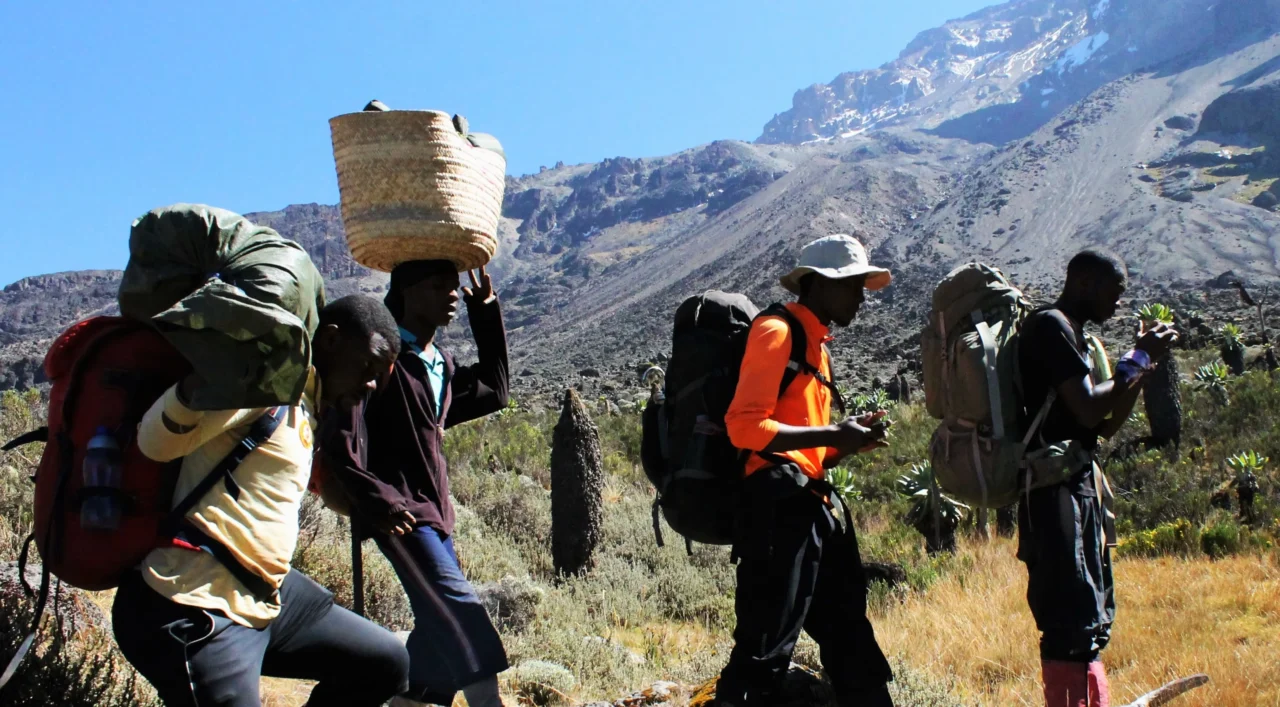
- Support Crew: Assistant guides, cooks, and porters.
- Park Fees: All required entry and camping/hut fees.
- Meals: All meals during the climb (breakfast, lunch, dinner).
- Accommodation: Camping equipment or hut accommodation as per the route.
- Water: Boiled or purified water during the trek.
- Transfers: Airport transfers and transport to/from the mountain.
- Sleeping Tents: High-quality, waterproof tents.
- Mess Tents: For dining in comfort.
- Safety Equipment: First-aid kits, oxygen cylinders (on some routes/packages).
Pricing Guidance for 2026-2027:
While exact prices are subject to specific itinerary details and current park fee structures, Kilimanjaro climbs typically range from $1,800 to $3,500+ per person for standard packages on popular routes like Machame or Lemosho over 7-8 days. Longer routes like the Northern Circuit might be closer to $2,500 – $4,500+. These figures are estimates for 2026-2027 and can vary. The availability of an Arabic-speaking guide is usually integrated into private climb packages, ensuring personalized service.
For a precise quote for your Kilimanjaro climb with an Arabic-speaking guide in 2026 or 2027, please contact Top Guide Adventures directly.
What to Expect on the Mountain: Daily Life During the Climb
A typical day on Kilimanjaro involves a structured routine designed for comfort and efficiency, allowing you to focus on the climb.
- Morning: Wake-up calls are usually early, often around 7:00 AM. You’ll be served breakfast in the mess tent or at your tent. After packing your personal gear, the porters will carry it to the next campsite.
- Trekking: The day’s trek usually begins around 8:00 AM. You’ll walk ‘pole pole’, with short breaks for snacks and hydration. Your Arabic-speaking guide will keep you informed about the day’s progress and surroundings.
- Lunch: A packed lunch is often enjoyed en route, or a hot meal may be prepared by the cook at a designated spot.
- Afternoon: You’ll typically arrive at the next campsite by mid-afternoon (around 3:00 PM – 4:00 PM). This allows time to rest, hydrate, and acclimatize before dinner.
- Evening: After settling into your tent, you’ll have dinner in the mess tent, where your guide will brief you on the next day’s plan. Bedtime is usually early, around 9:00 PM, to maximize rest.
Summit Night: The Ultimate Challenge
Summit night is the most demanding part of the climb. It typically begins around midnight from the last camp (e.g., Kibo Hut on most routes).
- Late Night/Early Morning Start: You’ll wake up around 11:00 PM – 11:30 PM. After a light snack and warm drink, you’ll begin the ascent in the dark, using headlamps.
- Steep Ascent: The trail is steep and challenging, often on scree. Your guide will ensure you move slowly and steadily.
- Reaching the Crater Rim: You’ll aim to reach Stella Point or Gilman’s Point on the crater rim by sunrise (around 6:00 AM). The views are spectacular.
- Final Push to Uhuru Peak: From the rim, it’s a further 1-2 hour trek along the crater edge to Uhuru Peak, the true summit.
- Descent: After celebrating at the summit, the descent is a long and often tiring journey back down to the Kibo Hut for a brief rest, and then continuing down to Horombo or Millennium Camp.
Your Arabic-speaking guide will be with you every step of the way during this critical phase, providing constant support and monitoring your condition.
Safety on Kilimanjaro: Our Top Priority
Safety is non-negotiable for Top Guide Adventures. We employ rigorous safety protocols to ensure the well-being of all our clients undertaking a Kilimanjaro climb with an Arabic-speaking guide in 2026-2027.
- Experienced and Certified Guides: Our guides are trained in wilderness first aid, CPR, and high-altitude rescue techniques.
- Acclimatization Strategy: We strictly adhere to slow ascent profiles and ‘pole pole’ principles.
- Health Monitoring: Regular checks for altitude sickness symptoms. Guides are empowered to make decisions about descent if a climber’s health is compromised.
- Emergency Oxygen: Portable oxygen systems are carried by guides on most climbs for emergency use.
- Communication: Guides carry radios or satellite phones for emergency communication.
- Pre-Climb Briefings: Comprehensive safety briefings are provided before the trek begins.
- Quality Equipment: We use reliable tents, sleeping bags, and safety gear.
Booking Your Kilimanjaro Climb with an Arabic-Speaking Guide in 2026-2027
Ready to plan your unforgettable Kilimanjaro adventure with the assurance of an Arabic-speaking guide? Top Guide Adventures is your trusted partner in Tanzania.
Why Book with Top Guide Adventures?
- Local Expertise: As a leading Tanzanian tour operator, we have unparalleled knowledge of Kilimanjaro and its routes.
- Personalized Service: We offer tailored experiences and dedicated support, including the crucial element of an Arabic-speaking guide for your climb.
- Commitment to Safety: Your well-being is our utmost priority, with stringent safety measures in place.
- Fair Pricing: We offer excellent value for money, with transparent inclusions.
- Experienced Team: Our guides and support crew are highly professional and passionate about sharing the magic of Kilimanjaro.
Planning for 2026 or 2027? Now is the time to start planning! Booking in advance allows you to secure your preferred dates, routes, and ensure the availability of an Arabic-speaking guide, which is a specialized request.
Ready to Ascend? Contact Us Today!
Let us help you plan the Kilimanjaro climb of a lifetime. Whether you have questions about routes, training, gear, or securing an Arabic-speaking guide for your 2026-2027 expedition, our team is here to assist.
WhatsApp: +255616946642
Email: topguideadventures@gmail.com
Backup Email: info@topguideadventures.com
We look forward to helping you achieve your dream of conquering Mount Kilimanjaro with the comfort and confidence that comes from having an Arabic-speaking guide by your side.
Frequently Asked Questions about Kilimanjaro Climbs with Arabic Guides
Here are some common questions potential climbers might have:
Is it possible to get an Arabic-speaking guide for any route?
Yes, Top Guide Adventures can arrange for an Arabic-speaking guide for any of the standard Kilimanjaro routes you choose for your 2026 or 2027 climb. This is typically arranged as part of a private climb package to ensure dedicated service.
How much more does an Arabic-speaking guide cost?
The cost is usually integrated into the overall price of a private climb. While specialized guide requests can sometimes add to the logistical effort, Top Guide Adventures aims to provide competitive pricing. The primary factor influencing cost remains the route, duration, and inclusions. Please contact us for a personalized quote.
What is the best time of year to climb Kilimanjaro in 2026-2027?
The best times to climb Kilimanjaro are during the dry seasons: January to March and June to October. These periods offer clearer skies and less rainfall, making the trek more enjoyable and increasing visibility. However, shoulder seasons can also be good with fewer crowds.
Do I need special visas or vaccinations for Tanzania?
Most nationalities require a visa for Tanzania, which can often be obtained online or on arrival. Yellow Fever vaccination is typically required if you are arriving from or transiting through a country with a risk of Yellow Fever transmission. It’s always best to check the latest requirements with your local embassy or consulate well in advance of your 2026-2027 trip.
What is the minimum age for climbing Kilimanjaro?
The official minimum age set by Kilimanjaro National Park is 10 years old. However, the physical and psychological demands of the climb mean that very young climbers should be carefully assessed for their suitability. We recommend discussing this with us if you are considering a climb for a minor.
What if I get altitude sickness?
Your guide is trained to recognize and manage altitude sickness. The primary treatment is descent. If symptoms are mild, your guide may recommend rest and hydration. If they worsen, immediate descent is necessary for safety. This is why choosing a longer route and listening to your guide is paramount.
Can I rent gear in Moshi or Arusha?
Yes, Top Guide Adventures can arrange for the rental of essential gear such as sleeping bags, trekking poles, and warm jackets. However, we strongly recommend bringing your own broken-in hiking boots and personal clothing items for comfort and fit. We will provide details on available rentals during your booking process for 2026-2027.
What is the tipping etiquette for guides and porters?
Tipping is customary and greatly appreciated by the mountain crew. Top Guide Adventures provides recommended tipping guidelines, which are typically based on the number of days climbed and the size of the crew. Your Arabic-speaking guide will also be able to offer advice on this.
Looking Ahead: Your 2026-2027 Kilimanjaro Climb
Climbing Mount Kilimanjaro is a life-changing experience. By choosing Top Guide Adventures and opting for the specialized service of an Arabic-speaking guide, you are setting yourself up for a safe, comfortable, and deeply rewarding adventure. We are dedicated to making your dream a reality, whether you are planning for 2026 or 2027. Our commitment to personalized service, safety, and authentic Tanzanian hospitality ensures that your journey to the Roof of Africa will be one you cherish forever.
Don’t hesitate to reach out to us to begin planning. We are excited to help you conquer Kilimanjaro!
Check Availability for Kilimanjaro Climb With An Arabic-Speaking Guide In | Top Adventures…
Ready to compare dates, prices, and the best option for your group? Send the package name and travel month so the team can reply with a clear quote, availability, and what is included.
Kilimanjaro Climb With A Swahili-Speaking Guide: Your Essential Top Adventures
Ascend Mount Kilimanjaro with Top Guide Adventures, led by experienced Swahili-speaking guides. This comprehensive guide covers everything you need to know for a successful climb in...
View package details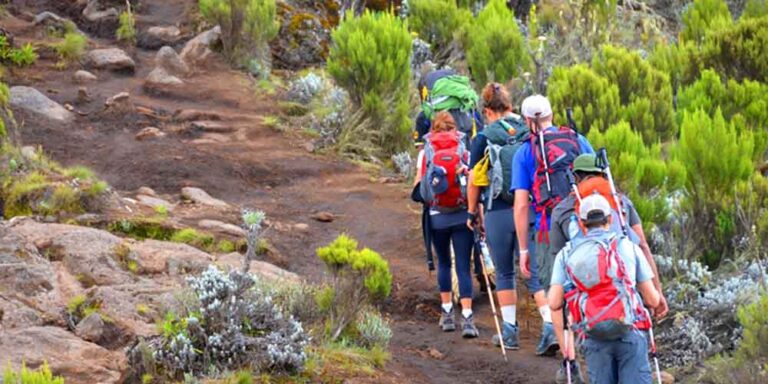
Kilimanjaro Climb With A Hindi-Speaking Guide 2026-2027
Kilimanjaro Climb with a Hindi-Speaking Guide is explained with current 2026-2027 planning, price, itinerary and booking information.
View package details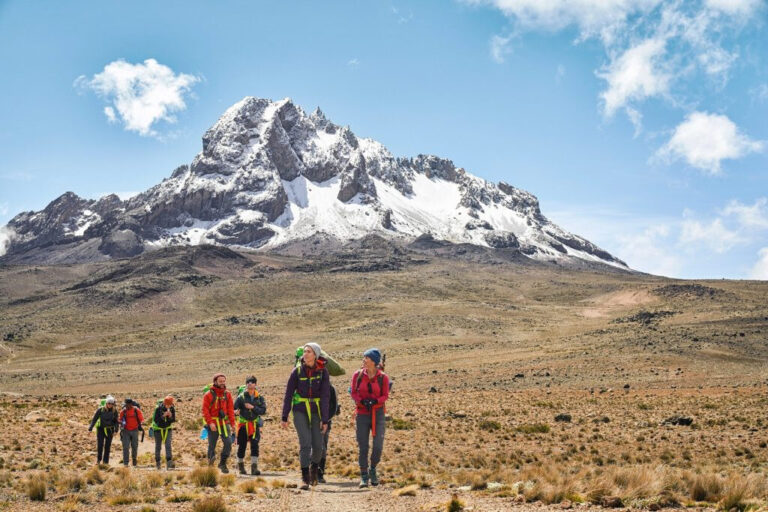
Kilimanjaro Climb With A Hebrew-Speaking Guide: Your Adventure 2026-2027
Discover how to arrange a Kilimanjaro climb with a Hebrew-speaking guide, ensuring a comfortable and culturally connected experience for Israeli hikers planning their 2026-2027 adventure...
View package details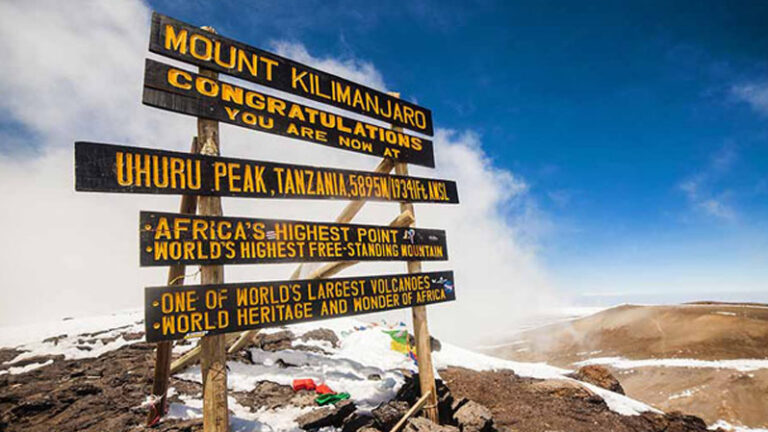
Kilimanjaro Climb With A Korean-Speaking Guide 2026-2027
Kilimanjaro Climb with a Korean-Speaking Guide is explained with current 2026-2027 planning, price, itinerary and booking information.
View package details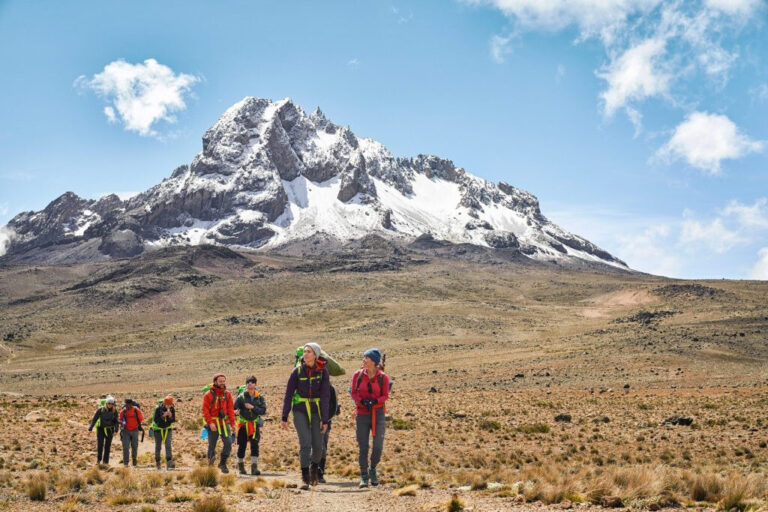
Kilimanjaro Climb With A Japanese-Speaking Guide: Your Ultimate Adventure
start your dream Kilimanjaro climb with a trusted Japanese-speaking guide from Top Guide Adventures. We provide comprehensive support, ensuring a safe and unforgettable experience on...
View package details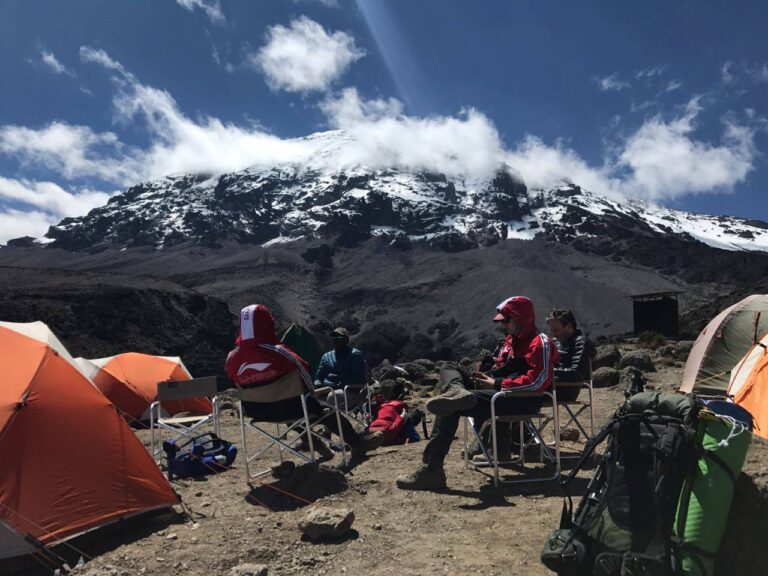
Kilimanjaro Climb With A Russian-Speaking Guide: Your Ultimate Adventure
start your Kilimanjaro adventure with a dedicated Russian-speaking guide. This comprehensive guide covers everything you need to know for a successful climb in 2026-2027, from choosing the...
View package details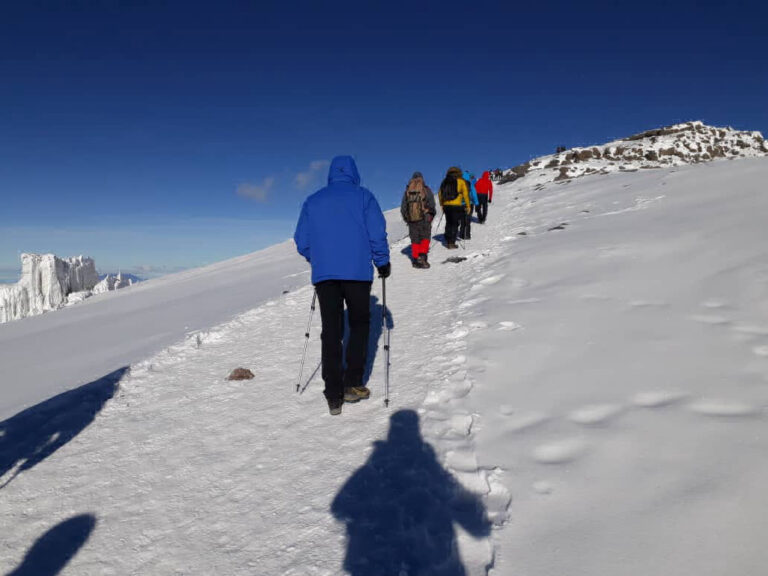
Kilimanjaro Climb With A Polish-Speaking Guide: Your Comprehensive Planning
Discover how to arrange a Kilimanjaro climb with a dedicated Polish-speaking guide. This extensive guide covers route options, preparation, costs, and booking considerations for your...
View package details
Kilimanjaro Climb With A Portuguese-Speaking Guide: Your Expert For 2026-2027
Discover everything you need to know for a Kilimanjaro climb with a Portuguese-speaking guide. Top Guide Adventures provides comprehensive planning details for your 2026-2027 ascent...
View package details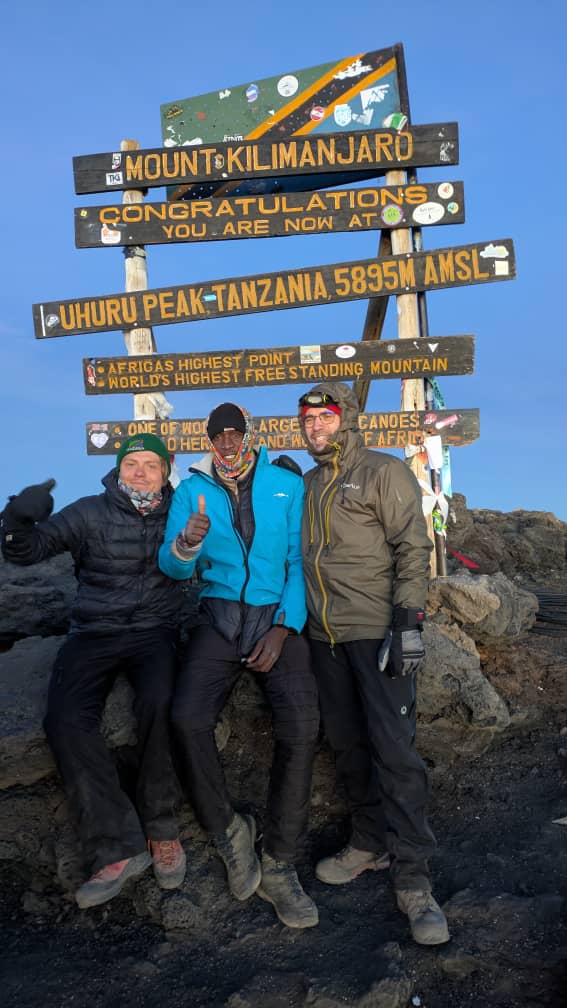
Kilimanjaro Climb With A Dutch-Speaking Guide In | Top Adventures 2026-2027
Discover the unparalleled experience of climbing Mount Kilimanjaro with a dedicated Dutch-speaking guide. Top Guide Adventures ensures your safety, comfort, and success on this iconic...
View package details
Kilimanjaro Climb With An Italian-Speaking Guide: Your Ultimate Adventure
start your dream Kilimanjaro climb with a dedicated Italian-speaking guide. Top Guide Adventures provides comprehensive support, ensuring a safe and unforgettable experience on Africa's...
View package detailsKilimanjaro Climb With A Spanish-Speaking Guide 2026-2027
Kilimanjaro Climb with a Spanish-Speaking Guide is explained with current 2026-2027 planning, price, itinerary and booking information.
View package detailsKilimanjaro Climb With A French-Speaking Guide: Your Complete Planning
Discover the unparalleled experience of climbing Mount Kilimanjaro with a dedicated French-speaking guide. This comprehensive guide covers everything you need to know for your 2026-2027...
View package detailsNo related package matches those filters. Clear one or more filters to see the other topic-matched options.



