
Climbing Mount Kilimanjaro with a Korean-speaking guide in 2026-2027 ensures clear communication, cultural understanding, and dedicated support throughout your ascent. Top Guide Adventures specializes in providing experienced guides fluent in Korean who understand the unique needs of Korean trekkers, enhancing safety and enjoyment on Africa’s highest peak.
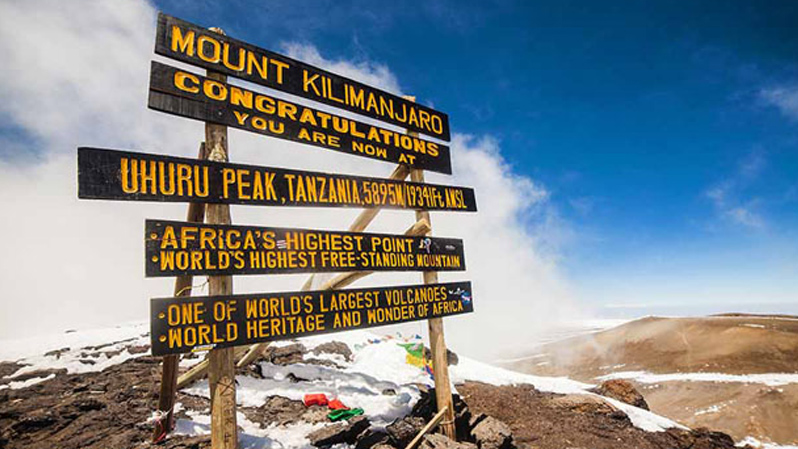
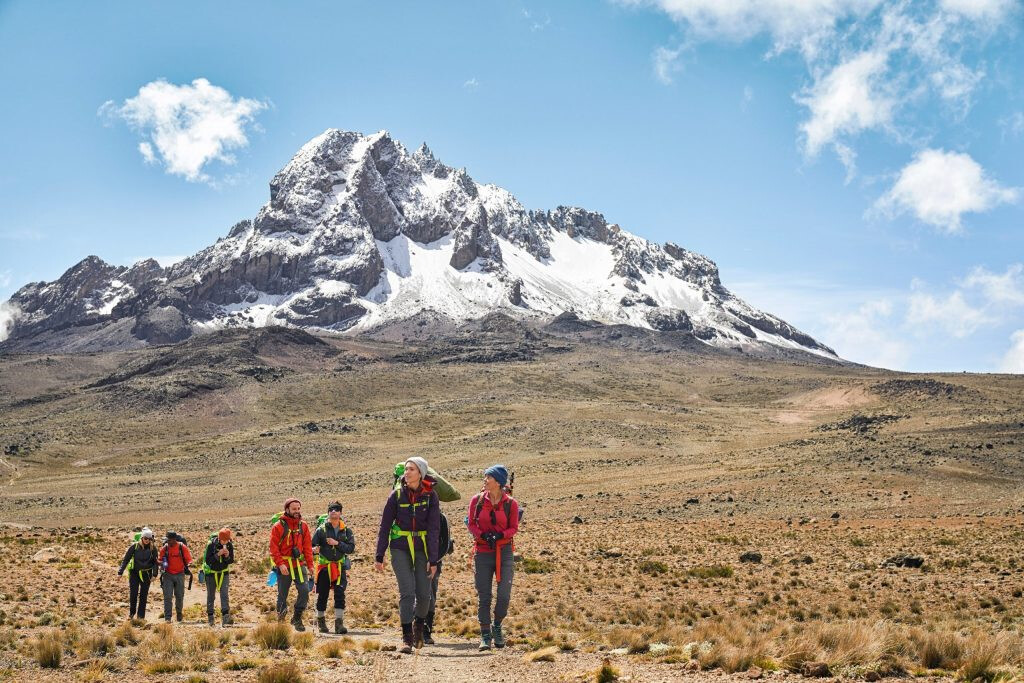
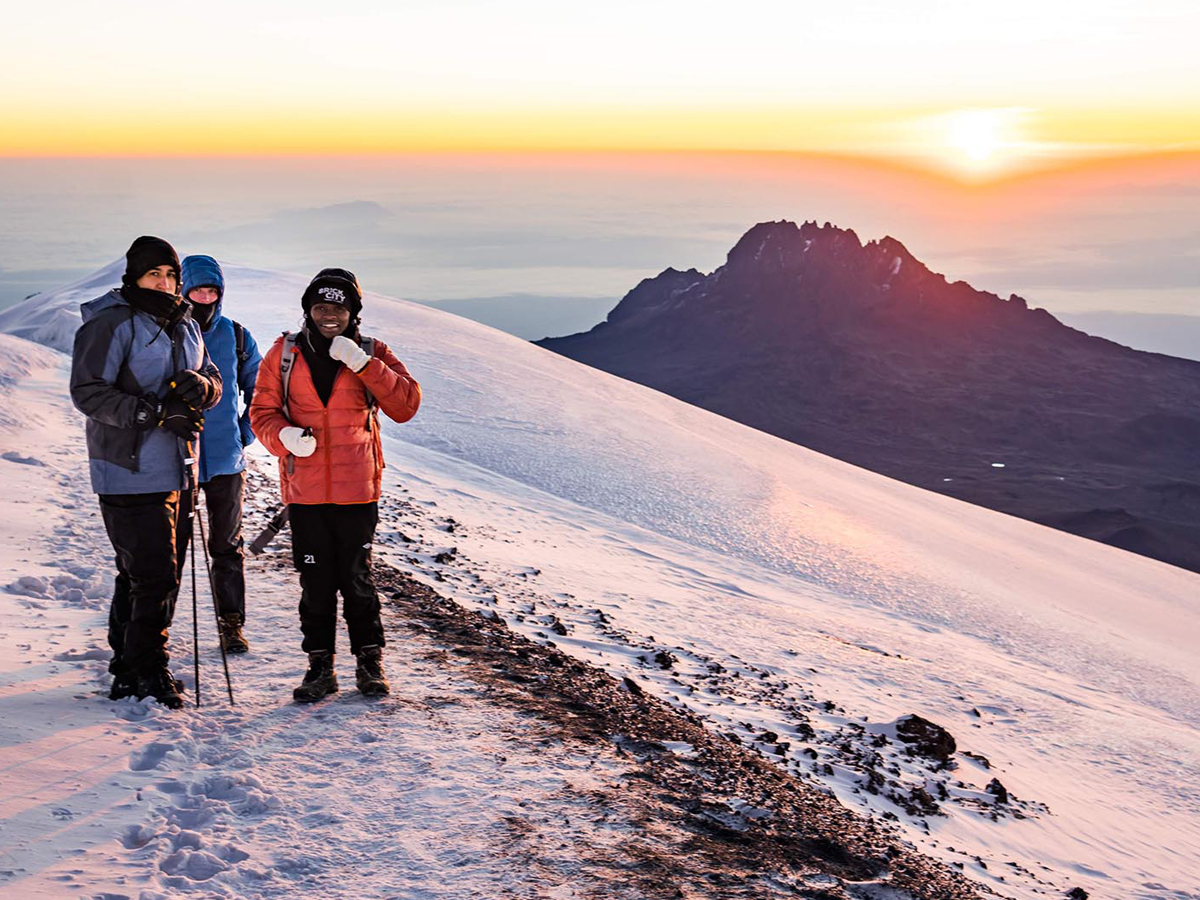
Your Kilimanjaro Ascent with a Korean-Speaking Guide: A Detailed Plan for 2026-2027
Mount Kilimanjaro, the Roof of Africa, stands as a monumental challenge and a dream destination for trekkers worldwide. For Korean adventurers, the prospect of conquering this iconic mountain can be even more fulfilling when accompanied by a guide who speaks their language. Top Guide Adventures understands this need and is dedicated to offering a premium Kilimanjaro climb with a Korean-speaking guide, ensuring a comfortable, safe, and culturally resonant experience for our clients planning their expeditions for 2026 and 2027.
Choosing a tour operator that prioritizes language and cultural sensitivity is crucial. Our commitment goes beyond just providing a guide; we aim to facilitate a journey where you feel understood, supported, and connected to the experience. This detailed guide will walk you through everything you need to know, from selecting the right route and understanding costs to preparing physically and what to expect on the mountain, all with the assurance of Korean-speaking support.
Why Choose a Korean-Speaking Guide for Your Kilimanjaro Climb?
The benefits of having a guide who speaks your native language, especially Korean, on a challenging trek like Kilimanjaro are manifold. It’s not merely about avoiding language barriers; it’s about enhancing the overall quality and safety of your expedition.
Enhanced Communication and Safety
Climbing Kilimanjaro involves significant altitude, varying weather conditions, and inherent risks. Clear and immediate communication is paramount for safety. A Korean-speaking guide can:
- Explain complex instructions regarding acclimatization, hydration, and pacing in a way that is easily understood.
- Quickly convey any symptoms of altitude sickness or other health concerns to you and the support crew.
- Provide reassurance and detailed explanations during challenging moments, reducing anxiety and improving your focus.
- Facilitate smooth coordination with the entire climbing team, including porters and chefs, ensuring all needs are met efficiently.
Cultural Understanding and Connection
A guide fluent in Korean can bridge cultural gaps, fostering a deeper connection between you and the local Tanzanian culture. They can:
- Share insights into Tanzanian customs, traditions, and the history of Kilimanjaro in your native language.
- Help you navigate social interactions with local staff and communities respectfully.
- Make the journey more personal and enriching by explaining the significance of various landmarks or local practices.
Reduced Stress and Increased Comfort
Worrying about misunderstandings can detract from the experience. With a Korean-speaking guide, you can:
- Focus entirely on your climb and the stunning surroundings, rather than on deciphering instructions.
- Feel more at ease expressing personal needs or preferences, whether related to food, rest, or personal comfort.
- Enjoy a more relaxed and enjoyable journey, knowing that your guide is there to support you in every way possible.
Top Guide Adventures: Your Partner for a Kilimanjaro Climb with Korean-Speaking Support
At Top Guide Adventures, we pride ourselves on offering personalized and high-quality trekking experiences. Recognizing the growing interest from Korean travelers, we have invested in ensuring we can provide excellent Kilimanjaro climb with a Korean-speaking guide services for your 2026 or 2027 adventure.
Our team comprises experienced, certified guides who are not only proficient climbers but also possess excellent communication skills. We carefully select and train our guides, including those fluent in Korean, to meet the highest standards of safety, professionalism, and client care. When you book with us, you benefit from:
- Dedicated Korean-Speaking Guides: We make every effort to assign a guide fluent in Korean to your group, subject to availability for your chosen dates in 2026-2027. We confirm this crucial detail during the booking process.
- Comprehensive Support: From initial inquiry to your successful summit and return, our team provides end-to-end support.
- Safety First Approach: We adhere to strict safety protocols, equipped with oxygen, medical kits, and highly trained staff.
- Tailored Itineraries: We help you choose the best route and duration that suits your fitness level and preferences.
- Cultural Sensitivity: Our guides are trained to respect and share local customs, enhancing your cultural experience.
Booking Your Kilimanjaro Climb with Korean Support
To arrange your Kilimanjaro climb with a Korean-speaking guide for 2026 or 2027, we encourage you to contact us well in advance. Due to the specialized nature of this service, early booking is essential to secure your preferred dates and ensure guide availability.
Contact Us:
- WhatsApp: +255616946642
- Email: topguideadventures@gmail.com
- Backup Email: info@topguideadventures.com
Choosing the Right Kilimanjaro Route for Your 2026-2027 Climb
Selecting the most suitable route is a critical decision for your Kilimanjaro climb. Each route offers a different experience in terms of scenery, difficulty, acclimatization profile, and crowds. For a Kilimanjaro climb with a Korean-speaking guide, the route choice can significantly impact your overall journey. Top Guide Adventures recommends the following routes, considering their suitability for acclimatization and overall experience:
Marangu Route (Coca-Cola Route)
Duration: 5-7 days
Scenery: Unique, as it’s the only route with hut accommodations. Views are less varied than other routes.
Acclimatization: Poorer, due to a more direct ascent.
Crowds: Can be very crowded.
Pros: Hut accommodation offers comfort; a less physically demanding ascent profile in terms of technical difficulty.
Cons: Lower success rate due to poor acclimatization; can be crowded.
Machame Route (Whiskey Route)
Duration: 6-7 days
Scenery: Considered one of the most scenic routes, offering diverse landscapes.
Acclimatization: Excellent, with the “climb high, sleep low” strategy.
Crowds: Moderately crowded.
Pros: High success rate; stunning views; good acclimatization.
Cons: Steeper ascents, requiring good physical fitness; camping accommodation.
Note: For group departures and specific dates on the Machame Route for 2026-2027, please visit Machame Route Kilimanjaro Group Departures Dates.
Lemosho Route
Duration: 7-8 days
Scenery: Exceptionally beautiful, starting in lush rainforest and progressing through diverse ecosystems.
Acclimatization: Excellent, with longer duration allowing for better adaptation.
Crowds: Less crowded, especially in the initial days.
Pros: Very high success rate; stunning, varied scenery; good acclimatization profile; remote feel.
Cons: Longer duration and potentially higher cost; camping accommodation.
Shira Route
Duration: 7-8 days
Scenery: Similar to Lemosho but starts at a higher altitude.
Acclimatization: Good, but the higher starting point can be challenging for some.
Crowds: Less crowded.
Pros: Beautiful plateau scenery; good acclimatization on longer treks; high success rates.
Cons: Higher starting altitude can be demanding; camping accommodation.
Rongai Route
Duration: 6-7 days
Scenery: Approaches from the north, offering different views and drier terrain.
Acclimatization: Good.
Crowds: Less crowded.
Pros: Good for drier conditions; less crowded; good acclimatization on longer treks.
Cons: Less scenic than western routes; camping accommodation.
Northern Circuit Route
Duration: 9-10 days
Scenery: The most scenic and comprehensive route, circling the mountain.
Acclimatization: The best, due to its longest duration and “climb high, sleep low” principle.
Crowds: Least crowded.
Pros: Highest success rate; superb acclimatization; most scenic; most relaxed pace.
Cons: Longest duration and highest cost; camping accommodation.
Umbwe Route
Duration: 5-7 days
Scenery: Direct and steep, offering dramatic views.
Acclimatization: Poor, due to rapid ascent.
Crowds: Least crowded.
Pros: Challenging for experienced hikers; less crowded.
Cons: Very steep and technically demanding; low success rate; poor acclimatization.
For a Kilimanjaro climb with a Korean-speaking guide, we generally recommend routes of 7 days or longer, such as the Machame, Lemosho, or Northern Circuit, to maximize acclimatization and success rates. These routes offer the best balance of stunning scenery and physiological adaptation.
Kilimanjaro Climb Cost and Inclusions for 2026-2027
The cost of a Kilimanjaro climb with a Korean-speaking guide can vary significantly based on the route chosen, duration, group size, and the specific inclusions offered by the tour operator. At Top Guide Adventures, we aim to provide transparent pricing and exceptional value. Our packages for 2026-2027 are designed to cover all essential aspects of your climb, ensuring a hassle-free experience.
Typical Cost Factors
While exact prices are best obtained through a personalized quote, you can expect the following factors to influence the cost:
- Route Length: Longer routes generally cost more due to more days of service.
- Number of Trekkers: Private climbs are more expensive per person than joining a group.
- Accommodation Before/After Climb: Most packages do not include pre- or post-climb hotel nights unless specified.
- Porter Support: The number of porters assigned affects costs. We adhere to park regulations for optimal porter-to-climber ratios.
- Guide Expertise: While we strive to offer Korean-speaking guides, their availability might influence the final quote.
What’s Typically Included in Our Packages
A standard Kilimanjaro climb with a Korean-speaking guide package from Top Guide Adventures typically includes:
- Park Fees: All necessary entry fees for Kilimanjaro National Park.
- Accommodation: Camping fees and quality tents, or hut fees for the Marangu route.
- Salaries for Guides and Crew: Including your Korean-speaking guide, assistant guides, cook, and porters.
- Food: Nutritious meals prepared by a dedicated cook during the trek (breakfast, lunch, dinner).
- Water: Safe drinking water provided daily.
- Equipment: Tents, sleeping mats, mess tent, and cooking equipment.
- Safety Equipment: First-aid kits, pulse oximeters, and emergency oxygen.
- Transfer: Round-trip transportation from Moshi to the trailhead and back.
- Pre- and Post-Climb Briefings: Essential information and support.
What’s Typically Excluded
It’s also important to be aware of common exclusions:
- Flights: International airfare to Kilimanjaro International Airport (JRO).
- Visas: Visa fees for Tanzania.
- Travel Insurance: Comprehensive travel and medical insurance, including high-altitude trekking coverage.
- Personal Gear: Sleeping bags, trekking poles, warm clothing, etc.
- Tips for Crew: Gratuities for guides and porters are customary and highly appreciated.
- Personal Expenses: Souvenirs, alcoholic beverages, and snacks.
- Pre/Post Climb Accommodation: Hotel stays in Moshi or Arusha unless booked separately.
- Emergency Evacuation: While we carry oxygen, a separate evacuation insurance policy is recommended.
For a precise quote for your 2026-2027 Kilimanjaro climb with a Korean-speaking guide, please reach out to us directly via WhatsApp at +255616946642 or email at topguideadventures@gmail.com.
Planning Your 2026-2027 Kilimanjaro Climb: Key Considerations
Booking a Kilimanjaro climb with a Korean-speaking guide requires careful planning, especially for 2026 and 2027. Here are key aspects to consider:
- Best Time to Climb: The dry seasons are generally preferred: January-March and June-October. These periods offer clearer skies and more stable weather. However, these are also peak seasons, meaning more trekkers and potentially higher costs. For 2026-2027, consider shoulder months like late October or early November for fewer crowds if weather permits.
- Physical Fitness: Kilimanjaro is a trekking challenge, not a technical climb. However, excellent cardiovascular fitness is essential. Start training at least 2-3 months before your trek, focusing on hiking with a weighted pack, strength training, and endurance exercises.
- Altitude Sickness (AMS): This is the primary concern. Proper acclimatization is key. Choosing a longer route (7+ days) significantly increases your chances of success. Your Korean-speaking guide will monitor you closely for any symptoms.
- Gear: Proper gear is non-negotiable. This includes high-quality waterproof outer layers, warm insulation, sturdy hiking boots, a good sleeping bag, and accessories like hats, gloves, and sunglasses. We provide a detailed gear list upon booking.
- Mental Preparation: The climb is demanding, both physically and mentally. Be prepared for challenging days, cold temperatures, and the psychological effort required to push towards the summit.
Physical Preparation for Your Kilimanjaro Trek in 2026-2027
Achieving your goal of standing on the Roof of Africa requires dedication to physical training. A successful Kilimanjaro climb with a Korean-speaking guide hinges on your preparedness. Start your training regimen at least 2-3 months before your planned expedition for 2026 or 2027.
Cardiovascular Endurance
The sustained effort required for multi-day trekking demands a strong aerobic base. Focus on activities that build stamina:
- Hiking: Aim for at least 2-3 long hikes (4-6 hours) per week, preferably on varied terrain (hills, stairs). Gradually increase the duration and elevation gain. Always carry a backpack simulating the weight you’ll carry on the mountain (around 5-8 kg).
- Running/Jogging: Incorporate 3-4 sessions per week, building up to longer runs (10-15 km).
- Cycling: Excellent for cardiovascular health and low-impact on joints. Aim for long rides (1-2 hours) several times a week.
- Swimming: A full-body workout that improves lung capacity and endurance.
Strength Training
While endurance is key, strong legs and core muscles will make the ascent and descent more manageable.
- Legs: Focus on squats, lunges, step-ups (using a bench or step), and calf raises.
- Core: Planks, crunches, and Russian twists are vital for stability and preventing back strain.
- Upper Body: While less critical, some upper body strength (e.g., push-ups) helps with overall balance and carrying your pack.
Flexibility and Balance
Incorporate stretching and balance exercises to prevent injuries and improve agility on uneven terrain.
- Yoga or Pilates: Excellent for flexibility, core strength, and mindfulness.
- Stretching: Regular stretching of major muscle groups, especially hamstrings, quads, and calves.
Altitude Acclimatization Training (Simulated)
While true acclimatization happens on the mountain, you can prepare your body:
- Intermittent Hypoxic Training (IHT): If accessible, using altitude training masks or chambers can help your body adapt to lower oxygen levels.
- Breathing Exercises: Practicing deep, controlled breathing can help manage exertion and anxiety.
Remember to consult with your doctor before starting any new intense training program, especially if you have pre-existing health conditions. Your Korean-speaking guide will also provide daily guidance on pacing and hydration during the trek itself.
Daily Life on Kilimanjaro: What to Expect with Your Korean-Speaking Guide
The experience of climbing Kilimanjaro is as much about the journey as it is about the summit. Understanding the daily rhythm of life on the mountain will help you prepare and appreciate each step of your Kilimanjaro climb with a Korean-speaking guide.
A Typical Trekking Day
Your days will generally follow a structured yet flexible pattern:
- Morning Wake-up: You’ll be woken up early, typically around 6:30 AM or 7:00 AM, with a warm cup of tea or coffee brought to your tent.
- Breakfast: A hearty breakfast follows, often including porridge, eggs, toast, and fruit, prepared by your cook.
- Gear Up: Pack your daypack with essentials (water, snacks, rain gear, camera, sunscreen, warm layers) while the porters pack the main duffel bags.
- Start Trekking: The day’s trek usually begins between 8:00 AM and 9:00 AM. Your guide will lead the pace, ensuring you “pole pole” (slowly, slowly).
- Lunch: A packed lunch is usually enjoyed en route, often at a scenic spot. Your cook might meet you at a designated point with hot soup and fresh food.
- Afternoon Trekking: Continue hiking towards the day’s campsite, enjoying the changing landscapes.
- Arrival at Camp: Aim to reach the campsite by mid-afternoon (around 3:00 PM – 5:00 PM).
- Camp Setup: Tents will be set up for you. You can then relax, hydrate, and have a snack.
- Evening Meal: A three-course dinner is served in the mess tent, providing energy for the next day.
- Briefing and Rest: Your guide will conduct a daily briefing about the next day’s itinerary, weather, and any important points. Afterwards, it’s time to rest and sleep.
Summit Night
Summit night is the most challenging part of the climb. It typically begins around midnight:
- Wake-up: You’ll be woken up much earlier, around 11:00 PM or 11:30 PM.
- Light Breakfast: A quick snack and hot drink to fuel the ascent.
- Start Ascent: Begin the steep, slow climb towards the summit in darkness, guided by headlamps.
- Pacing: Your guide will maintain a very slow, steady pace, crucial for acclimatization and conserving energy.
- Summit Sunrise: Many reach the summit plateau (Stella Point) or the true summit (Uhuru Peak) around sunrise, a truly magical moment.
- Descent: After a brief celebration and photos at the summit, the descent begins. This is often faster but can be tough on the knees. You will descend to a lower camp (usually Barafu or Mweka) to rest.
Role of Your Korean-Speaking Guide
Throughout these days, your Korean-speaking guide is your primary point of contact and support. They will:
- Monitor your health and acclimatization constantly.
- Ensure you are eating and drinking adequately.
- Manage the pace of the group.
- Provide encouragement and motivation.
- Communicate with the entire crew to ensure smooth operations.
- Share insights about the mountain and local culture in Korean.
Packing List Essentials for Your 2026-2027 Kilimanjaro Climb
Proper gear is critical for comfort, safety, and success on Kilimanjaro. Your Kilimanjaro climb with a Korean-speaking guide will be significantly more enjoyable with the right equipment. We provide a comprehensive list upon booking, but here are the essential categories:
Clothing Layers
Layering is key to managing body temperature in varying conditions.
- Base Layers: Moisture-wicking thermal tops and bottoms (merino wool or synthetic). Bring 2-3 sets.
- Mid Layers: Fleece jackets or lightweight down jackets for insulation.
- Outer Layer: Waterproof and windproof jacket and trousers (Gore-Tex or similar). This is crucial for rain and wind protection.
- Insulation Layer: A warm down jacket or a heavy fleece for extreme cold, especially on summit night.
Headwear and Handwear
- Warm Hat: A woolen or fleece hat that covers your
Check Availability for Kilimanjaro Climb With A Korean-Speaking Guide 2026-2027
Ready to compare dates, prices, and the best option for your group? Send the package name and travel month so the team can reply with a clear quote, availability, and what is included.
12 closely related packages
Kilimanjaro Climb With A Swahili-Speaking Guide: Your Essential Top Adventures
Ascend Mount Kilimanjaro with Top Guide Adventures, led by experienced Swahili-speaking guides. This comprehensive guide covers everything you need to know for a successful climb in...
View package details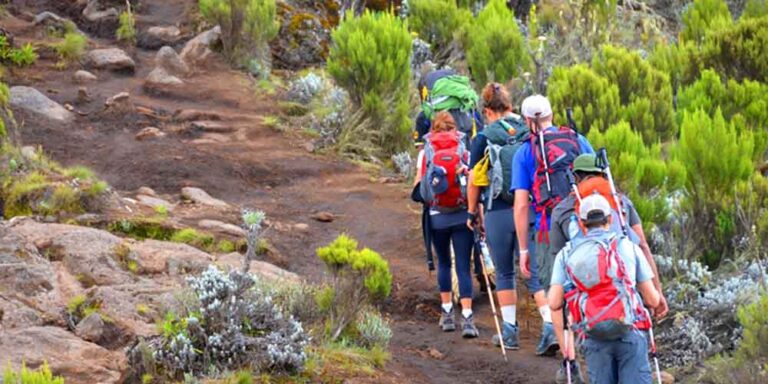
Kilimanjaro Climb With A Hindi-Speaking Guide 2026-2027
Kilimanjaro Climb with a Hindi-Speaking Guide is explained with current 2026-2027 planning, price, itinerary and booking information.
View package details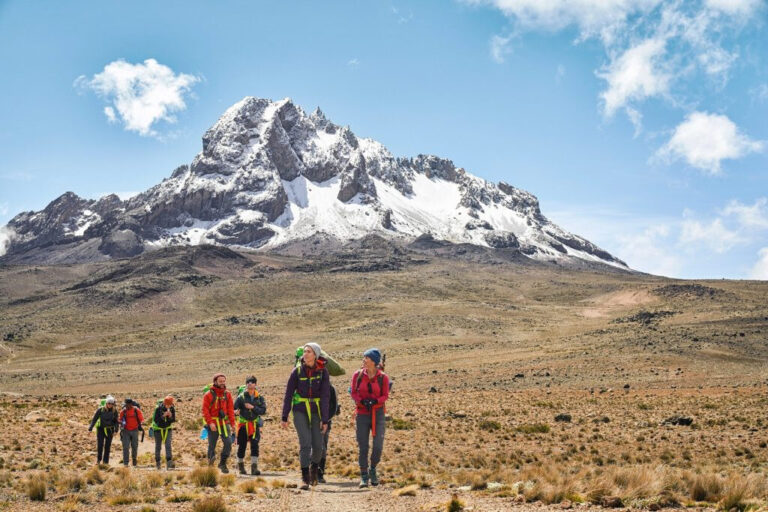
Kilimanjaro Climb With A Hebrew-Speaking Guide: Your Adventure 2026-2027
Discover how to arrange a Kilimanjaro climb with a Hebrew-speaking guide, ensuring a comfortable and culturally connected experience for Israeli hikers planning their 2026-2027 adventure...
View package details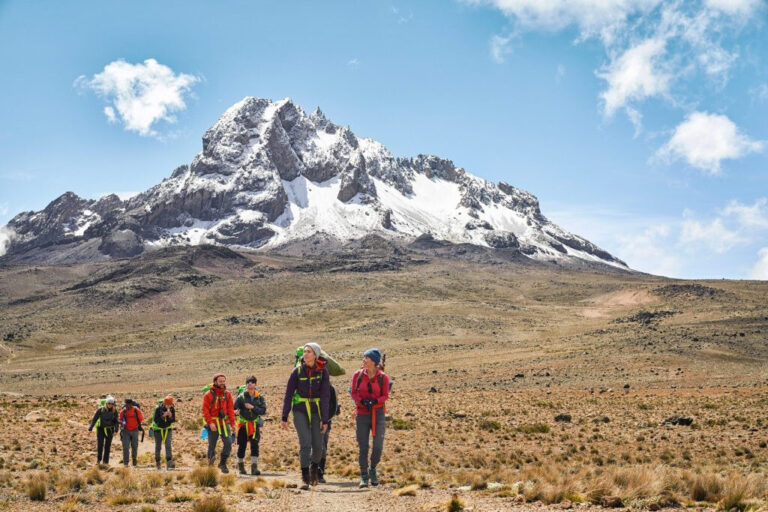
Kilimanjaro Climb With A Japanese-Speaking Guide: Your Ultimate Adventure
start your dream Kilimanjaro climb with a trusted Japanese-speaking guide from Top Guide Adventures. We provide comprehensive support, ensuring a safe and unforgettable experience on...
View package detailsKilimanjaro Climb With An Arabic-Speaking Guide In | Top Adventures 2026-2027
Ascend Mount Kilimanjaro with a dedicated Arabic-speaking guide. Top Guide Adventures provides comprehensive support, safety, and personalized experiences for your 2026-2027 climb.
View package details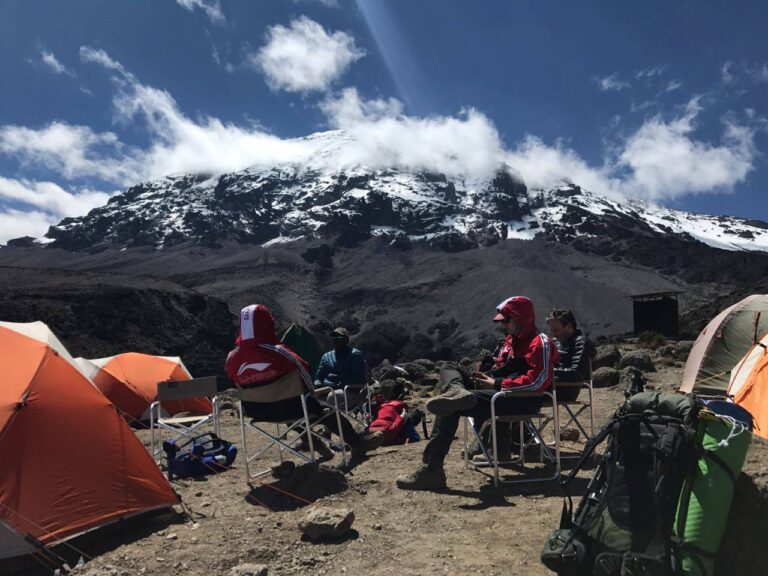
Kilimanjaro Climb With A Russian-Speaking Guide: Your Ultimate Adventure
start your Kilimanjaro adventure with a dedicated Russian-speaking guide. This comprehensive guide covers everything you need to know for a successful climb in 2026-2027, from choosing the...
View package details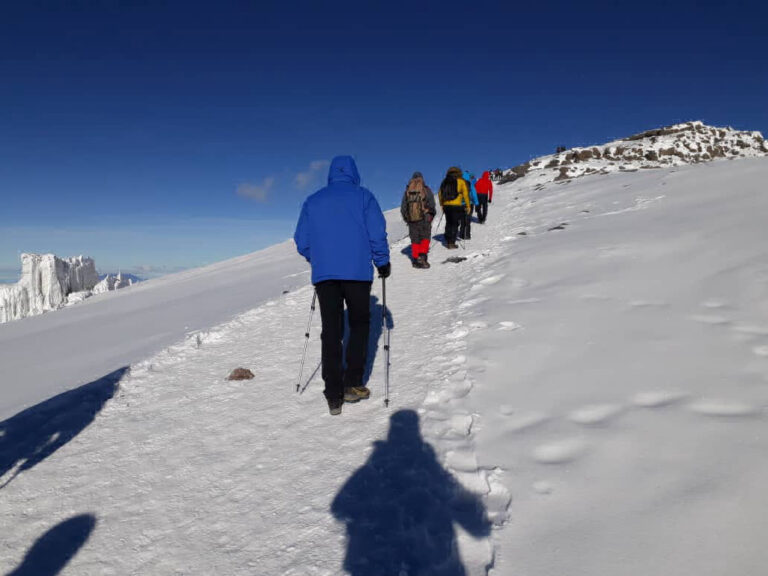
Kilimanjaro Climb With A Polish-Speaking Guide: Your Comprehensive Planning
Discover how to arrange a Kilimanjaro climb with a dedicated Polish-speaking guide. This extensive guide covers route options, preparation, costs, and booking considerations for your...
View package details
Kilimanjaro Climb With A Portuguese-Speaking Guide: Your Expert For 2026-2027
Discover everything you need to know for a Kilimanjaro climb with a Portuguese-speaking guide. Top Guide Adventures provides comprehensive planning details for your 2026-2027 ascent...
View package details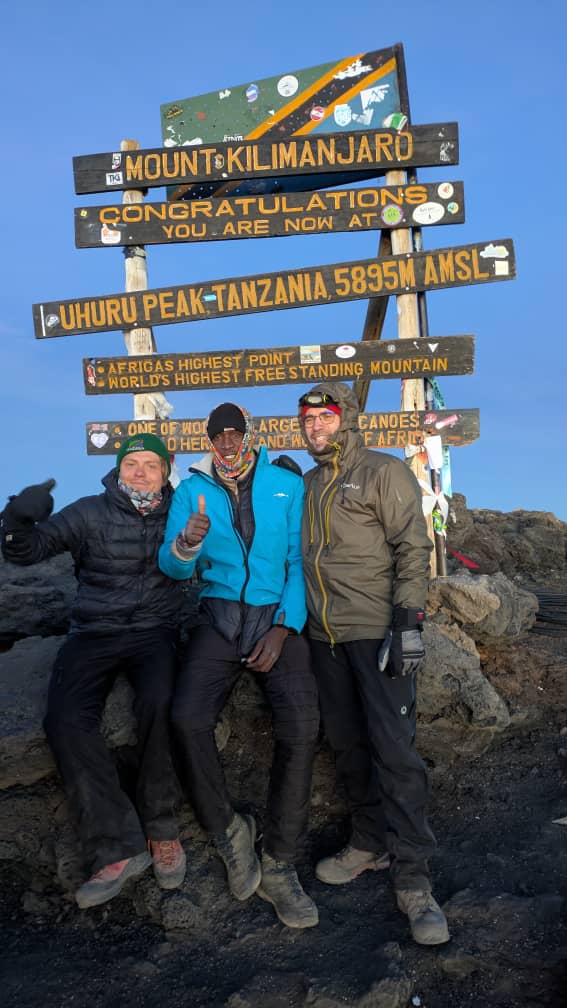
Kilimanjaro Climb With A Dutch-Speaking Guide In | Top Adventures 2026-2027
Discover the unparalleled experience of climbing Mount Kilimanjaro with a dedicated Dutch-speaking guide. Top Guide Adventures ensures your safety, comfort, and success on this iconic...
View package details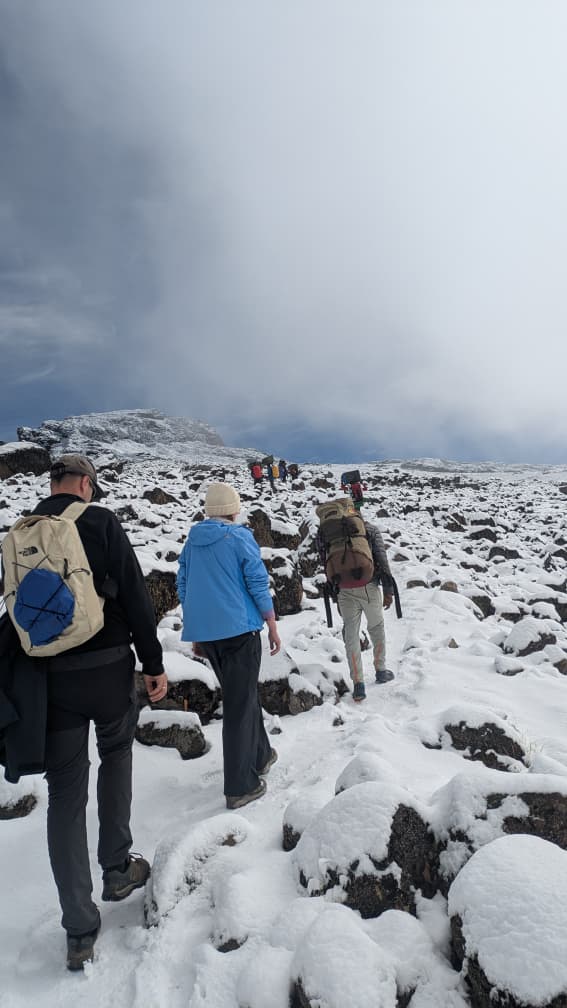
Kilimanjaro Climb With An Italian-Speaking Guide: Your Ultimate Adventure
start your dream Kilimanjaro climb with a dedicated Italian-speaking guide. Top Guide Adventures provides comprehensive support, ensuring a safe and unforgettable experience on Africa's...
View package detailsKilimanjaro Climb With A Spanish-Speaking Guide 2026-2027
Kilimanjaro Climb with a Spanish-Speaking Guide is explained with current 2026-2027 planning, price, itinerary and booking information.
View package detailsKilimanjaro Climb With A French-Speaking Guide: Your Complete Planning
Discover the unparalleled experience of climbing Mount Kilimanjaro with a dedicated French-speaking guide. This comprehensive guide covers everything you need to know for your 2026-2027...
View package detailsNo related package matches those filters. Clear one or more filters to see the other topic-matched options.



