
To successfully climb Kilimanjaro, especially for treks planned in 2026 or 2027, you should avoid foods high in fat, spicy ingredients, excessive dairy, processed meats, and carbonated beverages in the days leading up to and during your trek. These can lead to digestive upset, dehydration, and energy crashes, hindering your acclimatization and performance on the mountain. Focus instead on easily digestible carbohydrates, lean proteins, and plenty of fluids.
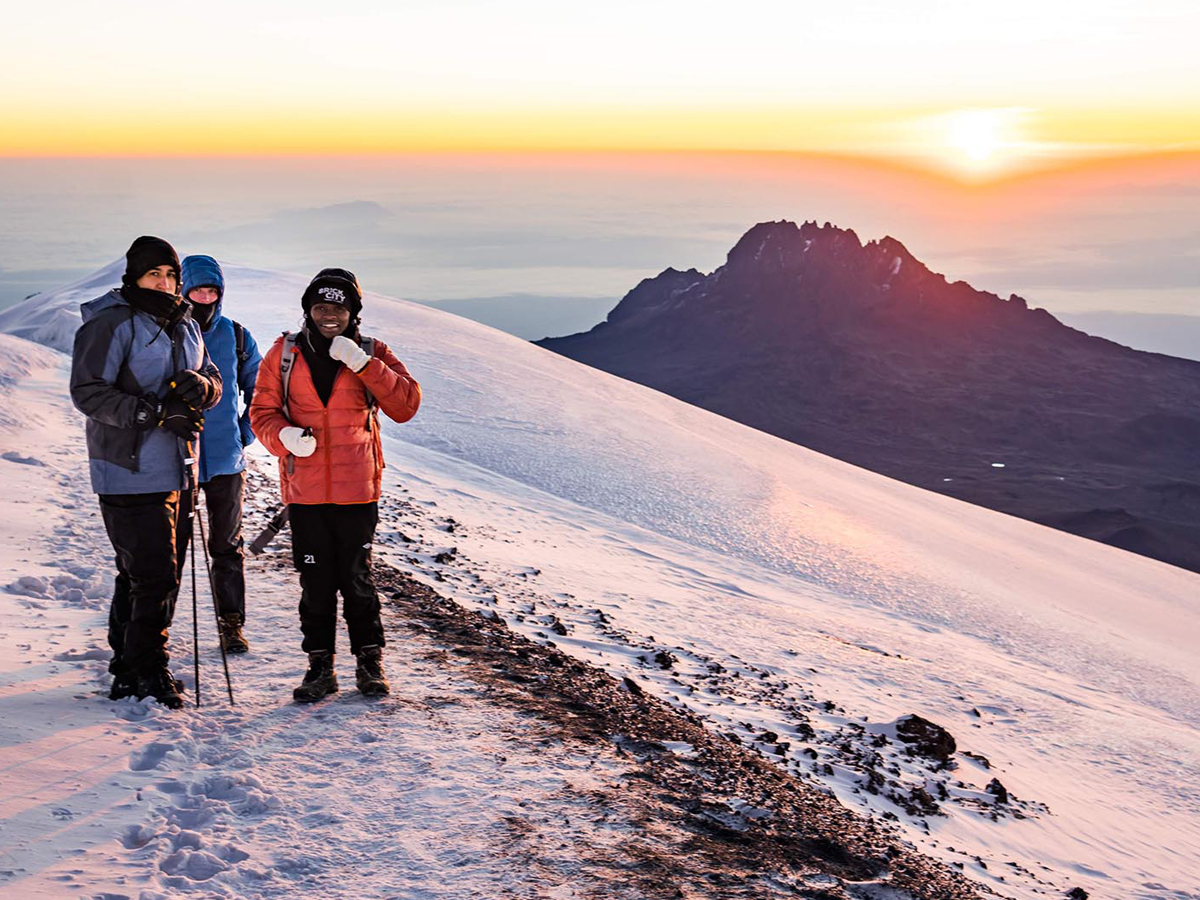
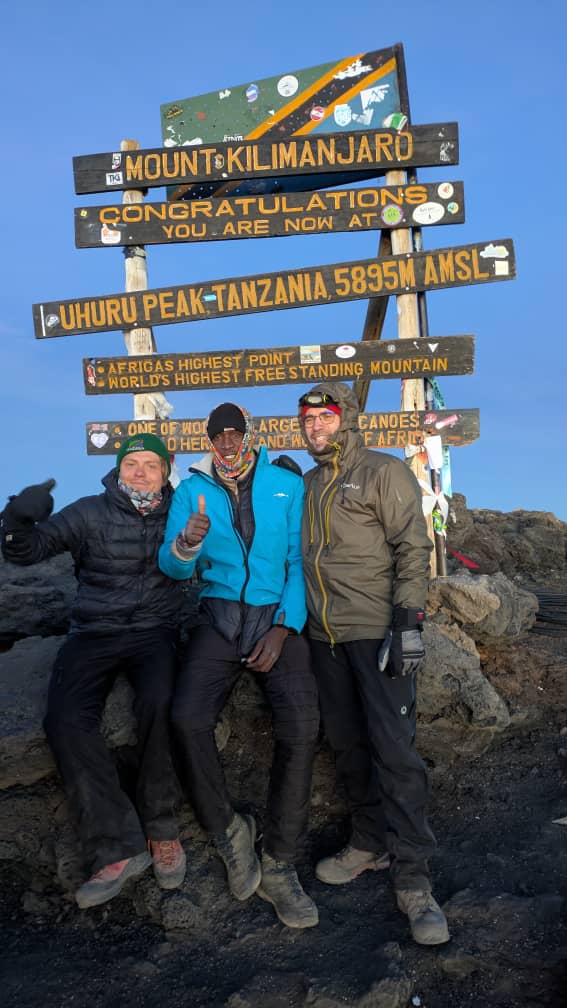
Understanding the Impact of Food on Kilimanjaro Treks
Climbing Mount Kilimanjaro is an extraordinary physical and mental challenge. While proper training and gear are paramount, the role of nutrition in preparing your body for the demanding ascent cannot be overstated. For trekkers planning their adventure in 2026 or 2027, understanding what to eat and, crucially, what foods to avoid before a Kilimanjaro climb is a critical component of a successful expedition. The goal is to optimize your body’s ability to handle altitude, maintain energy levels, and prevent gastrointestinal distress, which can quickly turn a dream trek into a miserable ordeal.
The Tanzanian environment, while offering incredible beauty, also presents unique considerations for food and water safety. Altitude itself affects digestion, slowing it down and making the body more sensitive. Therefore, the foods you consume in the days and weeks leading up to your climb, and even during the initial stages of the trek, need careful consideration. This guide will break down the specific food categories and individual items that trekkers should steer clear of to ensure they are in the best possible condition to conquer Africa’s highest peak.
Why Certain Foods Trigger Problems on High-Altitude Treks
The human body undergoes significant physiological changes at high altitudes, and these changes directly impact how we process food. As you ascend Kilimanjaro, atmospheric pressure decreases, meaning there’s less oxygen available with each breath. This forces your body to work harder, and this increased exertion extends to your digestive system.
Several factors contribute to why certain foods become problematic:
- Slower Digestion: At altitude, the body prioritizes oxygen delivery to vital organs and muscles, often diverting blood flow away from the digestive tract. This leads to slower gastric emptying and reduced nutrient absorption. Foods that are difficult to break down will linger longer, increasing the risk of indigestion, bloating, and discomfort.
- Increased Risk of Dehydration: Altitude increases fluid loss through respiration and perspiration. Certain foods, particularly those high in sodium or requiring significant water for digestion, can exacerbate dehydration. Maintaining hydration is absolutely critical for acclimatization and preventing altitude sickness.
- Energy Demands: Trekking Kilimanjaro requires sustained energy. Foods that cause blood sugar spikes and subsequent crashes (like those high in simple sugars) will lead to fatigue and reduced endurance. Conversely, heavy, fatty meals require a lot of energy to digest, diverting resources from your muscles.
- Gut Sensitivity: The changes in oxygen levels and increased stress on the body can make your gut more sensitive to irritants. Spicy foods, high-fat items, and even certain food additives can trigger inflammation or upset your stomach more readily than at sea level.
- Food Safety Concerns: While this guide focuses on inherent food properties, it’s also vital to be mindful of food safety in Tanzania. Unfamiliar bacteria or parasites in improperly prepared food can cause severe gastrointestinal illness, which is debilitating at any time, but especially dangerous on a mountain.
By understanding these physiological responses, we can better appreciate why specific dietary choices are crucial for a safe and enjoyable Kilimanjaro climb, whether you’re booking for 2026 or 2027.
High-Fat Foods: The Primary Culprits
Fats are essential for energy, but when it comes to preparing for a strenuous high-altitude trek like Kilimanjaro, they become one of the most important food groups to limit. Foods high in fat are notoriously difficult for the body to digest, especially when oxygen is scarce and the digestive system is already under strain.
Why High-Fat Foods Are Problematic
- Slow Gastric Emptying: Fat significantly slows down the rate at which your stomach empties its contents into the small intestine. This means heavy, fatty meals will sit in your stomach for much longer, increasing the likelihood of indigestion, heartburn, bloating, and nausea. On Kilimanjaro, this discomfort can be amplified by the physical exertion and altitude.
- Increased Oxygen Demand for Digestion: Digesting fats requires more oxygen than digesting carbohydrates or proteins. At altitude, where oxygen is already limited, your body must divert precious oxygen resources to the digestive process, potentially leaving less for your muscles and brain. This can lead to fatigue and reduced performance.
- Potential for Diarrhea: Some individuals are more susceptible to fat malabsorption at altitude, which can manifest as greasy, foul-smelling diarrhea. This can lead to rapid dehydration and electrolyte imbalances, severely compromising your ability to continue the trek.
Specific High-Fat Foods to Avoid
In the days and weeks leading up to your Kilimanjaro climb, and certainly during the trek itself, be mindful of these common high-fat culprits:
- Fried Foods: This includes anything deep-fried, such as French fries, fried chicken, doughnuts, samosas, and other deep-fried snacks. The process of frying saturates food with oil, making it extremely difficult to digest.
- Fatty Meats: Red meat like beef and lamb can be very fatty, especially certain cuts. Processed meats like bacon, sausages, and salami are also often high in fat and salt. Opt for leaner protein sources.
- Rich Sauces and Gravies: Cream-based sauces, butter-based gravies, and dishes made with excessive amounts of cheese or cream are best avoided.
- Heavy Dairy Products: Full-fat cheese, butter, cream, and whole milk can be challenging to digest. While some dairy might be tolerated, large amounts or very rich dairy products should be limited.
- Pastries and Baked Goods: Many cakes, cookies, croissants, and other baked goods rely heavily on butter, oil, or shortening, making them high in fat.
- Oily Snacks: Chips, crisps, nuts (in very large quantities), and other oily snacks should be consumed sparingly.
For trekkers planning their 2026 or 2027 Kilimanjaro expeditions, prioritizing lean protein and complex carbohydrates will provide more sustainable energy and be much kinder to their digestive systems.
Spicy Foods and Their Impact on the Gut
While a bit of spice can liven up a meal, highly spiced foods are another category to approach with caution, especially when preparing for a high-altitude trek. The capsaicin and other compounds in chili peppers and strong spices can irritate the digestive tract, leading to a range of uncomfortable symptoms.
Why Spicy Foods Are Risky
- Gastrointestinal Irritation: Spices, particularly chili peppers, can irritate the lining of the stomach and intestines. This can cause heartburn, acid reflux, stomach cramps, and diarrhea. At altitude, these symptoms can be exacerbated by the body’s already stressed state.
- Increased Bowel Motility: Some spices can stimulate the digestive system, leading to more frequent bowel movements or even diarrhea. This can be a significant problem on a trek where access to clean facilities is limited and dehydration is a constant concern.
- Aggravation of Existing Conditions: If you have a sensitive stomach or a condition like Irritable Bowel Syndrome (IBS), spicy foods are almost certain to trigger symptoms.
Common Spicy Foods to Limit or Avoid
Be vigilant about the spice level in your meals in the weeks before your climb and during the trek:
- Chili Peppers: Fresh or dried, in any form (powder, flakes, sauces).
- Hot Sauces: Tabasco, sriracha, peri-peri, and other potent hot sauces.
- Curries: Many traditional curries are heavily spiced. While some milder versions might be acceptable, it’s safer to avoid very hot curries.
- Certain Spice Blends: Be aware of spice mixes that contain a lot of cayenne, chili powder, or other hot spices.
- Horseradish and Wasabi: These can also cause significant irritation.
For your 2026 or 2027 Kilimanjaro climb, opt for meals seasoned with herbs and mild spices like ginger, garlic, cumin, coriander, and turmeric, which are generally easier on the stomach.
Excessive Dairy Consumption: A Potential Pitfall
Dairy products can be a source of calcium and protein, but for many people, especially at altitude, they can cause digestive issues. Lactose intolerance is common, and even those who tolerate dairy well at sea level might find it problematic during strenuous exercise and high-altitude exposure.
Reasons to Be Cautious with Dairy
- Lactose Intolerance: Many adults produce less lactase, the enzyme needed to digest lactose (the sugar in milk). This leads to bloating, gas, abdominal pain, and diarrhea. Symptoms can worsen at altitude.
- Increased Mucus Production: Some believe that dairy can increase mucus production, which is undesirable when trying to breathe efficiently at altitude and avoid respiratory congestion. While scientific evidence for this is debated, many trekkers report feeling better when reducing dairy.
- High Fat Content: As mentioned, many dairy products (like full-fat cheese and butter) are also high in fat, compounding the digestive issues.
Dairy Products to Moderate or Avoid
- Milk: Especially full-fat milk. Low-fat or lactose-free options might be better tolerated by some, but moderation is key.
- Cheese: Hard, aged cheeses are often lower in lactose but can still be high in fat. Soft, creamy cheeses are generally higher in fat and lactose.
- Yogurt: Plain, unsweetened yogurt, particularly live culture varieties, can be easier to digest for some due to the presence of beneficial bacteria. However, flavored yogurts often contain high amounts of sugar.
- Butter and Cream: High in fat and best avoided in large quantities.
If you regularly consume dairy and tolerate it well, you might not need to cut it out entirely, but significantly reducing your intake in the days before your 2026 or 2027 Kilimanjaro climb is advisable. Consider plant-based alternatives if you experience any discomfort.
Processed Meats and Preservatives
Processed meats, while convenient and often flavorful, are typically high in sodium, saturated fats, and preservatives. These components can negatively impact your body’s hydration status and digestive comfort, making them unsuitable for pre-Kilimanjaro preparation.
Why Processed Meats Are a Poor Choice
- High Sodium Content: Excessive sodium intake can lead to water retention and dehydration, as your body tries to balance its sodium levels. Proper hydration is crucial for acclimatization, and high-sodium foods work against this goal.
- Saturated Fats: Many processed meats are high in saturated fats, contributing to the digestive challenges discussed earlier.
- Preservatives and Additives: Nitrates, nitrites, and other additives found in processed meats can be hard on the digestive system for some individuals, potentially causing stomach upset or allergic reactions.
- Often Greasy: Many processed meats, like bacon and some sausages, are inherently greasy and difficult to digest.
Examples of Processed Meats to Avoid
- Bacon
- Sausages (unless specifically lean and low-sodium)
- Hot dogs
- Deli meats (ham, salami, bologna)
- Canned meats
- Jerky (often high in sodium and can be tough to digest)
For your 2026 or 2027 Kilimanjaro adventure, prioritize fresh, lean protein sources like grilled chicken or fish, legumes, or tofu.
Carbonated Beverages and Sugary Drinks
Staying hydrated is non-negotiable on Kilimanjaro, but the type of fluids you consume matters significantly. Carbonated drinks and overly sugary beverages can do more harm than good.
The Downside of Fizzy and Sugary Drinks
- Gas and Bloating: The carbonation in sodas, sparkling water, and some beers can introduce excess gas into your digestive system, leading to bloating and discomfort. This is particularly problematic at altitude where the body is already struggling with reduced oxygen and pressure.
- Dehydration: Sugary drinks can actually contribute to dehydration. High sugar content can draw water out of your cells and into the digestive tract, and the body uses more water to process excess sugar.
- Energy Spikes and Crashes: Sugary drinks provide a quick burst of energy followed by a sharp drop, leading to fatigue and reduced concentration. This rollercoaster is detrimental to sustained trekking performance.
- Acidity: Many carbonated and sugary drinks are highly acidic, which can contribute to heartburn and upset the stomach’s natural pH balance.
Beverages to Limit or Avoid
- Sodas (cola, lemonade, etc.)
- Sparkling water (unless you tolerate it well and it’s plain)
- Energy drinks
- Sweetened fruit juices
- Excessive amounts of coffee or caffeinated teas (can be dehydrating)
Your primary hydration sources should be plain water, herbal teas, and electrolyte-replenishing drinks (without excessive sugar). For those planning a 2026 or 2027 climb, making water your default beverage is the best strategy.
Alcohol: A Major Acclimatization Blocker
Alcohol consumption is one of the most detrimental habits for anyone attempting a high-altitude trek. Its effects on the body are directly counterproductive to acclimatization and overall performance on Kilimanjaro.
Why Alcohol is Harmful at Altitude
- Dehydration: Alcohol is a diuretic, meaning it increases urine production, leading to significant fluid loss. This directly combats the hydration efforts needed for acclimatization and can accelerate the onset of altitude sickness.
- Impaired Judgment and Coordination: Altitude already affects cognitive function. Alcohol further impairs judgment, coordination, and reaction time, increasing the risk of accidents on the trail.
- Disrupted Sleep: While alcohol might make you feel sleepy initially, it disrupts the quality of sleep, leading to poorer rest and recovery, which is essential for trekking.
- Increased Altitude Sickness Symptoms: Alcohol can mimic or worsen symptoms of altitude sickness, such as headaches, nausea, and dizziness, making it difficult to distinguish between the effects of alcohol and actual altitude-related issues.
- Metabolic Strain: The body prioritizes metabolizing alcohol, diverting resources away from other crucial functions, including oxygen transport and energy production.
Recommendations for Alcohol
It is strongly recommended to avoid alcohol entirely for at least 48 hours before your Kilimanjaro climb begins, and ideally for the entire week leading up to it. Continuing to avoid alcohol during the trek is also crucial for a safe and successful ascent. This applies equally to trekkers aiming for 2026 or 2027 expeditions.
Caffeine: Moderation is Key
Caffeine, found in coffee, tea, and some sodas, has mixed effects at altitude. While it can provide a temporary energy boost, excessive consumption can lead to dehydration and disrupt sleep.
Caffeine’s Role and Risks
- Diuretic Effect: Caffeine can act as a mild diuretic, potentially contributing to dehydration if fluid intake isn’t sufficient.
- Sleep Disruption: Consuming caffeine late in the day can interfere with sleep quality, which is vital for recovery and acclimatization.
- Anxiety and Jitters: At altitude, some individuals become more sensitive to caffeine, experiencing increased anxiety, heart palpitations, or jitters.
- Withdrawal Headaches: If you are a regular heavy coffee drinker, stopping abruptly can lead to caffeine withdrawal headaches, which can be mistaken for altitude headaches.
Tips for Caffeine Consumption
If you are a regular coffee or tea drinker:
- Gradually Reduce Intake: If you consume large amounts, start reducing your intake a week or two before your climb to avoid withdrawal symptoms.
- Moderate Consumption: A single cup of coffee or tea in the morning is generally acceptable for most people, provided you stay well-hydrated.
- Avoid Late-Day Caffeine: Steer clear of caffeine in the afternoon and evening to protect your sleep.
- Listen to Your Body: Pay attention to how caffeine affects you at higher altitudes. If you notice negative side effects, it’s best to abstain.
For those planning their 2026 or 2027 Kilimanjaro climb, a mindful approach to caffeine will support better hydration and sleep.
Foods That Can Cause Gas and Bloating
Certain foods are known to produce gas as they are digested. While this might be a minor inconvenience at sea level, the reduced pressure and increased physical strain at altitude can make gas and bloating significantly more uncomfortable and disruptive.
Common Gas-Producing Foods
- Beans and Legumes: Lentils, chickpeas, kidney beans, and other pulses are notorious for causing gas due to their high fiber and complex carbohydrate content.
- Cruciferous Vegetables: Broccoli, cauliflower, Brussels sprouts, cabbage, and kale contain raffinose, a sugar that is difficult for the human body to digest.
- Onions and Garlic: These contain fructans, a type of carbohydrate that can ferment in the gut, producing gas.
- Whole Grains: While excellent sources of fiber, large quantities of certain whole grains can cause gas, especially if your body isn’t accustomed to them.
- Dairy Products: As mentioned, lactose in dairy can cause gas and bloating in intolerant individuals.
- Artificial Sweeteners: Sorbitol, mannitol, and xylitol can have a laxative effect and cause gas.
Managing Gas and Bloating Before Your Climb
In the 3-5 days leading up to your Kilimanjaro climb, it’s wise to reduce your intake of these foods. While they are healthy, their potential to cause discomfort on the mountain outweighs their benefits in the immediate pre-trek period. Focus on easily digestible carbohydrates like white rice, pasta, potatoes, and well-cooked fruits and vegetables that you know you tolerate well. This strategy is essential for trekkers in 2026 and 2027.
Raw Foods and Unpasteurized Products
While a diet rich in raw fruits and vegetables is generally healthy, introducing large amounts of raw food right before a strenuous trek can be problematic. Similarly, unpasteurized products carry a higher risk of foodborne illness.
Risks Associated with Raw and Unpasteurized Items
- Digestive Strain: Raw vegetables, in particular, can be harder to digest than their cooked counterparts due to their fiber structure. This can lead to gas and bloating.
- Foodborne Illness: Unpasteurized milk, cheese, juices, and improperly washed raw produce can harbor harmful bacteria like E. coli, Salmonella, and Listeria. Getting sick from foodborne illness on Kilimanjaro would be extremely debilitating and dangerous.
- Contamination Risk: Even pasteurized produce can be contaminated if handled improperly or not washed thoroughly.
Recommendations
- Cook Vegetables: Opt for cooked vegetables in the days before your trek. Steaming, boiling, or roasting makes them easier to digest.
- Peel Fruits: While fruits are generally safe, peeling them removes the outer layer where potential contaminants might reside.
- Avoid Unpasteurized Products: Be extremely cautious with any dairy products, juices, or other items that are not clearly labeled as pasteurized.
- Thorough Washing: If you do consume raw produce, ensure it is washed thoroughly under clean running water.
For trekkers in 2026 and 2027, prioritizing cooked, easily digestible foods and avoiding any risk of foodborne illness is paramount.
The Importance of Hydration: What to Drink
While this article focuses on what to avoid, it’s impossible to discuss food without emphasizing hydration. Proper hydration is arguably the most critical factor for successful acclimatization and preventing altitude sickness. Your body needs significantly more fluids at altitude.
Recommended Beverages
- Water: This should be your primary beverage. Aim for at least 3-4 liters per day, and more if you’re sweating heavily or feeling the effects of altitude.
- Herbal Teas: Non-caffeinated herbal teas (like peppermint, chamomile, or ginger) are excellent for hydration and can be soothing.
- Electrolyte Drinks: Especially useful after strenuous activity or heavy sweating. Choose options that are not overly sweet. Diluting sports drinks with water can also be a good strategy.
- Clear Broths: Warm, clear broths can provide hydration and electrolytes, and are easy to digest.
What to Avoid (Recap)
- Alcohol
- Sugary sodas and juices
- Excessive caffeine
- Carbonated beverages
For your 2026 or 2027 Kilimanjaro climb, making hydration a priority will significantly enhance your experience and safety.
Practical Dietary Strategies in the Week Before Your Climb
The weeks and days leading up to your Kilimanjaro expedition are crucial for fine-tuning your diet. The goal is to transition your body into a state where it is well-fueled, hydrated, and its digestive system is calm and efficient.
General Guidelines (7-10 Days Prior)
- Focus on Complex Carbohydrates: These are your primary fuel source. Think whole grains (oats, brown rice, quinoa), starchy vegetables (potatoes, sweet potatoes), and fruits.
- Lean Protein: Include sources like grilled chicken, fish, turkey, tofu, and legumes.
- Healthy Fats in Moderation: Avocados, nuts, seeds, and olive oil are beneficial but should not dominate your diet.
- Plenty of Fruits and Vegetables: Aim for a variety of colors. Cooked vegetables are generally easier to digest than raw ones at this stage.
- Consistent Hydration: Make drinking water a habit throughout the day.
Specific Foods to Reduce or Eliminate (3-5 Days Prior)
- High-Fat Foods: Fried items, fatty meats, rich sauces.
- Spicy Foods: Anything with significant chili or strong spices.
- Excessive Dairy: Especially full-fat products if you are sensitive.
- Processed Meats: Bacon, sausages, deli meats.
- Gas-Producing Foods: Beans, cruciferous vegetables, onions.
- Alcohol: Absolutely essential to cut out.
- Sugary Drinks & Carbonated Beverages: Stick to water and herbal teas.
The Day Before Your Climb
On the day before you begin your ascent, focus on a light, easily digestible meal. A good option could be:
- Breakfast: Oatmeal with fruit, or scrambled eggs with toast.
- Lunch: Grilled chicken or fish with plain rice and steamed vegetables.
- Dinner: Pasta with a light tomato sauce and lean ground turkey, or baked fish with boiled potatoes.
Ensure you are drinking plenty of water throughout the day. Avoid trying any new or unfamiliar foods. This careful preparation is key for all trekkers, whether aiming for 2026 or 2027.
Nutrition During the Kilimanjaro Climb Itself
The principles of what to avoid continue during the trek, but the practicalities change. Your tour operator will provide meals, and these are generally designed to be suitable for high-altitude trekking. However, understanding the underlying principles helps you make the best choices from the options provided.
What to Expect from Camp Food
Reputable operators like Top Guide Adventures focus on providing nutritious, energy-dense meals that are relatively easy to digest. Expect:
- Carbohydrate-Rich Meals: Porridge, pancakes, pasta, rice, potatoes, chapati.
- Lean Proteins: Chicken, eggs, sometimes fish or beans.
- Cooked Vegetables: Usually stewed or boiled.
- Soups: Often provided at lunch or dinner for hydration and warmth.
- Fruits: Often served for breakfast or dessert.
Making Smart Choices on the Mountain
- Prioritize Carbohydrates: These are your primary fuel. Don’t shy away from pasta, rice, and potatoes.
- Stay Hydrated: Drink water constantly. You’ll be provided with boiled water, and you should also carry purification tablets or a filter as a backup. Add electrolyte powder if available and needed.
- Listen to Your Body: If a particular meal doesn’t agree with you, don’t force it. Stick to simpler options.
- Avoid Unnecessary Snacks: While energy bars and nuts are good for quick boosts, avoid relying on overly processed or greasy snacks.
- Limit Caffeine and Sugary Drinks: Stick to water and herbal teas.
- No Alcohol: This remains a strict rule during the trek.
Your guides and cooks are experienced in preparing food for trekkers. Communicate any dietary needs or concerns you have. For anyone planning a 2026 or 2027 climb, trusting your expedition team’s food provisions, while making mindful personal choices, is key.
Common Mistakes and How to Avoid Them
Many trekkers make similar dietary mistakes that can hinder their Kilimanjaro journey. Being aware of these common pitfalls can help you prepare more effectively.
Common Pre-Climb Dietary Mistakes:
- Trying New Foods Just Before the Trip: Your body needs consistency. Stick to foods you know agree with you.
- Overeating Rich Foods: Believing you need to ‘stock up’ on heavy meals can backfire, leading to digestive issues.
- Underestimating Hydration Needs: Thinking you’re drinking enough when you’re not. Aim for significantly more fluid than you think you need.
- Consuming Alcohol Heavily in the Final Days: This is a critical error that severely impacts acclimatization.
- Ignoring Food Safety: Eating from questionable street vendors or consuming unverified products in the days before departure.
- Relying Solely on Supplements: While some supplements might be useful, they cannot replace a balanced, easily digestible diet.
By actively avoiding these common mistakes, trekkers preparing for their 2026 or 2027 Kilimanjaro adventure can significantly improve their chances of a comfortable and successful climb.
When to Seek Professional Advice
While this guide provides comprehensive information, individual dietary needs and sensitivities vary. If you have pre-existing medical conditions, particularly those related to digestion, or are unsure about specific dietary adjustments, consulting a professional is highly recommended.
- Registered Dietitian or Nutritionist: They can help you create a personalized pre-trek meal plan tailored to your body and the demands of high-altitude trekking.
- Your Doctor: Discuss your travel plans and any concerns about altitude or dietary changes. They can provide medical advice specific to your health status.
For trekkers planning their 2026 or 2027 Kilimanjaro climb, investing in professional advice can provide peace of mind and optimize your preparation.
Planning Your Kilimanjaro Expedition with Top Guide Adventures
At Top Guide Adventures, we understand that a successful Kilimanjaro climb involves meticulous planning, from training and gear to nutrition and logistics. We are committed to providing our clients with the support they need for an unforgettable experience. Our experienced team can offer guidance on various aspects of your trek, including dietary considerations.
We organize comprehensive Kilimanjaro climbs, ensuring safety, comfort, and a high chance of summit success. Our itineraries are designed to allow for proper acclimatization, and our cooks prepare nutritious meals on the mountain. While we provide excellent food during the trek, understanding what to eat and avoid beforehand is crucial, and we are happy to offer advice.
Whether you are looking to join a group departure in 2026 or arrange a private climb for 2027, we cater to your needs. Explore our options for Machame Route climbs or other popular routes. We also offer a wide range of Tanzania safaris and tours for those wishing to extend their adventure.
Preparing your body with the right nutrition is a vital step. By avoiding the foods discussed in this guide, you will significantly enhance your ability to acclimatize, maintain energy, and enjoy your Kilimanjaro adventure to the fullest. We look forward to helping you achieve your summit goal.
For inquiries about planning your 2026 or 2027 Kilimanjaro climb or any other Tanzanian adventure, please do not hesitate to contact us:
- WhatsApp: +255616946642
- Email: topguideadventures@gmail.com
- Backup Email: info@topguideadventures.com
- Follow us on Instagram: @top_guide_adventures
- Visit our website: www.topguideadventures.com
- Read reviews on TripAdvisor: Top Guide Adventures Reviews
Check Availability for Foods To Avoid Before A Kilimanjaro Climb: Expert Guide For Trekkers…
Ready to compare dates, prices, and the best option for your group? Send the package name and travel month so the team can reply with a clear quote, availability, and what is included.
Should You Climb Mount Meru Before Kilimanjaro? 2026-2027
Should You Climb Mount Meru before Kilimanjaro? is explained with current 2026-2027 planning, price, itinerary and booking information.
View package details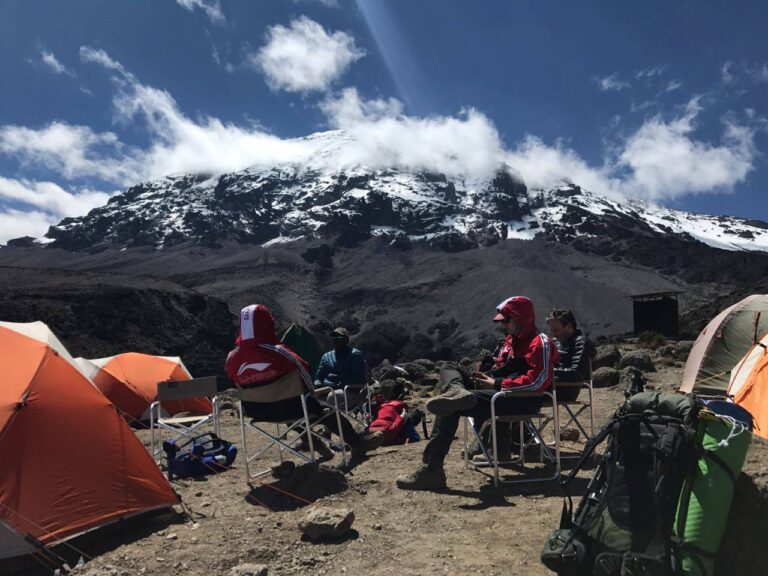
Mount Longido Acclimatization Hike Before Kilimanjaro Climb | Top Guide
Discover why a Mount Longido acclimatization hike is crucial for Kilimanjaro success. Learn about its benefits, routes, and how Top Guide Adventures can integrate it into your 2026-2027...
View package details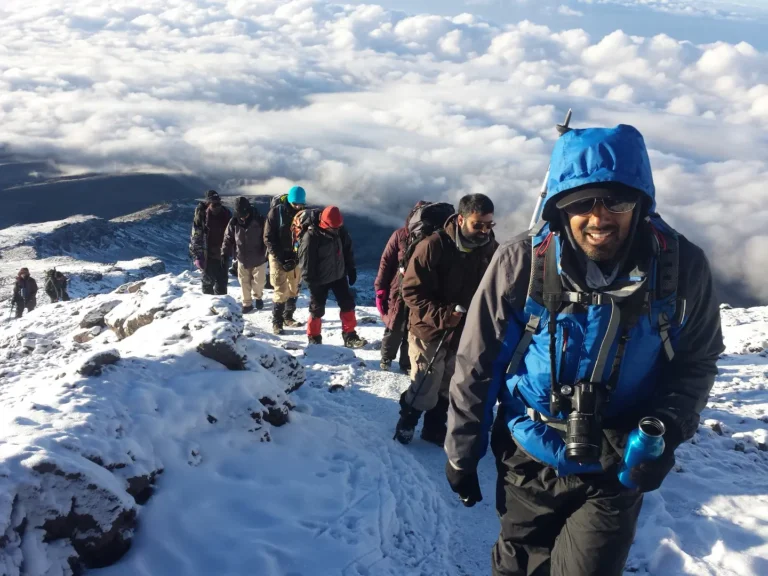
How Many Nights Should You Stay Before Kilimanjaro Climb? 2026-2027
The crucial question of how many nights to stay before climbing Kilimanjaro directly impacts your acclimatization and overall success. Experts recommend a minimum of 2-3 nights in Moshi or...
View package details
Late-Night Arrival At Kilimanjaro Airport Before Your Climb: Essential
Planning a Kilimanjaro climb with a late-night arrival at Kilimanjaro International Airport (JRO)? This guide covers everything you need to know for a smooth transition from the airport to...
View package details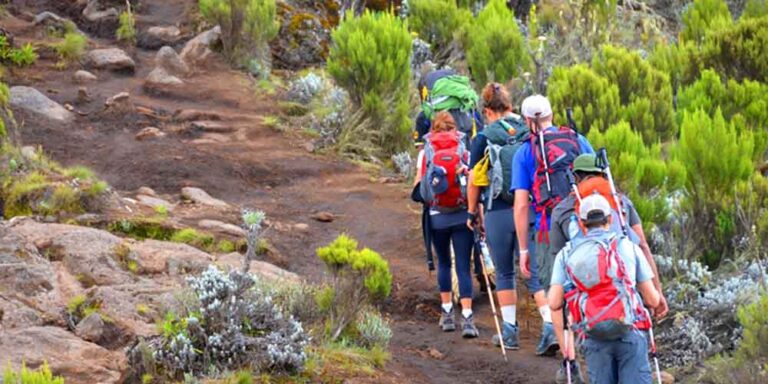
Kilimanjaro Climb With A Hindi-Speaking Guide 2026-2027
Kilimanjaro Climb with a Hindi-Speaking Guide is explained with current 2026-2027 planning, price, itinerary and booking information.
View package details
Kilimanjaro Climb With A Hebrew-Speaking Guide: Your Adventure 2026-2027
Discover how to arrange a Kilimanjaro climb with a Hebrew-speaking guide, ensuring a comfortable and culturally connected experience for Israeli hikers planning their 2026-2027 adventure...
View package detailsKilimanjaro Climb With A Korean-Speaking Guide 2026-2027
Kilimanjaro Climb with a Korean-Speaking Guide is explained with current 2026-2027 planning, price, itinerary and booking information.
View package details
Kilimanjaro Climb With A Japanese-Speaking Guide: Your Ultimate Adventure
start your dream Kilimanjaro climb with a trusted Japanese-speaking guide from Top Guide Adventures. We provide comprehensive support, ensuring a safe and unforgettable experience on...
View package detailsKilimanjaro Climb With An Arabic-Speaking Guide In | Top Adventures 2026-2027
Ascend Mount Kilimanjaro with a dedicated Arabic-speaking guide. Top Guide Adventures provides comprehensive support, safety, and personalized experiences for your 2026-2027 climb.
View package detailsKilimanjaro Climb With A Russian-Speaking Guide: Your Ultimate Adventure
start your Kilimanjaro adventure with a dedicated Russian-speaking guide. This comprehensive guide covers everything you need to know for a successful climb in 2026-2027, from choosing the...
View package details
Kilimanjaro Climb With A Polish-Speaking Guide: Your Comprehensive Planning
Discover how to arrange a Kilimanjaro climb with a dedicated Polish-speaking guide. This extensive guide covers route options, preparation, costs, and booking considerations for your...
View package details
Kilimanjaro Climb With A Portuguese-Speaking Guide: Your Expert For 2026-2027
Discover everything you need to know for a Kilimanjaro climb with a Portuguese-speaking guide. Top Guide Adventures provides comprehensive planning details for your 2026-2027 ascent...
View package detailsNo related package matches those filters. Clear one or more filters to see the other topic-matched options.



