
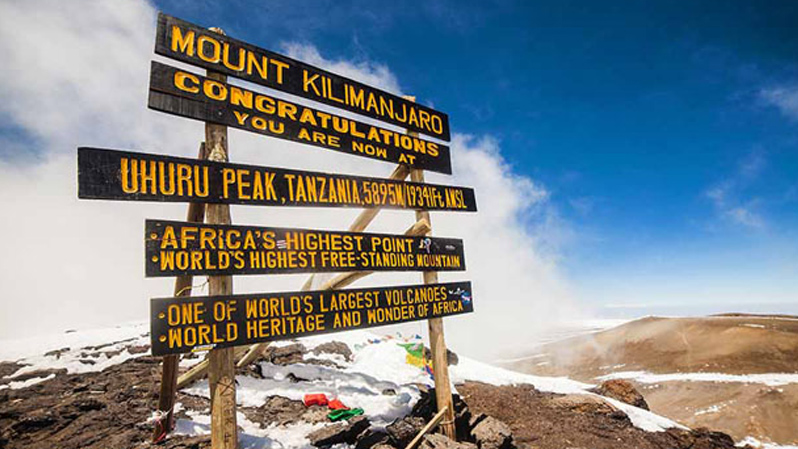
Climbing Mount Meru before Kilimanjaro is a highly recommended strategy for serious trekkers aiming to improve their acclimatization, enhance their overall mountain experience, and gain valuable high-altitude experience. While not strictly necessary, Meru’s challenging terrain and significant altitude (4,566m / 14,980ft) serve as an excellent training ground, potentially increasing your chances of success on the higher Mount Kilimanjaro (5,895m / 19,341ft). It adds an extra layer of adventure to your Tanzanian trip, offering spectacular wildlife viewing and diverse landscapes, making it a worthwhile consideration for your 2026-2027 travel plans.
Why Consider Mount Meru as a Kilimanjaro Pre-Trek?
For many adventurers dreaming of standing on the roof of Africa, Mount Kilimanjaro is the ultimate goal. However, the journey to Uhuru Peak is not to be underestimated. The sheer altitude, combined with varying weather conditions and the physical demands of trekking for multiple days, poses a significant challenge. This is where Mount Meru often enters the conversation for seasoned trekkers and those looking to maximize their Tanzanian mountain experience. Climbing Mount Meru before Kilimanjaro is more than just adding another peak; it’s a strategic decision that can profoundly impact your success and enjoyment on the latter.
Meru, Tanzania’s second-highest mountain, stands proudly within Arusha National Park. Its volcanic origins have sculpted a dramatic landscape, offering a trek that is both visually stunning and physically demanding. At 4,566 meters (14,980 feet), it provides a substantial altitude challenge that closely mimics some of the higher sections of Kilimanjaro’s routes, making it an ideal preparatory climb. When planning your 2026-2027 expeditions, integrating Meru into your itinerary can be a important choice for your acclimatization and overall readiness.
The decision to climb Mount Meru before Kilimanjaro is driven by several key factors:
- Enhanced Acclimatization: Meru’s altitude provides crucial physiological adaptation to thin air.
- Physical Preparation: The challenging terrain hones trekking skills and stamina.
- Mental Fortitude: Successfully summiting Meru builds confidence for Kilimanjaro.
- Unique Experience: Meru offers its own distinct beauty, wildlife, and trekking rewards.
- Logistical Synergy: Both mountains are accessible from Moshi/Arusha, simplifying planning.
This guide will explore these aspects in detail, helping you make an informed decision for your 2026 or 2027 adventure. We’ll look at the benefits, potential drawbacks, logistical considerations, and how Top Guide Adventures can help you craft the perfect combined or sequential trekking experience.
The Altitude Advantage: Meru as a Natural Acclimatization Tool
The single most significant benefit of climbing Mount Meru before Kilimanjaro is acclimatization. Altitude sickness, or Acute Mountain Sickness (AMS), is the primary reason for trek failures on Kilimanjaro. It occurs when the body doesn’t have enough time to adjust to the lower levels of oxygen available at higher elevations. Symptoms can range from mild headaches and nausea to severe and life-threatening conditions like High Altitude Pulmonary Edema (HAPE) and High Altitude Cerebral Edema (HACE).
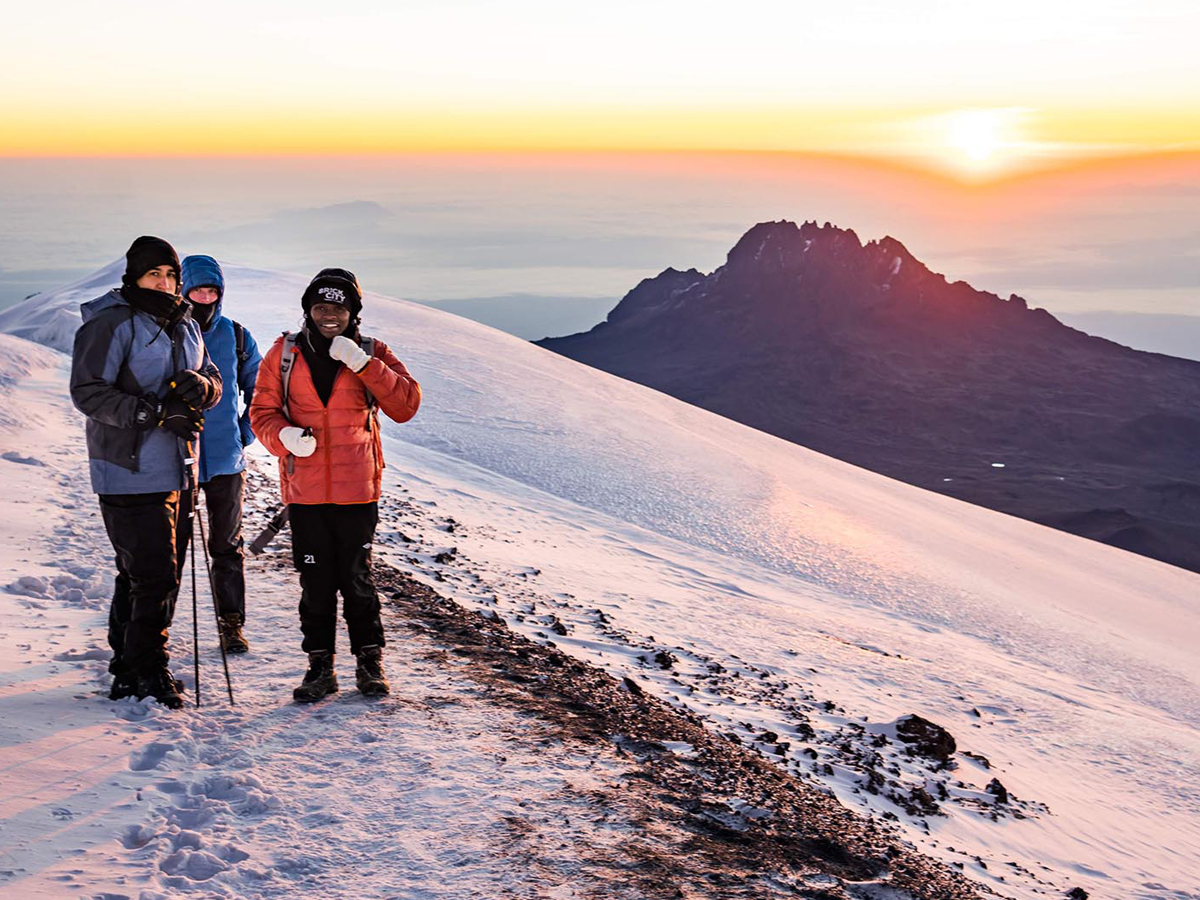
Mount Meru, reaching 4,566 meters, forces your body to begin the acclimatization process effectively. By spending several days at increasingly higher altitudes on Meru, your body starts producing more red blood cells, which are essential for carrying oxygen. This physiological adaptation is invaluable when you then ascend Kilimanjaro, which tops out at 5,895 meters.
Consider the typical ascent profiles:
- Mount Meru: Typically a 3-4 day climb. The summit night involves a significant altitude gain, often reaching above 4,000 meters for extended periods. The highest point, Socialist Peak, sits at 4,566m.
- Mount Kilimanjaro: Routes vary from 5 to 9 days. Even on shorter routes, summit night pushes climbers above 5,000 meters, with the peak at 5,895 meters. Longer routes employ a more gradual ascent, which is a proven acclimatization strategy in itself.
By completing Meru first, you are essentially giving your body a “head start” on acclimatizing. When you begin your Kilimanjaro trek, you’ll already have a baseline level of altitude tolerance. This can translate to:
- Reduced AMS Symptoms: You are less likely to experience severe altitude sickness.
- More Enjoyable Trek: When you feel better physically, you can appreciate the journey more.
- Increased Summit Success Rates: Better acclimatization is directly linked to a higher chance of reaching the summit.
For trekkers planning their 2026-2027 adventures, particularly those who may have had issues with altitude in the past or are concerned about it, incorporating Meru is a prudent choice. It’s a proactive approach to managing the primary challenge of high-altitude mountaineering.
Physical Training and Skill Development on Meru
Beyond acclimatization, Mount Meru offers a robust physical challenge that serves as excellent training for Kilimanjaro. The trails on Meru are often steeper and more rugged than many sections of Kilimanjaro’s more popular routes. This means you’ll be doing more sustained uphill and downhill trekking, which builds leg strength, cardiovascular endurance, and the stamina required for long days on the mountain.
Key physical aspects Meru helps develop:
- Leg Strength and Endurance: Steep ascents and descents on Meru are demanding.
- Core Stability: Navigating uneven terrain requires good balance and core engagement.
- Stamina for Long Days: Summit night on Meru, similar to Kilimanjaro, involves a long, arduous push.
- Pacing and Energy Management: You learn to manage your effort over multiple days.
Moreover, Meru provides an opportunity to test your gear and refine your trekking techniques. You can identify any issues with your boots, backpack, or clothing before committing to the longer Kilimanjaro expedition. Practicing using trekking poles on steep terrain, managing hydration and nutrition on multi-day treks, and understanding how your body responds to exertion at altitude are all invaluable skills honed on Meru.
For those planning for 2026 or 2027, this pre-expedition training on Meru means you arrive at Kilimanjaro’s base already in a better physical and technical state. You’ll be more comfortable with the demands of the trek, allowing you to focus more on the incredible scenery and the mental journey rather than just struggling with basic physical discomforts.
The Unique Merits of Climbing Mount Meru
While its primary role for many is as a Kilimanjaro primer, Mount Meru is a magnificent mountain in its own right, offering a distinct and rewarding trekking experience. It’s not just a warm-up; it’s a destination that deserves appreciation for its own merits.
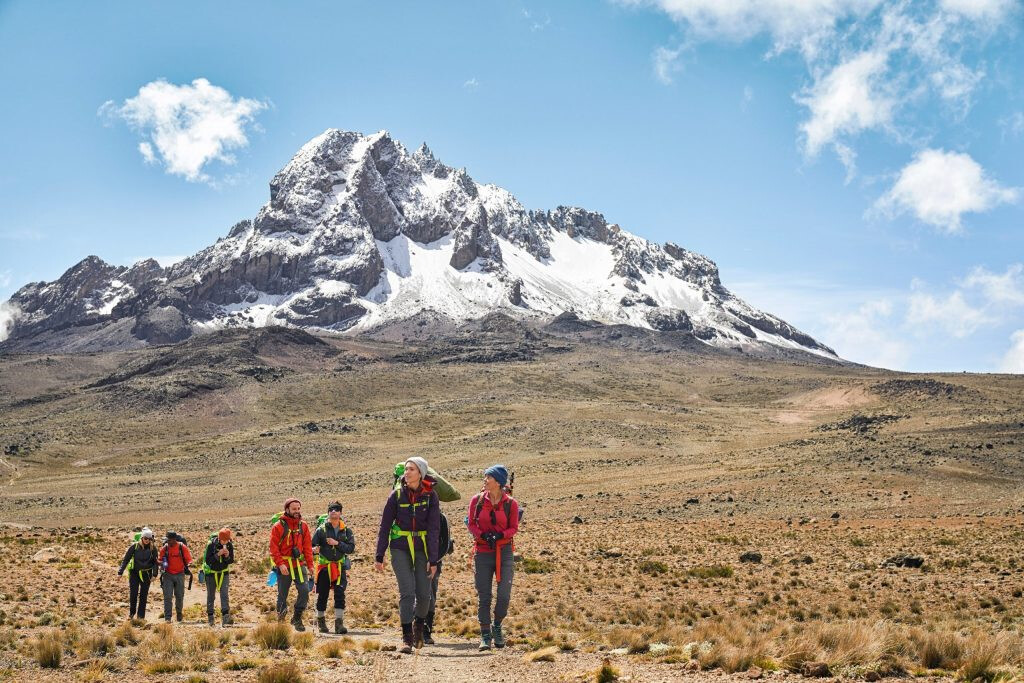
Spectacular Scenery: Meru’s landscape is impressive. The trek often traverses through diverse vegetation zones, from lush montane forests teeming with wildlife to dramatic volcanic craters and rocky ridges. The views of the Ash Cone, the crater floor, and the surrounding plains, including distant Kilimanjaro on a clear day, are spectacular.
Abundant Wildlife: Meru is located within Arusha National Park, a protected area renowned for its rich biodiversity. During your trek, you are very likely to encounter:
- Buffalo: Often seen grazing in the lower forest regions.
- Monkeys: Including colobus monkeys and various species of baboons.
- Elephants: Can sometimes be spotted.
- Birds: A paradise for birdwatchers with numerous endemic and migratory species.
- Other Antelopes: Such as dik-diks and waterbucks.
The presence of armed rangers accompanying trekkers in the lower sections is a testament to the wildlife density and adds an element of adventure and security. This is a unique aspect not found on Kilimanjaro’s routes.
Challenging Terrain: As mentioned, Meru’s trails are generally steeper and more technically demanding than most of Kilimanjaro’s routes. The final ascent to Socialist Peak is particularly challenging, involving a steep climb up a scree slope and a narrow ridge, requiring good balance and nerve. This provides a genuine mountaineering feel.
Less Crowded: Compared to Kilimanjaro, Meru sees significantly fewer trekkers. This offers a more intimate and serene mountain experience, allowing you to connect more deeply with nature and your fellow trekkers without the constant presence of large groups.
Shorter Duration: Typically a 3-4 day trek, Meru can be completed in a shorter timeframe than most Kilimanjaro routes. This makes it logistically easier to fit into a broader Tanzanian itinerary, especially if time is a constraint for your 2026-2027 travel plans.
Integrating Meru into your journey means you’re not just preparing for Kilimanjaro; you’re experiencing a world-class trek with its own unique set of rewards and challenges.
Logistical Considerations: Combining Meru and Kilimanjaro
One of the practical advantages of climbing Mount Meru before Kilimanjaro is the geographical proximity. Both mountains are accessed from the towns of Moshi and Arusha in Northern Tanzania. This significantly simplifies logistics, travel, and planning for your 2026-2027 adventures.
Travel Hubs: Moshi and Arusha are the primary gateways. Kilimanjaro International Airport (JRO) serves both. After arriving, you can easily arrange transfers to your pre-trek accommodation in either town.
Sequential Trekking: The most common approach is to trek Meru first, then descend and prepare for Kilimanjaro. This typically involves:
- Arrive in Moshi/Arusha.
- Acclimatize briefly, finalize gear checks, and meet your guides.
- Trek Mount Meru (3-4 days).
- Descend Meru, return to Moshi/Arusha for a day or two of rest and recovery.
- Begin your Mount Kilimanjaro trek (5-9 days).
This sequence allows for proper rest and repacking between climbs. Top Guide Adventures excels at managing these transitions smoothly, ensuring your gear is cleaned, maintained, and ready for the next challenge. We can arrange all necessary transfers, accommodation, and permits for both climbs.
Timing: When planning for 2026 or 2027, consider the best seasons for trekking in Tanzania. The dry seasons (typically June to October and December to February) are ideal for both mountains. However, Meru can be climbed year-round, though conditions can be more challenging during the rainy seasons.
Permits and Park Fees: Both mountains require park entry fees and trekking permits. These are substantial costs. For Meru, you’ll need Arusha National Park fees. For Kilimanjaro, fees vary by route and duration. Top Guide Adventures includes all necessary permits and fees in our transparent pricing for both climbs.
Guides and Support Crew: Both climbs require licensed guides and support staff. The experience gained by your guides on Meru will also be invaluable for your Kilimanjaro ascent. Top Guide Adventures employs highly experienced guides who are proficient on both mountains, ensuring consistent, high-quality support throughout your entire expedition.
By planning a combined Meru and Kilimanjaro expedition, you can streamline your travel, reduce logistical complexities, and ensure a well-supported, safe, and successful high-altitude adventure for your 2026-2027 travels.
Is Meru Too Difficult for Beginners?
This is a crucial question for many prospective trekkers. While Mount Meru is less crowded than Kilimanjaro, it is often considered more technically demanding and physically challenging, especially the final ascent. The trails can be steeper, rockier, and involve more scrambling and exposure than the standard Kilimanjaro routes.
Technical Difficulty: The section from the Ranger Post to the summit involves navigating narrow ridges and steep scree slopes. While not requiring technical rock climbing skills, it demands a good head for heights and solid footing. Some might find this more intimidating than anything on Kilimanjaro’s popular routes like Machame or Lemosho.
Physical Demands: The consistent steepness and rugged terrain mean Meru requires a good level of fitness. The summit night is long and arduous, often starting very early in the morning and involving significant vertical gain and loss.
Wildlife Encounters: The presence of wildlife like buffalo and elephants in the lower sections means trekkers are usually accompanied by armed rangers. While this enhances safety, it can also add a different kind of psychological pressure for some.
For the Beginner: If you are a complete beginner to trekking and have limited experience with multi-day hikes or significant altitude, attempting Meru as your very first high-altitude mountain might be ambitious. In such cases, Kilimanjaro itself, particularly on a longer route like the 8-day Lemosho or 7-day Machame, might be a more suitable starting point for high-altitude trekking. These routes are designed with acclimatization as a priority.
The Ideal Candidate for Meru First:
- Someone with good general fitness and previous experience with multi-day hikes.
- An individual who has already climbed peaks of moderate altitude (e.g., 3,000-4,000m).
- A trekker who wants a more challenging and adventurous experience before tackling Kilimanjaro.
- Someone who is keen on wildlife viewing as part of their mountain trek.
Our Recommendation: If you are fit, adventurous, and have some hiking experience, climbing Meru before Kilimanjaro is absolutely feasible and highly beneficial. If you are a true beginner with no prior trekking experience, it’s wise to consult with us at Top Guide Adventures. We can help assess your fitness and experience to recommend the best approach. Perhaps a shorter Kilimanjaro route first, or a more thorough training program, would be more appropriate for your 2026-2027 plans.
Comparing Meru vs. Kilimanjaro Routes
To better understand the decision, let’s compare Mount Meru directly with popular Mount Kilimanjaro routes. This comparison focuses on difficulty, duration, scenery, and acclimatization profile.
Mount Meru (Typical 4-Day Itinerary)
- Altitude: 4,566m (14,980ft)
- Duration: 3-4 days
- Difficulty: Moderate to Difficult (steep, rocky, ridge exposure)
- Scenery: Lush forests, volcanic crater, dramatic ridges, wildlife.
- Acclimatization: Good, but shorter duration than longer Kili routes. Summit night is a significant altitude challenge.
- Crowds: Low
- Wildlife: High (buffalo, monkeys, etc., with armed rangers)
Mount Kilimanjaro – Machame Route (Typical 7-Day Itinerary)
- Altitude: 5,895m (19,341ft)
- Duration: 6-8 days
- Difficulty: Moderate to Difficult (long trekking days, steep sections, scree)
- Scenery: Diverse ecological zones, rainforest to arctic summit.
- Acclimatization: Good, especially on 7-8 day variations due to the “climb high, sleep low” principle.
- Crowds: Moderate to High
- Wildlife: Primarily in lower forest sections.
Mount Kilimanjaro – Lemosho Route (Typical 8-Day Itinerary)
- Altitude: 5,895m (19,341ft)
- Duration: 7-9 days
- Difficulty: Moderate (considered one of the most scenic and best acclimatized routes)
- Scenery: Exceptional, crossing the Shira Plateau, varied landscapes.
- Acclimatization: Excellent, due to longer duration and “climb high, sleep low” opportunities.
- Crowds: Moderate (starts remote, joins Machame later)
- Wildlife: Present in lower forest sections.
Key Differences and Synergies:
- Altitude Gain: Meru is ~1000m lower than Kilimanjaro. However, the rate of ascent and the summit-night challenge on Meru are significant.
- Technicality: Meru’s final ascent is arguably more technically demanding (ridge walking, exposure) than the scree slopes of Kilimanjaro’s summit cone.
- Duration: Meru is shorter, making it a manageable addition. Kilimanjaro requires a longer commitment.
- Wildlife: Meru’s integration with Arusha National Park offers a much richer wildlife experience during the trek itself.
- Acclimatization Strategy: While Meru provides an altitude boost, longer Kilimanjaro routes (like 8-day Lemosho) have built-in acclimatization strategies that are very effective. Climbing Meru first complements this by providing an initial adaptation period.
If your primary goal is the best possible acclimatization for Kilimanjaro, a longer Kili route (7-8 days) is excellent. If you want to add a second, challenging, and wildlife-rich mountain experience that also aids acclimatization, then climbing Mount Meru before Kilimanjaro is the way to go. For your 2026-2027 travel, consider which type of experience aligns best with your aspirations and fitness.
The Mental Game: Confidence Building on Meru
High-altitude trekking is as much a mental challenge as it is a physical one. Pushing your limits, dealing with discomfort, and maintaining a positive attitude when exhausted are crucial for summit success. Successfully summiting Mount Meru can provide a significant boost to your mental fortitude and confidence before you even begin your Kilimanjaro ascent.
Overcoming Challenges: Meru presents its own set of challenges – steep ascents, cold summit nights, and potentially unpredictable weather. Overcoming these on Meru proves to yourself that you can handle difficult mountain conditions. You learn to manage fatigue, stay motivated, and trust your guides and your own resilience.
Familiarity with the Process: You become familiar with the rhythm of a multi-day trek: the early wake-ups, the slow pace (pole pole), the importance of hydration and nutrition, and the communal aspect of trekking with a team. This familiarity reduces the unknown factors when you start Kilimanjaro.
Trust in Your Team: You’ll build a rapport with your guides and support crew during the Meru climb. This establishes a foundation of trust, which is essential when you’re facing the immense challenge of Kilimanjaro. Knowing you have a reliable and experienced team supporting you can make a world of difference.
Sense of Accomplishment: Reaching the summit of Meru is a significant achievement. This feeling of accomplishment can be a powerful psychological anchor when you encounter difficulties on Kilimanjaro. You can draw upon the memory of your Meru success to push through tough moments.
For trekkers planning their 2026-2027 adventures, this mental preparation is invaluable. It’s not just about getting your body ready; it’s about preparing your mind for the endurance and determination required to reach the summit of Africa’s highest peak.
When Should You Plan Your Meru and Kilimanjaro Treks?
Timing is critical for any high-altitude expedition. Tanzania experiences distinct wet and dry seasons, which significantly impact trekking conditions. For those planning to climb Mount Meru before Kilimanjaro in 2026 or 2027, strategic timing can enhance safety, comfort, and success rates.
Dry Seasons (Recommended):
- June to October: This is the major dry season, offering clear skies, moderate temperatures, and stable weather. It’s considered the best time for both Meru and Kilimanjaro. Highs are generally comfortable, though nights can be cold, especially on Kilimanjaro.
- December to February: This is the shorter dry season, also known as the “short rains” season sometimes. It’s generally sunny and warm, but there’s a higher chance of afternoon showers, particularly in December. It’s still a good time to climb, often less crowded than the June-October window.
Rainy Seasons (Challenging):
- March to May: This is the long rainy season. Expect frequent, heavy downpours, especially in the afternoons. Trails can become muddy, slippery, and more challenging. Visibility can be poor, and the cold, wet conditions can be uncomfortable and increase the risk of hypothermia.
- November: This is the shoulder month between the dry and wet seasons, often referred to as the “short rains.” While not as intense as the long rains, expect intermittent showers.
Planning Your Sequence in 2026-2027:
- Option 1 (Dry Season Focus): Start with Meru in late May/early June, then immediately transition to Kilimanjaro in mid-June. Or, complete Meru in late October and Kilimanjaro in early November (though November can have short rains).
- Option 2 (Avoiding Peak Crowds): Consider the shoulder months around the dry seasons, like late May or early November. Conditions might be slightly more unpredictable, but you’ll encounter fewer trekkers.
- Option 3 (Year-Round Possibility): Meru can technically be climbed year-round. If you are well-prepared for potentially wet conditions and have flexible dates in 2026 or 2027, climbing Meru during a slightly less ideal season and then proceeding to Kilimanjaro during its prime dry season is also possible.
Recommendation: For the best experience and highest chance of success for both climbs in 2026-2027, aim for the main dry season (June-October) or the shorter dry season (December-February). If you plan a back-to-back Meru-Kilimanjaro trip, allow at least 10-14 days total, plus travel time to and from Tanzania.
What Gear is Needed for Both Meru and Kilimanjaro?
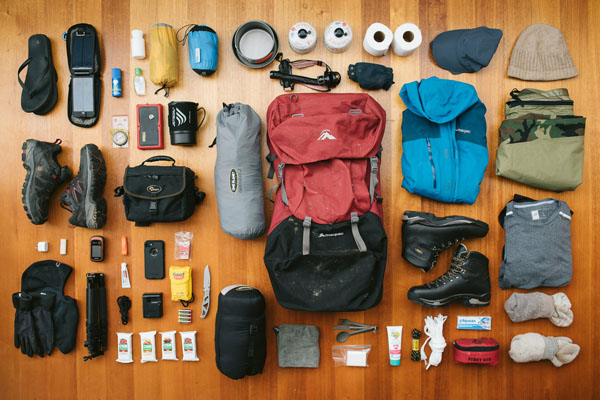
Climbing Mount Meru before Kilimanjaro means you can often use the same core set of high-altitude gear for both expeditions. This simplifies packing and potentially reduces costs. However, it’s crucial to have quality gear suitable for extreme cold, wind, and varying weather conditions. Using Meru as a test run for your gear is highly advisable.
Essential Gear Categories:
- Layering System: Base layers (thermal underwear), mid-layers (fleece or down jackets), and an outer shell (waterproof and windproof jacket and trousers).
- Footwear: Well-broken-in, waterproof hiking boots are essential. Thermal socks (wool or synthetic) are crucial. Camp shoes or sandals for evenings.
- Headwear: Warm hat (beanie), sun hat with a brim, and a balaclava or neck gaiter for face protection.
- Handwear: Liner gloves and warm, waterproof outer gloves or mittens.
- Sleeping System: A warm sleeping bag rated to at least -10°C (0°F) or -20°C (-4°F) is recommended, especially for Kilimanjaro. A sleeping bag liner adds warmth.
- Backpack: A comfortable daypack (30-40 liters) for daily essentials and a larger duffel bag (80-100 liters) for your main gear, which will be carried by porters.
- Trekking Poles: Highly recommended for stability and reducing strain on knees.
- Headlamp: With extra batteries for summit nights and early morning starts.
- Sun Protection: High SPF sunscreen, lip balm with SPF, and sunglasses.
- Hydration: Water bottles or a hydration reservoir (ensure it won’t freeze). Water purification tablets or filter.
- Personal Items: Toiletries, personal first-aid kit, camera, power bank.
Using Meru to Test Gear:
- Boots: Wear your boots extensively on Meru. Check for hotspots, rubbing, or inadequate support.
- Layers: Test how your layering system performs. Do you overheat on ascents? Do you get cold during breaks?
- Backpack: Ensure your daypack is comfortable when fully loaded.
- Sleeping Bag: See how warm your sleeping bag is on Meru’s coldest nights. You might need a warmer one for Kilimanjaro.
Top Guide Adventures provides detailed packing lists tailored to both Meru and Kilimanjaro climbs. We also offer gear rental services in Moshi for essential items like sleeping bags and warm jackets, which can be particularly useful if you are traveling from afar for your 2026-2027 expeditions.
Cost Considerations for Climbing Meru and Kilimanjaro
The cost of climbing both Mount Meru and Mount Kilimanjaro can be substantial, as it involves park fees, guide and porter salaries, food, accommodation, and logistical support. Climbing Meru before Kilimanjaro will naturally increase the overall cost of your trip, but it can offer better value in terms of experience and success rate.
Key Cost Components:
- Park Fees: These are set by the Tanzanian government and are a significant portion of the cost. Meru has Arusha National Park fees, while Kilimanjaro has substantial daily conservation and camping/hut fees depending on the route.
- Guide and Crew Salaries: Professional, experienced guides, cooks, and porters are essential for safety and success.
- Food and Accommodation: Meals provided on the mountain and accommodation before and after the climbs.
- Logistics: Transfers, equipment, emergency support.
- Permits: Kilimanjaro climbing permits.
Cost Comparison Logic:
- Kilimanjaro Only: A standard 7-day Machame or 8-day Lemosho climb with a reputable operator like Top Guide Adventures typically ranges from $2,500 to $4,500+ per person, depending on the operator’s inclusions, service level, and group size. Longer routes or private climbs will be higher.
- Meru and Kilimanjaro Combined: Adding Meru (typically a 4-day climb) will add approximately $800 to $1,500+ per person to the total cost. This includes Meru’s park fees, guide fees, food, and associated logistics.
Value Proposition: While the combined cost is higher, consider the value:
- Increased Success Rate: Better acclimatization from Meru can significantly improve your chances of summiting Kilimanjaro, making the investment more likely to yield the desired outcome.
- Enhanced Experience: You gain two distinct, incredible mountain experiences instead of one.
- Skill Development: Meru acts as a practical training ground, preparing you better for Kilimanjaro.
Budgeting for 2026-2027: It’s advisable to budget for the higher end of these ranges, especially when booking with a company that prioritizes safety, experienced guides, and quality equipment. Always inquire about what is included (e.g., park fees, meals, transfers, emergency oxygen) and what is not (e.g., tips, personal gear, travel insurance).
Top Guide Adventures offers competitive pricing for both individual climbs and combined packages. We believe in transparent pricing, clearly outlining all inclusions. Contact us via Email or WhatsApp +255616946642 for a personalized quote for your 2026-2027 Meru and Kilimanjaro adventure.
What if I Choose Kilimanjaro First?
It’s perfectly possible, and indeed very common, to climb Mount Kilimanjaro without climbing Mount Meru first. Many trekkers successfully summit Kilimanjaro each year using longer routes that prioritize acclimatization.
Benefits of Kilimanjaro First:
- Simplicity: One major climb, fewer logistical steps.
- Focus: All your training and preparation are solely for Kilimanjaro.
- Time Efficiency: If you have limited time in Tanzania, focusing solely on Kilimanjaro might be necessary.
Considerations for Kilimanjaro First:
- Route Choice is Crucial: Opt for longer routes (7-9 days) that incorporate the “climb high, sleep low” principle. Routes like the 8-day Lemosho or 7-day Machame are excellent choices for acclimatization. Avoid shorter routes (5-6 days) if you haven’t acclimatized elsewhere or have concerns about altitude.
- Physical Fitness: You need to be in excellent physical condition, as your body won’t have the prior altitude exposure that Meru provides.
- Altitude Awareness: Be highly vigilant about AMS symptoms and communicate openly with your guide.
Top Guide Adventures’ Approach: We always recommend the longest possible route for Kilimanjaro for the best acclimatization and success rates. For instance, our 8-day Lemosho route is designed to give your body the best chance to adapt. We also conduct thorough pre-climb briefings to educate you about altitude sickness and how to manage it.
Choosing Kilimanjaro first is a valid strategy, especially if Meru doesn’t fit into your schedule or if you prefer a single, focused expedition. However, if you have the time, fitness, and adventurous spirit, adding Meru beforehand offers distinct advantages that can enhance your overall Tanzanian mountain experience for 2026-2027.
Combining Meru and Kilimanjaro with Top Guide Adventures
At Top Guide Adventures, we specialize in creating unforgettable Tanzanian mountain experiences. We understand the nuances of climbing both Mount Meru and Mount Kilimanjaro and can help you craft a smooth, safe, and rewarding expedition. Whether you choose to climb Meru before Kilimanjaro or focus solely on Kili, our expert team is dedicated to your success and well-being.
Our Services Include:
- Expert Guidance: Highly trained, experienced guides with extensive knowledge of both mountains and altitude management.
- Safety First: Comprehensive safety protocols, including regular health checks, supplementary oxygen, and emergency evacuation plans.
- Quality Equipment: Well-maintained camping gear, tents, and sleeping bags. We also offer gear rental.
- Nutritious Meals: Delicious and energizing meals prepared by our mountain cooks to fuel your trek.
- Logistical Support: All necessary permits, park fees, transfers, and accommodation arrangements.
- Personalized Itineraries: We can tailor your Meru and Kilimanjaro climbs to fit your schedule, fitness level, and preferences for your 2026-2027 travels.
- Wildlife Integration: For Meru, we ensure you benefit from the park’s rich wildlife viewing opportunities.
Why Choose Meru Before Kili with Us?
- smooth Transitions: We manage the logistics between your Meru and Kilimanjaro climbs, ensuring you have adequate rest and preparation time.
- Experienced Crew: Our guides and crew have successfully led countless clients on both mountains, providing you with the best possible support.
- Value for Money: We offer competitive pricing for combined packages, delivering exceptional value through high-quality service and safety standards.
Ready to Plan Your 2026-2027 Adventure?
Climbing Mount Meru before Kilimanjaro is an exceptional way to prepare, challenge yourself, and experience more of Tanzania’s stunning natural beauty. It’s a journey that offers significant rewards beyond just reaching a summit.
If you’re considering this incredible dual-mountain adventure or have questions about planning your 2026 or 2027 trek, please don’t hesitate to reach out. We are passionate about helping you achieve your mountaineering goals safely and memorably.
Contact Top Guide Adventures today:
- WhatsApp: +255616946642
- Email: topguideadventures@gmail.com
- Backup Email: info@topguideadventures.com
- Website: www.topguideadventures.com
- Instagram: @top_guide_adventures
Let us help you plan the ultimate Tanzanian trekking adventure!
“,
“faq_schema”: [
{
“question”: “Is climbing Mount Meru before Kilimanjaro necessary?”,
“answer”: “No, it is not strictly necessary, but it is highly recommended for improving acclimatization, gaining altitude experience, and enhancing your overall chances of success and enjoyment on Kilimanjaro. Longer Kilimanjaro routes are designed for acclimatization, but Meru provides an additional, valuable preparatory step.”
},
{
“question”: “What is the altitude of Mount Meru?”,
“answer”: “Mount Meru stands at 4,566 meters (14,980 feet) above sea level.”
},
{
“question”: “How long does it take to climb Mount Meru?”,
“answer”: “A typical Mount Meru climb takes 3 to 4 days, depending on the chosen itinerary and pace.”
},
{
“question”: “Is Mount Meru harder than Kilimanjaro?”,
“answer”: “Mount Meru is often considered more technically demanding and physically challenging due to its steeper, more rugged terrain and the exposure on its final ridge. However, Kilimanjaro is higher and requires greater endurance over a longer period. Both are challenging climbs.”
},
{
“question”: “Can beginners climb Mount Meru?”,
“answer”: “While possible for fit beginners with some hiking experience, Meru’s technical sections and altitude can be challenging. If you are a true beginner with no prior trekking experience, Kilimanjaro on a longer route might be a more suitable first high-altitude trek. Consulting with an expert like Top Guide Adventures is recommended.”
},
{
“question”: “What are the main benefits of climbing Meru before Kilimanjaro?”,
“answer”: “The primary benefits include significantly improved acclimatization to altitude, enhanced physical preparation and stamina, increased mental confidence, a unique wildlife viewing experience within Arusha National Park, and the opportunity to test gear in real mountain conditions before the bigger climb.”
},
{
“question”: “When is the best time to climb Mount Meru and Kilimanjaro in 2026-2027?”,
“answer”: “The best times are during the dry seasons: June to October and December to February. These periods offer the most stable weather conditions, clear skies, and safer trekking.”
},
{
“question”: “How much does it cost to climb both mountains?”,
“answer”: “The combined cost for climbing both Mount Meru and Mount Kilimanjaro with a reputable operator like Top Guide Adventures can range from approximately $3,300 to $6,000+ per person, depending on the specific Kilimanjaro route, inclusions, and service level. This includes park fees, guides, porters, food, and logistics for both climbs.”
},
{
“question”: “Can I climb Meru and Kilimanjaro back-to-back?”,
“answer”: “Yes, it’s logistically feasible to climb Meru and then Kilimanjaro consecutively. You would typically need about 10-14 days for the treks themselves, plus travel time to and from Tanzania. A rest day or two in Moshi/Arusha between climbs is recommended.”
},
{
“question”: “What gear do I need for both climbs?”,
“answer”: “You can use much of the same gear for both climbs. Key items include a good layering system (base, mid, outer shell), waterproof hiking boots, warm hat and gloves, a warm sleeping bag, trekking poles, and a comfortable daypack. Using Meru is a great way to test your gear before Kilimanjaro.”
}
]
}
“`
Check Availability for Should You Climb Mount Meru Before Kilimanjaro? 2026-2027
Ready to compare dates, prices, and the best option for your group? Send the package name and travel month so the team can reply with a clear quote, availability, and what is included.
Kilimanjaro Climb After Mount Meru: A Comprehensive Guide For 2026-2027
Discover the strategic advantages and practical considerations of climbing Mount Kilimanjaro immediately following a trek up Mount Meru. This comprehensive guide is designed for adventurers...
View package details
Mount Meru Acclimatization Before Kilimanjaro: A Comprehensive Guide 2026-2027
Discover why climbing Mount Meru before your Kilimanjaro trek is a strategic advantage for acclimatization. This guide details routes, benefits, and planning for 2026-2027.
View package details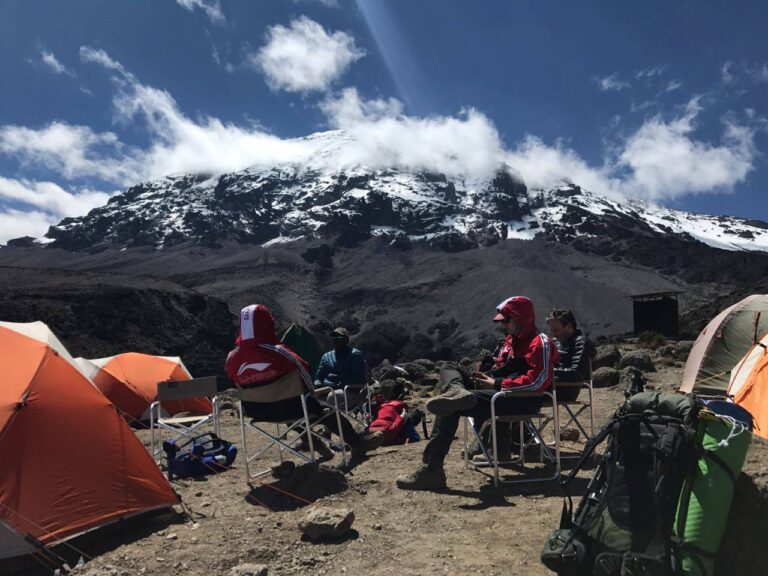
Mount Longido Acclimatization Hike Before Kilimanjaro Climb | Top Guide
Discover why a Mount Longido acclimatization hike is crucial for Kilimanjaro success. Learn about its benefits, routes, and how Top Guide Adventures can integrate it into your 2026-2027...
View package details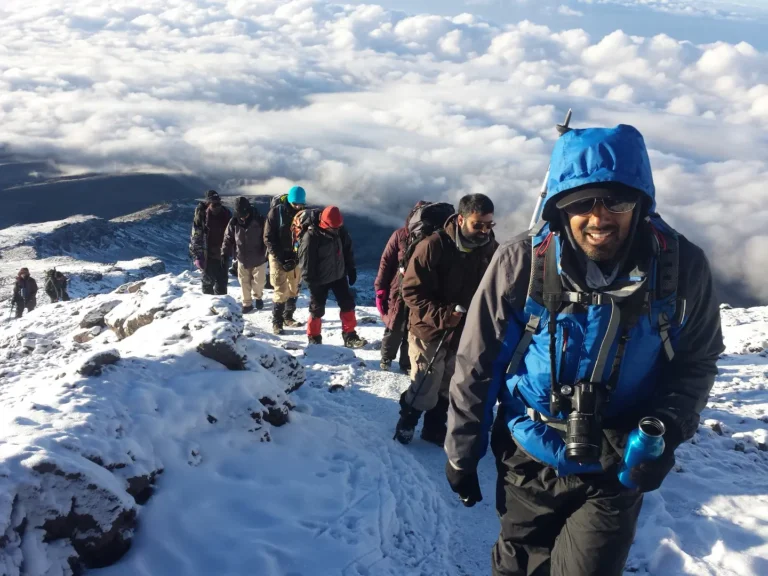
How Many Nights Should You Stay Before Kilimanjaro Climb? 2026-2027
The crucial question of how many nights to stay before climbing Kilimanjaro directly impacts your acclimatization and overall success. Experts recommend a minimum of 2-3 nights in Moshi or...
View package details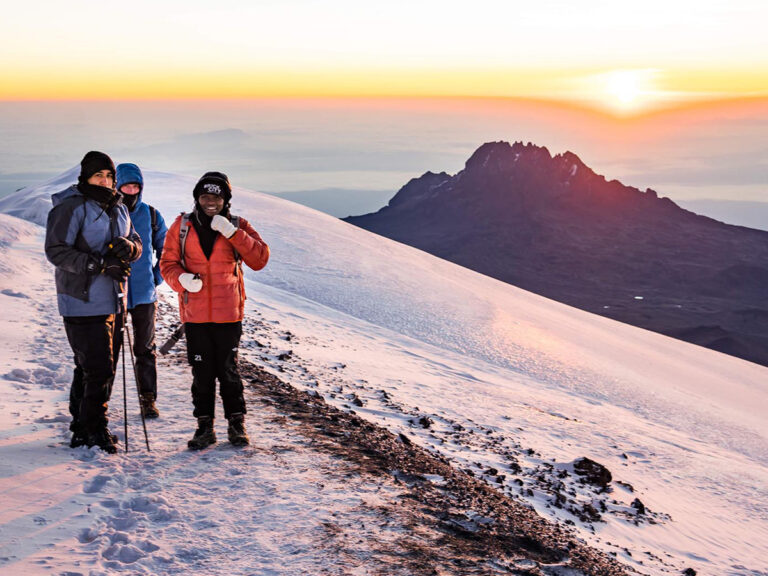
Foods To Avoid Before A Kilimanjaro Climb: Expert Guide For Trekkers 2026-2027
Planning your Kilimanjaro climb for 2026 or 2027? Proper nutrition is key. This guide details essential foods and drinks to avoid before and during your trek to prevent digestive issues and...
View package details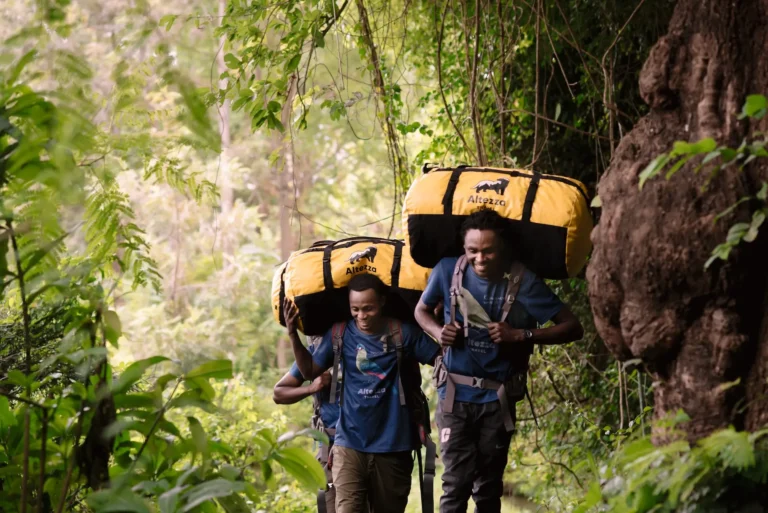
Kilimanjaro Climb With Vegan Mountain Meals: Your Expert Guide For 2026-2027
Embarking on a Kilimanjaro climb is a monumental achievement, and ensuring you have the right nutrition, especially with specific dietary needs like veganism, is crucial for success. Top...
View package details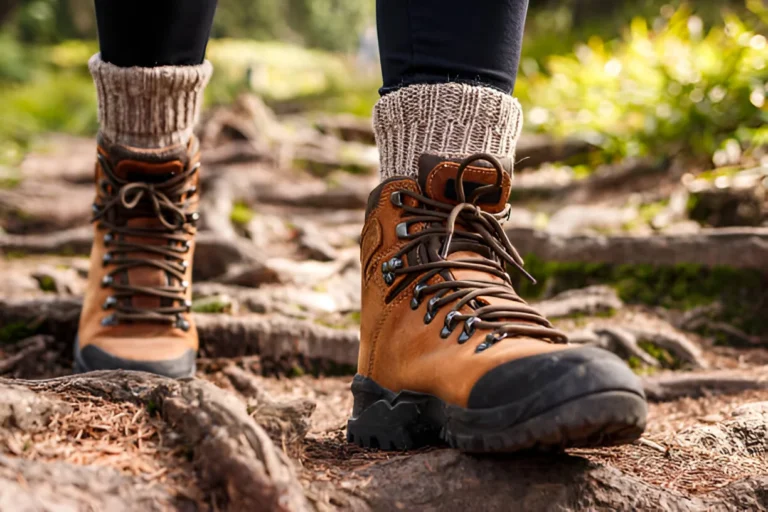
Late-Night Arrival At Kilimanjaro Airport Before Your Climb: Essential
Planning a Kilimanjaro climb with a late-night arrival at Kilimanjaro International Airport (JRO)? This guide covers everything you need to know for a smooth transition from the airport to...
View package details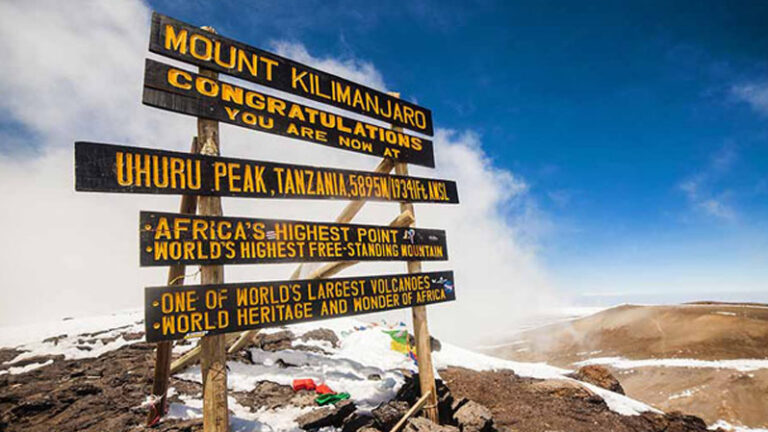
Kilimanjaro Mountain Meal Plan By Day: Fueling Your Summit Success 2026-2027
Understand the essential Kilimanjaro Mountain meal plan by day, covering daily menus, nutritional needs, and preparation tips for your trek. Top Guide Adventures provides insights into...
View package details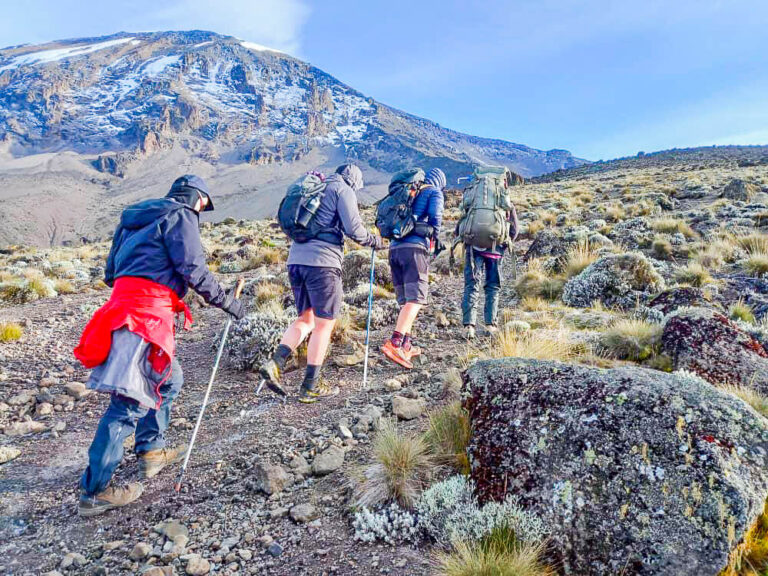
Kilimanjaro Climb With Low-Sugar Meal Planning Guide
Climbing Kilimanjaro requires careful nutritional planning. This guide focuses on low-sugar meal strategies to sustain energy, aid acclimatization, and enhance your trekking experience...
View package details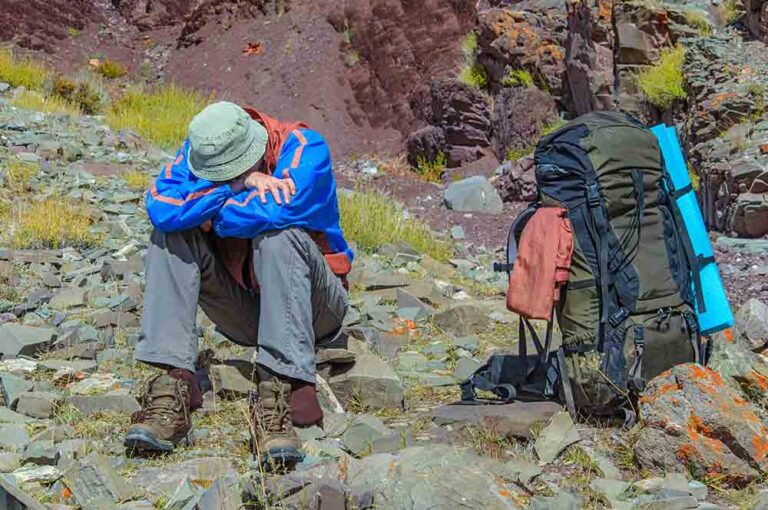
Kilimanjaro Climb With High-Protein Meals: Fueling Your Ascent In 2026-2027
Fueling your Kilimanjaro climb is as critical as choosing the right route. This guide focuses on the power of high-protein meals to sustain energy, aid recovery, and maximize your chances...
View package detailsKilimanjaro Climb With Nut-Free Meal Options Guide
Discover how to plan your Kilimanjaro climb with complete peace of mind regarding nut allergies. Top Guide Adventures specializes in providing safe, delicious, and fully customized nut-free...
View package details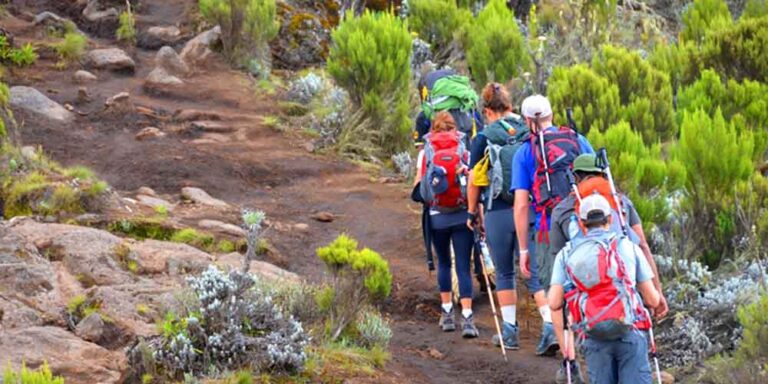
Kilimanjaro Climb With Lactose-Free Meals: Your Complete Guide For 2026-2027
Climbing Mount Kilimanjaro with specific dietary needs, like lactose intolerance, is entirely achievable. This comprehensive guide details how to manage lactose-free meals on your trek...
View package detailsNo related package matches those filters. Clear one or more filters to see the other topic-matched options.



