
Climbing Mount Kilimanjaro after completing Mount Meru offers significant advantages in acclimatization and physical preparation, potentially leading to a higher success rate on Kilimanjaro. This approach is ideal for trekkers aiming for a more robust and well-prepared ascent, with many operators in 2026 and 2027 offering combined packages that leverage Meru’s altitude to enhance your Kilimanjaro climb experience.
Why Combine Mount Meru and Kilimanjaro? The Acclimatization Advantage
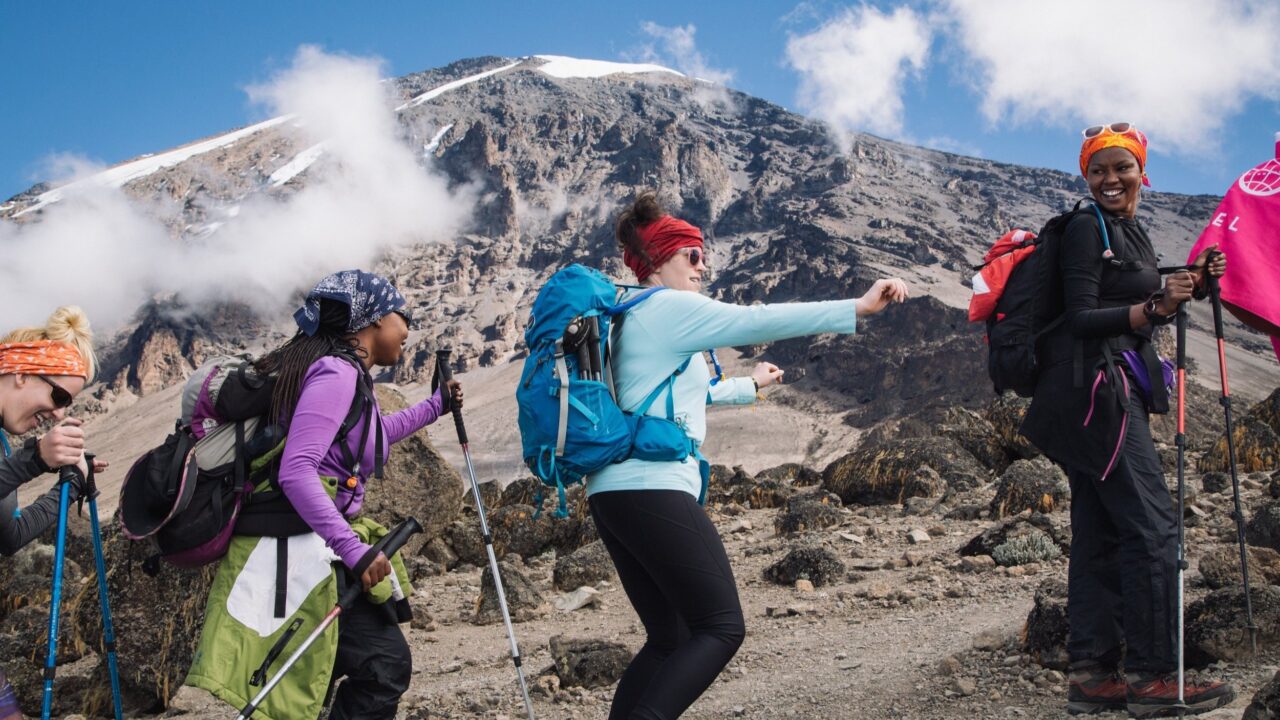
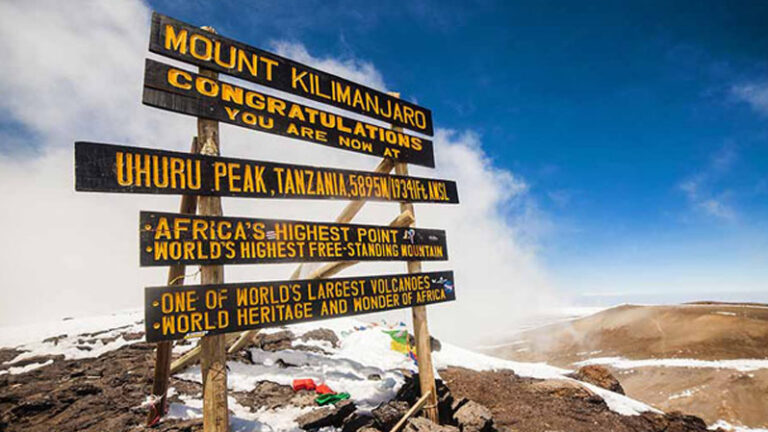
For many seasoned trekkers and ambitious adventurers, the idea of conquering Mount Kilimanjaro is often paired with another iconic Tanzanian peak: Mount Meru. Standing at 4,566 meters (14,980 feet), Mount Meru is significantly lower than Kilimanjaro’s Uhuru Peak (5,895 meters / 19,341 feet), but it plays a crucial role in acclimatization. Undertaking a Kilimanjaro climb after Mount Meru is a strategic decision that many choose to enhance their chances of summit success and overall enjoyment of the climb. The primary benefit lies in superior acclimatization. Meru’s altitude pushes your body to adapt to lower oxygen levels, a process that directly benefits the subsequent ascent of Kilimanjaro. By the time you begin your Kilimanjaro trek, your body will have already undergone a significant portion of the acclimatization process, reducing the risk of altitude sickness and allowing you to focus more on the trekking experience itself.
In the 2026 and 2027 trekking seasons, this combined approach is gaining popularity. Travelers are increasingly looking for ways to maximize their time in Tanzania and gain the most from their challenging climbs. A typical Mount Meru trek lasts 3-4 days, followed by a Kilimanjaro climb that ranges from 5 to 9 days depending on the chosen route. This means a combined expedition can range from 8 to 13 days of pure trekking, offering an unparalleled wilderness experience. Many reputable tour operators, including Top Guide Adventures, are well-equipped to arrange these sequential climbs, providing smooth transitions and ensuring that your acclimatization is optimized. This careful planning helps mitigate the risks associated with high-altitude trekking, making the journey to Kilimanjaro’s summit a more comfortable and rewarding endeavor.
Understanding Mount Meru: The Perfect Pre-Kilimanjaro Stepping Stone
Mount Meru, often referred to as the ‘sister mountain’ to Kilimanjaro, is an active stratovolcano located within Arusha National Park. While it might not boast Kilimanjaro’s global fame, Meru is a formidable mountain in its own right, offering a challenging and rewarding trekking experience. Its summit, Socialist Peak, is reached via a dramatic ridge walk that provides stunning views of the crater and Mount Kilimanjaro in the distance.
Key Features of Mount Meru:**
- Altitude: 4,566 meters (14,980 feet)
- Typical Trek Duration: 3-4 days
- Scenery: Diverse landscapes, including rainforest, moorland, and alpine desert; dramatic crater rim and ridge walks; abundant wildlife in lower sections (elephants, buffalos, giraffes).
- Challenge Level: Moderate to difficult, with steep ascents and exposed sections.
- Acclimatization Benefit: Excellent for preparing the body for higher altitudes.
The trek up Meru is often described as more technically challenging than the initial stages of Kilimanjaro. It involves steep climbs, scree slopes, and sections where you might need to use your hands. The wildlife in Arusha National Park also adds a unique dimension; trekkers are often accompanied by armed rangers for safety. Successfully summiting Meru provides a significant psychological boost and confirms your body’s ability to handle high altitudes, making the prospect of a Kilimanjaro climb after Mount Meru feel more attainable.
The Strategic Benefit: Acclimatization Explained
Altitude sickness, or Acute Mountain Sickness (AMS), is a significant concern for anyone climbing Kilimanjaro. It occurs when the body doesn’t have enough time to adjust to the lower levels of oxygen at higher elevations. Symptoms can range from mild headaches and nausea to severe, life-threatening conditions like HACE (High Altitude Cerebral Edema) and HAPE (High Altitude Pulmonary Edema).
Climbing Mount Meru first is essentially a form of pre-acclimatization. During the 3-4 days on Meru, your body undergoes physiological changes:
- Increased Red Blood Cell Production: Your body starts producing more red blood cells to carry oxygen more efficiently.
- Enhanced Breathing Efficiency: Your respiratory system becomes more efficient at extracting oxygen from the thinner air.
- Metabolic Adjustments: Your body adapts its metabolism to function with less oxygen.
When you then begin your Kilimanjaro climb, you are starting from a significantly better physiological baseline. This means you are less likely to experience severe AMS symptoms and are more likely to maintain a steady pace throughout your trek. The journey from Meru’s summit (4,566m) to the base camp area of Kilimanjaro (around 3,000m-4,000m depending on the route) is a descent, but the critical point is that your body has already experienced the stress of high altitude and begun its adaptation. The subsequent ascent on Kilimanjaro feels less like a shock to your system.
For the 2026 and 2027 trekking seasons, this pre-acclimatization strategy is particularly valuable for trekkers who might have less time for a longer Kilimanjaro-only itinerary or who are concerned about altitude. It allows for a more comfortable and often faster ascent on Kilimanjaro itself, as your body is already ‘primed’ for the conditions.
Choosing Your Kilimanjaro Route After Meru
While Meru provides the acclimatization, the choice of Kilimanjaro route remains critical for success. The best Kilimanjaro routes for those coming from Meru are generally those that offer longer durations, as they continue to prioritize acclimatization and a gradual ascent. Routes that are 7 days or longer are highly recommended.
Recommended Kilimanjaro Routes Post-Meru:
- Lemosho Route (7-8 days): Known for its scenic beauty and excellent acclimatization profile. Starting on the western side, it offers gradual ascent through diverse ecosystems before joining the Machame route. A 7-day Lemosho is good, but an 8-day Lemosho route is even better for post-Meru trekkers.
- Machame Route (7 days): The most popular route, offering a challenging but rewarding trek with a good acclimatization curve. It is known as the ‘Whiskey Route’ due to its popularity and the higher success rates associated with its ‘climb high, sleep low’ strategy.
- Marangu Route (5-6 days): While shorter, it’s less recommended for optimal acclimatization, especially after Meru. Its direct ascent means less time for the body to adapt. However, some may opt for a 6-day Marangu for a quicker finish.
- Northern Circuit (9 days): This is the longest and arguably the best route for acclimatization, circling the mountain for a full 360 degrees. It offers the highest success rates and the most relaxed pace, making it an excellent choice after Meru.
- Rongai Route (6-7 days): Approaches Kilimanjaro from the north, offering a different perspective and generally drier conditions. A 7-day Rongai is a solid option.
Given that you’ve already climbed Meru, you might feel confident tackling a slightly more challenging ascent or a longer route. However, it’s crucial not to underestimate Kilimanjaro. The summit day on Kilimanjaro is extremely demanding, regardless of prior experience. Therefore, prioritizing a route with a longer duration (7 days or more) for your Kilimanjaro climb after Mount Meru is always the wisest decision. This ensures continued acclimatization and reduces the strain on your body during the final push.
Logistics and Itinerary Planning for a Combined Trek
Combining Mount Meru and Kilimanjaro requires careful logistical planning. Top Guide Adventures specializes in creating smooth itineraries that transition you smoothly from one mountain to the other.
A Typical Combined Itinerary Structure:
- Arrival in Tanzania: Fly into Kilimanjaro International Airport (JRO). Transfer to your hotel in Arusha.
- Preparation Day: Briefing, gear check, and rest in Arusha.
- Transfer to Momella Gate (Arusha National Park): Begin your Mount Meru trek.
- Mount Meru Trek (3-4 days): Ascend to Socialist Peak and descend back to Momella Gate.
- Rest and Transfer Day: Return to Arusha for a day of rest, recovery, and preparation for Kilimanjaro. This might involve laundry, repacking, and a final gear check.
- Transfer to Kilimanjaro National Park Gate: Depending on your chosen Kilimanjaro route (e.g., Machame, Lemosho, Marangu), you’ll be transferred to the respective starting point.
- Kilimanjaro Climb (5-9 days): Ascend to Uhuru Peak and descend.
- Departure: Transfer back to Arusha or Kilimanjaro International Airport (JRO).
The transition day between Meru and Kilimanjaro is vital. It allows your body to recover from the exertions of Meru and mentally prepare for the even greater challenge of Kilimanjaro. This rest day is often underestimated but is critical for a successful Kilimanjaro climb after Mount Meru. During the 2026 and 2027 seasons, booking these combined trips well in advance is recommended, especially for peak climbing months like January-March and June-October.
Cost Considerations for a Combined Kilimanjaro and Meru Trek
The cost of a combined Mount Meru and Kilimanjaro trek will naturally be higher than a Kilimanjaro-only climb due to the additional days, park fees, guide and porter wages, and logistics involved. However, the value in terms of acclimatization and experience is significant.
Factors influencing the cost:**
- Duration: A 3-day Meru + 7-day Kilimanjaro will cost more than a 3-day Meru + 5-day Kilimanjaro.
- Kilimanjaro Route: Longer routes like the Northern Circuit are more expensive than shorter ones.
- Group Size: Private climbs are more expensive per person than joining a group.
- Operator Standards: Reputable operators with better safety records, higher quality equipment, and better staff welfare (fair wages, good food) will generally charge more.
- Inclusions: What is included (e.g., pre-climb hotel nights, meals, equipment rental, transfers, tips) varies greatly.
As a rough estimate for the 2026-2027 trekking seasons, expect a combined Mount Meru and Kilimanjaro trek to range from $2,500 to $4,500+ per person. This typically includes:
- Park fees for both mountains.
- Guide, cook, and porter salaries.
- All meals during the treks.
- Camping equipment (tents, sleeping mats).
- Transfers to and from the mountain gates.
- Emergency oxygen and first-aid kit.
- A portion of the crew’s tips (sometimes a base is included, with an option to add more).
It’s crucial to understand what is not included. Typically, these are: international flights, visa fees, travel insurance, vaccinations, personal gear (clothing, sleeping bags, boots), pre- and post-trek accommodation in Arusha, personal tips for guides and porters beyond any included base, and alcoholic beverages.
Top Guide Adventures offers competitive pricing for combined treks. For a personalized quote tailored to your preferred dates in 2026 or 2027, and your chosen Kilimanjaro route, you can contact them directly via WhatsApp +255616946642 or email at topguideadventures@gmail.com.
Gear and Preparation: What’s Different?
The gear required for a combined Meru and Kilimanjaro climb is largely the same as for a Kilimanjaro-only trek, but the extended duration means you’ll be carrying or having carried for you a greater quantity of supplies.
Key Gear Considerations:
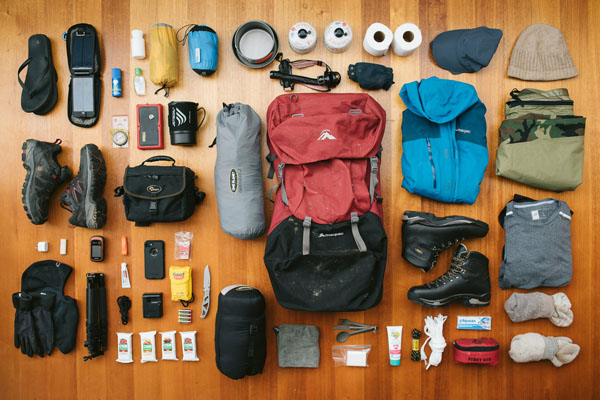
- Layering System: Essential for managing temperature fluctuations. Base layers (thermal), mid-layers (fleece), and outer layers (waterproof/windproof jacket and pants) are critical.
- Footwear: Broken-in hiking boots are non-negotiable. Bring comfortable camp shoes or sandals.
- Sleeping Bag: A 4-season sleeping bag rated to at least -15°C (0°F) is necessary for both mountains, especially for the higher camps on Kilimanjaro.
- Headlamp: With extra batteries, crucial for early morning summit attempts.
- Sun Protection: High SPF sunscreen, sunglasses, and a wide-brimmed hat.
- Hydration: Water bottles or a hydration reservoir (insulated to prevent freezing).
- Trekking Poles: Highly recommended to reduce strain on knees, especially on descents.
- Personal First-Aid Kit: Include blister treatment, pain relievers, and any personal medications.
Physical Training:**
Your training for Kilimanjaro after Meru should focus on cardiovascular endurance and leg strength. Incorporate hiking with a weighted backpack, stair climbing, and strength training exercises targeting your legs and core. Since you’ll have already completed Meru, your fitness base will be stronger, but continued training is still essential. The extended duration of the combined trek means endurance is key.
Potential Challenges and How to Mitigate Them
While combining Meru and Kilimanjaro offers advantages, it’s not without its challenges:
- Fatigue: You’ll be on the mountains for a significant consecutive period. Prioritizing rest on the transition day and listening to your body during the treks is crucial.
- Weather: Weather can be unpredictable on both mountains, especially on summit days. Be prepared for cold, wind, and precipitation.
- Altitude Sickness: Despite pre-acclimatization, AMS remains a risk. Ascend slowly (‘pole pole’ – slowly, slowly), stay hydrated, and communicate any symptoms to your guide immediately.
- Logistical Snags: While reputable operators minimize these, delays or issues can occur. Having a flexible mindset and a reliable tour operator like Top Guide Adventures is essential.
Mitigation Strategies:**
- Choose a Reputable Operator: Top Guide Adventures has a proven track record for safety and success. They carry emergency oxygen, have experienced guides trained in altitude sickness management, and adhere to strict safety protocols. For inquiries about their safety standards for 2026-2027 climbs, reach out via info@topguideadventures.com.
- Pace Yourself: ‘Pole pole’ is the mantra. Don’t rush, especially on Kilimanjaro.
- Hydrate and Eat Well: Dehydration and lack of energy exacerbate altitude symptoms.
- Communicate: Be honest with your guide about how you feel. They are trained to assess and manage altitude-related issues.
- Proper Gear: Ensure all your gear is high-quality and well-tested to prevent discomfort or hypothermia.
When is the Best Time for a Combined Trek in 2026-2027?
The best times to climb both Mount Meru and Mount Kilimanjaro are during the dry seasons, which offer the clearest skies and most stable weather conditions.
- January to March: Generally dry and warm. Good for both mountains, though can be colder at higher altitudes on Kilimanjaro.
- June to October: The longest dry season, offering pleasant temperatures and clear views. This is peak season for Kilimanjaro.
The shoulder months (April-May and November-December) can also be viable but carry a higher risk of rain, especially on Kilimanjaro’s southern slopes. For the 2026 and 2027 trekking seasons, planning your combined trek within these dry windows will maximize your chances of good weather on both ascents.
Post-Trek Recovery and Further Adventures
After successfully completing your Kilimanjaro climb after Mount Meru, you’ll likely be exhausted but exhilarated. Most trekkers opt for a few days of rest and recovery in Arusha or head to the coast for a relaxing beach holiday in Zanzibar. Top Guide Adventures can arrange all of these extensions, from comfortable hotel stays to unforgettable Zanzibar holidays.
Consider adding a Tanzanian safari to your itinerary. Exploring the Serengeti, Ngorongoro Crater, or Tarangire National Park offers a completely different, yet equally awe-inspiring, perspective on Tanzania’s natural beauty. Combining these treks with a safari provides a truly comprehensive Tanzanian adventure. Many clients in 2026-2027 are booking these multi-faceted trips to experience the best of what Tanzania has to offer.
Why Choose Top Guide Adventures for Your Combined Trek?
Choosing the right tour operator is paramount for a successful and safe expedition, especially when undertaking a demanding combined trek like Mount Meru followed by Kilimanjaro. Top Guide Adventures is a leading Tanzanian company dedicated to providing exceptional travel experiences.
Our Commitment:**
- Safety First: We prioritize the safety and well-being of our clients above all else. Our guides are highly trained in wilderness first aid and altitude sickness management. We carry emergency oxygen and have established evacuation procedures.
- Experienced Guides: Our guides are not only knowledgeable about the mountains but also passionate about sharing the culture and environment of Tanzania.
- Ethical Operations: We believe in fair treatment and wages for our porters and support staff, ensuring a positive experience for the entire expedition team.
- Personalized Service: We offer personalized attention, from initial planning to the final farewell. We tailor itineraries to meet your specific needs and preferences.
- Complete Packages: We offer comprehensive packages that cover all essential aspects of your trek, ensuring a hassle-free experience.
We understand the unique challenges and rewards of undertaking a Kilimanjaro climb after Mount Meru. Our expertise in organizing these sequential climbs ensures that your acclimatization is optimized, your logistics are smooth, and your focus can remain on the incredible journey. Whether you are planning for the 2026 or 2027 season, Top Guide Adventures is your trusted partner for an unforgettable Tanzanian adventure.
Ready to plan your ultimate Tanzanian mountain adventure? Contact us today for a personalized quote and itinerary. Let’s make your dream of conquering both Mount Meru and Kilimanjaro a reality.
WhatsApp: +255616946642
Email: topguideadventures@gmail.com
Backup Email: info@topguideadventures.com
Explore our group departures for Kilimanjaro and other adventures here: Tanzania Group Departures.
Learn more about our specific Kilimanjaro routes like the Machame route here: Machame Route Kilimanjaro.
See more Tanzania travel inspiration on our blog: Tanzania Safari Tours Blog.
Follow our adventures and connect with us on Instagram: @top_guide_adventures.
Read what our clients say about us on TripAdvisor: Top Guide Adventures Reviews.
Visit our main website for more information: Top Guide Adventures.
Check Availability for Kilimanjaro Climb After Mount Meru: A Comprehensive Guide For 2026-2027
Ready to compare dates, prices, and the best option for your group? Send the package name and travel month so the team can reply with a clear quote, availability, and what is included.
Should You Climb Mount Meru Before Kilimanjaro? 2026-2027
Should You Climb Mount Meru before Kilimanjaro? is explained with current 2026-2027 planning, price, itinerary and booking information.
View package details
Mount Meru Acclimatization Before Kilimanjaro: A Comprehensive Guide 2026-2027
Discover why climbing Mount Meru before your Kilimanjaro trek is a strategic advantage for acclimatization. This guide details routes, benefits, and planning for 2026-2027.
View package details
Kilimanjaro Climb With Vegan Mountain Meals: Your Expert Guide For 2026-2027
Embarking on a Kilimanjaro climb is a monumental achievement, and ensuring you have the right nutrition, especially with specific dietary needs like veganism, is crucial for success. Top...
View package details
Mount Longido Acclimatization Hike Before Kilimanjaro Climb | Top Guide
Discover why a Mount Longido acclimatization hike is crucial for Kilimanjaro success. Learn about its benefits, routes, and how Top Guide Adventures can integrate it into your 2026-2027...
View package details
Kilimanjaro Hotel Late Check-Out After The Climb: Options And Tips 2026-2027
Planning your Kilimanjaro climb involves more than just the ascent. Understanding your post-climb needs, like a late hotel check-out in Moshi or Arusha, is crucial for a comfortable...
View package detailsKilimanjaro Mountain Meal Plan By Day: Fueling Your Summit Success 2026-2027
Understand the essential Kilimanjaro Mountain meal plan by day, covering daily menus, nutritional needs, and preparation tips for your trek. Top Guide Adventures provides insights into...
View package details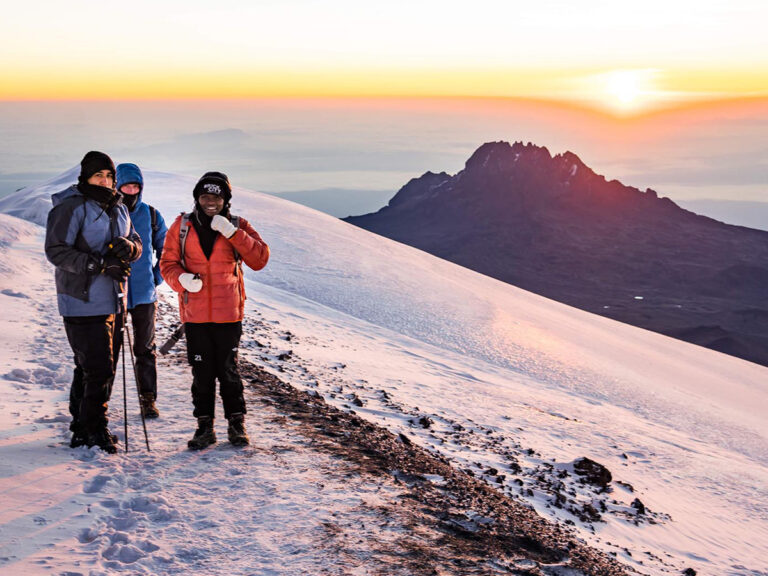
Foods To Avoid Before A Kilimanjaro Climb: Expert Guide For Trekkers 2026-2027
Planning your Kilimanjaro climb for 2026 or 2027? Proper nutrition is key. This guide details essential foods and drinks to avoid before and during your trek to prevent digestive issues and...
View package details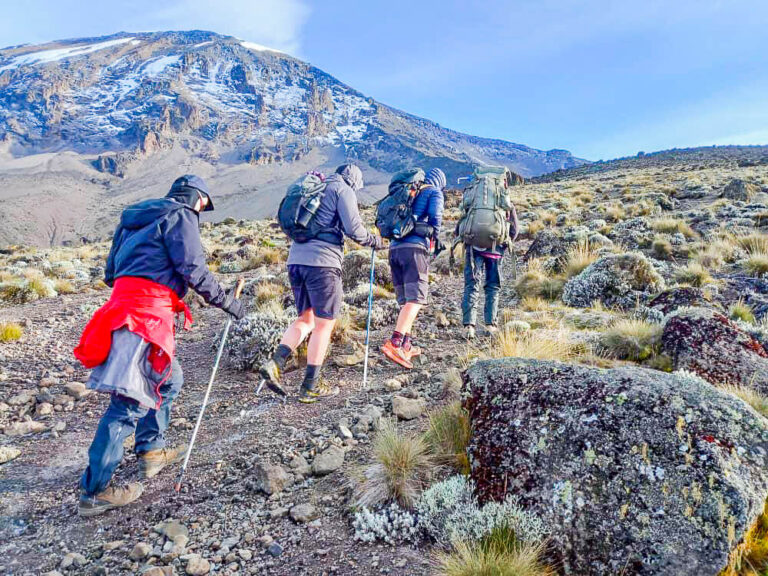
Kilimanjaro Climb With Low-Sugar Meal Planning Guide
Climbing Kilimanjaro requires careful nutritional planning. This guide focuses on low-sugar meal strategies to sustain energy, aid acclimatization, and enhance your trekking experience...
View package details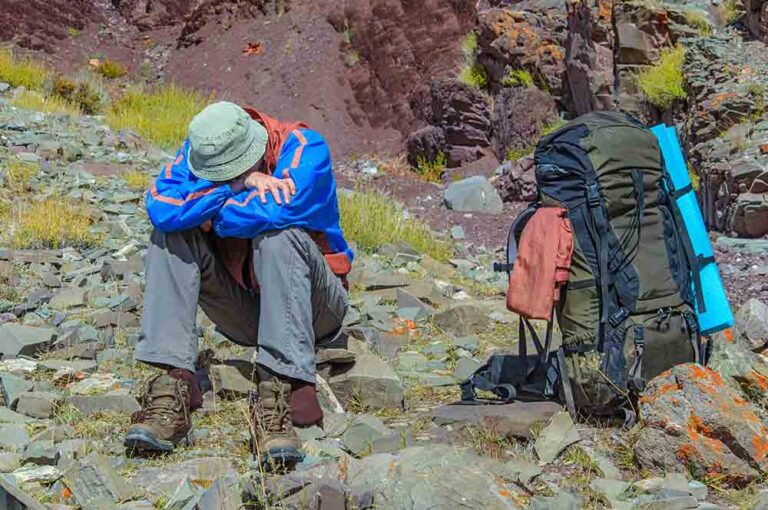
Kilimanjaro Climb With High-Protein Meals: Fueling Your Ascent In 2026-2027
Fueling your Kilimanjaro climb is as critical as choosing the right route. This guide focuses on the power of high-protein meals to sustain energy, aid recovery, and maximize your chances...
View package detailsKilimanjaro Climb With Nut-Free Meal Options Guide
Discover how to plan your Kilimanjaro climb with complete peace of mind regarding nut allergies. Top Guide Adventures specializes in providing safe, delicious, and fully customized nut-free...
View package details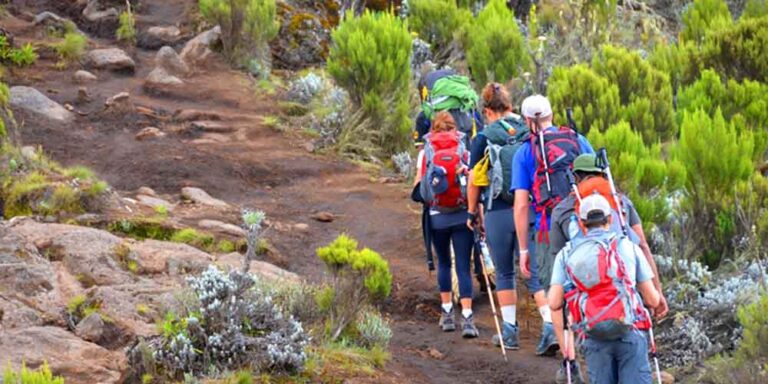
Kilimanjaro Climb With Lactose-Free Meals: Your Complete Guide For 2026-2027
Climbing Mount Kilimanjaro with specific dietary needs, like lactose intolerance, is entirely achievable. This comprehensive guide details how to manage lactose-free meals on your trek...
View package details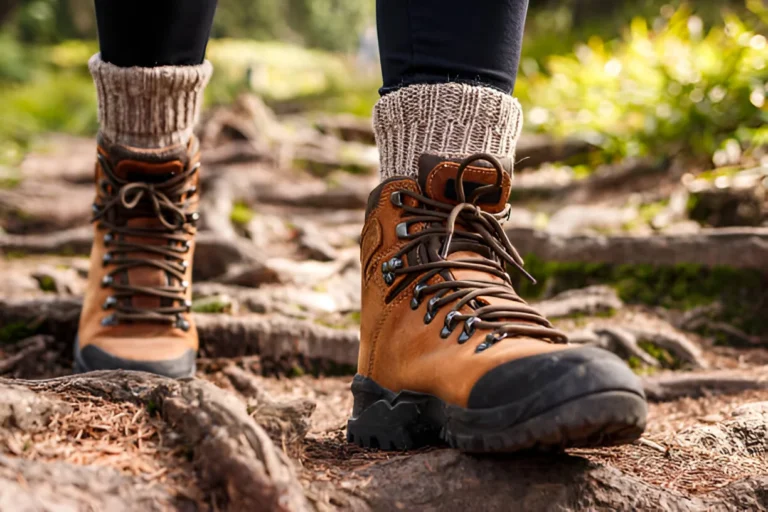
Kilimanjaro Climb For Travellers With Food Allergies 2026-2027
Kilimanjaro Climb for Travellers with Food Allergies is explained with current 2026-2027 planning, price, itinerary and booking information.
View package detailsNo related package matches those filters. Clear one or more filters to see the other topic-matched options.



