
Climbing Kilimanjaro with food allergies is entirely feasible with careful planning and communication, ensuring your dietary needs are met safely and effectively by experienced guides and cooks who understand allergen management. Success hinges on selecting a reputable tour operator like Top Guide Adventures, who prioritize personalized meal preparation, clear communication channels with kitchen staff, and comprehensive pre-climb consultations to detail your specific allergies and required precautions for your 2026 or 2027 ascent.
Planning Your Kilimanjaro Climb with Food Allergies: The Foundation for Success
Mount Kilimanjaro, Africa’s highest peak, is a dream destination for many adventurers. For those managing food allergies, this dream can seem daunting. However, with the right approach and a trusted partner, a Kilimanjaro climb for travellers with food allergies is not only possible but can be an incredibly rewarding experience. At Top Guide Adventures, we understand that every trekker is unique, and catering to specific dietary requirements, including allergies, is a cornerstone of our personalized service. This guide aims to provide you with all the information you need to prepare for a safe and enjoyable climb, addressing your concerns about food allergies from the initial planning stages right through to your summit attempt.
The journey to the roof of Africa is physically demanding, and proper nutrition is paramount. For individuals with food allergies, this need is amplified. Ensuring you have safe, nutritious meals that avoid your specific allergens is critical for maintaining energy levels, preventing adverse reactions, and ultimately, for your overall well-being on the mountain. This isn’t just about avoiding a reaction; it’s about fueling your body effectively for the challenges ahead.
Our commitment at Top Guide Adventures is to provide a secure and supportive environment for all our clients, regardless of their dietary restrictions. We work diligently to ensure that your Kilimanjaro climb is tailored to your needs, allowing you to focus on the incredible scenery and the personal achievement of reaching Uhuru Peak. This means detailed discussions about your allergies, careful menu planning, and rigorous preparation by our dedicated kitchen teams.
Understanding Food Allergies on Kilimanjaro
Food allergies are immune system responses to specific proteins found in food. When someone with an allergy consumes the offending food, their body releases chemicals that can cause a range of symptoms, from mild skin rashes to severe, life-threatening anaphylaxis. Common food allergens include peanuts, tree nuts, milk, eggs, soy, wheat, fish, and shellfish. However, allergies can be triggered by virtually any food item.
On Kilimanjaro, the remoteness of the mountain and the logistical challenges of food preparation mean that allergen management requires a higher level of diligence. Unlike in a controlled restaurant environment, meals are prepared in basic conditions at high altitudes, often with limited access to specialized ingredients. This is precisely why choosing a tour operator with a proven track record in handling dietary needs is crucial.
Key considerations for food allergies on Kilimanjaro include:
- Cross-contamination: This is a significant risk. Utensils, cutting boards, and cooking surfaces used for allergen-containing foods can transfer traces to your safe meals.
- Ingredient Sourcing: Understanding where ingredients come from and how they are processed is vital, especially for pre-packaged goods.
- Communication: Clear, unambiguous communication between you, the tour operator, guides, and cooks is non-negotiable.
- Emergency Preparedness: While prevention is key, knowing what to do in case of accidental exposure and having necessary medication is important.
Choosing the Right Tour Operator: Your First Step to a Safe Climb
Selecting the right tour operator is arguably the most critical decision for a Kilimanjaro climber with food allergies. Not all operators are equipped or willing to handle complex dietary needs effectively. Top Guide Adventures stands out because we view catering to allergies not as an inconvenience, but as an integral part of providing a high-quality, safe, and personalized trekking experience. We have years of experience and a deep understanding of the challenges and solutions involved.
When evaluating potential operators for your Kilimanjaro climb for travellers with food allergies, consider the following:
Experience with Dietary Restrictions
Inquire directly about their experience with managing food allergies. Ask for specific examples of how they have accommodated trekkers with similar allergies. Top Guide Adventures has a robust system in place, involving detailed consultations and direct communication with our head chef and guides.
Communication Protocols
How does the operator gather information about your allergies? Is it a simple checkbox on a form, or do they engage in a detailed discussion? We believe in thorough pre-trip consultations to ensure every detail is captured. This includes understanding the severity of your allergy and any specific cross-contamination concerns.
Kitchen Staff Training
Are the cooks trained in allergen awareness and cross-contamination prevention? Our culinary teams undergo specific training to handle dietary requirements safely. They are instructed on proper food handling, preparation zones, and ingredient verification.
Menu Flexibility and Ingredient Control
Can they offer a flexible menu that accommodates your restrictions? Do they have control over the ingredients used? We prepare meals from scratch whenever possible, using fresh, locally sourced ingredients where feasible, and we meticulously check all packaged goods. This allows us to control the entire food preparation process.
Safety and Emergency Procedures
What are their emergency protocols? While allergies are managed through prevention, understanding their medical support on the mountain is crucial. All our climbs include experienced guides trained in wilderness first aid and have access to oxygen and comprehensive medical kits. We also advise clients on carrying their own emergency medication, like EpiPens.
Why Top Guide Adventures is Your Trusted Partner for a Kilimanjaro Climb with Food Allergies:
- Personalized Consultations: We conduct detailed pre-climb discussions to understand your unique dietary needs.
- Dedicated Kitchen Team: Our cooks are trained in allergen safety and cross-contamination prevention.
- Scratch Cooking: We prioritize preparing meals from fresh ingredients to ensure control and safety.
- Clear Labeling: When pre-packaged items are unavoidable, we ensure clear labeling and verification.
- Experienced Guides: Our guides are knowledgeable and committed to your safety, including monitoring your well-being on the mountain.
- Proven Track Record: We have successfully supported numerous trekkers with various food allergies.
Choosing Top Guide Adventures for your Kilimanjaro climb for travellers with food allergies means choosing peace of mind. We are dedicated to making your adventure safe, enjoyable, and memorable. Feel free to reach out to us via WhatsApp +255616946642 or Email topguideadventures@gmail.com to discuss your specific requirements for a 2026 or 2027 climb.
Pre-Climb Preparation: Informing and Planning
The preparation phase is crucial for a successful Kilimanjaro climb, especially when managing food allergies. Open and honest communication with your tour operator is the first step. Once you’ve chosen a company like Top Guide Adventures, the detailed information gathering begins.
Detailed Allergy Disclosure
You will be asked to provide a comprehensive list of all your food allergies, including the severity of your reactions. Do not downplay any allergy. Be specific: instead of just saying ‘nuts’, specify ‘peanuts’, ‘tree nuts (almonds, walnuts)’, etc. If you have an allergy to a common ingredient used in Tanzanian cuisine (like certain spices or legumes), mention it upfront.
Understanding Cross-Contamination Risks
Discuss with your operator how they plan to mitigate cross-contamination. This might involve using separate utensils, cleaning surfaces thoroughly, and preparing your meals first or in a designated area. For severe allergies, it’s important to understand their protocols for this specific risk.
Medical Consultation and Advice
It is highly recommended to consult your doctor or an allergist before your climb. They can provide advice on managing your allergy in a high-altitude, remote environment. Discuss any potential interactions between your allergy medication and altitude sickness medication, if prescribed. Your doctor can also provide a letter detailing your allergies and recommended emergency treatment, which you should carry with you.
Packing Your Own Safe Snacks
While your tour operator will provide meals, carrying a personal supply of safe, high-energy snacks is a wise precaution. These should be non-perishable, easy to carry, and free from your allergens. Think about energy bars, dried fruit (check for processing agents), nuts (if safe for you), or specially manufactured allergy-friendly snacks. Ensure these snacks are clearly labeled.
Medication and First-Aid Kit
Always carry your prescribed allergy medication, such as antihistamines and epinephrine auto-injectors (EpiPens). Ensure they are within their expiry dates and stored correctly. Your personal first-aid kit should include these items, along with any other personal medical supplies. Inform your guide about the medications you are carrying and how to administer them in an emergency.
Understanding Local Ingredients
Familiarize yourself with common Tanzanian ingredients. Staple foods often include maize, rice, beans, bananas, and various vegetables. Spices are widely used. Knowing common preparation methods and ingredients will help you ask informed questions and be more vigilant.
Pre-Climb Checklist for Travellers with Food Allergies:
- Detailed Allergy Profile: Compiled and submitted to Top Guide Adventures.
- Doctor’s Consultation: Medical advice and clearance obtained.
- Medication: Prescription allergy medications (antihistamines, EpiPens) packed and accessible.
- Safe Snacks: A personal supply of energy-dense, allergen-free snacks.
- Allergy Information Card: A small card in English and Swahili detailing your allergies and emergency contacts.
- Operator Confirmation: Reconfirmed meal plan and allergy protocols with Top Guide Adventures prior to departure.
Dietary Management on the Mountain: What to Expect
Once on Kilimanjaro, the daily routine revolves around trekking, acclimatization, and meals. For travellers with food allergies, meal times require vigilance and trust in the preparation team.
The Role of the Cook and Guides
Your dedicated cook is responsible for preparing all meals. They work closely with the lead guide, who acts as the primary liaison for your dietary needs. Before each meal, the guide should confirm with you that the food prepared is safe. They will communicate your allergies clearly to the cook each day.
Meal Preparation and Cross-Contamination Protocols
Top Guide Adventures employs strict protocols to minimize cross-contamination. This includes:
- Designated Cooking Areas: Where possible, specific utensils and cooking pots are used for allergen-free meals.
- Thorough Cleaning: All equipment is cleaned meticulously before preparing your meals.
- Ingredient Verification: Cooks check all ingredients, including spices and oils, for hidden allergens.
- Meal Presentation: Your meal will be served directly by the cook or guide, often with a verbal confirmation that it is safe for you.
Typical Meals and Allergy Adaptations
Kilimanjaro treks typically include breakfast, lunch (often a packed lunch), dinner, and snacks. Here’s how common meals can be adapted:
- Breakfast: Porridge (oatmeal), eggs, pancakes, or chapati are common. For gluten allergies, rice porridge or gluten-free pancakes can be prepared. For dairy allergies, water or plant-based milk alternatives (if provided or carried) can be used.
- Lunch: Often a packed lunch including sandwiches, boiled eggs, fruit, and sometimes soup. For gluten allergies, rice cakes or gluten-free bread can be used. Sandwiches will be carefully prepared without allergens.
- Dinner: Typically a hearty soup followed by a main course like rice with stew (vegetable, chicken, or beef) and cooked vegetables. Stews are carefully prepared without common allergens like wheat flour as a thickener. Vegetable options are plentiful.
- Snacks: Biscuits, popcorn, fruit, and sometimes cake. Operators like us will ensure safe snacks are provided, or you can supplement with your own.
Hydration
Adequate hydration is vital for acclimatization and overall health. Water is plentiful from streams on the mountain, but it must be purified. We use reliable purification methods, but if you have specific concerns about water treatment or added ingredients in electrolyte powders, bring your own safe, pre-packaged options.
Maintaining Energy Levels
For those with allergies, ensuring sufficient calorie intake can be a concern. Your personal stash of safe snacks becomes invaluable here. High-energy, allergen-free foods like dates, figs, rice cakes with safe spreads, or specially formulated bars can provide the boost you need between meals.
Key Strategies for Safe Eating on Kilimanjaro:
- Trust but Verify: Always confirm your meal is safe with your guide before eating.
- Daily Check-ins: Have a brief daily chat with your guide about the menu for the day and any potential concerns.
- Communicate Changes: If you feel unwell or suspect an issue, inform your guide immediately.
- Use Your Snacks: Don’t hesitate to eat your personal supply of safe snacks when needed.
Common Food Allergies and Kilimanjaro Adaptations
Let’s look at some common allergies and how Top Guide Adventures approaches them during a Kilimanjaro climb for travellers with food allergies.
Gluten Allergy (Celiac Disease)
Gluten is found in wheat, barley, and rye. This means many common carbohydrate sources like bread, pasta, and even some porridges are off-limits.
- Breakfast: We can substitute regular porridge with rice porridge or gluten-free oats (if available and clearly sourced). Gluten-free bread or rice cakes can be provided for breakfast.
- Lunch: Sandwiches will be made with gluten-free bread or served on rice cakes. Salads and soups are generally safe, but we confirm dressings and thickeners.
- Dinner: Rice is a staple and naturally gluten-free. We ensure stews are thickened with cornstarch or vegetable purees rather than wheat flour. Vegetable dishes and grilled meats/fish (if applicable and safe) are also good options.
- Snacks: Fruit, rice cakes, and safe energy bars.
Dairy Allergy (Lactose Intolerance vs. Milk Protein Allergy)
A true dairy allergy involves an immune response to milk proteins (casein, whey), distinct from lactose intolerance. Both require avoiding milk and milk products.
- Breakfast: Porridge and cereals can be prepared with water or safe plant-based milk alternatives (like coconut milk powder, if we can source it reliably and ensure it’s free from cross-contamination).
- Lunch: Soups and salads are usually dairy-free. We avoid cheese in sandwiches and ensure no dairy is used in spreads.
- Dinner: Most main courses are naturally dairy-free. We use oil or water-based sauces and avoid butter or cream.
- Snacks: Fruit, safe energy bars.
Nut Allergies (Peanuts and Tree Nuts)
Peanut and tree nut allergies can be severe. Cross-contamination is a major concern, as nuts are often used in cooking and as snacks.
- Preparation: Our kitchens will implement strict protocols to avoid any contact with nuts. This includes ensuring no nuts are consumed by staff in the vicinity of food preparation and using separate, thoroughly cleaned equipment.
- Ingredients: We meticulously check all packaged ingredients, including oils, sauces, and snacks, for “may contain nuts” warnings.
- Snacks: We will provide safe, nut-free snacks. Clients are strongly encouraged to bring their own preferred nut-free, high-energy snacks.
Soy Allergy
Soy is common in many processed foods, including sauces, vegetable oils, and some meat substitutes.
- Ingredient Checks: We pay close attention to ingredient lists on all packaged goods.
- Cooking: We avoid soy-based oils and sauces where possible, opting for alternatives like sunflower oil or simple preparations.
Egg Allergy
Eggs are often used as a binder or in baked goods.
- Breakfast: While scrambled or boiled eggs might be offered, we can prepare alternatives like porridge or gluten-free pancakes without egg.
- Baking: If cakes or muffins are offered as snacks, we ensure they are prepared without eggs or provide alternatives.
Shellfish and Fish Allergy
While less common on Kilimanjaro as fresh fish isn’t a staple, cross-contamination from shared cooking equipment could be a risk if other groups are consuming it, or if certain pre-packaged items are used.
- Dedicated Equipment: If any fish or shellfish is prepared, we ensure separate, thoroughly cleaned equipment is used, far from your meal preparation area.
- Ingredient Scrutiny: We check all ingredients for hidden fish or shellfish derivatives.
For any allergy, the more specific information you provide, the better we can cater to your needs. Top Guide Adventures prides itself on its ability to adapt menus and preparation methods to ensure a safe and enjoyable dining experience for every trekker. For detailed discussions about your specific allergies and planning for your Kilimanjaro climb for travellers with food allergies in 2026 or 2027, please contact us.
Routes and Food Considerations
While the primary focus for food allergies remains consistent across all routes, some routes might present slightly different logistical challenges or meal opportunities. Top Guide Adventures offers several popular routes, and we adapt our food services to each.
Machame Route (Whiskey Route)
Often considered one of the most scenic routes, the Machame route is popular and moderately challenging. It involves camping, meaning all meals are prepared by our crew. This is ideal for allergy management as we have full control.
Lemosho Route
This is a longer, more remote route, offering excellent acclimatization. The extended duration means consistent meal planning is key. Our cooks are experienced in maintaining dietary integrity over many days.
Marangu Route (Coca-Cola Route)
The only route with accommodation in huts rather than camping. While this offers more comfort, it can sometimes mean less direct control over food preparation compared to camping. However, Top Guide Adventures still ensures our dedicated cooks manage your meals, maintaining strict allergy protocols even in hut settings.
Northern Circuit & Lemosho Extension
The longest route, offering the best acclimatization. Its length requires meticulous planning for sustained nutritional support, which is well within our capabilities for allergy sufferers.
Rongai Route
Approaching from the north, this route is drier. Camping is standard, providing excellent control over food preparation for those with allergies.
Regardless of the route chosen for your Kilimanjaro climb for travellers with food allergies, our commitment to safety and dietary needs remains unwavering. We ensure that whether you are camping or staying in huts, your meals are prepared with the utmost care and attention to your specific allergies.
Safety and Emergency Preparedness
Beyond careful meal planning, a safe Kilimanjaro climb for travellers with food allergies involves robust emergency preparedness. While Top Guide Adventures strives to prevent any allergic reactions through meticulous planning and execution, it’s vital to be prepared for the unexpected.
Medical Support on the Mountain
All our treks are led by experienced guides who are certified in Wilderness First Aid and CPR. They carry comprehensive medical kits, including oxygen, which is crucial for any altitude-related issues. They are trained to recognize and respond to various medical emergencies, including allergic reactions.
Your Personal Emergency Kit
As mentioned earlier, carrying your prescribed allergy medication is non-negotiable. This typically includes:
- Antihistamines: For mild reactions.
- Epinephrine Auto-Injector (e.g., EpiPen): For severe, life-threatening anaphylactic reactions. Ensure you know how and when to use it, and that your guides are aware you carry one and how to assist if needed.
- Other Personal Medications: Any other medications you regularly take.
It is essential that your medication is easily accessible throughout the trek, not packed away in your main duffel bag.
Communication Systems
Our guides carry satellite phones or radios for emergency communication. In case of a severe reaction or other medical emergency, they can contact base camp or emergency services to arrange for evacuation if necessary.
Allergy Information Card
We recommend carrying a small, laminated card that details your allergies, emergency contact information, and any critical medical instructions. This should be in both English and Swahili if possible, to aid communication with local medical personnel if required.
Altitude Sickness vs. Allergic Reactions
It’s important for both you and your guides to be able to differentiate between symptoms of altitude sickness (headache, nausea, dizziness) and those of an allergic reaction. Prompt and accurate diagnosis is key to appropriate treatment.
Top Guide Adventures takes the safety of all our clients extremely seriously. By combining our expertise in expedition logistics with your diligent preparation and communication, we create the safest possible environment for a Kilimanjaro climb for travellers with food allergies.
What to Pack: Allergy-Specific Items
While a standard Kilimanjaro packing list covers clothing, gear, and essentials, travellers with food allergies should consider a few additions:
- Personal Supply of Safe Snacks: As emphasized, this is crucial. Pack more than you think you’ll need. Consider variety for morale and sustained energy. Examples: gluten-free energy bars, rice cakes, dried fruit (check for sulfites if sensitive), safe jerky, seed mixes (if tolerated).
- Allergy Medication: Ensure you have sufficient supply for the duration of the trek plus a buffer, stored in a waterproof pouch.
- Water Purification: While we provide purified water, if you have concerns about specific filters or additives, bring your preferred method (e.g., purification tablets, filter bottle).
- Hand Sanitizer: Crucial for hygiene, especially before eating, to minimize germ transfer.
- Allergy Information Card: A small, waterproof card detailing your allergies.
- Special Utensils (Optional): If you have extreme sensitivity or specific concerns about shared utensils, you might consider bringing your own lightweight, personal set. However, our protocols aim to make this unnecessary.
Ensure all food items are clearly labeled, preferably with ingredients listed. Avoid items that are difficult to store or prone to spoilage at varying temperatures.
Preparing for 2026-2027 Climbs: Booking and Timelines
Planning your Kilimanjaro climb for travellers with food allergies well in advance is highly recommended, especially if you are targeting specific dates in 2026 or 2027. This allows ample time for detailed consultations, itinerary adjustments, and securing your preferred dates.
Booking Window:
- High Season (June-October, December-March): These periods are popular and book up quickly. For peak seasons in 2026 and 2027, we advise booking at least 6-9 months in advance.
- Shoulder/Low Season (April-May, November): While less crowded, these months can have unpredictable weather. Booking 3-6 months in advance is generally sufficient.
Consultation Process:
Once you express interest, we initiate a detailed dialogue. This typically involves:
- Initial Inquiry: You contact us with your interest in climbing Kilimanjaro and mention your food allergies.
- Detailed Questionnaire: We send a comprehensive form to gather information about your allergies, dietary preferences, and any other relevant health information.
- Personal Consultation: We schedule a call or video conference to discuss your needs in depth, answer your questions, and explain our protocols. This is where we confirm our ability to cater to your specific requirements for your Kilimanjaro climb for travellers with food allergies.
- Itinerary and Quotation: Based on the consultation, we provide a tailored itinerary and a transparent quotation.
- Booking Confirmation: Upon acceptance, you proceed with booking and making a deposit.
Why Early Booking is Essential for Allergy Trekkers:
- Tailored Menu Planning: Allows our chefs ample time to source specific ingredients if needed and plan menus meticulously.
- Staff Briefing: Ensures all guides and kitchen staff are fully briefed and prepared well in advance.
- Peace of Mind: Gives you confidence that your dietary needs are fully understood and catered for.
- Availability: Secures your preferred dates, especially during busy periods in 2026 and 2027.
Top Guide Adventures is committed to providing an exceptional experience. For personalized planning for your Kilimanjaro climb for travellers with food allergies, contact us today. You can reach us via WhatsApp +255616946642 or Email topguideadventures@gmail.com. Our backup email is info@topguideadventures.com.
Frequently Asked Questions about Kilimanjaro Climbs with Food Allergies
Can I climb Kilimanjaro with a severe nut allergy?
Yes, absolutely. Top Guide Adventures has strict protocols to manage severe nut allergies, including dedicated preparation areas and meticulous ingredient checks. We conduct thorough pre-climb consultations to ensure all risks are understood and mitigated.
What if I have multiple food allergies?
We cater to multiple food allergies. The more detailed information you provide during our consultation, the better we can adapt our menus and preparation to ensure your safety and nutritional needs are met throughout the climb.
Do I need to bring all my own food?
Generally, no. Top Guide Adventures prepares all meals on the mountain. However, we strongly recommend bringing a personal supply of safe, high-energy snacks to supplement your diet and provide an extra layer of security. This is especially useful for managing specific cravings or energy dips.
How do you prevent cross-contamination in a remote camping environment?
Our cooks are trained in allergen awareness. They use designated utensils and cooking pots where possible, thoroughly clean all equipment, and prepare allergen-free meals in a controlled manner. We prioritize scratch cooking to minimize the use of pre-packaged ingredients with unknown processing histories.
What happens if I have an allergic reaction on the mountain?
Your guides are trained in wilderness first aid and carry comprehensive medical kits, including oxygen and communication devices. If an allergic reaction occurs, they will provide immediate first aid. Depending on the severity, they will administer medication (if you have provided it and they are trained to assist) and coordinate evacuation if necessary.
Can you accommodate vegan and gluten-free diets simultaneously?
Yes, we can. Many vegan meals are naturally gluten-free, but we take care to ensure no cross-contamination and that all ingredients meet your requirements. Our extensive experience allows us to manage complex dietary combinations for your Kilimanjaro climb for travellers with food allergies.
What is the cost difference for climbers with food allergies?
There is typically no additional cost for managing common food allergies like gluten, dairy, or nuts with Top Guide Adventures. Our pricing reflects our commitment to personalized service for all clients. For highly specialized or rare dietary needs requiring significant ingredient sourcing challenges, a minor adjustment might be discussed, but this is uncommon.
When is the best time to climb Kilimanjaro in 2026-2027 for allergy sufferers?
The best times are generally the dry seasons: June to October and December to March. These periods offer more stable weather, which aids in food storage and preparation. However, our ability to manage allergies is consistent year-round.
Conclusion: Your Safe Kilimanjaro Adventure Awaits
A Kilimanjaro climb is an extraordinary achievement, and managing food allergies should not prevent you from experiencing it. With Top Guide Adventures, your safety, well-being, and enjoyment are our top priorities. We combine expert logistical planning with a deep commitment to personalized care, ensuring that your dietary needs are met with precision and professionalism.
From detailed pre-climb consultations to meticulous meal preparation on the mountain, our team is dedicated to providing a secure and nourishing experience. We understand the nuances of allergen management and are equipped to handle a wide range of dietary restrictions, making your Kilimanjaro climb for travellers with food allergies a success. Whether you’re planning for 2026 or 2027, we are ready to help you prepare for this life-changing journey.
Don’t let food allergies hold you back from reaching the summit of Africa. Contact Top Guide Adventures today to discuss your climb. Reach us via WhatsApp +255616946642, Email topguideadventures@gmail.com, or our backup email info@topguideadventures.com. Let us help you plan an unforgettable and safe adventure to the roof of Africa.
“,
“faq_schema”: [
{
“question”: “Can I climb Kilimanjaro with a severe nut allergy?”,
“answer”: “Yes, absolutely. Top Guide Adventures has strict protocols to manage severe nut allergies, including dedicated preparation areas and meticulous ingredient checks. We conduct thorough pre-climb consultations to ensure all risks are understood and mitigated.”
},
{
“question”: “What if I have multiple food allergies?”,
“answer”: “We cater to multiple food allergies. The more detailed information you provide during our consultation, the better we can adapt our menus and preparation to ensure your safety and nutritional needs are met throughout the climb.”
},
{
“question”: “Do I need to bring all my own food?”,
“answer”: “Generally, no. Top Guide Adventures prepares all meals on the mountain. However, we strongly recommend bringing a personal supply of safe, high-energy snacks to supplement your diet and provide an extra layer of security. This is especially useful for managing specific cravings or energy dips.”
},
{
“question”: “How do you prevent cross-contamination in a remote camping environment?”,
“answer”: “Our cooks are trained in allergen awareness. They use designated utensils and cooking pots where possible, thoroughly clean all equipment, and prepare allergen-free meals in a controlled manner. We prioritize scratch cooking to minimize the use of pre-packaged ingredients with unknown processing histories.”
},
{
“question”: “What happens if I have an allergic reaction on the mountain?”,
“answer”: “Your guides are trained in wilderness first aid and carry comprehensive medical kits, including oxygen and communication devices. If an allergic reaction occurs, they will provide immediate first aid. Depending on the severity, they will administer medication (if you have provided it and they are trained to assist) and coordinate evacuation if necessary.”
},
{
“question”: “Can you accommodate vegan and gluten-free diets simultaneously?”,
“answer”: “Yes, we can. Many vegan meals are naturally gluten-free, but we take care to ensure no cross-contamination and that all ingredients meet your requirements. Our extensive experience allows us to manage complex dietary combinations for your Kilimanjaro climb for travellers with food allergies.”
},
{
“question”: “What is the cost difference for climbers with food allergies?”,
“answer”: “There is typically no additional cost for managing common food allergies like gluten, dairy, or nuts with Top Guide Adventures. Our pricing reflects our commitment to personalized service for all clients. For highly specialized or rare dietary needs requiring significant ingredient sourcing challenges, a minor adjustment might be discussed, but this is uncommon.”
},
{
“question”: “When is the best time to climb Kilimanjaro in 2026-2027 for allergy sufferers?”,
“answer”: “The best times are generally the dry seasons: June to October and December to March. These periods offer more stable weather, which aids in food storage and preparation. However, our ability to manage allergies is consistent year-round.”
}
]
}
“`
Check Availability for Kilimanjaro Climb For Travellers With Food Allergies 2026-2027
Ready to compare dates, prices, and the best option for your group? Send the package name and travel month so the team can reply with a clear quote, availability, and what is included.
Foods To Avoid Before A Kilimanjaro Climb: Expert Guide For Trekkers 2026-2027
Planning your Kilimanjaro climb for 2026 or 2027? Proper nutrition is key. This guide details essential foods and drinks to avoid before and during your trek to prevent digestive issues and...
View package details
Kilimanjaro Climb With Kosher-Friendly Food Planning In 2026-2027
Successfully summiting Mount Kilimanjaro requires meticulous planning, especially when adhering to specific dietary requirements like Kosher food. This guide provides comprehensive insights...
View package details
Kilimanjaro Climb With Gluten-Free Food: Your Essential Guide For 2026-2027
Climbing Mount Kilimanjaro is an incredible adventure, and dietary needs, like requiring gluten-free food, should not be a barrier. Top Guide Adventures specializes in providing safe...
View package details
Kilimanjaro Climb With A Russian-Speaking Guide: Your Ultimate Adventure
start your Kilimanjaro adventure with a dedicated Russian-speaking guide. This comprehensive guide covers everything you need to know for a successful climb in 2026-2027, from choosing the...
View package details
Kilimanjaro Climb With A Polish-Speaking Guide: Your Comprehensive Planning
Discover how to arrange a Kilimanjaro climb with a dedicated Polish-speaking guide. This extensive guide covers route options, preparation, costs, and booking considerations for your...
View package details
Kilimanjaro Climb With A Portuguese-Speaking Guide: Your Expert For 2026-2027
Discover everything you need to know for a Kilimanjaro climb with a Portuguese-speaking guide. Top Guide Adventures provides comprehensive planning details for your 2026-2027 ascent...
View package details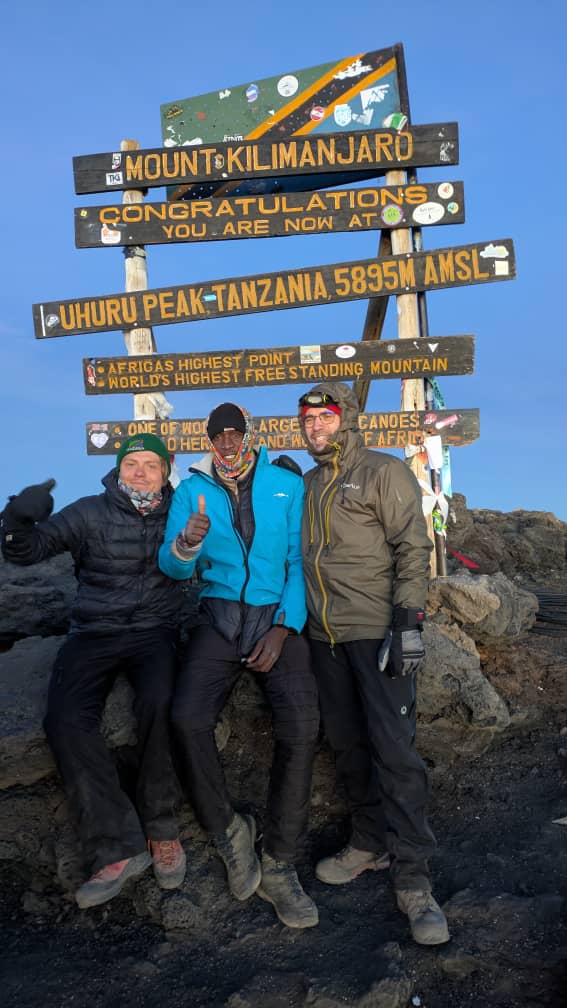
Kilimanjaro Climb With A Dutch-Speaking Guide In | Top Adventures 2026-2027
Discover the unparalleled experience of climbing Mount Kilimanjaro with a dedicated Dutch-speaking guide. Top Guide Adventures ensures your safety, comfort, and success on this iconic...
View package details
Kilimanjaro Climb With An Italian-Speaking Guide: Your Ultimate Adventure
start your dream Kilimanjaro climb with a dedicated Italian-speaking guide. Top Guide Adventures provides comprehensive support, ensuring a safe and unforgettable experience on Africa's...
View package detailsKilimanjaro Climb With A Spanish-Speaking Guide 2026-2027
Kilimanjaro Climb with a Spanish-Speaking Guide is explained with current 2026-2027 planning, price, itinerary and booking information.
View package details
Kilimanjaro Climb With A French-Speaking Guide: Your Complete Planning
Discover the unparalleled experience of climbing Mount Kilimanjaro with a dedicated French-speaking guide. This comprehensive guide covers everything you need to know for your 2026-2027...
View package details
Kilimanjaro Climb With A German-Speaking Guide In | Top Adventures 2026-2027
Experience a Kilimanjaro climb with the comfort and clarity of a German-speaking guide. Top Guide Adventures provides personalized expeditions, ensuring your safety and enjoyment on...
View package detailsKilimanjaro Climb With Camp Chairs And Dining Tent Guide
Elevate your Kilimanjaro climbing experience with the added comfort of camp chairs and a dining tent. This guide details the benefits, what's included, and why these amenities are...
View package detailsNo related package matches those filters. Clear one or more filters to see the other topic-matched options.



