
Planning a Kilimanjaro climb with Kosher-friendly food involves detailed coordination with your tour operator well in advance to ensure all meals provided on the mountain adhere to Kosher dietary laws, including sourcing certified ingredients, proper food preparation by chefs trained in these requirements, and careful packing to maintain Kashrut throughout your 2026-2027 expedition. Top Guide Adventures is equipped to handle these specific needs, working with you to create a safe and satisfying culinary experience on your trek.
Understanding the Challenges of Kosher Food on Kilimanjaro
Climbing Mount Kilimanjaro is an extraordinary physical and mental undertaking. For trekkers observing Kosher dietary laws, this challenge is amplified by the logistical complexities of maintaining Kashrut while ascending Africa’s highest peak. The remote nature of the mountain, limited access to specialized ingredients, and the basic cooking facilities available at altitude present unique hurdles. Ensuring food is Kosher requires meticulous planning, strict adherence to preparation guidelines, and reliable sourcing of ingredients. This isn’t a simple request; it demands a dedicated approach from both the trekker and the tour operator to guarantee the integrity of the food throughout the entire journey, from base camp to the summit and back down. For expeditions planned for 2026 and 2027, early and clear communication with your chosen trekking company is paramount.
The primary concerns for Kosher food on Kilimanjaro revolve around:
- Ingredient Sourcing and Certification: Ensuring all food items, from grains and dried fruits to canned goods and cooking oils, are certified Kosher. This can be particularly difficult in Tanzania, where such certifications might not be readily available locally.
- Preparation and Cross-Contamination: The risk of cross-contamination is high. Kitchen tents, utensils, pots, pans, and cutting boards must be dedicated or thoroughly cleaned and Kashered according to strict Kosher standards.
- Storage and Spoilage: Maintaining food safety and Kashrut in varying temperatures and conditions, especially at higher altitudes where refrigeration is impossible.
- Crew Training: The expedition chef and support crew must understand and be trained in Kosher food handling protocols.
- Variety and Nutrition: Providing a balanced and varied Kosher diet that supplies the necessary energy and nutrients for strenuous trekking, without relying on common non-Kosher staples.
Top Guide Adventures recognizes these challenges and is committed to working closely with clients to develop customized meal plans that meet Kosher requirements, ensuring a safe and enjoyable climb for all trekkers in 2026-2027.
The Role of the Tour Operator in Kosher Food Planning
The success of a Kilimanjaro climb with Kosher food hinges significantly on the tour operator’s willingness and ability to accommodate these specific dietary needs. A reputable operator will not simply nod in agreement; they will actively engage in a detailed planning process. This typically begins with an in-depth consultation to understand the trekker’s specific requirements, including any particular sects or observances within Kosher law that need to be considered. They must then demonstrate a clear plan for sourcing certified Kosher ingredients, often requiring imports or special arrangements with suppliers. Furthermore, the operator needs to detail how their kitchen staff will be trained and how equipment will be managed to prevent any breach of Kashrut. For climbs booked for 2026 and 2027, this level of commitment and transparency from the tour operator is non-negotiable.
Key responsibilities of a tour operator for Kosher-friendly Kilimanjaro climbs include:
- Proactive Communication: Initiating discussions about dietary needs early in the planning process.
- Ingredient Procurement: Establishing reliable channels for obtaining certified Kosher ingredients, potentially including importing specific items from international suppliers or sourcing from reputable Kosher suppliers in major cities like Nairobi or even further afield.
- Kitchen and Equipment Management: Implementing strict protocols for food preparation, including the use of dedicated or thoroughly Kashered cooking equipment and utensils. This might involve providing separate sets of pots, pans, and cutlery.
- Staff Training: Ensuring that the expedition chef and porters are educated on the principles of Kosher food preparation and handling to avoid cross-contamination.
- Meal Planning: Collaborating with the trekker to design a menu that is both Kosher and nutritionally adequate for the demands of climbing Kilimanjaro.
- Documentation: Providing documentation or assurances regarding the Kosher status of ingredients and preparation methods, if required by the trekker.
Top Guide Adventures prides itself on offering personalized service and is dedicated to meeting the unique needs of every client. We understand that Kosher dietary laws require special attention, and we are prepared to work diligently to ensure your climb is both spiritually and physically fulfilling. Contact us to discuss your specific requirements for a 2026 or 2027 Kilimanjaro expedition.
Sourcing Kosher Ingredients for Kilimanjaro Treks
The procurement of Kosher ingredients is arguably the most significant challenge in planning a Kosher-friendly Kilimanjaro climb. Tanzania, while a beautiful country, does not have a widespread local infrastructure for Kosher food certification. This means that most, if not all, of the necessary ingredients will need to be sourced internationally or through specialized channels. Tour operators like Top Guide Adventures often need to go to great lengths to ensure these ingredients are not only available but also certified and handled appropriately before they even reach the mountain.
The process typically involves:
- Importation: Working with international Kosher food suppliers, often based in Europe, the US, or Israel, to import items such as Matzah, Kosher for Passover products (if applicable), specific grains, flours, oils, canned goods, and snacks. This requires significant lead time and can add to the overall cost of the expedition.
- Local Sourcing with Verification: While less common for strict observance, some operators might attempt to source items like fresh produce, rice, or beans locally. However, these must be carefully vetted to ensure they haven’t been processed with non-Kosher ingredients or handled in a way that violates Kashrut. Verification often relies on the trekker’s specific level of observance and their trust in the operator’s diligence.
- Pestos, Sauces, and Spices: Even seemingly simple items like pesto, sauces, or spice blends can contain non-Kosher ingredients (e.g., cheese in pesto, animal fats in some sauces) or be processed on equipment that handles non-Kosher food. Certified Kosher versions of these are essential.
- Water: Ensuring a safe and Kosher water supply is also critical. While mountain water can be purified, the source and purification methods should be acceptable. Often, bottled water is preferred.
- Packaging and Labeling: All imported ingredients must have clear Kosher certification labels. The operator must ensure these labels remain intact and are not removed or obscured.
For treks planned in 2026 and 2027, Top Guide Adventures collaborates with clients to identify the most suitable Kosher suppliers and import routes. We understand the importance of every detail, from the flour used for chapati to the oil for frying. Our team works to procure items that meet the highest standards of Kashrut, ensuring peace of mind for our trekkers.
Kosher Food Preparation and Preventing Cross-Contamination
Preventing cross-contamination is a cornerstone of Kosher food preparation. On Mount Kilimanjaro, where resources are limited and kitchens are often temporary setups in tents, this presents a significant challenge. The expedition chef and their team must be rigorously trained to maintain the separation of Kosher ingredients and food from any non-Kosher elements. This isn’t just about avoiding pork or shellfish; it’s about ensuring that utensils, cooking surfaces, and even the hands preparing the food do not come into contact with anything that is not Kosher.
Key strategies for Kosher food preparation and preventing cross-contamination include:
- Dedicated Kitchen Tents: Whenever possible, a separate kitchen tent should be designated exclusively for preparing Kosher meals.
- Kashering Equipment: All cooking pots, pans, cutlery, plates, cups, and utensils must be thoroughly cleaned and Kashered. This often involves a specific process of cleansing and sometimes heating or boiling to remove any residual non-Kosher substances. Tour operators may need to provide entirely new sets of equipment.
- Separate Utensils: Using distinct sets of utensils for Kosher food preparation, clearly marked and stored separately from any other equipment.
- Hand Washing Protocols: Strict hand washing procedures for all kitchen staff before handling Kosher ingredients or meals.
- Food Handling: Ensuring that Kosher food is prepared and served in a manner that prevents it from touching non-Kosher items or surfaces. This includes careful packing of lunches for the day’s trek.
- Waste Disposal: Proper disposal of all food waste to prevent attracting animals or creating unsanitary conditions that could compromise food safety.
Top Guide Adventures works with experienced expedition chefs who understand the gravity of these requirements. We implement strict operational procedures to ensure that the food prepared for our Kosher-observant clients is handled with the utmost care and respect for Kashrut. For your 2026-2027 Kilimanjaro adventure, we are committed to providing a safe and delicious dining experience.
Sample Kosher Meal Plan for Kilimanjaro Treks
Developing a nutritionally sound and appealing Kosher meal plan for a multi-day trek like Kilimanjaro requires creativity and careful consideration of available ingredients and energy needs. The goal is to provide high-calorie, easily digestible meals that offer variety and sustain trekkers through demanding days. Below is a sample meal plan structure, which can be customized based on individual preferences and specific Kosher certifications available. This plan assumes access to certified Kosher ingredients and adherence to strict preparation protocols as discussed previously.
Day 1: Arrival and Preparation
- Breakfast: Kosher cereal with Kosher milk alternative (e.g., almond or soy milk), fresh fruit.
- Lunch: Kosher tuna salad (made with Kosher mayonnaise) on Kosher crackers, vegetable sticks, piece of fruit.
- Dinner: Kosher vegetable soup, grilled Kosher chicken breast (certified), quinoa, steamed vegetables.
Day 2: Trek Start (Marangu/Machame Gate to First Camp)
- Breakfast: Oatmeal made with water or Kosher milk alternative, topped with dried Kosher fruits and nuts, Kosher tea/coffee.
- Lunch (Packed): Kosher falafel wraps with tahini, cucumber and tomato salad, an apple.
- Dinner: Lentil stew with Kosher spices, Kosher rice, side salad.
Day 3-6: Ascending the Mountain
- Breakfast: Variety of Kosher cereals, Kosher pancakes (if feasible with ingredients), scrambled tofu with vegetables, fruit.
- Lunch (Packed): Kosher peanut butter and jelly sandwiches on Kosher bread, energy bars (certified Kosher), dried fruit mix.
- Dinner: Pasta with Kosher tomato sauce and vegetables, Kosher vegetable stir-fry with tofu, Kosher vegetable curry with rice.
Day 7: Summit Day & Descent to Mweka/Millennium Camp
- Pre-Summit (Midnight): Light, easily digestible Kosher snacks like energy gels, dried fruit.
- Breakfast (Post-Summit/Descent): Hearty Kosher porridge, Kosher bread with jam, hot drinks.
- Lunch (Packed): More substantial wraps or sandwiches, nuts, and chocolate (certified Kosher).
- Dinner: Celebratory meal – perhaps Kosher grilled fish (if reliably sourced and prepared) or a rich Kosher vegetable and bean chili, served with Kosher bread.
Day 8: Descent to Gate
- Breakfast: Final Kosher breakfast – perhaps Kosher scrambled eggs (if available and prepared correctly) or a favorite cereal, fruit.
- Lunch (Packed): Leftovers or simple Kosher sandwiches to enjoy at the gate or en route back to town.
Snacks: A variety of Kosher-certified energy bars, nuts, dried fruits, chocolate, and hard candies will be available throughout the trek.
Important Considerations:
- Hydration: Plenty of purified water, Kosher juices, and hot beverages will be provided.
- Seasonality: Menu items may vary slightly based on the availability of certain fresh produce at the time of the trek.
- Personal Preferences: This is a sample. Top Guide Adventures will work with you to tailor the menu to your specific tastes and dietary needs for your 2026-2027 climb.
This sample plan highlights the commitment required to provide varied and satisfying Kosher meals on the mountain, ensuring trekkers remain well-nourished and energized.
Choosing the Right Kilimanjaro Route for Kosher Food Planning
While all routes on Kilimanjaro involve similar logistical challenges regarding food, some routes might offer slightly better conditions or more manageable logistics for Kosher food preparation. The key is the duration of the trek and the number of camping nights, as more camping days mean more meals to prepare and manage under Kosher guidelines. Routes that are less crowded might also mean more predictable access to designated camping spots, potentially allowing for better setup of the kitchen area. However, the fundamental requirement for Kosher food remains the same across all routes: meticulous planning and execution.
Considerations for route selection:
- Duration: Shorter routes (e.g., Marangu 5-day) mean fewer meals to manage, potentially simplifying Kosher food logistics. However, shorter routes also have lower success rates due to acclimatization issues. Longer routes (e.g., Lemosho 8-day, Northern Circuit 9-day) offer better acclimatization and higher success rates but require more extensive food planning. For a 2026-2027 climb, prioritizing acclimatization is wise, which often means longer routes.
- Camping vs. Huts: Routes like Marangu use huts for accommodation, which might offer more stable surfaces for cooking compared to the uneven ground of campsites. However, huts are shared facilities, potentially increasing cross-contamination risks if not managed carefully. Most other routes (Machame, Lemosho, Shira, Rongai, Northern Circuit) are camping routes, requiring dedicated kitchen tents.
- Logistics and Support: Routes with more established campsites and better logistical support might make it easier for the crew to manage the specialized requirements of Kosher food preparation.
The most popular routes for acclimatization and success rates are Lemosho and Machame, typically 7-8 days. The Northern Circuit is the longest and offers the best acclimatization. For Kosher food planning, Top Guide Adventures recommends discussing the specific route choice with us. We can advise on which routes offer the most manageable logistical framework for your dietary needs, ensuring a safe and successful climb in 2026 or 2027.
What to Pack for Your Kosher Kilimanjaro Climb
Beyond the standard Kilimanjaro packing list, trekkers observing Kosher dietary laws need to consider a few additional items to ensure their comfort and adherence to Kashrut. While the tour operator is responsible for providing the main meals, having personal Kosher snacks and perhaps a small personal kit can provide an extra layer of security and personal choice. It’s also wise to pack items that can help maintain personal hygiene, which is crucial when dealing with food preparation and consumption in a remote environment.
Recommended additions to your packing list:
- Certified Kosher Snacks: Bring a supply of your favorite Kosher-certified energy bars, nuts, dried fruits, candies, or any specific Kosher treats you enjoy. These are vital for personal energy boosts during the day and as a backup.
- Personal Utensils: While the crew will provide utensils, carrying a personal set (e.g., a spork or set of lightweight cutlery) made of non-reactive material can be reassuring. Ensure they are kept separate and clean.
- Small Wash Kit: Biodegradable soap and a small towel for personal hygiene, especially for handwashing before eating.
- Hand Sanitizer: An alcohol-based hand sanitizer is indispensable for quick cleaning when water is not immediately available.
- Reusable Water Bottle/Bladder: Essential for carrying water throughout the day. Ensure it’s thoroughly cleaned daily.
- Snack Bag: A dedicated bag for your personal Kosher snacks to keep them organized and easily accessible.
- Plastic Bags/Containers: For storing any personal snacks or leftovers, ensuring they are sealed to prevent contamination or spoilage.
It’s crucial to discuss any personal food items you plan to bring with Top Guide Adventures to ensure they comply with any import regulations and that the crew is aware of them. For your 2026-2027 climb, packing smart ensures you are well-prepared for every aspect of your journey.
Dietary Laws and Summit Night: Staying Energized the Kosher Way
Summit night on Kilimanjaro is the most demanding part of the trek. It typically begins around midnight, requiring trekkers to ascend for 6-8 hours in the dark, cold, and at extreme altitude. Maintaining energy levels is critical, and this is where a carefully planned Kosher diet plays a vital role. The food provided just before the summit push and any personal snacks carried must be easily digestible, energy-dense, and Kosher.
Strategies for summit night Kosher nutrition:
- Pre-Summit Meal: A light but energy-rich meal is usually served before the summit attempt. This might include Kosher porridge, simple Kosher bread with jam, or energy-rich Kosher bars. The focus is on carbohydrates for quick energy, avoiding heavy or fatty foods that are hard to digest at altitude.
- Personal Snacks: Trekkers should carry easily accessible Kosher snacks in their daypack. This could include:
- Kosher energy gels or chews
- Dried fruits (dates, apricots, raisins)
- Kosher chocolate
- Nuts (if not prohibited by specific dietary rules or allergies)
- Hard candies
- Hydration: Staying hydrated is paramount. Warm, non-caffeinated Kosher drinks like herbal tea are often preferred. Water should be sipped regularly, not gulped.
- Ease of Consumption: Snacks should be easy to open and eat with gloves on in freezing temperatures.
- Simplicity is Key: At this altitude and during this strenuous effort, the body’s digestive system is compromised. Simple, familiar Kosher foods that require minimal digestion are best.
Top Guide Adventures ensures that the summit night provisions are carefully selected to meet these needs. We work with our chefs to prepare easily digestible, energy-dense Kosher options. For your 2026-2027 climb, we will brief you on the specific summit night food provided and advise on personal Kosher snacks that would be most beneficial.
Working with Top Guide Adventures for Your Kosher Kilimanjaro Climb
Top Guide Adventures is dedicated to making your Kilimanjaro dream a reality, regardless of your dietary requirements. We understand that planning a climb with Kosher food involves unique considerations, and we are committed to providing exceptional service and support. Our team has experience in managing complex dietary needs and will work diligently to ensure your expedition is safe, enjoyable, and fully compliant with your Kosher observance.
When you choose Top Guide Adventures for your 2026-2027 Kilimanjaro climb with Kosher-friendly food, you benefit from:
- Personalized Consultation: We start with a detailed discussion to understand your specific Kosher requirements, including any particular certifications or halachic considerations.
- Expert Meal Planning: Our team collaborates with you and our experienced chefs to design a comprehensive Kosher meal plan that is both nutritionally adequate and appealing.
- Reliable Ingredient Sourcing: We leverage our network and experience to source certified Kosher ingredients, either through trusted international suppliers or carefully vetted local options.
- Strict Food Preparation Protocols: We implement rigorous procedures for food preparation, focusing on preventing cross-contamination and ensuring all food is handled according to Kosher standards. This includes the use of dedicated or Kashered equipment.
- Trained Expedition Crew: Our chefs and support staff are briefed and trained on the importance of Kosher dietary laws and the necessary handling procedures.
- Comprehensive Support: From the moment you inquire about your 2026 or 2027 climb until you return from the mountain, we provide dedicated support to address all your needs.
We believe that dietary restrictions should not be a barrier to experiencing the majesty of Kilimanjaro. Let us help you plan an unforgettable adventure. Contact us today to discuss your personalized Kosher-friendly Kilimanjaro climb.
Get in touch:
- WhatsApp: +255616946642
- Email: topguideadventures@gmail.com
- Backup Email: info@topguideadventures.com
We look forward to helping you achieve your summit goals with confidence and peace of mind in 2026-2027.
Frequently Asked Questions about Kosher Food on Kilimanjaro
Here are some common questions prospective trekkers have regarding Kosher food on Kilimanjaro:
Is it possible to get certified Kosher meals on Kilimanjaro?
Yes, it is possible, but it requires extensive planning and coordination with a specialized tour operator. The ingredients must be certified Kosher, and the preparation must adhere to strict Kashrut laws, often involving imported goods and specific handling procedures by the expedition crew. Top Guide Adventures specializes in arranging such trips.
What is the biggest challenge in providing Kosher food on Kilimanjaro?
The primary challenges are sourcing certified Kosher ingredients in Tanzania and preventing cross-contamination during food preparation at altitude. This necessitates working with specialized suppliers and ensuring the expedition crew is well-trained in Kosher food handling protocols.
How far in advance should I book a Kosher-friendly Kilimanjaro climb?
For a Kosher-friendly climb, it is highly recommended to book at least 6-12 months in advance. This lead time allows for proper sourcing of specialized ingredients, detailed meal planning, and necessary training for the expedition team. For 2026-2027 expeditions, starting the planning process now is ideal.
Will I need to bring my own Kosher food?
While Top Guide Adventures handles the main meals, bringing a personal supply of favorite Kosher snacks is always a good idea. This ensures you have familiar, trusted options for energy boosts and as a backup. We will advise you on what types of snacks are most beneficial.
What certifications should I look for in Kosher food items?
Look for reliable Kosher certification symbols from reputable organizations (e.g., OU, OK, Star-K, COR, or specific national Kosher agencies). The specific certification acceptable may depend on your personal level of observance. Always communicate your requirements clearly with your tour operator.
Can I be certain that the food remains Kosher throughout the trek?
A reputable operator like Top Guide Adventures will implement strict protocols to maintain Kashrut. This includes using dedicated or Kashered equipment, training staff, and careful ingredient sourcing. While absolute certainty is difficult in any remote expedition, we take every measure to ensure the integrity of your Kosher meals.
What about Kosher for Passover food if I climb during that time?
Climbing during Passover requires even more specialized planning. Specific Kosher for Passover ingredients must be sourced, and the preparation must follow all Passover dietary laws, including avoiding Chametz. This significantly increases complexity and cost, and requires very early planning, ideally 9-12 months in advance for 2026 or 2027.
How does altitude affect Kosher food digestion?
Altitude can affect digestion for everyone. Therefore, Kosher meals are designed to be easily digestible, focusing on carbohydrates and avoiding heavy, fatty, or complex foods, especially during strenuous ascents and summit night.
What is the typical cost difference for a Kosher-friendly Kilimanjaro climb?
A Kosher-friendly Kilimanjaro climb typically incurs additional costs due to the specialized sourcing of ingredients, potential import duties, and the extra training and logistical requirements for the crew. The exact cost can vary significantly but expect an increase of 10-30% or more compared to a standard trek, depending on the complexity of the dietary needs and sourcing challenges for 2026-2027 treks.
Can Top Guide Adventures help with planning for 2026-2027 Kosher climbs?
Absolutely. Top Guide Adventures is committed to providing personalized service for all trekkers, including those with specific dietary needs like Kosher food. We are experienced in arranging Kosher-friendly expeditions and can guide you through every step of the planning process for your 2026 or 2027 climb.
The Future of Kosher Trekking on Kilimanjaro (2026-2027 and Beyond)
As global travel becomes more interconnected and awareness of diverse dietary needs grows, the demand for specialized trekking experiences, including Kosher-friendly Kilimanjaro climbs, is expected to increase. For 2026 and 2027, tour operators like Top Guide Adventures are continually refining their services to better meet these demands. This includes strengthening relationships with Kosher suppliers, enhancing staff training programs, and developing more robust logistical frameworks for managing specialized dietary requirements in remote environments.
The trend points towards:
- Increased Operator Specialization: More tour companies will likely develop dedicated services for trekkers with specific dietary needs, recognizing this as a key differentiator.
- Improved Sourcing Networks: Efforts will continue to establish more reliable and cost-effective channels for Kosher ingredient procurement in East Africa.
- Technological Integration: While still nascent, technology might play a role in better tracking ingredient certifications or facilitating communication between trekkers and operators regarding dietary specifics.
- Sustainability and Ethics: A growing emphasis on sustainable practices will also influence food sourcing, ensuring that even specialized ingredients are procured responsibly.
Top Guide Adventures is at the forefront of providing these tailored experiences. We are constantly evaluating our processes and seeking ways to improve our service for Kosher-observant trekkers. Our commitment is to ensure that climbing Kilimanjaro remains an accessible and fulfilling adventure for everyone, with careful attention paid to every detail, including your dietary needs, for expeditions planned in 2026-2027 and beyond.
We invite you to connect with us to begin planning your unique Kilimanjaro adventure. Let us help you prepare for a safe, successful, and spiritually satisfying climb.
Contact Top Guide Adventures:
- WhatsApp: +255616946642
- Email: topguideadventures@gmail.com
- Backup Email: info@topguideadventures.com
Your summit awaits, and we are here to guide you every step of the way, ensuring your Kilimanjaro climb with Kosher-friendly food is an experience of a lifetime.
Check Availability for Kilimanjaro Climb With Kosher-Friendly Food Planning In 2026-2027
Ready to compare dates, prices, and the best option for your group? Send the package name and travel month so the team can reply with a clear quote, availability, and what is included.
Kilimanjaro Climb With A Polish-Speaking Guide: Your Comprehensive Planning
Discover how to arrange a Kilimanjaro climb with a dedicated Polish-speaking guide. This extensive guide covers route options, preparation, costs, and booking considerations for your...
View package details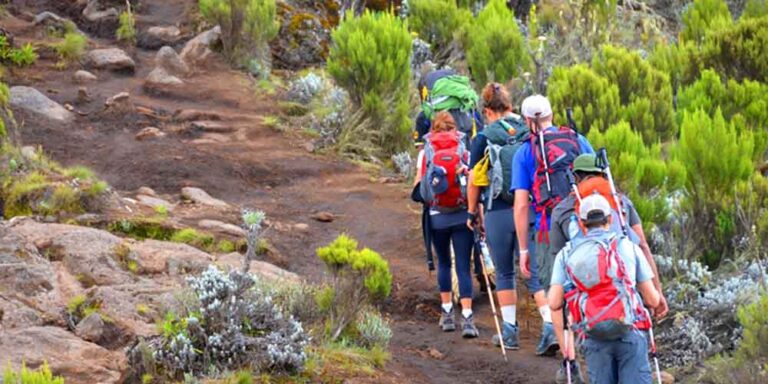
Kilimanjaro Climb With A French-Speaking Guide: Your Complete Planning
Discover the unparalleled experience of climbing Mount Kilimanjaro with a dedicated French-speaking guide. This comprehensive guide covers everything you need to know for your 2026-2027...
View package details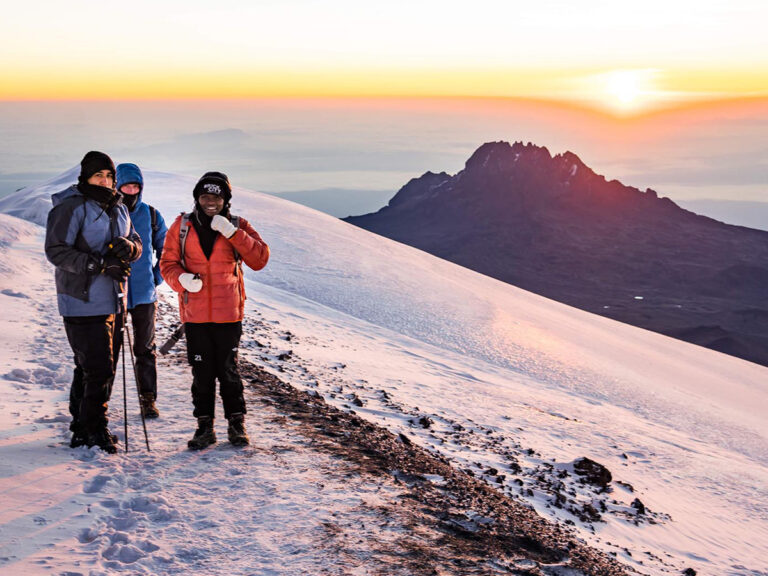
Foods To Avoid Before A Kilimanjaro Climb: Expert Guide For Trekkers 2026-2027
Planning your Kilimanjaro climb for 2026 or 2027? Proper nutrition is key. This guide details essential foods and drinks to avoid before and during your trek to prevent digestive issues and...
View package details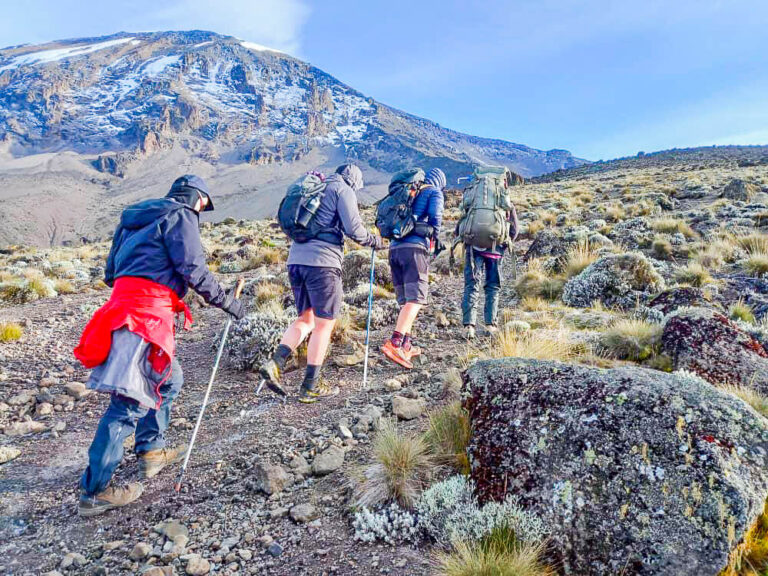
Kilimanjaro Climb With Low-Sugar Meal Planning Guide
Climbing Kilimanjaro requires careful nutritional planning. This guide focuses on low-sugar meal strategies to sustain energy, aid acclimatization, and enhance your trekking experience...
View package details
Kilimanjaro Climb For Travellers With Food Allergies 2026-2027
Kilimanjaro Climb for Travellers with Food Allergies is explained with current 2026-2027 planning, price, itinerary and booking information.
View package detailsKilimanjaro Climb With Gluten-Free Food: Your Essential Guide For 2026-2027
Climbing Mount Kilimanjaro is an incredible adventure, and dietary needs, like requiring gluten-free food, should not be a barrier. Top Guide Adventures specializes in providing safe...
View package details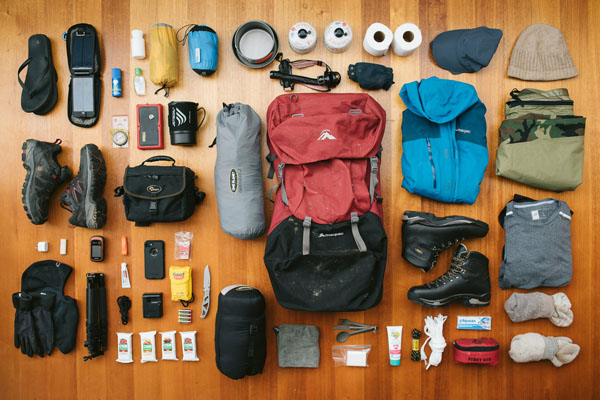
Kilimanjaro School Reunion Climb: Planning Your Ultimate Adventure 2026-2027
Planning a Kilimanjaro School Reunion Climb offers a unique opportunity to reconnect with classmates while achieving a monumental goal. This guide covers everything from choosing the best...
View package details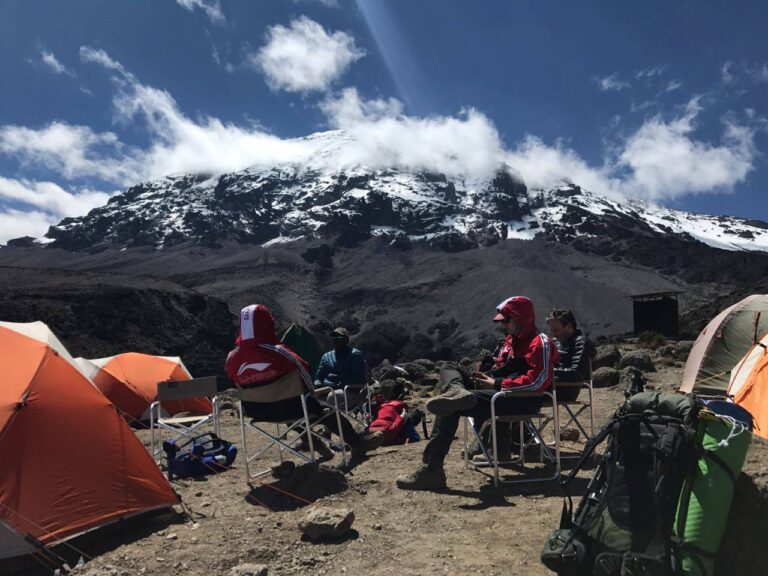
Kilimanjaro Climb With A Russian-Speaking Guide: Your Ultimate Adventure
start your Kilimanjaro adventure with a dedicated Russian-speaking guide. This comprehensive guide covers everything you need to know for a successful climb in 2026-2027, from choosing the...
View package details
Kilimanjaro Climb With A Portuguese-Speaking Guide: Your Expert For 2026-2027
Discover everything you need to know for a Kilimanjaro climb with a Portuguese-speaking guide. Top Guide Adventures provides comprehensive planning details for your 2026-2027 ascent...
View package details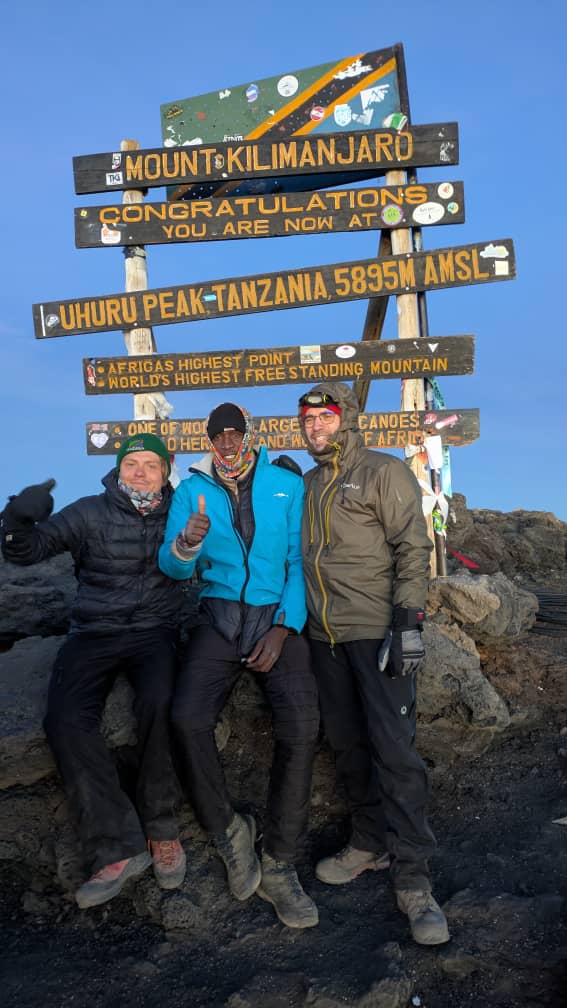
Kilimanjaro Climb With A Dutch-Speaking Guide In | Top Adventures 2026-2027
Discover the unparalleled experience of climbing Mount Kilimanjaro with a dedicated Dutch-speaking guide. Top Guide Adventures ensures your safety, comfort, and success on this iconic...
View package details
Kilimanjaro Climb With An Italian-Speaking Guide: Your Ultimate Adventure
start your dream Kilimanjaro climb with a dedicated Italian-speaking guide. Top Guide Adventures provides comprehensive support, ensuring a safe and unforgettable experience on Africa's...
View package detailsKilimanjaro Climb With A Spanish-Speaking Guide 2026-2027
Kilimanjaro Climb with a Spanish-Speaking Guide is explained with current 2026-2027 planning, price, itinerary and booking information.
View package detailsNo related package matches those filters. Clear one or more filters to see the other topic-matched options.



