
A typical Kilimanjaro Mountain meal plan by day focuses on providing sustained energy through balanced nutrition, offering hot breakfasts, packed lunches or hot midday meals, and hearty dinners with carbohydrates, protein, and fats, supplemented by snacks and hydration to combat altitude effects and support physical exertion throughout the multi-day trek, with menus often adjusted for dietary needs and preferences.
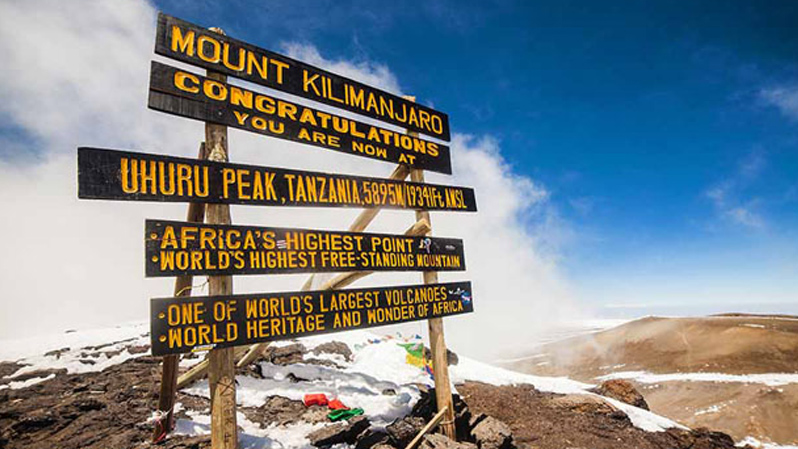
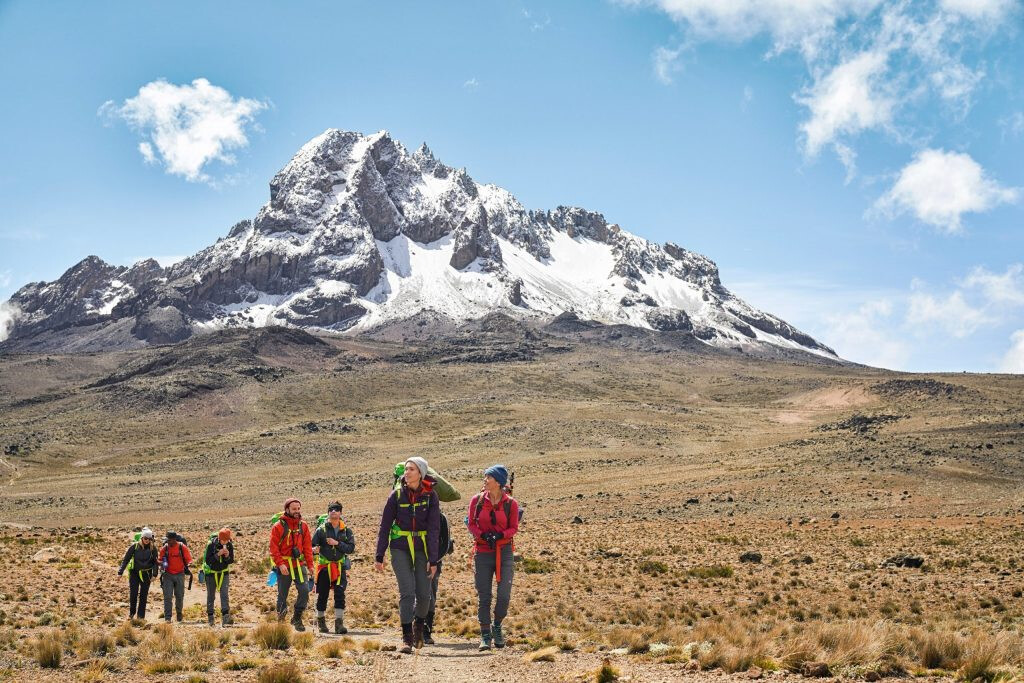
Understanding the Daily Kilimanjaro Meal Plan by Day
Climbing Mount Kilimanjaro is an extraordinary physical and mental challenge. What you eat and drink plays a crucial role in your ability to acclimatize, maintain energy levels, and ultimately reach the summit. The Kilimanjaro Mountain meal plan by day is meticulously designed by experienced tour operators like Top Guide Adventures to provide climbers with the necessary fuel and hydration at every stage of their ascent. This isn’t just about food; it’s about strategic nourishment that supports your body as it adapts to extreme altitudes and demanding physical activity.
Our approach at Top Guide Adventures is to ensure that every climber receives delicious, nutritious, and easily digestible meals. We understand that appetite can fluctuate at altitude, so our menus are varied and appealing, utilizing fresh, local ingredients whenever possible. The success of your climb hinges significantly on your body’s ability to perform, and a well-structured Kilimanjaro Mountain meal plan by day is fundamental to that performance. We’ll break down what you can expect for breakfast, lunch, and dinner, day by day, across the most popular routes, highlighting how our plans cater to the unique demands of high-altitude trekking.
For those planning their climb in the upcoming seasons, especially for 2026 and 2027, understanding the meal plan is a key part of your preparation. It allows you to anticipate your nutritional intake, manage your expectations, and even begin making dietary adjustments before you arrive in Tanzania.
The Pillars of Kilimanjaro Trekking Nutrition
Before diving into the day-by-day specifics, it’s essential to grasp the core nutritional principles that underpin every Kilimanjaro Mountain meal plan by day. High-altitude trekking requires a specific dietary strategy focused on:
- Carbohydrates: These are your primary energy source. Complex carbohydrates like oats, rice, pasta, and potatoes provide sustained release of energy, crucial for long trekking days and the demanding summit night.
- Protein: Essential for muscle repair and recovery. Lean protein sources like chicken, fish, beans, and lentils are incorporated to help your body cope with the physical stress.
- Fats: Provide a dense source of energy, important for prolonged exertion. Healthy fats from oils, nuts, and seeds are included in moderation.
- Hydration: Arguably the most critical element. Dehydration can exacerbate altitude sickness. We emphasize drinking 3-5 liters of water daily, often supplemented with electrolyte-rich drinks.
- Vitamins and Minerals: Crucial for overall bodily function and immune support. Fresh fruits and vegetables, where available, contribute significantly.
Our chefs are trained to prepare meals that are not only nourishing but also palatable, even when appetites are reduced by altitude. They use safe cooking practices to prevent foodborne illnesses, a vital consideration on the mountain.
Typical Kilimanjaro Mountain Meal Plan by Day: Route Agnostic Overview
While specific menus can vary slightly depending on the route and duration, the structure of the Kilimanjaro Mountain meal plan by day remains consistent across all reputable operators. Each day typically includes:
- Breakfast: Served before you set off for the day’s trek. This is usually a hot meal designed to provide immediate energy.
- Lunch: Often a packed lunch to be enjoyed en route at a scenic spot, or sometimes a hot meal at a designated campsite if the day’s trek is shorter.
- Dinner: The main hot meal of the day, served upon arrival at the campsite. This meal focuses on replenishing energy stores and preparing you for the next day.
- Snacks: High-energy snacks like biscuits, fruits, nuts, and energy bars are provided to keep you fueled between meals.
- Hot Drinks: Tea, coffee, hot chocolate, and soup are offered regularly throughout the day, especially at mealtimes and in the evening.
The complexity and variety of meals increase with the duration of the trek and the route chosen. Longer routes like the Lemosho or Machame (7 and 8 days respectively) offer more opportunities for varied menus and acclimatization, which can positively impact appetite and digestion.
A Detailed Kilimanjaro Mountain Meal Plan by Day: Example Itinerary (7-Day Machame Route)
Let’s walk through a hypothetical Kilimanjaro Mountain meal plan by day for the popular 7-day Machame Route. This provides a concrete understanding of what to expect from Top Guide Adventures on your climb.
Day 1: Machame Gate (1,800m) to Machame Camp (3,050m)
Trek Duration: 5-7 hours
Distance: ~11 km
- Breakfast (at hotel before starting): A substantial cooked breakfast, typically including eggs, sausages, toast, and fruit juice, to energize you for the journey to the mountain.
- Lunch (packed): Enjoyed shortly after starting your trek in the rainforest. Expect sandwiches with fillings like chicken or cheese, hard-boiled eggs, fruit (like apples or bananas), and biscuits.
- Dinner (at Machame Camp): Your first hot meal on the mountain. Usually, a hearty soup to start, followed by a main course such as chicken stew with rice, or a vegetable curry with chapati. Fruit for dessert.
- Hot Drinks: Tea, coffee, hot chocolate, water.
The first day is about easing into the trek, and the food reflects this, focusing on familiar and easily digestible options.
Day 2: Machame Camp (3,050m) to Shira Camp (3,850m)
Trek Duration: 4-6 hours
Distance: ~5 km
- Breakfast (at Machame Camp): Porridge or oatmeal, served with milk, sugar, and fruit. Often accompanied by fried eggs and toast.
- Lunch (packed): A delicious packed lunch to enjoy during your trek. This might include pasta salad with vegetables, more sandwiches, fruit, and energy bars.
- Dinner (at Shira Camp): Another comforting hot meal. Options could include beef stir-fry with noodles, or lentil soup with bread, followed by pudding.
- Hot Drinks: A selection of teas, coffee, hot chocolate, and plenty of water.
As you gain altitude, the focus on carbohydrates becomes more pronounced. The meals are designed to sustain you through the increasing climb.
Day 3: Shira Camp (3,850m) to Barranco Camp (3,950m)
Trek Duration: 6-8 hours
Distance: ~10 km
- Breakfast (at Shira Camp): Pancakes or crepes, served with syrup and fruit. Also, often a choice of eggs and toast.
- Lunch (packed): A substantial packed meal. Think rice salad with tuna, or a hearty vegetable and bean wrap, along with fruit and nuts.
- Dinner (at Barranco Camp): A well-earned hot meal. Perhaps spaghetti bolognese, or a rich vegetable stew with rice. Dessert like fruit crumble.
- Hot Drinks: Always available – tea, coffee, hot chocolate, and soups.
This day involves significant elevation gain and loss, making a calorie-dense Kilimanjaro Mountain meal plan by day crucial. The acclimatization walk to Lava Tower (4,600m) before descending to Barranco Camp is key.
Day 4: Barranco Camp (3,950m) to Karanga Camp (4,000m)
Trek Duration: 3-5 hours
Distance: ~5 km
- Breakfast (at Barranco Camp): Boiled eggs, toast with jam/honey, and a choice of cereals or porridge.
- Lunch (packed): Often enjoyed at the Karanga Valley picnic spot. Expect chicken skewers, quinoa salad, fruit, and chocolate.
- Dinner (at Karanga Camp): A warming meal. Possibly grilled fish with potatoes and vegetables, or a hearty bean chili with corn bread.
- Hot Drinks: Tea, coffee, hot chocolate, water.
This is a shorter day, allowing for rest and recovery. The meals continue to provide essential energy without being overly heavy.
Day 5: Karanga Camp (4,000m) to Barafu Camp (4,650m)
Trek Duration: 3-5 hours
Distance: ~4 km
- Breakfast (at Karanga Camp): A final substantial breakfast before the big push. Perhaps French toast, eggs, and fruit salad.
- Lunch (packed): A lighter packed lunch, anticipating the evening’s pre-summit meal. Possibly a pasta salad or sandwiches with fruit and biscuits.
- Dinner (at Barafu Camp): This is a crucial meal before summit night. It’s typically carbohydrate-heavy and served early. Think vegetable soup, followed by a large portion of pasta or rice with a protein source like chicken or lentils.
- Hot Drinks: Plenty of water, tea, hot chocolate.
The focus here is on fueling up for the immense effort of summit night. You’ll also be encouraged to drink a lot of fluids.
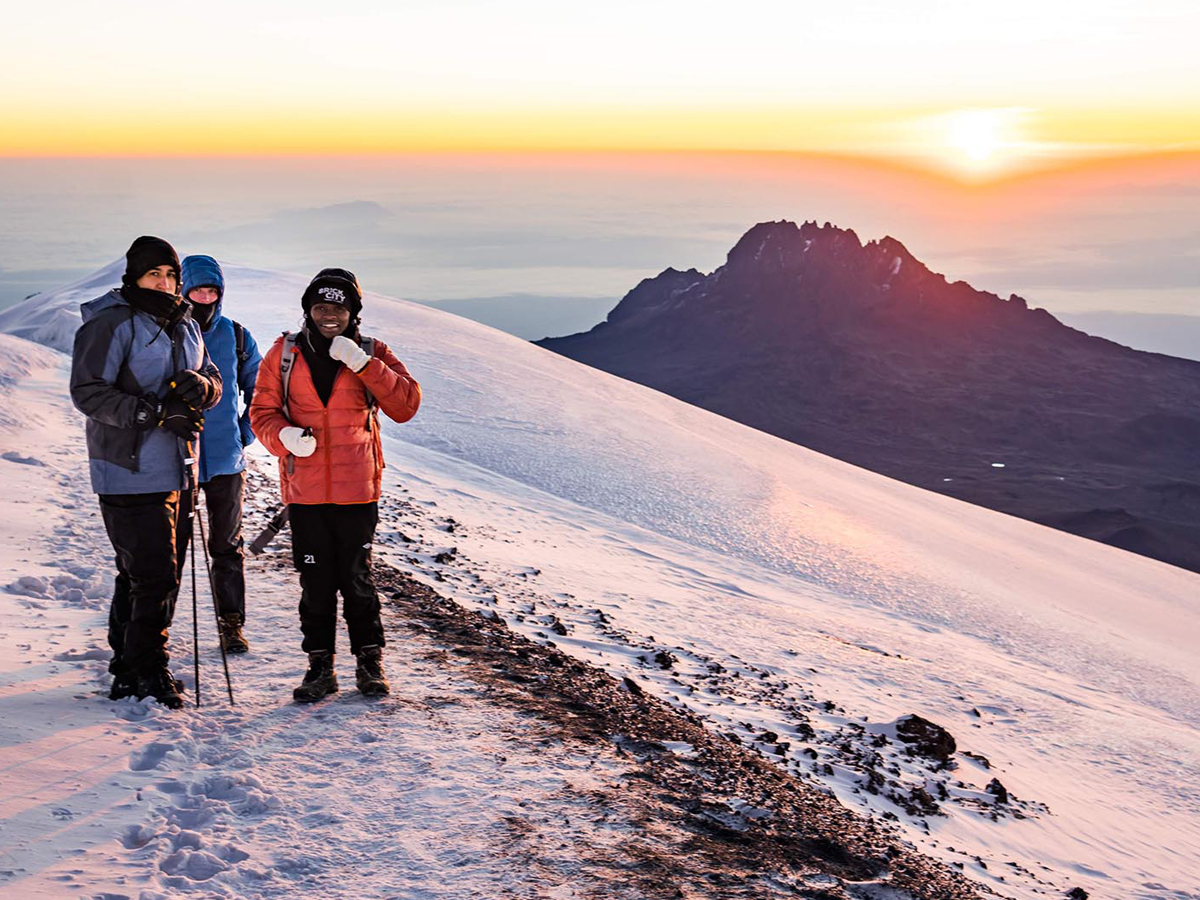
Day 6: Barafu Camp (4,650m) to Uhuru Peak (5,895m) and down to Millennium Camp (3,800m)
Trek Duration: 10-15 hours
Distance: ~12 km ascent, ~7 km descent
- Pre-Dawn Snack/Breakfast (at Barafu Camp): A very light, easily digestible snack and hot drink before the summit push. Often tea and a biscuit or a small bowl of porridge.
- Lunch (packed/on the go): A packed lunch will be carried by your support crew. You might have a chance to eat some of it during the descent, or it will be ready for you at Millennium Camp. Items include sandwiches, fruit, and energy bars.
- Dinner (at Millennium Camp): A celebratory hot meal upon reaching the lower altitude. Expect something particularly satisfying, like roasted chicken with potatoes, or a hearty stew, to mark your achievement.
- Hot Drinks: Essential throughout the day and evening.
Summit night is an extreme test of endurance. The meal plan accounts for this with minimal intake before the climb and a focus on recovery afterward.
Day 7: Millennium Camp (3,800m) to Mweka Gate (1,600m)
Trek Duration: 4-6 hours
Distance: ~12 km
- Breakfast (at Millennium Camp): A final hot breakfast on the mountain. Usually a full cooked breakfast with eggs, toast, and fruit.
- Lunch (at Mweka Gate/Picnic Site): A farewell lunch to celebrate your successful trek. Often a more elaborate meal, perhaps rice with chicken or fish, and fresh salad.
- Dinner (back in Moshi/Arusha): While not part of the mountain meal plan, your return to the hotel means a much-deserved, extensive celebratory dinner.
The Kilimanjaro Mountain meal plan by day concludes with a satisfying meal at the gate, marking the end of your incredible journey.
Dietary Considerations and Customization
At Top Guide Adventures, we recognize that climbers have diverse dietary needs and preferences. Our Kilimanjaro Mountain meal plan by day can be customized to accommodate:
- Vegetarian/Vegan: We offer a wide range of plant-based meals, ensuring you get adequate protein and nutrients. This includes lentil stews, vegetable curries, bean dishes, and tofu-based options.
- Allergies: We take allergies seriously. Please inform us well in advance about any allergies (e.g., nuts, gluten, dairy). Our chefs are trained to prepare meals safely, avoiding allergens.
- Religious Diets: We can cater to specific religious dietary requirements, such as Halal or Kosher, though advance notice is crucial for sourcing appropriate ingredients.
- Picky Eaters: While we encourage trying new things, we also understand that some climbers may have strong dislikes. We can often offer simpler alternatives for staple items like rice, potatoes, or pasta.
It is vital to communicate your dietary requirements clearly during the booking process. Early notification allows us to plan and source the necessary ingredients, ensuring your Kilimanjaro Mountain meal plan by day is safe and enjoyable.
Key Dietary Planning for 2026-2027 Climbs
When booking your 2026 or 2027 Kilimanjaro climb with Top Guide Adventures, please provide a detailed list of any dietary restrictions or allergies at least 60 days before your departure. This lead time is essential for our team to make the necessary arrangements and ensure your Kilimanjaro Mountain meal plan by day is perfectly tailored to your needs.
Hydration: The Unsung Hero of the Kilimanjaro Meal Plan
While the food gets much attention, hydration is paramount on Kilimanjaro. The dry, thin air at altitude leads to rapid fluid loss through respiration and perspiration. Dehydration is a significant contributor to altitude sickness, headaches, fatigue, and impaired cognitive function.
- Daily Target: Aim for 3-5 liters of fluid per day.
- Sources: This includes water, herbal teas, hot chocolate, soups, and electrolyte-replenishing drinks.
- How it’s provided: Your crew will boil water each morning and evening for your drinking supply. You’ll typically be given a large water bottle or bladder to carry with you.
- Electrolytes: We provide electrolyte powders or tablets to add to your water, helping to replace salts lost through sweating and aiding hydration.
- Avoiding Diuretics: It’s advisable to limit or avoid alcohol and excessive caffeine, as these can contribute to dehydration.
The Kilimanjaro Mountain meal plan by day inherently includes ample opportunities for fluid intake with every meal and hot drink service. However, proactive drinking throughout the day is your responsibility.
Snacks: Keeping Your Energy Levels Up
Snacks are critical for maintaining consistent energy levels between main meals, especially during long trekking days or when appetites are suppressed by altitude. Your Kilimanjaro Mountain meal plan by day includes a variety of high-energy, easily digestible snacks:
- Biscuits (digestives, shortbread)
- Energy bars
- Chocolate bars
- Nuts and dried fruits (often provided in a mix)
- Fresh fruit (bananas, apples, oranges – usually earlier in the trek)
- Hard-boiled eggs (for packed lunches)
Your guides will encourage you to snack regularly, even if you don’t feel particularly hungry. Small, frequent intakes of calories are more effective at altitude than large, infrequent meals.
The Role of Porters and Chefs
The logistical feat of providing a daily Kilimanjaro Mountain meal plan by day for dozens of trekkers is managed by a dedicated team. Our porters carry the vast majority of the equipment, including tents, food supplies, cooking gear, and fuel. Our skilled cooks prepare the meals at each campsite, often under challenging conditions.
These teams are highly experienced and work in harmony to ensure:
- Food Safety: Strict hygiene standards are maintained during food preparation and storage.
- Timeliness: Meals are served promptly at designated times.
- Variety: Cooks strive to offer diverse and appealing menus.
- Resourcefulness: They are adept at preparing nutritious meals with the ingredients available.
The quality of your Kilimanjaro Mountain meal plan by day is a direct reflection of the professionalism and dedication of your support crew.
Preparing Your Own Snacks and Preferences
While Top Guide Adventures provides a comprehensive snack selection, some climbers prefer to supplement this with their own favorites. If you choose to bring personal snacks, consider items that are:
- High in energy: Energy gels, chews, protein bars, trail mix.
- Lightweight and non-perishable: Easy to carry in your daypack.
- Familiar and palatable: Things you know you enjoy and can eat even when not feeling 100%.
- Electrolyte-rich: For adding to water or consuming directly.
Bringing a few personal items can provide comfort and a familiar energy boost during your trek. However, remember that the weight of your personal items contributes to the porter’s load, so pack judiciously.
Altitude and Appetite: Managing Expectations
It’s common for appetite to decrease as you ascend to higher altitudes. The body prioritizes acclimatization, and digestion can slow down. This is why the Kilimanjaro Mountain meal plan by day emphasizes frequent, smaller intakes of easily digestible foods.
Tips for managing appetite at altitude:
- Eat small, frequent meals: Don’t wait until you’re hungry.
- Focus on carbohydrates: They are the easiest to digest and provide quick energy.
- Stay hydrated: Sometimes thirst is mistaken for hunger, and hydration helps digestion.
- Don’t force it: Eat what you can, but try to consume something at every meal and snack opportunity.
- Hot drinks are your friend: Soups and teas are often more appealing than solid food when your appetite is low.
Our guides are experienced in recognizing the signs of reduced appetite and will encourage you to eat and drink sufficiently as part of your Kilimanjaro Mountain meal plan by day strategy.
Comparing Meal Plans Across Routes (2026-2027)
While the core principles of the Kilimanjaro Mountain meal plan by day remain constant, the duration and complexity of different routes can influence the menu’s variety and the emphasis on certain foods.
- Shorter Routes (e.g., Marangu 5-day): Tend to have simpler menus due to shorter durations and potentially faster ascents, which can impact acclimatization and appetite.
- Mid-Duration Routes (e.g., Machame 7-day): Offer a good balance, with enough days for varied meals and adequate acclimatization, allowing for a more robust and enjoyable Kilimanjaro Mountain meal plan by day.
- Longer Routes (e.g., Lemosho 8-day, Northern Circuit 9-day): Provide the most opportunity for diverse culinary experiences and optimal acclimatization. The slower pace allows for better digestion and appreciation of the food, making the Kilimanjaro Mountain meal plan by day feel more like a well-rounded culinary journey.
For planning your 2026 or 2027 climb, consider that longer routes often lead to a more comfortable and satisfying experience, partly due to the enhanced ability to manage nutrition and hydration effectively. The Kilimanjaro Mountain meal plan by day is a significant component of this overall comfort.
Kilimanjaro Climb Packages with Comprehensive Meal Plans
Top Guide Adventures offers all-inclusive packages for Kilimanjaro climbs, ensuring your Kilimanjaro Mountain meal plan by day is covered from start to finish. Our packages typically include:
- Airport transfers
- Pre-climb briefing and hotel accommodation in Moshi/Arusha
- All meals and hot drinks prepared by our expert mountain chefs
- Quality tents, sleeping mats, and camping equipment
- Experienced mountain guides, assistant guides, and porters
- Park entrance fees, rescue fees, and government taxes
- Campaigned bottled water
- Portable toilet
We pride ourselves on providing excellent value and a superior mountain experience. For detailed pricing and itineraries for 2026-2027, please contact us.
WhatsApp: +255616946642
Email: topguideadventures@gmail.com
Backup Email: info@topguideadventures.com
Beyond the Daily Plan: Pre- and Post-Climb Nutrition
Your Kilimanjaro Mountain meal plan by day is part of a broader nutritional strategy. Proper nutrition before and after your climb is equally important.
Pre-Climb Nutrition
In the days leading up to your Kilimanjaro trek, focus on:
- Hydration: Continue to drink plenty of water.
- Balanced Diet: Ensure your meals are rich in complex carbohydrates, lean proteins, and healthy fats.
- Avoidance: Steer clear of excessive alcohol, processed foods, and heavy, greasy meals that can disrupt your digestive system.
Top Guide Adventures can assist with recommendations for your stay in Moshi or Arusha before the climb.
Post-Climb Nutrition
After descending Kilimanjaro, your body needs time to recover and replenish its energy stores. Focus on:
- Rehydration: Continue to drink ample fluids.
- Nutrient-Dense Foods: Opt for balanced meals rich in protein and carbohydrates to aid muscle repair.
- Listen to Your Body: Gradually reintroduce foods as your appetite returns.
Enjoying a celebratory meal in Moshi or Arusha is a tradition, and it’s a great opportunity to refuel with delicious Tanzanian cuisine.
Common Questions About the Kilimanjaro Meal Plan
We often receive questions regarding the specifics of the Kilimanjaro Mountain meal plan by day. Here are some of the most common:
Frequently Asked Questions
-
Q: Will I get enough food on Kilimanjaro?
A: Yes, our Kilimanjaro Mountain meal plan by day is designed to provide sufficient calories for the strenuous activity. Our chefs are experienced in portion control and ensuring climbers are well-fed. We encourage you to communicate with your guide if you feel you are not getting enough. -
Q: What if I don’t like the food?
A: We offer variety, but personal preferences can vary. Communicate with your guide; they can often arrange simpler alternatives for staple items like rice, potatoes, or pasta if available. Bringing a few of your own preferred high-energy snacks can also help. -
Q: Can I bring my own snacks?
A: Absolutely. Bringing your favorite energy bars, nuts, or dried fruits can be a good idea. However, please pack them responsibly, as excess weight impacts the porters. -
Q: How is water purified?
A: Our crew boils fresh water each morning and evening. This purified water is then used for drinking, cooking, and hot beverages. We also provide electrolyte supplements. -
Q: What happens if I have a serious allergy?
A: Please inform us of any allergies well in advance. Our chefs are trained to handle allergies, but clear communication during booking and at the start of the trek is crucial. We may ask you to carry specific allergy medications. -
Q: Is the food safe to eat?
A: Yes. Our team adheres to strict hygiene and food safety standards. All food is cooked thoroughly, and water is purified. We have a strong track record of preventing foodborne illnesses.
Making Your Kilimanjaro Climb a Success with Top Guide Adventures
Choosing the right tour operator is paramount to a successful and enjoyable Kilimanjaro climb. At Top Guide Adventures, we are committed to providing not just a trek, but a safe, well-supported, and memorable experience. Our expert guides, experienced crew, and carefully planned logistics, including a robust Kilimanjaro Mountain meal plan by day, ensure you are well-cared for from the moment you arrive in Tanzania.
Whether you are planning your adventure for 2026 or 2027, we are here to guide you every step of the way. From tailoring your Kilimanjaro Mountain meal plan by day to dietary needs, to ensuring you have the best possible support on the mountain, our focus is on your success and well-being.
Don’t leave your Kilimanjaro dream to chance. Partner with a trusted local expert. Contact Top Guide Adventures today to discuss your climb, get a personalized quote, and start planning your unforgettable journey to the Roof of Africa.
WhatsApp Us: +255616946642
Email Us: topguideadventures@gmail.com
Visit our website: www.topguideadventures.com
Check Availability for Kilimanjaro Mountain Meal Plan By Day: Fueling Your Summit Success 2026-2027
Ready to compare dates, prices, and the best option for your group? Send the package name and travel month so the team can reply with a clear quote, availability, and what is included.
Kilimanjaro Climb With Low-Sugar Meal Planning Guide
Climbing Kilimanjaro requires careful nutritional planning. This guide focuses on low-sugar meal strategies to sustain energy, aid acclimatization, and enhance your trekking experience...
View package details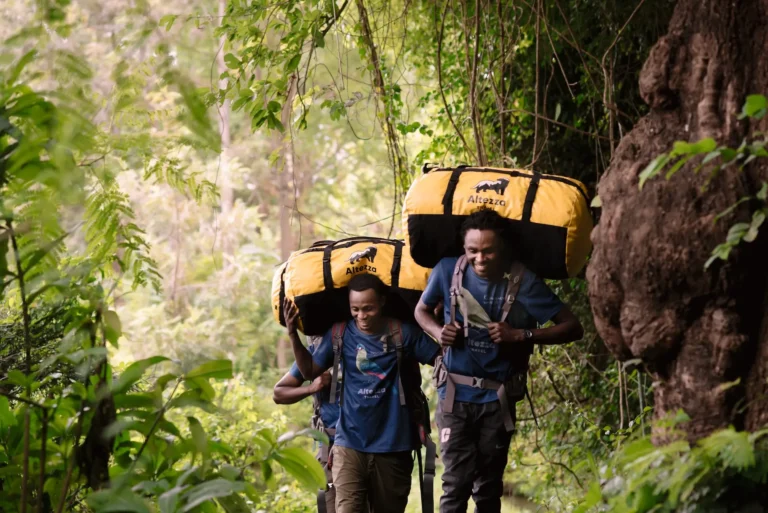
Kilimanjaro Climb With Vegan Mountain Meals: Your Expert Guide For 2026-2027
Embarking on a Kilimanjaro climb is a monumental achievement, and ensuring you have the right nutrition, especially with specific dietary needs like veganism, is crucial for success. Top...
View package details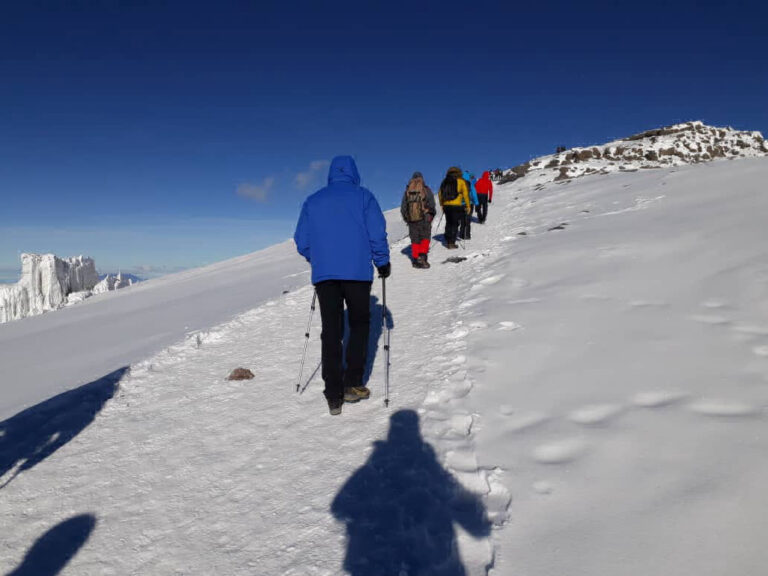
Kilimanjaro Climb With A Polish-Speaking Guide: Your Comprehensive Planning
Discover how to arrange a Kilimanjaro climb with a dedicated Polish-speaking guide. This extensive guide covers route options, preparation, costs, and booking considerations for your...
View package details
Kilimanjaro Climb With A French-Speaking Guide: Your Complete Planning
Discover the unparalleled experience of climbing Mount Kilimanjaro with a dedicated French-speaking guide. This comprehensive guide covers everything you need to know for your 2026-2027...
View package details
How Comfortable Are Kilimanjaro Mountain Tents? A Guide 2026-2027
Understand the comfort levels of tents used on Kilimanjaro climbs. This guide details tent types, essential features, and factors influencing your sleeping experience, crucial for planning...
View package details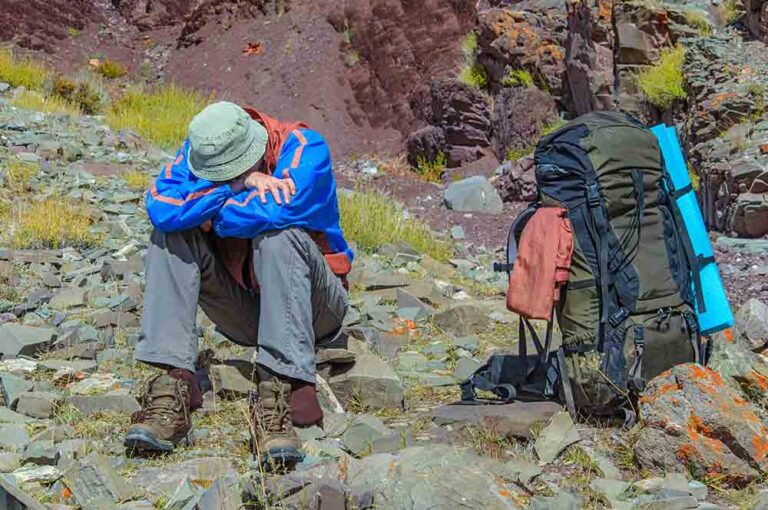
Kilimanjaro Climb With High-Protein Meals: Fueling Your Ascent In 2026-2027
Fueling your Kilimanjaro climb is as critical as choosing the right route. This guide focuses on the power of high-protein meals to sustain energy, aid recovery, and maximize your chances...
View package details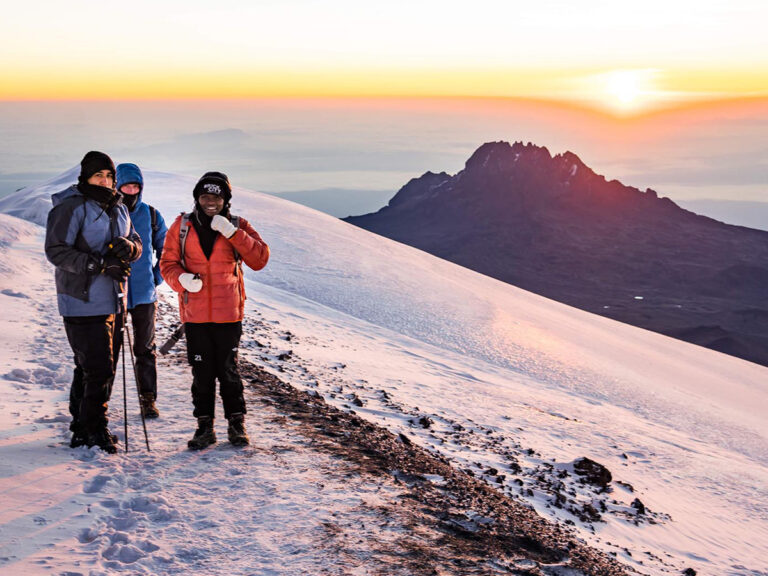
Kilimanjaro Climb With Nut-Free Meal Options Guide
Discover how to plan your Kilimanjaro climb with complete peace of mind regarding nut allergies. Top Guide Adventures specializes in providing safe, delicious, and fully customized nut-free...
View package detailsKilimanjaro Climb With Lactose-Free Meals: Your Complete Guide For 2026-2027
Climbing Mount Kilimanjaro with specific dietary needs, like lactose intolerance, is entirely achievable. This comprehensive guide details how to manage lactose-free meals on your trek...
View package details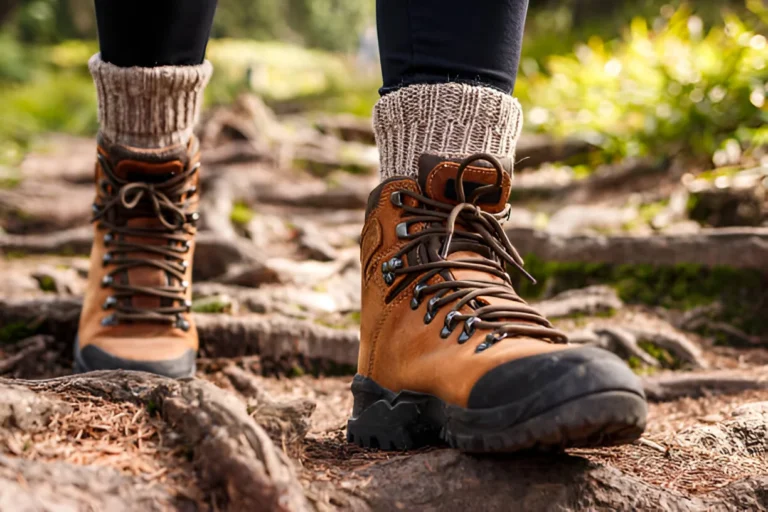
Kilimanjaro Climb With Kosher-Friendly Food Planning In 2026-2027
Successfully summiting Mount Kilimanjaro requires meticulous planning, especially when adhering to specific dietary requirements like Kosher food. This guide provides comprehensive insights...
View package details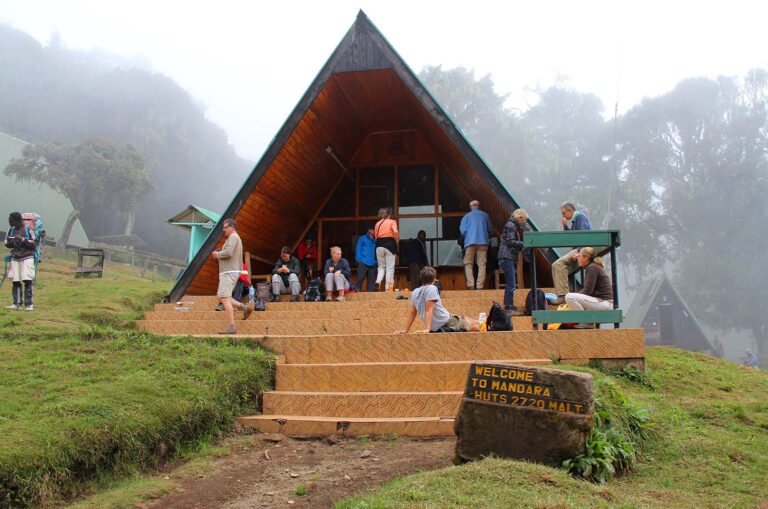
Kilimanjaro Climb With Halal Meals: Your Guide For 2026-2027
Climb Mount Kilimanjaro with confidence, knowing your dietary needs are met. Top Guide Adventures provides specialized Halal meal planning for your 2026-2027 trek, ensuring a safe and...
View package details
Kilimanjaro Climbing Package With Vegetarian Meals Guide
Planning a Kilimanjaro climb with specific dietary needs? This guide details Kilimanjaro climbing packages that cater to vegetarians, covering routes, meal preparation, and what to expect...
View package details
Kilimanjaro Airport Arrival And Mountain Briefing Package: Your Top Guide
Your journey to Kilimanjaro begins the moment you land. Top Guide Adventures provides a comprehensive Kilimanjaro Airport arrival and mountain briefing package, ensuring you are...
View package detailsNo related package matches those filters. Clear one or more filters to see the other topic-matched options.



