
Kilimanjaro mountain tents offer a surprisingly comfortable experience for trekkers, especially when provided by reputable operators like Top Guide Adventures. While not luxurious, they are designed for the challenging alpine environment, providing adequate warmth, protection from the elements, and sufficient space for sleeping. Expect sturdy, three-season or four-season tents, often spacious enough for two people and gear, with good ventilation to manage condensation and strong poles to withstand wind. The comfort level primarily depends on the quality of the tent provided, the specific route, the time of year, and your personal gear, but generally, they are well-suited for achieving restful sleep at high altitudes.
Understanding Kilimanjaro Tent Comfort: Beyond the Basics
When planning a Kilimanjaro climb, especially for expeditions in 2026 or 2027, prospective trekkers often wonder about the creature comforts available at high altitudes. Among the most critical elements for a successful and enjoyable trek is the quality and comfort of the sleeping arrangements. Kilimanjaro mountain tents are the primary shelters that protect you from the harsh weather conditions and provide a place to rest and recover each night. At Top Guide Adventures, we prioritize your well-being, ensuring that the tents we use are not just functional but also contribute positively to your overall experience on the mountain.
The question, “How comfortable are Kilimanjaro mountain tents?” is multifaceted. It’s not just about the tent itself, but also about how it’s used, the conditions it faces, and what you bring to complement it. This article will explore the various aspects that contribute to tent comfort on Kilimanjaro, from the types of tents used and their features to essential tips for maximizing your comfort during your 2026-2027 climb.
Types of Tents Used on Kilimanjaro
The tents you’ll sleep in on Kilimanjaro are specifically chosen for their durability, weather resistance, and suitability for high-altitude trekking. Most reputable tour operators, including Top Guide Adventures, utilize high-quality, purpose-built tents. These are generally not the flimsy dome tents you might use for casual camping; they are robust shelters designed to handle the extreme conditions found on Africa’s highest peak.
3-Season vs. 4-Season Tents
The primary distinction lies between 3-season and 4-season tents. For Kilimanjaro, most operators opt for tents that fall somewhere in between, often referred to as “expedition” or “3-plus season” tents. These tents are designed to withstand significant wind and moderate snow loads, which are common occurrences on Kilimanjaro, especially at higher camps.
- 3-Season Tents: These are lighter and better ventilated, suitable for milder conditions. While they might be used for the lower camps on Kilimanjaro, they generally lack the structural integrity to handle the strong winds and potential snow encountered at altitudes above 4,000 meters.
- 4-Season Tents: These are built for extreme weather, including heavy snow and gale-force winds. They are often heavier and may have less ventilation, which can lead to condensation issues in less severe conditions.
- Expedition/3-Plus Season Tents: These are the most common choice for Kilimanjaro. They strike a balance, offering robust construction to withstand high winds and precipitation, while still providing adequate ventilation. They typically feature stronger poles, more durable fabrics, and designs that minimize wind resistance.
Common Tent Models
While specific brands can vary, you’ll likely encounter tents from reputable outdoor gear manufacturers known for their expedition-grade equipment. Models often used include brands like The North Face, Mountain Hardwear, Hilleberg, or Macpac. These tents are chosen for their proven performance in challenging environments. For instance, a common setup might involve a “Base Camp” style tent, which is typically a two-person dome tent with a vestibule for gear storage, designed for durability and stability.
Key Features Contributing to Kilimanjaro Tent Comfort
The comfort derived from your Kilimanjaro mountain tent is a result of several integrated features. Understanding these will help you appreciate the design and appreciate the shelter they provide during your 2026-2027 trek.
1. Structural Integrity and Wind Resistance
Kilimanjaro is known for its strong winds, particularly at higher altitudes and during certain seasons. The tents used are engineered to withstand these forces. They feature:
- Strong Pole Systems: Typically made from high-grade aluminum, these poles are robust and designed to flex rather than break under pressure. The geodesic or semi-geodesic dome shapes offer excellent stability.
- Guy Lines and Anchor Points: Numerous guy lines and reinforced anchor points allow the tent to be securely staked and tensioned, crucial for preventing wind damage and maintaining a stable interior.
2. Waterproofing and Weather Protection
Rain and even snow are possible on Kilimanjaro at any time of year, though more common in certain seasons. The tents offer excellent protection:
- High-Quality Flysheets: The outer flysheet is made from waterproof, durable materials (often coated nylon or polyester) with high hydrostatic head ratings, meaning they can withstand significant water pressure. Seams are typically factory-taped to prevent leaks.
- Durable Floor: The bathtub-style floor is made from a waterproof material, keeping ground moisture out.
- Vestibules: These covered areas outside the main sleeping compartment are invaluable for storing wet gear, boots, and backpacks, preventing them from making the interior damp and muddy.
3. Ventilation and Condensation Management
This is a critical aspect of comfort. At high altitudes, the air is cold, and your body generates moisture through breathing. Without proper ventilation, condensation can form inside the tent, making the interior feel damp and cold. Expedition tents address this with:
- Mesh Panels: Inner tent walls often incorporate large mesh sections to allow airflow while keeping insects out (though insects are rare at high altitudes).
- Ventilation Ports: Strategically placed vents in the flysheet, often adjustable, help manage airflow and reduce condensation buildup.
- Double-Wall Construction: Most expedition tents are double-walled, with the inner tent providing the sleeping space and the outer flysheet offering weather protection. This separation allows air to circulate between the layers, significantly reducing condensation on the inner tent walls.
4. Interior Space and Layout
While not luxurious, Kilimanjaro tents are designed for practicality and reasonable comfort:
- Capacity: Most tents are designed for two people. This offers a good balance between personal space and tent weight/bulk. For solo trekkers, it means ample room.
- Headroom: While you can’t stand up fully, the dome shape provides enough headroom to sit up comfortably, change clothes, and organize your gear.
- Gear Storage: Interior pockets and the vestibule provide dedicated spaces for your essentials, keeping the sleeping area tidy.
What to Expect in Your Kilimanjaro Tent at Night
Your experience inside a Kilimanjaro mountain tent will be different from camping at lower elevations. Here’s a breakdown of what to anticipate during your 2026-2027 climb:
The Sleeping Setup
You will typically be provided with a high-quality sleeping mat. These are usually closed-cell foam mats or self-inflating mats designed for insulation and comfort. Your sleeping bag is the most crucial piece of personal gear for warmth. While the tent provides shelter, the sleeping bag is what keeps you warm through the frigid nights.
Temperature Fluctuations
Temperatures on Kilimanjaro can drop significantly, often below freezing, especially at the higher camps like Kibo Hut (near the summit) and Barafu Camp. The tent itself offers some insulation, but its primary role is wind and weather protection. The real warmth comes from your sleeping bag and your own body heat. Proper layering inside the tent is essential.
Nighttime Routine
Your evenings will involve:
- Arriving at camp after a day’s trek.
- Your crew setting up your tent and the mess tent.
- Having dinner in the communal mess tent.
- Preparing for bed: changing into warm, dry sleeping clothes, organizing your gear for the next day, and using the “bush toilet” (a portable toilet provided by the operator, usually in a private tent).
- Getting into your tent and sleeping bag.
Most operators, including Top Guide Adventures, provide a dedicated toilet tent with a portable toilet for convenience and hygiene, which greatly enhances nighttime comfort and reduces the need to venture out in the cold.
Sleeping Bag Importance
The comfort of your Kilimanjaro mountain tent is directly linked to your sleeping bag. For climbs in 2026 and 2027, a sleeping bag rated for -10°C to -20°C (0°F to -4°F) comfort level is highly recommended. A bag that is too warm can be managed by partially unzipping it, but a bag that isn’t warm enough will lead to a very uncomfortable night, regardless of the tent quality.
Noise and Light
Expect some noise from wind, especially on exposed campsites. While tents offer good sound insulation, strong gusts can still be heard. Light is minimal once the sun sets, and with a good sleeping mask, you can ensure darkness for restful sleep. The thin walls do mean you’ll likely wake up with the first light of dawn, which can be beneficial for early starts.
Factors Influencing Tent Comfort
Several variables can impact how comfortable you find your Kilimanjaro mountain tent. Understanding these helps in preparation and setting realistic expectations for your 2026-2027 expedition.
1. The Tour Operator’s Quality
This is perhaps the most significant factor. Reputable companies like Top Guide Adventures invest in high-quality, well-maintained equipment. This means:
- Newer, Durable Tents: Tents are regularly replaced to ensure they are in top condition, with no rips or broken zippers.
- Proper Maintenance: Poles are checked, waterproof coatings are maintained, and tents are cleaned after each use.
- Experienced Crew: Porters and guides are skilled at pitching tents quickly and securely, ensuring they are set up correctly for maximum stability and weather protection.
Choosing a company with a strong reputation for equipment quality is paramount for ensuring comfortable nights.
2. The Route Chosen
Different Kilimanjaro routes have varying camping styles and altitudes, which affect tent comfort:
- Marangu Route: This route uses “huts” rather than tents for most of the climb, offering a different kind of accommodation comfort.
- Other Routes (Machame, Lemosho, Shira, Rongai, Northern Circuit): These routes involve camping. The higher camps on routes like Machame and Barafu can be windier and colder, making tent performance critical. The Northern Circuit, being longer, tends to have a more gradual acclimatization, potentially leading to better sleep.
3. Time of Year and Weather Conditions
While Kilimanjaro is a year-round destination, weather can impact tent comfort significantly.
- Dry Seasons (Jan-Mar, Jun-Oct): Generally offer calmer winds and less precipitation, leading to more comfortable camping experiences.
- Wet Seasons (Apr-May, Nov-Dec): Increased rain and potential for snow at higher altitudes can make camping more challenging. Tents will be tested, and condensation management becomes even more crucial. Stronger winds can also occur.
4. Your Personal Gear
While the operator provides the tent, your personal sleeping gear plays a huge role in your comfort.
- Sleeping Bag: As mentioned, a warm-rated bag is essential.
- Sleeping Pad: While provided, some trekkers opt to bring their own thicker or more comfortable inflatable pad for added insulation and cushioning, especially for longer treks in 2026 or 2027.
- Comfort Items: A small pillow (inflatable or a stuff sack filled with clothes) can make a difference.
5. Camp Site Location
Even within a specific route, the exact pitch of your tent can affect comfort. Guides will aim to pitch tents in sheltered spots where possible, but exposure to wind is often unavoidable at high altitudes.
Maximizing Comfort in Your Kilimanjaro Tent
Even with the best equipment, a few practices can significantly enhance your comfort during chilly nights on Kilimanjaro.
1. Proper Layering for Sleep
Avoid sleeping in the clothes you wore during the day. Change into clean, dry, and warm layers specifically for sleeping:
- Base Layer: Moisture-wicking thermal underwear (merino wool or synthetic).
- Mid Layer: A fleece jacket or similar insulating layer.
- Socks: Warm wool or thermal socks.
- Headwear: A warm beanie or balaclava.
Do not wear too many layers, as this can restrict circulation and make you colder. Your body needs to generate heat, and restricting movement can hinder this.
2. Use a Sleeping Bag Liner
A silk or fleece sleeping bag liner adds warmth (typically 5-10°C / 10-15°F) and keeps your sleeping bag cleaner, reducing the need for frequent washing. This is a small item that can make a big difference for your comfort on a 2026-2027 Kilimanjaro climb.
3. Hydration and Nutrition
Staying well-hydrated and adequately fueled is crucial. Your body needs energy to stay warm. Drink plenty of water throughout the day, and eat your meals heartily. Avoid alcohol, which can interfere with thermoregulation.
4. Manage Condensation
Ventilate: Open the tent vents whenever possible, especially during the day and in the evening before you zip up fully. Wipe Down: If condensation is significant, use a small towel to wipe down the inside of the tent before it drips on you.
5. Keep Your Gear Organized
Having a system for your gear inside the tent prevents clutter and makes it easier to find things in the dark. Keep your headlamp, water bottle, and essential items within easy reach.
6. Warm Up Before Bed
A light snack, a warm drink (herbal tea), and a few minutes of light exercise (like jumping jacks) just before getting into your sleeping bag can help raise your body temperature and make falling asleep easier.
7. Use a Hot Water Bottle
Your crew can often provide a hot water bottle for your sleeping bag. This is a fantastic way to pre-warm your bag and maintain warmth throughout the night. Ensure the lid is securely fastened!
Comparing Tent Comfort Across Routes (A 2026-2027 Perspective)
While the tent quality is generally consistent with reputable operators, the overall camping comfort can vary slightly based on the route. Understanding these nuances can help you choose the best route for your comfort preferences for a 2026 or 2027 expedition.
Marangu Route: The “Coca-Cola Route”
This route is unique as it uses dormitory-style huts, not tents, for most of the trek. These huts offer basic but significantly more comfortable shelter than tents, with beds, mattresses, and a communal dining area. This can be a key deciding factor for trekkers prioritizing comfort over the full camping experience. However, even huts can be cold and basic at higher altitudes.
Machame Route: The “Whiskey Route”
This is a popular camping route known for its scenic beauty and challenging trekking. It involves camping at high altitudes, often in exposed areas. While the tents are standard expedition quality, the campsites themselves can be windy. The campsites are well-established, and your crew will pitch tents strategically. Expect standard tent comfort, but be prepared for potentially rougher weather compared to lower-altitude routes.
Lemosho and Shira Routes
These routes also utilize camping. Lemosho is known for its longer acclimatization profile, which can indirectly contribute to better sleep and comfort by reducing altitude sickness symptoms. Shira starts at a higher altitude, meaning you’ll be camping in potentially colder conditions earlier in the trek. The tent comfort itself will be comparable to Machame, with the main differences being the starting altitude and acclimatization strategy.
Rongai Route
This route approaches Kilimanjaro from the north, near the Kenyan border. It tends to be drier than the southern routes, which can mean less rain and potentially less mud. Camping comfort is generally good, and the route is considered less crowded. The exposure to wind might be slightly less than on the southern circuits, but high-altitude conditions remain.
Northern Circuit Route
As the longest route, the Northern Circuit offers the best acclimatization, which is a significant factor in overall comfort and well-being on the mountain. This gradual ascent means less severe altitude sickness symptoms, leading to better rest and recovery in your tent each night. While you’ll still face the same high-altitude conditions and use the same quality tents, the improved acclimatization can make the sleeping experience feel more comfortable.
For those planning their 2026-2027 Kilimanjaro climb and prioritizing camping comfort, routes with better acclimatization profiles (like the Northern Circuit or longer versions of Lemosho) might offer a slight edge, as reduced altitude sickness directly translates to better sleep and recovery in your tent.
The Role of the Crew in Tent Comfort
It’s crucial to acknowledge the indispensable role of the mountain crew – the guides, cooks, and porters – in ensuring your comfort, including the setup and maintenance of your tent. At Top Guide Adventures, our crew is trained to:
- Pitch Tents Securely: They select the best possible spots and pitch tents quickly and effectively, ensuring they are taut and stable against the elements.
- Maintain a Clean Campsite: They keep the area around your tent tidy and organized.
- Provide Essential Services: They deliver meals to your tent if requested, provide hot water for washing, and, as mentioned, prepare hot water bottles for your sleeping bag.
- Offer Support: They are your first point of contact for any issues, including those related to your tent or sleeping arrangements.
The efficiency and care of the crew significantly enhance the perceived comfort of the tents, turning a basic shelter into a well-managed temporary home.
What Top Guide Adventures Offers for 2026-2027 Climbers
When you book your Kilimanjaro climb with Top Guide Adventures for 2026 or 2027, you can be assured that we use only high-quality, expedition-grade tents. Our commitment is to provide reliable, comfortable, and safe shelter for every climber.
- Premium Tents: We utilize well-known brands of 3-plus season expedition tents, renowned for their durability and performance in alpine conditions.
- Regular Maintenance: Our gear is meticulously maintained, regularly inspected, and replaced when necessary to ensure optimal condition.
- Dedicated Crew: Our experienced and professional crew is trained to maximize your comfort, from pitching your tent perfectly to providing essential services that make your stay on the mountain more pleasant.
- Personalized Support: We offer tailored advice and support throughout your planning process, including guidance on personal gear that will complement our provided tents and sleeping arrangements.
We understand that a good night’s sleep is fundamental to enjoying your Kilimanjaro adventure. That’s why we invest in quality equipment and training for our team. For inquiries about our 2026-2027 Kilimanjaro packages, tent specifications, or to discuss your specific comfort needs, please feel free to reach out.
Contact Us for Your 2026-2027 Kilimanjaro Adventure!
Planning a Kilimanjaro climb for 2026 or 2027 is an exciting endeavor. Ensuring you have comfortable and reliable shelter is key to a successful and memorable experience. Top Guide Adventures is dedicated to providing you with top-tier equipment and support throughout your journey.
For detailed information on our itineraries, pricing, and what’s included, please visit our website or contact us directly. We are here to answer all your questions about Kilimanjaro mountain tents, gear, and the best ways to prepare for your trek.
Reach out to us via:
- WhatsApp: +255616946642
- Email: topguideadventures@gmail.com
- Backup Email: info@topguideadventures.com
Let Top Guide Adventures help you plan an unforgettable Kilimanjaro climb in 2026 or 2027, ensuring your comfort and safety every step of the way.
Check Availability for How Comfortable Are Kilimanjaro Mountain Tents? A Guide 2026-2027
Ready to compare dates, prices, and the best option for your group? Send the package name and travel month so the team can reply with a clear quote, availability, and what is included.
Kilimanjaro Mountain-Biking Tour From Moshi: Your Ultimate Adventure Guide
Discover the thrill of a Kilimanjaro Mountain-Biking Tour departing from Moshi. This comprehensive guide covers routes, preparation, costs, and what to expect for your 2026-2027 adventure.
View package details
Single-Occupancy Tents On Kilimanjaro: Your Guide To Privacy And Comfort
Discover the advantages of opting for a single-occupancy tent during your Kilimanjaro climb. This guide details the benefits, costs, and booking process for solo tent arrangements, ensuring...
View package details
Kilimanjaro Mountain Meal Plan By Day: Fueling Your Summit Success 2026-2027
Understand the essential Kilimanjaro Mountain meal plan by day, covering daily menus, nutritional needs, and preparation tips for your trek. Top Guide Adventures provides insights into...
View package details
Kilimanjaro Climb With Vegan Mountain Meals: Your Expert Guide For 2026-2027
Embarking on a Kilimanjaro climb is a monumental achievement, and ensuring you have the right nutrition, especially with specific dietary needs like veganism, is crucial for success. Top...
View package details
Kilimanjaro Local Culture Week For Non-Climbers: Experience Tanzanias Heart
Experience the rich cultural mix surrounding Mount Kilimanjaro without the climb. Our Local Culture Week offers non-climbers an unforgettable journey into the heart of Tanzanian traditions...
View package details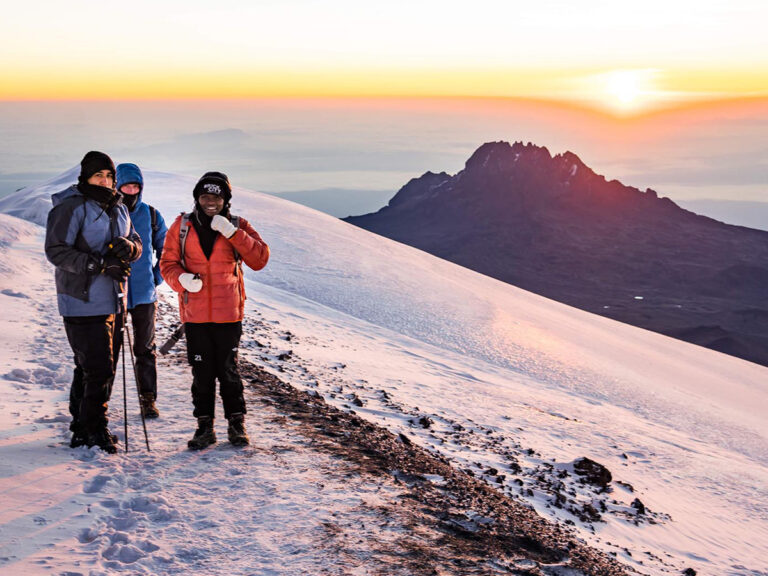
Kilimanjaro Relaxation And Spa Package: Rejuvenate After Your Climb 2026-2027
After conquering Mount Kilimanjaro, a dedicated relaxation and spa package is the perfect way to recover and rejuvenate. Top Guide Adventures provides comprehensive post-climb wellness...
View package details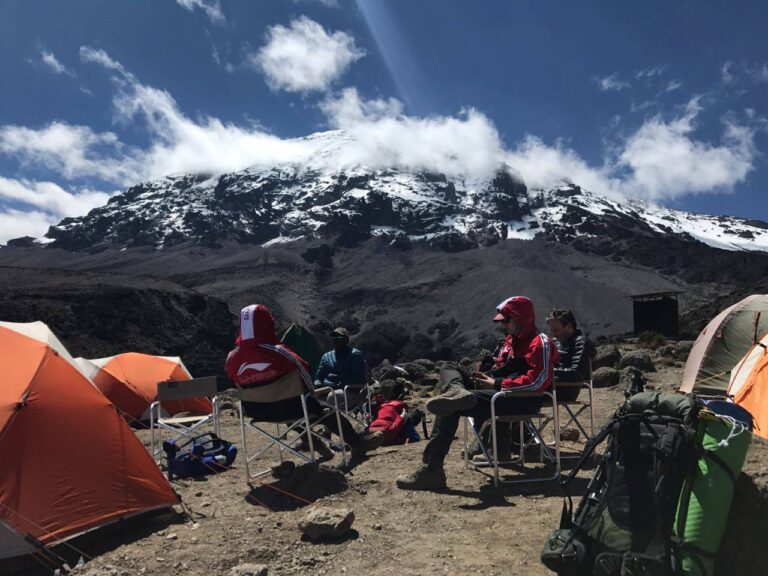
Kilimanjaro Companion Tour With Private Driver: Your Ultimate Luxury Ascent
A detailed 2026-2027 guide to Kilimanjaro Companion Tour with Private Driver, with clear planning and booking information for travelers.
View package details
Kilimanjaro Zanzibar Extension For Mixed Groups: Your Ultimate Adventure Guide
Combine the thrill of climbing Mount Kilimanjaro with the tropical allure of Zanzibar. This guide details how mixed groups can best plan and enjoy this ultimate Tanzanian adventure in...
View package details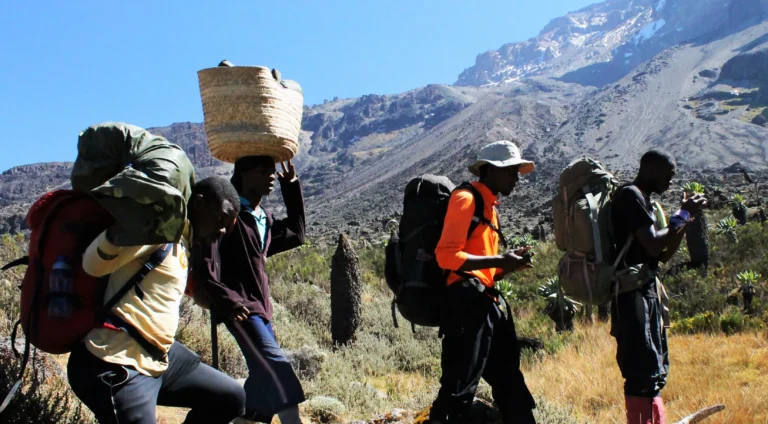
Kilimanjaro Safari Before Rejoining Your Climbing Group | Top Guide Adventures
Combining a safari with your Kilimanjaro climb is a classic Tanzanian adventure. Discover how to seamlessly integrate a wildlife safari experience before meeting your climbing group for the...
View package details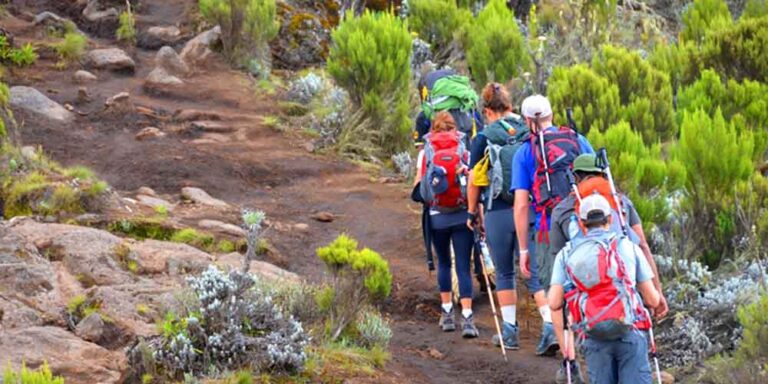
Kilimanjaro Airport And Hotel Support For Climbing Groups | Top Guide
Top Guide Adventures provides comprehensive support for Kilimanjaro climbing groups, from arrival at Kilimanjaro International Airport (JRO) to comfortable hotel stays before and after your...
View package details
Kilimanjaro Summit Celebration Package For Companions: Plan Your
Planning a Kilimanjaro climb with companions and a special summit celebration? This guide covers everything you need to know for 2026-2027, from choosing the right route and package to...
View package detailsMeet Your Climber At Mweka Gate Package: Kilimanjaro Descent Guide 2026-2027
This package is designed for trekkers descending Kilimanjaro via the Mweka Gate, ensuring a smooth and supported transition after their summit. It covers essential post-climb services and...
View package detailsNo related package matches those filters. Clear one or more filters to see the other topic-matched options.



