
Staying clean during a seven-day Kilimanjaro trek involves managing personal hygiene with limited water and facilities, focusing on effective wiping, using sanitizers, strategic washing with minimal water, and proper waste management. While a full shower is impossible, maintaining good hygiene is crucial for comfort and preventing illness, achievable through careful packing of essential toiletries and adopting mountain-specific cleaning routines.
Understanding the Hygiene Challenge on Kilimanjaro
Mount Kilimanjaro presents a unique environment where traditional hygiene practices are significantly altered. For a seven-day trek, you won’t have access to running water, showers, or even private bathrooms. Your ‘bathroom’ will be a portable chemical toilet or a designated spot in nature, and your ‘shower’ will be a small basin of warm water, if available, or simply wet wipes. This reality can be daunting, but with the right mindset and preparation, staying reasonably clean is entirely possible. The goal isn’t to be spotless, but to maintain a level of cleanliness that prevents discomfort, reduces the risk of infections, and generally makes the challenging ascent more bearable. Understanding these limitations from the outset is the first step to a successful and comfortable climb in 2026 or 2027.
Your Daily Hygiene Routine: A Step-by-Step Guide
The key to staying clean on Kilimanjaro lies in establishing a consistent, albeit simplified, daily routine. This routine will adapt to the conditions, but its core elements remain the same:
Morning Preparations
Your day typically begins before sunrise. After waking up in your tent, the first order of business is personal care. This usually involves:
- Waking Up: Your guide will likely wake you with a mug of hot water for drinking. This is also an opportunity to freshen up.
- Face and Hands Wash: Use a small amount of water from your personal water bottle or the hot water provided to wash your face and hands. A small, quick-rinse towel is useful here.
- Dental Hygiene: Brush your teeth as you would at home. You can swallow the toothpaste or spit it out carefully away from camp areas.
- Using the Toilet: If you need to use the toilet, it’s best to do so before the main camp activities begin. This usually means a trip to the designated toilet tent or area.
Mid-Day Refreshments and Cleanliness
During the day’s trek, opportunities for extensive cleaning are limited. However, you can maintain a sense of freshness:
- Hand Sanitizer: This is your best friend. Use it before eating, after visiting the toilet, and anytime your hands feel grimy. Keep a small bottle easily accessible in your daypack.
- Wet Wipes: A pack of biodegradable wet wipes can be a lifesaver for a quick ‘sponge bath’ on your face, neck, underarms, and other areas that tend to get sweaty.
- Staying Hydrated: Drinking plenty of water is crucial for overall health and helps your body function better, indirectly aiding in feeling more ‘clean’ and less fatigued.
Evening Wind-Down and Hygiene
Arriving at camp in the late afternoon or early evening is when you can dedicate a little more time to personal care before dinner and sleep.
- The ‘Wash Basin’ Experience: Your support crew will often provide a basin of warm water. This is your chance for a more thorough clean. Focus on areas that need it most: face, hands, feet, and underarms. Use a small amount of biodegradable soap if you choose, but be mindful of environmental impact.
- Drying Off: Use a quick-drying travel towel. Pat yourself dry rather than rubbing vigorously.
- Changing Clothes: Change into your clean sleeping clothes. This simple act can make a huge difference in comfort and perceived cleanliness.
- Foot Care: Clean your feet thoroughly. This is vital for preventing blisters and fungal infections. Ensure they are completely dry before putting on clean socks.
- Final Toilet Visit: Make a final trip to the toilet before settling into your sleeping bag.
Essential Toiletries for Staying Clean on Kilimanjaro
Packing the right toiletries is critical. Think compact, lightweight, and functional. Here’s a recommended list for your seven-day Kilimanjaro adventure:
- Biodegradable Wet Wipes: Pack more than you think you’ll need. Look for unscented varieties if possible.
- Hand Sanitizer: At least two small bottles. Alcohol-based (at least 60%) is most effective.
- Toothbrush and Biodegradable Toothpaste: Standard dental care.
- Small Travel Towel: A quick-drying microfiber towel is ideal.
- Biodegradable Soap: A small bar or liquid soap for occasional use. Ensure it’s environmentally friendly.
- Face Wash/Cleanser: A small, travel-sized container if you prefer a dedicated facial cleanse.
- Deodorant: Crucial for feeling fresher. Stick or roll-on is less messy than aerosol.
- Lip Balm with SPF: Protects against sun and wind.
- Sunscreen: High SPF, broad-spectrum protection.
- Moisturizer: For face and hands, especially important in dry, cold conditions.
- Personal Medications: Any prescription or over-the-counter items you might need.
- Small Mirror: Optional, but can be useful for detailed tasks like applying sunscreen or checking for ticks.
- Small Comb or Brush: To manage hair.
- Feminine Hygiene Products: If applicable, pack enough for the entire trek.
Tip: Pack these in a waterproof bag or dry sack to protect them from moisture and ensure they are easily accessible in your daypack.
Water Management and Personal Washing
Water is a precious resource on Kilimanjaro, used for drinking, cooking, and limited washing. Your crew will provide boiled drinking water. For personal washing, you’ll typically receive a small amount of warm water in a basin at camp. Here’s how to maximize its use:
- Be Efficient: Don’t expect a long, luxurious wash. Focus on key areas: face, neck, armpits, and feet.
- Use Minimal Water: Wet your washcloth or sponge, apply soap (if using), and clean. Rinse your cloth thoroughly.
- Dry Immediately: Pat yourself dry with your towel to prevent chilling.
- Environmental Awareness: If using soap, ensure it’s biodegradable and dispose of greywater appropriately, away from water sources and campsites, as instructed by your guide.
For most days, especially during the trek, wet wipes and hand sanitizer will be your primary tools for feeling clean. Save the basin water for your evening refresh. For treks planned in 2026 or 2027, consider packing a small, collapsible sink or washbasin for added convenience, though it’s not strictly necessary.
Toilet Facilities and Etiquette on the Mountain
Toilet facilities on Kilimanjaro are basic but functional. You’ll encounter two main types:
- Portable Chemical Toilets: These are typically provided by tour operators for use at campsites. They are essentially a chemical toilet within a small tent. Your crew will set this up for you.
- Pit Latrines: On some lower sections of certain routes, you might find basic pit latrines.
- Natural Areas: For ‘nature calls’ during the trek, you’ll need to step away from the trail and campsite, following your guide’s instructions for digging a small hole or using designated areas.
Toilet Etiquette:
- Pack Out What You Pack In: This applies to all waste, including used toilet paper. Always carry a small bag for this purpose.
- Use Hand Sanitizer: Always use hand sanitizer after using the toilet facilities.
- Be Respectful: Keep the toilet tent clean for the next user.
- Inform Your Guide: If you have any issues or need assistance, let your guide know.
Managing Body Odor and Staying Fresh
Body odor is a natural concern when trekking for an extended period with limited washing facilities. Here’s how to manage it:
- Deodorant: Apply a good quality deodorant every day.
- Clean Underarms: Use wet wipes or a small amount of water to clean your armpits during your evening wash.
- Breathable Clothing: Wear moisture-wicking base layers made from merino wool or synthetic fabrics. These materials help manage sweat and reduce odor.
- Change Socks Daily: This is non-negotiable. Clean, dry socks significantly improve foot health and reduce foot odor.
- Change Base Layers: If possible, change your base layer (t-shirt or long-sleeved shirt) daily or every other day. The crew can often wash and dry these for you.
Foot Care: A Critical Aspect of Cleanliness and Health
Your feet are your most important tools on Kilimanjaro. Neglecting them can lead to blisters, infections, and ultimately, the inability to continue the climb. Proper foot hygiene is paramount.
- Daily Washing: Always wash your feet during your evening wash. Pay attention to the spaces between your toes.
- Thorough Drying: Ensure your feet are completely dry before putting on clean socks. Use your towel and even allow them to air dry for a few minutes if conditions permit.
- Check for Blisters/Issues: Use your small mirror if needed to inspect your feet for any signs of blisters, hot spots, or skin irritation. Address these immediately with your guide.
- Clean Socks: Always wear a fresh pair of socks each day.
- Foot Powder: Consider bringing a small amount of foot powder to help keep your feet dry and prevent fungal infections.
Clothing Management: Keeping Your Gear Fresh
While you can’t wash clothes like you would at home, strategic management can keep your trekking gear feeling relatively fresh.
- Layering System: Use moisture-wicking base layers. These can be rinsed out and dried overnight if needed.
- Daily Changes: Always change into clean base layers and socks for sleeping.
- Crew Assistance: Your support crew can often wash and dry small items like socks and base layers overnight, especially at lower altitudes. Politely ask your guide.
- Airing Out Gear: During breaks or at camp, hang your trekking clothes (especially jackets and trousers) to air out.
- Avoid Cotton: Cotton absorbs moisture and stays wet, leading to discomfort and potential chafing. Stick to wool or synthetic materials.
Waste Management: Leave No Trace
Proper waste disposal is a fundamental principle of trekking and is essential for maintaining the mountain’s pristine environment. This includes personal waste.
- Pack It In, Pack It Out: This mantra applies to everything you bring up the mountain, including wrappers, food scraps, and especially used toilet paper.
- Toilet Paper: Always carry a small ziplock bag to store used toilet paper until you can dispose of it properly at designated points or back at the starting point. Never bury toilet paper, as it decomposes very slowly at high altitudes.
- Wastewater: Dispose of greywater (from washing) well away from water sources and campsites, following your guide’s instructions.
- Human Waste: Use designated toilets or dig catholes as instructed. Ensure these are properly covered.
Top Guide Adventures is committed to ‘Leave No Trace’ principles. By following these guidelines, you help preserve Kilimanjaro for future trekkers planning their climbs in 2026, 2027, and beyond.
Dealing with Specific Hygiene Challenges
Beyond the daily routine, certain situations might require special attention:
Colds and Coughs
The dry, dusty air and changing temperatures can make trekkers susceptible to colds. Hygiene is crucial to prevent spreading germs.
- Tissues: Carry tissues and a small bag for disposal.
- Hand Sanitizer: Use frequently, especially after coughing or sneezing.
- Cover Mouth/Nose: When coughing or sneezing, do so into your elbow or a tissue.
- Hydration: Drink plenty of fluids to help thin mucus.
- Rest: Get as much rest as possible.
Skin Irritations and Chafing
Sweat, friction, and dry air can lead to skin issues.
- Keep Clean and Dry: Clean affected areas with wipes or water and ensure they are thoroughly dried.
- Barrier Creams: Consider using products like Vaseline or specialized anti-chafing balms on areas prone to irritation (e.g., inner thighs, armpits).
- Loose Clothing: Wear looser-fitting clothing in areas prone to chafing.
Sun Protection
The sun at high altitudes is intense. While not directly a ‘cleanliness’ issue, proper sun protection prevents skin damage and discomfort.
- Sunscreen: Apply liberally and reapply often, especially on exposed skin (face, neck, arms).
- Hat: A wide-brimmed hat is essential.
- Sunglasses: Protect your eyes.
- Lip Balm with SPF: Prevents chapped and sunburnt lips.
Hygiene on Different Kilimanjaro Routes
While the fundamental principles of staying clean on Kilimanjaro remain consistent across all routes, some routes might offer slightly different experiences regarding facilities and water availability.
- Marangu Route: Known as the ‘Coca-Cola route’, it’s the only route with dormitory-style huts. This offers a more sheltered environment but still no running water or showers. Cleaning is still done with basins.
- Machame, Lemosho, Shira Routes: These are camping routes. You’ll have a private chemical toilet tent set up at each camp, and the provision of warm water for washing is standard practice by reputable operators like Top Guide Adventures.
- Rongai Route: This route is drier and can be more arid, meaning water conservation might be even more critical.
- Northern Circuit & Umbwe: These are more challenging routes, and while hygiene provisions are similar, the demanding nature of the trek might make adhering to a strict routine harder.
Regardless of the route chosen for your 2026 or 2027 climb, the core advice for staying clean remains the same: preparation, essential gear, and consistent effort.
The Role of Your Support Crew in Maintaining Hygiene
A well-organized support crew is indispensable for your hygiene on Kilimanjaro. Reputable companies like Top Guide Adventures prioritize this:
- Providing Warm Water: They will boil water and provide it in thermoses for drinking and in basins for washing.
- Setting Up Toilets: Ensuring your portable toilet is set up and maintained at each campsite.
- Waste Management: Carrying out all refuse, including human waste where required by park regulations.
- Washing/Drying Clothes: Offering to wash and dry small items of clothing, especially base layers and socks, can greatly improve comfort.
- General Camp Cleanliness: Maintaining a tidy and organized campsite contributes to a more pleasant environment.
Don’t hesitate to communicate with your guide or crew about your needs. They are there to support your comfort and well-being throughout the trek.
Mental Preparedness for Trekking Hygiene
Perhaps the most important aspect of staying clean on Kilimanjaro is mental preparation. You must accept that you will not be as clean as you are at home. Shifting your perspective from ‘perfect cleanliness’ to ‘adequate hygiene for comfort and health’ is key.
- Embrace the Simplicity: View the limited washing as part of the adventure.
- Focus on the Goal: Remember why you are there – to summit Kilimanjaro!
- Appreciate Small Comforts: A clean face, fresh socks, or a quick wipe-down can feel incredibly luxurious.
- Positive Attitude: A positive outlook will make the physical challenges, including hygiene limitations, much easier to manage.
Choosing the Right Trek Duration for Hygiene Management
While this article focuses on a seven-day trek, understanding how duration impacts hygiene is useful for planning. A longer trek (e.g., 8-9 days) generally allows for a more gradual ascent, potentially more acclimatization days, and possibly more relaxed evenings where your crew might have more time to assist with washing clothes or providing extra warm water. Shorter treks (e.g., 5-6 days) are more strenuous and might involve less time at camps, meaning you’ll rely more heavily on quick wipes and sanitizers. For a balance of comfort and successful acclimatization, a seven-day trek is often considered ideal, offering a good compromise for managing hygiene effectively.
Preparing for Your 2026-2027 Kilimanjaro Climb: Hygiene Checklist
To ensure you’re fully prepared for staying clean during your seven-day Kilimanjaro trek, use this checklist:
Kilimanjaro Hygiene Packing Checklist:
- Toiletries Bag: Waterproof and organized.
- Hand Sanitizer: Minimum 2 small bottles.
- Biodegradable Wet Wipes: Large pack.
- Toothbrush & Paste: Travel size.
- Quick-Dry Towel: Small/medium size.
- Biodegradable Soap: Small bar/liquid.
- Deodorant: Stick or roll-on.
- Lip Balm with SPF.
- Sunscreen (SPF 30+).
- Face Moisturizer.
- Foot Powder (optional).
- Small Mirror (optional).
- Personal Medications.
- Small Ziplock bags: For used toilet paper and other waste.
- Reusable water bottle/hydration reservoir.
- Moisture-wicking clothing: Base layers, socks, underwear.
- Camp shoes/sandals: For comfort at camp.
Booking Your Kilimanjaro Adventure with Top Guide Adventures
Planning a Kilimanjaro trek for 2026 or 2027 is an exciting endeavor. At Top Guide Adventures, we are dedicated to providing complete travel experiences across Tanzania with personal attention, care, and dedicated support for every client. We organize Kilimanjaro climbs, safaris, Zanzibar holidays, and tailor-made journeys. Our experienced guides and porters are trained to assist you with comfort and safety, including hygiene management on the mountain.
We understand the importance of preparation and offer comprehensive pre-trek information to ensure you are well-equipped. Our 7-day itineraries are designed for a balanced ascent, maximizing your chances of success and enjoyment while managing the unique challenges of high-altitude trekking. Don’t let concerns about staying clean deter you; with our guidance and your preparation, you’ll have a comfortable and memorable experience.
For inquiries about our 2026-2027 Kilimanjaro climbing packages, group departures, or to discuss tailoring a trip to your specific needs, please reach out to us. We are here to help you plan the adventure of a lifetime.
Contact Top Guide Adventures:
- WhatsApp: +255616946642
- Email: topguideadventures@gmail.com
- Backup Email: info@topguideadventures.com
- Website: www.topguideadventures.com
- Instagram: @top_guide_adventures
Let us help you prepare for an unforgettable seven-day Kilimanjaro trek, ensuring you are well-equipped not just with gear, but with the knowledge to stay clean and comfortable every step of the way.
Check Availability for How To Stay Clean During A Seven-Day Kilimanjaro Trek | Top Guide Adventures
Ready to compare dates, prices, and the best option for your group? Send the package name and travel month so the team can reply with a clear quote, availability, and what is included.
Kilimanjaro Scenic Experience Without Summiting: Best Views & Treks 2026-2027
Experience the majestic beauty of Mount Kilimanjaro without the demanding summit climb. This guide details the best scenic viewpoints, lower-altitude treks, and unique natural wonders...
View package details
Feminine Hygiene During A Kilimanjaro Climb 2026-2027
Feminine Hygiene during a Kilimanjaro Climb is explained with current 2026-2027 planning, price, itinerary and booking information.
View package details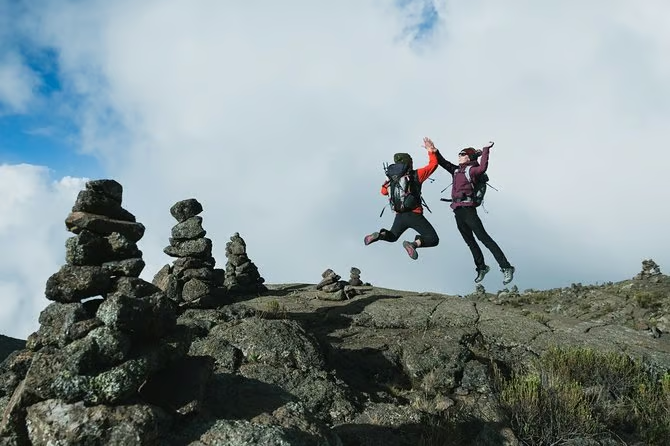
How To Brush Your Teeth On Kilimanjaro: Essential Hygiene Tips For Trekkers
Maintaining oral hygiene on Mount Kilimanjaro is crucial for comfort and health. Learn the best practices for brushing your teeth at altitude, from water conservation to gear selection...
View package details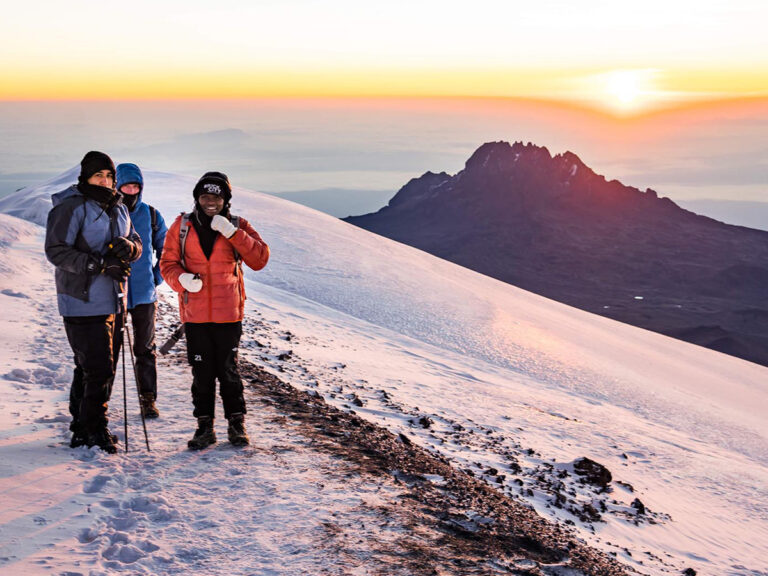
Foods To Avoid Before A Kilimanjaro Climb: Expert Guide For Trekkers 2026-2027
Planning your Kilimanjaro climb for 2026 or 2027? Proper nutrition is key. This guide details essential foods and drinks to avoid before and during your trek to prevent digestive issues and...
View package details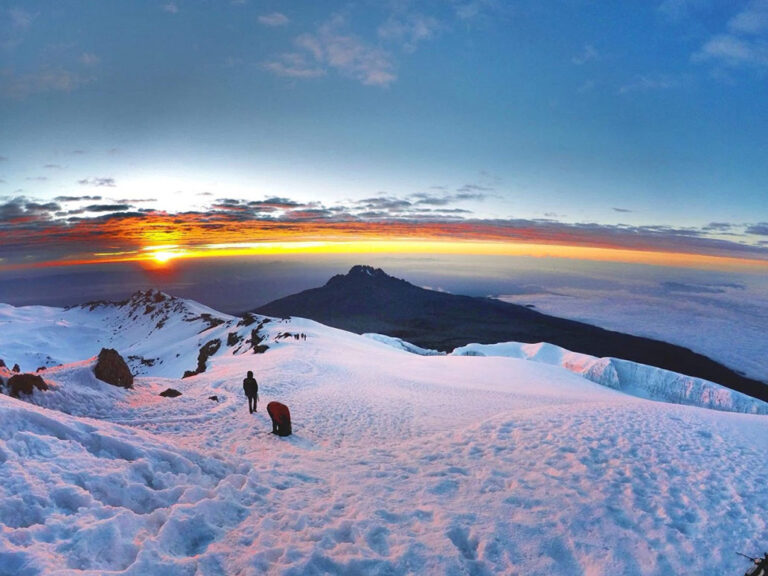
Kilimanjaro Hydration Salts And Electrolyte Guide For Trekkers 2026-2027
Proper hydration is critical for a successful Kilimanjaro climb. This comprehensive guide focuses on the vital role of hydration salts and electrolytes, explaining how they aid...
View package detailsHow To Dry Clothes During A Kilimanjaro Climb: Expert Guide For 2026-2027
Staying dry is crucial for comfort and safety on Kilimanjaro. This guide provides essential strategies for drying clothes during your climb, ensuring you remain prepared for changing...
View package details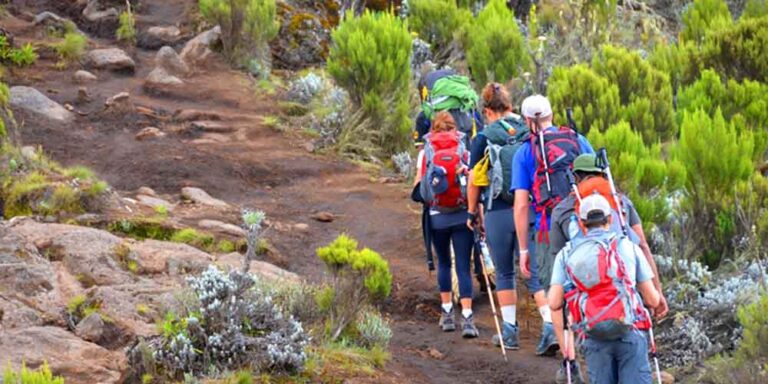
How To Prevent Wet Boots On Kilimanjaro: A Comprehensive Guide For Trekkers
Wet boots on Kilimanjaro can ruin your trek. This guide covers everything from choosing waterproof footwear to managing moisture during your climb, ensuring comfort and safety.
View package details
Kilimanjaro Extended-Itinerary Summit Trek: Your Ultimate Guide For 2026-2027
Choosing an extended itinerary for your Kilimanjaro summit trek offers superior acclimatization and a more rewarding experience. This guide details the benefits, best routes, and essential...
View package details
Kilimanjaro Local Culture Week For Non-Climbers: Experience Tanzanias Heart
Experience the rich cultural mix surrounding Mount Kilimanjaro without the climb. Our Local Culture Week offers non-climbers an unforgettable journey into the heart of Tanzanian traditions...
View package detailsKilimanjaro Relaxation And Spa Package: Rejuvenate After Your Climb 2026-2027
After conquering Mount Kilimanjaro, a dedicated relaxation and spa package is the perfect way to recover and rejuvenate. Top Guide Adventures provides comprehensive post-climb wellness...
View package details
Kilimanjaro Safari Before Rejoining Your Climbing Group | Top Guide Adventures
Combining a safari with your Kilimanjaro climb is a classic Tanzanian adventure. Discover how to seamlessly integrate a wildlife safari experience before meeting your climbing group for the...
View package detailsKilimanjaro Airport And Hotel Support For Climbing Groups | Top Guide
Top Guide Adventures provides comprehensive support for Kilimanjaro climbing groups, from arrival at Kilimanjaro International Airport (JRO) to comfortable hotel stays before and after your...
View package detailsNo related package matches those filters. Clear one or more filters to see the other topic-matched options.



