
Yes, you absolutely can change clothes privately on Kilimanjaro. Reputable tour operators like Top Guide Adventures ensure that privacy is maintained by providing dedicated private tents for changing and hygiene, especially at campsites. Your guide team is experienced in facilitating these moments discreetly, allowing you to refresh and change into dry, clean clothing at the end of each trekking day, which is crucial for comfort and preventing illness.
Understanding Privacy Needs on a Kilimanjaro Climb
Climbing Mount Kilimanjaro is an incredible adventure, a journey that tests your physical and mental limits while rewarding you with unparalleled views and a profound sense of accomplishment. As you prepare for this epic trek, practical considerations often come to the forefront. Among these, the question of personal comfort and privacy, particularly regarding changing clothes, is a common and valid concern for many prospective climbers. It’s natural to wonder how you will manage basic hygiene and comfort when you’re days away from civilization, sleeping in tents, and trekking for hours each day. Can you change clothes privately on Kilimanjaro? The answer is a resounding yes, and understanding how this is managed is key to a comfortable and enjoyable experience.
At Top Guide Adventures, we recognize that maintaining a sense of personal dignity and comfort is vital to your overall Kilimanjaro experience. Our operational procedures are designed to support this, ensuring that you have the opportunities and facilities needed to change your clothing discreetly, stay as clean as possible, and feel refreshed, even in a remote wilderness setting. This guide will walk you through the practicalities of changing clothes on Kilimanjaro, from the equipment provided to the best practices for maximizing your comfort and privacy throughout your climb.
### The Reality of Daily Life on Kilimanjaro
Life on Kilimanjaro, while adventurous, involves a distinct rhythm. Days are spent trekking, often for 4-8 hours, sometimes more, depending on the route and your pace. You’ll be exposed to varying weather conditions – sun, wind, rain, and potentially snow as you gain altitude. Your clothing layers are essential for regulating body temperature and protecting you from the elements. By the end of a trekking day, your base layers can become damp with sweat, and outer layers might be dusty or wet. Changing into dry, clean clothes is not just about comfort; it’s a crucial step in preventing hypothermia and skin irritations, especially in the colder, higher altitudes.
### What Privacy Means on the Mountain
Privacy on Kilimanjaro isn’t the same as in a hotel room. It’s about creating personal space and ensuring that essential activities like changing clothes can be done without feeling exposed to others in your group or to the general environment. This typically involves:
* Dedicated Changing Tents: Most reputable operators will set up a separate tent for changing and personal ablutions at the campsite.
* Team Support: Your guide and porters are trained to provide assistance and maintain your privacy.
* Strategic Timing: Changing clothes is usually done once camp is set up for the evening, often before or after dinner.
Understanding these aspects helps set realistic expectations and ensures you can focus on the incredible journey ahead.
How Top Guide Adventures Ensures Private Changing Facilities
As a leading tour operator in Tanzania, Top Guide Adventures places a high priority on the comfort and well-being of our clients. We understand that personal hygiene and the ability to change into dry clothing are fundamental to a positive trekking experience on Kilimanjaro. Our commitment to providing exceptional service means we have developed robust systems to ensure you can change clothes privately and comfortably.
### The Role of the Mess Tent and Private Tents
Upon arrival at each campsite, the first priority for our experienced crew is to set up your living quarters. This includes the mess tent (where you’ll eat meals) and your individual sleeping tents. Critically, we also designate and set up a separate tent specifically for changing and personal use. This tent serves as your private changing room.
* Dedicated Changing Tent: This is a standalone tent, often similar in size to your sleeping tent, pitched away from the main communal areas. It provides a screened-off space where you can undress and redress without being visible to others. This is particularly important for women and for anyone who values their personal space.
* Comfort and Space: While not luxurious, these tents are spacious enough to allow you to move around freely, lay out your clean clothes, and change without feeling cramped. We ensure they are pitched in a location that offers maximum privacy.
* Guide and Porter Assistance: Our team is trained to be attentive to your needs. If you require assistance setting up your personal space or need them to ensure no one approaches the changing tent while you are using it, they will be there to help discreetly.
### Practicalities at the Campsite
Once you reach the campsite, your porters will have already set up most of the camp. Your sleeping tent will be ready, and the mess tent will be prepared for your evening meal. The changing tent is typically set up shortly after, or is already in place. You can then retire to your sleeping tent or head to the dedicated changing tent to begin your evening routine.
* Timing is Key: The best time to change is generally after you’ve arrived at camp and before dinner is served. This allows you to get into comfortable clothes for the evening and allows the crew time to prepare your meal.
* Washing Facilities: While full showers are not available on Kilimanjaro, our crew provides hot water in the mornings and evenings. You can use this water in your changing tent for a basic wash-up before changing, adding to the feeling of refreshment.
* Managing Your Gear: Your duffel bag, containing your personal clothing and items, will be carried by a porter. It will be delivered to your tent or the changing tent upon arrival at camp, so your clean clothes are readily accessible.
By providing these dedicated facilities and thoughtful services, Top Guide Adventures ensures that changing clothes privately on Kilimanjaro is not a challenge, but a comfortable part of your daily routine on the mountain.
What to Expect When Changing Clothes on the Trail
While the main opportunity to change clothes comfortably is at the campsite, you might also need to adjust your layers during the day’s trek. Understanding these situations helps manage expectations and prepare accordingly.
### Adjusting Layers During the Day
During the day’s trek, changing clothes is less about a full change and more about adjusting your layers to suit the changing conditions. You might need to:
* Add or remove a fleece or jacket: As the sun rises or if you start climbing a steep section, you’ll likely shed a layer. Conversely, as the sun sets or you enter a shaded valley, you’ll add warmth.
* Change a damp base layer: If you sweat heavily during a strenuous ascent, you might feel the need to change your base layer, especially if you’re heading into colder temperatures or have a long descent where you might get chilled.
### Maintaining Privacy During Day Adjustments
Changing a base layer on the trail requires a bit more resourcefulness, as a dedicated tent isn’t available. Here’s how it’s typically managed:
* Behind a Rock or Tree: In areas with natural cover, you can often step behind a large rock or a cluster of trees for a few moments of privacy.
* Using Your Rain Gear: If you’re wearing a waterproof jacket and trousers, you can often pull these over your existing clothes, or even quickly change your base layer underneath the protection of your rain gear if it’s a simple adjustment.
* The “Group Pause”: Guides are adept at finding opportune moments for short breaks where individuals can step slightly aside from the main group. A quick change of a base layer can often be done discreetly during these pauses.
* Your Tent: If you are taking a longer lunch break where your tent is accessible (rare on most routes but possible on some itineraries), you could use your tent for a quick change.
It’s important to remember that most trekkers on Kilimanjaro are focused on the hike and their own well-being. While you should always seek privacy where possible, a quick adjustment of clothing is a common necessity and generally undertaken with minimal fuss or attention from fellow trekkers.
### Hygiene on the Go
For quick adjustments on the trail, carrying a small pack of wet wipes can be a lifesaver. A quick wipe-down can help you feel fresher even if a full change isn’t feasible. Most trekkers carry a small, easily accessible pocket or small backpack for these essential items.
Top Guide Adventures equips clients with the knowledge that while campsite changes are fully private, on-trail adjustments are about efficiency and discretion. Our guides are always available to help facilitate these moments when needed.
Packing Smart for Easy Changing on Kilimanjaro
Being prepared with the right gear and knowing how to pack it can significantly enhance your ability to change clothes privately and efficiently on Kilimanjaro. Smart packing isn’t just about bringing the right items; it’s also about organizing them so they are accessible when you need them.
### Your Duffel Bag: The Key to Your Clean Clothes
Your main clothing supply will be in your large duffel bag, carried by a porter. This bag should contain:
* Clean Base Layers: Pack enough sets for your trek. Merino wool or synthetic materials are best as they wick moisture and dry quickly.
* Clean Mid-Layers: Fleece jackets, down jackets.
*
Clean Outerwear: Waterproof and windproof jacket and trousers.
* Clean Socks: Crucial for foot health and comfort. Pack several pairs.
* Clean Undergarments: Sufficient for your trek.
Tip: Consider using packing cubes or compression sacks within your duffel bag to keep items organized. This makes it much easier to find a specific clean item (like a dry base layer) without rummaging through everything, especially in the dim light of a tent.
### The Daypack: Essentials for On-Trail Adjustments
Your daypack is what you carry with you on the trek each day. It should contain items you might need to access quickly, including:
* A Warm Layer: A fleece or light puffy jacket for quick temperature changes.
* Rain Gear: Always keep your waterproofs accessible.
* Hat and Gloves: For cold ascents or high altitudes.
* Sunscreen and Lip Balm: For sun protection.
* Snacks and Water: For energy and hydration.
Crucially for changing:
* A Clean Base Layer: Pack one extra, dry base layer in your daypack. If you sweat heavily or get wet, you can quickly change into this in your tent or a discreet spot.
* Extra Socks: A clean pair of socks can make a huge difference to your comfort, especially if your feet get damp.
* Wet Wipes and Hand Sanitizer: For a quick clean-up before changing or eating.
### Organizing for Privacy
To facilitate private changing, especially in your tent or the dedicated changing tent:
* Lay Out Your Clothes: Before you retire for the night, or when you first arrive at camp, lay out the clothes you plan to wear the next day. This saves time and reduces fumbling in the dark or cold.
* Keep Your Changing Area Clear: If using your sleeping tent for a quick change, try to keep a small area clear of your sleeping bag and other gear. If using the dedicated changing tent, ensure it’s set up with enough space for you to move.
* Water for Washing: When your guide provides hot water, use a small basin or waterproof bag to do a quick wash of your face, hands, and any exposed skin before changing. This enhances the feeling of freshness.
By packing strategically and organizing your gear, you empower yourself to manage clothing changes easily and privately on Kilimanjaro, significantly contributing to your comfort and morale throughout the trek.
Choosing the Right Clothing for Ease of Changing
The type of clothing you choose for Kilimanjaro directly impacts how easily and comfortably you can change, especially when seeking privacy. Modern trekking apparel is designed for performance, but also for practicality in situations like these. The key principles are moisture-wicking, quick-drying, and layering.
### Base Layers: The Foundation of Comfort
Your base layers are the garments closest to your skin. They are responsible for wicking away sweat and regulating your body temperature. For ease of changing and comfort:
* Material: Opt for Merino wool or high-quality synthetic fabrics. These materials are excellent at managing moisture and are comfortable against the skin. Avoid cotton at all costs, as it holds moisture and can lead to chilling.
* Fit: Base layers should be snug but not restrictive. This allows them to effectively wick moisture away from the skin. A well-fitting base layer is easier to pull on and off, even when slightly damp, and easier to manage under other layers.
* Quantity: Pack at least 3-4 sets for a typical 7-day climb. This allows you to swap out a damp layer for a dry one at the campsite.
### Mid-Layers: Insulation and Adaptability
Mid-layers provide insulation. Fleece jackets and vests are popular choices because they are lightweight, warm, and breathable.
* Ease of Use: Zipped mid-layers are easier to put on and take off than pullovers, allowing for quicker adjustments during the day or when changing at camp.
* Versatility: Having one or two mid-layers of varying weights allows you to fine-tune your warmth without needing to completely change your outfit.
### Outer Layers: Protection and Durability
Your outer layers are your primary defense against wind and rain.
* Waterproof and Breathable: A good quality Gore-Tex or similar fabric jacket and trousers are essential. They should be roomy enough to fit over your base and mid-layers.
* Full Zips: Full-length zippers on trousers are a significant advantage. They allow you to remove or put on trousers without taking off your hiking boots, which is a huge convenience when changing at camp.
### Socks and Undergarments
These are critical for comfort and hygiene. Always pack clean pairs for each day or every other day.
* Socks: Merino wool hiking socks are recommended. Bring multiple pairs.
* Undergarments: Moisture-wicking synthetic or Merino wool underwear is best.
### The Advantage of Zip-Off Trousers
Some trekkers opt for hiking trousers that zip off at the knee to convert into shorts. While this is useful for managing temperature on warmer days, it’s not typically ideal for changing clothes at camp. Full-length trousers that can be removed with boots on (via full zips) are generally more practical for the evening change.
### Layering System
Understanding how your layers work together is key. A good layering system means you can add or remove items efficiently. For example, at camp, you might remove your outer shell, then your mid-layer, and finally your base layer. Putting on clean base layers first, followed by insulating layers and then your protective shell, ensures you stay comfortable and dry.
By selecting clothing with these features in mind, you’ll find that managing your clothing, even when changing privately on Kilimanjaro, becomes a simple and effective part of your daily routine.
Managing Hygiene: Washing and Staying Fresh
While changing into clean clothes is one aspect of staying comfortable, maintaining personal hygiene is another. On Kilimanjaro, this involves more than just changing garments. It’s about using the resources available to stay as fresh as possible, which greatly impacts your overall well-being and morale. Top Guide Adventures ensures you have the means to manage this.
### Hot Water for Washing
Every morning and evening, your camp crew will provide you with a basin of hot water. This is your primary tool for personal cleaning.
* Morning Routine: Use the morning hot water to wash your face and hands, and perhaps a quick sponge bath of exposed areas. This helps you feel awake and ready for the day.
* Evening Routine: After your day’s trek and before or after changing into your clean clothes, use the evening hot water for a more thorough wash. This is especially important for cleaning away sweat and grime accumulated during the day.
### Using Your Tent for Ablutions
Your sleeping tent or the dedicated changing tent can serve as a private space for your ablutions. You can:
* Sponge Bath: Use a small washcloth (bring a few quick-drying ones) with the hot water to give yourself a sponge bath.
* Dental Hygiene: Brushing your teeth is straightforward. Keep a small travel toothbrush and toothpaste in your daypack or easily accessible at camp.
*
Foot Care: Washing your feet in the evening is highly recommended. Dry them thoroughly and apply moisturizer if needed before putting on clean socks. This helps prevent blisters and keeps your feet comfortable.
### Waste Management
It’s essential to manage waste responsibly. Any used wipes, tissues, or sanitary products should be packed out with you. Your guide team will provide bags for this purpose. Never bury or leave waste on the mountain.
### Staying Dry
Besides changing into dry clothes, consider:
* Drying Damp Gear: If your clothes are damp from sweat or light rain, you can often hang them inside your tent to dry overnight, especially if the weather is clear. However, be mindful of condensation.
* Ventilation: During the day, ensure your clothing system allows for good ventilation to minimize excessive sweating.
### Mental Aspect of Hygiene
Maintaining a basic level of cleanliness has a significant positive impact on your mental state. Feeling fresh can boost your energy levels and improve your outlook, making the challenging days feel more manageable. It’s a small comfort that makes a big difference on a long trek.
Top Guide Adventures emphasizes these simple practices as integral to a successful and enjoyable Kilimanjaro climb. Our crew is there to support your hygiene needs, ensuring you have hot water and the privacy required.
What About Toilet Facilities on Kilimanjaro?
While this article focuses on changing clothes privately, understanding the toilet situation is closely related to personal comfort and privacy on the mountain. The facilities are basic but functional, and managed with your dignity in mind.
### Campsite Toilets
At each campsite, a portable toilet tent is set up. This is a separate tent, similar to the changing tent, providing a private space for you to use the toilet.
* The “Long Drop”: Inside the tent, you’ll find a portable toilet unit, often a bucket with a lid or a chemical toilet. These are basic but serve their purpose.
*
Privacy is Standard: These toilet tents are always pitched to offer maximum privacy from other groups and trekkers.
* Toilet Paper: It’s advisable to bring your own supply of toilet paper, as it may not always be provided or sufficient. Pack out any used toilet paper.
### “Nature Calls” During the Day
When you need to relieve yourself during the day’s trek, the approach is different:
* Find Cover: Your guide will help you find a suitable, discreet location away from the main trail and other trekkers. This usually involves stepping behind rocks, bushes, or into small gullies.
*
Pack It Out: For solid waste, you will be provided with special bags to pack it out. This is a strict environmental regulation on Kilimanjaro to preserve the mountain’s pristine environment.
*
Hand Sanitizer: Always carry hand sanitizer for use after using the toilet, whether at camp or on the trail.
### Communication with Your Guide
Don’t hesitate to communicate with your guide if you need to stop for any reason, including using the toilet. They are experienced in managing these needs discreetly and efficiently, ensuring you can continue your trek comfortably and with dignity.
By understanding these arrangements, you can be assured that even basic necessities like using the toilet are handled with respect for your privacy and the environment.
Common Concerns and How We Address Them
As experts in Kilimanjaro treks, Top Guide Adventures anticipates common concerns that clients may have. Addressing these proactively ensures a smoother, more enjoyable journey. The question of changing clothes privately is high on this list.
### Concern: “Will I feel too exposed changing in a tent?”
* Our Solution: We provide dedicated, spacious changing tents that are set up away from main camp areas. These tents are fully enclosed and offer complete privacy. Our crew ensures they are set up in the most secluded spots available at each campsite. Furthermore, our guides are trained to manage the flow of people, ensuring that you have ample time and space for your personal needs.
### Concern: “What if I need to change quickly during the day?”
* Our Solution: We advise clients to pack a clean base layer and perhaps a dry pair of socks in their daypack. For quick changes on the trail, discretion is key. Your guide will help identify opportunities for privacy, such as behind large rocks or dense vegetation. In many cases, a quick change of a base layer can be managed discreetly within your hiking trousers and jacket, especially if you have full-zip trousers.
### Concern: “Will I have enough privacy as a woman?”
* Our Solution: We are particularly sensitive to the privacy needs of our female trekkers. The dedicated changing tents and toilet tents offer the same, if not enhanced, privacy. Female guides can sometimes be requested for private groups, and our standard crew is always trained to be respectful and provide discrete assistance. We also ensure that female clients have access to personal items and hygiene products they might need.
### Concern: “How do I keep my clean clothes clean?”
* Our Solution: Your duffel bag, carried by porters, keeps your clean clothes separate and protected. At camp, your changing tent provides a clean space. We advise using packing cubes or dry bags for your clean clothes to offer an extra layer of protection against moisture and dust.
### Concern: “What if the weather is bad when I need to change?”
* Our Solution: If the weather turns poor, your sleeping tent or the mess tent (if unoccupied) can serve as temporary private spaces for changing. However, our primary method is the dedicated changing tent, which is waterproof and wind-resistant. If extreme weather makes tent changes difficult, your guide will find the best possible solution to ensure you can change into dry clothes.
### Concern: “Is it awkward to ask for a stop to change?”
* Our Solution: Absolutely not. Your comfort and safety are our top priorities. Our guides are accustomed to trekkers needing to stop for various reasons, including adjusting clothing or needing a moment of privacy. Simply communicate your need to your guide, and they will ensure it’s accommodated.
At Top Guide Adventures, our goal is to make your Kilimanjaro climb as comfortable and stress-free as possible. We believe that addressing these practical concerns, like changing clothes privately, is just as important as the climbing logistics themselves. We are here to answer all your questions, ensuring you feel prepared and confident for your adventure.
Planning Your 2026-2027 Kilimanjaro Climb with Privacy in Mind
As you plan your Kilimanjaro adventure for 2026 or 2027, integrating practical considerations like changing clothes privately into your preparation will significantly enhance your experience. Top Guide Adventures is committed to providing a high level of service and support for trekkers aiming for these upcoming seasons.
### Booking Your Climb
When you book with Top Guide Adventures, our pre-climb support team will discuss all aspects of your trek, including personal comfort and hygiene. We encourage you to ask any questions you have regarding privacy and changing facilities.
* Itinerary Planning: We offer various routes, each with different camping styles and durations. While privacy facilities are standard across all our Kilimanjaro packages, understanding the route can help you visualize your daily routine.
* Group vs. Private Treks: For private treks, we can offer even more personalized attention to your specific comfort needs. Group treks still benefit from our standard high level of service.
* Communication: Open communication is key. Feel free to reach out to us via WhatsApp at +255616946642 or email us at topguideadventures@gmail.com or info@topguideadventures.com with any specific concerns, including those related to changing clothes privately.
### What to Pack for 2026-2027 Climbs
* Layering System: Ensure you have a robust layering system. Merino wool or synthetic base layers are essential. Pack enough sets for your trek duration.
* Quick-Drying Towel: A small, quick-drying microfiber towel is useful for sponge baths.
* Wet Wipes & Hand Sanitizer: Essential for hygiene on the go.
* Personal Toiletries: Travel-sized items.
* Packing Cubes/Dry Bags: To keep clean clothes separate and protected.
### Preparing for the Conditions
* Altitude: Be prepared for significant temperature drops as you ascend. Your clothing choices should reflect this.
* Weather: Kilimanjaro weather can be unpredictable. Pack for all conditions, from bright sun to rain, wind, and snow.
### Final Preparations
Before you depart for Tanzania for your 2026 or 2027 climb:
* Test Your Gear: Ensure all your clothing and equipment fit well and are comfortable. Break in your hiking boots.
*
Familiarize Yourself: Read through your itinerary and understand the daily schedule. This helps in anticipating when you might need to adjust clothing or change.
By planning meticulously and partnering with an experienced operator like Top Guide Adventures, you can be confident that your Kilimanjaro climb in 2026 or 2027 will be both an extraordinary adventure and a comfortable personal journey, with your privacy well-catered for.
Conclusion: Your Comfort and Dignity on Kilimanjaro
Climbing Mount Kilimanjaro is an expedition that demands physical resilience, mental fortitude, and careful preparation. While the focus is often on altitude, routes, and gear, essential aspects of personal comfort and dignity, such as the ability to change clothes privately, are equally important for an enjoyable and successful trek. Top Guide Adventures is dedicated to ensuring these needs are met.
Can you change clothes privately on Kilimanjaro? Absolutely, yes. We provide dedicated changing tents at every campsite, offering a secure and private space for you to refresh and change into dry, clean clothing. This is a standard part of our service, designed to enhance your comfort and well-being throughout the climb. Coupled with the provision of hot water for washing and our crew’s attentiveness to your needs, maintaining personal hygiene and feeling comfortable is a priority we take seriously.
Whether you are adjusting layers during a challenging day’s trek or enjoying a full change of clothes at the evening campsite, our experienced guides and porters are there to facilitate these moments with discretion and efficiency. We understand the importance of personal space and dignity, even in a remote wilderness setting.
As you plan your expedition for 2026 or 2027, remember that preparation is key. Packing smart, choosing appropriate clothing, and understanding the logistics of camp life will all contribute to your comfort. Don’t hesitate to communicate your needs and concerns to us. We are here to ensure your Kilimanjaro adventure is not only a monumental achievement but also a profoundly positive personal experience.
For more information on planning your Kilimanjaro climb, discussing specific privacy needs, or to book your adventure for 2026-2027, please contact Top Guide Adventures:
- WhatsApp: +255616946642
- Email: topguideadventures@gmail.com
- Backup Email: info@topguideadventures.com
We look forward to helping you conquer Kilimanjaro with comfort and confidence.
Check Availability for Can You Change Clothes Privately On Kilimanjaro? Guide
Ready to compare dates, prices, and the best option for your group? Send the package name and travel month so the team can reply with a clear quote, availability, and what is included.
What Does Kilimanjaro Rainforest Look Like? A Trekkers Visual Guide 2026-2027
The Kilimanjaro rainforest is a vibrant, humid zone of dense vegetation, towering trees, and diverse plant life found on the mountain's lower slopes. It's the first major ecosystem trekkers...
View package details
Kilimanjaro Climb With A Personal Support Assistant: Your Ultimate Guide
Climbing Mount Kilimanjaro with a personal support assistant offers unparalleled safety, comfort, and focus on your summit goals. This guide details what a personal assistant entails, its...
View package details
How To Know Whether You Are Ready For Kilimanjaro: A Comprehensive Guide
Climbing Mount Kilimanjaro is a significant undertaking. This guide helps you evaluate your physical, mental, and logistical readiness to ensure a safe and successful trek in 2026 or 2027...
View package details
Kilimanjaro Hydration Mistakes Climbers Make And How To Avoid Them 2026-2027
Proper hydration is critical for a successful Kilimanjaro climb. This guide details common hydration mistakes climbers make, from under-drinking to choosing the wrong fluids, and provides...
View package details
Kilimanjaro Altitude-Sickness Mistakes 2026-2027
Kilimanjaro Altitude-Sickness Mistakes is explained with current 2026-2027 planning, price, itinerary and booking information.
View package details
Kilimanjaro Summit-Night Mistakes To Avoid: Your Essential Guide For Climbs
Summit night on Kilimanjaro is the most challenging part of the climb. Avoiding common mistakes in acclimatization, gear, hydration, and pacing is crucial for success. This guide details...
View package details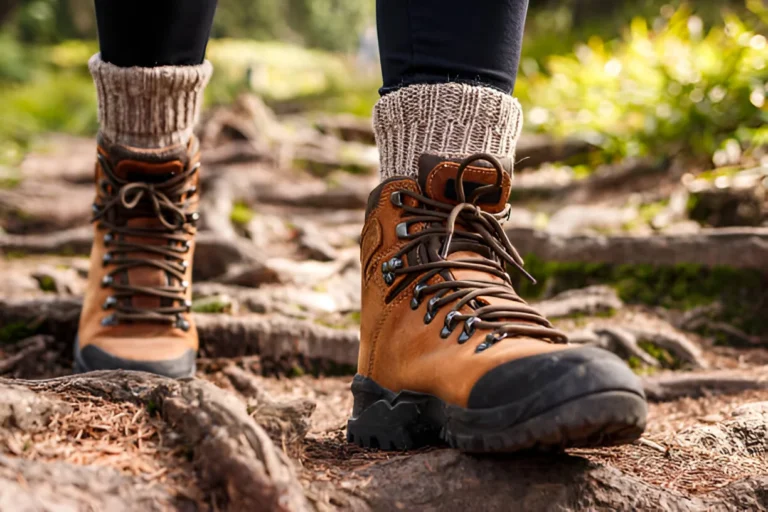
Kilimanjaro Training Mistakes That Reduce Summit Success 2026-2027
Kilimanjaro Training Mistakes that Reduce Summit Success is explained with current 2026-2027 planning, price, itinerary and booking information.
View package details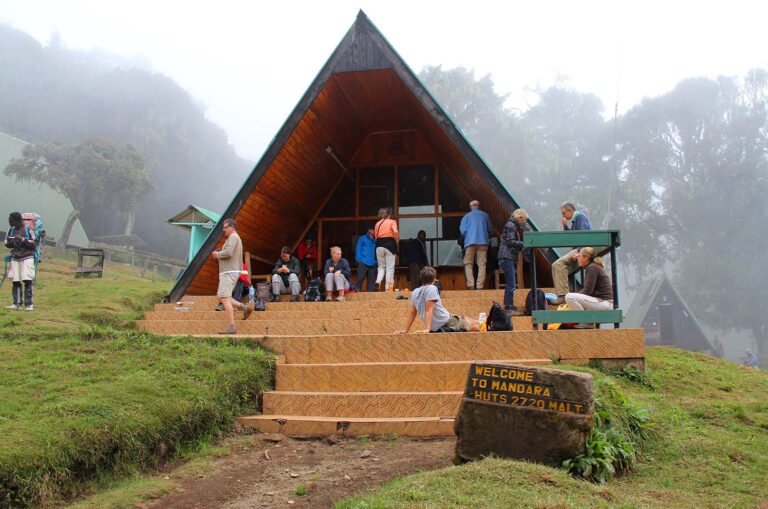
Kilimanjaro Personal Porter Vs Standard Support 2026-2027
Kilimanjaro Personal Porter vs Standard Porter Support is explained with current 2026-2027 planning, price, itinerary and booking information.
View package details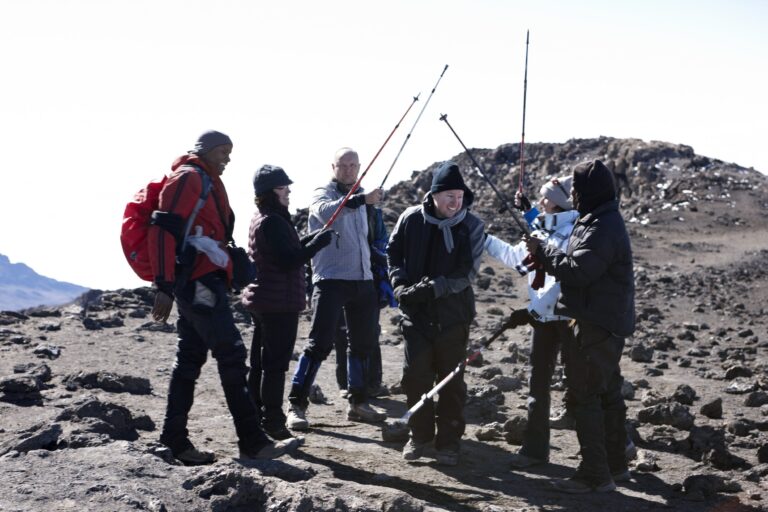
Kilimanjaro Airport Vs Arusha For Climbers: The Definitive Guide 2026-2027
A comprehensive comparison of Kilimanjaro International Airport (JRO) and Arusha Airport (ARK) for trekkers planning a Mount Kilimanjaro climb, detailing pros, cons, and booking advice for...
View package details
Kilimanjaro Climb For Retired Couples: Planning Your Adventure 2026-2027
Planning a Kilimanjaro climb as a retired couple is an achievable and rewarding goal. This guide offers in-depth advice on route selection, physical preparation, essential gear, and the...
View package details
Kilimanjaro Training Plan For Climbers Over 60 2026-2027
Kilimanjaro Training Plan for Climbers over 60 is explained with current 2026-2027 planning, price, itinerary and booking information.
View package details
Can A 16-Year-Old Climb Kilimanjaro? Your Essential Guide 2026-2027
Discover if a 16-year-old can summit Kilimanjaro. This comprehensive guide covers age requirements, health, fitness, essential gear, and planning for younger trekkers aiming for Africa's...
View package detailsNo related package matches those filters. Clear one or more filters to see the other topic-matched options.



