
Kilimanjaro training mistakes that reduce summit success often involve insufficient cardiovascular conditioning, inadequate strength training for legs and core, neglecting altitude acclimatization simulation, improper gear testing, and underestimating the importance of mental preparation. Avoiding these pitfalls by focusing on consistent, progressive training tailored to the demands of high-altitude trekking is crucial for a successful 2026-2027 climb.
The High Stakes of Kilimanjaro Preparation: Why Training Mistakes Matter
Climbing Mount Kilimanjaro is an extraordinary feat, a dream for many adventurers. It’s not merely a hike; it’s a multi-day expedition that pushes physical and mental boundaries. While the allure of standing on the Roof of Africa is powerful, achieving that goal hinges significantly on meticulous preparation. Many aspiring climbers, however, fall prey to common Kilimanjaro training mistakes that can tragically reduce their chances of reaching the summit. These errors, often born from underestimation, misinformation, or poor planning, can lead to exhaustion, altitude sickness, injury, or simply the inability to continue the ascent. For those planning their climb in 2026 or 2027, understanding and actively avoiding these mistakes is paramount to maximizing summit success.
At Top Guide Adventures, we’ve guided thousands of trekkers up Kilimanjaro, witnessing firsthand the impact of preparation—or lack thereof. We see climbers arrive with incredible enthusiasm but insufficient conditioning, leading to struggles that could have been mitigated. This article aims to be your definitive guide, detailing the most critical Kilimanjaro training mistakes and offering practical, actionable advice to ensure your trek is not only successful but also an enjoyable and rewarding experience. We will cover everything from the physical conditioning that builds resilience to the mental fortitude required to overcome challenges at extreme altitudes.
Mistake 1: Underestimating the Cardiovascular Demand
Perhaps the most prevalent and impactful mistake is failing to build adequate cardiovascular fitness. Kilimanjaro is not a sprint; it’s a sustained, multi-day effort at increasing altitudes. The daily trekking involves hours of walking, often on steep, uneven terrain, with significant elevation gain. Without a strong aerobic base, your body struggles to deliver oxygen efficiently to your muscles, leading to premature fatigue, reduced pace, and increased susceptibility to altitude-related symptoms. Many mistake a general fitness level for trek-specific endurance.
The Reality of Daily Trekking on Kilimanjaro
Consider a typical day on the mountain. You might walk for 6-8 hours, sometimes more, carrying a daypack weighing 5-10 kg. This isn’t just walking on a flat path; it involves ascents and descents, often on loose scree or rocky trails. The air at higher altitudes is thinner, meaning your heart and lungs have to work harder to achieve the same oxygen intake. For instance, at 4,000 meters (13,000 feet), the oxygen levels are about 60% of what they are at sea level. This significantly increases the cardiovascular load. A body not conditioned for this sustained effort will deplete its energy reserves rapidly, making the climb excruciatingly difficult and increasing the likelihood of turning back.
Cardio Training: What You Actually Need
Effective cardiovascular training for Kilimanjaro should mimic the demands of the trek. This means focusing on:
- Endurance Activities: Aim for at least 3-4 sessions per week, gradually increasing duration and intensity. Activities like brisk walking, hiking (especially with a weighted pack), running, cycling, swimming, or using an elliptical trainer are beneficial.
- Long Hikes: The cornerstone of Kilimanjaro training is regular long hikes, ideally on varied terrain (hills, stairs). Start with 2-3 hour hikes and progressively build up to 6-8 hour treks, especially in the 8-12 weeks leading up to your climb. Crucially, simulate the summit day by doing at least one or two 10-12 hour (or longer) hikes.
- Hiking with a Pack: Always train with the daypack you intend to use on Kilimanjaro, gradually adding weight to simulate your supplies (water, snacks, extra layers). This helps your body adapt to carrying a load for extended periods.
- Incorporate Hills/Stairs: Since Kilimanjaro is all about elevation gain, training on inclines is non-negotiable. Seek out hills, mountains, or even long flights of stairs. If you live in a flat area, use a treadmill with an incline setting or find stair-climbing machines at a gym.
A common mistake is relying solely on gym workouts like weightlifting or short, intense cardio bursts. While these build strength and general fitness, they do not sufficiently prepare your cardiovascular system for the prolonged, steady exertion required on Kilimanjaro. For 2026-2027 expeditions, prioritize building that aerobic engine.
Mistake 2: Neglecting Strength Training, Especially for Legs and Core
While Kilimanjaro is primarily an endurance challenge, neglecting strength training is another significant oversight. Strong leg muscles are essential for navigating steep ascents and descents, and a robust core provides stability, improves posture, and reduces the risk of injury, particularly when carrying a pack on uneven ground. Weakness in these areas leads to faster fatigue, increased strain on joints (knees, ankles), and a higher chance of muscle cramps or pulls.
The Biomechanics of Trekking Uphill and Downhill
Imagine descending Kilimanjaro. It’s often described as harder on the body than the ascent. Your quadriceps, hamstrings, and glutes work intensely to control your descent, absorbing impact and preventing you from tumbling. Similarly, ascending requires powerful leg drive, especially on steeper sections. Your core muscles (abdomen, back, obliques) act as a crucial link, transferring power between your upper and lower body, maintaining balance, and supporting your spine under load. Without adequate strength, these muscles will quickly tire, leading to poor form, increased risk of falls, and pain.
Key Muscle Groups and Exercises to Focus On
Your strength training program should target the following:
- Legs:
- Squats (bodyweight, goblet, weighted): Excellent for quads, hamstrings, and glutes.
- Lunges (forward, reverse, walking): Great for single-leg strength, balance, and targeting quads and glutes.
- Step-ups (with or without weight): Directly mimics climbing stairs or stepping onto rocks.
- Calf Raises: Important for propulsion and stability.
- Deadlifts (conventional, Romanian): Builds overall posterior chain strength (hamstrings, glutes, back).
- Core:
- Planks (front, side): Builds isometric core strength and endurance.
- Crunches/Leg Raises: Targets abdominal muscles.
- Russian Twists: Works obliques and rotational stability.
- Back Extensions: Strengthens the lower back muscles.
- Upper Body (for pack carrying): While less critical than legs and core, some upper body strength (shoulders, back) helps in comfortably carrying your daypack. Exercises like rows and shoulder presses are beneficial.
Aim for 2-3 strength training sessions per week, focusing on compound movements that work multiple muscle groups simultaneously. Proper form is crucial to prevent injury. If you’re new to strength training, consider working with a fitness professional for a few sessions to learn correct technique. For your 2026-2027 Kilimanjaro plans, integrate this into your routine at least 3-4 months before your climb.
Mistake 3: Inadequate Acclimatization Training and Understanding
Altitude sickness is a major reason why climbers fail to reach the summit of Kilimanjaro. While acclimatization on the mountain itself is the primary defense, specific training and understanding can significantly improve your body’s response. Many climbers arrive with no concept of how their body might react to altitude or fail to do any ‘training’ that simulates altitude stress.
The Dangers of Rapid Ascent and Altitude Sickness
Kilimanjaro’s routes are designed for gradual ascent to allow the body to acclimatize. However, even with the best routes, individual responses vary. Altitude sickness can manifest as headaches, nausea, dizziness, and fatigue. In severe cases, it can progress to High Altitude Cerebral Edema (HACE) or High Altitude Pulmonary Edema (HAPE), which are life-threatening conditions. The key to prevention is ascending slowly, staying hydrated, and avoiding overexertion. Training can help your body become more resilient.
Simulating Altitude and Preparing Your Body
While you can’t fully replicate Kilimanjaro’s altitude at sea level, you can prepare your body in several ways:
- Train at High Altitude (if possible): If you live near or can travel to a high-altitude area (e.g., over 2,000 meters / 6,500 feet), train there. Even short periods of hiking or running at altitude can help your body begin to adapt.
- Incorporate Interval Training: High-intensity interval training (HIIT) can improve your body’s efficiency in utilizing oxygen, which is beneficial at altitude. Short bursts of intense exercise followed by brief recovery periods can enhance your VO2 max.
- Focus on Breathing Techniques: Practicing controlled, deep breathing exercises can help improve oxygen intake and relaxation, which can be useful during challenging moments on the mountain. Techniques like diaphragmatic breathing can be practiced regularly.
- Understand Altitude Sickness Symptoms: Educate yourself thoroughly on the signs and symptoms of Acute Mountain Sickness (AMS), HACE, and HAPE. Know the crucial principle: ‘Climb high, sleep low’ (though this is more about the trek itself) and understand that the only cure for severe altitude sickness is descent.
- Hydration and Nutrition Strategy: Practice drinking large volumes of water even when you don’t feel thirsty. Develop a nutrition plan that includes easily digestible, energy-dense foods. Good hydration and nutrition are critical for acclimatization.
Many climbers mistakenly believe that acclimatization is solely the responsibility of the trek operators and the route’s design. While these are vital, proactive preparation regarding your body’s response to low oxygen levels is a personal training component that significantly impacts success. For 2026-2027 climbs, start researching and practicing these techniques well in advance.
Mistake 4: Improper Gear Selection and Testing
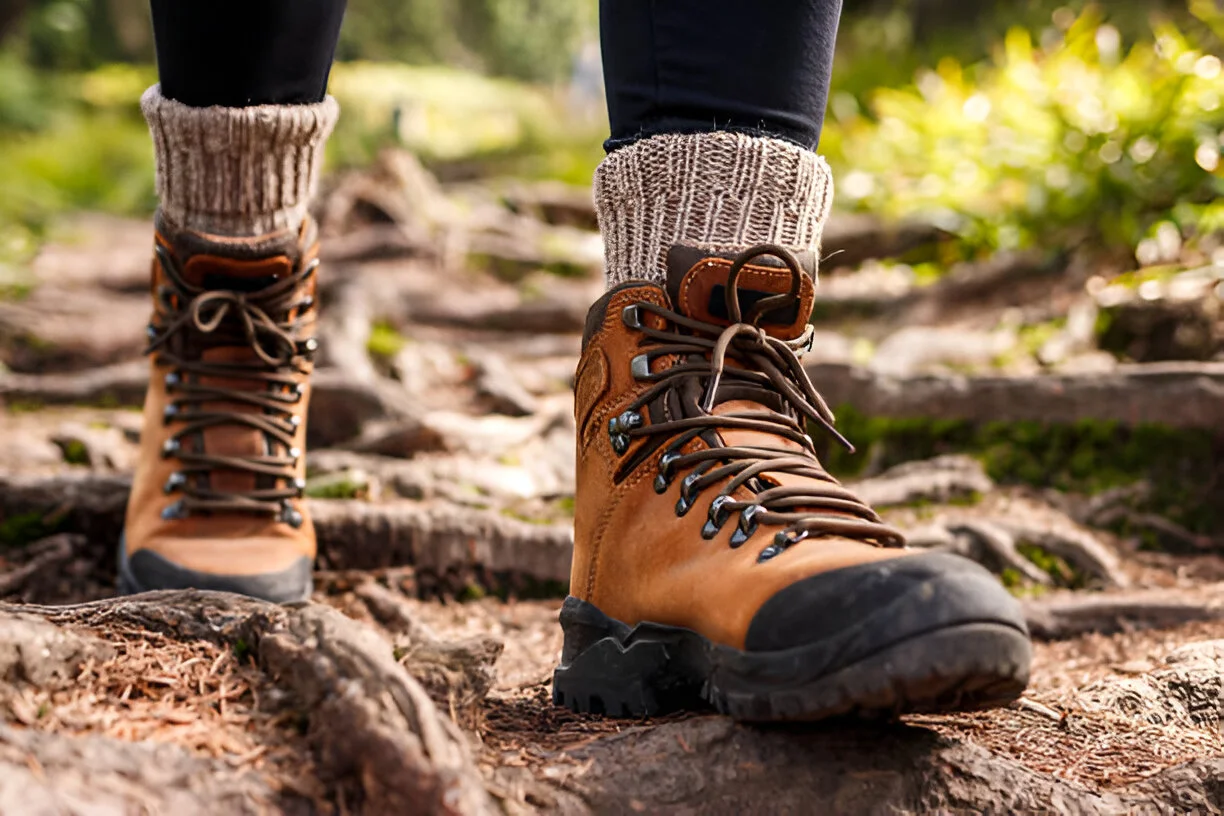
Having the right gear is non-negotiable for a Kilimanjaro climb. However, many make the mistake of either buying cheap, inadequate equipment or, more commonly, failing to properly test their chosen gear during training hikes. Ill-fitting boots, inadequate layering systems, or a poorly chosen backpack can lead to blisters, discomfort, chafing, and ultimately, an inability to continue the trek. This is a critical area where preparation directly translates to comfort and performance on the mountain.
The Critical Role of Footwear
Your boots are arguably the most important piece of gear. They need to be:
- Waterproof: Essential for trekking through varying weather conditions and potential rain.
- Well-fitting: Crucial to prevent blisters. They should be snug but not tight, with enough room in the toe box for your toes to wiggle, especially when descending.
- Supportive: Ankle support is vital for navigating uneven terrain and reducing the risk of sprains.
- Broken-in: This is where the testing comes in. New boots, no matter how expensive, can cause severe blisters if not worn extensively before the climb.
Mistake: Buying brand-new, stiff boots just before the trip and expecting them to be comfortable on summit night.
Correction: Purchase your boots at least 2-3 months prior and wear them on all your training hikes, gradually increasing the distance and duration. Wear the socks you intend to use on Kilimanjaro with them.
Layering Systems: The Key to Temperature Regulation
Kilimanjaro’s climate varies dramatically, from the humid tropics at the base to the freezing, arctic conditions at the summit. A proper layering system allows you to adapt to these changes:
- Base Layer (Moisture-wicking): Thermal underwear (tops and bottoms) made of merino wool or synthetic materials to draw sweat away from your skin.
- Mid Layer (Insulation): Fleece jacket or vest, down vest, or a lightweight insulated jacket to retain body heat.
- Outer Layer (Shell): Waterproof and windproof jacket and trousers (Gore-Tex or similar) to protect against rain, wind, and snow.
Mistake: Relying on cotton clothing (which holds moisture and chills you) or bringing only a few heavy items instead of a versatile layering system.
Correction: Invest in high-quality, moisture-wicking base layers, a warm mid-layer, and a reliable waterproof/windproof shell. Test this system during your training hikes in various weather conditions.
The Importance of Testing All Gear
Beyond boots and clothing, test everything:
- Backpack: Ensure it’s comfortable when loaded and properly adjusted.
- Trekking Poles: Practice using them on descents and ascents to reduce strain on your knees and improve balance.
- Headlamp: Test its brightness and battery life, especially for the summit night push. Bring spare batteries.
- Water Bottles/Hydration Reservoir: Ensure they don’t leak and are easy to access. Test reservoirs in cold weather to prevent freezing.
- Sleeping Bag: Ensure it’s rated for sub-zero temperatures (0°F / -18°C is recommended) and that you are comfortable sleeping in it.
For 2026-2027 climbs, start acquiring your gear early and integrate it into your training. A well-tested gear setup significantly boosts confidence and comfort, directly contributing to summit success.
Mistake 5: Inconsistent Training Schedule and Peaking Too Early or Too Late
Consistency is key in any training regimen, and Kilimanjaro preparation is no exception. Many climbers make the mistake of training intensely for a few weeks, then slacking off, or alternatively, starting their most rigorous training too close to the climb date, leading to burnout or insufficient adaptation. A well-structured plan ensures progressive overload and allows your body to adapt optimally.
The Principle of Progressive Overload
Your body adapts to stress. To improve fitness, you need to gradually increase the demands placed upon it. This means slowly increasing the duration, intensity, or frequency of your workouts over time. Trying to do too much too soon can lead to injury or exhaustion, while insufficient challenge won’t yield the necessary adaptations.
Structuring Your Training Plan (8-12 Weeks Recommended)
A typical 8-12 week training plan might look like this:
- Weeks 1-4 (Base Building): Focus on establishing a consistent routine. Increase the duration of your cardio workouts and start incorporating strength training. Begin with shorter hikes (2-3 hours) and gradually increase to 4-5 hours.
- Weeks 5-8 (Intensification): Increase the intensity and duration of your training. Your long hikes should now be regularly 5-6 hours, with at least one reaching 7-8 hours. Increase the weight in your pack and the resistance in your strength training.
- Weeks 9-11 (Peak Phase): This is when you simulate the most demanding aspects of the trek. Include your longest hikes (8+ hours), potentially back-to-back long hikes on a weekend to mimic multi-day fatigue. Ensure you are consistently using your gear.
- Week 12 (Tapering): In the final week or two before your climb, significantly reduce the volume and intensity of your training. Focus on rest, recovery, and light activity. This allows your body to recover fully and store energy for the climb.
Mistake: Starting intense training just 2-3 weeks before the climb, or training extremely hard right up until the day before departure.
Correction: Begin your structured training at least 8-12 weeks out, and implement a proper taper in the final 7-14 days. For 2026-2027 expeditions, create a training calendar now.
Mistake 6: Underestimating the Mental Challenge
Kilimanjaro is as much a mental battle as it is a physical one. The combination of altitude, fatigue, cold, and the sheer duration of the trek can wear down even the fittest individuals. Many climbers focus solely on physical training and neglect the crucial aspect of mental preparation, leading to a breakdown when faced with discomfort or adversity.
The Psychological Impact of Altitude and Fatigue
Summit night, in particular, is notoriously demanding. You’ll likely start hiking around midnight, in the dark, in freezing temperatures, and on steep terrain. The air is thin, making every step an effort. Your body is exhausted, and your mind can start to play tricks on you. Doubts creep in, discomfort becomes amplified, and the desire to quit can become overwhelming. Without mental resilience, these feelings can lead to giving up.
Building Mental Toughness for the Summit Push
Mental preparation involves several strategies:
- Visualize Success: Regularly visualize yourself successfully completing the trek, overcoming challenges, and reaching the summit. Imagine the feeling of accomplishment.
- Develop Coping Strategies: Think about how you will handle difficult moments. This could involve focusing on small goals (e.g., reaching the next bend, finishing a water bottle), using positive self-talk, or breaking the climb into manageable segments.
- Embrace Discomfort: During your training hikes, especially the long ones, practice being comfortable with being uncomfortable. Push through minor discomforts (like tired legs or cold hands) to build tolerance.
- Practice Mindfulness/Meditation: These techniques can help you stay present, manage anxiety, and control your thoughts when things get tough.
- Understand Your ‘Why’: Remind yourself of your motivation for climbing Kilimanjaro. Having a strong ‘why’ can be a powerful driver when willpower starts to fade.
- Build Confidence Through Preparation: The best mental preparation is knowing you’ve done the physical work. Confidence in your training significantly boosts mental resilience.
Mistake: Believing that physical fitness alone will be enough, and not considering the psychological demands.
Correction: Actively work on your mental game alongside your physical training. Acknowledge the challenge and prepare strategies to overcome it. This is vital for any 2026-2027 Kilimanjaro aspirant.
Mistake 7: Poor Hydration and Nutrition Strategy During Training and on the Mountain
Dehydration and inadequate nutrition are silent killers of summit attempts. Many climbers underestimate how much fluid and energy they need, especially at altitude, or fail to practice good hydration and eating habits during their training, making it difficult to adopt them on the mountain.
The Impact of Altitude on Hydration and Metabolism
At higher altitudes, the air is drier, and you lose more fluid through respiration. Your body also works harder, increasing metabolic rate and fluid requirements. Dehydration can exacerbate altitude sickness symptoms and lead to fatigue, headaches, and poor performance. Similarly, your body needs fuel to sustain the prolonged exertion. Without adequate calories, you’ll run out of energy.
Developing and Practicing Hydration Habits
Here’s how to train your body:
- Daily Water Intake: Aim to drink at least 3-4 liters of water per day, even on non-training days. Make it a habit.
- During Training Hikes: Practice drinking consistently throughout your hikes. Don’t wait until you feel thirsty. Sip water every 15-20 minutes. Carry at least 2 liters for a 4-hour hike and adjust based on conditions.
- Electrolytes: Consider using electrolyte tablets or powders, especially during longer or more strenuous training sessions, to help with hydration and replenish lost salts.
- Monitor Urine Color: Pale yellow urine is a good indicator of proper hydration. Dark urine suggests you need to drink more.
Mistake: Drinking only when thirsty, or consuming sugary drinks that don’t hydrate effectively.
Correction: Make hydration a conscious effort. Practice drinking regularly during all your training activities.
Fueling for Endurance: What and When to Eat
Your training hikes are the perfect time to experiment with foods that work for you:
- High-Energy Snacks: Pack easily digestible, high-carbohydrate snacks like energy bars, trail mix, dried fruits, nuts, and gels.
- Practice Eating During Hikes: Eat small, frequent snacks every 45-60 minutes during your long training hikes. This keeps your energy levels stable.
- Listen to Your Body: Some foods might not agree with you during exertion. Identify what sits well in your stomach.
- Pre-Hike Meal: Ensure you have a balanced breakfast before your long training hikes, including complex carbohydrates and some protein.
On Kilimanjaro, guides provide meals, but carrying your own snacks is essential for maintaining energy between meals and during the summit climb. Practicing your eating strategy during training ensures you know what works and builds the habit. For 2026-2027 planning, remember that proper fueling is as crucial as fitness.
Mistake 8: Not Consulting a Doctor or Medical Professional
Before embarking on any significant physical challenge like climbing Kilimanjaro, it’s essential to get a medical check-up. Many people overlook this step, assuming they are healthy enough, but a doctor can identify underlying conditions that might pose a risk or offer personalized advice based on your health history.
Assessing Your Health for High-Altitude Trekking
A doctor can help you understand:
- Pre-existing Conditions: Conditions like heart problems, respiratory issues (asthma, COPD), high blood pressure, or diabetes can be complicated by high altitude. Your doctor can advise on risks and necessary precautions.
- Medication: Discuss any medications you are taking. Your doctor might also advise on preventative medications for altitude sickness, such as Diamox (acetazolamide), and the correct dosage and potential side effects.
- Vaccinations and Health Advice: Ensure you are up-to-date on recommended vaccinations for Tanzania and receive advice on travel health, including malaria prevention.
- Fitness Assessment: While not a substitute for training, a doctor can give you a general overview of your physical readiness.
Mistake: Assuming you are fit enough without professional medical advice, especially if you have any known health concerns.
Correction: Schedule a pre-travel medical consultation at least 2-3 months before your intended climb date. This is a crucial step for all 2026-2027 climbers.
Mistake 9: Ignoring the Importance of Rest and Recovery
Training is only half the equation; recovery is where your body actually adapts and gets stronger. Overtraining without adequate rest leads to fatigue, decreased performance, increased risk of injury, and burnout. Many climbers push themselves relentlessly without prioritizing sleep and active recovery.
The Science of Recovery and Adaptation
During rest periods, your muscles repair and rebuild, your energy stores are replenished, and your nervous system recovers. Pushing your body continuously without allowing it to recover prevents these vital processes from occurring, ultimately hindering your progress and increasing the likelihood of failure on the mountain.
Strategies for Effective Rest and Recovery
Integrate these practices into your training:
- Prioritize Sleep: Aim for 7-9 hours of quality sleep per night. Sleep is when most of the body’s repair and regeneration occurs.
- Active Recovery: On rest days or after hard workouts, engage in light activities like gentle walking, stretching, or foam rolling. This can help reduce muscle soreness and improve blood flow.
- Listen to Your Body: Pay attention to signs of overtraining, such as persistent fatigue, elevated resting heart rate, irritability, decreased motivation, and recurring injuries. Don’t be afraid to take an extra rest day if needed.
- Nutrition for Recovery: Ensure your diet includes adequate protein for muscle repair and carbohydrates to replenish glycogen stores.
- Hydration: Continued hydration is crucial even on rest days for overall bodily function and recovery.
Mistake: Training too hard, too often, without incorporating sufficient rest days and prioritizing sleep.
Correction: Build rest days into your weekly training schedule and actively focus on recovery techniques. This balanced approach is essential for sustainable progress towards your 2026-2027 Kilimanjaro climb.
Mistake 10: Choosing the Wrong Route or Duration
While not strictly a ‘training’ mistake, selecting an inappropriate route or an overly ambitious duration can set you up for failure, regardless of your training level. Some routes are significantly more challenging than others, and shorter durations offer less time for acclimatization, increasing the risk of altitude sickness.
Route Difficulty and Acclimatization Profiles
Kilimanjaro has several routes, each with distinct characteristics:
- Marangu (Coca-Cola) Route: Often considered the easiest due to its gradual slope and hut accommodation, but its rapid ascent profile (5 days) leads to a low summit success rate (around 30-40%).
- Machame (Whiskey) Route: Popular for its scenic beauty and good acclimatization profile (‘climb high, sleep low’). It’s a 6-7 day trek, offering a higher success rate (around 65-75%). We highly recommend this route for most climbers.
- Lemosho/Shira Routes: Longer (7-8 days), offering excellent acclimatization and stunning scenery, leading to very high success rates (over 80-90%). These are ideal for those seeking a more in-depth experience and a better chance of summiting.
- Northern Circuit: The longest route (9+ days), circumnavigating the mountain. It offers the best acclimatization and the highest success rates, but requires more time and a higher budget.
- Rongai Route: Approaches from the north, drier and less crowded. A 6-7 day option with good acclimatization and success rates comparable to Machame.
Mistake: Opting for the shortest, cheapest route (like a 5-day Marangu) without understanding its implications for acclimatization and success rates.
Correction: Choose a route that prioritizes acclimatization. For most climbers aiming for success in 2026-2027, a 7-day Machame, Lemosho, or Rongai route is recommended. An 8-day or longer route offers even better odds.
Duration Matters for Acclimatization
The longer you spend on the mountain, the more time your body has to adapt to the decreasing oxygen levels. A 5-day trek is simply too short for most people to acclimatize properly. Summit success rates significantly increase with each additional day:
- 5-day treks: ~30-40% success rate
- 6-day treks: ~50-60% success rate
- 7-day treks: ~65-75% success rate
- 8+ day treks: ~80-90%+ success rate
Mistake: Trying to ‘save time’ or money by choosing a shorter trek duration.
Correction: Prioritize acclimatization by selecting a longer trek. For your 2026-2027 climb, consider that investing a few extra days dramatically increases your chances of reaching Uhuru Peak.
Mistake 11: Not Practicing Pole Usage
Trekking poles are invaluable tools for Kilimanjaro, helping to reduce strain on knees, improve balance, and provide momentum on ascents. However, many climbers don’t use them during training, leading to awkwardness or avoidance of their use on the mountain itself. This is a missed opportunity to leverage a piece of equipment that can significantly aid performance and comfort.
Benefits of Trekking Poles on Kilimanjaro
Trekking poles distribute weight, reducing the load on your legs and back, especially during descents. They provide stability on uneven terrain and can help you maintain rhythm and momentum on ascents. For many, they are the difference between a manageable trek and an exhausting ordeal.
Integrating Pole Practice into Your Training
Treat trekking poles like any other piece of gear:
- Acquire Them Early: Purchase adjustable trekking poles well before your training begins.
- Use Them on All Training Hikes: From your first short walks to your longest mountain expeditions, use your poles. Get accustomed to the feel and rhythm.
- Learn Proper Technique: Adjust them to the correct height (typically so your elbow is at a 90-degree angle when the pole tip is on the ground). Practice planting them in front of you on ascents and using them to control your speed and brace yourself on descents.
- Simulate Different Terrains: Use them on rocky paths, muddy trails, and steep inclines/declines to understand their versatility.
Mistake: Bringing poles for the first time on Kilimanjaro or only using them sporadically during training.
Correction: Make pole usage a standard part of your training routine. This ensures you are proficient and comfortable using them when it counts most. For 2026-2027, get comfortable with your poles now.
Mistake 12: Over-reliance on Supplements and Ignoring Fundamentals
In today’s health-conscious world, supplements are popular. However, some climbers mistakenly believe that popping a few pills or powders can substitute for proper training, nutrition, and hydration. Supplements can play a role, but they are enhancers, not replacements for the foundational elements of preparation.
Supplements: A Supporting Role, Not a Magic Bullet
While certain supplements might offer marginal benefits (e.g., electrolytes for hydration, protein for muscle repair), they cannot compensate for a lack of cardiovascular fitness, strength, or proper acclimatization. Relying heavily on supplements can distract from the essential, time-consuming work of physical conditioning.
Focusing on the Core Pillars of Preparation
The true keys to success lie in:
- Consistent Aerobic Training: Building endurance is paramount.
- Progressive Strength Building: Developing muscle resilience.
- Adequate Hydration and Nutrition: Fueling your body correctly.
- Proper Acclimatization: Allowing your body to adapt to altitude.
- Mental Fortitude: Preparing for the psychological challenge.
- Appropriate Gear: Ensuring comfort and safety.
Mistake: Believing that supplements like altitude sickness pills (without medical advice) or energy boosters can replace diligent training and preparation.
Correction: Focus on mastering the fundamentals of training, nutrition, hydration, and mental preparation. Supplements should only be considered as a minor addition after these core elements are well-established. For 2026-2027, remember that hard work trumps shortcuts.
Mistake 13: Not Practicing Walking Pace and Breathing Control
On Kilimanjaro, especially at higher altitudes, speed is the enemy. A common mistake is to maintain a fast pace accustomed to lower elevations, leading to breathlessness and rapid fatigue. Learning to walk slowly and deliberately, and controlling your breathing, is fundamental to conserving energy and aiding acclimatization.
The Concept of “Pole Pole” (Slowly Slowly)
Swahili for “slowly slowly,” pole pole is the mantra on Kilimanjaro. Guides constantly remind climbers to adopt this pace. It allows your body to utilize the limited oxygen more efficiently and prevents you from exhausting yourself. A brisk walk at sea level can be unsustainable at 5,000 meters.
Training Your Pace and Breathing
- Practice Slow, Steady Hiking: During your long training hikes, deliberately practice walking at a slower, sustainable pace. Focus on maintaining this pace for hours.
- Controlled Breathing: Synchronize your breathing with your steps. For example, inhale for 3 steps, exhale for 3 steps. Experiment to find a rhythm that feels comfortable and allows for deep, efficient breaths.
- Conscious Effort: Make a conscious effort during training to slow down when you feel your heart rate rising too quickly or you start to feel winded. This builds the habit.
- Listen to Your Guide: On Kilimanjaro, your guide’s instruction on pace is crucial. They are experienced in reading the signs of fatigue and altitude.
Mistake: Rushing your training hikes and not practicing the slow, deliberate pace required on Kilimanjaro.
Correction: Incorporate slow, steady hiking at a “pole pole” pace into your training regimen. Practice controlled breathing techniques to maximize oxygen intake. This habit is critical for 2026-2027 success.
Mistake 14: Ignoring the Importance of Foot Care
Blisters, calluses, and other foot issues can quickly derail a trek. Proper foot care, starting with training and continuing on the mountain, is often overlooked but is vital for comfort and mobility.
Preventing and Managing Foot Problems
Key practices include:
- Properly Fitting Boots: As mentioned, this is the first line of defense.
- High-Quality Socks: Use moisture-wicking socks (merino wool or synthetic blends). Avoid cotton. Consider liner socks to reduce friction.
- Break in Boots Thoroughly: Wear your boots on all training hikes until they are completely comfortable and molded to your feet.
- Daily Foot Care on the Mountain: At the end of each trekking day, remove your boots and socks. Air out your feet, check for hot spots or blisters, and treat them immediately with moleskin or blister bandages. Keep your feet clean and dry.
- Trim Toenails: Trim toenails before the trek and again mid-trek if necessary, ensuring they are cut straight across to prevent ingrown nails.
Mistake: Neglecting foot care during training, leading to painful blisters or foot problems on the mountain that impede progress.
Correction: Make foot care a priority. Use the training hikes to identify and solve any potential foot issues. For 2026-2027, invest in good socks and a foot care kit.
Mistake 15: Not Planning for Post-Trek Recovery
While the focus is often on reaching the summit, adequate planning for post-trek recovery is also important. Pushing your body to its limits requires a period of rest and recuperation afterward to fully recover and avoid injury.
The Body’s Needs After a Kilimanjaro Climb
After days of strenuous trekking at altitude, your body will be depleted. You’ll likely experience significant muscle soreness, fatigue, and potentially mild dehydration or digestive upset. Rushing back into intense activity or travel immediately after descending can hinder recovery and increase the risk of illness or injury.
Planning for Post-Climb Rest
- Allow for Downtime: Schedule at least 1-2 full rest days after descending Kilimanjaro before engaging in strenuous activities or long travel.
- Gentle Movement: Light walking or stretching can aid recovery in the days following the trek.
- Hydration and Nutrition: Continue to focus on good hydration and a balanced diet to help your body rebuild.
- Listen to Your Body: Don’t push yourself too hard too soon. Give your body the time it needs to recover fully.
Mistake: Planning immediate, demanding activities or long, arduous travel directly after descending Kilimanjaro.
Correction: Build buffer time into your itinerary for rest and recovery. This ensures a smoother transition back to normal life and allows your body to fully benefit from the accomplishment. Consider this for your 2026-2027 travel plans.
Conclusion: Your Kilimanjaro Success Hinges on Avoiding These Training Pitfalls
Climbing Mount Kilimanjaro is an achievable goal for many with the right preparation. The journey to the summit is demanding, requiring a holistic approach that addresses physical conditioning, mental resilience, proper gear, and smart acclimatization strategies. The Kilimanjaro training mistakes outlined above – from underestimating cardiovascular needs and neglecting strength training to poor hydration and inadequate gear testing – are common but entirely preventable.
By understanding these potential pitfalls and actively working to avoid them, you significantly enhance your chances of not only reaching Uhuru Peak but also enjoying a safer, more comfortable, and ultimately more rewarding experience. For those planning their expeditions in 2026 and 2027, now is the time to refine your training plan. Focus on consistency, progressive overload, and simulating the demands of the mountain as closely as possible. Remember that every training hike is a step towards your goal, and every mistake avoided is a victory in itself.
At Top Guide Adventures, we are committed to helping you achieve your Kilimanjaro dream. Our experienced guides and robust operational support are designed to maximize your safety and success. If you have any questions about preparation, gear, route selection, or planning your 2026-2027 Kilimanjaro adventure, please do not hesitate to reach out. We are here to provide the expert guidance you need.
Contact Top Guide Adventures today:
WhatsApp: +255616946642
Email: topguideadventures@gmail.com
Backup Email: info@topguideadventures.com
Visit our website for more information on our Kilimanjaro climbs and other Tanzanian adventures.
“,
“faq_schema”: [
{
“question”: “What is the most common Kilimanjaro training mistake?”,
“answer”: “The most common and impactful Kilimanjaro training mistake is underestimating the cardiovascular demand. Climbers often possess general fitness but lack the specific endurance needed for multi-day trekking at altitude, leading to premature fatigue.”
},
{
“question”: “How important is strength training for Kilimanjaro?”,
“answer”: “Strength training, particularly for the legs and core, is crucial. It helps prevent injury, improves stability on uneven terrain, and reduces fatigue during both ascents and descents. Neglecting it means your muscles will tire more quickly under load.”
},
{
“question”: “Can I train for altitude sickness?”,
“answer”: “While you cannot fully simulate Kilimanjaro’s altitude at sea level, you can prepare your body by training at higher altitudes if possible, incorporating interval training to improve oxygen efficiency, understanding altitude sickness symptoms, and practicing good hydration.”
},
{
“question”: “Why is breaking in hiking boots so important for Kilimanjaro?”,
“answer”: “Breaking in hiking boots is vital to prevent blisters. New, stiff boots can cause severe pain and immobility if not worn extensively on training hikes. Properly fitted and broken-in boots are essential for comfort and performance on the mountain.”
},
{
“question”: “What is the best training duration before climbing Kilimanjaro?”,
“answer”: “A structured training plan of 8-12 weeks is generally recommended. This allows for progressive overload, adaptation, and a crucial tapering period before the climb. Consistency is key throughout this period.”
},
{
“question”: “How much water should I drink daily when training for Kilimanjaro?”,
“answer”: “You should aim to drink at least 3-4 liters of water per day, even on non-training days. During training hikes, practice drinking consistently every 15-20 minutes to maintain optimal hydration, which is critical for acclimatization and performance.”
},
{
“question”: “Should I consult a doctor before training for Kilimanjaro?”,
“answer”: “Yes, it is highly recommended to consult a doctor at least 2-3 months before your climb. They can assess any pre-existing conditions, advise on risks associated with high altitude, and discuss necessary medications or vaccinations.”
},
{
“question”: “What is the ‘pole pole’ pace on Kilimanjaro?”,
“answer”: “‘Pole pole’ is Swahili for ‘slowly slowly.’ It refers to the deliberately slow and steady pace required on Kilimanjaro, especially at higher altitudes, to conserve energy and aid acclimatization. Maintaining this pace is key to summit success.”
},
{
“question”: “Which Kilimanjaro route offers the best acclimatization?”,
“answer”: “Longer routes offer better
Check Availability for Kilimanjaro Training Mistakes That Reduce Summit Success 2026-2027
Ready to compare dates, prices, and the best option for your group? Send the package name and travel month so the team can reply with a clear quote, availability, and what is included.
Kilimanjaro Food And Nutrition Mistakes: Avoid These To Summit Successfully
Proper nutrition is crucial for a successful Kilimanjaro climb. This guide details common food and nutrition mistakes climbers make, offering expert advice on what to eat, when to eat it...
View package detailsKilimanjaro Summit-Night Mistakes To Avoid: Your Essential Guide For Climbs
Summit night on Kilimanjaro is the most challenging part of the climb. Avoiding common mistakes in acclimatization, gear, hydration, and pacing is crucial for success. This guide details...
View package details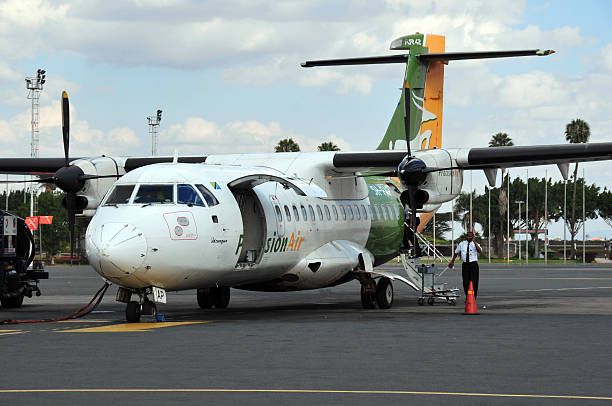
Kilimanjaro Leadership And Team-Building Expedition: Summit Success With Top
Elevate your team's potential on a Kilimanjaro Leadership and Team-Building Expedition. Top Guide Adventures crafts unique climbs designed to foster collaboration, resilience, and strategic...
View package details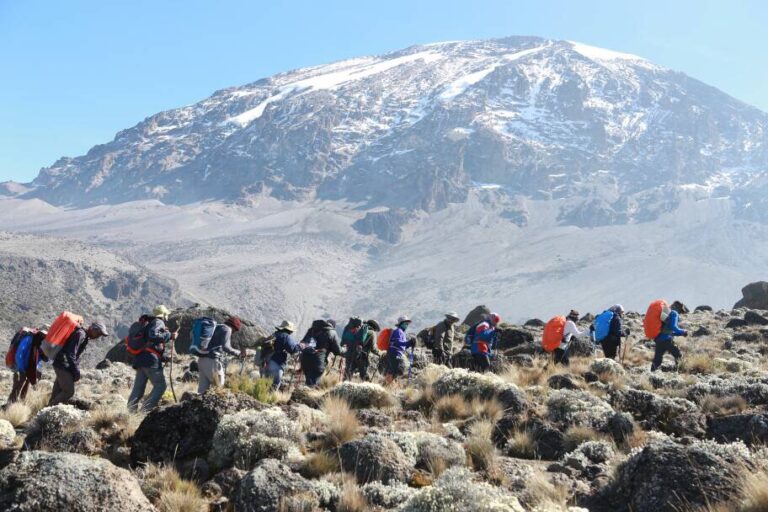
Kilimanjaro Group-Climb Mistakes: Avoid Common Pitfalls For A Successful
This guide details common Kilimanjaro group-climb mistakes, offering practical advice for trekkers aiming for a successful summit. Learn about preparation, acclimatization, gear, and...
View package details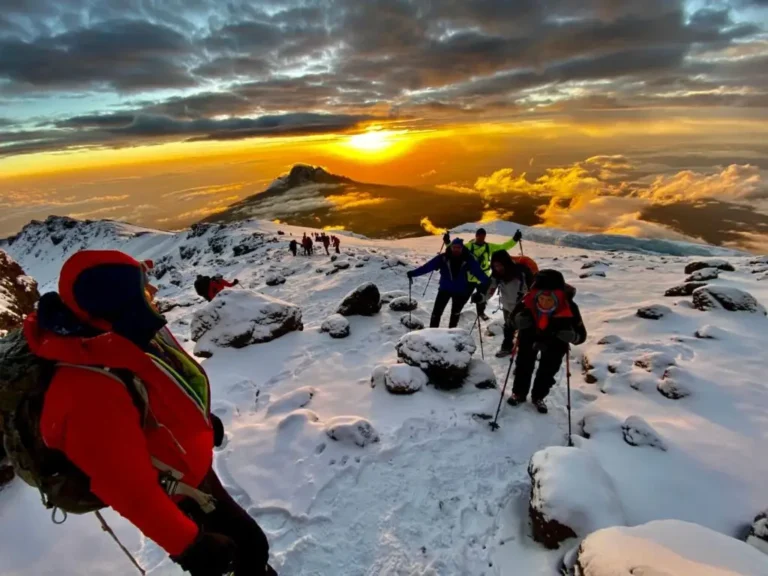
Kilimanjaro Layering Mistakes That Leave Climbers Cold: Expert Guide 2026-2027
Discover the common Kilimanjaro layering mistakes that can lead to discomfort and hypothermia. This guide provides essential tips on choosing the right gear and layering system to ensure...
View package details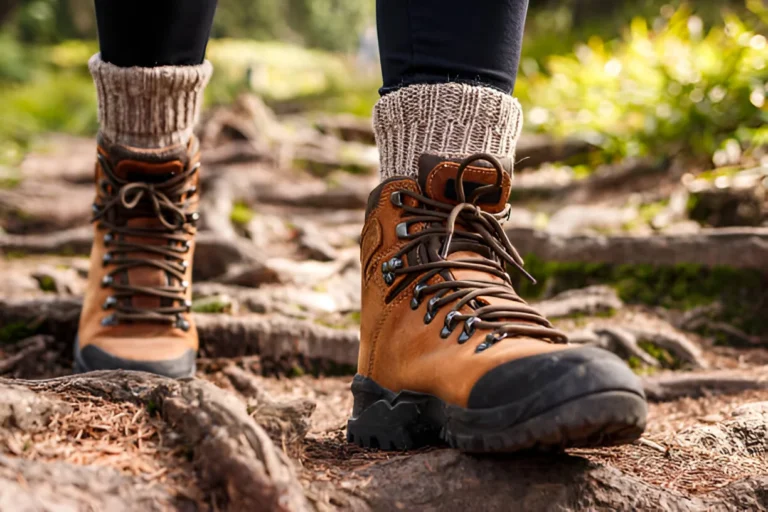
Kilimanjaro Packing Mistakes To Avoid For A Successful Climb In 2026-2027
Packing for Kilimanjaro is crucial for a successful trek. This guide details common packing mistakes to avoid, ensuring you have the right gear for the varying altitudes and conditions...
View package details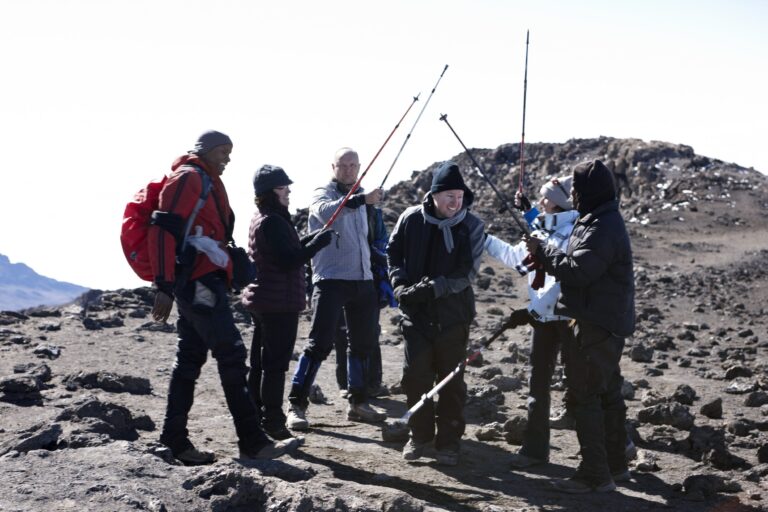
Kilimanjaro Booking Mistakes That Can Cost You Money 2026-2027
Kilimanjaro Booking Mistakes That Can Cost You Money is explained with current 2026-2027 planning, price, itinerary and booking information.
View package details
Kilimanjaro Hydration Mistakes Climbers Make And How To Avoid Them 2026-2027
Proper hydration is critical for a successful Kilimanjaro climb. This guide details common hydration mistakes climbers make, from under-drinking to choosing the wrong fluids, and provides...
View package details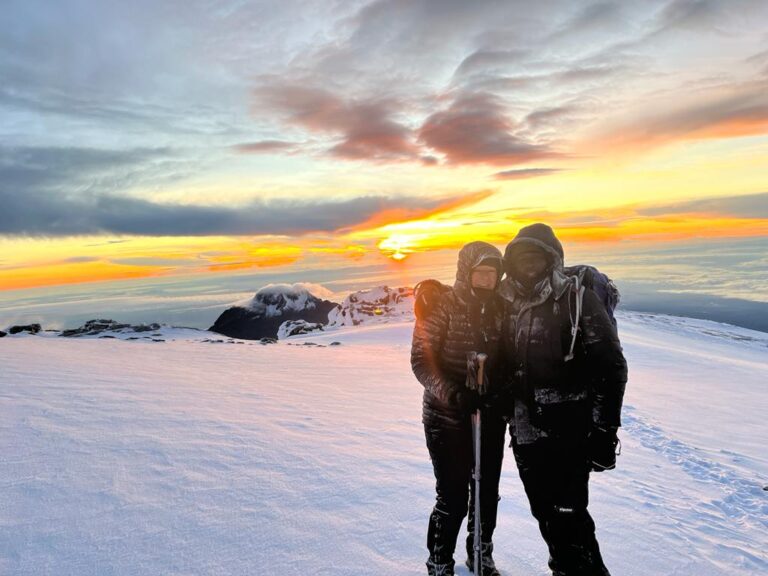
Kilimanjaro Altitude-Sickness Mistakes 2026-2027
Kilimanjaro Altitude-Sickness Mistakes is explained with current 2026-2027 planning, price, itinerary and booking information.
View package details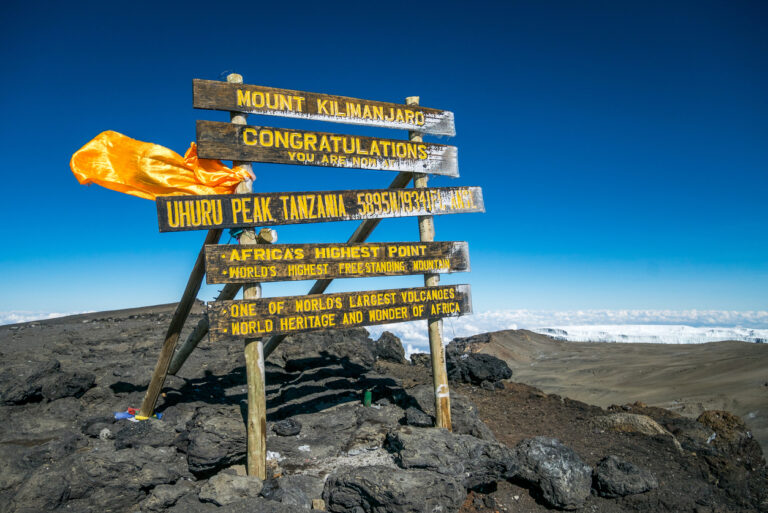
Kilimanjaro Training Plan For Climbers Over 60 2026-2027
Kilimanjaro Training Plan for Climbers over 60 is explained with current 2026-2027 planning, price, itinerary and booking information.
View package details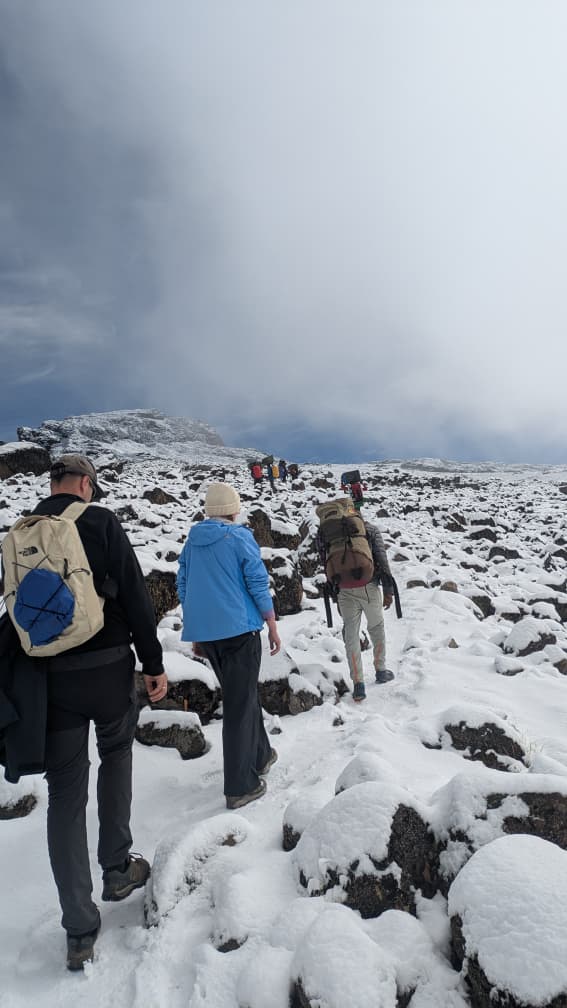
What Is Barafu Camp Like Before Summit Night On Kilimanjaro? 2026-2027
Barafu Camp is the high-altitude staging post on Kilimanjaro, situated just below the summit cone. It's a critical point where climbers rest and prepare for the final ascent to Uhuru Peak...
View package details
Kilimanjaro Road-Cycling Training Camp: Your Ultimate Preparation Guide
This comprehensive guide details everything you need to know about a Kilimanjaro road-cycling training camp, from essential preparation and training regimens to gear and best practices for...
View package detailsNo related package matches those filters. Clear one or more filters to see the other topic-matched options.



