
The most common Kilimanjaro layering mistakes that leave climbers cold involve underestimating the extreme temperature drops at altitude, failing to pack essential base, mid, and outer layers, wearing cotton, over-layering during the initial ascent, and not having adequate accessories like gloves and hats. Proper layering is crucial for managing body heat and moisture on Kilimanjaro, especially as you ascend through its distinct climate zones. For climbs planned in 2026 and 2027, prioritizing a well-thought-out clothing system will significantly enhance your comfort and safety, preventing the chilling effects of hypothermia and frostbite.
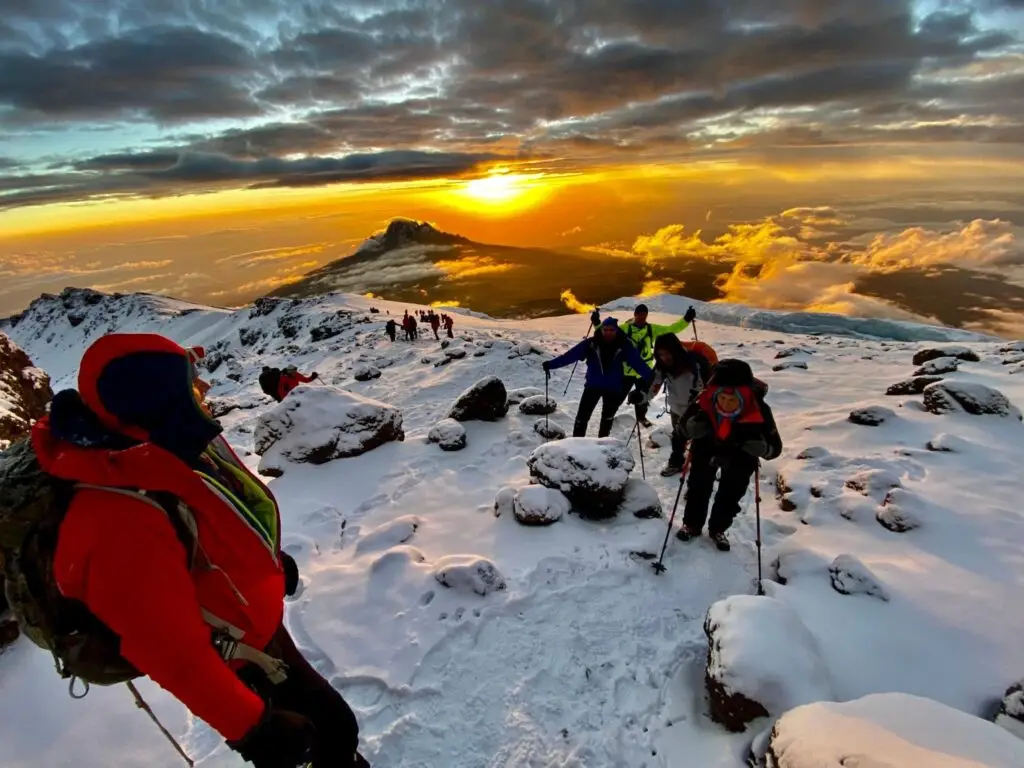
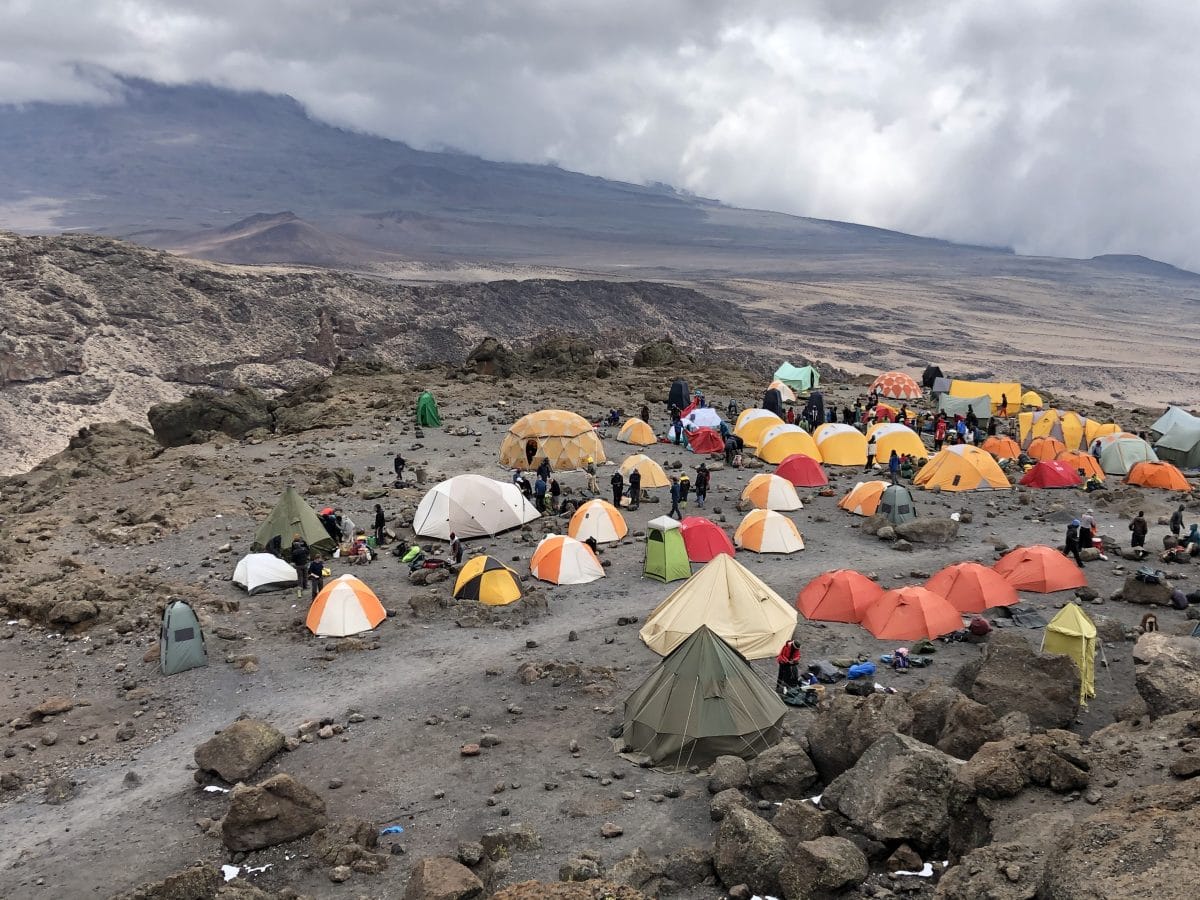
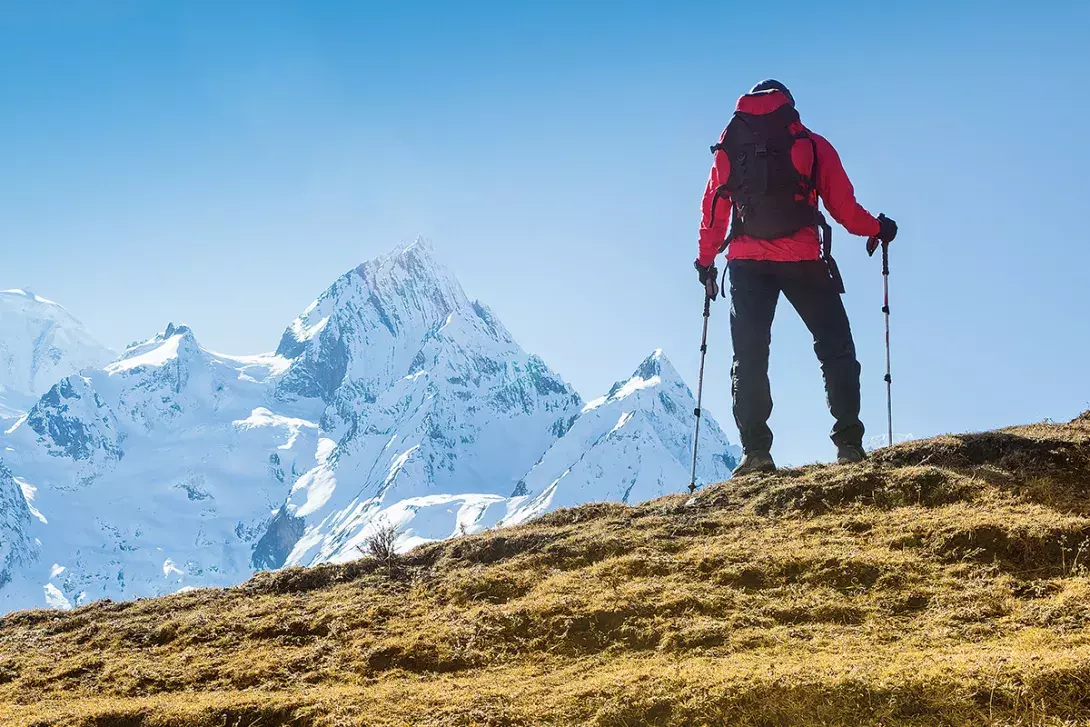
Understanding Kilimanjaro’s Extreme Cold: Why Layering is Non-Negotiable
Kilimanjaro, standing at 5,895 meters (19,341 feet), is not just a mountain; it’s a vertical journey through diverse ecosystems, each with its own microclimate. From the lush rainforest at the base to the frigid, almost arctic conditions near the summit, the temperature can swing dramatically. This is precisely why a robust layering strategy is the cornerstone of a successful and comfortable climb. Many aspiring trekkers, particularly those new to high-altitude environments, make the critical error of not fully grasping the intensity of the cold, especially during the pre-dawn summit push. This oversight leads directly to the Kilimanjaro layering mistakes that leave climbers shivering, miserable, and potentially in danger.
The air temperature on Kilimanjaro drops significantly with every thousand meters gained. At the summit, Uhuru Peak, temperatures can plummet to -15°C (5°F) or even lower, exacerbated by fierce winds that create a dangerous wind chill effect. This is far colder than most people experience in their daily lives, and it’s a stark contrast to the often warm and humid conditions found at lower elevations. Without a proper layering system, your body simply cannot regulate its temperature effectively against these extremes. The goal of layering is not just to keep warm, but to adapt to the changing conditions throughout the day and across different altitudes, allowing you to shed or add garments as needed.
For those planning their Kilimanjaro adventure in 2026 or 2027, understanding these environmental challenges is the first step towards packing smart. This isn’t a trek where you can ‘buy it there’ or ‘figure it out on the mountain.’ The right gear, specifically chosen for its layering capabilities, must be with you from the start. Ignoring the science of thermal regulation and moisture management is one of the most fundamental Kilimanjaro layering mistakes you can make.
The Sin of Cotton: A Fundamental Kilimanjaro Layering Mistake
If there’s one piece of advice that echoes universally among experienced mountaineers and guides, it’s this: Never wear cotton for Kilimanjaro. This is perhaps the most common and dangerous Kilimanjaro layering mistake, especially for first-time trekkers. Cotton, while comfortable and breathable in dry, moderate conditions, is a thermal insulator’s worst nightmare when it gets wet.
Here’s why cotton is so problematic:
- Absorbs Moisture: Cotton fibers have a high affinity for water. Whether it’s sweat from exertion, condensation, or unexpected rain, cotton will soak it up like a sponge.
- Loses Insulating Properties When Wet: Unlike synthetic materials or wool, cotton loses almost all its ability to trap warm air when saturated. This means a damp cotton t-shirt or socks will do virtually nothing to keep you warm.
- Dries Extremely Slowly: Once wet, cotton takes a very long time to dry, especially in the cool, often humid air of Kilimanjaro’s lower slopes or the dry, cold air at higher altitudes where sublimation is slow.
- Causes Chafing: Damp cotton clinging to the skin can lead to painful chafing and blisters, particularly during long trekking days.
Imagine sweating profusely on the lower, warmer slopes, your cotton base layer becoming saturated. As you ascend, the temperature drops, and this damp layer against your skin acts like a cold compress, rapidly drawing heat away from your body. This is a fast track to feeling uncomfortably cold, even when you’re physically active. In severe cases, it can contribute to hypothermia. This mistake is so fundamental that it underpins many other Kilimanjaro layering mistakes.
The Solution: Always opt for moisture-wicking fabrics. This includes:
- Base Layers: Merino wool or synthetic materials (polyester, polypropylene). These fabrics pull moisture away from your skin and continue to insulate even when damp.
- Mid Layers: Fleece (polyester) or down/synthetic insulated jackets. These trap warm air and provide insulation.
- Outer Layers: Nylon or polyester shells. These are water-resistant and windproof.
When packing for your 2026 or 2027 climb, double-check every item. A cotton blend sock or a casual cotton t-shirt packed ‘just in case’ can be a critical failure point. Top Guide Adventures strongly advises against any cotton garments for Kilimanjaro treks.
Underestimating the Summit Night: The Ultimate Kilimanjaro Layering Mistake
Summit night is the most challenging part of any Kilimanjaro climb. It typically begins around midnight and involves ascending thousands of feet in the dark, often in sub-zero temperatures, high winds, and thin air. This is where the most critical Kilimanjaro layering mistakes are made, often by climbers who felt perfectly comfortable on previous days.
Many climbers pack adequate clothing for the trek up to the final camp but fail to anticipate the sheer extremity of summit night conditions. They might have a decent sleeping bag but not the right combination of layers to wear over it or under it while actively trekking. The combination of extreme cold, exertion (which can cause sweating and then rapid cooling), and the psychological challenge of the climb can be overwhelming if you’re not properly equipped.
Common summit night layering errors include:
- Insufficient Base Layers: Wearing only a single, lightweight base layer when a heavier weight is needed for the summit.
- Lack of a Warm Mid-Layer: Relying on a thin fleece when a substantial down or synthetic insulated jacket is required.
- Inadequate Outer Shell: A waterproof jacket that isn’t truly windproof, or one that is too bulky and restricts movement.
- Poor Footwear Layering: Not having thick, warm wool socks and potentially gaiters to keep snow out.
- Neglecting Extremities: Insufficient gloves (only one pair, or not warm enough), a thin hat, or no balaclava/face mask.
The key to surviving and thriving on summit night is to have a comprehensive and adaptable layering system. This means having options to add or remove layers easily, even with cold fingers. The goal is to stay warm enough to keep moving without overheating and sweating excessively, which then leads to chilling.
For your 2026 or 2027 climb, prioritize:
- Heavyweight Base Layers: Thermal tops and bottoms made of merino wool or high-quality synthetics.
- Insulating Mid-Layer: A thick fleece jacket or, ideally, a down or synthetic insulated puffer jacket that can be worn over your base layer and under your shell.
- Bombproof Outer Shell: A waterproof and highly windproof jacket and trousers. Ensure they are breathable to allow some moisture vapor to escape.
- Warm Accessories: A warm wool hat, a fleece-lined balaclava or neck gaiter, and at least two pairs of warm gloves (liner gloves and thick insulated mittens).
Top Guide Adventures guides are experts at advising climbers on how to layer effectively for summit night. They will help you adjust your clothing in real-time, but having the right gear to begin with is paramount. Don’t let underpreparation for summit night be your biggest Kilimanjaro layering mistake.
The Flaw of Over-Layering on Lower Slopes
While the summit demands maximum insulation, a common pitfall is the tendency to over-layer on the lower, warmer slopes. This is another one of those classic Kilimanjaro layering mistakes that ironically leads to being cold later on.
When you start your trek, especially on the first day or two, the air can be quite warm and humid, particularly in the montane forest zone. Many new climbers, anticipating the cold to come, bundle up too much from the outset. This leads to:
- Excessive Sweating: Overdressing causes your body to overheat and sweat profusely.
- Moisture Buildup: This sweat saturates your base layers (especially if they’re not moisture-wicking, see the cotton mistake!).
- Dehydration: You might not feel thirsty enough to drink adequately when you’re already feeling hot and clammy.
- Energy Depletion: Your body expends energy trying to cool itself down, which is inefficient and tiring.
- Chilling Later: When you stop for breaks or the temperature naturally drops as you gain altitude, that damp, saturated clothing can make you feel incredibly cold, much colder than if you had dressed appropriately for the initial exertion.
The principle of layering is adaptability. You should be able to adjust your clothing in response to your exertion level and the ambient temperature. The goal is to maintain a comfortable temperature, not to feel like you’re in a sauna from the start.
How to avoid this mistake:
- Start Light: Begin your trek in just a base layer (short or long-sleeved depending on the morning chill) and perhaps a very light fleece if needed.
- Listen to Your Body: If you feel warm, shed a layer. If you start to feel a chill, put one on.
- Layer Strategically: Plan to add your warmer mid and outer layers as you climb higher and the temperature drops significantly.
- Drink Plenty: Even when it feels warm, continue to drink water regularly to stay hydrated.
For your 2026 or 2027 Kilimanjaro climb, remember that the early days are about managing heat and moisture from exertion. Save your heaviest insulation for the higher, colder zones and summit night. This is a critical aspect of avoiding Kilimanjaro layering mistakes that can compromise your entire trek.
The Role of the Base Layer: More Than Just a T-Shirt
The base layer is the foundation of your entire Kilimanjaro clothing system. It’s the layer closest to your skin, and its primary job is to manage moisture. Many people overlook the importance of this layer, assuming any shirt will do, which is a significant oversight and a common cause of Kilimanjaro layering mistakes.
A good base layer needs to:
- Wick Sweat Away: It must pull perspiration from your skin to the outer layers where it can evaporate.
- Insulate: Even a thin base layer provides a small amount of insulation, trapping a thin layer of warm air next to your skin.
- Be Comfortable: It should feel soft against the skin and not cause chafing.
- Dry Quickly: Essential for maintaining thermal regulation.
Common base layer mistakes:
- Wearing Cotton: As discussed, this is the cardinal sin. A wet cotton base layer is a recipe for disaster.
- Choosing the Wrong Weight: Bringing only lightweight base layers for a trek that includes summit night is insufficient. You’ll need heavier options for the extreme cold.
- Not Enough Base Layers: Climbers often don’t pack enough base layers, thinking they can re-wear them. While re-wearing is possible, having fresh ones for summit night or when you feel particularly damp can be a morale and comfort booster.
- Poor Fit: A base layer that is too loose won’t wick effectively, and one that is too tight can restrict circulation and be uncomfortable.
Recommendations for your 2026-2027 Kilimanjaro climb:
- Merino Wool: Excellent all-around. It’s soft, warm, naturally odor-resistant, and insulates even when damp. Opt for mid-weight to heavyweight options for summit night.
- Synthetics: Polyester and polypropylene blends are also highly effective. They wick moisture very well and dry quickly. They can sometimes be more durable than wool and are often more budget-friendly.
- Quantity: Pack at least 2-3 long-sleeved base layers and 1-2 pairs of thermal base layer bottoms. Bring a mix of weights – lightweight for the lower slopes and mid-weight/heavyweight for higher altitudes and summit night.
Your base layer is your first line of defense against the cold and moisture. Investing in quality, appropriate base layers is a crucial step in avoiding Kilimanjaro layering mistakes and ensuring a comfortable experience.
The Mid-Layer: Your Insulating Core
The mid-layer is where the bulk of your insulation comes from. Its primary function is to trap body heat and provide warmth. This layer sits between your base layer and your waterproof/windproof outer shell. Making poor choices for your mid-layer is a frequent source of Kilimanjaro layering mistakes.
Types of Mid-Layers:
- Fleece Jackets/Pants: Polartec fleece is a popular choice. It’s lightweight, breathable, insulates well, and dries quickly. Different weights (e.g., 100, 200, 300 weight) offer varying levels of warmth. A mid-weight (200) or heavy-weight (300) fleece is often recommended for Kilimanjaro.
- Insulated Jackets (Down or Synthetic): These offer superior warmth for their weight and are crucial for colder conditions, especially summit night.
- Down: Offers the best warmth-to-weight ratio and is highly compressible. However, it loses its insulating ability when wet and takes a long time to dry. Requires careful protection from moisture.
- Synthetic Insulation: Materials like PrimaLoft or Thinsulate offer good warmth and retain some insulating capacity even when wet. They are generally more durable and easier to care for than down, making them a very practical choice for Kilimanjaro.
Common Mid-Layer Mistakes:
- Insufficient Warmth: Bringing only a lightweight fleece when a much warmer insulated jacket is needed for higher altitudes and summit night.
- Not Having Options: Relying on a single mid-layer. It’s better to have a system: perhaps a lighter fleece and a warmer insulated jacket that can be worn together or separately.
- Bulky or Restrictive Layers: Choosing a mid-layer that is too bulky can make it difficult to wear under your outer shell or restrict your movement.
- Ignoring Windproofing: While the outer shell provides primary wind protection, a mid-layer with some wind resistance can add significant warmth on exposed ridges.
Recommendations for your 2026-2027 Kilimanjaro climb:
- Primary Mid-Layer: A good quality fleece jacket (mid-weight to heavy-weight).
- Summit Night / High Altitude Mid-Layer: A warm, compressible insulated jacket (down or synthetic). This is essential for summit night. Ensure it’s warm enough for temperatures potentially reaching -15°C or colder with wind chill. A jacket with a hood is highly recommended.
- Insulated Pants: While less common for the entire trek, insulated pants can be invaluable for summit night or very cold days at high camps. Some climbers opt for fleece-lined hiking pants or lightweight insulated pants.
The mid-layer is your primary defense against the cold. Don’t skimp here, as inadequate insulation is a direct route to discomfort and dangerous cold, a key area for Kilimanjaro layering mistakes.
The Outer Shell: Your Shield Against the Elements
The outer shell, often called the hardshell, is your final line of defense. Its main purpose is to protect you from wind and precipitation (rain and snow). A well-chosen outer shell is critical, but improper use or selection can contribute to Kilimanjaro layering mistakes.
A good outer shell should be:
- Waterproof: To keep rain and snow out. Look for reputable waterproof/breathable membranes like Gore-Tex or similar technologies.
- Windproof: Essential for preventing wind chill, which can dramatically lower the perceived temperature.
- Breathable: Crucial for allowing moisture vapor (sweat) to escape from your inner layers, preventing you from getting damp from the inside.
- Durable: Able to withstand the rigors of trekking and abrasion from your backpack.
- Roomy Enough: It must be large enough to fit comfortably over your base and mid-layers without restricting movement.
Common Outer Shell Mistakes:
- Non-Waterproof/Non-Windproof: Using a simple rain jacket that isn’t truly waterproof or windproof. These offer minimal protection against Kilimanjaro’s elements.
- Poor Breathability: A shell that doesn’t breathe well will trap moisture inside, making your inner layers damp and less effective.
- Too Tight: A shell that is too small will restrict movement and prevent you from layering effectively underneath.
- Not Packing Waterproof Pants: Many climbers focus on the jacket but forget the importance of waterproof and windproof trousers, especially for rainy lower slopes or windy summit pushes.
- Forgetting Pit Zips/Vents: These are essential for regulating temperature by allowing you to vent heat and moisture without fully removing the shell.
Recommendations for your 2026-2027 Kilimanjaro climb:
- Waterproof/Breathable Jacket: A high-quality, fully waterproof and windproof jacket with a hood. Look for features like adjustable cuffs, a drawcord hem, and pit zips.
- Waterproof/Windproof Pants: Full-length side zips on trousers make them much easier to put on and take off over hiking boots. Ensure they are also breathable.
- Consider a Softshell: For drier, less extreme conditions, a softshell jacket can offer good wind and water resistance with better breathability and stretch. However, for Kilimanjaro, a hardshell is generally more reliable, especially for summit night.
Your outer shell is your ultimate protection. Ensure it performs well to avoid being exposed to the elements, a critical factor in preventing Kilimanjaro layering mistakes related to staying dry and protected.
Accessories: The Small Items That Make a Big Difference
It’s easy to focus on the main clothing layers and forget the accessories. However, these small items are often the difference between comfort and misery, and neglecting them is a significant contributor to Kilimanjaro layering mistakes.
Key Accessories and Common Errors:
Headwear: More Than Just a Hat
Your head loses a significant amount of heat. A warm, insulated hat is essential. For summit night, a hat that covers your ears is a must. A balaclava or neck gaiter is also vital for protecting your face and neck from wind and cold.
- Mistake: Bringing only a thin beanie or no hat at all. Relying on a single item that isn’t warm enough.
- Solution: Pack a warm fleece or wool hat that covers your ears, and a fleece-lined balaclava or neck gaiter. A sun hat with a brim is useful for the lower, sunny slopes.
Gloves and Mittens: The Fight Against Frostbite
Hands are particularly vulnerable to cold. Frostnip and frostbite are serious risks on Kilimanjaro’s summit. Layering your hand protection is key.
- Mistake: Bringing only one pair of thin gloves, or relying on ‘waterproof’ gloves that aren’t warm enough.
- Solution: Pack a system: thin liner gloves (wool or synthetic) for dexterity and a pair of warm, insulated, waterproof/windproof mittens or gloves. Mittens are generally warmer than gloves as they keep your fingers together. Having a spare pair is wise.
Socks: The Foundation for Happy Feet
Socks are critical for comfort and preventing blisters. Again, avoid cotton at all costs.
- Mistake: Wearing cotton socks, or not bringing enough pairs of warm socks.
- Solution: Pack several pairs of thick wool or synthetic hiking socks. Bring liner socks if you are prone to blisters. Ensure your boots are not too tight with thick socks, as this can restrict circulation. Gaiters are also useful to keep snow and debris out of your boots.
Eyewear: Protection from Sun and Wind
The sun’s UV rays are intense at high altitudes, and the wind can be harsh.
- Mistake: Not bringing sunglasses or wearing inadequate ones.
- Solution: Pack good quality sunglasses with high UV protection. Wraparound styles offer better protection against wind and glare. Ski goggles can be invaluable on summit night for protection against wind and blowing snow.
These seemingly minor items are crucial components of your overall warmth and protection strategy. Forgetting or underestimating them is a direct path to experiencing uncomfortable cold and is a common reason for Kilimanjaro layering mistakes. When planning for 2026 or 2027, ensure your accessory list is as thorough as your clothing list.
Footwear: The Unsung Hero of Warmth and Comfort
Your feet are your engine on Kilimanjaro. Keeping them warm, dry, and blister-free is paramount. Neglecting footwear is a critical, yet often overlooked, area where Kilimanjaro layering mistakes occur, leading to pain and potentially ending a trek prematurely.
The Right Boots:
- Sturdy Hiking Boots: You need well-broken-in, waterproof, mid-to-high cut hiking boots. They should provide good ankle support and have a sturdy sole.
- Avoid New Boots: Never wear brand-new boots on Kilimanjaro. They must be thoroughly broken in to prevent blisters and discomfort.
- Waterproofing is Key: Whether it’s rain on the lower slopes or snow near the summit, waterproof boots are essential.
- Fit is Everything: The boots must fit perfectly with your chosen socks. Try them on with thick hiking socks. There should be enough room to wiggle your toes, even with thick socks, to prevent circulation issues and cold feet.
The Crucial Role of Socks (Revisited):
- No Cotton: We cannot stress this enough. Cotton socks absorb moisture and hold it against your skin, leading to cold feet and blisters.
- Wool or Synthetics: Pack multiple pairs of thick, moisture-wicking wool or synthetic hiking socks. Different thicknesses can be useful.
- Liner Socks: Some climbers find that wearing a thin liner sock under their main hiking sock helps wick moisture and prevent blisters. Experiment during training.
- Gaiters: These attach to your boots and extend up your lower leg, preventing scree, mud, and snow from entering your boots. They are highly recommended, especially for routes with potential snow or loose scree.
Common Footwear Mistakes:
- Wearing the Wrong Boots: Lightweight trail runners are often insufficient for the varied terrain and potential cold. Heavy, unsupportive boots can also be problematic.
- Not Breaking Them In: This is a recipe for blisters and pain.
- Wearing Damp Socks: Not changing into dry socks when possible, especially at camp, can lead to cold feet overnight.
- Boots Too Tight: Over-tightening laces or wearing boots that are too small with thick socks will restrict blood flow, making your feet cold.
- Ignoring Foot Care: Not addressing hotspots or blisters immediately can turn a minor issue into a major problem.
For your 2026 or 2027 Kilimanjaro climb, invest time in finding the right boots and socks. Your feet will thank you. Proper footwear is not just about comfort; it’s a critical element in preventing the debilitating cold that results from Kilimanjaro layering mistakes.
The Sleeping Bag Dilemma: Warmth Off the Trail
While this article focuses on layering for the trek itself, it’s impossible to discuss staying warm on Kilimanjaro without mentioning the sleeping bag. Many climbers underestimate the cold at high-altitude camps, leading to poor sleep and a compromised next day. This can be considered an extension of the Kilimanjaro layering mistakes related to overall thermal management.
Temperature Ratings:
- Kilimanjaro’s summit is at 5,895m. Even at the highest camps (like Kibo Hut at ~4,700m), temperatures regularly drop well below freezing, often reaching -10°C (14°F) to -15°C (5°F) at night.
- A sleeping bag rated for 0°C (32°F) is generally insufficient. Aim for a bag rated to at least -10°C (14°F) or -20°C (-4°F) (comfort rating, not just a survival rating).
Common Sleeping Bag Mistakes:
- Underestimating Cold: Assuming a standard 3-season bag will suffice.
- Not Using a Liner: A sleeping bag liner (silk, fleece, or synthetic) can add significant warmth (up to 10-15°F) and keeps your bag cleaner.
- Sleeping in Damp Clothes: Wearing the same damp clothes you hiked in to bed will chill you quickly. Change into dry base layers for sleeping.
- Not Having Warm Campwear: Even inside your tent, you’ll want warm layers to wear before getting into your bag and if you wake up cold. This includes dry base layers, a warm hat, and thick socks.
Tips for Staying Warm in Your Tent:
- Dry Base Layers: Always sleep in a clean, dry set of base layers.
- Warm Hat and Socks: Keep your head and feet warm.
- Hot Water Bottle: A common practice among guides is to fill a Nalgene bottle with hot (not boiling) water and place it in your sleeping bag before you get in.
- Eat Well: Ensure you’re consuming enough calories at dinner; your body needs fuel to generate heat.
- Stay Hydrated: Dehydration can affect your body’s ability to regulate temperature.
While not strictly ‘layering’ in the trekking sense, maintaining core body temperature at camp is vital for recovery and preparation for the next day’s climb. A poor sleeping setup exacerbates the effects of daytime Kilimanjaro layering mistakes.
The Importance of Breathability and Ventilation
We’ve touched on breathability in the context of the outer shell, but it’s a principle that applies to the entire layering system. The goal is to manage moisture effectively, and that means allowing sweat vapor to escape.
Why Breathability Matters:
- Prevents Internal Dampness: Even on a cold day, you will sweat during strenuous activity. If this moisture can’t escape your layers, it will condense and make your clothing damp from the inside.
- Maintains Insulation: Damp layers lose their ability to insulate. A breathable system helps keep your insulation dry and effective.
- Regulates Body Temperature: Allowing heat and moisture to escape prevents overheating, which is just as uncomfortable and potentially dangerous as being too cold.
Ventilation Strategies:
- Pit Zips: Zips under the arms of your outer shell are crucial for quick ventilation.
- Front Zips: Opening the main zipper of your jacket or fleece can provide immediate airflow.
- Unzipping Pants: Some waterproof pants have thigh vents or can be partially unzipped.
- Adjusting Layers: Taking off a mid-layer or switching to a lighter base layer during high exertion.
- Strategic Breaks: During breaks, it’s often better to shed a layer before you start to overheat, rather than waiting until you’re drenched in sweat.
Failure to manage breathability and ventilation is a subtle but significant contributor to Kilimanjaro layering mistakes. You can have the warmest gear, but if you can’t manage the moisture it generates, you’ll end up cold and damp.
Packing Light vs. Packing Right: Finding the Balance
There’s a constant tension between packing light to reduce your load and packing right to ensure you have the necessary gear for extreme conditions. This is where many Kilimanjaro layering mistakes stem from – a desire to be minimalist leading to critical omissions.
The Kilimanjaro Reality:
- Weight is a Factor: You will be carrying your own gear (except for large group items handled by porters). Every gram counts.
- Necessity is Paramount: However, Kilimanjaro’s conditions are severe. You cannot afford to leave essential items behind to save weight.
- Smart Choices: The key is to choose lightweight, high-performance gear that offers maximum warmth and protection without excessive bulk.
Mistakes to Avoid:
- Skipping Warm Layers: Believing you can get by with less warmth than recommended because you want a lighter pack.
- Choosing Multi-Use Items Wisely: While versatile items are good, don’t compromise on critical functions. A buff can be a hat, scarf, and headband, but it cannot replace a warm, insulated hat on summit night.
- Not Testing Gear: Packing gear you haven’t tested, only to find it inadequate or uncomfortable on the mountain.
Packing Right Strategy:
- Focus on the System: Think of your clothing as a system of layers that work together.
- Invest in Quality: Good quality, lightweight gear (e.g., down jackets, merino wool base layers) often performs better and weighs less than cheaper alternatives.
- Consult Your Tour Operator: Reputable companies like Top Guide Adventures provide detailed packing lists. Use these as a guide and adapt them to your personal needs and the specific route you choose for 2026 or 2027.
Your pack should contain everything you *need*, not just what you *want*. Prioritize warmth, protection, and functionality over extreme minimalism. This approach prevents the most common Kilimanjaro layering mistakes related to insufficient gear.
Preparing for 2026-2027 Climbs: What You Need to Know Now
As you plan your Kilimanjaro adventure for 2026 or 2027, thinking about layering is paramount. The mountain’s climate is relatively consistent year-round, but certain seasons might present unique challenges.
Seasonal Considerations:
- Dry Seasons (January-March, June-October): Generally milder temperatures, clearer skies. However, nights are still extremely cold, especially at high altitudes. Wind can be a significant factor year-round.
- Wet Seasons (April-May, November-December): Expect more rain and potentially snow at higher elevations. Waterproofing and windproofing become even more critical. Temperatures can feel colder due to higher humidity and persistent dampness.
Regardless of the season for your 2026 or 2027 climb, the principles of layering remain the same. The core mistake is always underestimating the cold and the rapid changes in conditions.
Key Planning Steps:
- Start Early: Begin researching and purchasing your gear well in advance. This gives you time to find the right fit and quality.
- Test Your Gear: Wear your hiking boots on day hikes. Test your layering system on cold days during training.
- Consult Experts: Talk to your tour operator. Top Guide Adventures is happy to provide personalized advice on gear selection based on your chosen route and departure date for 2026-2027.
- Budget Accordingly: Quality layering gear can be an investment. Factor this into your overall trip budget.
By proactively addressing potential Kilimanjaro layering mistakes during your planning phase, you set yourself up for a significantly more comfortable and successful climb.
Expert Advice from Top Guide Adventures
At Top Guide Adventures, we’ve guided countless climbers to the Roof of Africa. We see firsthand the impact of proper preparation, and clothing is always a central theme. The most frequent Kilimanjaro layering mistakes we observe are:
- The Cotton Conundrum: Climbers wearing cotton t-shirts or socks, leading to rapid chilling.
- Underestimating Summit Night: Not packing a sufficiently warm insulated jacket or appropriate gloves/mittens for the extreme cold and wind.
- Lack of Versatility: Relying on a single set of layers instead of a system that can be adapted throughout the day and across different altitudes.
- Ignoring Accessories: Forgetting the critical role of warm hats, gloves, and neck protection.
Our recommendations are consistent:
- Layer, Layer, Layer: Build your system from moisture-wicking base layers, insulating mid-layers, and a protective outer shell.
- Prioritize Wool and Synthetics: Absolutely no cotton.
- Invest in a Warm Insulated Jacket: This is non-negotiable for summit night.
- Protect Extremities: Ensure you have warm gloves, mittens, and a hat.
- Consult Us: We offer detailed packing lists tailored to Kilimanjaro and are always available to answer your questions. Feel free to reach out via WhatsApp at +255616946642 or email us at topguideadventures@gmail.com or info@topguideadventures.com.
Planning your 2026 or 2027 climb with Top Guide Adventures means you’re getting expert guidance every step of the way, including critical advice on how to avoid common Kilimanjaro layering mistakes and ensure your comfort and safety.
Conclusion: Layering is Key to Conquering Kilimanjaro
Successfully climbing Kilimanjaro is a physical and mental challenge, and proper preparation is key. Among the most crucial aspects of this preparation is mastering the art of layering. The Kilimanjaro layering mistakes discussed – from the sin of cotton to underestimating summit night and neglecting accessories – can turn what should be an incredible adventure into a miserable ordeal.
By understanding Kilimanjaro’s unique climate, choosing appropriate moisture-wicking and insulating materials, and building a versatile layering system, you can ensure you stay warm, dry, and comfortable throughout your ascent. This adaptability is what allows you to manage your body temperature effectively as you move through the mountain’s diverse ecological zones.
For anyone planning a climb in 2026 or 2027, remember that your clothing is your primary tool for managing the elements. Invest in quality gear, pack thoughtfully, and don’t hesitate to seek advice. Top Guide Adventures is dedicated to helping you achieve your Kilimanjaro dream. We provide comprehensive support and expert knowledge to ensure your trek is safe, enjoyable, and memorable. Contact us today to start planning your adventure!
Ready to plan your Kilimanjaro adventure for 2026 or 2027? Let Top Guide Adventures help you avoid all the common Kilimanjaro layering mistakes and more. Reach out to us via WhatsApp at +255616946642, email at topguideadventures@gmail.com or info@topguideadventures.com, or visit our website Top Guide Adventures for more information on our tailored treks and safaris.
Check Availability for Kilimanjaro Layering Mistakes That Leave Climbers Cold: Expert Guide…
Ready to compare dates, prices, and the best option for your group? Send the package name and travel month so the team can reply with a clear quote, availability, and what is included.
Kilimanjaro Tipping Mistakes And Etiquette: A Comprehensive Guide For Climbers
Navigating Kilimanjaro tipping can be confusing. This guide details common mistakes and proper etiquette for tipping your support crew, ensuring fair compensation and a positive experience...
View package details
Kilimanjaro Booking Mistakes That Can Cost You Money 2026-2027
Kilimanjaro Booking Mistakes That Can Cost You Money is explained with current 2026-2027 planning, price, itinerary and booking information.
View package details
Kilimanjaro Booking Checklist For First-Time Climbers: Your Essential Guide
Planning your first Kilimanjaro climb in 2026 or 2027? This detailed checklist covers everything from choosing a route and operator to packing and acclimatization, ensuring a well-prepared...
View package details
What Kilimanjaro Packages Often Leave Out 2026-2027
What Kilimanjaro Packages Often Leave Out is explained with current 2026-2027 planning, price, itinerary and booking information.
View package details
Reasons Climbers Regret Choosing A Short Kilimanjaro Route | Top Guide
Many Kilimanjaro climbers opt for shorter routes to save time or money, only to later regret their decision. This article details the common pitfalls of short routes, focusing on...
View package details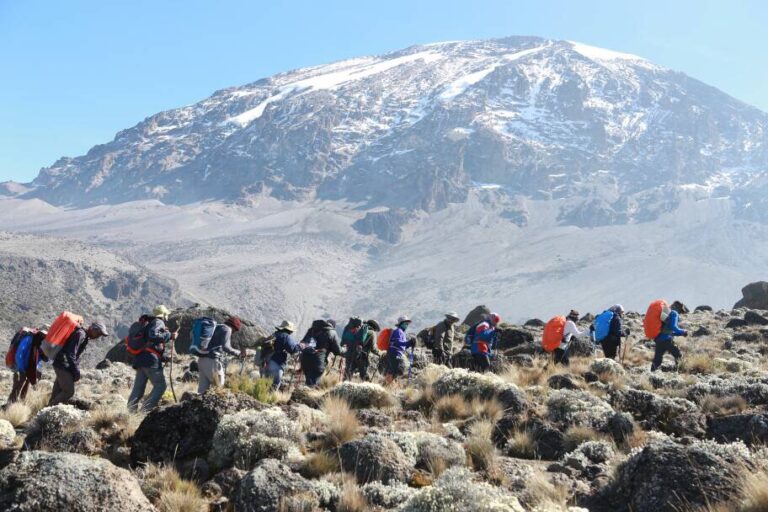
Kilimanjaro Group-Climb Mistakes: Avoid Common Pitfalls For A Successful
This guide details common Kilimanjaro group-climb mistakes, offering practical advice for trekkers aiming for a successful summit. Learn about preparation, acclimatization, gear, and...
View package details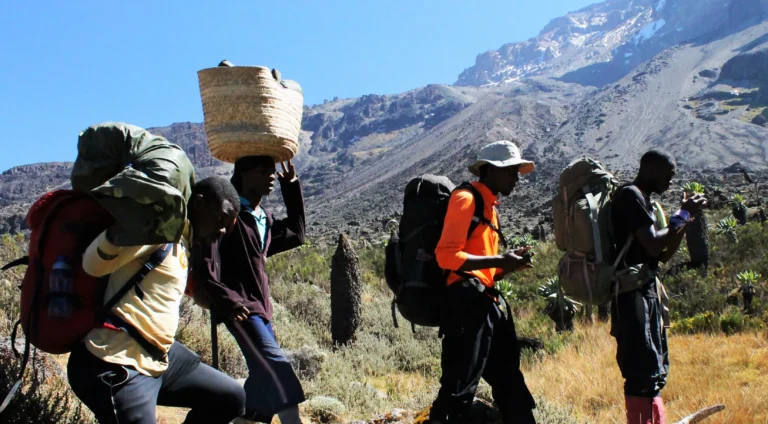
Kilimanjaro Photography Mistakes At High Altitude 2026-2027
Kilimanjaro Photography Mistakes at High Altitude is explained with current 2026-2027 planning, price, itinerary and booking information.
View package details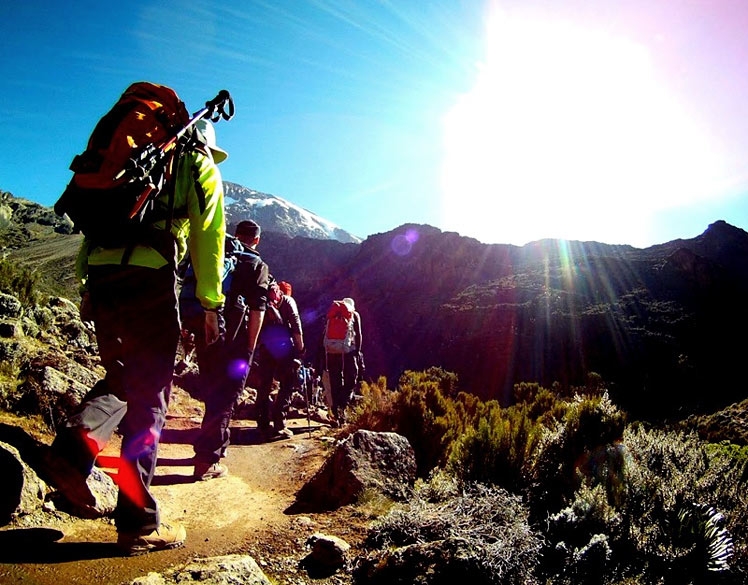
Kilimanjaro Food And Nutrition Mistakes: Avoid These To Summit Successfully
Proper nutrition is crucial for a successful Kilimanjaro climb. This guide details common food and nutrition mistakes climbers make, offering expert advice on what to eat, when to eat it...
View package details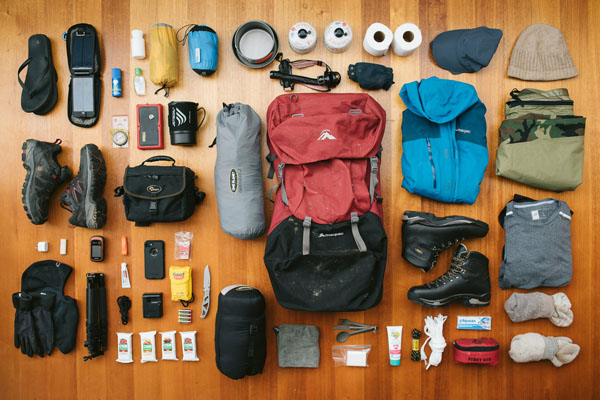
Kilimanjaro Gear-Rental Mistakes To Avoid For Your Climb 2026-2027
Planning a Kilimanjaro climb for 2026 or 2027? Renting gear can save money and hassle, but mistakes are common. This guide details the most frequent errors climbers make when renting...
View package details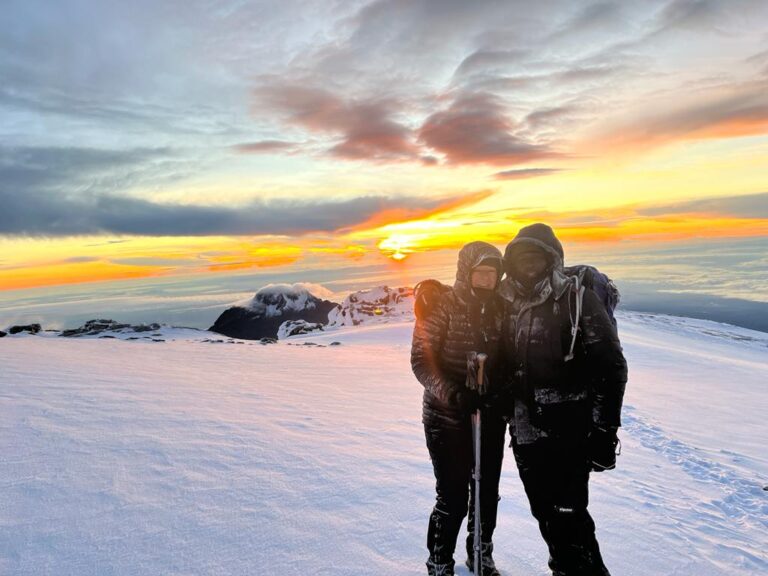
Kilimanjaro Hotel Booking Mistakes: Avoid These Pitfalls For A Smooth Climb
Booking accommodation near Kilimanjaro is crucial for a successful climb. This guide details common Kilimanjaro hotel booking mistakes to help you avoid them, ensuring comfort and readiness...
View package detailsKilimanjaro Flight-Booking Mistakes: Avoid These Pitfalls For Your Climb
Planning your Kilimanjaro climb for 2026 or 2027? Don't let flight booking errors derail your adventure. This guide covers critical mistakes to avoid, from choosing the right airport and...
View package details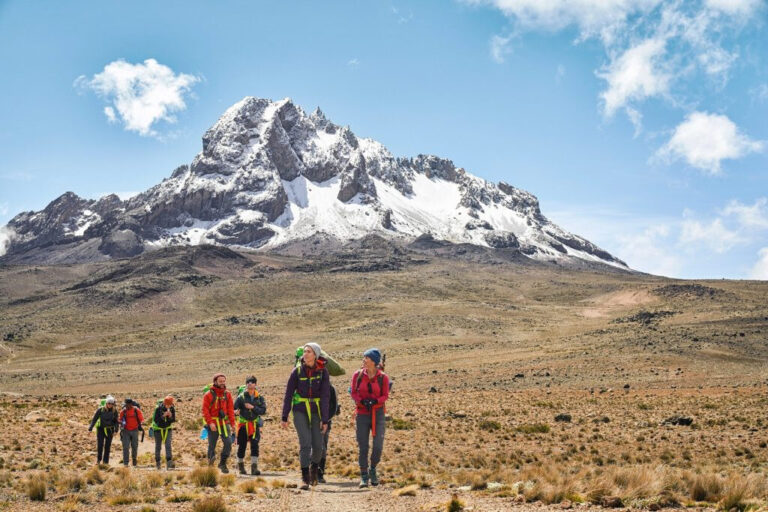
Kilimanjaro Insurance Mistakes To Avoid For A Safe Climb In 2026-2027
Climbing Mount Kilimanjaro is a dream for many, but overlooking proper insurance can turn an incredible adventure into a costly disaster. This guide details the most common Kilimanjaro...
View package detailsNo related package matches those filters. Clear one or more filters to see the other topic-matched options.



