
Many Kilimanjaro packages often leave out essential gear provision, detailed pre-climb training guidance, comprehensive travel and medical insurance requirements, and crucial local expenses like tips and bottled water, which can significantly impact a climber’s experience and budget for 2026-2027 expeditions. Understanding these omissions is key to a successful and stress-free ascent.
Understanding the True Cost and Inclusions of Kilimanjaro Packages
Climbing Mount Kilimanjaro is a dream for many, a monumental achievement that requires careful planning and realistic expectations. When you start researching Kilimanjaro packages for your 2026 or 2027 adventure, you’ll encounter a wide array of offerings, from budget-friendly options to all-inclusive luxury climbs. While advertised prices often seem straightforward, a closer look reveals that what’s included can vary dramatically, and more importantly, what’s often left out can lead to unexpected costs, logistical headaches, and even compromised safety. At Top Guide Adventures, we believe in transparency and equipping our clients with all the information they need for a successful climb. This guide dives deep into the common omissions in Kilimanjaro packages, empowering you to make informed decisions for your 2026-2027 trek.
The Critical Omission: Essential Personal Gear and Clothing
Perhaps the most significant and frequently overlooked aspect of Kilimanjaro packages is the provision of personal gear and specialized clothing. While operators typically provide tents, sleeping mats, cooking equipment, and food, the responsibility for your personal clothing and essential hiking equipment almost always falls squarely on your shoulders. This isn’t a minor detail; it’s fundamental to your comfort, safety, and ability to reach the summit. Many packages assume you’re an experienced trekker who already owns or can easily acquire these items, which is often not the case for first-time Kilimanjaro climbers.
What You’ll Likely Need to Provide (and often not explicitly detailed in basic packages):
- Layering System Clothing: This is non-negotiable. You need moisture-wicking base layers (thermal tops and bottoms), insulating mid-layers (fleece jackets, down vests), and a waterproof/windproof outer shell (jacket and trousers). Temperatures can range from tropical heat at the base to well below freezing at the summit. Basic packages might mention ‘warm clothes’ but rarely detail the critical layering strategy.
- High-Altitude Boots: Your footwear is paramount. You need sturdy, waterproof, broken-in hiking boots with good ankle support. Many packages don’t specify the need for specific high-altitude rated boots, leading some climbers to use inadequate footwear.
- Sleeping Bag: While some higher-end packages might include a sleeping bag, many budget and mid-range options do not. You’ll need a bag rated for temperatures down to -10°C or -20°C (0°F to -4°F), as nights on Kilimanjaro can be extremely cold, especially at higher camps.
- Headwear and Handwear: A warm, insulated hat that covers your ears is vital. You’ll also need waterproof outer gloves and warm liner gloves. Sun hats for the lower, hotter sections are also necessary.
- Socks: Multiple pairs of thick, warm wool or synthetic hiking socks are essential to prevent blisters and keep feet warm.
- Headlamp: A reliable headlamp with extra batteries is crucial for walking in the dark during summit night and for navigating around camp.
- Trekking Poles: Highly recommended for reducing strain on knees and improving stability, especially on descents.
- Backpack: A comfortable daypack (30-40 liters) for carrying essentials like water, snacks, extra layers, and your camera during the day’s trek.
- Duffel Bag: A large, waterproof duffel bag (80-100 liters) for your main gear, which will be carried by porters.
- Water Bottles/Hydration Reservoir: At least 3-4 liters capacity. Insulated covers are useful to prevent water from freezing.
- Sunglasses: High-UV protection sunglasses are essential due to the intense sun at altitude.
Why this omission matters: Purchasing all this specialized gear can be a significant expense, easily adding several hundred to over a thousand dollars to your trip cost if bought new. Many tour operators offer gear rental services, but this is often an extra cost not included in the base package price. Climbers who underestimate the importance of proper gear may end up shivering through summit night or struggling with blisters, impacting their overall experience.
The Training and Preparation Gap
While no package can *do* the training for you, many fail to provide adequate guidance on how to prepare physically and mentally for a Kilimanjaro climb. They might mention “good fitness is required,” but this is often too vague. A Kilimanjaro trek is not just a hike; it’s an extreme endurance challenge at high altitude, demanding specific cardiovascular fitness, leg strength, and mental resilience.
Commonly Understated Preparation Needs:
- Specific Training Regimens: Packages rarely detail the type, frequency, and duration of exercises needed. This includes long-distance hiking (with a weighted pack), strength training (especially for legs and core), and cardiovascular work.
- Acclimatization Strategies: While the routes themselves offer varying acclimatization profiles, understanding how to maximize this and what to expect is often missing.
- Mental Preparedness: The psychological challenge of Kilimanjaro – pushing through fatigue, cold, and altitude sickness symptoms – is immense. Packages seldom address how to prepare mentally.
- Nutrition and Hydration Advice: Guidance on what to eat and drink in the weeks leading up to the climb, and during the trek itself, is usually minimal.
Why this omission matters: Inadequate preparation is a leading cause of Kilimanjaro climb failures. Climbers might be physically fit for a day hike but unprepared for multi-day exertion at altitude. This can lead to exhaustion, increased susceptibility to altitude sickness, and ultimately, an unsuccessful summit attempt. Top Guide Adventures provides detailed pre-climb training plans and advice tailored to your fitness level when you book with us for 2026-2027.
Insurance: A Critical but Often Vague Inclusion
Travel insurance is a must for any international trip, but for Kilimanjaro, it needs to be specific. Many Kilimanjaro packages will state “travel insurance recommended” or “medical insurance required,” but they often fail to specify the critical elements needed for a high-altitude trek.
Key Insurance Aspects Often Left Out or Vaguely Mentioned:
- High-Altitude Coverage: Your policy must explicitly cover trekking up to altitudes of 6,000 meters (19,341 feet). Standard travel insurance policies often exclude activities at such extreme altitudes.
- Emergency Medical Evacuation: This is arguably the most critical component. The policy must cover emergency evacuation from the mountain by helicopter or other means if necessary due to illness or injury. This can be incredibly expensive, costing tens of thousands of dollars.
- Repatriation: Coverage for bringing you back home if you become seriously ill or injured.
- Trip Cancellation/Interruption: While not always mandatory, this can protect your investment if you have to cancel or cut short your trip due to unforeseen circumstances.
- Pre-existing Conditions: Ensure your policy covers any pre-existing medical conditions you may have.
Why this omission matters: Without the right insurance, a medical emergency on Kilimanjaro could result in crippling debt. Some operators might include basic evacuation insurance, but it’s crucial to verify the coverage limits and specifics. Always read the fine print. For your 2026-2027 climb, ensure your policy is comprehensive.
Hidden Costs: The Local Expenses Not in the Package
This is where many climbers experience sticker shock. While the package price covers guides, porters, park fees, meals on the mountain, and accommodation in tents, numerous local expenses are almost universally excluded and often not clearly communicated upfront.
Commonly Excluded Local Expenses:
- Tips for Guides, Porters, and Cooks: This is a significant and expected expense. While some “all-inclusive” packages might hint at this, most leave the tipping amounts entirely to the climber. A general guideline is around $200-$300+ per climber for a standard 7-day climb, depending on group size and service quality.
- Bottled Water: While water is provided, it’s usually boiled and cooled. If you prefer bottled water for convenience or taste, or if boiling facilities are limited, this is an extra cost. Some operators might include a set amount of bottled water, but not always.
- Personal Porter: If you wish to have a porter carry your daypack in addition to the main duffel bag, this is an additional fee.
- Gratuities for Hotel Staff: If your package includes pre- or post-climb accommodation in hotels, tips for hotel staff are usually extra.
- Lunches and Dinners in Town: Meals before and after the climb, while staying in Moshi or Arusha, are typically not included.
- Visa Fees: If applicable for your nationality.
- Vaccinations and Medications: Costs associated with necessary vaccinations, malaria prophylaxis, and any personal medications.
- Souvenirs and Personal Expenses: Any shopping or personal items you wish to buy.
- Optional Activities: Excursions before or after the climb, such as visiting local villages or hot springs.
Why this omission matters: These costs can easily add another $300-$500+ per person to your total trip expenditure. Ignoring them can lead to financial strain during your trip. Top Guide Adventures provides clear guidelines on expected tipping amounts and other potential local costs to help you budget accurately for your 2026-2027 climb.
Accommodation Before and After the Climb
Many Kilimanjaro packages focus solely on the mountain portion of the trek. This means that accommodation in Moshi or Arusha before you start and after you finish your climb is often not included in the quoted price.
What to expect:
- Pre-climb Briefing and Overnight: You’ll typically need a hotel for at least one night before the climb for a briefing and to prepare your gear.
- Post-climb Celebration and Rest: After descending, most climbers want a comfortable place to rest, shower, and celebrate their achievement.
Why this omission matters: Booking these nights separately can add to the overall cost and require extra logistical planning. Some operators include a night at the beginning and end as standard, while others treat it as an optional add-on. Always clarify this when comparing packages for 2026-2027.
The Nuances of Park Fees and Permits
Kilimanjaro National Park fees are substantial and a significant portion of any operator’s cost. While most reputable packages include these, the way they are presented can sometimes be unclear, or there might be specific permits that are sometimes excluded.
Potential areas of confusion:
- National Park Entry Fees: These are mandatory and usually included.
- Camping/Hut Fees: Also mandatory and typically included.
- Crew Fees: Fees related to the guides, porters, and cooks. Usually included.
- Rescue Fees: Often included, but always good to confirm.
Why this omission matters: While rare with legitimate operators, a poorly defined package might inadvertently leave out a specific fee, leading to an unexpected bill. It’s more about ensuring clarity than expecting exclusion. For 2026-2027, ensure your operator is transparent about all government-mandated fees.
What About Medical Support and Oxygen
While guides are trained in wilderness first aid, the level of medical support and equipment provided can vary significantly and is often not explicitly detailed.
Points to clarify:
- Oxygen Cylinders: Most standard packages do not include supplemental oxygen. It’s usually an expensive add-on, provided only if deemed medically necessary or upon request (and if available).
- First Aid Kits: While guides carry comprehensive kits, the extent of what’s available for personal use or emergencies might not be clear.
- Emergency Protocols: How quickly can an evacuation be initiated? What communication systems do the guides have?
Why this omission matters: Altitude sickness is a serious risk. While supplemental oxygen is not typically used preventatively on Kilimanjaro, knowing it’s an option (and its cost) is important. Clear communication protocols and rapid evacuation plans are vital for safety. Top Guide Adventures prioritizes safety with well-equipped guides and clear emergency procedures for all 2026-2027 climbs.
Route Choice and Its Impact on Inclusions
The route you choose for your Kilimanjaro climb (e.g., Machame, Lemosho, Marangu, Rongai) can sometimes influence what’s included or how the package is structured, especially concerning accommodation.
- Marangu Route: This is the only route that offers dormitory-style hut accommodation instead of camping. Packages for Marangu will reflect this, and the cost structure might differ slightly from camping routes.
- Camping Routes (Machame, Lemosho, Rongai, Northern Circuit): These all involve tents. The quality and size of the tents, and whether you get a private toilet tent, can vary between operators and might be an upgrade.
Why this matters: Ensure the package details align with your chosen route’s accommodation style. A package advertised for “camping” wouldn’t be suitable for someone wanting the Marangu huts without clarification.
The “Budget” Trap: What to Expect from Low-Cost Operators
If a Kilimanjaro package seems significantly cheaper than others, it’s almost certain that something crucial is being left out or compromised. Budget operators often cut corners in ways that directly impact climber safety, comfort, and the ethical treatment of their crew.
Common compromises in budget packages:
- Lower Quality Gear: Tents, sleeping bags (if provided), and cooking equipment may be older, less waterproof, or less insulated.
- Insufficient Crew: Fewer porters per climber, leading to over-burdened staff and potentially slower progress.
- Less Experienced Guides: Guides might have fewer certifications or less experience with high-altitude emergencies.
- Lower Quality Food: Less nutritious or less appealing meals.
- Minimal Medical Supplies: Basic first-aid kits, potentially lacking crucial medications or equipment.
- Skipped Safety Protocols: Rushing ascents, not monitoring climbers closely for altitude sickness, or inadequate emergency plans.
- Poorly Paid Crew: Unethical treatment of guides and porters, which can affect morale and service.
Why this matters: While saving money is tempting, compromising on safety and quality for a Kilimanjaro climb is a risk not worth taking. For 2026-2027, prioritize reputable operators who clearly outline their inclusions and ethical practices.
Environmental Considerations and Sustainability
Modern travelers are increasingly conscious of their environmental footprint. While most reputable operators adhere to park regulations, explicit details about sustainable practices might be omitted from basic package descriptions.
What to look for:
- Leave No Trace Principles: How are waste and litter managed on the mountain?
- Water Conservation: Are efforts made to minimize water usage?
- Crew Welfare: Fair wages, adequate food, and proper gear for the support crew.
- Environmental Education: Does the operator educate climbers on responsible behavior on the mountain?
Why this matters: Kilimanjaro is a fragile ecosystem. Choosing an operator committed to sustainability ensures you contribute positively to its preservation for future generations, including climbers in 2027 and beyond.
Customer Support and Communication
The level of customer support offered by an operator before, during, and after the climb can significantly impact your experience. This is often an intangible that isn’t explicitly listed in package inclusions.
What to consider:
- Pre-trip Assistance: Responsiveness to queries, clarity of information, and help with planning.
- Communication During the Climb: How are updates provided to family back home? What’s the emergency contact protocol?
- Post-climb Support: Assistance with feedback, resolving any issues, and follow-up.
Why this matters: A climb like Kilimanjaro involves significant planning and potential anxieties. Excellent communication and reliable support can make the entire process smoother and more reassuring. Top Guide Adventures prides itself on offering dedicated support throughout your journey.
Making an Informed Choice for Your 2026-2027 Kilimanjaro Climb
When comparing Kilimanjaro packages for your 2026 or 2027 expedition, it’s crucial to look beyond the headline price. Ask detailed questions about what is not included. A reputable operator will be transparent and happy to provide this information.
Key questions to ask:
- What specific gear is provided, and what do I need to bring or rent?
- What is the recommended training program?
- What are the exact insurance requirements, particularly regarding high altitude and evacuation?
- Can you provide a detailed breakdown of estimated local expenses, including tips?
- Are accommodation and meals before and after the climb included?
- What is the ratio of guides and porters to climbers?
- What safety equipment and emergency protocols are in place?
- What is your policy on environmental sustainability and crew welfare?
By understanding these common omissions, you can select a Kilimanjaro package that truly meets your needs, ensuring you are well-prepared, adequately insured, and financially ready for an unforgettable adventure. Don’t let hidden costs or missing essentials detract from your dream climb.
At Top Guide Adventures, we are committed to providing comprehensive, transparent, and safe Kilimanjaro climbing experiences for 2026-2027. We detail all inclusions and exclusions, offer expert advice on gear, training, and insurance, and provide clear guidance on local costs. We aim to make your journey to the Roof of Africa as smooth and successful as possible. If you have any questions or want to discuss your specific needs for a 2026 or 2027 climb, please don’t hesitate to reach out. You can contact us via WhatsApp at +255616946642, email us at topguideadventures@gmail.com or info@topguideadventures.com.
“,
“faq_schema”: [
{
“question”: “What essential personal gear is typically NOT included in standard Kilimanjaro packages?”,
“answer”: “Standard Kilimanjaro packages often exclude essential personal gear like high-altitude hiking boots, a warm sleeping bag (rated to -20°C), layering clothing (base, mid, and outer shells), waterproof trousers and jacket, warm hat and gloves, wool socks, a reliable headlamp, trekking poles, and a daypack. Climbers are usually expected to provide these themselves or rent them separately.”
},
{
“question”: “Are travel and medical insurance costs usually included in Kilimanjaro packages?”,
“answer”: “No, travel and medical insurance costs are typically NOT included in Kilimanjaro packages. While operators may recommend insurance, you are responsible for purchasing a policy that specifically covers high-altitude trekking up to 6,000 meters and includes emergency medical evacuation. This is a critical element that should not be overlooked for 2026-2027 climbs.”
},
{
“question”: “What are common ‘hidden’ costs associated with climbing Kilimanjaro that packages might omit?”,
“answer”: “Commonly omitted ‘hidden’ costs include tips for guides, porters, and cooks (a significant expense), bottled water (if preferred over boiled), personal porter services, meals and accommodation in towns before and after the climb, visa fees, vaccinations, personal medications, souvenirs, and optional activities. These can add several hundred dollars to your total trip cost.”
},
{
“question”: “Do Kilimanjaro packages usually include training advice?”,
“answer”: “Most Kilimanjaro packages offer minimal guidance on physical preparation, often just stating ‘good fitness is required.’ Detailed training plans focusing on cardiovascular endurance, strength, and acclimatization strategies, as well as mental preparation, are frequently left out and need to be sought from reliable sources or provided by specialized tour operators.”
},
{
“question”: “What level of medical support is typically provided on Kilimanjaro treks?”,
“answer”: “While guides are trained in first aid and carry basic medical kits, comprehensive medical support like supplemental oxygen cylinders is usually not included in standard packages and is an additional cost, often provided only if medically necessary. Emergency evacuation protocols are usually in place, but the specifics of insurance coverage for this are the climber’s responsibility.”
},
{
“question”: “Does the route choice affect what’s included in a Kilimanjaro package?”,
“answer”: “Yes, the route can affect inclusions, particularly accommodation. The Marangu route includes hut accommodation, whereas other routes involve camping. While park fees and guide services are generally standard, operators might structure packages differently based on the route’s logistics and accommodation type. Always clarify specifics for your chosen route for 2026-2027.”
},
{
“question”: “What should I do if a Kilimanjaro package seems unusually cheap?”,
“answer”: “If a Kilimanjaro package seems significantly cheaper than average, be very cautious. Such packages often cut corners on essential safety aspects, crew welfare, gear quality, food, and guide experience. It’s crucial to scrutinize inclusions and ensure the operator prioritizes safety and ethical practices for your 2026-2027 climb, rather than just offering the lowest price.”
}
]
}
“`
Check Availability for What Kilimanjaro Packages Often Leave Out 2026-2027
Ready to compare dates, prices, and the best option for your group? Send the package name and travel month so the team can reply with a clear quote, availability, and what is included.
What To Check Before Paying A Kilimanjaro Deposit In 2026-2027
Planning to climb Kilimanjaro? Learn what crucial details to verify before paying your deposit to ensure a safe, successful, and well-organized trek in 2026 or 2027.
View package details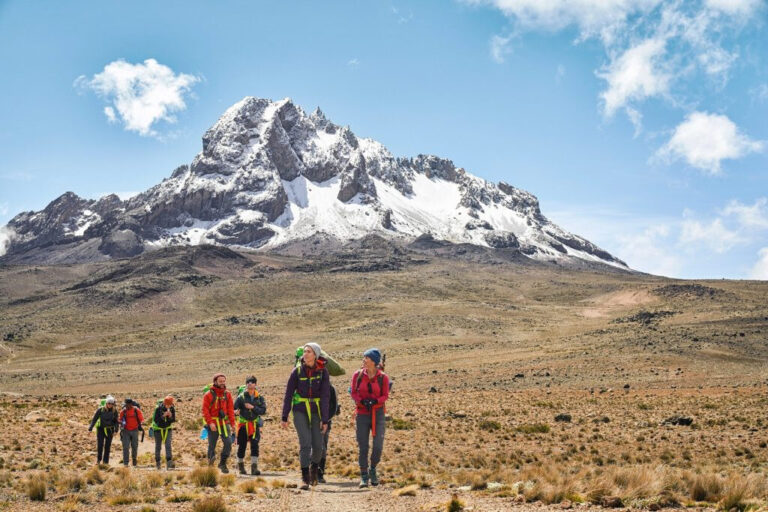
What A Kilimanjaro Mountain Crew Should Provide For Your Climb 2026-2027
Planning a Kilimanjaro climb? Understand precisely what your mountain crew needs to provide, from essential gear and experienced guides to food, safety, and logistical support. This...
View package details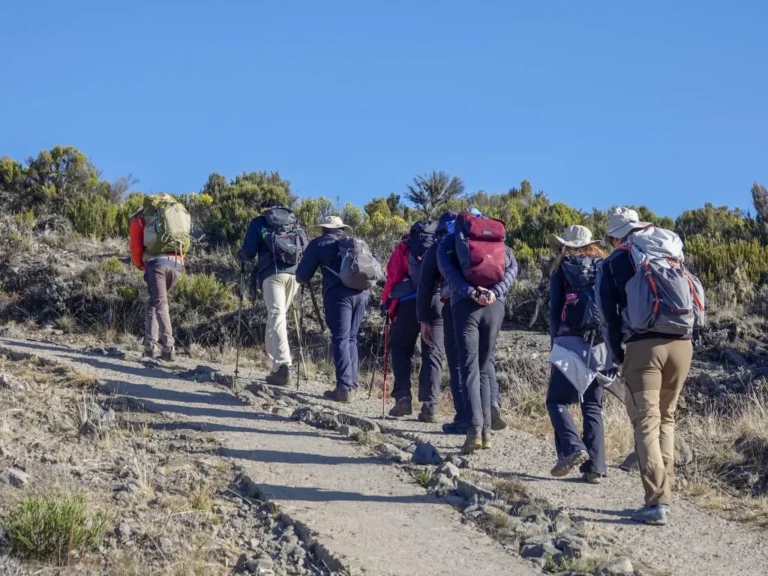
What A Safe Kilimanjaro Package Should Include 2026-2027
What a Safe Kilimanjaro Package Should Include is explained with current 2026-2027 planning, price, itinerary and booking information.
View package details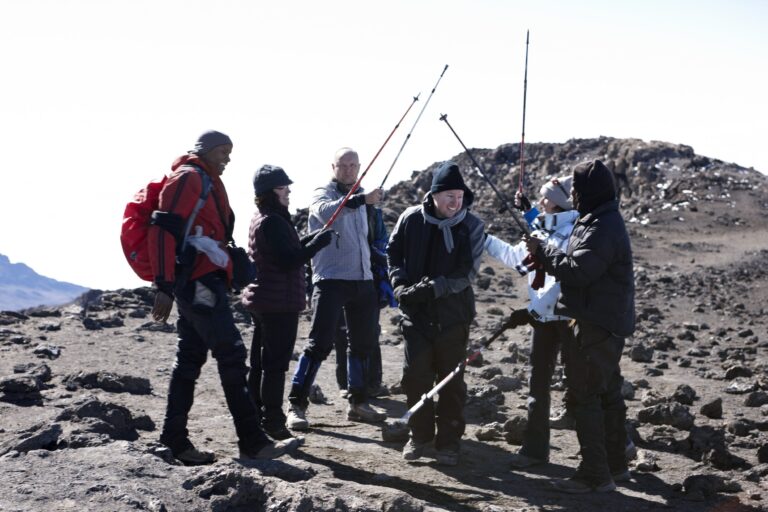
What Nobody Tells You About Climbing Kilimanjaro 2026-2027
What Nobody Tells You about Climbing Kilimanjaro is explained with current 2026-2027 planning, price, itinerary and booking information.
View package details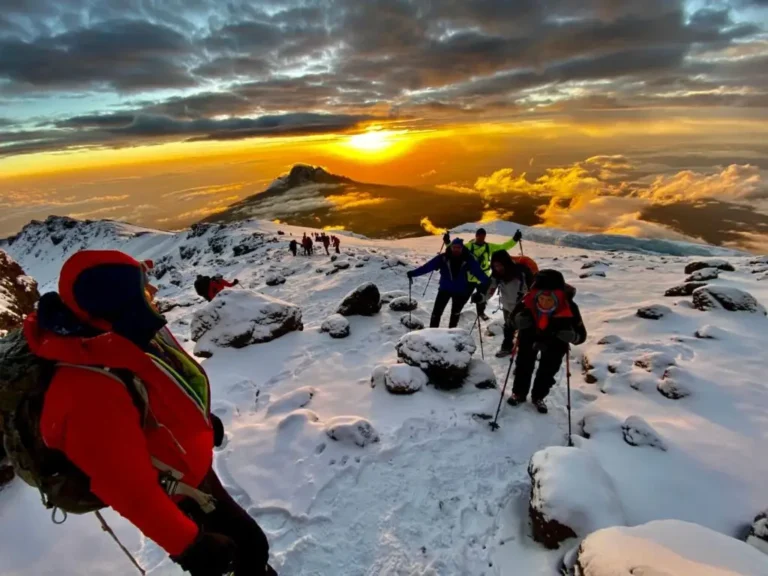
Kilimanjaro Layering Mistakes That Leave Climbers Cold: Expert Guide 2026-2027
Discover the common Kilimanjaro layering mistakes that can lead to discomfort and hypothermia. This guide provides essential tips on choosing the right gear and layering system to ensure...
View package details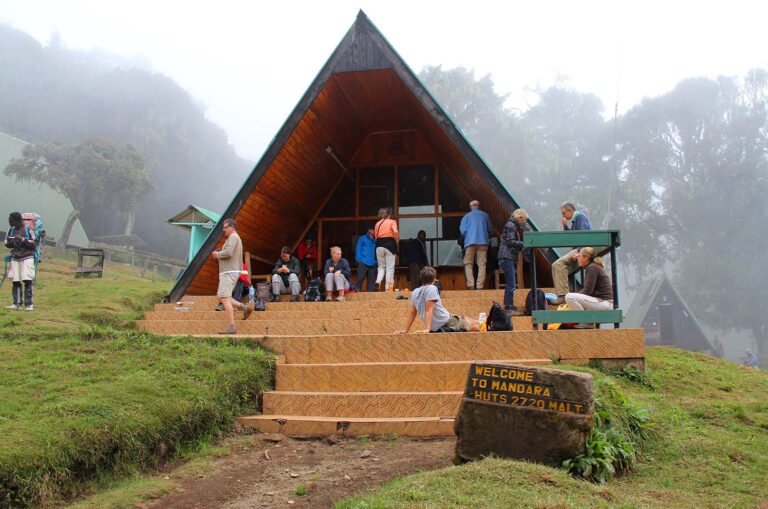
Stella Point Vs. Uhuru Peak: Understanding The Difference On Kilimanjaro
Climbing Mount Kilimanjaro involves reaching the crater rim, often at Stella Point, before a final push to Uhuru Peak, the true summit. This guide clarifies the distinctions, crucial for...
View package details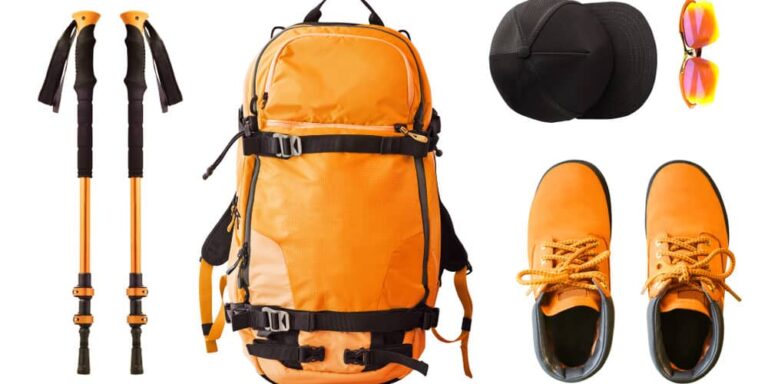
How To Leave No Trace On Kilimanjaro: A Guide For Responsible Trekkers
Discover the essential principles of Leave No Trace for your Kilimanjaro climb. This comprehensive guide ensures you trek responsibly, minimizing your impact on Africa's highest peak for...
View package details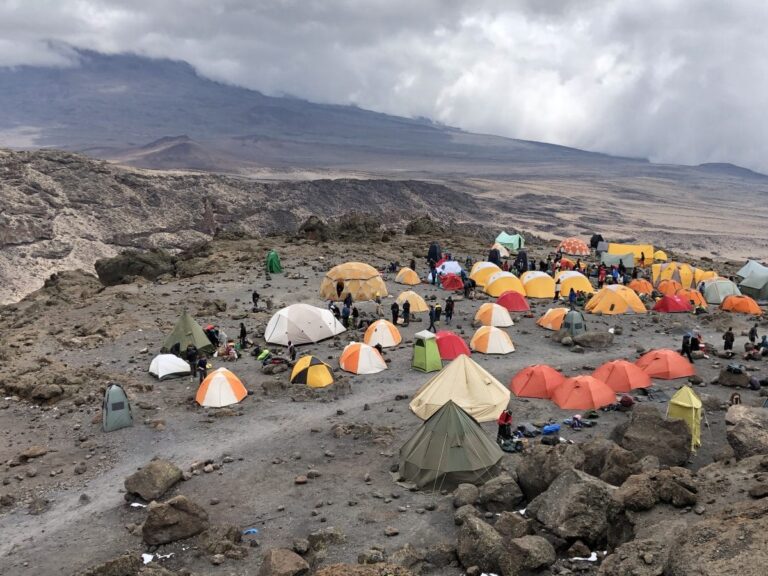
Can You See Elephants On Kilimanjaro? What Wildlife To Expect 2026-2027
While the iconic image of Mount Kilimanjaro is one of snow-capped peaks and challenging ascents, many prospective climbers also wonder about the wildlife they might encounter. Specifically...
View package details
How Crowded Is Uhuru Peak At Sunrise? What To Expect On Kilimanjaro 2026-2027
Climbing Kilimanjaro to witness the sunrise from Uhuru Peak is a dream for many. But how crowded is it, especially during peak season? This guide details what to expect, offering practical...
View package details
What Is The Kilimanjaro Summit Sign Like? Your Complete Guide 2026-2027
The Kilimanjaro summit sign is a recognizable metal signpost at Uhuru Peak, marking the highest point on the continent. Reaching it signifies the culmination of a challenging trek, offering...
View package details
What Happens At Mweka Gate After Your Kilimanjaro Climb? 2026-2027
Your Kilimanjaro adventure culminates at Mweka Gate. Learn about the descent, certificate ceremony, post-climb celebrations, and what to expect logistically upon reaching the base.
View package details
What Is Kosovo Camp On Kilimanjaro? 2026-2027
What Is Kosovo Camp on Kilimanjaro? is explained with current 2026-2027 planning, price, itinerary and booking information.
View package detailsNo related package matches those filters. Clear one or more filters to see the other topic-matched options.



