
What nobody tells you about climbing Kilimanjaro is that while it’s a trek, not a technical climb, the primary challenges are extreme altitude, unpredictable weather, and the significant mental and physical toll it takes. Success hinges on meticulous preparation, choosing the right route and operator, understanding acclimatization, and being mentally prepared for discomfort and potential setbacks, especially as you plan for 2026-2027 expeditions.
The Unvarnished Truths: Beyond the Postcards of Kilimanjaro
Kilimanjaro. The name itself conjures images of vast plains, a solitary snow-capped peak rising from the clouds, and the triumphant selfie at Uhuru Peak. It’s a bucket-list destination for adventurers worldwide, a chance to stand on the highest freestanding mountain in the world, the roof of Africa. Many envision a challenging but ultimately straightforward ascent, a test of physical endurance. However, like any significant undertaking, the journey to Kilimanjaro’s summit is layered with realities that often go unspoken in glossy brochures and inspirational travelogues. At Top Guide Adventures, we believe in complete transparency, preparing our clients not just physically, but mentally and emotionally for what awaits them. Understanding these less-discussed aspects is crucial for a safe, successful, and deeply rewarding experience, especially as you map out your climb for 2026 or 2027.
This isn’t about deterring you; it’s about empowering you with knowledge. The climb is achievable for many, but it demands respect for the mountain, a realistic understanding of its challenges, and a commitment to preparation. We’ll explore the nuances of altitude, the often-overlooked importance of mental resilience, the critical role of your support team, and the practicalities that can make or break your ascent.
Altitude Sickness: The Invisible Opponent Nobody Truly Prepares You For
This is, without a doubt, the biggest factor affecting Kilimanjaro climbers, and its impact is often underestimated. While guides are trained to manage it, the subjective experience of altitude sickness is something you must be prepared for internally.
What is Altitude Sickness (AMS)?
Acute Mountain Sickness (AMS) is a reaction to the lower oxygen levels at high altitudes. As you ascend, the atmospheric pressure decreases, meaning there are fewer oxygen molecules available with each breath. Your body needs time to adapt (acclimatize) to this change. Symptoms can range from mild to severe and life-threatening.
Common Symptoms: Beyond the Headache
Everyone experiences AMS differently, but common symptoms include:
- Headache: Often the first and most persistent symptom. It can feel like a dull throb or a sharp pain.
- Nausea and Vomiting: Feeling sick to your stomach, sometimes leading to vomiting. This can be particularly concerning as it hinders your ability to eat and stay hydrated.
- Dizziness and Lightheadedness: A feeling of unsteadiness or being disconnected from your surroundings.
- Fatigue and Weakness: An overwhelming sense of tiredness that goes beyond normal exertion.
- Loss of Appetite: Difficulty wanting to eat, which is critical for energy.
- Sleep Disturbances: Difficulty sleeping soundly at altitude.
More severe forms, like High Altitude Cerebral Edema (HACE) and High Altitude Pulmonary Edema (HAPE), are medical emergencies and require immediate descent.
The “Pole Pole” Philosophy: More Than Just a Slogan
The Swahili phrase ‘pole pole’ means ‘slowly, slowly.’ It’s the mantra of Kilimanjaro ascents, and it’s your most powerful weapon against AMS. Rushing your ascent is the quickest way to invite altitude sickness. Guides enforce this strictly, but your mindset must align. You’re not racing; you’re acclimatizing. This means slow, steady progress, taking frequent breaks, and allowing your body to adjust. For 2026-2027 climbs, understand that ‘pole pole’ is not a suggestion; it’s a survival strategy.
Hydration and Nutrition: Your First Lines of Defense
Dehydration exacerbates AMS. You need to drink significantly more water than you think you do – often 4-5 liters per day. This can be challenging when it’s cold, and you don’t feel thirsty. Your guides will encourage you constantly. Similarly, eating is vital for energy. Even if you have no appetite, you must force down high-carbohydrate meals and snacks. Your support crew will prepare delicious and energy-rich food, but your commitment to consuming it is essential.
Medication: A Tool, Not a Crutch
Doctors often prescribe Diamox (acetazolamide) to help with acclimatization. It’s a diuretic that helps your body adjust to altitude faster. While effective for many, it’s not a magic bullet and has side effects (like tingling extremities and increased urination). Discuss this with your doctor well before your 2026-2027 climb. It should be used as part of a comprehensive acclimatization strategy, not as a substitute for slow ascent and good hydration.
Recognizing Symptoms in Yourself and Others
This is where the ‘nobody tells you’ part really hits home. People often try to push through AMS symptoms, fearing they’ll have to turn back. This can be dangerous. Your guides are trained to assess symptoms, but you must be honest about how you feel. Don’t downplay a headache or nausea. Communicate openly. Your fellow climbers might also be struggling; be observant and supportive, but don’t hesitate to alert your guide if you notice changes in someone else.
The Weather: A Force of Nature You Can’t Control
Kilimanjaro sits near the equator, yet its summit is crowned with glaciers. This juxtaposition hints at the extreme and rapidly changing weather conditions you’ll encounter. It’s not just cold; it’s intensely variable.
Microclimates Galore
Kilimanjaro boasts multiple climatic zones. You’ll start in lush rainforest, ascend through moorland and heath, then enter an alpine desert, and finally reach the arctic zone at the summit. Each zone has its own typical weather, but these can shift dramatically within hours.
- Rainforest (Lower Slopes): Expect rain, high humidity, and warmth. Muddy trails are common.
- Moorland/Heath (Middle Altitudes): Cooler, possibly misty or foggy. Wind can pick up.
- Alpine Desert (Higher Altitudes): Dry, with intense sun during the day and freezing temperatures at night. The air is thin and dry.
- Arctic Zone (Summit Area): Extreme cold, high winds, snow, and ice. The ‘feels like’ temperature can be well below freezing.
Summit Night: A Test of Endurance Against the Elements
Summit night is typically undertaken very late on your final day of ascent, often starting around midnight. This is when the weather is at its most brutal. Temperatures can plummet to -20°C (-4°F) or colder, with wind chill making it feel significantly worse. Snow and ice are common. You’ll be trekking in darkness, relying on your headlamp, and the cold can numb fingers and toes quickly, making even simple tasks like adjusting gear difficult.
The Importance of Layering and Quality Gear
This is where ‘what nobody tells you’ often translates to ‘what you didn’t pack properly.’ You need high-quality, waterproof, and windproof outer layers, thermal base layers, insulating mid-layers (like fleece or down), warm gloves, a warm hat, and good socks. The ability to add or remove layers quickly is key to regulating your body temperature and preventing hypothermia or overheating. We provide detailed gear lists, but investing in good quality gear is non-negotiable for a 2026-2027 climb.
Sunshine and UV Exposure
Paradoxically, at high altitudes, the sun’s rays are incredibly intense. Even on cold days, you can get severe sunburn. High SPF sunscreen, lip balm with SPF, sunglasses, and a wide-brimmed hat are essential, especially during the daytime trekking phases.
The Mental Game: Resilience is Your Strongest Gear
Many people focus solely on physical training, which is vital. But the mental fortitude required for Kilimanjaro is often the unsung hero of a successful summit. The physical discomfort is constant, and the mind plays tricks.
Embracing Discomfort
You will be cold. You will be tired. You will likely feel nauseous at times. You will be sleeping in basic conditions, away from creature comforts. Your body will ache. The mental challenge is to accept this discomfort as part of the process and not let it overwhelm you. This is where mental preparation comes in – visualizing challenges, practicing mindfulness, and developing coping strategies.
The Long Hours and Monotony
Trekking days can be long, often 6-8 hours, sometimes more on summit night (which can be 10-14 hours). While the scenery is spectacular, the sheer repetition of walking, eating, sleeping, and walking again can become monotonous. Breaking down the day into smaller goals – reaching the next campsite, the next meal, the next water break – can help. Focusing on the present moment is key.
Doubt and Fear
As you push higher, the air thins, and fatigue sets in, doubts will inevitably creep in. Thoughts like ‘Can I really do this?’ or ‘What if I can’t make it?’ are normal. Recognizing these thoughts, acknowledging them without judgment, and gently redirecting your focus back to the task at hand is crucial. Your guides are skilled at providing encouragement, but ultimately, the decision to keep putting one foot in front of the other comes from within.
The Power of Positivity and Team Spirit
A positive attitude is infectious. While it’s okay to acknowledge struggles, dwelling on the negative can affect not just you but your fellow climbers. Celebrating small victories, encouraging others, and maintaining a sense of camaraderie can make a huge difference. The bond formed with your fellow trekkers and guides on Kilimanjaro is often a highlight, forged in shared effort and mutual support.
Your Guides and Crew: The Unsung Heroes of Kilimanjaro
While you are the one climbing, your success is intrinsically linked to the expertise, dedication, and sheer hard work of your mountain crew. They are the backbone of your expedition, and their role is far more significant than many realize.
Expertise in Acclimatization and Safety
Your guides are not just there to show you the way. They are trained professionals in high-altitude trekking, wilderness first aid, and recognizing the signs of altitude sickness. They monitor your health constantly, making critical decisions about pace and, if necessary, descent. Trust their judgment implicitly. They have seen it all and prioritize your safety above all else.
Logistics and Support
Behind every climber is a team of porters and cooks. Porters carry the bulk of the equipment – tents, food, cooking gear, sleeping bags – up the mountain. Cooks prepare three hearty meals a day, plus snacks and hot drinks. This allows you to focus solely on walking and acclimatizing. The logistical effort required to sustain a group on Kilimanjaro is immense, and the crew performs this with incredible efficiency and good cheer.
Morale Boosters and Cultural Ambassadors
The crew’s presence significantly impacts morale. Their cheerful greetings, the hot drinks waiting for you at breaks, the songs they sing – these are invaluable boosts when you’re feeling low. They also offer a window into local culture and life in Tanzania. Engaging with them respectfully, learning a few Swahili phrases, and showing appreciation goes a long way.
Choosing the Right Operator: Why It Matters Immensely
The quality of your guides and crew is directly tied to the tour operator you choose. Reputable companies like Top Guide Adventures invest in proper training, fair wages, and good working conditions for their staff. This leads to a more experienced, motivated, and professional team. Poorly managed companies might cut corners on crew welfare, which can compromise safety and the overall experience. For your 2026-2027 climb, research operators thoroughly, focusing on their reputation for safety, ethical treatment of staff, and experienced guides.
Gear: More Than Just What You Pack, It’s How You Use It
We’ve touched on gear for weather, but let’s go deeper. The right gear, used correctly, is paramount. Many underestimate the importance of specific items or the need for quality.
Footwear: Your Foundation
Your hiking boots are arguably the most critical piece of gear. They must be well broken-in before you arrive in Tanzania. Blisters can sideline you faster than altitude sickness. Invest in waterproof, sturdy hiking boots with good ankle support. Bring comfortable hiking socks (wool or synthetic, NOT cotton) and liner socks to prevent friction.
Sleeping System: Comfort is Key for Recovery
You’ll spend nights in tents, and good sleep is vital for recovery. While operators provide tents and often mattresses, a high-quality, four-season sleeping bag rated for at least -10°C (0°F) is essential. A comfortable sleeping pad can also make a significant difference.
Hands and Feet: Protection Against the Cold
As mentioned, extreme cold affects extremities. Bring:
- Gloves: A combination of liner gloves and warm, waterproof/windproof outer gloves or mittens.
- Socks: Multiple pairs of warm wool or synthetic socks.
- Footwear: Gaiters to keep snow and mud out of your boots.
Hydration System: Easy Access is Crucial
You need to drink constantly. Carrying multiple water bottles is common, but a hydration reservoir (like a CamelBak) with a hose can make drinking easier, especially in the cold when taking off gloves to access a bottle is cumbersome. Ensure the hose is insulated to prevent freezing. Bring water purification tablets or a filter as a backup, though operators usually provide boiled or purified water.
Sun Protection: Don’t Underestimate the Equatorial Sun
High SPF sunscreen (50+), a wide-brimmed hat, sunglasses with UV protection, and lip balm with SPF are non-negotiable. Even on cloudy days, the UV radiation at altitude is intense.
Headlamp: Your Personal Light Source
Essential for navigating in the dark, especially on summit night. Bring a reliable headlamp with extra batteries. A spare smaller flashlight is also a good idea.
Trekking Poles: Save Your Knees
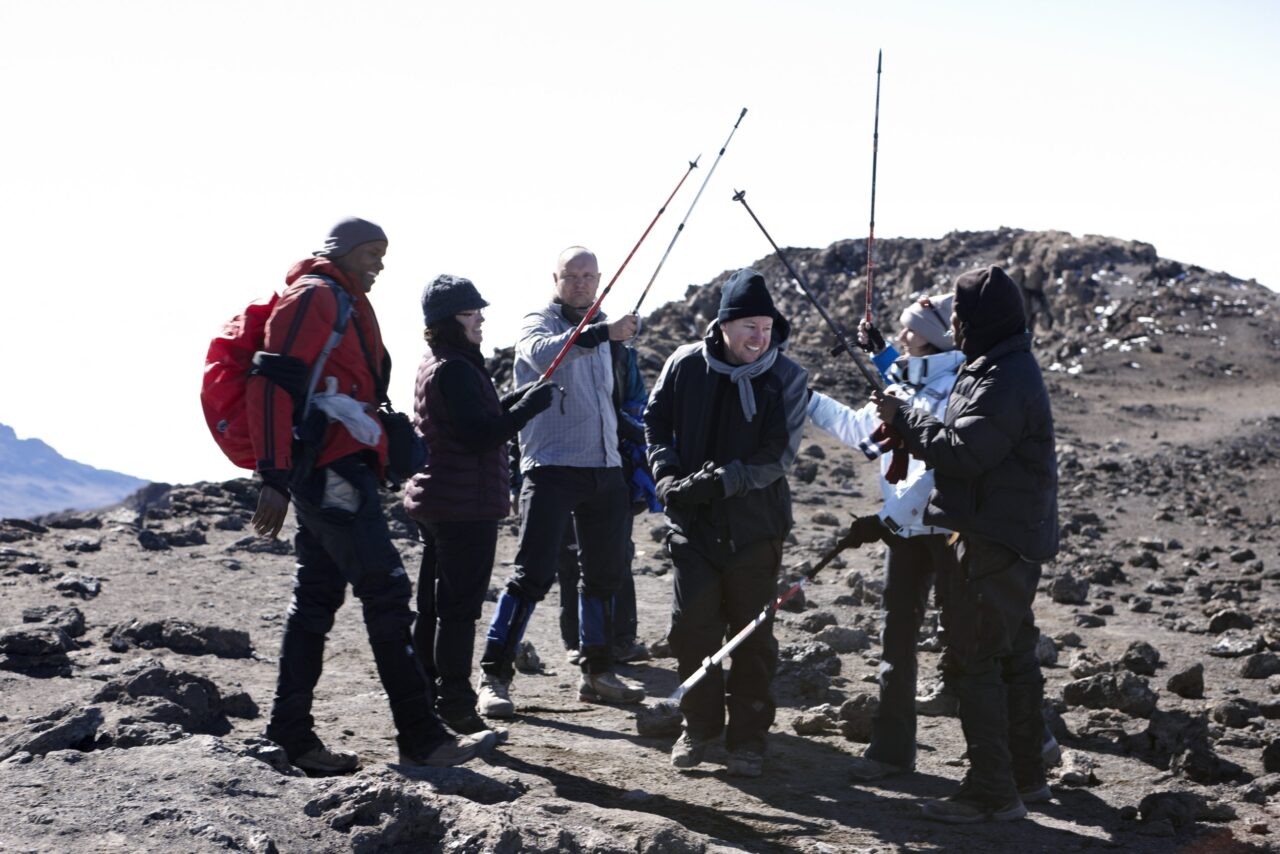
Trekking poles significantly reduce the impact on your knees and joints, especially on descents. They also aid balance on uneven terrain and can help with pacing. They are highly recommended for all climbers.
The Routes: Not All Paths Up Kilimanjaro Are Equal
There are seven main routes to the summit, each offering a different experience, difficulty level, and acclimatization profile. Choosing the right one is a critical decision that impacts your success rate and enjoyment. For 2026-2027 planning, this is a key consideration.
- Marangu Route (Coca-Cola Route): The oldest and most direct route. Known for its unique dormitory-style accommodation. Generally considered easier due to its gradual slope but has a poor acclimatization profile, leading to lower success rates. It’s also often crowded.
- Machame Route (Whiskey Route): The most popular route. Offers excellent acclimatization profile (“climb high, sleep low”) and stunning scenery. It is more challenging than Marangu with steeper ascents and descents. Typically done over 6-7 days.
- Lemosho Route: Considered one of the most scenic routes, starting in the west. It offers excellent acclimatization and a high success rate, usually done over 7-8 days. It is more expensive due to its longer duration and remote starting point.
- Shira Route: Similar to Lemosho but starts at a higher altitude, meaning immediate acclimatization challenges. Often combined with Lemosho.
- Rongai Route: The only route approaching from the north. It’s a good option during the rainy season as the northern side receives less rainfall. It is generally less scenic than western routes and has a moderate acclimatization profile. Typically done over 6-7 days.
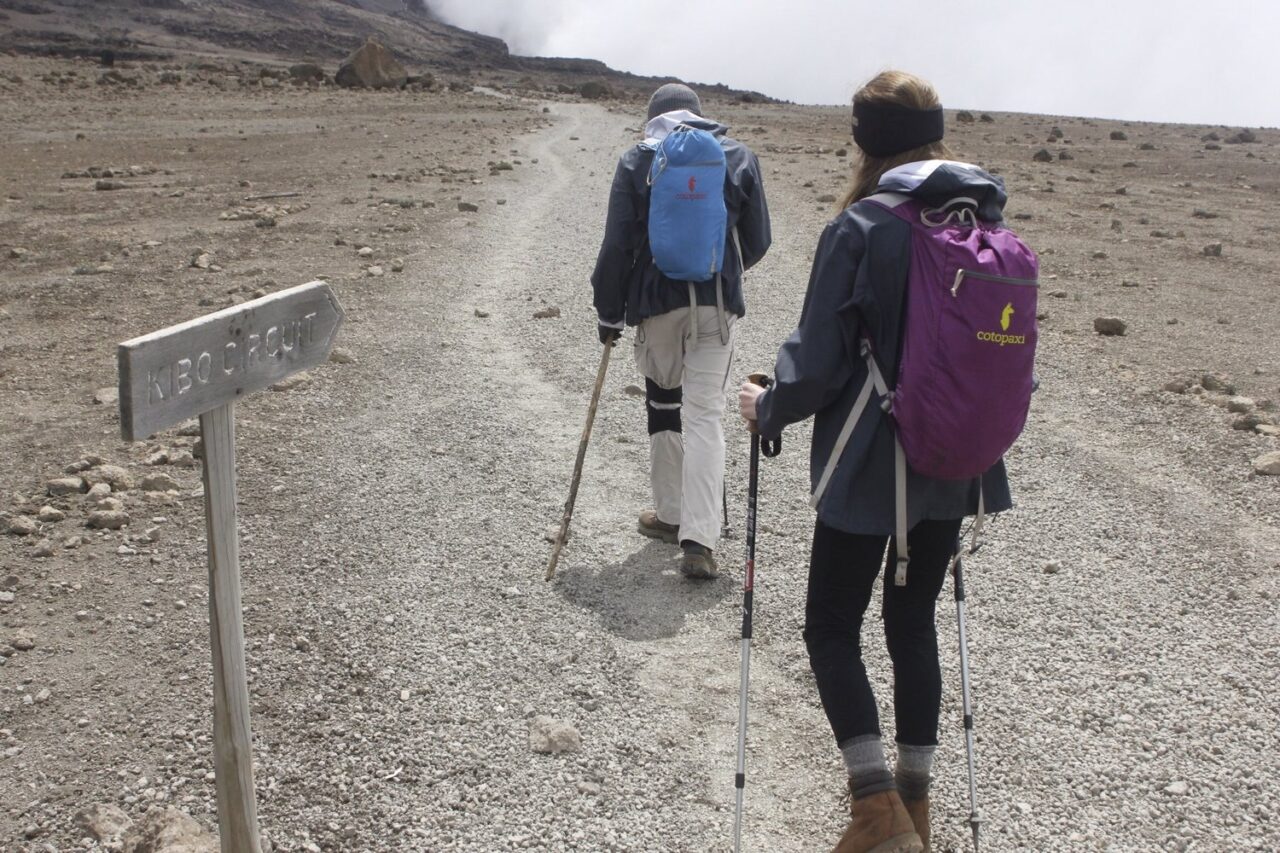
- Northern Circuit: The longest route, offering the best acclimatization profile and highest success rates. It circles the mountain, allowing for gradual ascent and more time to adapt. Usually 9-10 days. Ideal for those prioritizing success and a more relaxed pace.
- Umbwe Route: The shortest, steepest, and most direct route. It’s very challenging with a poor acclimatization profile and low success rates. Not recommended for beginners.
Key Takeaway: Longer routes (7+ days) with good acclimatization profiles (like Machame, Lemosho, Northern Circuit) significantly increase your chances of reaching the summit safely and enjoying the experience. For 2026-2027, prioritize a route that allows for gradual ascent.
The Cost: It’s More Than Just a Number
The price of a Kilimanjaro climb can vary wildly. What nobody tells you is that the cheapest options often come with hidden compromises, primarily affecting safety, crew welfare, and the quality of your experience.
What Drives the Cost?
- Park Fees: These are fixed by the Tanzanian government and are a significant portion of any operator’s cost.
- Crew Wages and Welfare: Reputable operators pay their guides, porters, and cooks fair wages, provide adequate food, and ensure they have proper equipment. This is ethical and leads to a better-motivated team.
- Quality of Equipment: Good quality tents, sleeping bags (if rented), cooking gear, and safety equipment (like oxygen cylinders, though not all operators carry them) cost more.
- Food: Providing varied, nutritious, and plentiful food at altitude requires careful planning and higher costs.
- Group Size: Smaller groups often mean a higher per-person cost.
- Route Duration: Longer routes naturally cost more due to more days of fees and support.
- Safety Standards: Carrying emergency oxygen, satellite phones, and having experienced, well-trained guides adds to the cost.
The “Cheap Climb” Trap
Be extremely wary of operators offering significantly lower prices than the average. These often cut corners on:
- Crew Pay: Exploitative wages lead to demotivated staff, poor service, and potential safety risks.
- Food Quality/Quantity: Insufficient or poor-quality food impacts energy levels and health.
- Equipment: Substandard tents, worn-out sleeping bags, or lack of essential safety gear.
- Guide Ratios: Fewer guides per climber means less individual attention and slower response to issues.
For 2026-2027, budget realistically. A climb typically ranges from $1,800 to $4,000+ USD per person for a reputable operator offering a 7-day trek. The higher end often reflects longer routes, more inclusive packages, or luxury services. Top Guide Adventures offers competitive pricing based on quality, safety, and ethical practices. We believe the investment in a reliable operator is an investment in your safety and success.
Health and Fitness: Preparation is Key, But It’s Not Just About Muscles
You don’t need to be an elite athlete to climb Kilimanjaro, but a good level of fitness is essential. However, ‘fitness’ means more than just aerobic capacity.
Cardiovascular Fitness
You’ll be hiking for hours each day. Being able to sustain moderate activity for extended periods is crucial. Activities like hiking (especially with a backpack), running, cycling, and swimming are excellent preparation.
Strength Training
Focus on leg strength (squats, lunges) and core strength. Carrying a daypack for hours requires endurance in your shoulders and back.
Mental Preparation
As discussed, this is paramount. Practice enduring discomfort. Go for long walks in bad weather. Learn to manage fatigue. Your mind is often the limiting factor.
Pre-Existing Medical Conditions
Consult your doctor well in advance of your 2026-2027 climb, especially if you have any pre-existing conditions (heart issues, respiratory problems, diabetes, etc.). Discuss altitude sickness medication options.
Vaccinations and Health Precautions
Consult your travel clinic about recommended vaccinations for Tanzania (e.g., Yellow Fever, Hepatitis A, Typhoid) and malaria prophylaxis. Drink only treated or bottled water. Be mindful of food hygiene.
The “Summit Night” Reality: It’s a Beast
Summit night is often romanticized as the glorious finish. In reality, it’s the hardest part of the entire climb, a brutal test of will against the elements and your own body.
The Midnight Start
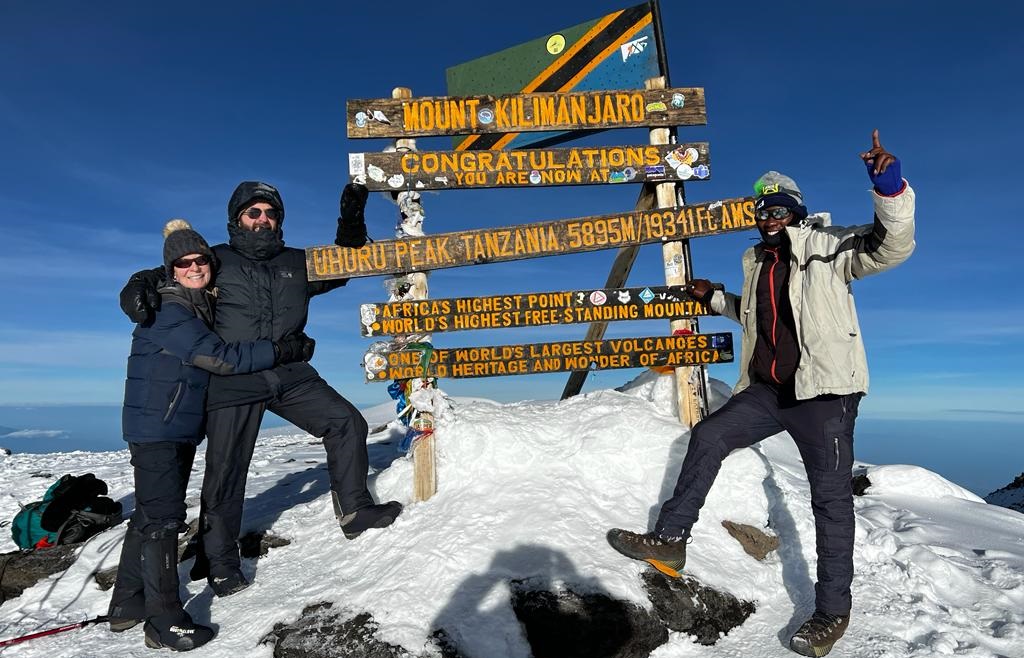
You’ll be woken around midnight, have a quick snack, and begin your ascent in the dark. The goal is to reach Stella Point (on the crater rim) by sunrise, then continue to Uhuru Peak. This means trekking for 6-8 hours in the cold and dark.
Extreme Cold and Wind
As mentioned, temperatures can be well below freezing, often exacerbated by strong winds. Every movement is slower, more deliberate. Your fingers and toes can go numb quickly.
Slow Pace and Constant Monitoring
The pace is incredibly slow – a shuffle, really. Guides monitor everyone closely for signs of AMS. If you feel unwell, you must speak up immediately. The decision to turn back might be made for you, for safety reasons.
The Psychological Battle
It’s dark, it’s cold, you’re exhausted, and you’re still hours from the summit. This is where the mental game is played out. Many people hit a wall, physically or mentally. Rely on your training, your guides, and your fellow climbers.
The Descent: Often Overlooked, Equally Demanding
Reaching the summit is only half the battle. The descent, especially from the crater rim down to Barafu Camp (base camp), is steep, rocky, and hard on the knees and feet. You’ll be tired, potentially dehydrated, and still at altitude. Many people underestimate this part, leading to injuries or further exhaustion.
Environmental Impact and Responsible Trekking
Kilimanjaro is a UNESCO World Heritage Site, and its fragile ecosystem is under pressure. Responsible trekking is not just good practice; it’s essential for preserving the mountain.
- Leave No Trace: Pack out everything you pack in. This includes all trash, food scraps, and even biodegradable items like orange peels.
- Stay on the Trail: Wandering off-trail can cause erosion and damage vegetation.
- Respect Wildlife: Do not feed or approach any animals you encounter.
- Waste Disposal: Use designated toilets. Human waste and urine can pollute the environment.
- Support Local Communities: Choose operators that employ local staff and contribute to community development.
- Porter Welfare: Ensure your operator treats porters ethically, providing them with adequate food, shelter, clothing, and fair wages. This is a crucial aspect of responsible tourism. Top Guide Adventures is committed to the fair treatment of all our staff.
What Nobody Tells You About the “Post-Climb” Experience
The feeling of accomplishment after summiting and descending is profound. But there are physical and emotional after-effects:
- Post-Traumatic Stress (Rare, but possible): For some, the intense physical and mental strain, especially if coupled with a difficult summit night or a descent issue, can lead to feelings of exhaustion and anxiety.
- “Post-Climb Blues”: After such an intense, goal-oriented experience, returning to normal life can feel anticlimactic. The camaraderie and daily focus are gone.
- Physical Aches: Expect sore muscles, blisters, and general fatigue for several days or even weeks after your trek.
- Appreciation: Most commonly, climbers return with an overwhelming sense of achievement, a deeper appreciation for their own resilience, and a profound connection to the natural world.
Planning Your 2026-2027 Kilimanjaro Adventure with Confidence
Climbing Kilimanjaro is an extraordinary journey. By understanding the realities – the challenges of altitude, weather, the mental game, and the importance of a reputable operator – you can prepare effectively and maximize your chances of success and enjoyment.
At Top Guide Adventures, we are dedicated to providing you with an exceptional and safe Kilimanjaro climbing experience. We pride ourselves on our experienced guides, ethical treatment of our crew, high-quality gear, and commitment to your well-being. We offer various routes, including the popular Machame Route and the scenic Lemosho Route, typically over 7-8 days to ensure optimal acclimatization and success rates for your 2026 or 2027 climb.
We understand that planning a trip like this requires trust and detailed information. Don’t hesitate to reach out to us with any questions. Let us help you prepare for an unforgettable adventure on Kilimanjaro.
Ready to plan your 2026-2027 Kilimanjaro climb?
Contact us today for personalized advice and to discuss the best route and itinerary for your dream adventure:
WhatsApp: +255616946642
Email: topguideadventures@gmail.com
Backup Email: info@topguideadventures.com
Explore our group departures and tailor-made options at Top Guide Adventures Tanzania.
Follow us on Instagram for inspiration: @top_guide_adventures.
Read what our happy clients say on TripAdvisor: Top Guide Adventures Reviews.
“,
“faq_schema”: [
{
“question”: “What is the biggest challenge when climbing Kilimanjaro?”,
“answer”: “The biggest challenge is undoubtedly acute mountain sickness (AMS) due to the high altitude. The lower oxygen levels can cause headaches, nausea, dizziness, and fatigue, significantly impacting your ability to ascend and recover. Proper acclimatization, slow ascent (‘pole pole’), hydration, and listening to your body are crucial.”
},
{
“question”: “Do I need to be an elite athlete to climb Kilimanjaro?”,
“answer”: “No, you don’t need to be an elite athlete. However, a good level of cardiovascular fitness is essential. You should be able to hike for 6-8 hours a day with a daypack. Focus on endurance activities like hiking, running, or cycling in the months leading up to your climb. Mental resilience is also as important as physical fitness.”
},
{
“question”: “What is the best route for first-time Kilimanjaro climbers in 2026-2027?”,
“answer”: “For first-time climbers aiming for a higher success rate and better acclimatization, longer routes are recommended. The Machame Route (6-7 days) and Lemosho Route (7-8 days) are very popular due to their excellent ‘climb high, sleep low’ acclimatization profiles and stunning scenery. The Northern Circuit (9-10 days) offers the best acclimatization and highest success rates but is longer and more expensive.”
},
{
“question”: “How much does it cost to climb Kilimanjaro in 2026-2027?”,
“answer”: “The cost of a Kilimanjaro climb with a reputable operator typically ranges from $1,800 to $4,000+ USD per person for a 7-day trek. Prices vary based on the route, duration, operator’s quality, inclusions, and service level. Be wary of extremely cheap options, as they often compromise on safety, crew welfare, and equipment quality.”
},
{
“question”: “What gear is most important for a Kilimanjaro climb?”,
“answer”: “Key gear includes well-broken-in, waterproof hiking boots; multiple pairs of warm, moisture-wicking socks; high-quality layering clothing (base, mid, and outer shells); a warm, waterproof and windproof jacket and trousers; a warm hat and gloves; a four-season sleeping bag; a headlamp with extra batteries; and trekking poles. Sun protection (sunscreen, hat, sunglasses) is also vital.”
},
{
“question”: “What are the risks of climbing Kilimanjaro?”,
“answer”: “The primary risks are altitude sickness (AMS), which can progress to life-threatening HACE and HAPE if not managed. Other risks include hypothermia, frostbite (especially on summit night), injuries from falls, and exhaustion. Choosing a reputable operator with experienced guides and proper safety protocols significantly mitigates these risks.”
}
]
}
“`
Check Availability for What Nobody Tells You About Climbing Kilimanjaro 2026-2027
Ready to compare dates, prices, and the best option for your group? Send the package name and travel month so the team can reply with a clear quote, availability, and what is included.
The Truth About Climbing Mount Kilimanjaro 2026-2027
The Truth about Climbing Mount Kilimanjaro is explained with current 2026-2027 planning, price, itinerary and booking information.
View package details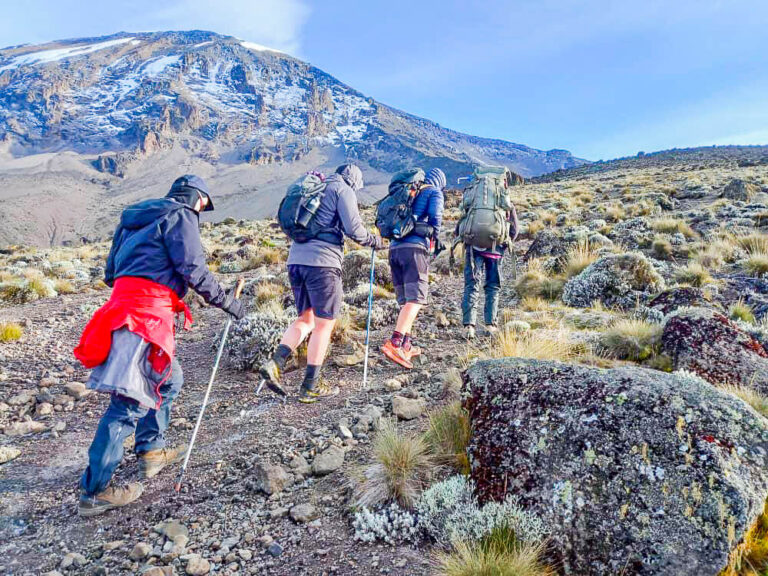
What To Check Before Paying A Kilimanjaro Deposit In 2026-2027
Planning to climb Kilimanjaro? Learn what crucial details to verify before paying your deposit to ensure a safe, successful, and well-organized trek in 2026 or 2027.
View package details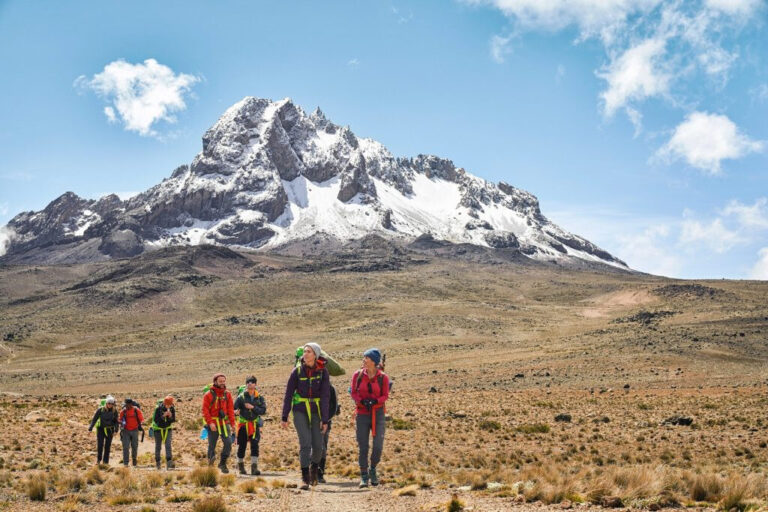
What A Kilimanjaro Mountain Crew Should Provide For Your Climb 2026-2027
Planning a Kilimanjaro climb? Understand precisely what your mountain crew needs to provide, from essential gear and experienced guides to food, safety, and logistical support. This...
View package details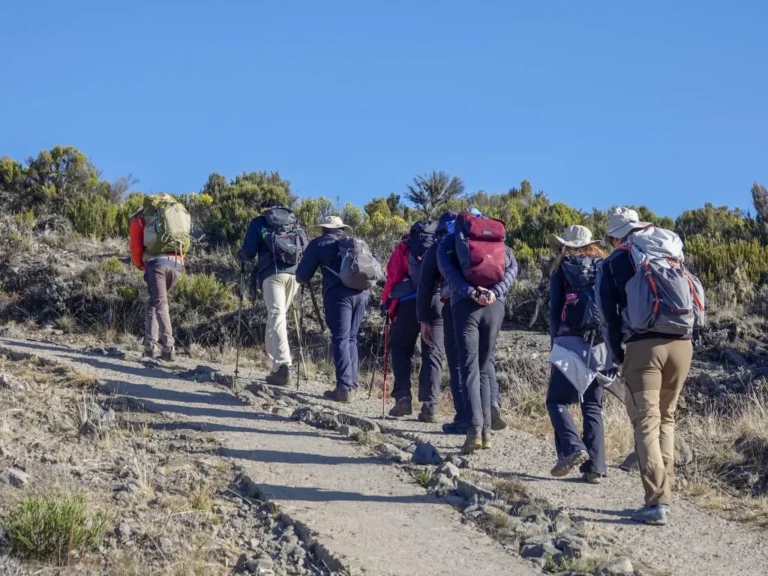
What A Safe Kilimanjaro Package Should Include 2026-2027
What a Safe Kilimanjaro Package Should Include is explained with current 2026-2027 planning, price, itinerary and booking information.
View package details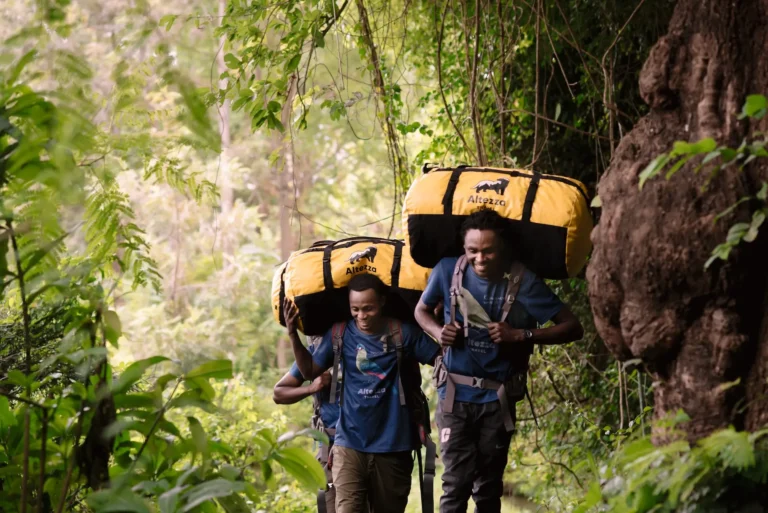
How To Read A Kilimanjaro Climbing Quote 2026-2027
How to Read a Kilimanjaro Climbing Quote is explained with current 2026-2027 planning, price, itinerary and booking information.
View package details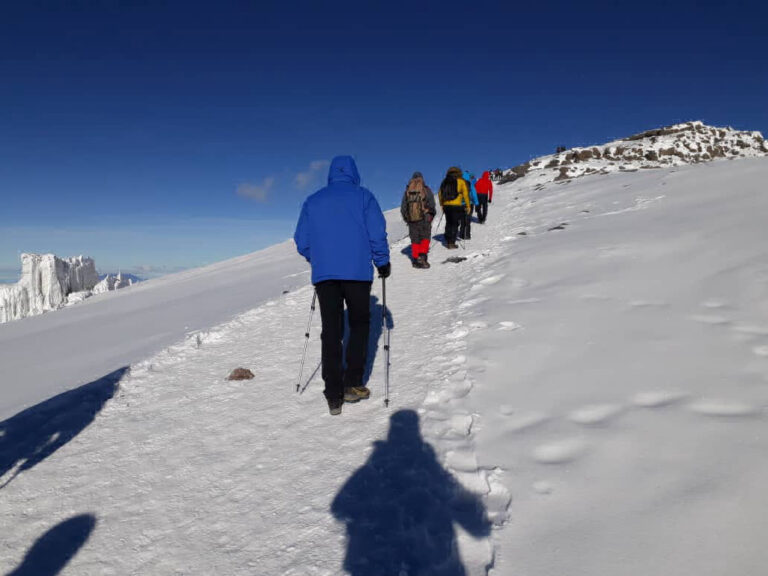
What Kilimanjaro Packages Often Leave Out 2026-2027
What Kilimanjaro Packages Often Leave Out is explained with current 2026-2027 planning, price, itinerary and booking information.
View package details
25 Kilimanjaro Climbing Mistakes First-Timers Make: Avoid Them In 2026-2027
Climbing Mount Kilimanjaro is a dream for many, but first-time trekkers can fall into common traps. This guide details 25 critical mistakes to avoid, from inadequate preparation and gear...
View package detailsKilimanjaro Local Operator Vs. Overseas Travel Agent: Your Ultimate Climbing
Deciding who to book your Kilimanjaro climb with is crucial. This guide compares local Tanzanian operators against overseas travel agents, detailing the pros and cons of each for your...
View package details
Stella Point Vs. Uhuru Peak: Understanding The Difference On Kilimanjaro
Climbing Mount Kilimanjaro involves reaching the crater rim, often at Stella Point, before a final push to Uhuru Peak, the true summit. This guide clarifies the distinctions, crucial for...
View package details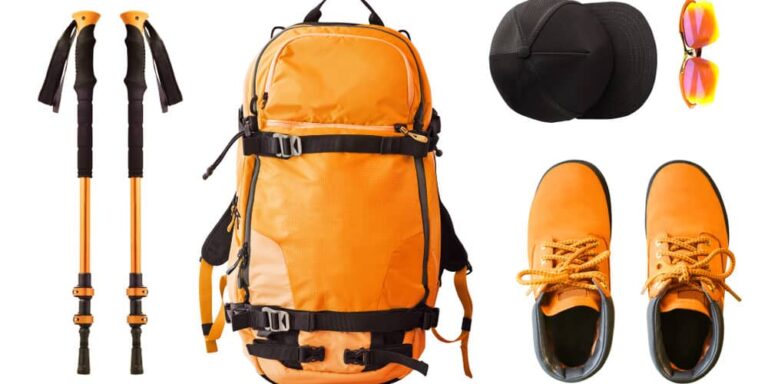
Kilimanjaro School-Holiday Climbing Dates 2026-2027
Kilimanjaro School-Holiday Climbing Dates is explained with current 2026-2027 planning, price, itinerary and booking information.
View package detailsKilimanjaro Climbing Package For Parents And Teenagers 2026-2027
Kilimanjaro Climbing Package for Parents and Teenagers is explained with current 2026-2027 planning, price, itinerary and booking information.
View package details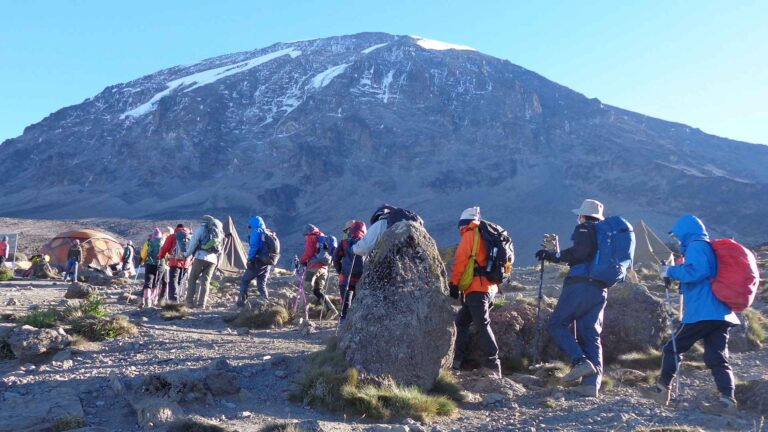
Sustainable Kilimanjaro Climbing Packages For | Top Guide Adventures 2026-2027
Discover sustainable Kilimanjaro climbing packages designed for eco-conscious adventurers. Top Guide Adventures offers responsible treks in 2026-2027, focusing on environmental preservation...
View package detailsNo related package matches those filters. Clear one or more filters to see the other topic-matched options.



