
A safe Kilimanjaro package for 2026-2027 climbs must comprehensively include highly experienced and certified guides with excellent safety records, proper acclimatization support, high-quality safety and emergency equipment (including oxygen, first-aid kits, and communication devices), nutritious meals and hydration, appropriate camping gear and accommodation, all necessary government permits and park fees, and a well-defined emergency evacuation plan. It should also detail the ratio of guides to climbers, crew welfare provisions, and transparency regarding what is and isn’t included to avoid unexpected costs and ensure a secure ascent.
Defining a Safe Kilimanjaro Climbing Package for 2026-2027
Mount Kilimanjaro, Africa’s highest peak and a UNESCO World Heritage Site, draws thousands of adventurers each year. While the allure of standing on the Roof of Africa is powerful, the mountain’s altitude and demanding conditions necessitate careful planning. For your 2026-2027 expedition, selecting a safe Kilimanjaro package is not just about comfort; it’s fundamentally about survival and success. A responsible tour operator will prioritize your well-being above all else. This means going beyond just providing a guide and a tent; it involves a meticulous approach to logistics, safety, and client care that addresses the unique challenges of high-altitude mountaineering.
When evaluating packages for 2026-2027, look for operators who clearly outline their safety protocols, guide qualifications, and the specifics of their support system. The difference between a standard package and a truly safe one lies in the details – the attention paid to acclimatization schedules, the quality of the oxygen and medical supplies, the training of the crew, and the preparedness for any eventuality. Top Guide Adventures is committed to providing these essential elements, ensuring that your Kilimanjaro journey is as secure and rewarding as possible. Understanding what constitutes a safe package empowers you to make an informed decision and choose an operator that aligns with your safety expectations.
Essential Inclusions for a Secure Kilimanjaro Ascent
The foundation of a safe Kilimanjaro trek rests on several key components that every reputable package should feature. These aren’t just desirable add-ons; they are critical for mitigating risks associated with high-altitude climbing. For trekkers planning their climb for 2026 or 2027, scrutinizing these inclusions is paramount.
Expert Guides and Support Crew: The Backbone of Safety
The quality and experience of your guides and support crew are arguably the most critical factors in a safe Kilimanjaro package. Your lead guide should not only be knowledgeable about the mountain routes but also possess extensive training in high-altitude first aid and emergency response. Look for guides certified by recognized mountaineering bodies and those with years of experience leading climbs on Kilimanjaro.
Key elements to confirm regarding guides and crew:
- Guide Qualifications: Ensure guides have wilderness first responder (WFR) or equivalent medical certifications.
- Experience Level: Inquire about the average number of climbs your guides have completed and their experience with altitude-related illnesses.
- Guide-to-Climber Ratio: A ratio of 1:4 or 1:6 for lead guides to climbers is standard for safety. Assistant guides are also crucial, especially on steeper sections or during descents.
- Crew Welfare: A safe package also considers the well-being of the porters and assistant guides. Reputable companies ensure fair wages, adequate food, proper gear, and humane treatment for their entire team. Happy and well-rested crew members contribute significantly to overall safety.
- Communication: Guides should be proficient in communicating effectively with climbers, assessing their condition, and relaying information to the support team.
Comprehensive Safety and Emergency Equipment
High altitude presents physiological challenges that require specialized equipment to manage and respond to emergencies. A safe package will always include provisions for these eventualities, ensuring that help is available if needed. When planning for 2026-2027, verify that the operator invests in reliable safety gear.
Essential safety equipment includes:
- Supplemental Oxygen: While not always used as a routine measure, having readily available medical-grade oxygen is vital for treating severe altitude sickness (AMS). Confirm that your package includes this as an emergency provision.
- First-Aid Kits: Comprehensive medical kits stocked with altitude sickness medication (like Diamox, though it requires a prescription), pain relievers, bandages, antiseptic wipes, and other essential supplies are a must. Your guides should be trained in their use.
- Pulse Oximeters: These devices measure blood oxygen saturation and heart rate, providing objective data to help guides assess a climber’s condition and acclimatization progress.
- Emergency Communication Devices: Reliable ways to communicate with the outside world in case of an emergency are crucial. This could include satellite phones or two-way radios, especially for routes with limited mobile coverage.
- Stretcher/Evacuation Gear: For serious medical emergencies, a specialized stretcher designed for mountain rescue and a clear plan for evacuation are necessary.
Nutritious Meals and Hydration Strategy
Proper nutrition and hydration are fundamental to maintaining energy levels, supporting acclimatization, and preventing dehydration, which can exacerbate altitude sickness symptoms. A safe Kilimanjaro package will provide well-planned, high-energy meals and encourage consistent fluid intake.
What to expect regarding food and drink:
- High-Calorie Meals: Expect three hot meals a day prepared by dedicated camp cooks. These meals are designed to be energy-dense and easily digestible, often featuring carbohydrates, proteins, and healthy fats. Common dishes include porridge, eggs, pancakes for breakfast; soups, stews, pasta, rice dishes, and local vegetables for lunch and dinner; and often fruits and desserts.
- Snacks: Energy bars, biscuits, nuts, and dried fruits are usually provided for snacking during the trek.
- Hydration: Emphasis will be placed on drinking plenty of fluids – typically 3-5 liters per day. This includes water, herbal teas, soup, and electrolyte drinks. Purified or boiled water will be provided.
- Dietary Needs: Inform your operator well in advance about any dietary restrictions or allergies (vegetarian, vegan, gluten-free, etc.). A good operator will accommodate these needs.
Quality Camping Gear and Accommodation
Comfortable and functional camping equipment is essential for rest and recovery, especially at higher altitudes where temperatures can drop significantly. A safe package ensures you are well-equipped for the mountain environment.
Key gear provisions:
- Tents: Sturdy, waterproof four-season tents designed to withstand wind and cold are standard. You’ll typically have a personal tent or share a spacious tent with one other climber.
- Sleeping Bags: High-quality, cold-rated sleeping bags (rated to at least -10°C or 0°F) are essential. Most operators provide these, but check if they are included or if you need to rent or bring your own.
- Sleeping Mats: Insulated mats provide comfort and an extra layer of warmth from the ground.
- Mess Tents: On longer routes, a separate mess tent is often provided for dining, offering shelter from the elements and a communal space.
- Portable Toilets: For convenience and hygiene, especially on routes like Lemosho or Shira, portable toilets are often provided for use at campsites.
Permits and Park Fees
All legitimate Kilimanjaro climbs require government-issued permits and park entrance fees. These are non-negotiable and are a significant part of the overall cost. A safe Kilimanjaro package will always include these, demonstrating the operator’s compliance with regulations.
What to confirm:
- Inclusion: Ensure all park entry fees, camping fees, and rescue fees are explicitly stated as included in your package price.
- Transparency: Reputable operators will be transparent about the costs associated with these permits, often listing them as part of the total package price.
- Processing: The operator should handle the entire permit acquisition process on your behalf.
Understanding Acclimatization and Itinerary Design
Acclimatization is the process by which your body adapts to lower oxygen levels at higher altitudes. A poorly designed itinerary that rushes this process is one of the biggest contributors to altitude sickness and failure to summit. A safe Kilimanjaro package prioritizes a gradual ascent, allowing your body ample time to adjust.
The Importance of Slow and Steady Ascent
The principle of “climb high, sleep low” is fundamental to successful acclimatization. This means ascending to higher elevations during the day and then descending to a lower camp to sleep. A safe package will incorporate itineraries that follow this principle, typically over longer durations.
Key considerations for acclimatization-focused itineraries:
- Duration: Longer itineraries (7-9 days) significantly increase acclimatization success rates compared to shorter ones (5-6 days). For 2026-2027 climbs, aim for at least 7 days on the mountain.
- Route Choice: Routes like Lemosho, Shira, or the Northern Circuit are known for their gradual ascent profiles and higher success rates due to better acclimatization opportunities.
- Daily Ascents: Guides will monitor your pace and ensure that daily altitude gains are managed carefully. They will also assess your physical condition at regular intervals.
- Rest Days: Some longer itineraries might include an extra day at a specific camp to allow for further acclimatization and rest.
Common Kilimanjaro Routes and Their Safety Profiles
Different routes offer varying levels of difficulty, scenery, and acclimatization potential. Choosing a route that aligns with your fitness and acclimatization needs is crucial for safety. When booking for 2026-2027, consider these popular options:
- Marangu Route (Coca-Cola Route): The shortest and most popular, often completed in 5-6 days. Its rapid ascent profile means lower acclimatization success rates and higher risks of altitude sickness. It’s generally considered less safe due to the speed.
- Machame Route (Whiskey Route): A 6-7 day trek, popular for its scenic beauty and “climb high, sleep low” approach. A 7-day Machame climb offers a good balance of acclimatization and challenge. Check Machame Route group departures for 2026-2027.
- Lemosho Route: Typically 7-8 days, known for its excellent acclimatization profile and stunning scenery. It’s often considered one of the safest and most rewarding routes.
- Shira Route: Similar to Lemosho but starts at a higher altitude. Usually 7-8 days, also offering good acclimatization.
- Northern Circuit: The longest route (9-10 days), offering the best acclimatization and highest success rates. It circles the mountain, providing unique views.
- Rongai Route: Approaches from the north, offering a different perspective and often drier conditions. Usually 6-7 days.
For a safe Kilimanjaro package in 2026-2027, prioritize routes that are 7 days or longer, such as Lemosho, Shira, or the Northern Circuit, or opt for a 7-day Machame. These provide the necessary time for your body to adapt to the increasing altitude.
What Might Not Be Included in a ‘Safe’ Package (and Why It Matters)
Understanding what is not included in a package is just as important as knowing what is. Often, cost-saving measures by operators can lead to exclusions that compromise safety or your overall experience. For 2026-2027 bookings, scrutinize these potential omissions.
Exclusions That Could Compromise Safety
- Emergency Evacuation: While most reputable companies include basic rescue fees, comprehensive emergency helicopter evacuation can be extremely expensive and is often not covered by standard packages. You will likely need separate travel insurance that specifically covers high-altitude rescue.
- High-Altitude First Aid Training for Guides: Some budget operators might use guides with basic first-aid knowledge but lacking specialized high-altitude training.
- Supplemental Oxygen: As mentioned, this is a critical safety item. If it’s not explicitly included for emergency use, question the operator’s safety commitment.
- Adequate Crew Rations: Ensuring porters and guides have enough food and are well-compensated is part of ethical and safe operations. Some operators cut costs here, leading to overworked and undernourished crew members, which indirectly impacts safety.
- Quality Equipment Maintenance: Cheap packages might use older, poorly maintained tents, sleeping bags, or safety gear, increasing the risk of equipment failure in harsh conditions.
Common Exclusions Affecting Comfort and Budget
- Tips for Guides and Porters: Tipping is customary and expected in Tanzania for the mountain crew. This can add a significant amount to your total cost.
- Personal Gear: Items like hiking boots, warm clothing, waterproofs, backpacks, and trekking poles are usually your responsibility.
- Travel Insurance: Essential for covering medical emergencies, trip cancellations, and lost luggage.
- Lunches and Drinks on Trekking Days: Some packages might only include breakfast and dinner at the hotel, with packed lunches and drinks needing to be purchased separately.
- Gratuities for Hotel Staff: Tips for hotel staff before and after the climb.
- Visas and Flights: International flights to Kilimanjaro International Airport (JRO) and Tanzanian visas are typically not included.
When comparing prices for 2026-2027, always do a thorough comparison of what is included versus what is excluded to get a true picture of the total cost and the operator’s commitment to your safety and comfort.
Travel Insurance: A Non-Negotiable Safety Net
For any Kilimanjaro climb, comprehensive travel insurance is absolutely essential. Your policy must specifically cover high-altitude trekking up to 6,000 meters (19,341 feet) and include emergency medical evacuation, repatriation, and trip cancellation. Ensure it covers medical expenses related to altitude sickness and any potential accidents on the mountain. Always check the policy details carefully before purchasing for your 2026-2027 adventure.
Evaluating Tour Operators for a Safe Kilimanjaro Package
Choosing the right tour operator is paramount to ensuring a safe and successful Kilimanjaro expedition. Not all companies are created equal, and a cheap price often comes at the expense of safety standards, crew welfare, and overall experience. When planning for 2026-2027, take the time to thoroughly vet potential operators.
Red Flags to Watch Out For
Be wary of companies that:
- Offer significantly lower prices than competitors: This often indicates cost-cutting on essential safety measures, guide training, crew pay, or equipment quality.
- Lack transparency: Vague descriptions of inclusions, safety protocols, or guide qualifications are warning signs.
- Don’t mention acclimatization strategies: If they push 5-day climbs without emphasizing acclimatization, it’s a concern.
- Have poor online reviews or limited testimonials: Look for consistent positive feedback on reputable platforms like TripAdvisor.
- Don’t clearly state their emergency procedures: A solid emergency plan is a hallmark of a responsible operator.
Green Flags of a Reputable Operator
Look for companies that:
- Prioritize safety: They will have detailed safety protocols, qualified guides, and proper equipment.
- Offer longer itineraries: Typically 7 days or more for Kilimanjaro climbs.
- Are transparent about inclusions and exclusions: A clear breakdown of costs and services is provided.
- Showcase experienced and certified guides: Details about guide training and experience are readily available.
- Support crew welfare: They adhere to ethical treatment and fair compensation for porters and guides.
- Have excellent customer reviews: Positive feedback consistently highlights safety, guide quality, and overall organization.
- Are members of relevant industry associations: This can sometimes indicate a commitment to professional standards.
Top Guide Adventures prides itself on being one of Tanzania’s most trusted tour companies, dedicated to providing complete travel experiences with personal attention and support. We understand that safety is paramount for a Kilimanjaro climb and ensure our packages meet the highest standards for your 2026-2027 adventure. You can find reviews from past clients on TripAdvisor.
Cost Considerations for a Safe Kilimanjaro Package in 2026-2027
The price of a Kilimanjaro package can vary significantly, and it’s crucial to understand what drives these costs, especially when prioritizing safety. A safe Kilimanjaro package will not be the cheapest option, but it represents better value due to the higher standards of service, safety, and crew welfare.
Factors Influencing Package Price
The cost of your Kilimanjaro climb is influenced by:
- Itinerary Length: Longer routes mean more days of guide, crew, food, and camping fees.
- Route Choice: Some routes have higher park fees or require more logistical support.
- Quality of Equipment: Using high-quality, well-maintained gear costs more.
- Guide and Crew Salaries: Fair wages and good working conditions for guides and porters are essential for ethical operations and safety.
- Park Fees and Permits: These are set by the Tanzanian government and constitute a substantial portion of the cost.
- Food and Catering: Providing nutritious, high-quality meals adds to the expense.
- Safety Equipment: Investment in oxygen, first-aid, and communication devices.
- Group Size: Smaller private groups generally have a higher per-person cost than larger group departures.
Budget vs. Mid-Range vs. Luxury Packages
When looking at packages for 2026-2027, you’ll generally find:
- Budget Packages: Often the cheapest, these may compromise on guide experience, crew welfare, equipment quality, or safety provisions like oxygen. They might push shorter itineraries.
- Mid-Range Packages: These offer a good balance of quality, safety, and price. They typically include longer itineraries, well-trained guides, good quality gear, and fair crew treatment. This is where most reputable operators, like Top Guide Adventures, position themselves.
- Luxury Packages: These focus on enhanced comfort, gourmet food, private facilities, and potentially more personalized guide attention. While still safe, the added luxury comes at a premium price.
For a safe Kilimanjaro package, it is advisable to focus on mid-range to higher-end options. The investment ensures that all the critical safety elements are prioritized. For example, our 7-day Lemosho or Machame routes in 2026-2027 are designed with safety and success rates as primary concerns, reflecting in their pricing.
Preparing for Your Climb: Beyond the Package Inclusions
While a safe Kilimanjaro package handles the logistics on the ground, your personal preparation is equally vital for a successful and safe ascent. This includes physical training, mental readiness, and packing appropriately.
Physical Training and Fitness
Kilimanjaro is a strenuous trek, not a technical climb, but requires excellent cardiovascular fitness and leg strength. Focus your training on:
- Hiking: Regular long hikes (4-6 hours) with a backpack, preferably on varied terrain.
- Cardio: Activities like running, cycling, or swimming to build endurance.
- Strength Training: Focus on legs (squats, lunges) and core strength.
- Stamina: Practice hiking for multiple consecutive days if possible.
Mental Preparation
High altitude can affect mood and judgment. Be prepared for challenges:
- Patience: The climb is slow, and you need to be patient with yourself and the process.
- Positive Attitude: Maintain a positive outlook, even when things get tough.
- Resilience: Understand that you might experience discomfort, and be prepared to push through it safely.
- Listen to Your Body: Recognize the signs of altitude sickness and communicate them immediately to your guide.
Essential Personal Packing List
While your operator will provide camping gear and meals, you need to bring your personal clothing and equipment. This is crucial for staying warm, dry, and comfortable.
Key Personal Items for Your Kilimanjaro Climb:
- Layering System: Base layers (thermal underwear), mid-layers (fleece or down jacket), and outer layers (waterproof and windproof jacket and trousers).
- Footwear: Broken-in waterproof hiking boots, camp shoes or sandals, and warm socks (wool or synthetic).
- Headwear: Warm hat (beanie), sun hat, and balaclava or neck gaiter.
- Handwear: Warm gloves or mittens, and liner gloves.
- Sun Protection: High SPF sunscreen, lip balm, and sunglasses.
- Hydration: Water bottles or hydration reservoir (at least 3 liters capacity).
- Headlamp: With extra batteries.
- Backpack: A comfortable daypack (30-40 liters) and a larger duffel bag (80-100 liters) for porters.
- Personal First-Aid Kit: Including any personal medications.
- Toiletries: Biodegradable soap, wet wipes, hand sanitizer.
- Camera and Power Bank.
The Role of Top Guide Adventures in Ensuring a Safe Kilimanjaro Package
At Top Guide Adventures, we are deeply committed to providing safe, ethical, and unforgettable Kilimanjaro climbing experiences. We understand that for your 2026-2027 expedition, safety is not an option; it’s a prerequisite. Our packages are meticulously designed to meet the highest safety standards, ensuring you have the best possible chance of reaching the summit while prioritizing your well-being.
How Top Guide Adventures ensures your safety:
- Experienced and Certified Guides: Our guides are among the most experienced on Kilimanjaro, holding wilderness first responder certifications and extensive knowledge of altitude physiology and emergency procedures.
- Comprehensive Safety Equipment: We carry medical-grade oxygen, well-stocked first-aid kits, and pulse oximeters on every climb. Our guides are trained in their use.
- Prioritizing Acclimatization: We strongly recommend and design itineraries for 7-day climbs or longer (e.g., 7-day Machame, 7-day Lemosho, 8-day Northern Circuit) to maximize acclimatization and success rates for 2026-2027.
- Ethical Crew Treatment: We ensure fair wages, adequate food, and proper equipment for our entire mountain crew, fostering a supportive and safe environment for everyone.
- Quality Gear: We provide high-quality, well-maintained tents, sleeping bags, and other camping equipment to ensure comfort and protection from the elements.
- Emergency Preparedness: We have clear emergency evacuation protocols in place and maintain communication channels with our ground team.
- Transparent Pricing: Our packages clearly outline what is included, ensuring no hidden costs and allowing you to budget accurately for your 2026-2027 climb.
We believe that a safe Kilimanjaro package is built on trust, transparency, and an unwavering commitment to client welfare. We invite you to explore our Tanzania travel services and discover how we can help you plan your dream Kilimanjaro adventure for 2026 or 2027.
Ready to Plan Your Safe Kilimanjaro Climb for 2026-2027?
Choosing the right operator is the first step to a safe and successful Kilimanjaro ascent. At Top Guide Adventures, we combine local expertise with a global standard of safety and service. Whether you’re looking for group departures or a tailor-made itinerary for 2026 or 2027, we are here to help. Contact us to discuss your expedition and learn more about what makes our safe Kilimanjaro package stand out.
WhatsApp: +255616946642
Email: topguideadventures@gmail.com
Backup Email: info@topguideadventures.com
“,
“faq_schema”: [
{
“question”: “What are the most critical safety inclusions in a Kilimanjaro package?”,
“answer”: “The most critical safety inclusions are highly experienced and certified guides with wilderness first aid training, comprehensive safety equipment (including supplemental oxygen, pulse oximeters, and first-aid kits), a well-structured itinerary that prioritizes acclimatization (typically 7+ days), nutritious meals and adequate hydration, and a clear emergency evacuation plan. The welfare of the entire crew, including porters, is also a key indicator of a safe operation.”
},
{
“question”: “How long should a safe Kilimanjaro itinerary be?”,
“answer”: “For optimal acclimatization and a higher success rate, a safe Kilimanjaro itinerary should ideally be 7 days or longer. Routes like the Lemosho, Shira, or Northern Circuit, typically lasting 7-10 days, offer the best opportunities for the body to adjust to the altitude. While shorter routes exist, they carry a significantly higher risk of altitude sickness.”
},
{
“question”: “What kind of guides should I look for in a Kilimanjaro package?”,
“answer”: “You should look for guides who are certified by recognized mountaineering bodies and have specific training in wilderness first aid or advanced medical care for remote environments. They should have extensive experience climbing Kilimanjaro, understand altitude physiology, and be adept at monitoring climbers’ health and acclimatization progress. A good guide will also be able to communicate effectively and make sound decisions in emergencies.”
},
{
“question”: “Does a safe Kilimanjaro package typically include emergency evacuation?”,
“answer”: “Most reputable operators include basic park rescue fees in their packages, which covers initial assistance. However, comprehensive emergency helicopter evacuation is often very expensive and usually requires separate travel insurance. Always clarify what level of emergency support is included and ensure your travel insurance covers high-altitude rescue up to 6,000 meters.”
},
{
“question”: “How can I tell if a Kilimanjaro tour operator prioritizes safety?”,
“answer”: “Look for transparency in their operations. Reputable operators will clearly detail their safety protocols, guide qualifications, equipment standards, and emergency procedures. They will recommend longer itineraries (7+ days), provide details about their safety equipment (like oxygen), and demonstrate ethical treatment of their mountain crew. Avoid companies that offer significantly lower prices, as this often means compromising on safety standards.”
},
{
“question”: “What personal gear is essential for a safe Kilimanjaro climb?”,
“answer”: “Essential personal gear includes a proper layering system for clothing (base, mid, and outer layers), waterproof and windproof outer shells, broken-in waterproof hiking boots, warm gloves and hats, sunglasses, sunscreen, a headlamp, and a daypack. Adequate hydration equipment (water bottles or reservoir) is also crucial. You can find a detailed packing list from experienced operators.”
}
]
}
“`
Check Availability for What A Safe Kilimanjaro Package Should Include 2026-2027
Ready to compare dates, prices, and the best option for your group? Send the package name and travel month so the team can reply with a clear quote, availability, and what is included.
What A Kilimanjaro Mountain Crew Should Provide For Your Climb 2026-2027
Planning a Kilimanjaro climb? Understand precisely what your mountain crew needs to provide, from essential gear and experienced guides to food, safety, and logistical support. This...
View package details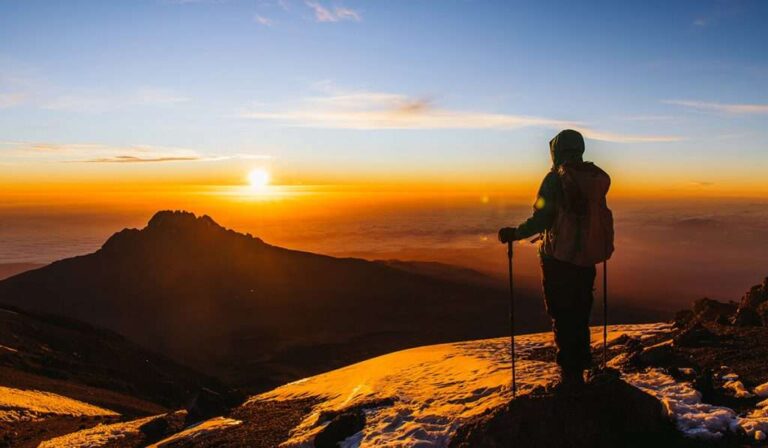
Kilimanjaro Contract Terms You Should Understand For Your Climb 2026-2027
Navigating the fine print of your Kilimanjaro climb contract is crucial. This guide breaks down essential terms, from payment schedules and cancellation policies to what's included and...
View package details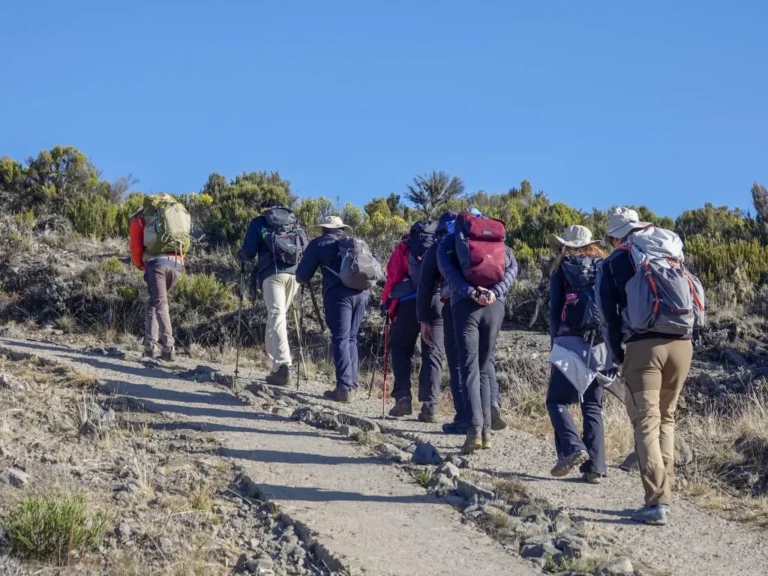
How To Verify Kilimanjaro Park Fees Are Included In Your Trek Package
Climbing Mount Kilimanjaro is a dream for many, but understanding the costs involved, particularly park fees, is crucial for proper planning. This guide helps you verify that all necessary...
View package details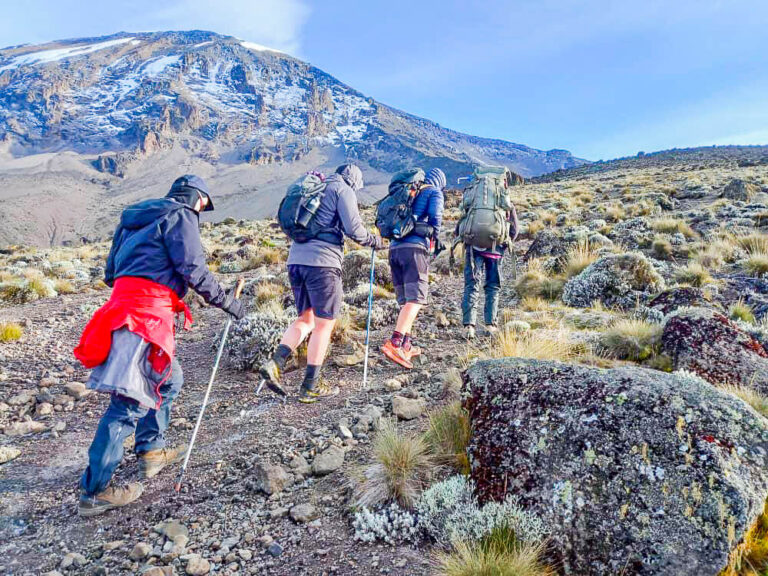
What To Check Before Paying A Kilimanjaro Deposit In 2026-2027
Planning to climb Kilimanjaro? Learn what crucial details to verify before paying your deposit to ensure a safe, successful, and well-organized trek in 2026 or 2027.
View package details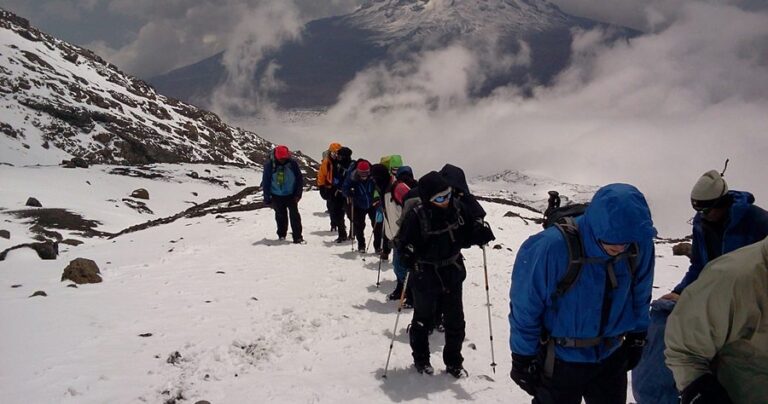
Questions Your Kilimanjaro Operator Should Answer For A Successful Climb
Choosing the right Kilimanjaro operator is crucial for a safe and memorable climb. This comprehensive guide details the essential questions you must ask your potential tour operator...
View package details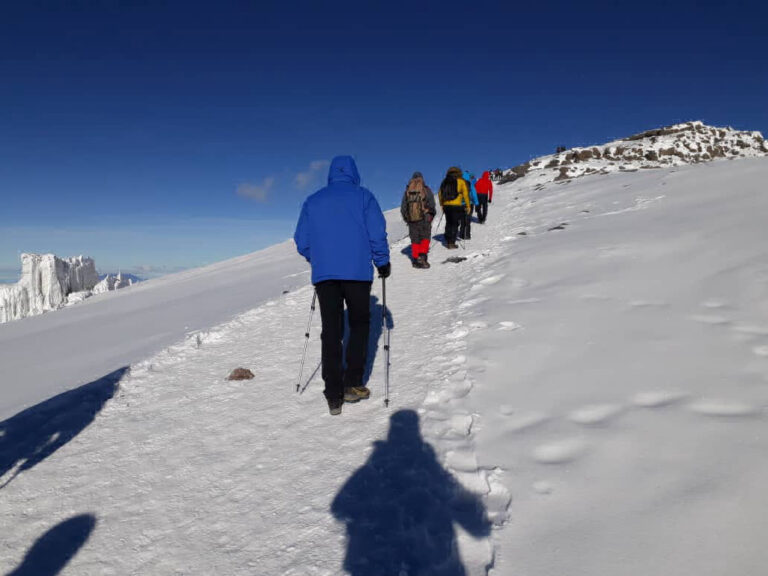
What Kilimanjaro Packages Often Leave Out 2026-2027
What Kilimanjaro Packages Often Leave Out is explained with current 2026-2027 planning, price, itinerary and booking information.
View package details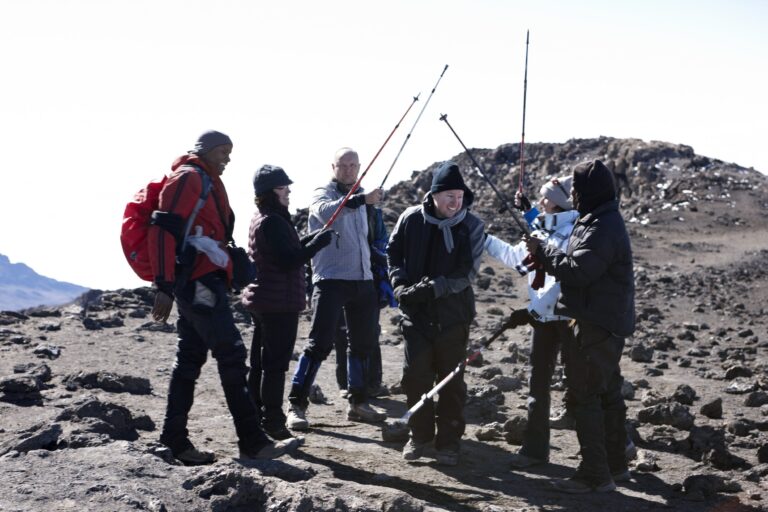
What Nobody Tells You About Climbing Kilimanjaro 2026-2027
What Nobody Tells You about Climbing Kilimanjaro is explained with current 2026-2027 planning, price, itinerary and booking information.
View package detailsKilimanjaro Insurance Mistakes To Avoid For A Safe Climb In 2026-2027
Climbing Mount Kilimanjaro is a dream for many, but overlooking proper insurance can turn an incredible adventure into a costly disaster. This guide details the most common Kilimanjaro...
View package details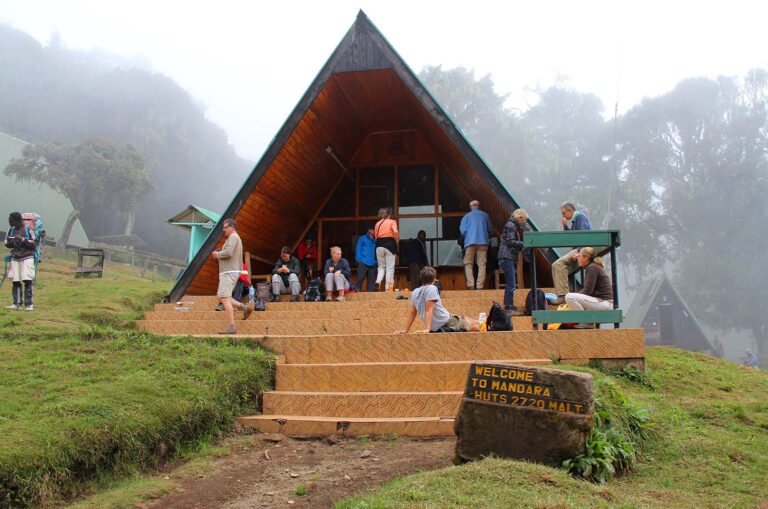
Stella Point Vs. Uhuru Peak: Understanding The Difference On Kilimanjaro
Climbing Mount Kilimanjaro involves reaching the crater rim, often at Stella Point, before a final push to Uhuru Peak, the true summit. This guide clarifies the distinctions, crucial for...
View package details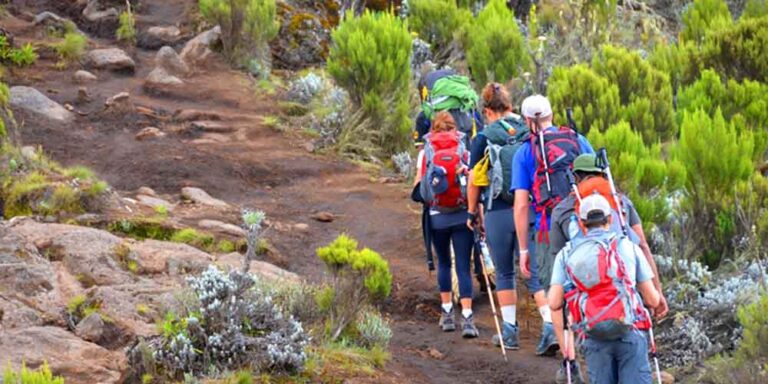
Kilimanjaro Safety Guide For Parents: Essential Tips A Successful Climb
This guide provides essential safety information for parents considering a Kilimanjaro climb with their children or for themselves. It covers preparation, acclimatization, risks, and...
View package details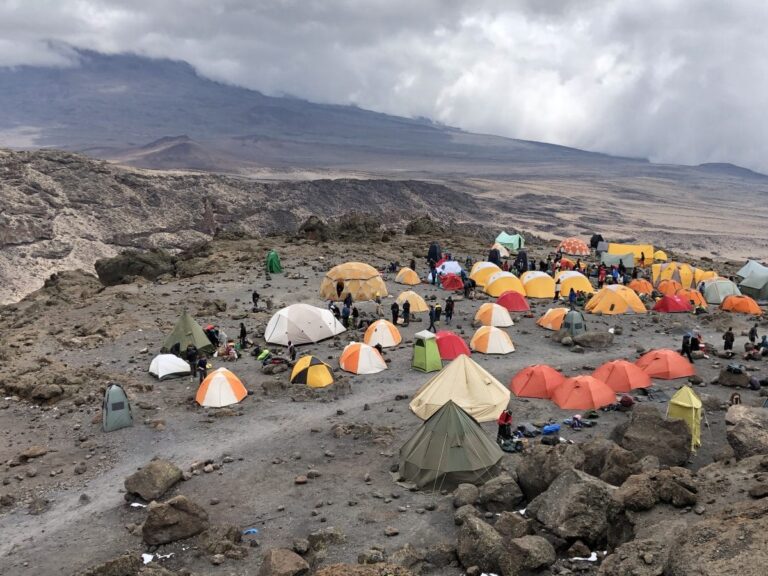
Can You See Elephants On Kilimanjaro? What Wildlife To Expect 2026-2027
While the iconic image of Mount Kilimanjaro is one of snow-capped peaks and challenging ascents, many prospective climbers also wonder about the wildlife they might encounter. Specifically...
View package details
How Crowded Is Uhuru Peak At Sunrise? What To Expect On Kilimanjaro 2026-2027
Climbing Kilimanjaro to witness the sunrise from Uhuru Peak is a dream for many. But how crowded is it, especially during peak season? This guide details what to expect, offering practical...
View package detailsNo related package matches those filters. Clear one or more filters to see the other topic-matched options.



