
You cannot see elephants on Kilimanjaro itself. While elephants inhabit the broader Kilimanjaro region, particularly in lower-lying national parks and reserves, they do not live on the mountain’s slopes above the cultivated farmlands. The higher altitudes and specific environments of Kilimanjaro are not suitable habitats for these large mammals. Wildlife sightings on Kilimanjaro are limited to the lower forest zone, where you might encounter monkeys, various bird species, and perhaps small antelopes, but not elephants.
Understanding Kilimanjaro’s Ecosystems and Wildlife Limitations
Mount Kilimanjaro, a UNESCO World Heritage Site, is a stratovolcano composed of three distinct cones: Kibo, Mawenzi, and Shira. Its immense elevation creates a series of dramatically different ecological zones, each with its own unique flora and fauna. These zones range from fertile agricultural land at the base, through dense rainforest, heather and moorland, alpine desert, and finally to the arctic summit zone. It’s the specific characteristics of these zones, particularly the higher ones, that make them unsuitable for large mammals like elephants.
Elephants, specifically the African bush elephant (Loxodonta africana), are massive animals with specific habitat requirements. They need access to large quantities of vegetation, water sources, and expansive territories for grazing and browsing. While the Kilimanjaro region offers these resources in surrounding areas, the mountain’s steep slopes, varying vegetation types at different altitudes, and the lack of extensive water sources above the lower forest belt mean that elephants simply don’t ascend into the areas where trekkers spend most of their time. The primary trekking routes pass through zones that are either too high, too cold, or lack the necessary food and water for elephants to thrive.
Where Elephants *Do* Roam in the Kilimanjaro Region
While the mountain itself isn’t elephant territory, the broader region surrounding Mount Kilimanjaro is indeed home to these magnificent creatures. Several renowned national parks and game reserves are within a reasonable travel distance from Kilimanjaro, and these are prime locations for observing elephants and a wealth of other wildlife. Understanding this distinction is crucial for anyone planning a trip to Tanzania that combines a Kilimanjaro climb with a safari experience.
The most famous of these is Amboseli National Park in Kenya, just across the border, which offers iconic views of elephants with Kilimanjaro as a backdrop. Within Tanzania, the northern safari circuit parks are the places to go:
- Tarangire National Park: Known as the ‘Land of Giants,’ Tarangire is famous for its huge elephant herds, especially during the dry season when they congregate around the Tarangire River. It’s also home to baobab trees and a rich diversity of other wildlife.
- Lake Manyara National Park: This park, though smaller, offers a diverse ecosystem with tree-climbing lions, large troops of baboons, and significant elephant populations, particularly near the lake.
- Serengeti National Park: Tanzania’s most famous park, the Serengeti, is home to vast herds of wildebeest, zebras, and, of course, elephants. You can find elephants in various parts of the Serengeti, especially in the central and northern regions.
- Ngorongoro Conservation Area: While the Ngorongoro Crater is a unique ecosystem teeming with wildlife, including elephants, the surrounding conservation area also supports elephant populations, though sightings might be less concentrated than in Tarangire or the Serengeti.
For travelers combining a Kilimanjaro climb with a safari, Top Guide Adventures can arrange itineraries that include visits to these spectacular parks, ensuring you have the best chance to see elephants and other iconic African animals. Our expertise in crafting tailor-made journeys means we can seamlessly integrate your mountain trek with an unforgettable safari experience. You can explore our Tanzania safari tours and group departures for 2026 and 2027 to find the perfect combination.
Wildlife Encounters on the Kilimanjaro Trek Routes
So, if not elephants, what wildlife can you expect to see when climbing Kilimanjaro? The answer depends on which ecological zone you are in and your luck. The lower slopes, particularly the rainforest zone, are the most biodiverse areas on the mountain.
The Rainforest Zone (Approx. 1,800m to 2,600m)
This is the first major zone most climbers enter after leaving the cultivated lands. It’s a lush, humid environment teeming with life. The dense canopy and undergrowth create a rich habitat for a variety of species:
- Monkeys: This is the prime area for spotting primates. The most common are the Colobus monkeys, easily recognizable by their striking black and white fur. You might also see Blue monkeys and various species of baboons. They are often seen leaping through the trees or feeding on leaves and fruits.
- Birds: Kilimanjaro’s rainforest is a birdwatcher’s paradise. Expect to see numerous species, including colorful turacos, hornbills, sunbirds, and various endemic birds. Keep an eye out for the White-necked Raven, which is often seen even at higher altitudes.
- Small Antelopes: While elusive, it is possible to spot small antelopes such as the Bushbuck or the Duiker. They are shy and tend to stay hidden within the dense vegetation.
- Insects and Butterflies: The rainforest is alive with insects, including spectacular butterflies.
The wildlife here is often heard before it is seen – the rustling of leaves, the calls of birds, and the chatter of monkeys. While you won’t find large predators or herbivores like elephants, the sheer abundance of smaller creatures makes this zone fascinating.
The Heather and Moorland Zone (Approx. 2,600m to 4,000m)
As you ascend, the dense rainforest gives way to more open landscapes characterized by heather, grasses, and giant groundsels and lobelias. The environment becomes cooler and drier. Wildlife sightings become less frequent and more specialized:
- Birds: Birdlife changes with the altitude. You might see species adapted to open grasslands and moorlands, such as the Alpine Chat or the Kestrel.
- Small Mammals: While large mammals are absent, you might occasionally see small rodents like Dassies (Rock Hyrax) sunning themselves on rocks.
- Reptiles: In warmer pockets, you might spot lizards.
The focus in this zone shifts from spotting diverse animal life to appreciating the unique, hardy plant species and the stark beauty of the landscape. The air thins, and the focus becomes the physical challenge of the climb.
The Alpine Desert Zone (Approx. 4,000m to 5,000m)
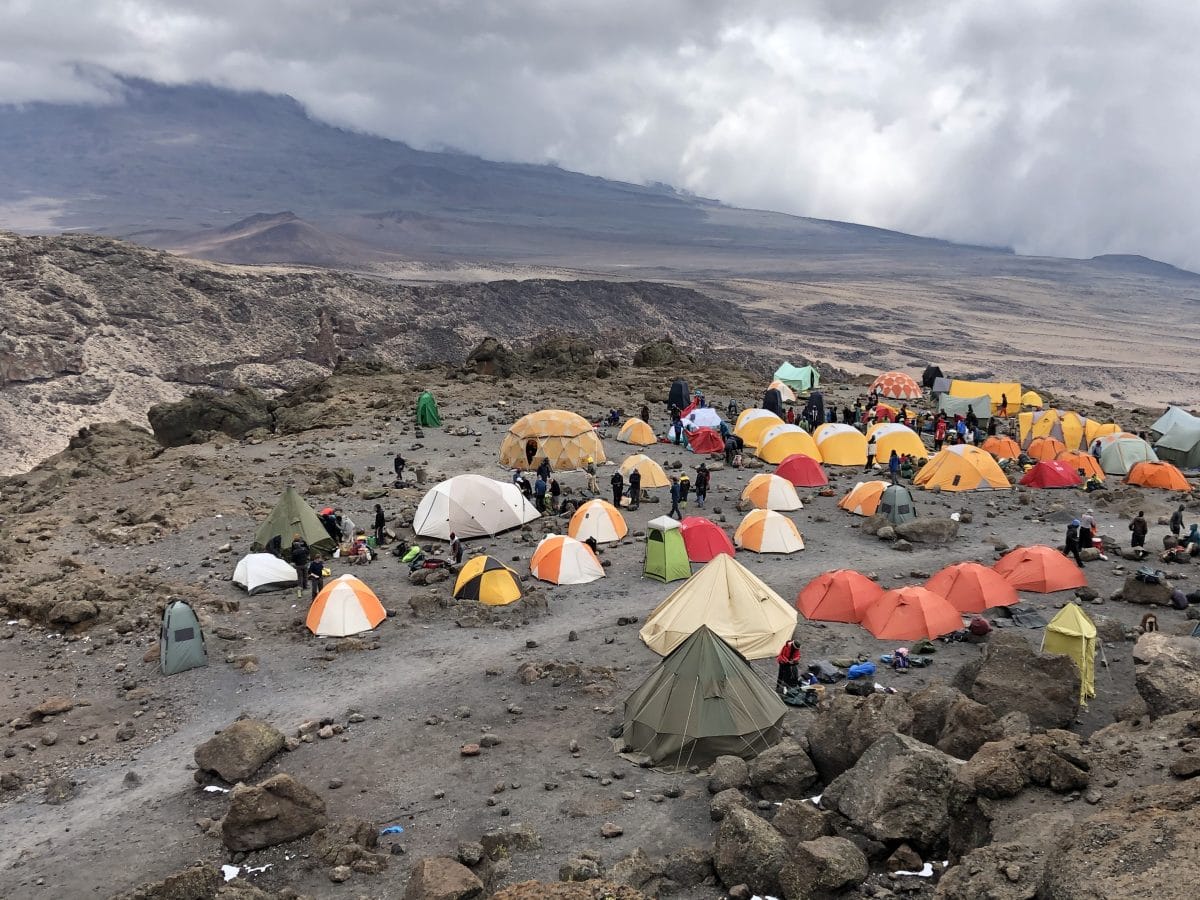
This zone is stark and desert-like, with sparse vegetation consisting mainly of mosses and lichens. It’s a challenging environment with extreme temperature fluctuations between day and night. Wildlife is extremely rare here:
- Birds: Very few birds can survive at these altitudes. You might occasionally see a bird of prey soaring overhead or a hardy species like the White-necked Raven.
- Insects: Some hardy insects can be found.
The main ‘life’ you’ll encounter here is the incredible geological formations and the resilience of the few plants that manage to grow. The focus is entirely on the physical and mental endurance required to reach the summit.
The Arctic Summit Zone (Above 5,000m)
The summit area, including Uhuru Peak, Stella Point, and Gilman’s Point, is an arctic environment. It’s characterized by snow, ice, glaciers, and volcanic scree. There is virtually no animal life at these extreme altitudes, aside from perhaps some microscopic organisms. The conditions are too harsh for any complex life forms.
Why Elephants Can’t Survive on Kilimanjaro
To reiterate, the absence of elephants on Kilimanjaro is due to a combination of factors inherent to the mountain’s environment and the elephants’ specific needs:
- Altitude Sickness and Physiology: While not as susceptible as humans, elephants are large mammals. The extremely thin air at higher altitudes would pose physiological challenges. More importantly, their physiology is adapted to lower elevations and different atmospheric pressures.
- Lack of Food Sources: Elephants are herbivores with enormous appetites. They require vast quantities of grasses, leaves, bark, and fruits. The vegetation above the rainforest zone – heather, moorland grasses, and alpine desert flora – simply does not provide the volume or nutritional content that elephants need to sustain themselves.
- Water Scarcity: Elephants drink large amounts of water daily. While there are streams in the lower rainforest zone, reliable and abundant water sources are scarce or non-existent in the alpine desert and summit zones.
- Terrain: The steep, rocky, and often scree-covered slopes above the forest belt are not ideal terrain for large, heavy animals like elephants, especially for extended periods.
- Temperature Extremes: While elephants can tolerate a range of temperatures, the freezing conditions experienced at night in the alpine desert and summit zones are not their preferred environment, especially without the necessary food and shelter.
- Predator Avoidance: While Kilimanjaro National Park is a protected area, the absence of natural predators at higher altitudes means elephants have no evolutionary pressure to ascend for safety, unlike in their natural savanna habitats where they might seek refuge from lions in higher ground or denser bush.
Essentially, the higher zones of Kilimanjaro become progressively less hospitable for large mammals. The mountain’s ecosystem is structured such that it supports smaller, more specialized wildlife at lower elevations and very little life at the top.
Planning Your Kilimanjaro Adventure with Wildlife in Mind
When planning your Kilimanjaro climb, it’s important to manage expectations regarding wildlife. The primary goal of climbing Kilimanjaro is the physical and mental challenge of reaching the summit, the stunning scenery, and the cultural experience. Wildlife sightings, while a pleasant bonus, should not be the main focus. However, appreciating the different ecological zones and the life they support is a significant part of the journey.
Top Guide Adventures specializes in making your Kilimanjaro experience as rich and rewarding as possible. We understand the mountain’s environment and can brief you on what to expect. Our guides are knowledgeable about the flora and fauna of each zone, and they will help you spot any wildlife that you might encounter. We offer various routes, including the popular Machame Route, Lemosho, and Marangu, each offering slightly different perspectives on the mountain’s ecosystems. You can view our Machame Route Kilimanjaro group departures dates and other options for 2026 and 2027.
Combining Kilimanjaro with a Safari: The Best of Both Worlds
For many travelers, a trip to Tanzania is incomplete without both a Kilimanjaro climb and a safari. This combination allows you to experience the majesty of Africa’s highest peak and witness its incredible wildlife in their natural habitats. Top Guide Adventures excels at creating these dual-destination itineraries.
Imagine standing on the roof of Africa, and then a few days later, watching a herd of elephants cross the savanna with Kilimanjaro in the distance. This is the kind of experience we specialize in providing.
Sample Itinerary Concept (Kilimanjaro Climb + Northern Circuit Safari)
A typical combined trip might look like this:
- Days 1-7/8: Climb Mount Kilimanjaro (e.g., 7-day Lemosho or Machame route).
- Day 8: Descend Kilimanjaro, transfer to Arusha, relax and refresh.
- Day 9: Drive to Tarangire National Park for a full-day game drive, focusing on elephants and the unique baobab landscape.
- Day 10: Morning game drive in Tarangire, then proceed to Lake Manyara National Park for an afternoon game drive, looking for tree-climbing lions and more elephants.
- Day 11: Drive to the Ngorongoro Conservation Area. Descend into the Ngorongoro Crater for a half-day game drive, a wildlife-rich caldera.
- Day 12: Drive to the Serengeti National Park (Central or Northern sector depending on the season for migration viewing). Full-day game drive.
- Day 13: Full-day game drive in the Serengeti.
- Day 14: Morning game drive in the Serengeti, then drive back towards Arusha, perhaps stopping at Mto wa Mbu for a cultural experience.
- Day 15: Departure from Kilimanjaro International Airport (JRO).
This is just a conceptual example. Top Guide Adventures crafts personalized itineraries. Whether you’re looking for a short safari or an extensive exploration of the northern circuit, we tailor the trip to your interests and available time. We can also incorporate Zanzibar holidays for a beach extension. For more safari ideas, check out our Tanzania Safari Tours Blog.
Preparing for Your Kilimanjaro Climb: What to Pack and Expect
While you won’t be packing binoculars for elephant spotting on Kilimanjaro, proper preparation is key to a successful climb. The changing environments require versatile gear.
Essential Packing List for Kilimanjaro (Focus on Comfort and Safety)
- Layering System: Base layers (thermal), mid-layers (fleece), and outer layers (waterproof and windproof jacket and pants).
- Footwear: Broken-in hiking boots, comfortable camp shoes, and warm socks (wool or synthetic).
- Headwear: Sun hat, warm beanie, and a balaclava or neck gaiter for cold conditions.
- Handwear: Warm gloves and liner gloves.
- Sun Protection: High SPF sunscreen, sunglasses, and lip balm.
- Hydration: Water bottles or hydration reservoir (at least 3 liters capacity). Water purification tablets or a filter are recommended, though our guides usually provide treated water.
- Headlamp: Essential for night ascents and camp use.
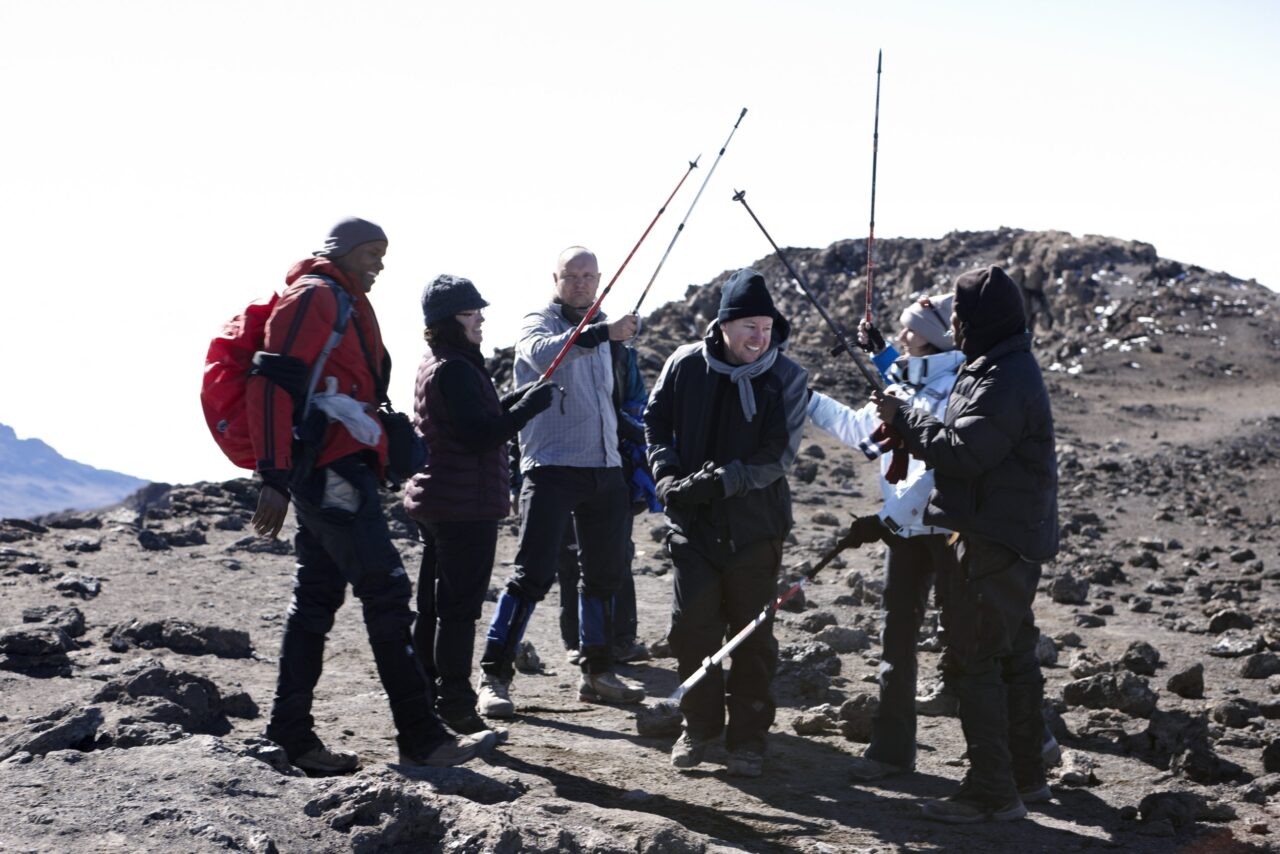
- Trekking Poles: Highly recommended for stability and reducing knee strain.
- First-Aid Kit: Personal medications and a basic kit. Our guides carry comprehensive medical kits.
- Backpack: A comfortable daypack (30-40 liters) for essentials and a larger duffel bag (80-100 liters) for porters to carry.
- Sleeping Bag: A 4-season sleeping bag rated for at least -10°C to -20°C (0°F to -4°F).
- Snacks: High-energy snacks like energy bars, nuts, and dried fruit.
Top Guide Adventures provides detailed packing lists tailored to the specific route and time of year for your climb. We also offer gear rental services for items like sleeping bags and trekking poles.
Acclimatization and Health
The most critical factor for a successful Kilimanjaro climb is proper acclimatization. The principle of ‘pole pole’ (slowly, slowly) is vital. Our itineraries are designed with gradual ascents and adequate rest days to help your body adjust to the altitude. Our guides are trained to monitor for signs of Acute Mountain Sickness (AMS) and will make decisions to ensure your safety.
While elephants aren’t a concern, understanding the altitude’s effects and preparing your body is paramount. Consult your doctor about altitude sickness medication and vaccinations before your trip.
Choosing the Right Route: Does it Affect Wildlife Sightings?
The route you choose for your Kilimanjaro climb can influence the type and extent of wildlife you might see, primarily in the lower rainforest zone. The longer routes, which generally offer better acclimatization, also spend more time traversing the lower forest areas.
- Marangu Route (Coca-Cola Route): This is the oldest and most direct route. It ascends and descends the same path. While it passes through the rainforest, the time spent in this zone might be less compared to longer, circular routes. It’s also the only route that offers hut accommodation.
- Machame Route (Whiskey Route): A popular choice known for its scenic beauty and good acclimatization profile. It traverses the rainforest extensively before heading into the moorland and alpine desert.
- Lemosho Route: Considered one of the most scenic routes, Lemosho starts in the remote western rainforest and offers excellent opportunities for wildlife sightings in the early days. It then joins the Machame route.
- Shira Route: Similar to Lemosho but starts at a higher altitude.
- Rongai Route: This route approaches from the north, entering the mountain in a drier region. It passes through the rainforest but might offer fewer initial wildlife sightings compared to western routes.
- Northern Circuit: The longest route, offering the best acclimatization and spending considerable time on the quieter northern slopes. It provides a more comprehensive experience of Kilimanjaro’s diverse ecosystems.
While no route guarantees specific wildlife sightings, the longer routes that allow for slower ascents and more time in the lower forest zones (like Lemosho or Northern Circuit) statistically offer a slightly better chance of seeing monkeys and birds. However, the primary focus remains the mountain ascent, not a safari experience on the slopes.
The Role of Guides and Porters
Your guides and porters are integral to your Kilimanjaro experience. Our guides are highly trained, experienced mountaineers with extensive knowledge of the mountain, its weather patterns, and its ecosystems. They are your first line of defense against altitude sickness and are skilled at spotting wildlife, even the elusive ones.
They will point out interesting plants, birds, and monkeys in the rainforest. They will also share insights into the geology and history of Kilimanjaro. The support crew ensures your safety, comfort, and well-being throughout the trek, allowing you to focus on the climb and the stunning environment.
Top Guide Adventures is committed to ethical trekking practices, ensuring our crew is well-treated, well-paid, and equipped. This commitment translates into a dedicated and professional team that enhances your adventure. You can read reviews from past clients on TripAdvisor.
Environmental Considerations and Conservation
Kilimanjaro is a fragile ecosystem. As visitors, it’s our responsibility to minimize our impact. This means adhering to park rules, packing out all trash, staying on marked trails, and respecting the wildlife.
The absence of large mammals like elephants on the mountain is, in a way, a testament to its unique environment and the need for its conservation. The lower forest zone, where most wildlife is found, is particularly vulnerable to human activity. Top Guide Adventures actively promotes Leave No Trace principles and works with Kilimanjaro National Park authorities to ensure sustainable tourism practices.
When you choose Top Guide Adventures, you are choosing a company that prioritizes the conservation of Kilimanjaro and its surrounding natural beauty, ensuring that future generations can also experience its wonder. Visit our website at topguideadventures.com to learn more about our commitment.
Final Thoughts: Enjoying the Wildlife You *Can* See
So, to directly answer the question: Can you see elephants on Kilimanjaro? No. However, this should not diminish the incredible wildlife encounters possible on the mountain’s lower slopes, nor the spectacular elephant viewing opportunities available in the surrounding national parks.
The Kilimanjaro climb offers a unique journey through diverse ecological zones, each with its own character. The vibrant rainforest with its monkeys and birds, the stark beauty of the moorland and alpine desert, and the ultimate challenge of the arctic summit create an unparalleled trekking adventure. For those who wish to see elephants and the Big Five, combining your climb with a safari to parks like Tarangire, Serengeti, or Ngorongoro is the ideal way to experience the full spectrum of Tanzania’s natural wonders.
Planning a trip for 2026 or 2027? Now is the perfect time to start organizing. Whether your heart is set on conquering Kilimanjaro, embarking on a thrilling safari, or a combination of both, Top Guide Adventures is here to help. We offer personalized service, expert guidance, and a commitment to making your Tanzanian adventure safe, memorable, and truly exceptional. Contact us today to discuss your dream itinerary:
- WhatsApp: +255616946642
- Email: topguideadventures@gmail.com
- Backup Email: info@topguideadventures.com
Let us help you plan an unforgettable journey, whether it’s to the summit of Kilimanjaro or the heart of the African savanna, ensuring you see the incredible wildlife that Tanzania has to offer.
Check Availability for Can You See Elephants On Kilimanjaro? What Wildlife To Expect 2026-2027
Ready to compare dates, prices, and the best option for your group? Send the package name and travel month so the team can reply with a clear quote, availability, and what is included.
Private Kilimanjaro Climb For Senior Travellers: A Comprehensive Guide
This guide details private Kilimanjaro climbs tailored for senior travellers, covering route selection, acclimatization, safety, gear, and the benefits of a private climb with Top Guide...
View package details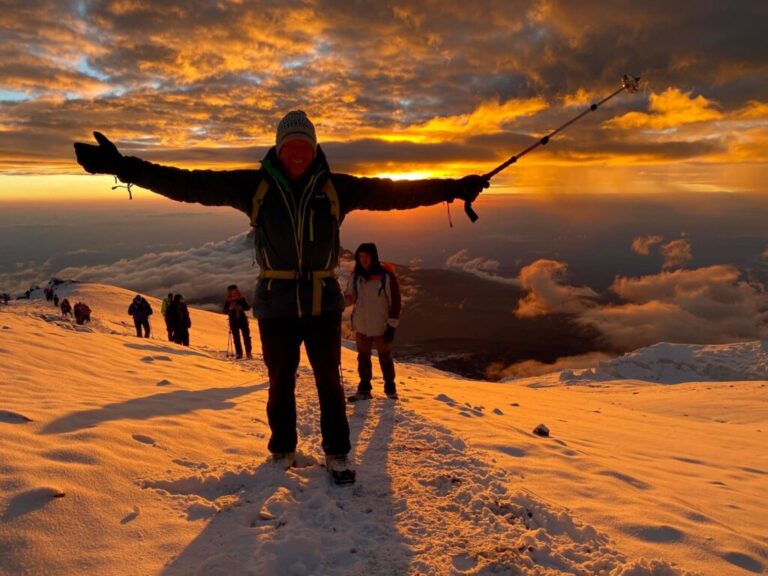
Kilimanjaro Climb With Extra Rest Days 2026-2027
Kilimanjaro Climb with Extra Rest Days is explained with current 2026-2027 planning, price, itinerary and booking information.
View package details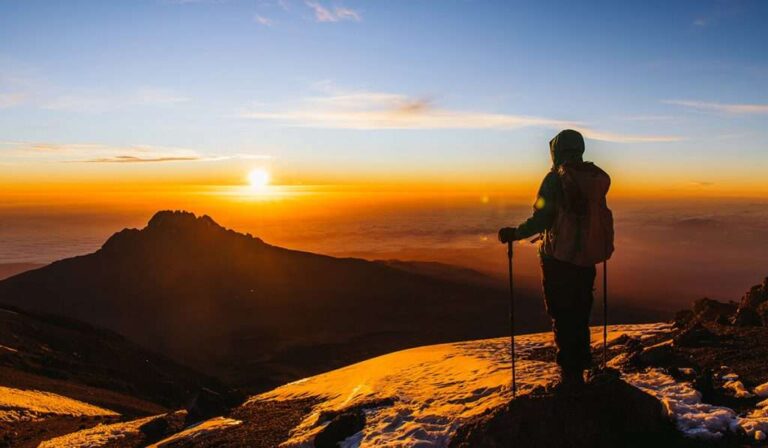
Kilimanjaro Climb With A Slower Daily Pace: Your Guide To Success 2026-2027
Discover how a slower daily pace significantly enhances your Kilimanjaro climb experience. This comprehensive guide covers route selection, acclimatization strategies, essential gear, and...
View package details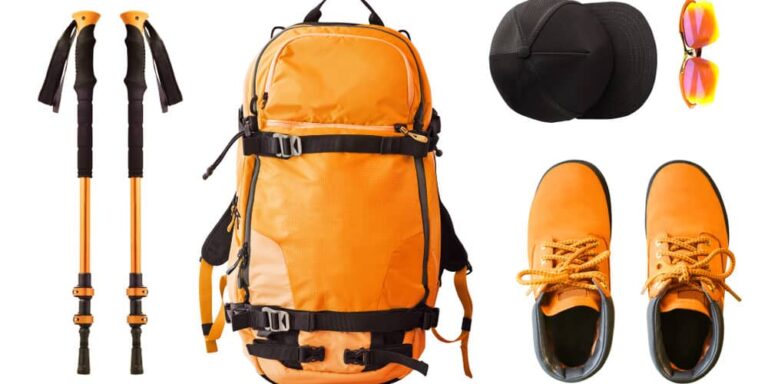
Best Kilimanjaro Route For Climbers Over 60: Expert Guide 2026-2027
Choosing the right Kilimanjaro route is crucial for climbers over 60. This guide details the best options, focusing on acclimatization, duration, and success rates to help you plan your...
View package details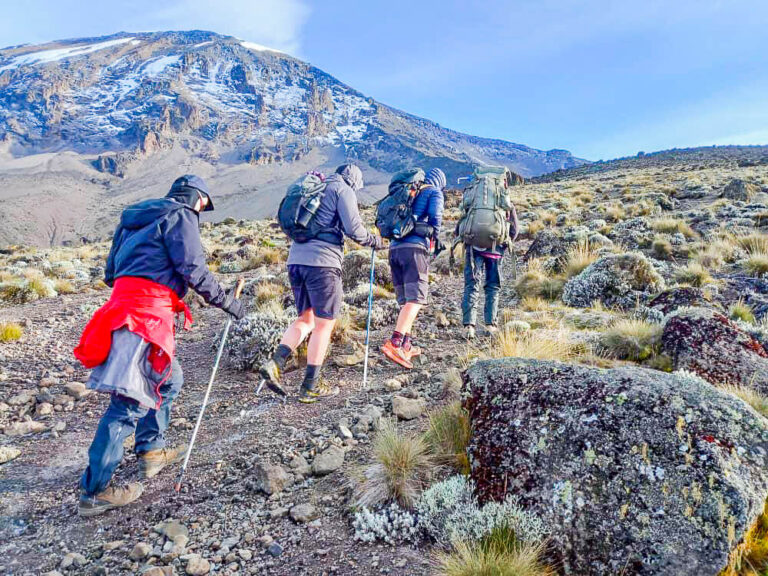
Can You Climb Kilimanjaro At 75? Your Expert Guide For 2026-2027
Discover if climbing Kilimanjaro at 75 is achievable and what you need to know for a successful 2026-2027 summit. This comprehensive guide covers fitness, health, routes, and essential...
View package details
Can You Climb Kilimanjaro At 70? 2026-2027
Can You Climb Kilimanjaro at 70? is explained with current 2026-2027 planning, price, itinerary and booking information.
View package details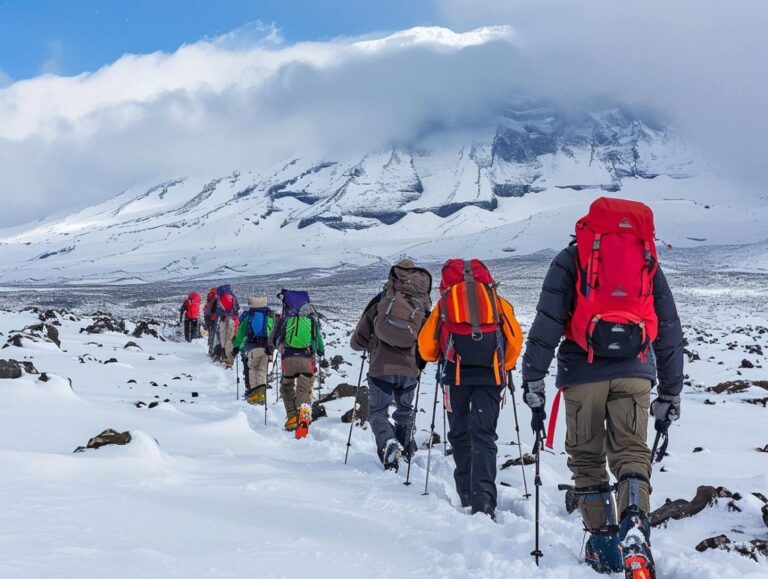
Can You Climb Kilimanjaro At 65? Your Expert Guide For 2026-2027
Climbing Kilimanjaro at 65 is achievable with proper preparation. This comprehensive guide covers everything you need to know, from health considerations and route selection to training and...
View package details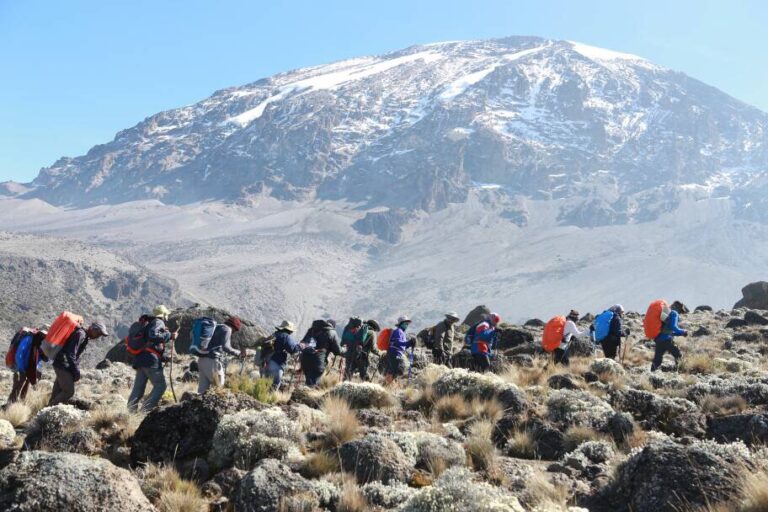
Can You Climb Kilimanjaro At 60? 2026-2027
Can You Climb Kilimanjaro at 60? is explained with current 2026-2027 planning, price, itinerary and booking information.
View package details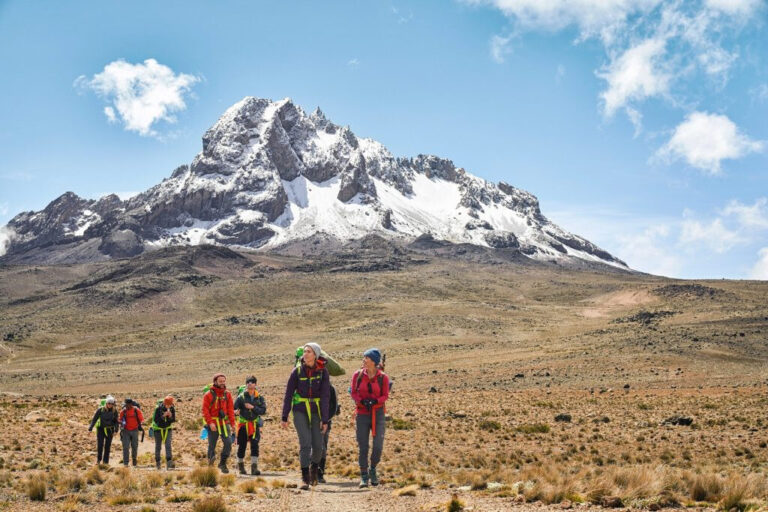
Can You Climb Kilimanjaro At 50? Expert Guide For 2026-2027
Discover if climbing Kilimanjaro at 50 is possible and how to prepare effectively. This comprehensive guide for 2026-2027 trekkers covers fitness, route selection, acclimatization, and...
View package detailsKilimanjaro Parent-And-Child Summit Challenge Guide
Embarking on a Kilimanjaro Parent-and-Child Summit Challenge is an extraordinary way for families to bond and achieve a monumental goal together. This guide provides essential information...
View package details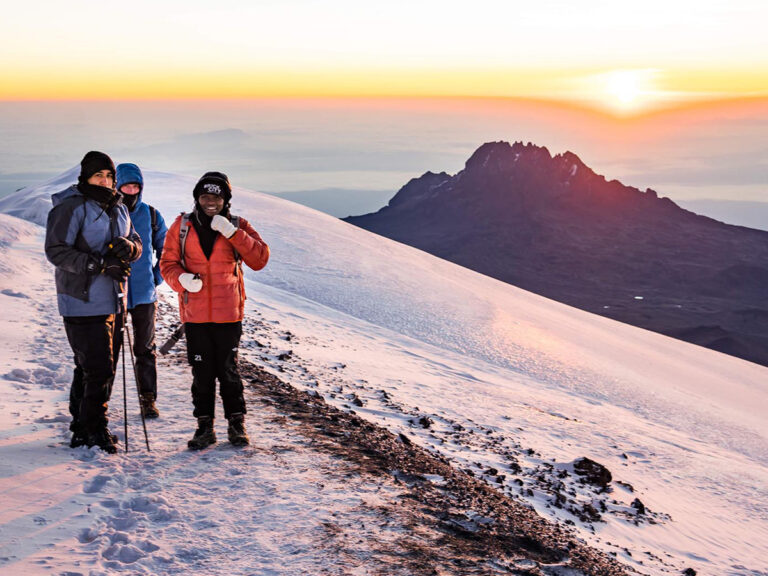
Kilimanjaro Graduation And Family Safari Package: Summit Success & Wildlife
Combine the ultimate achievement of summiting Mount Kilimanjaro with an unforgettable family safari in Tanzania. Top Guide Adventures curates these packages, blending adventure, cultural...
View package details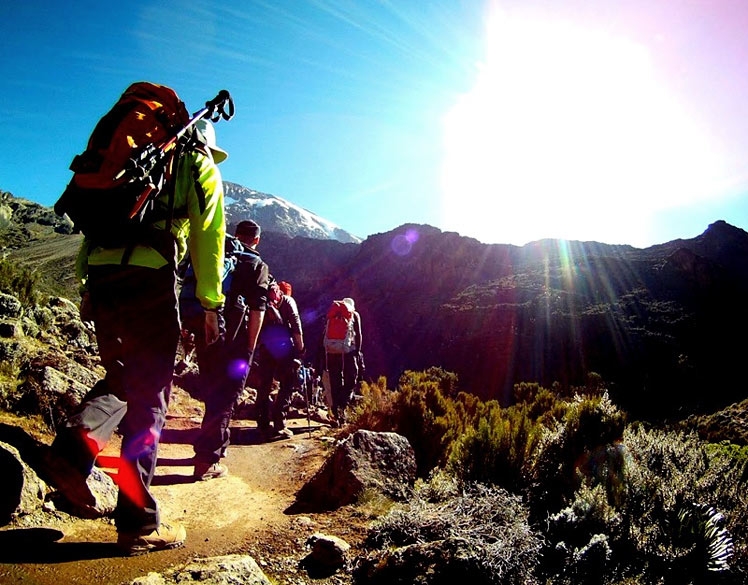
Kilimanjaro Family Safari After The Summit Guide
Extend your incredible Kilimanjaro achievement with a family safari in Tanzania. Top Guide Adventures crafts unforgettable post-summit experiences for 2026-2027, blending the thrill of...
View package detailsNo related package matches those filters. Clear one or more filters to see the other topic-matched options.



