
For climbers over 60, the Lemosho Route and the Northern Circuit Route are generally considered the best Kilimanjaro routes due to their longer duration, slower ascent profile, and superior acclimatization opportunities. These routes offer higher success rates and a more comfortable climbing experience, minimizing altitude-related challenges and allowing for better enjoyment of the stunning scenery, making them ideal for older trekkers looking for a safe and rewarding summit in 2026 or 2027.
Understanding Kilimanjaro for Mature Trekkers: Key Considerations for Over 60s
Climbing Mount Kilimanjaro is a dream for many, and age should not be a barrier to achieving this incredible goal. For trekkers over 60, however, the planning and preparation require a slightly different focus. The primary concerns revolve around acclimatization, physical stamina, recovery time, and overall comfort. While the mountain itself doesn’t have an age limit, choosing the right route can significantly impact your experience and chances of success. At Top Guide Adventures, we understand these nuances and are dedicated to helping every climber, regardless of age, have a safe and memorable journey. This guide focuses on identifying the best Kilimanjaro route for climbers over 60, considering factors that are particularly important for this demographic in the 2026-2027 trekking seasons.
Why Route Choice Matters More for Over 60s
Kilimanjaro’s altitude presents a challenge for everyone, but older climbers may experience its effects more acutely. Factors such as cardiovascular health, lung capacity, and the body’s natural ability to adapt to changing conditions can differ with age. Therefore, the best Kilimanjaro route for climbers over 60 is one that prioritizes:
- Gradual Ascent and Acclimatization: Longer routes that follow the ‘pole pole’ (slowly, slowly) principle are essential. This means spending more days on the mountain, allowing your body more time to adjust to the decreasing oxygen levels.
- Comfort and Amenities: While Kilimanjaro is a camping trek, some routes offer slightly better camping locations and more scenic vistas that can enhance the overall experience.
- Success Rates: Routes known for higher success rates are preferable, as they are designed to maximize the chances of reaching Uhuru Peak.
- Lower Traffic: While not always a primary concern for comfort, less crowded routes can offer a more serene and less stressful climbing environment.
The Kilimanjaro Climbing Experience: Beyond the Summit
It’s important to remember that a Kilimanjaro climb is not just about reaching the summit. It’s about the journey, the incredible landscapes, the camaraderie with fellow climbers and guides, and the personal achievement. For climbers over 60, enjoying this journey is paramount. A well-chosen route allows for more appreciation of the diverse ecosystems, from the rainforest to the alpine desert and the arctic zone, and provides sufficient energy to savor the experience without being solely focused on the physical struggle.
Top Kilimanjaro Route Recommendations for Climbers Over 60
Based on extensive experience and climber feedback, several routes stand out as particularly suitable for individuals over 60. These routes are characterized by their length and the quality of acclimatization they provide. We will explore the most recommended options in detail.
1. Lemosho Route: The Balanced Choice for Acclimatization and Scenery
The Lemosho Route is a popular choice for many Kilimanjaro climbers, and for good reason. It offers an excellent balance of scenic beauty, wildlife viewing opportunities in its initial stages, and, crucially, a well-paced acclimatization profile. It is often considered one of the best Kilimanjaro routes for climbers over 60.
- Duration: Typically 7 or 8 days. The 8-day option is highly recommended for older climbers.
- Starting Point: Lemosho Gate (near Londorosi Gate).
- Ascent Profile: The longer duration allows for a more gradual ascent, particularly in the critical early days, which is vital for acclimatization. The route typically takes a more westerly approach to the summit, joining the Machame route later on.
- Scenery: Known for its stunning, remote, and wild landscapes. The initial trek through the rainforest on the western side is rich with flora and fauna. The views of the Shira Plateau are spectacular.
- Success Rate: Generally high, especially with the 8-day itinerary, due to excellent acclimatization.
Why Lemosho is Excellent for Over 60s:
The 8-day Lemosho route provides an extra day for acclimatization compared to shorter routes. This allows the body to adapt more effectively to the altitude. The route’s design permits a slower pace, reducing physical strain. The additional day often means reaching higher altitudes on earlier days, then descending slightly to sleep, a strategy known as ‘climb high, sleep low’, which is proven to aid acclimatization. This is a significant advantage for any climber, but especially for those who may need a little more time for their bodies to adjust.
Lemosho Route Itinerary (8-Day Example):
* Day 1: Londorosi Gate to Mti Mkubwa Camp (Forest Camp). A relatively gentle start through the rainforest.
* Day 2: Mti Mkubwa Camp to Shira 1 Camp. Ascending out of the forest onto the Shira Plateau.
* Day 3: Shira 1 Camp to Shira 2 Camp. Trekking across the Shira Plateau.
* Day 4: Shira 2 Camp to Barranco Camp. A scenic day involving crossing the Lava Tower and descending to Barranco.
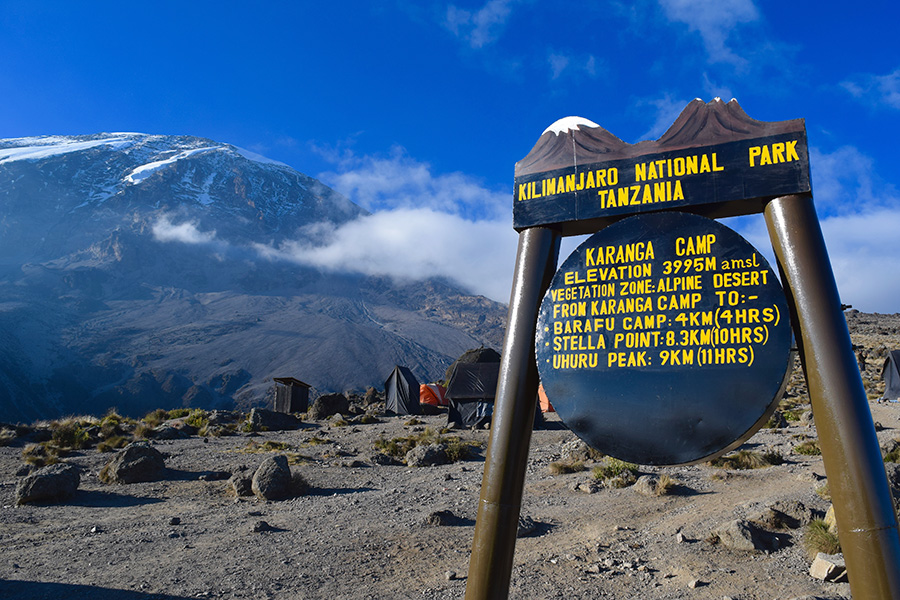
* Day 5: Barranco Camp to Karanga Camp. The challenging Barranco Wall climb, followed by a descent to Karanga.
* Day 6: Karanga Camp to Barafu Camp. The final camp before the summit push, offering stunning views.
* Day 7: Barafu Camp to Summit (Uhuru Peak) to Mweka Camp. The summit night and descent to Mweka.
* Day 8: Mweka Camp to Mweka Gate. Final descent and transfer back to your hotel.
2. Northern Circuit Route: The Ultimate in Acclimatization and Comfort
The Northern Circuit is the longest route on Kilimanjaro, offering the highest success rates and the most comprehensive acclimatization. It circumnavigates the mountain, providing a unique perspective and ample time for the body to adjust. For climbers over 60, this route is often the top recommendation if time and budget permit.
- Duration: Typically 9 or 10 days. The 9-day option is usually sufficient, but 10 days offers even more acclimatization.
- Starting Point: Lemosho Gate (near Londorosi Gate).
- Ascent Profile: The longest route, it circles the mountain’s northern slopes, offering a very gradual ascent. It utilizes the ‘climb high, sleep low’ principle extensively.
- Scenery: Offers diverse and spectacular views, including the remote northern and eastern faces of Kilimanjaro, often less crowded than the southern routes.
- Success Rate: The highest among all Kilimanjaro routes, often exceeding 90% for well-prepared trekkers, due to its superior acclimatization.
Why Northern Circuit is Ideal for Over 60s:
The sheer length of the Northern Circuit (9-10 days) is its biggest asset for older climbers. This extended duration significantly reduces the risk of altitude sickness by allowing the body ample time to adapt. The route is designed for a slow and steady pace, ensuring that the physical demands are manageable. It offers more opportunities to rest and recover between trekking days, making the overall experience more enjoyable and less taxing. The chance to see the mountain from different angles and experience its quieter side is also a significant draw.
Northern Circuit Route Itinerary (9-Day Example):
* Day 1: Londorosi Gate to Mti Mkubwa Camp (Forest Camp).
* Day 2: Mti Mkubwa Camp to Shira 1 Camp.
* Day 3: Shira 1 Camp to Shira 2 Camp.
* Day 4: Shira 2 Camp to Lava Tower (4630m) and then descend to Barranco Camp (3950m). This is a classic ‘climb high, sleep low’ day.
* Day 5: Barranco Camp to Karanga Camp.
* Day 6: Karanga Camp to Barafu Camp.
* Day 7: Barafu Camp to Summit (Uhuru Peak) and descend to Kosovo Camp or Mweka Camp.
* Day 8: Kosovo/Mweka Camp to Mweka Gate.
* Day 9: Mweka Camp to Mweka Gate. Final descent and transfer.
*Note: The Northern Circuit’s full circuit means it offers a different path than the standard routes. It typically traverses the north side of the mountain before descending via the Mweka route.* A 10-day itinerary provides even more gradual acclimatization, with an extra day often spent at higher camps like Kibo or Barranco.
3. Machame Route: A Popular, Well-Trod Path with Good Acclimatization (7-8 Days)
The Machame Route, often nicknamed the “Whiskey Route” by guides, is one of the most popular Kilimanjaro climbs. It is known for its scenic beauty and good acclimatization profile, especially when taken over 7 or 8 days. While it can be busier, it’s a solid option for experienced hikers over 60 who are in good physical condition and have prepared well.
- Duration: Typically 6, 7, or 8 days. The 7-day and especially the 8-day options are recommended for older climbers.
- Starting Point: Machame Gate.
- Ascent Profile: It’s a challenging route with steep ascents and descents, but the 7 and 8-day versions allow for better acclimatization. It also uses the ‘climb high, sleep low’ principle effectively.
- Scenery: Offers diverse landscapes, from rainforest to moorland and alpine desert, with excellent views of the Southern Circuit.
- Success Rate: Good, particularly on the longer itineraries.
Why Machame (7-8 Days) Can Work for Over 60s:
If you are an active individual over 60 with a solid fitness base and have experience with multi-day hikes, the 7 or 8-day Machame route can be a viable option. The key is the longer duration, which provides more time for acclimatization and reduces the daily exertion. The well-established trails and infrastructure mean guides are very familiar with supporting climbers on this route. However, it is generally busier than Lemosho or Northern Circuit, which might be a consideration for some.
Machame Route Itinerary (7-Day Example):
* Day 1: Machame Gate to Machame Camp.
* Day 2: Machame Camp to Shira 2 Camp.
* Day 3: Shira 2 Camp to Barranco Camp.
* Day 4: Barranco Camp to Karanga Camp.
* Day 5: Karanga Camp to Barafu Camp.
* Day 6: Barafu Camp to Summit (Uhuru Peak) to Mweka Camp.
* Day 7: Mweka Camp to Mweka Gate.
Comparing Kilimanjaro Routes for Climbers Over 60
To make an informed decision, let’s compare the key factors for climbers over 60 across the most suitable routes.
Key Comparison Factors for Over 60s
- Acclimatization: Northern Circuit (best), Lemosho (excellent), Machame (good on 7-8 days).
- Duration: Northern Circuit (9-10 days), Lemosho (8 days), Machame (7-8 days). Longer is generally better for over 60s.
- Success Rate: Northern Circuit (highest), Lemosho (very high), Machame (high on 7-8 days).
- Scenery: All offer unique beauty. Northern Circuit is remote and diverse. Lemosho is wild and scenic. Machame is popular and dramatic.
- Crowds: Northern Circuit (least crowded), Lemosho (less crowded initially), Machame (can be busy).
- Difficulty: All are challenging. The difficulty for over 60s is more about acclimatization pace than technicality.
Why Shorter Routes are Generally Not Recommended for Over 60s
Routes like the Marangu (5-6 days) and Rongai (6 days) are shorter and might seem appealing due to lower cost or time commitment. However, they offer less time for acclimatization, significantly increasing the risk of altitude sickness. For climbers over 60, the potential physical and mental stress from rushing the ascent often outweighs any perceived benefits. The risk of experiencing severe altitude-related symptoms is higher, which can lead to an early descent and disappointment.
Marangu Route (Coca-Cola Route)
- Duration: 5 or 6 days.
- Pros: Huts available (no camping), often cheapest.
- Cons: Lowest success rate due to poor acclimatization, least scenic, can be very crowded. Not ideal for climbers over 60.
Rongai Route
- Duration: 6 or 7 days.
- Pros: Climbs from the drier northern side (good for rainy seasons), less crowded initially.
- Cons: Less scenic than western routes, 6-day option has poor acclimatization. The 7-day option is better but still not optimal for over 60s compared to Lemosho or Northern Circuit.
Preparing for Your Kilimanjaro Climb Over 60
Regardless of the route chosen, thorough preparation is key to a successful and enjoyable Kilimanjaro climb, especially for those over 60. This involves physical training, mental preparation, and practical planning.
Physical Training and Fitness for Over 60s
While Kilimanjaro is not technically difficult, it is a strenuous endurance event. The most important aspect of training is building cardiovascular fitness and leg strength. Aim to:
- Cardiovascular Exercise: Engage in at least 3-4 sessions per week of activities like brisk walking, hiking, cycling, or swimming. Focus on increasing duration and intensity gradually.
- Strength Training: Include exercises that strengthen your legs, core, and back. Squats, lunges, step-ups, and planks are beneficial.
- Hiking Practice: The most crucial training is hiking with a backpack, ideally on varied terrain and including ascents and descents. Practice on hills or stairs for at least several hours at a time. Aim for at least one long hike (6-8 hours) per month in the months leading up to your climb.
- Listen to Your Body: As you get older, recovery takes longer. Ensure you have rest days and don’t push too hard during training. Consult with your doctor before starting any new strenuous exercise program.
Medical Check-up and Health Considerations
It is highly recommended that all climbers over 60 consult their doctor well in advance of their trip. Discuss your plans and any pre-existing medical conditions.
- Cardiovascular Health: Ensure your heart is in good condition for high-altitude trekking.
- Medications: Bring sufficient quantities of any prescribed medications. Inform your guide about any medical conditions and carry a small personal first-aid kit.
- Altitude Sickness Medications: Discuss the use of Diamox (acetazolamide) with your doctor. It can help prevent or alleviate symptoms of Acute Mountain Sickness (AMS) and is often prescribed for Kilimanjaro climbs.
Mental Preparation and Expectations
Climbing Kilimanjaro is as much a mental challenge as a physical one. For older climbers, managing expectations is important.
- Patience: Embrace the ‘pole pole’ pace. Rushing can lead to exhaustion and increase the risk of altitude sickness.
- Positive Attitude: A positive mindset is crucial. Focus on the journey and the experience, not just the summit.
- Flexibility: Be prepared for challenging days and unexpected weather. Your guides are experienced and will make decisions in your best interest.
Choosing the Right Tour Operator: Top Guide Adventures
Selecting a reputable and experienced tour operator is paramount, especially for climbers over 60. Top Guide Adventures is committed to providing exceptional support and ensuring the safety and success of all our clients. We understand the specific needs of older trekkers and tailor our services accordingly.
- Experienced Guides: Our guides are certified, highly experienced in high-altitude trekking, and trained in wilderness first aid. They are adept at monitoring climbers for AMS and managing group pacing.
- Quality Equipment: We provide high-quality tents, sleeping mats, and nutritious meals designed to sustain energy levels at altitude.
- Safety Standards: Safety is our top priority. We carry comprehensive medical kits, oxygen cylinders, and ensure our guides have the expertise to handle emergencies.
- Personalized Service: We offer personalized attention and support throughout your climb, ensuring you feel comfortable and well-cared for.
Why Choose Top Guide Adventures for Your Kilimanjaro Climb in 2026-2027?
At Top Guide Adventures, we pride ourselves on offering a superior Kilimanjaro climbing experience. For climbers over 60, we emphasize longer itineraries (like the 8-day Lemosho or 9-day Northern Circuit) to maximize acclimatization and minimize risks. Our experienced guides are trained to support mature trekkers, ensuring a comfortable and safe journey. We offer competitive pricing for 2026 and 2027 climbs, with clear inclusions and no hidden costs. We believe in providing comprehensive support from the moment you inquire to the moment you return home.
Contact us today to discuss your Kilimanjaro adventure:
- WhatsApp: +255 616 946 642
- Email: topguideadventures@gmail.com
- Backup Email: info@topguideadventures.com
Altitude Sickness: Prevention and Management for Over 60s
Altitude sickness (Acute Mountain Sickness – AMS) is the most common challenge on Kilimanjaro. Understanding its symptoms and how to manage it is crucial for all climbers, especially those over 60 who might have less physiological reserve.
Understanding AMS
AMS is caused by ascending too quickly, not allowing the body enough time to adjust to the lower oxygen levels at higher altitudes. Symptoms can range from mild to severe:
- Mild AMS: Headache, nausea, dizziness, fatigue, loss of appetite, difficulty sleeping.
- Moderate AMS: Worsening of mild symptoms, decreased coordination, shortness of breath even at rest.
- Severe AMS: Pulmonary edema (fluid in the lungs) or cerebral edema (fluid in the brain), which can be life-threatening.
Key Strategies for Prevention and Management
- Ascend Slowly: This is the most effective prevention. Choose longer routes (8+ days) that allow for gradual acclimatization.
- Hydration: Drink plenty of fluids (3-4 liters per day). Water, herbal teas, and clear broths are good. Avoid alcohol and caffeine, which can dehydrate you.
- ‘Pole Pole’: Walk slowly and steadily. Avoid overexertion.
- Monitor Symptoms: Be honest about how you are feeling. Report any symptoms to your guide immediately.
- Medication: Consider using Diamox (acetazolamide) as prescribed by your doctor. It helps your body acclimatize faster.
- Descend if Necessary: If symptoms worsen or become severe, descent is the only effective treatment. Your guide will make this decision if needed.
Specific Considerations for Over 60s and AMS
While the principles of AMS prevention are the same for all ages, individuals over 60 may need to be more vigilant. Pre-existing conditions like heart or lung issues can sometimes be exacerbated by altitude. It’s vital to be extra attuned to your body’s signals and to communicate openly with your guide. The slower pace and longer duration of routes like the Northern Circuit and Lemosho are specifically designed to mitigate these risks by providing a much gentler introduction to high altitude.
Packing Essentials for Kilimanjaro: What Over 60s Need
Packing correctly is essential for comfort and safety. While many items are standard for any Kilimanjaro climb, older climbers might want to pay extra attention to comfort and warmth.
Clothing Layers (Key for Temperature Regulation)
- Base Layers: Moisture-wicking thermal tops and bottoms (merino wool or synthetic).
- Mid Layers: Fleece jacket or down vest for insulation.
- Outer Layer: Waterproof and windproof jacket and trousers (Gore-Tex or similar).
- Summit Gear: Heavyweight down jacket (essential for summit night).
- Headwear: Warm beanie, sun hat, balaclava or neck gaiter.
- Gloves: Thin liner gloves, warm waterproof gloves/mittens, and glove liners for summit night.
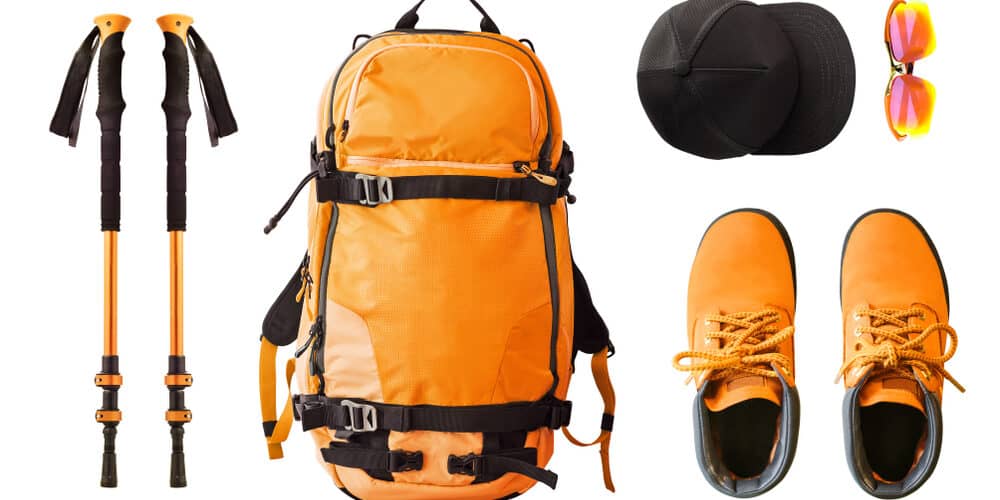
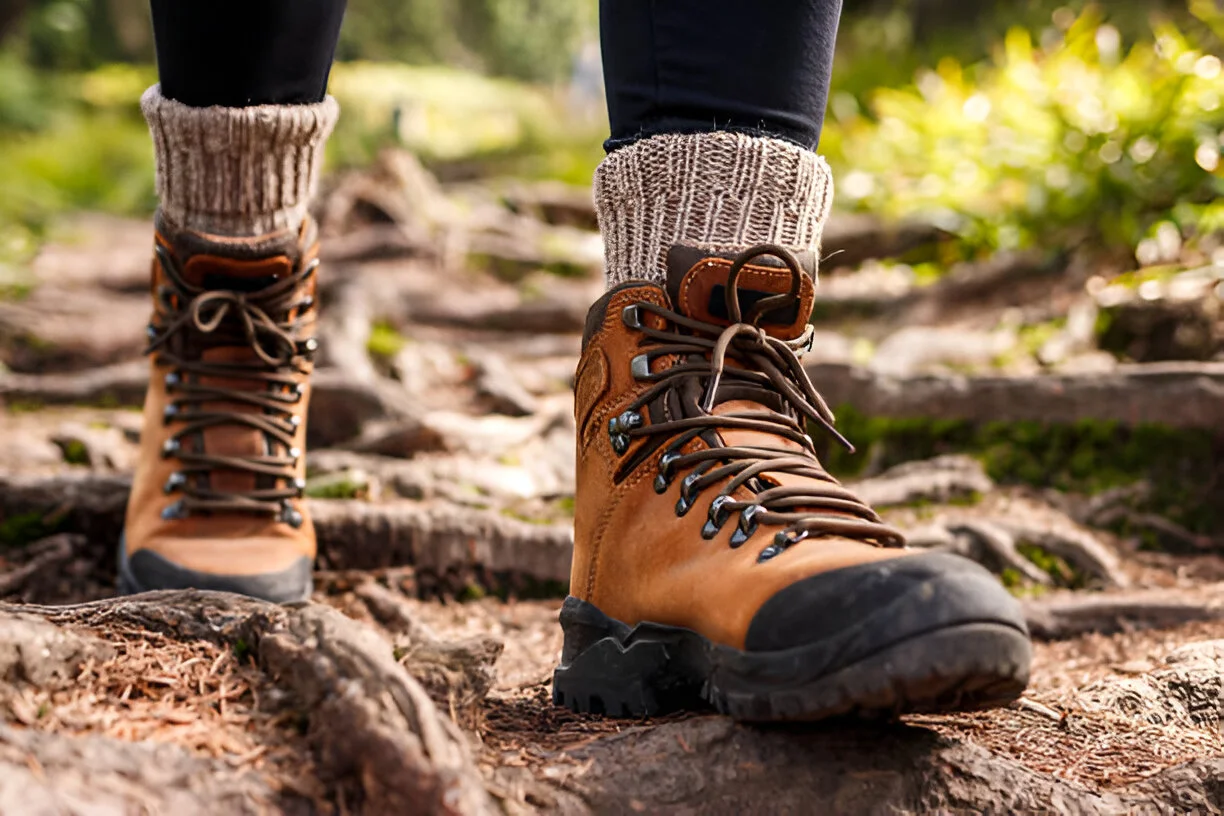
- Footwear: Well-worn-in, waterproof hiking boots. Comfortable camp shoes or sandals.
- Socks: Several pairs of warm, moisture-wicking hiking socks (wool or synthetic).
Essential Gear
- Backpack: 50-70 liter waterproof backpack.
- Daypack: 20-30 liter daypack for essentials during the day’s trek.
- Sleeping Bag: Rated to -10°C to -20°C (4-season bag).
- Trekking Poles: Highly recommended to reduce strain on knees, especially during descents.
- Headlamp: With extra batteries (essential for summit night).
- Water Bottles/Hydration Reservoir: At least 3 liters capacity. Insulated covers are useful in cold.
- Sun Protection: High SPF sunscreen, lip balm with SPF, sunglasses.
- Personal First-Aid Kit: Include personal medications, blister treatment, pain relievers, antiseptic wipes.
- Toiletries: Biodegradable soap, toothbrush, toothpaste, wet wipes.
- Snacks: High-energy snacks (nuts, dried fruit, energy bars).
- Camera and Power Bank.
- Passport, Visa, and Travel Insurance documents.
Comfort Items for Over 60s
- Extra Padding: Consider an extra sleeping pad for added comfort.
- Comfortable Camp Clothing: Warm trousers and a comfortable shirt for evenings.
- Hand Warmers: Disposable hand warmers can be a lifesaver on summit night.
- A Good Book or Journal: For downtime at camp.
The Role of Guides and Support Crew
Your guides and support crew are your lifeline on Kilimanjaro. For climbers over 60, their experience and attentiveness are invaluable.
Experienced Guides
Top Guide Adventures employs guides who are not only knowledgeable about the mountain and its routes but also trained in high-altitude medicine and first aid. They are skilled at:
- Assessing climber health and identifying early signs of AMS.
- Pacing the group appropriately, ensuring everyone maintains a ‘pole pole’ rhythm.
- Providing encouragement and support, especially during challenging moments.
- Managing logistics and ensuring your safety throughout the trek.
Support Crew (Porters and Cooks)
Our porters carry the bulk of the equipment, allowing you to focus on your climb. Cooks prepare nutritious meals to keep your energy levels up. The entire team works together to ensure a comfortable and successful expedition.
Tipping Your Crew
Tipping is customary and greatly appreciated on Kilimanjaro. Your tour operator will provide guidelines on recommended tipping amounts for guides, assistant guides, cooks, and porters. This is an important part of supporting the local economy and acknowledging the hard work of the crew.
Making Your Kilimanjaro Climb a Reality in 2026-2027
Planning your Kilimanjaro climb for the 2026 or 2027 seasons involves booking, preparation, and anticipating an incredible adventure. The best times to climb are during the dry seasons: January-March and June-October. These periods offer more stable weather and clearer skies.
Booking Your Climb with Top Guide Adventures
When you’re ready to book your Kilimanjaro climb, especially considering the best route for climbers over 60, Top Guide Adventures is here to assist. We offer personalized itineraries and can advise on the most suitable route based on your fitness, experience, and preferences.
- Consultation: We provide detailed consultations to help you choose the best route and itinerary for your needs.
- Itinerary Customization: While we recommend longer routes, we can adjust itineraries to ensure optimal acclimatization and comfort.
- Logistics: We handle all necessary permits, park fees, transportation, and accommodation arrangements.
- Pre-Trip Support: We offer extensive pre-trip information and support to ensure you are fully prepared.
Preparing for the 2026-2027 Seasons
Booking in advance is advisable, especially for peak seasons in 2026 and 2027, as popular routes and dates can fill up. Early booking allows ample time for physical training and ensures you secure your preferred dates.
Investment in Your Kilimanjaro Adventure
The cost of a Kilimanjaro climb varies based on the route, duration, group size, and operator. For the best Kilimanjaro routes for climbers over 60, such as the 8-day Lemosho or 9-day Northern Circuit with Top Guide Adventures, expect a price range that reflects the extended duration, higher quality service, and increased safety measures. While specific quotes are best obtained directly, these longer, more comfortable routes typically range from $2,500 to $4,000+ per person. This investment covers park fees, crew wages, food, accommodation on the mountain, and essential safety equipment. We are committed to providing excellent value for your adventure in 2026 and 2027.
Get a personalized quote for your 2026-2027 Kilimanjaro climb:
- WhatsApp: +255 616 946 642
- Email: topguideadventures@gmail.com
- Website: Top Guide Adventures
Conclusion: Your Kilimanjaro Dream is Achievable
Climbing Mount Kilimanjaro is a remarkable achievement at any age, and for those over 60, it’s a testament to spirit and determination. By choosing the right route, preparing diligently, and partnering with an experienced and caring operator like Top Guide Adventures, you can make your dream of summiting Africa’s highest peak a reality. The Lemosho Route (8 days) and the Northern Circuit Route (9-10 days) offer the best acclimatization and comfort, significantly increasing your chances of success and enjoyment. We are passionate about helping you plan and execute an unforgettable Kilimanjaro adventure for 2026-2027. Don’t let age be a barrier; let it be an inspiration. Contact us to start planning your journey today!
Check Availability for Best Kilimanjaro Route For Climbers Over 60: Expert Guide 2026-2027
Ready to compare dates, prices, and the best option for your group? Send the package name and travel month so the team can reply with a clear quote, availability, and what is included.
Reasons Climbers Regret Choosing A Short Kilimanjaro Route | Top Guide
Many Kilimanjaro climbers opt for shorter routes to save time or money, only to later regret their decision. This article details the common pitfalls of short routes, focusing on...
View package details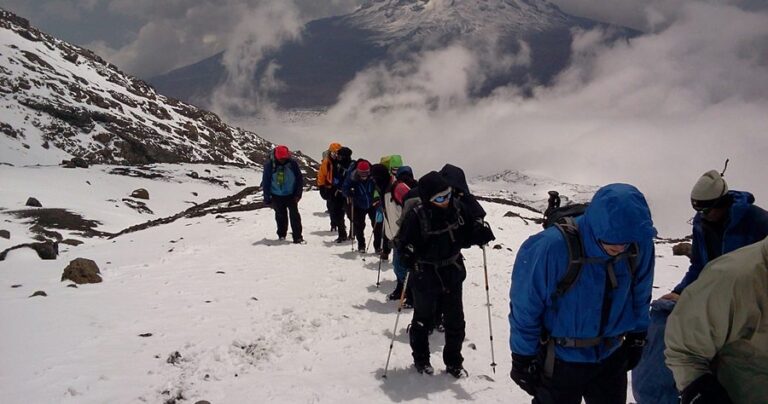
Kilimanjaro Tipping Mistakes And Etiquette: A Comprehensive Guide For Climbers
Navigating Kilimanjaro tipping can be confusing. This guide details common mistakes and proper etiquette for tipping your support crew, ensuring fair compensation and a positive experience...
View package details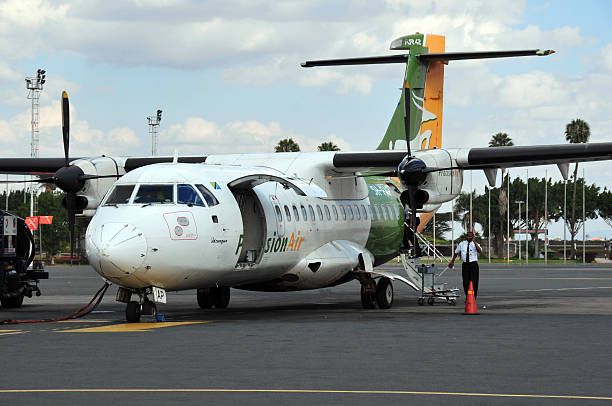
Kilimanjaro Route-Selection Mistakes 2026-2027
Kilimanjaro Route-Selection Mistakes is explained with current 2026-2027 planning, price, itinerary and booking information.
View package details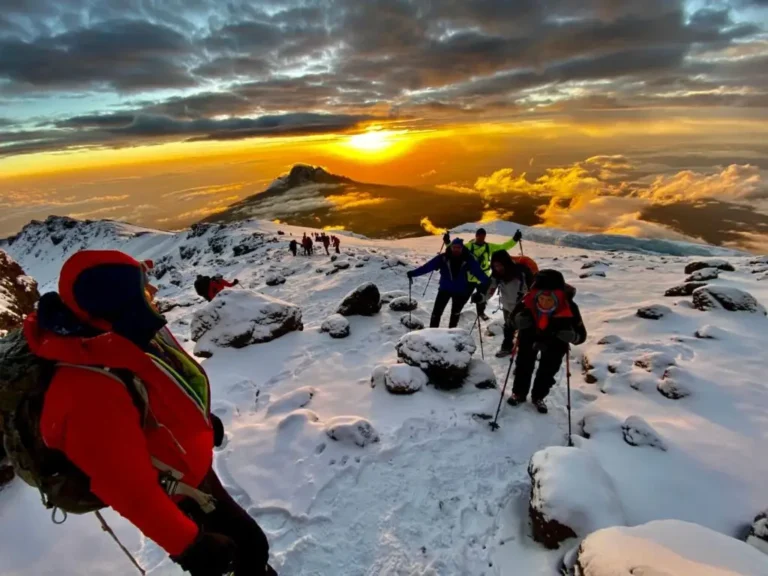
Kilimanjaro Layering Mistakes That Leave Climbers Cold: Expert Guide 2026-2027
Discover the common Kilimanjaro layering mistakes that can lead to discomfort and hypothermia. This guide provides essential tips on choosing the right gear and layering system to ensure...
View package details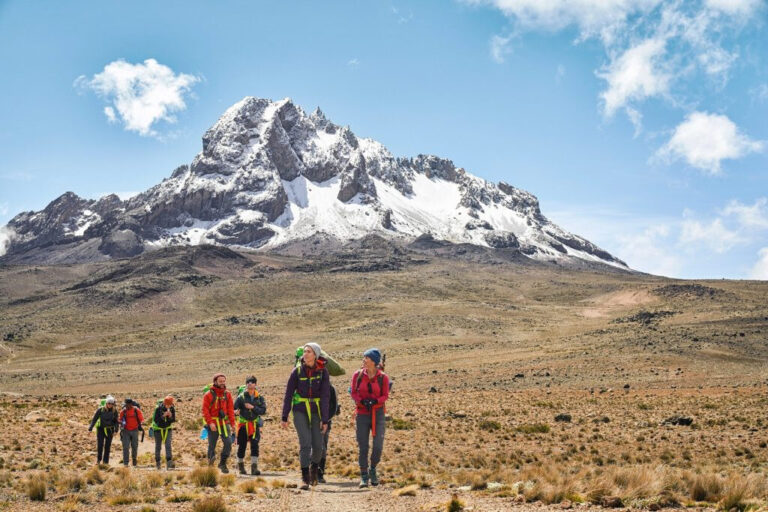
Kilimanjaro Local Operator Vs. Overseas Travel Agent: Your Ultimate Climbing
Deciding who to book your Kilimanjaro climb with is crucial. This guide compares local Tanzanian operators against overseas travel agents, detailing the pros and cons of each for your...
View package details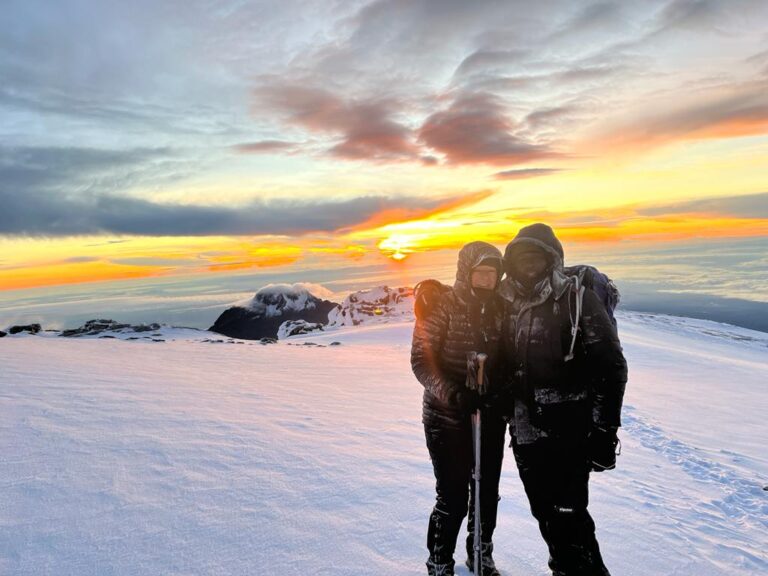
Barafu Camp Vs Kosovo On Kilimanjaro: A Definitive Comparison For Climbers
A detailed comparison of Barafu Camp and Kosovo Camp on Kilimanjaro, helping climbers decide which high-altitude staging post is best for their 2026-2027 ascent.
View package details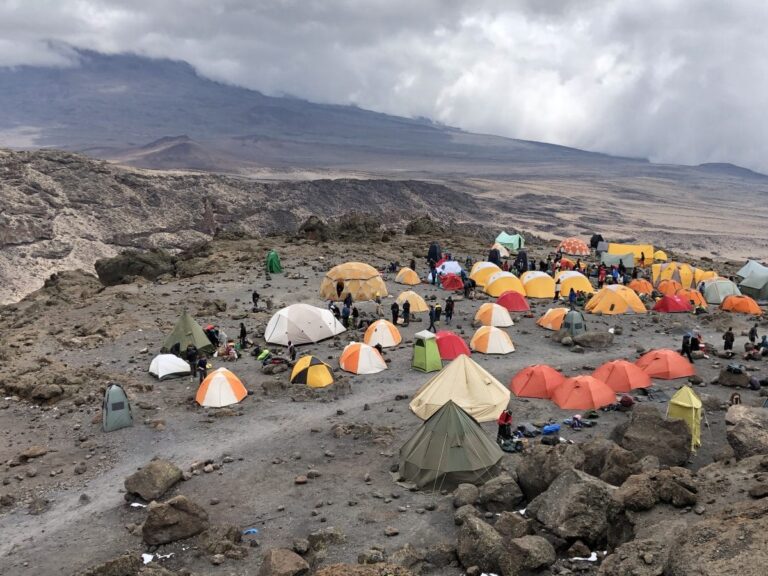
Kilimanjaro Travel Insurance For Travellers Over 65 In 2026-2027
Climbing Kilimanjaro over 65? This guide covers essential travel insurance for seniors, detailing coverage needs, policy types, and how to find the right policy for your 2026-2027 adventure.
View package details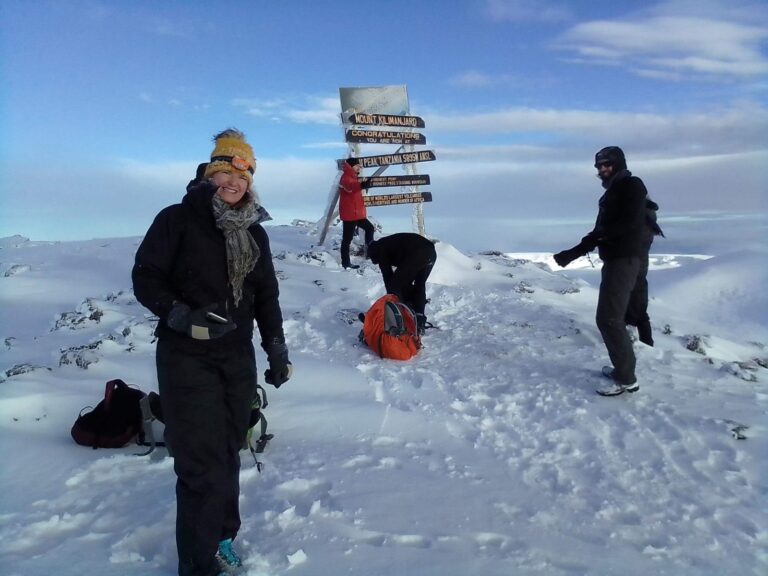
Kilimanjaro Medical Preparation For Older Climbers: Essential Guide 2026-2027
Climbing Kilimanjaro is achievable for older adventurers with thorough medical preparation. This guide covers essential health checks, fitness strategies, altitude acclimatization, and...
View package details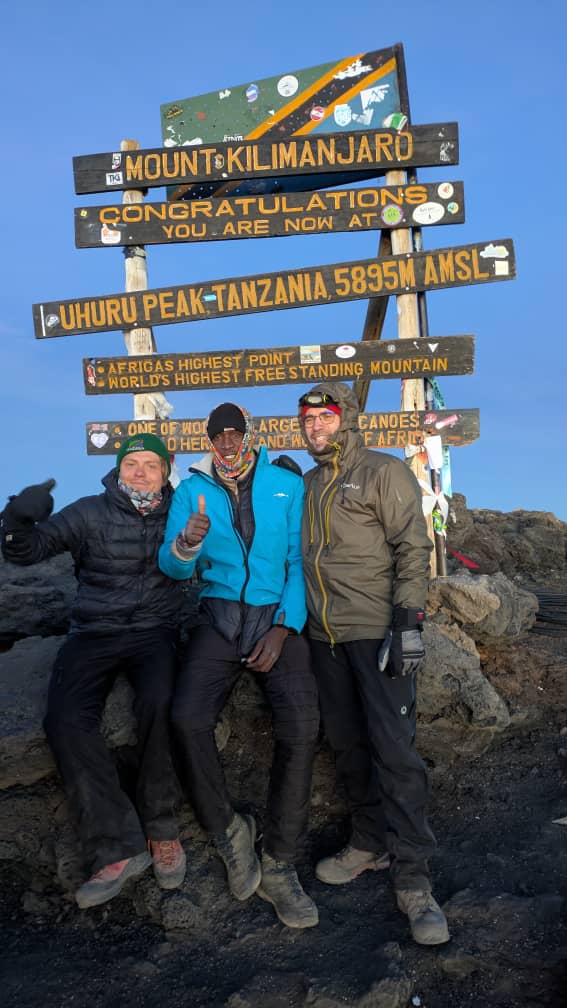
How Altitude Affects Younger Kilimanjaro Climbers In 2026-2027
Climbing Kilimanjaro presents unique challenges, especially for younger trekkers. This guide details how altitude affects them, covering symptoms, risks, preparation, and essential safety...
View package details
Kilimanjaro Training Plan For Teen Climbers: Summit Success In 2026-2027
Prepare your teen for the ultimate adventure with a detailed Kilimanjaro training plan. This guide covers physical conditioning, mental readiness, essential gear, and acclimatization...
View package details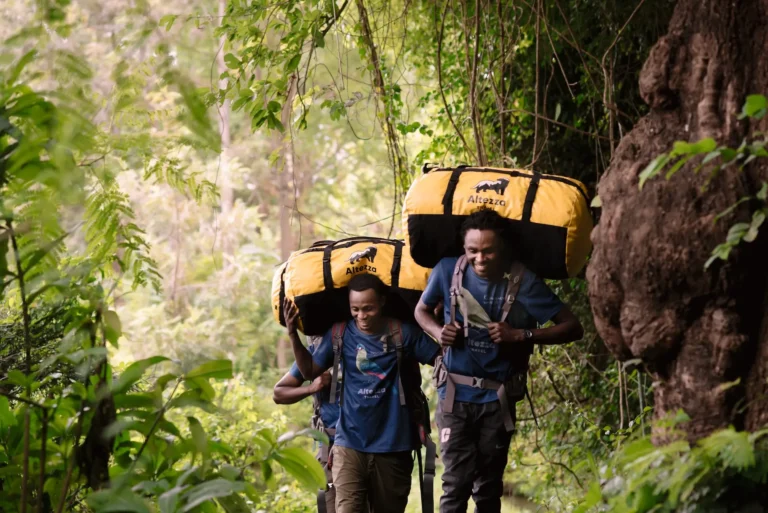
Best Kilimanjaro Route For Teenagers 2026-2027
Best Kilimanjaro Route for Teenagers is explained with current 2026-2027 planning, price, itinerary and booking information.
View package details
Kilimanjaro National Park Conservation Fees Explained For Climbers 2026-2027
Climbing Mount Kilimanjaro involves understanding various conservation fees essential for park maintenance and climber safety. This guide breaks down the current fee structure for...
View package detailsNo related package matches those filters. Clear one or more filters to see the other topic-matched options.



