
Kilimanjaro medical preparation for older climbers in 2026-2027 involves a proactive approach focusing on comprehensive pre-trip health assessments, tailored fitness training, understanding and managing altitude sickness, and selecting appropriate gear and support. While age is not a barrier, older climbers benefit significantly from consulting their physician, building cardiovascular and strength endurance, and choosing reputable operators who prioritize safety and acclimatization, particularly on longer routes.
Understanding Kilimanjaro for the Mature Adventurer
Mount Kilimanjaro, Africa’s highest peak, stands as a beacon for adventurers worldwide. For older climbers, the allure of reaching its summit is often matched by a natural concern regarding physical demands and potential health risks. However, with meticulous planning and preparation, climbing Kilimanjaro is an entirely achievable goal for individuals well into their 50s, 60s, and beyond. The key lies in understanding that while the mountain’s technical difficulty is low, its altitude presents a significant physiological challenge that requires specific attention, especially for those who may have experienced age-related changes in their health.
This comprehensive guide is designed to address the unique aspects of Kilimanjaro medical preparation for older climbers planning their ascent for the 2026 or 2027 climbing seasons. We will explore the critical steps you need to take, from consulting your doctor to packing the right equipment, ensuring your Kilimanjaro adventure is both successful and safe.
The Cornerstone: Pre-Trip Medical Consultation
The most crucial step for any older climber is to schedule a thorough medical examination with your primary care physician or a travel medicine specialist well in advance of your planned expedition. For a Kilimanjaro climb in 2026 or 2027, this consultation should ideally occur at least three to six months prior to your departure date. This allows ample time to address any potential health issues, make necessary lifestyle adjustments, and obtain any required medical clearance or prescriptions.
Key Discussion Points with Your Doctor:
- Cardiovascular Health: Discuss any history of heart conditions, high blood pressure, or related concerns. Kilimanjaro’s altitude significantly stresses the cardiovascular system, making this a primary focus.
- Respiratory Health: Evaluate lung function, especially if you have a history of asthma, COPD, or other respiratory ailments. Altitude can exacerbate breathing difficulties.
- Joint Health and Mobility: Older climbers may experience joint pain or reduced mobility. Discuss any concerns related to knees, hips, or ankles, as the descent can be particularly taxing on these joints.
- Medication Review: Ensure all current medications are suitable for travel and high altitudes. Your doctor can advise on potential interactions and provide prescriptions for necessary travel medications.
- Vaccinations and Preventative Care: Confirm you are up-to-date on routine vaccinations and discuss any recommended travel-specific immunizations for Tanzania.
- Chronic Conditions Management: If you manage conditions like diabetes, thyroid issues, or sleep apnea, discuss how to best manage them during the trek and at altitude.
Your doctor may recommend specific tests, such as an EKG, stress test, or pulmonary function tests, depending on your medical history and fitness level. Be open and honest about your Kilimanjaro climbing aspirations; your doctor is your greatest ally in ensuring you are physically prepared.
Doctor’s Note for Kilimanjaro Climbers
Always obtain a written note from your physician stating you are fit to travel and undertake strenuous physical activity at high altitudes. This document can be invaluable, especially if you require specific medications or have a pre-existing condition that might raise questions from tour operators or medical personnel. Keep a copy with your travel documents and inform your tour operator of any significant medical conditions beforehand.
Tailoring Your Fitness Regimen for Kilimanjaro
Fitness is paramount for a successful Kilimanjaro climb, and for older climbers, a tailored, progressive training program is essential. The goal is not to become an elite athlete but to build the endurance, strength, and resilience needed for prolonged days of walking uphill and downhill at altitude. Begin your training at least four to six months before your expedition date, ideally starting in late 2025 for a 2026 climb or mid-2026 for a 2027 adventure.
Cardiovascular Endurance: The Foundation
Your training should prioritize activities that build sustained aerobic capacity. The sustained effort required on Kilimanjaro mimics long hikes. Aim for at least three to four cardio sessions per week.
- Hiking: This is the most relevant training. Start with shorter hikes on varied terrain (hills, stairs) and gradually increase the duration, distance, and elevation gain. For a Kilimanjaro climb, aim to comfortably hike for 6-8 hours with a loaded backpack.
- Brisk Walking: Excellent for building a base level of fitness. Include incline training on treadmills or outdoor hills.
- Cycling: Both outdoor and stationary cycling are effective for cardiovascular health.
- Swimming: A low-impact option that builds excellent aerobic fitness without stressing joints.
Strength Training: Supporting Your Body
Strength training focuses on building muscle power and endurance, particularly in the legs, core, and back, which are crucial for carrying a daypack and navigating uneven terrain. Incorporate strength training two to three times per week.
- Legs: Squats, lunges, calf raises, step-ups (especially with weight).
- Core: Planks, Russian twists, leg raises. A strong core stabilizes your body and reduces the risk of back strain.
- Upper Body: Rows, push-ups (modified if necessary) to help with carrying your pack and maintaining posture.
Flexibility and Balance: Preventing Injury
Maintaining flexibility and balance can prevent falls and reduce muscle soreness. Incorporate stretching, yoga, or Pilates into your routine.
- Stretching: Focus on hamstrings, quadriceps, calves, hips, and back.
- Yoga/Pilates: Excellent for improving core strength, balance, and flexibility.
Simulating the Climb: Practice Hikes
The most effective training involves simulating the actual climb as closely as possible. This means:
- Back-to-back hikes: If possible, undertake long hikes on consecutive days to prepare your body for sustained exertion over multiple days.
- Carrying a pack: Train with the daypack you intend to use, gradually increasing its weight to simulate carrying water, snacks, and extra layers.
- Altitude simulation (where available): Some gyms offer altitude training rooms. While not a substitute for real altitude, it can help your body adapt to lower oxygen levels.
Remember to listen to your body. Rest and recovery are as important as the training itself. Gradually increase intensity and duration to avoid injury and burnout.
Key Training Principle: Progressive Overload
The principle of progressive overload is vital. This means gradually increasing the demands on your body over time. Whether it’s distance, duration, weight, or elevation, small, consistent increases will build the necessary physical resilience for your Kilimanjaro climb in 2026 or 2027.
Altitude Sickness: Understanding and Mitigation
Altitude sickness (Acute Mountain Sickness – AMS) is the most significant health risk on Kilimanjaro. It occurs when the body fails to adjust quickly enough to the reduced oxygen levels at higher elevations. While it can affect anyone regardless of age or fitness, older climbers might have pre-existing conditions that could make them more susceptible or complicate recovery. Understanding the symptoms and employing effective mitigation strategies is paramount for Kilimanjaro medical preparation.
Symptoms of Altitude Sickness:
Symptoms typically appear within 12-24 hours of ascending to a higher altitude and can range from mild to severe. Recognizing these early is critical:
- Mild AMS: Headache (most common), nausea, dizziness, fatigue, loss of appetite, difficulty sleeping.
- Moderate AMS: Worsening headache, persistent nausea and vomiting, increased fatigue, shortness of breath even at rest, reduced coordination (ataxia).
- Severe AMS: Severe headache, inability to walk or stand, confusion, disorientation, severe shortness of breath, coughing up frothy sputum, chest tightness, signs of fluid in the lungs (HAPE) or brain (HACE – High Altitude Cerebral Edema).
Prevention and Management Strategies:
The primary rule for managing altitude sickness is: “Climb high, sleep low.” This means ascending to a higher altitude during the day and descending to a lower altitude to sleep. However, on Kilimanjaro, this isn’t always practical due to fixed camps. Therefore, the most effective strategies are:
- Slow Ascent Rate: Choose a longer route (e.g., 7-8 days) that allows for a gradual ascent. This gives your body more time to acclimatize. The Machame, Lemosho, and Northern Circuit routes are excellent choices for acclimatization.
- Hydration: Drink plenty of fluids – at least 3-4 liters per day. Water, herbal teas, and electrolyte drinks are beneficial. Avoid alcohol and excessive caffeine, which can dehydrate you.
- Proper Nutrition: Eat regular, high-carbohydrate meals. Your body uses more energy at altitude.
- Rest and Avoid Exertion: Conserve your energy. Avoid strenuous activity unless necessary.
- Ascend Slowly: Do not ascend too quickly. Follow your guide’s pace, which is usually very slow and steady.
- Monitor Symptoms: Pay close attention to how you feel. Communicate any symptoms to your guide immediately, even if they seem minor.
Medications for Altitude Sickness:
Diamox (Acetazolamide) is the most commonly prescribed medication to help prevent and treat altitude sickness. It works by speeding up acclimatization. Your doctor can prescribe this for you. It’s crucial to start taking it a day or two before ascending and continue during the climb. Discuss potential side effects (e.g., tingling extremities, increased urination) with your doctor.
When to Descend
The only definitive treatment for moderate to severe altitude sickness is immediate descent. If symptoms worsen or do not improve with rest at the current altitude, you must descend. Do not attempt to push through. Your guide will assess your condition and make the final decision, prioritizing your safety above all else. This is a critical aspect of Kilimanjaro medical preparation for all climbers, especially older ones.
Choosing the Right Kilimanjaro Route for Older Climbers
The route you choose significantly impacts your acclimatization rate, overall enjoyment, and success probability. For older climbers, prioritizing longer routes with better acclimatization profiles is highly recommended for 2026-2027 expeditions.
Recommended Routes for Optimal Acclimatization:
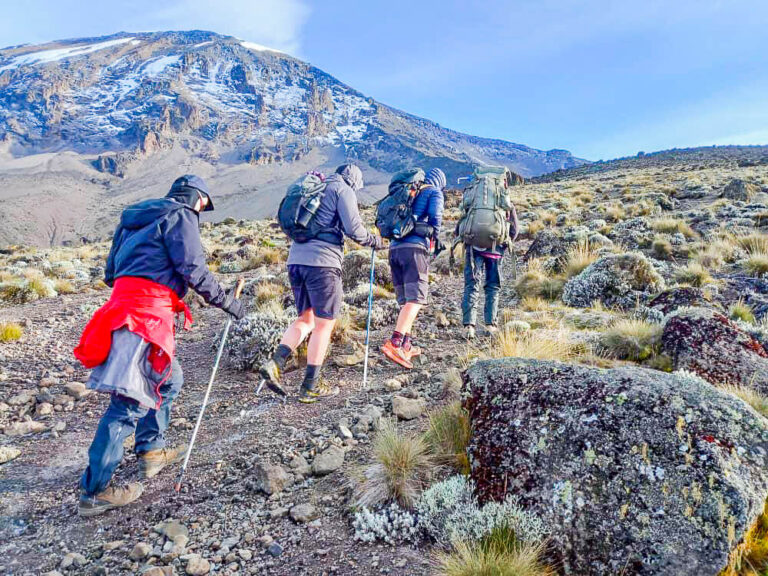
- Lemosho Route (7-8 days): Widely considered one of the best routes for acclimatization due to its gradual ascent and scenic beauty. The 8-day option offers an extra day for acclimatization, significantly increasing success rates.
- Northern Circuit (9 days): The longest route, offering the best acclimatization profile. It circles the mountain, providing incredible views and a very slow, steady ascent. This is often the top choice for older climbers or those seeking a more relaxed pace.
- Machame Route (7 days): A popular and scenic route that is also well-regarded for acclimatization, especially the 7-day variation. It offers excellent opportunities to “climb high, sleep low.”
Routes to Consider with Caution:
- Marangu Route (5-6 days): Known as the “Coca-Cola route,” it’s the only route with hut accommodations. However, its rapid ascent profile means poorer acclimatization, leading to lower success rates, especially for older climbers. The 6-day option is slightly better but still challenging.
- Rongai Route (6-7 days): Approaches from the north, which can be drier. While decent, its acclimatization is not as superior as Lemosho or Northern Circuit.
For your 2026 or 2027 Kilimanjaro adventure, we strongly advise selecting a minimum of 7 days, and ideally 8 or 9 days, to maximize your chances of reaching the summit comfortably and safely. Top Guide Adventures specializes in tailoring itineraries to suit individual needs, including those of mature adventurers. Learn more about our Machame Route options, which are often a fantastic balance of challenge and acclimatization.
Sample 8-Day Lemosho Itinerary Structure (Focus on Acclimatization)
- Day 1: Arrive in Moshi, transfer to hotel.
- Day 2: Drive to Londorossi Gate, trek to Mti Mkubwa Camp (approx. 2,100m).
- Day 3: Trek to Shira 1 Camp (approx. 3,500m).
- Day 4: Trek to Shira 2 Camp (approx. 3,850m).
- Day 5: Trek towards Lava Tower, descend to Barranco Camp (approx. 3,950m) – “Climb high, sleep low”.
- Day 6: Barranco Wall climb, trek to Karanga Camp (approx. 4,000m).
- Day 7: Trek to Barafu Camp (approx. 4,600m).
- Day 8: Summit night (Uhuru Peak, 5,895m), descend to Mweka Camp (approx. 3,100m).
- Day 9: Trek to Mweka Gate, transfer to Moshi.
This extended itinerary highlights the importance of gradual ascent and acclimatization days, crucial for successful Kilimanjaro medical preparation for older climbers.
Essential Gear and Clothing for Comfort and Safety
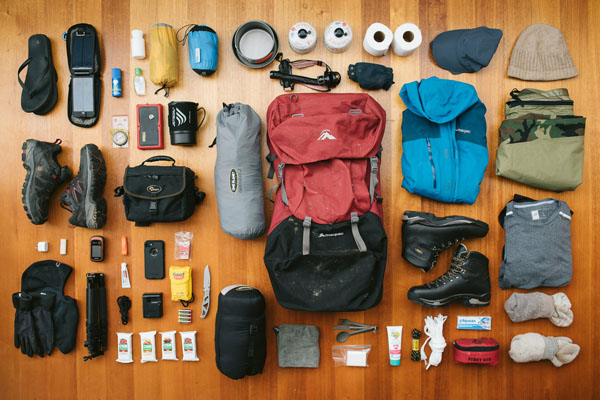
The right gear is not just about comfort; it’s about safety, especially at extreme altitudes and in varying weather conditions. For older climbers, ensuring warmth, proper fit, and ease of use is paramount. Investing in quality gear for your 2026-2027 Kilimanjaro climb is a wise decision.
Layering System: The Key to Temperature Regulation
The mountain’s weather can change rapidly, from hot and humid at the base to freezing and windy at the summit. A good layering system allows you to adapt:
- Base Layer: Moisture-wicking thermal underwear (merino wool or synthetic). Avoid cotton.
- Mid Layer: Fleece jacket or down vest for insulation.
- Outer Layer: Waterproof and windproof jacket and trousers (Gore-Tex or similar).
Footwear: The Most Critical Item
Your feet will carry you to the summit. Ensure they are well-protected and comfortable.
- Boots: Sturdy, waterproof, broken-in hiking boots with good ankle support. Make sure they fit well with your hiking socks. Consider trying them on with the socks you’ll use.
- Socks: Several pairs of warm, moisture-wicking hiking socks (wool or synthetic). Liner socks can help prevent blisters.
- Camp Shoes: Comfortable, warm shoes or sandals for evenings at camp.
Headwear and Handwear: Protecting Extremities
Extremities are prone to cold injury.
- Hat: A warm, insulated hat that covers your ears. A sun hat for lower altitudes.
- Gloves: Thin liner gloves and a pair of warm, waterproof outer gloves or mittens.
- Balaclava/Buff: For protecting your face and neck from wind and cold.
Sleeping Gear: Ensuring Rest
- Sleeping Bag: A 4-season sleeping bag rated to at least -10°C (0°F). Many operators provide these, but check specifications.
- Sleeping Pad: For insulation and comfort.
Other Essential Items:
- Backpack: A comfortable daypack (30-40 liters) for carrying essentials during the day.
- Trekking Poles: Highly recommended, especially for older climbers. They reduce strain on knees and hips, particularly during the descent.
- Headlamp: With extra batteries. Essential for summit night.
- Sunglasses: High UV protection.
- Sunscreen and Lip Balm: High SPF.
- Water Bottles/Hydration Reservoir: At least 2-3 liters capacity. Insulated covers are useful to prevent freezing.
- Toiletries: Including wet wipes, hand sanitizer.
- Personal First-Aid Kit: Including blister treatment, pain relievers, any personal medications.
Gear Checklist Summary for Older Climbers
- Layering: Base, mid, and waterproof outer layers.
- Footwear: Broken-in, waterproof boots; multiple pairs of warm socks.
- Extremities: Warm hat, gloves (liners + waterproof), balaclava.
- Support: Trekking poles are a must.
- Safety: Headlamp, sunglasses, sunscreen, personal first-aid.
- Comfort: Sleeping bag, pad, camp shoes.
Ensure all gear is comfortable and well-fitting before your climb. Test your boots and pack on training hikes.
Nutrition and Hydration on the Mountain
Proper nutrition and hydration are critical for maintaining energy levels and aiding acclimatization. At altitude, appetite can decrease, and digestion may slow down. Tailoring your intake is key for Kilimanjaro medical preparation.
Hydration Strategy:
- Aim for 3-4 liters daily: This includes water, herbal teas, and electrolyte drinks.
- Sip frequently: Don’t wait until you’re thirsty.
- Avoid dehydration: Symptoms like headache and fatigue can mimic altitude sickness.
- Electrolytes: Especially important if you are sweating a lot or experiencing nausea.
- Warm drinks: Can be more appealing at higher, colder altitudes.
Nutrition Strategy:
- High Carbohydrate Diet: Carbohydrates are the body’s preferred fuel source at altitude. Focus on complex carbohydrates like oats, rice, pasta, and bread.
- Frequent Small Meals: If your appetite is low, eat smaller, more frequent meals rather than large ones.
- Listen to Your Body: Eat what you can tolerate. Don’t force yourself to eat heavy foods if you feel nauseous.
- Snacks: Carry high-energy snacks like nuts, dried fruit, energy bars, and chocolate for on-the-go fuel.
- Dietary Restrictions: Inform your tour operator well in advance of any dietary needs or allergies. Reputable companies like Top Guide Adventures can cater to most requirements.
Many climbers find their appetite significantly reduced at higher altitudes. Focus on easily digestible, energy-dense foods. Your guides will provide three meals a day, but having your own snacks is essential for maintaining energy reserves.
Mental Preparedness: The Psychological Aspect
Climbing Kilimanjaro is as much a mental challenge as a physical one. For older climbers, mental fortitude combined with a realistic outlook is crucial. The altitude, the cold, the fatigue, and the sheer duration of the trek can be mentally taxing.
- Set Realistic Expectations: Understand that summiting is not guaranteed. The goal is to have a safe and enjoyable experience. Focus on the journey and the accomplishment of reaching as high as you safely can.
- Positive Mindset: Maintain a positive attitude. Challenges will arise, but a positive outlook helps in overcoming them.
- Patience: The pace on Kilimanjaro is slow. Embrace it. It allows your body to acclimatize and conserves energy.
- Trust Your Guides: Your guides are experienced professionals. Trust their judgment regarding pace, safety, and your health.
- Visualize Success: Imagine yourself reaching the summit and the feeling of accomplishment.
Mental resilience can be built through consistent training and by practicing mindfulness or meditation techniques. The ability to stay calm and focused under pressure is a significant asset on summit night.
Specific Health Considerations for Older Climbers
Beyond general preparation, older climbers should be particularly aware of certain age-related health aspects that can be amplified by high altitude.
Joint Health and Mobility:
As mentioned, joint issues can be a concern. Trekking poles are indispensable for reducing impact on knees and hips. Ensure your boots provide excellent support. If you have specific joint pain, discuss it with your doctor and consider gentle exercises to strengthen the surrounding muscles.
Sleep Disturbances:
Altitude can disrupt sleep patterns. This can exacerbate fatigue. While it’s hard to control entirely, ensuring you have a comfortable sleeping bag and pad, and managing your energy levels throughout the day can help. Some climbers find mild sleep aids helpful, but this should be discussed with your doctor.
Pre-existing Medical Conditions:
It cannot be stressed enough: thorough consultation with your doctor is vital for anyone with pre-existing conditions like diabetes, heart disease, or respiratory issues. Ensure you have enough medication for the entire trip plus a buffer, and carry it in your hand luggage. Inform your tour operator and guide about your condition.
Vision and Hearing:
While less common, significant changes in vision or hearing can affect communication and safety. Ensure any necessary aids (glasses, hearing aids) are protected and functional. Headlamps are essential for visibility, especially on summit night.
Choosing a Reputable Tour Operator
Selecting the right tour operator is a critical part of your Kilimanjaro medical preparation. A reputable company prioritizes safety, employs experienced guides, uses well-maintained equipment, and has clear emergency protocols.
What to Look For:
- Safety Record: Inquire about their safety procedures and emergency plans.
- Guide Qualifications: Guides should be certified in Wilderness First Aid and have extensive experience with high-altitude trekking and altitude sickness management.
- Route Choice: Do they recommend longer routes for better acclimatization?
- Equipment: Do they provide high-quality tents, sleeping bags (if applicable), and safety equipment like oxygen and medical kits?
- Group Size: Smaller groups often allow for more personalized attention.
- Reviews and Testimonials: Look for reviews from other older climbers or those who value safety and support.
Top Guide Adventures is committed to providing safe and memorable Kilimanjaro experiences for all our clients, including those seeking Kilimanjaro medical preparation for older climbers. We emphasize slower ascent rates, use experienced guides, and ensure our equipment and safety protocols meet the highest standards. We are proud of our client satisfaction, as seen on TripAdvisor. We are ready to help you plan your 2026 or 2027 climb.
Planning Your Kilimanjaro Expedition for 2026-2027
As you finalize your plans for a 2026 or 2027 Kilimanjaro climb, remember that thorough Kilimanjaro medical preparation for older climbers is not just about avoiding problems; it’s about enhancing your experience. A well-prepared body and mind lead to greater enjoyment, increased confidence, and a higher likelihood of reaching your summit goal.
Key Planning Milestones:
- 12+ Months Out: Research routes and operators. Begin general fitness training.
- 6-9 Months Out: Schedule your doctor’s consultation. Book your chosen route and operator.
- 3-6 Months Out: Intensify your specific training program. Purchase essential gear.
- 1-2 Months Out: Break in your hiking boots. Pack your bags. Confirm all travel arrangements.
- 1-2 Weeks Out: Final medical check-up if needed. Rest and light activity.
Choosing a longer route like the 8-day Lemosho or the 9-day Northern Circuit for your 2026 or 2027 ascent will provide the best acclimatization. This is a critical factor in successful Kilimanjaro medical preparation for older climbers.
The Summit Night Experience
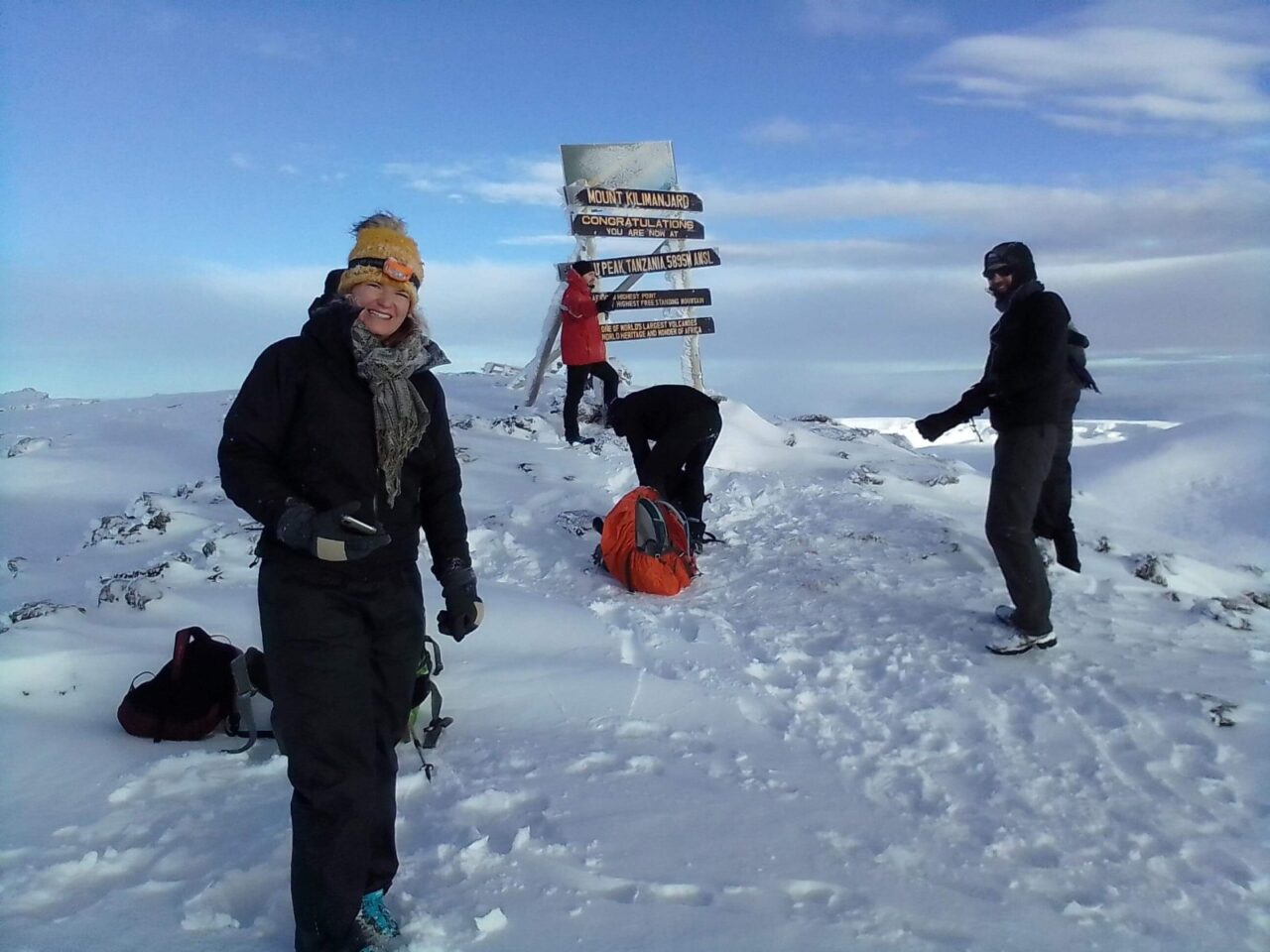
Summit night is the most challenging part of the climb. It typically begins around midnight from Barafu Camp (around 4,600m) and involves ascending thousands of feet in the dark, cold, and low-oxygen environment to reach Uhuru Peak (5,895m) for sunrise. For older climbers, this requires maximum physical and mental reserves.
- Pace Yourself: Your guide will set a very slow, steady pace. “Pole, pole” (slowly, slowly) is the mantra.
- Stay Hydrated and Fueled: Sip water frequently and take small bites of high-energy snacks.
- Monitor Symptoms: Be vigilant for any signs of altitude sickness. Communicate immediately with your guide.
- Warmth: Wear all your layers. The temperature can drop well below freezing, with wind chill making it feel even colder.
- Headlamp: Essential for visibility. Ensure it’s bright and you have spare batteries.
The descent from the summit is also challenging and can be harder on the knees and legs than the ascent. Take your time and use your trekking poles effectively.
Post-Climb Recovery
After successfully completing your Kilimanjaro climb, allowing for adequate recovery is important. Your body will be fatigued. Ensure you have a few days to rest and rehydrate before resuming strenuous activities or long travel home. Listen to your body and don’t rush back into your normal routine.
Conclusion: Your Kilimanjaro Dream is Within Reach
Climbing Kilimanjaro in 2026 or 2027 is a realistic and incredibly rewarding goal for older adventurers. By focusing on comprehensive Kilimanjaro medical preparation for older climbers—starting with a proactive doctor’s visit, committing to a tailored fitness plan, understanding and respecting altitude sickness, choosing an appropriate route and operator, and packing the right gear—you can significantly enhance your chances of a safe, successful, and unforgettable journey to the Roof of Africa. At Top Guide Adventures, we are dedicated to supporting mature travelers in achieving their mountain dreams. Let us help you plan your adventure.
For inquiries about planning your 2026-2027 Kilimanjaro climb or any other Tanzanian adventure, please contact us:
- WhatsApp: +255616946642
- Email: topguideadventures@gmail.com
- Backup Email: info@topguideadventures.com
Visit our website for more information on our Tanzania travel experiences and group departure dates.
Check Availability for Kilimanjaro Medical Preparation For Older Climbers: Essential Guide…
Ready to compare dates, prices, and the best option for your group? Send the package name and travel month so the team can reply with a clear quote, availability, and what is included.
Kilimanjaro Booking Checklist For First-Time Climbers: Your Essential Guide
Planning your first Kilimanjaro climb in 2026 or 2027? This detailed checklist covers everything from choosing a route and operator to packing and acclimatization, ensuring a well-prepared...
View package details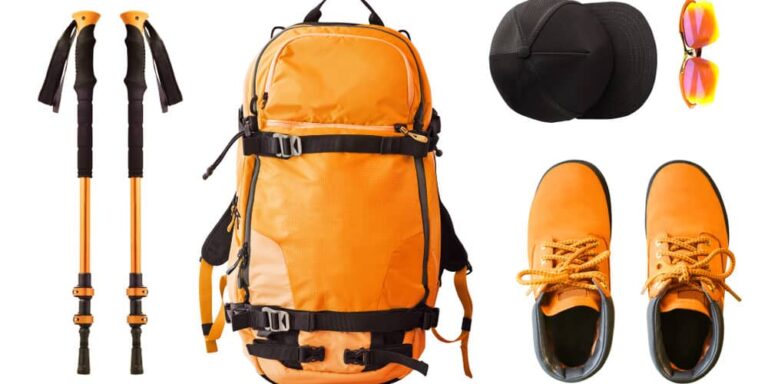
Reasons Climbers Regret Choosing A Short Kilimanjaro Route | Top Guide
Many Kilimanjaro climbers opt for shorter routes to save time or money, only to later regret their decision. This article details the common pitfalls of short routes, focusing on...
View package details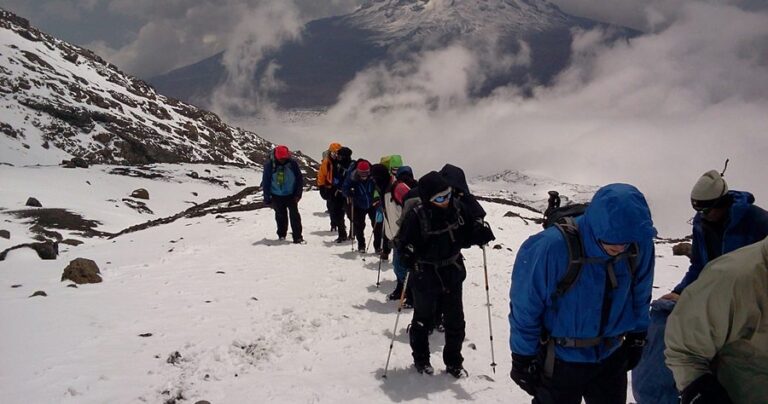
Kilimanjaro Tipping Mistakes And Etiquette: A Comprehensive Guide For Climbers
Navigating Kilimanjaro tipping can be confusing. This guide details common mistakes and proper etiquette for tipping your support crew, ensuring fair compensation and a positive experience...
View package details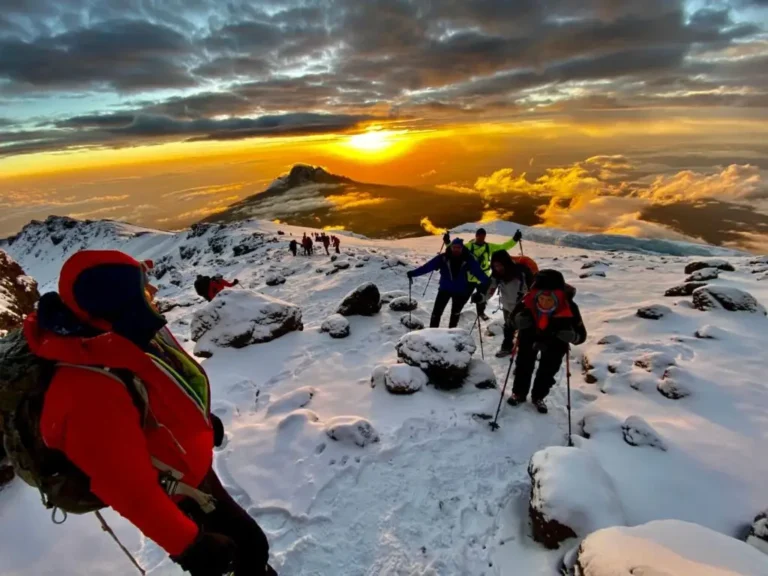
Kilimanjaro Layering Mistakes That Leave Climbers Cold: Expert Guide 2026-2027
Discover the common Kilimanjaro layering mistakes that can lead to discomfort and hypothermia. This guide provides essential tips on choosing the right gear and layering system to ensure...
View package details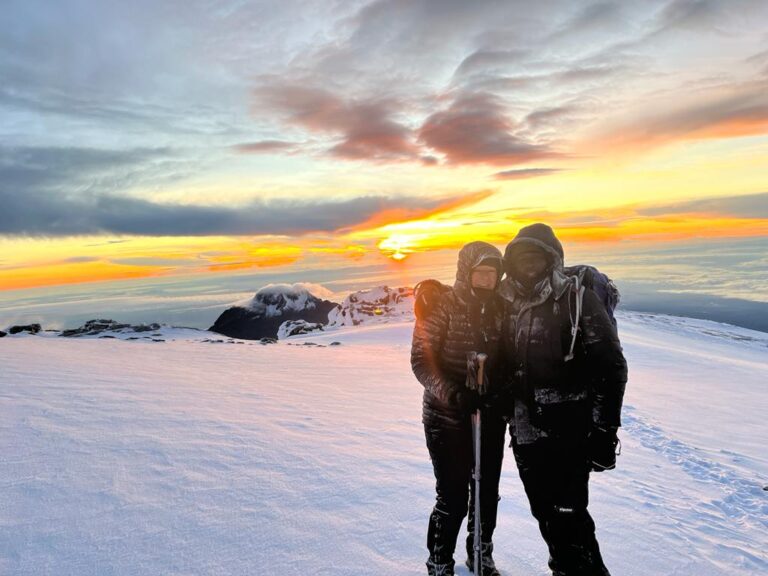
Barafu Camp Vs Kosovo On Kilimanjaro: A Definitive Comparison For Climbers
A detailed comparison of Barafu Camp and Kosovo Camp on Kilimanjaro, helping climbers decide which high-altitude staging post is best for their 2026-2027 ascent.
View package details
Kilimanjaro Summit Success Tips For Older Hikers In | Top Guide Adventures
Achieving your dream of standing on the Roof of Africa is possible at any age. This guide provides essential Kilimanjaro summit success tips specifically for older hikers, covering...
View package detailsKilimanjaro Climb With Private Medical Support Guide
Climbing Mount Kilimanjaro is a dream for many adventurers. Ensuring your safety and well-being is paramount, especially at high altitudes. A Kilimanjaro climb with private medical support...
View package detailsBest Kilimanjaro Route For Climbers Over 60: Expert Guide 2026-2027
Choosing the right Kilimanjaro route is crucial for climbers over 60. This guide details the best options, focusing on acclimatization, duration, and success rates to help you plan your...
View package details
How Altitude Affects Younger Kilimanjaro Climbers In 2026-2027
Climbing Kilimanjaro presents unique challenges, especially for younger trekkers. This guide details how altitude affects them, covering symptoms, risks, preparation, and essential safety...
View package detailsKilimanjaro Training Plan For Teen Climbers: Summit Success In 2026-2027
Prepare your teen for the ultimate adventure with a detailed Kilimanjaro training plan. This guide covers physical conditioning, mental readiness, essential gear, and acclimatization...
View package details
Kilimanjaro National Park Conservation Fees Explained For Climbers 2026-2027
Climbing Mount Kilimanjaro involves understanding various conservation fees essential for park maintenance and climber safety. This guide breaks down the current fee structure for...
View package detailsKilimanjaro Alpine Desert Ecosystem: A Comprehensive Guide For Climbers
Discover the fascinating Kilimanjaro Alpine Desert ecosystem, the harsh yet beautiful environment found above the montane forest and heath zones. This guide details its characteristics...
View package detailsNo related package matches those filters. Clear one or more filters to see the other topic-matched options.



