
Older hikers can absolutely achieve Kilimanjaro summit success by focusing on rigorous physical preparation, choosing the right route, prioritizing slow acclimatization, and maintaining mental fortitude. Key strategies include cardiovascular fitness, strength training, proper gear selection, and heeding your guide’s advice on summit night. Planning your climb for 2026 or 2027 with a reputable operator like Top Guide Adventures, who understand the specific needs of older trekkers, significantly enhances your chances of reaching Uhuru Peak safely.
Planning Your Kilimanjaro Climb as an Older Hiker: The Foundation for Success
The allure of Kilimanjaro, Africa’s highest peak, draws adventurers from all walks of life. For older hikers, the prospect of standing at 5,895 meters (19,341 feet) is an inspiring goal, and it is well within reach with the right approach. Success on Kilimanjaro, especially for those who may not have the same physiological resilience as younger climbers, hinges on meticulous planning and a deep understanding of what the mountain demands. This isn’t just about physical endurance; it’s about smart preparation, realistic expectations, and choosing the right support system.
As you consider your Kilimanjaro expedition for 2026 or 2027, remember that age is less of a barrier than preparation. Many individuals in their 50s, 60s, and even 70s have successfully summited. The critical difference often lies in the emphasis placed on specific training, acclimatization, and mindful trekking. Top Guide Adventures recognizes these nuances and tailors its support to ensure every climber, regardless of age, has the best possible chance for summit success.
Understanding Kilimanjaro: More Than Just a Walk
Kilimanjaro is not a technical climb, meaning it doesn’t require ropes or specialized climbing equipment. However, its status as the “Roof of Africa” and its sheer altitude present significant challenges. The mountain is a dormant volcano with five distinct climate zones, each presenting unique environmental conditions:
- Cultivation Zone: Lower slopes, often farmed.
- Rainforest Zone: Humid, lush vegetation, home to diverse wildlife.
- Heath and Moorland Zone: Higher, sparser vegetation, can be wet and windy.
- Alpine Desert Zone: Arid, rocky, with minimal plant life, extreme temperature fluctuations.
- Arctic Zone: Summit area, characterized by ice, snow, and extreme cold.
The most significant challenge for all hikers, but particularly for older individuals, is altitude sickness (Acute Mountain Sickness – AMS). As you ascend, the atmospheric pressure decreases, meaning less oxygen is available for your body to absorb. This can lead to symptoms ranging from mild headaches and nausea to severe, life-threatening conditions like HAPE (High Altitude Pulmonary Edema) and HACE (High Altitude Cerebral Edema).
For older hikers, the body’s ability to acclimatize might be slower, and pre-existing health conditions could be exacerbated by altitude. Therefore, a conservative approach to ascent and a strong focus on acclimatization are paramount. This guide aims to equip you with the knowledge needed to prepare thoroughly, mitigate risks, and maximize your chances of achieving Kilimanjaro summit success.
Physical Preparation: Building Your Kilimanjaro Endurance
The single most important factor for Kilimanjaro summit success, especially for older hikers, is a comprehensive and consistent physical training program. This should begin at least 3-6 months before your scheduled climb, ideally for 2026 or 2027. The goal isn’t to become an elite athlete, but to build a robust foundation of cardiovascular fitness, muscular endurance, and joint stability.
Cardiovascular Training: The Heart of Your Preparation
Your heart and lungs need to be strong enough to work efficiently in low-oxygen environments. Focus on activities that elevate your heart rate for sustained periods.
- Hiking: This is the most relevant training. Aim for at least 2-3 hikes per week, gradually increasing the duration and elevation gain. Ideally, these should be on varied terrain, including inclines and declines, to mimic Kilimanjaro’s conditions. Focus on carrying a daypack weighing 5-10 kg (10-20 lbs) during your training hikes.
- Brisk Walking/Jogging: Excellent for building aerobic base. Aim for 30-60 minutes, 3-5 times a week.
- Cycling: A low-impact option that builds leg strength and cardiovascular fitness.
- Swimming: A full-body workout that is gentle on joints.
Key Principle: Progressive Overload. Gradually increase the intensity, duration, or frequency of your workouts. For example, if you’re hiking, increase the distance by 10-15% each week, or add more elevation gain. For older hikers, listen to your body and allow for adequate recovery between sessions.
Strength Training: Supporting Your Body on the Mountain
You’ll be carrying your body weight uphill for days. Strong legs, core, and back muscles are crucial for stability, preventing injuries, and reducing fatigue. Focus on functional movements.
- Legs: Squats, lunges, calf raises, step-ups (using a sturdy bench or step). These mimic the action of climbing.
- Core: Planks, bridges, Russian twists. A strong core supports your back and improves balance.
- Back: Rows, Superman exercises. Important for carrying your daypack and maintaining posture.
- Glutes: Glute bridges, clam shells. Essential for powerful leg movement.
Aim for 2-3 strength training sessions per week, focusing on controlled movements and proper form. For older hikers, it’s advisable to consult with a physical therapist or certified personal trainer experienced with senior fitness to ensure exercises are appropriate and safe.
Flexibility and Balance: Preventing Falls and Improving Mobility
Stiffness can increase the risk of injury and make movement more difficult. Incorporate flexibility and balance exercises into your routine.
- Stretching: Focus on hamstrings, quadriceps, calves, hips, and back. Hold stretches for 20-30 seconds.
- Yoga or Pilates: Excellent for improving flexibility, core strength, and body awareness.
- Balance Exercises: Standing on one leg (progress to closing eyes), heel-to-toe walking.
Training for Summit Night
Summit night is the most demanding part of the climb. It involves hiking in the dark, often in cold temperatures, for 6-10 hours. Your training should prepare you for this:
- Practice Hiking in the Dark: Use a headlamp on some of your later training hikes to get used to navigating by artificial light.
- Simulate Cold Conditions: If possible, do some training hikes in cooler weather or wear layers to simulate the summit environment.
- Back-to-Back Hikes: If feasible, do longer hikes on consecutive days (e.g., Saturday and Sunday) to simulate the fatigue of a multi-day trek.
Important Note for Older Hikers: Listen intently to your body. If you experience pain, fatigue, or joint discomfort, rest and adjust your training. Pushing too hard can lead to injuries that derail your expedition. Consult your doctor before starting any new intense exercise program, especially if you have underlying health conditions.
Choosing the Right Kilimanjaro Route: Acclimatization is Key
Route selection is critical for Kilimanjaro summit success, particularly for older hikers. The best routes are those that allow for a slower ascent profile, promoting better acclimatization. While shorter routes might seem appealing, they significantly increase the risk of altitude sickness because you gain altitude too quickly.
For 2026 or 2027 climbs, consider these routes known for their higher success rates due to their gradual ascent:
Recommended Routes for Older Hikers:
- Lemosho Route (7-8 days): Offers stunning scenery and a gradual ascent, especially when done over 8 days. It starts on the western side, offering excellent acclimatization. The 8-day Lemosho is one of the most popular choices for those prioritizing success and experience.
- Shira Route (7-8 days): Similar to Lemosho but starts at a higher altitude. An 8-day Shira allows for good acclimatization.
- Northern Circuit (9-10 days): This is the longest route and offers the highest success rate. It circles the mountain, providing the best possible acclimatization profile and allowing climbers to experience diverse landscapes. For older hikers prioritizing comfort and success, this is often the top recommendation.
- Marangu Route (5-6 days): While popular and known for its “Coca-Cola” hut style accommodation, the 5-day Marangu route has a lower success rate due to its rapid ascent and descent. A 6-day option is better but still not ideal for acclimatization compared to Lemosho or Northern Circuit.
Routes like Machame (7 days) and Rongai (6-7 days) are also viable, but the longer durations on Lemosho, Shira, and especially the Northern Circuit are highly recommended for older trekkers aiming for summit success.
Understanding Acclimatization: The Slow and Steady Approach
Acclimatization is the process by which your body adapts to lower oxygen levels at higher altitudes. The golden rule of acclimatization is “Pole Pole” (slowly, slowly). This means walking at a pace that allows your body to keep up with the altitude gain.
- Ascend High, Sleep Low: This principle is built into longer routes. You’ll climb to a higher point during the day and then descend slightly to sleep at a lower elevation, allowing your body to recover and adapt.
- Hydration: Drink plenty of water. Aim for 3-4 liters per day. Dehydration can mimic AMS symptoms and hinder acclimatization.
- Avoid Alcohol and Caffeine: These can contribute to dehydration and interfere with sleep.
- Eat Well: Maintain your energy levels with nutritious meals.
- Listen to Your Body: Report any symptoms of AMS to your guide immediately. Early detection and management are crucial.
The Northern Circuit, typically 9 or 10 days, is the undisputed champion for acclimatization, offering the highest success rates on Kilimanjaro. Its longer duration allows for a more natural adaptation to altitude, significantly reducing the risk of AMS for all climbers, and especially benefiting older trekkers. For a 2026 or 2027 climb, investing in a longer route like the Northern Circuit is a wise decision for maximizing your chances of reaching the summit comfortably.
Gear and Equipment: Staying Comfortable and Safe
Having the right gear is non-negotiable for Kilimanjaro summit success. For older hikers, comfort and functionality are paramount. Investing in quality gear that fits well can make a significant difference in your overall experience and ability to cope with the challenging conditions.
Layering System: The Key to Temperature Regulation
Kilimanjaro’s weather can change rapidly, and you’ll experience a wide range of temperatures. A layering system allows you to adjust your clothing to stay comfortable, dry, and warm.
- Base Layer (Wicking): Synthetic or merino wool tops and bottoms that pull moisture away from your skin. Avoid cotton, which stays wet and cold.
- Mid Layer (Insulation): Fleece jacket or vest, down vest, or a lightweight puffy jacket. This layer traps body heat.
- Outer Layer (Shell): Waterproof and windproof jacket and pants. Essential for protection against rain, snow, and wind, especially at higher altitudes. Look for breathable fabrics like Gore-Tex.
Footwear: Your Most Important Gear
Your feet are your primary mode of transport. Proper footwear is critical to prevent blisters, discomfort, and potential injury.
- Hiking Boots: Sturdy, waterproof, mid-to-high cut hiking boots with good ankle support. They should be well broken-in before your trip to avoid blisters. Do not buy new boots just before your climb.
- Socks: Several pairs of moisture-wicking wool or synthetic hiking socks. Bring liner socks to help prevent blisters.
- Camp Shoes/Sandals: Lightweight footwear for use around camp to let your feet breathe.
Headwear and Handwear: Protection from the Elements
- Warm Hat: A wool or fleece hat that covers your ears.
- Sun Hat: A wide-brimmed hat for sun protection during the day.
- Balaclava or Neck Gaiter: Essential for summit night to protect your face from wind and cold.
- Gloves: A pair of lightweight liner gloves and a pair of warm, waterproof outer gloves or mittens. Mittens are generally warmer than gloves.
Other Essential Gear
- Backpack: A comfortable daypack (30-40 liters) for carrying essentials during the day (water, snacks, rain gear, camera, sunscreen).
- Sleeping Bag: A warm sleeping bag rated to at least -10°C (0°F). Down or synthetic fill.
- Headlamp: With extra batteries. Crucial for navigating in the dark, especially on summit night.
- Sunglasses: High-quality, UV-protective sunglasses.
- Sunscreen and Lip Balm: High SPF. The sun is intense at altitude.
- Trekking Poles: Highly recommended, especially for older hikers. They reduce strain on knees and hips, improve balance, and help with ascents and descents.
- Water Bottles/Hydration Reservoir: At least 3 liters capacity. Insulated covers are recommended to prevent water from freezing on summit night.
- Personal First-Aid Kit: Include blister treatment, pain relievers, antiseptic wipes, and any personal medications.
- Toiletries: Biodegradable soap, toothbrush, toothpaste, wet wipes.
Rental Gear: Many tour operators, including Top Guide Adventures, offer rental of certain items like sleeping bags, trekking poles, and warm jackets. This can be a cost-effective option, but ensure you try on rented items if possible to check for fit and comfort.
Altitude Sickness: Prevention and Management for Older Climbers
Altitude sickness is the most significant risk on Kilimanjaro. While it can affect anyone, understanding its symptoms and management strategies is crucial for older hikers. Proactive measures and constant vigilance are key to preventing serious complications.
Understanding the Symptoms
AMS can manifest in various ways. Be aware of these signs, which can appear 12-24 hours after arriving at altitude:
- Headache (the most common symptom)
- Nausea and vomiting
- Dizziness and lightheadedness
- Fatigue and weakness
- Loss of appetite
- Difficulty sleeping
If symptoms are mild, resting at the current altitude and drinking fluids may be sufficient. However, if symptoms persist or worsen, or if they develop into more severe forms, immediate descent is necessary.
Severe Forms of Altitude Sickness
- HACE (High Altitude Cerebral Edema): Swelling of the brain. Symptoms include severe headache, confusion, loss of coordination (ataxia), drowsiness, and eventually coma. This is a medical emergency requiring immediate descent.
- HAPE (High Altitude Pulmonary Edema): Fluid in the lungs. Symptoms include shortness of breath (even at rest), cough (which may produce frothy or pink sputum), chest tightness, and a feeling of suffocation. This is also a medical emergency requiring immediate descent.
Prevention Strategies
The best way to combat altitude sickness is through careful prevention:
- Choose a Longer Route: As discussed, routes like the Northern Circuit (9-10 days) or an 8-day Lemosho provide the best acclimatization profile.
- Ascend Slowly: “Pole Pole” is not just a saying; it’s a survival strategy.
- Hydrate: Drink 3-4 liters of water daily.
- Avoid Alcohol and Smoking: These impair acclimatization.
- Eat Lightly: High-carbohydrate meals are easier to digest at altitude.
- Medication (Consult Your Doctor): Diamox (Acetazolamide) is a prescription medication that can aid acclimatization. It helps your body acclimatize more quickly. It is not a cure for AMS but can significantly reduce the risk and severity of symptoms. Older hikers should discuss the use of Diamox with their physician, as it can interact with certain medical conditions or medications. Your doctor will advise on dosage and potential side effects.
Management and Treatment
The primary treatment for moderate to severe AMS, HACE, and HAPE is immediate descent. Even a few hundred meters can make a significant difference. Your guide is trained to recognize these symptoms and will make the critical decision to descend if necessary.
Never ascend with symptoms of AMS. If you feel unwell, report it to your guide immediately. Do not try to “tough it out.” Your safety is the top priority.
For a 2026 or 2027 Kilimanjaro climb, having a frank discussion with your doctor about altitude sickness, potential medications like Diamox, and any personal health concerns is a crucial step in your preparation.
Summit Night: The Ultimate Challenge
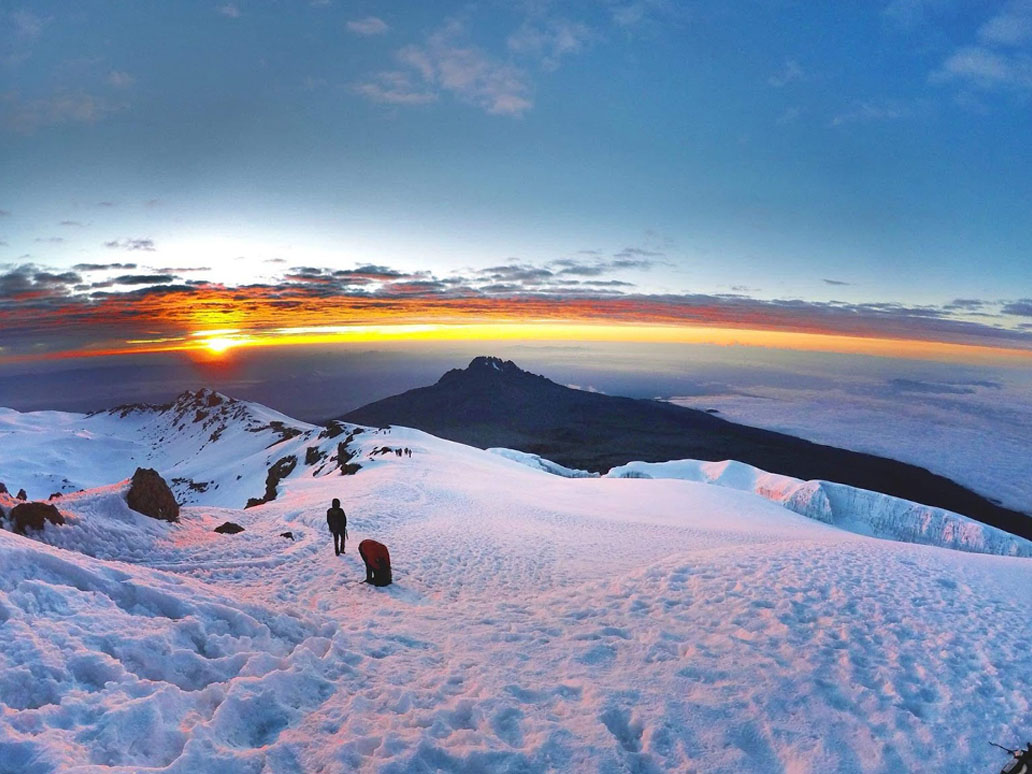
Summit night is the culmination of your Kilimanjaro journey, and it’s often the most challenging part. It typically begins around midnight, after a few hours of sleep, and involves hiking in the dark, cold, and at extreme altitude towards Uhuru Peak.
Key Strategies for Summit Night Success
- Rest and Nutrition: Eat a good dinner the night before and try to eat something light (e.g., biscuits, energy bar) and drink fluids before you start.
- Pace Yourself: “Pole Pole” is more important than ever. Go at a very slow, steady pace. Focus on one step at a time.
- Stay Warm: Wear all your layers. Use hand and foot warmers if needed. Protect your face and extremities from the cold.
- Hydrate: Sip water or electrolyte drinks frequently. If using a hydration bladder, ensure the tube is insulated to prevent freezing.
- Eat Small, Frequent Snacks: High-energy snacks like nuts, dried fruit, or energy bars can provide sustained energy.
- Headlamp Power: Ensure your headlamp has fresh batteries and you have spares.
- Listen to Your Guide: Your guide will monitor your condition and the conditions on the mountain. Trust their judgment.
- Mental Fortitude: Summit night is a mental as well as physical challenge. Stay positive, focus on small goals (e.g., reaching the next marker), and remember why you are doing this.
Dealing with Fatigue and Cold
Fatigue is inevitable. Focus on maintaining a steady rhythm. The cold can be intense, especially at Stella Point and the final push to Uhuru Peak. Keep moving, even if slowly, to generate body heat. If you start to feel unwell, tell your guide immediately. They are experienced in assessing climbers’ conditions and making decisions about continuing or turning back.
For older hikers, the effects of fatigue and cold can be more pronounced. It’s essential to be honest about your physical state. Summiting is an achievement, but safety is paramount. Reaching Stella Point (the crater rim) is a significant accomplishment. The final push to Uhuru Peak is an additional 1-2 hours round trip. Some climbers may choose to celebrate their achievement at Stella Point if they are struggling.
Health Considerations for Older Hikers
Beyond altitude sickness, older hikers need to consider their overall health and any pre-existing conditions. A proactive approach to health management is vital for a successful and safe Kilimanjaro climb.
Pre-Climb Medical Check-up
This is non-negotiable. Consult your doctor at least 3-6 months before your planned climb for 2026 or 2027. Discuss:
- Your fitness level and training plan.
- Any pre-existing conditions (heart disease, respiratory issues, diabetes, joint problems, etc.).
- Medications you are taking and potential interactions with altitude or travel.
- Vaccinations and malaria prophylaxis if recommended for Tanzania.
- The suitability of altitude medication like Diamox.
Your doctor can provide a medical clearance and advice tailored to your individual health status.
Managing Pre-existing Conditions
- Heart Conditions: Gradual training and careful monitoring are essential. Ensure your doctor is aware of your plans.
- Respiratory Issues: Altitude can exacerbate conditions like asthma or COPD. Ensure you have adequate medication and inform your guide.
- Diabetes: Careful blood sugar monitoring is crucial. Pack plenty of easily accessible snacks. Inform your guide about your condition.
- Joint Pain (Arthritis): Trekking poles are essential. Ensure your boots provide excellent support. Anti-inflammatory medication may be helpful (consult your doctor).
Staying Healthy on the Mountain
- Hygiene: Wash hands frequently with hand sanitizer, especially before eating.
- Food and Water: Only drink purified or boiled water. Eat food provided by the tour operator, which is prepared under strict hygiene standards.
- Rest: Get as much sleep as possible in camp.
- Listen to Your Body: Don’t ignore minor ailments. Report any concerns to your guide promptly.
The Role of Your Guide and Support Team
Your guides and porters are your lifeline on Kilimanjaro. For older hikers, their experience, attentiveness, and professionalism are even more critical. Top Guide Adventures prides itself on its highly trained and experienced team.
What to Expect from Your Guides
- Expertise: They are trained in mountain rescue, first aid, and altitude sickness management.
- Pacing: They will ensure you “Pole Pole” and set a sustainable pace.
- Monitoring: They will constantly assess your health and well-being, as well as the weather conditions.
- Morale Boosting: They are adept at keeping spirits high, especially during challenging moments.
- Decision Making: They have the authority to make critical decisions regarding your safety, including turning back if necessary.
The Porter System
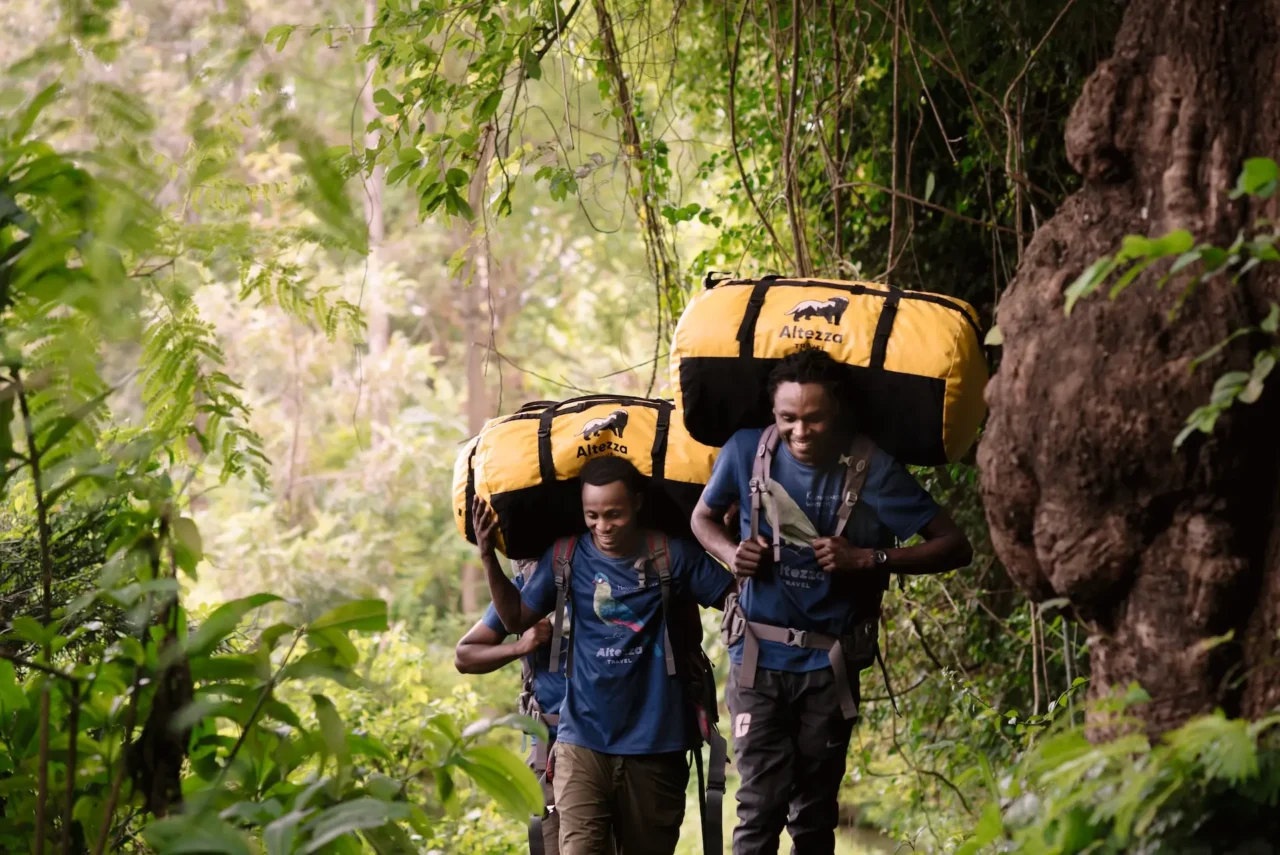
Porters carry the bulk of the equipment, tents, food, and supplies. This allows you to focus on your trek with a lighter daypack. A well-organized porter team is crucial for a smooth expedition.
Choosing a Reputable Operator
Selecting a responsible and experienced tour operator is paramount for Kilimanjaro summit success for older hikers. Look for companies that:
- Prioritize Safety: Have robust safety protocols, carry medical oxygen, and ensure guides are well-trained.
- Offer Longer Routes: Recommend routes that facilitate better acclimatization.
- Provide Excellent Support: Have good communication channels and a proven track record.
- Are Locally Based: Like Top Guide Adventures, local operators often have deeper knowledge of the mountain and better logistics.
When planning your 2026 or 2027 climb, research operators thoroughly. Read reviews, ask questions about their safety procedures, and ensure they understand and cater to the needs of older trekkers. Top Guide Adventures is committed to providing a safe, supportive, and memorable Kilimanjaro experience.
Mental Preparation: The Unseen Advantage
While physical fitness is essential, the mental game on Kilimanjaro cannot be underestimated, particularly for older hikers who may face doubts or fatigue more readily.
Cultivating a Positive Mindset
- Visualize Success: Imagine yourself standing on Uhuru Peak, enjoying the view.
- Break it Down: Focus on one day, one section, or even one step at a time. Don’t get overwhelmed by the entire journey.
- Embrace the Challenge: See difficulties as temporary obstacles to overcome.
- Stay Present: Enjoy the incredible scenery and the experience, rather than just focusing on the summit.
Dealing with Discomfort
There will be moments of discomfort: cold, fatigue, sore muscles, and the general strain of high altitude. Accept that this is part of the experience and focus on your coping strategies.
- Mindfulness: Practice focusing on your breath or the rhythm of your steps.
- Positive Self-Talk: Replace negative thoughts with encouraging affirmations.
- Focus on the “Why”: Remind yourself of your motivation for climbing Kilimanjaro.
Building Resilience
The process of training and preparing for Kilimanjaro itself builds mental resilience. Each successful training hike, each challenge overcome, adds to your confidence.
For older hikers, demonstrating mental toughness can be incredibly empowering. It’s a testament to your determination and spirit. Remind yourself of past achievements and challenges you’ve overcome in life; this climb is another opportunity to prove your capabilities.
Nutrition and Hydration on the Mountain
Proper nutrition and hydration are critical for maintaining energy levels, aiding acclimatization, and preventing illness on Kilimanjaro.
Hydration Strategies
- Drink Constantly: Aim for 3-4 liters of water per day.
- Electrolytes: Adding electrolyte tablets or powder to your water can help replace salts lost through sweat and improve hydration.
- Warm Drinks: Herbal teas and warm water are comforting and help maintain hydration, especially in the cold.
- Monitor Urine Output: Pale yellow urine indicates good hydration; dark urine suggests you need to drink more.
On-Mountain Nutrition
Tour operators like Top Guide Adventures provide nutritious, high-carbohydrate meals designed to give you energy. However, appetite can decrease at altitude.
- Eat What You Can: Even if you don’t feel hungry, try to eat small amounts of food regularly. High-carbohydrate foods are easiest to digest and provide quick energy.
- Carry Snacks: Bring your own favorite high-energy snacks (nuts, dried fruit, energy bars, chocolate) that you enjoy and can eat easily on the go.
- Summit Night Fuel: Pack easily digestible, high-energy snacks for summit night, as your appetite may be very low.
For older hikers, maintaining consistent energy intake is vital. If you have specific dietary needs or preferences, discuss them with your tour operator well in advance of your 2026 or 2027 climb.
Environmental Considerations and Responsible Trekking
Kilimanjaro is a UNESCO World Heritage Site, and responsible trekking is essential to preserve its natural beauty for future generations.
- Leave No Trace: Pack out everything you pack in, including all trash.
- Stay on Trails: Avoid creating new paths, which can lead to erosion.
- Respect Wildlife: Do not feed animals.
- Use Designated Campsites: Camp only in approved areas.
- Minimize Environmental Impact: Use biodegradable soaps sparingly and away from water sources.
Choosing an operator like Top Guide Adventures, which adheres to responsible tourism practices, ensures your climb contributes positively to conservation efforts and the local community.
Final Preparations and Departure for 2026-2027
As your Kilimanjaro climb date approaches for 2026 or 2027, focus on these final steps:
- Finalize Gear: Ensure all your gear is packed and ready. Try on your boots one last time.
- Pack Smart: Pack your daypack with essentials for the first day. Your main luggage will be carried by porters.
- Review Itinerary: Familiarize yourself with the daily plan.
- Travel Documents: Ensure your passport, visa (if required), and travel insurance are in order.
- Inform Loved Ones: Let family and friends know your itinerary and expected return date.
- Rest: Get plenty of rest in the days leading up to your departure.
Arriving in Tanzania a day or two before your trek begins is highly recommended to rest and acclimatize to the local climate. Moshi or Arusha are typical starting points.
Your Kilimanjaro Summit Success Awaits
Reaching the summit of Kilimanjaro is a profound achievement, and for older hikers, it’s a powerful statement of determination and capability. By focusing on thorough physical and mental preparation, choosing the right route for acclimatization, equipping yourself with the correct gear, and partnering with a trusted tour operator like Top Guide Adventures, you significantly increase your chances of a successful and memorable climb. The Roof of Africa is waiting, and with the right approach, your 2026 or 2027 Kilimanjaro summit success is within reach.
Ready to plan your Kilimanjaro adventure? Contact Top Guide Adventures today to discuss your expedition. We offer personalized support and expert guidance to ensure your climb is safe, enjoyable, and successful. Reach us via WhatsApp at +255616946642 or email us at topguideadventures@gmail.com. You can also reach our backup email at info@topguideadventures.com. Let’s make your Kilimanjaro dream a reality!
Check Availability for Kilimanjaro Summit Success Tips For Older Hikers In | Top Guide Adventures
Ready to compare dates, prices, and the best option for your group? Send the package name and travel month so the team can reply with a clear quote, availability, and what is included.
Kilimanjaro Food And Nutrition Mistakes: Avoid These To Summit Successfully
Proper nutrition is crucial for a successful Kilimanjaro climb. This guide details common food and nutrition mistakes climbers make, offering expert advice on what to eat, when to eat it...
View package details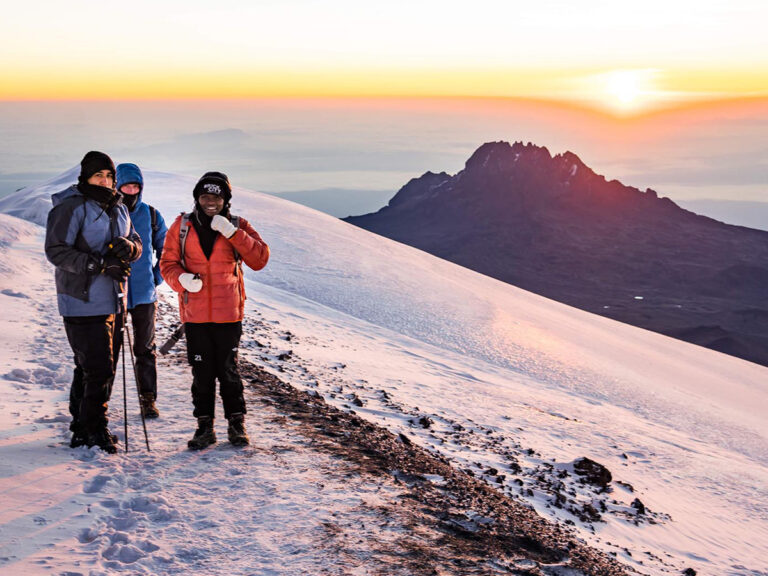
Kilimanjaro Graduation And Family Safari Package: Summit Success & Wildlife
Combine the ultimate achievement of summiting Mount Kilimanjaro with an unforgettable family safari in Tanzania. Top Guide Adventures curates these packages, blending adventure, cultural...
View package details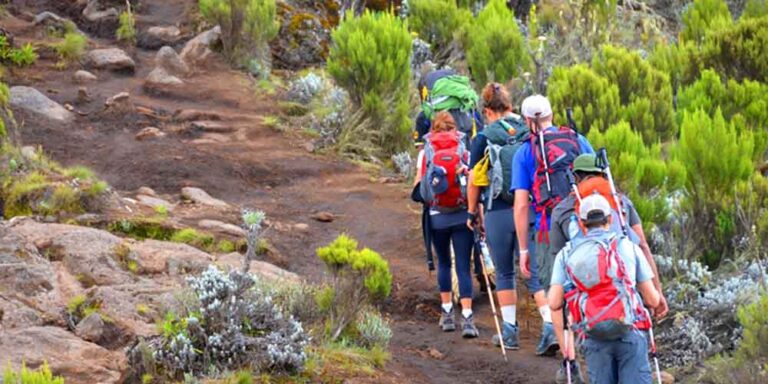
Kilimanjaro Safety Guide For Parents: Essential Tips A Successful Climb
This guide provides essential safety information for parents considering a Kilimanjaro climb with their children or for themselves. It covers preparation, acclimatization, risks, and...
View package details
Kilimanjaro Training Plan For Teen Climbers: Summit Success In 2026-2027
Prepare your teen for the ultimate adventure with a detailed Kilimanjaro training plan. This guide covers physical conditioning, mental readiness, essential gear, and acclimatization...
View package details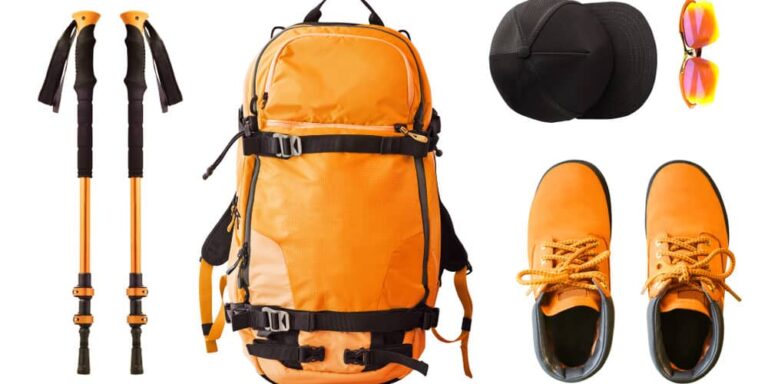
What Happens If You Cannot Summit Kilimanjaro? Planning For Success 2026-2027
Climbing Kilimanjaro is a dream for many, but not everyone reaches the summit. This comprehensive guide explains what happens if you cannot summit Kilimanjaro, covering safety, logistics...
View package details
Questions Your Kilimanjaro Operator Should Answer For A Successful Climb
Choosing the right Kilimanjaro operator is crucial for a safe and memorable climb. This comprehensive guide details the essential questions you must ask your potential tour operator...
View package details
Kilimanjaro Group-Climb Mistakes: Avoid Common Pitfalls For A Successful
This guide details common Kilimanjaro group-climb mistakes, offering practical advice for trekkers aiming for a successful summit. Learn about preparation, acclimatization, gear, and...
View package details
Kilimanjaro Packing Mistakes To Avoid For A Successful Climb In 2026-2027
Packing for Kilimanjaro is crucial for a successful trek. This guide details common packing mistakes to avoid, ensuring you have the right gear for the varying altitudes and conditions...
View package detailsKilimanjaro Knee Protection For Senior Hikers 2026-2027
Kilimanjaro Knee Protection for Senior Hikers is explained with current 2026-2027 planning, price, itinerary and booking information.
View package details
Kilimanjaro Medical Preparation For Older Climbers: Essential Guide 2026-2027
Climbing Kilimanjaro is achievable for older adventurers with thorough medical preparation. This guide covers essential health checks, fitness strategies, altitude acclimatization, and...
View package details
Kilimanjaro Climb With A Slower Daily Pace: Your Guide To Success 2026-2027
Discover how a slower daily pace significantly enhances your Kilimanjaro climb experience. This comprehensive guide covers route selection, acclimatization strategies, essential gear, and...
View package details
Kilimanjaro Parent-And-Child Summit Challenge Guide
Embarking on a Kilimanjaro Parent-and-Child Summit Challenge is an extraordinary way for families to bond and achieve a monumental goal together. This guide provides essential information...
View package detailsNo related package matches those filters. Clear one or more filters to see the other topic-matched options.



