
The most common Kilimanjaro packing mistakes to avoid include bringing too much weight, forgetting essential layers for extreme temperature changes, not packing waterproof outer gear, using new, untested boots, neglecting crucial items like a good headlamp and high-SPF sunscreen, and failing to pack adequate toiletries and personal medications. Proper preparation ensures comfort and safety on your 2026-2027 climb.
Why Avoiding Kilimanjaro Packing Mistakes is Critical
Climbing Mount Kilimanjaro is an extraordinary adventure, a physical and mental challenge that rewards you with unparalleled views and a profound sense of accomplishment. However, the success and enjoyment of your trek, especially for planned expeditions in 2026 and 2027, hinge significantly on being adequately prepared. At the forefront of this preparation is packing correctly. Far from being a minor detail, your gear is your lifeline on the mountain. It protects you from the elements, keeps you comfortable during long trekking days and cold nights, and ensures you have the energy and well-being to reach Uhuru Peak. Many aspiring climbers, particularly those new to high-altitude trekking, make avoidable packing mistakes that can range from minor inconveniences to serious safety concerns. These errors can lead to discomfort, fatigue, potential altitude sickness complications, and even the need to turn back. Understanding these pitfalls beforehand is key to a smoother, safer, and more memorable Kilimanjaro experience.
Top Guide Adventures understands that selecting the right equipment for Kilimanjaro can be daunting. The mountain presents a unique microclimate, with conditions that shift dramatically from the lush rainforest at the base to the arid alpine desert and finally the icy arctic zone at the summit. Temperatures can plummet well below freezing, while the equatorial sun can be intense. Add to this the physical demands of trekking for 5-9 days, and it becomes clear why every item in your backpack matters. This guide is designed to help you navigate the complexities of Kilimanjaro packing, focusing specifically on the common mistakes climbers make, so you can approach your 2026-2027 adventure with confidence, knowing you have the right gear.
Mistake 1: Overpacking – The Weighty Problem
Perhaps the most frequent and detrimental Kilimanjaro packing mistake is bringing too much. It’s natural to want to be prepared for every eventuality, leading to overstuffed duffel bags and backpacks. However, every kilogram counts when you’re trekking at altitude. Porters will carry your main duffel bag, but there are strict weight limits (typically around 15-20 kg or 33-44 lbs) for them. Exceeding this limit incurs extra fees and can put undue strain on the porters. More importantly, you’ll be carrying your daypack for 6-10 hours each day. A heavy daypack significantly increases fatigue, uses more oxygen, and can make the trek feel much more arduous, detracting from your enjoyment and potentially impacting your acclimatization. Overpacking also means you’re carrying items you likely won’t use, adding unnecessary burden.
What to pack instead: Focus on multi-functional, lightweight items. Think layers rather than bulky single garments. For example, a good base layer, a fleece mid-layer, and a waterproof shell jacket are more effective and lighter than one heavy, insulated coat. Your daypack should contain only essentials for the day: water, snacks, camera, sunscreen, rain gear, a warm hat, gloves, and a basic first-aid kit. For your main duffel, pack what you need for the duration of the trek, but be ruthless. If you haven’t used it in years, you probably won’t need it on Kilimanjaro. Consult your tour operator’s detailed packing list for specific recommendations. For 2026-2027 climbs, consider investing in lightweight, high-performance gear that offers maximum warmth and protection with minimal weight.
Mistake 2: Underestimating the Cold – Layering Failures
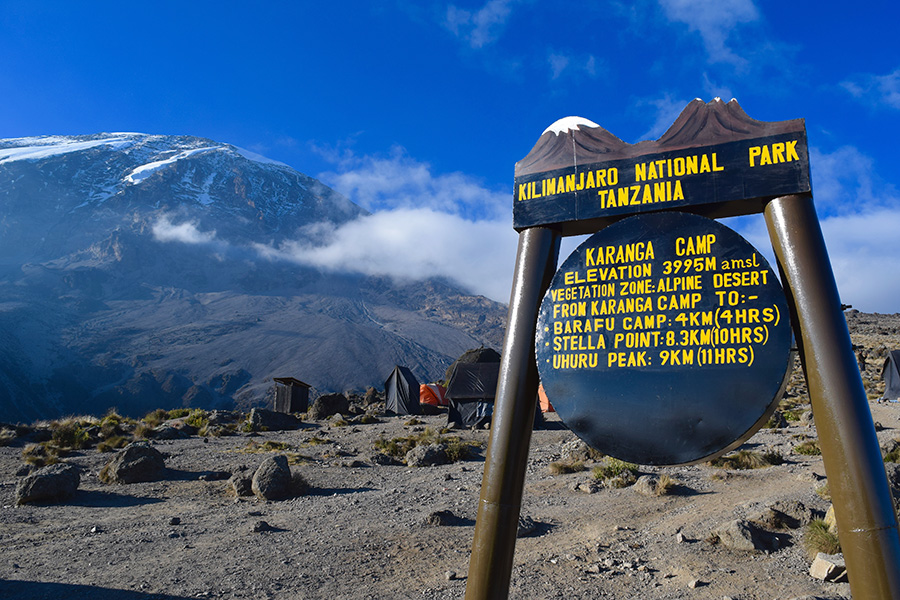
Kilimanjaro’s summit, Uhuru Peak, sits at 5,895 meters (19,341 feet) and experiences temperatures that regularly drop below freezing, often reaching -10°C to -20°C (14°F to -4°F) at night and during summit attempts. A common packing mistake is not bringing enough warm layers or failing to understand the principle of layering. Climbers might pack a single heavy jacket, assuming it will suffice, but this is inadequate for the fluctuating temperatures and exertion levels. Without proper layering, you risk getting too cold during descents or rest stops, or overheating and sweating excessively during ascents. Excessive sweating at altitude can lead to hypothermia as moisture rapidly chills the body, especially when you stop moving.
The solution: layering correctly. A good layering system consists of three main parts:
- Base Layer: Moisture-wicking thermal underwear (tops and bottoms). Merino wool or synthetic fabrics are ideal as they draw sweat away from the skin and provide insulation even when damp. Avoid cotton, which absorbs moisture and stays wet, making you cold.
- Mid Layer: Insulating layer for warmth. A fleece jacket or a down/synthetic insulated jacket works well. You might need more than one mid-layer, such as a lighter fleece and a warmer puffer jacket, for varying conditions.
- Outer Layer (Shell): Windproof and waterproof jacket and trousers. This is crucial for protection against the harsh winds and rain or snow encountered on higher slopes and the summit. A breathable membrane (like Gore-Tex) is highly recommended.
For your 2026-2027 climb, ensure your layers are well-fitted, allowing for freedom of movement. Pack at least two sets of base layers and a reliable fleece or insulated jacket. Your outer shell must be genuinely waterproof, not just water-resistant.
Mistake 3: Inadequate Waterproofing – The Dreaded Drenching
Another significant Kilimanjaro packing mistake is failing to bring truly waterproof outer gear. Many trekkers opt for water-resistant jackets and trousers, believing they will be sufficient. However, Kilimanjaro can experience rain, sleet, and even snow, especially on the lower slopes and during certain seasons. If your outer layer is not fully waterproof, you will get wet. Being soaked to the bone at high altitudes, where temperatures are already low, is not just uncomfortable; it’s dangerous and can lead to hypothermia. A wet outer layer also compromises the insulating properties of your mid-layers.
What to pack: Invest in a high-quality, waterproof and breathable jacket and trousers. Look for features like sealed seams, adjustable hoods, and water-resistant zippers. Ensure your waterproof trousers are easy to put on and take off over your hiking boots, ideally with side zippers. For 2026-2027 expeditions, prioritize gear with reliable waterproof ratings and breathability to manage moisture effectively, both from external precipitation and internal perspiration.
Mistake 4: Breaking in Boots Too Late (or Not at All)
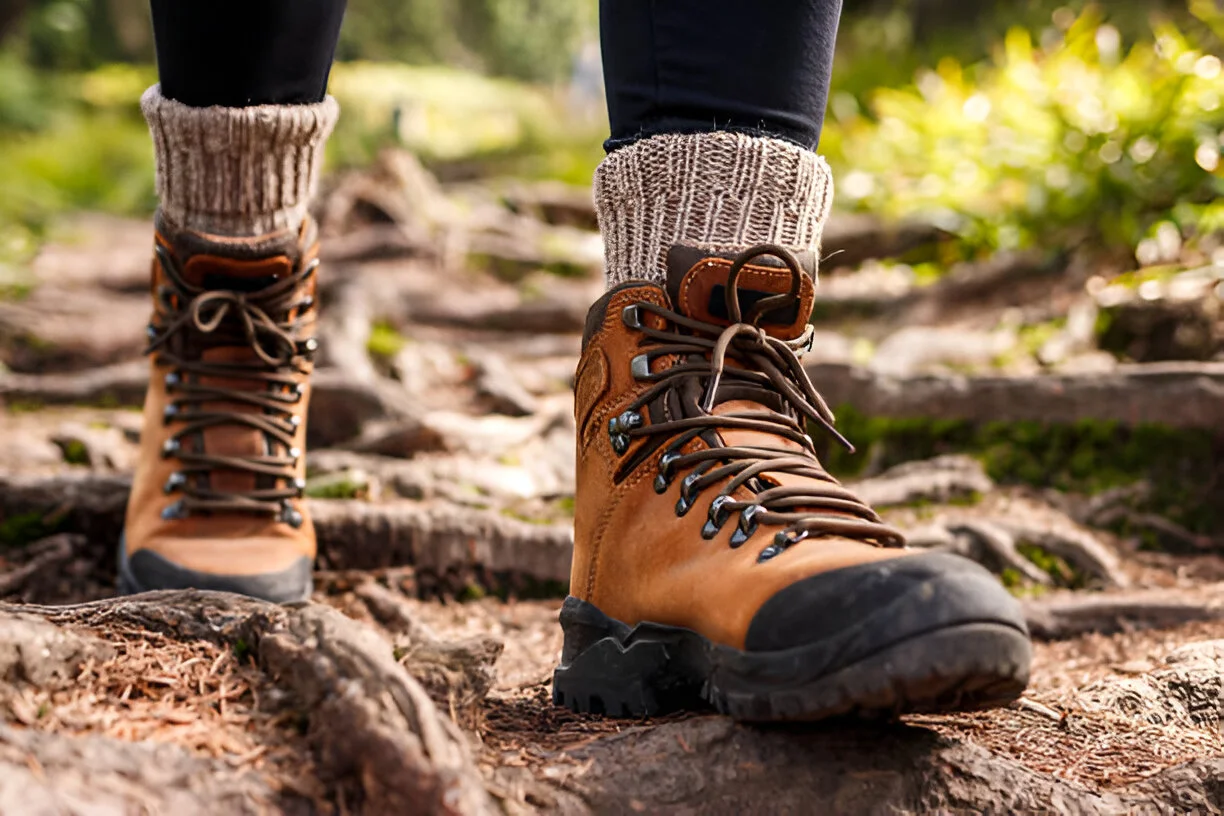
Hikers often make the mistake of bringing brand-new, stiff hiking boots on their Kilimanjaro trek, or worse, not breaking them in sufficiently. Your feet are your primary mode of transport on the mountain. Blisters, chafing, and general foot pain can turn an incredible experience into a miserable ordeal and can even force you to descend. Boots that haven’t been worn extensively before the trek are more likely to cause these issues. Even comfortable-looking boots need to be ‘broken in’ to mold to your feet and soften any rigid points.
The correct approach: Purchase your hiking boots well in advance of your 2026-2027 climb. Wear them on numerous shorter hikes and day trips to ensure they fit perfectly and are comfortable. They should provide good ankle support, have a sturdy sole with good grip, and be waterproof. Consider bringing a second, lighter pair of shoes for camp, like trail runners or sturdy sandals, to give your feet a break from heavy boots.
Mistake 5: Forgetting Essential Accessories – The Small Things That Matter
Beyond clothing and footwear, several smaller accessories are often overlooked, leading to packing mistakes. These items might seem minor, but their absence can cause significant discomfort or inconvenience.
Key accessories to include:
- Headlamp: Crucial for summit night, which often begins in the dark, and for navigating camp after sunset. Bring extra batteries! A common mistake is bringing a weak headlamp or forgetting spare batteries. For 2026-2027 climbs, a reliable LED headlamp with multiple brightness settings is recommended.
- Sunglasses: High-altitude sun is intense and reflects off snow and ice. Choose sunglasses that offer good UV protection and cover your eyes well. Wraparound styles are best.
- Sunscreen and Lip Balm: SPF 30 or higher is essential. The sun’s rays are much stronger at altitude. Reapply frequently, even on cloudy days. Lip balm with SPF is also vital to prevent chapped and sunburnt lips.
- Water Bottles/Hydration System: Staying hydrated is paramount for acclimatization and preventing altitude sickness. Bring at least two 1-liter water bottles or a 2-3 liter hydration reservoir. Ensure your bottles are insulated or can be kept warm at night to prevent freezing.
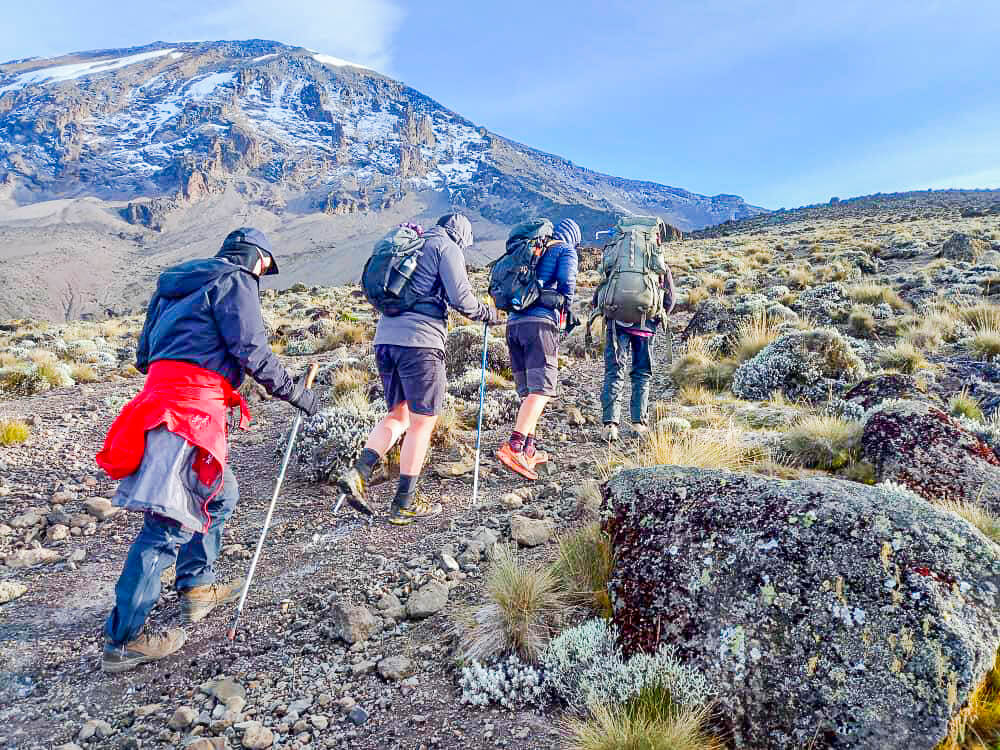
- Trekking Poles: These significantly reduce strain on your knees and ankles, especially during descents, and improve balance. They are highly recommended for all Kilimanjaro treks.
- Duffel Bag: A sturdy, waterproof duffel bag (around 80-100 liters) is essential for your main gear. Porters will carry this.
- Daypack: A comfortable, well-fitting daypack (30-40 liters) is what you’ll carry daily. It should have a padded hip belt and chest strap for support.
- Dry Bags/Waterproof Stuff Sacks: Use these inside your duffel and daypack to keep critical items like electronics, sleeping bags, and spare clothes dry, even if the outer bag gets wet.
Mistake 6: Neglecting Personal Health and Hygiene Items
Hygiene and personal comfort on the mountain are often underestimated, leading to packing mistakes. While Kilimanjaro is not a luxury resort, basic hygiene can significantly improve your well-being and prevent minor ailments.
What to pack for health and hygiene:
- Toiletries: Travel-sized toothbrush, toothpaste, biodegradable soap, small quick-dry towel. Hand sanitizer is essential – use it before eating and after using the ‘toilet’ facilities.
- Toilet Paper: While some is provided at camps, it’s wise to carry your own supply.
- Medications: Bring any personal prescription medications, plus a basic first-aid kit. This should include pain relievers (like ibuprofen or paracetamol), blister treatment (moleskin, band-aids), antiseptic wipes, and any personal remedies for stomach issues or allergies. Discuss altitude sickness medication (like Diamox) with your doctor well before your 2026-2027 trip.
- Wet Wipes: For quick clean-ups when a full wash isn’t possible.
- Sun Hat and Warm Hat: A wide-brimmed sun hat for daytime and a warm, insulating hat (wool or fleece) for cold evenings and summit night are non-negotiable.
- Gloves: Pack at least two pairs: a lighter pair of liner gloves for dexterity and a warmer, waterproof, insulated pair for summit night and colder conditions. Mittens are warmer than gloves if your hands get very cold.
Remember, while porters carry your main duffel, you need easy access to certain items throughout the day in your daypack, including hand sanitizer, lip balm, sunscreen, and any personal medications.
Mistake 7: Packing the Wrong Sleeping Bag
Your sleeping bag is crucial for a good night’s sleep and recovery. A common mistake is bringing a sleeping bag that is not rated for the extreme cold temperatures Kilimanjaro experiences, especially on the higher camps and during summit night. Many standard 3-season sleeping bags are insufficient. You need a bag rated for at least 0°F to -20°F (-18°C to -29°C) to stay warm. Even if you don’t typically get cold, the combination of altitude, exertion, and thin air means your body conserves less heat.
Recommendations for sleeping bags:
- Temperature Rating: Aim for a -20°C (-4°F) to -30°C (-22°F) comfort rating. It’s better to be too warm and be able to vent your bag than to be too cold.
- Type: Down-filled bags offer the best warmth-to-weight ratio but are expensive and lose insulation when wet. Synthetic-filled bags are more affordable, perform better when damp, but are heavier and bulkier. For Kilimanjaro, a high-quality synthetic bag is often a good balance.
- Rental Options: Many tour operators, including Top Guide Adventures, offer sleeping bag rentals. This can be a cost-effective solution if you don’t plan on extensive cold-weather trekking in the future. Ensure the rental bag meets the required temperature rating.
For trekkers planning their 2026-2027 Kilimanjaro adventure, investing in or renting a suitable sleeping bag is a non-negotiable item for comfort and safety.
Mistake 8: Ignoring Footwear Beyond Boots
While hiking boots are paramount, neglecting footwear for camp is another frequent Kilimanjaro packing mistake. After a long day of trekking, your feet need to breathe and relax. Wearing heavy hiking boots constantly can lead to discomfort and potential foot issues.
What to pack for camp footwear:
- Camp Shoes: Pack a lightweight, comfortable pair of shoes for wearing around camp. This could be sturdy sandals, trail runners, or even thick-soled slippers. They allow your feet to air out and recover.
- Thick Socks: In addition to your hiking socks, pack a pair of thick, warm, woolen socks specifically for sleeping in. Your feet can get very cold at night, and warm socks can make a significant difference to your comfort and sleep quality.
Ensuring your feet are comfortable both on the trail and in camp is vital for overall well-being during your 2026-2027 Kilimanjaro trek.
Mistake 9: Inappropriate Water Management
Hydration is critical for acclimatization and preventing altitude sickness. A common oversight is not packing adequate water carrying capacity or failing to prepare for water freezing.
Correct water management:
- Capacity: Carry at least 2-3 liters of water on your person at all times during the day. This means either two 1-liter bottles or a 2-3 liter hydration reservoir (like a CamelBak).
- Insulation: Water bottles can freeze at high altitudes, especially on summit night. Insulate your bottles by wrapping them in a spare pair of socks or a fleece sleeve. Storing them upside down in your pack can also help, as the ice forms from the top down. If using a hydration reservoir, ensure the tube is insulated to prevent freezing.
- Purification: While your guides will provide boiled or treated water, it’s wise to carry a backup water purification method, such as purification tablets or a small filter, just in case.
Proper hydration is key to a successful 2026-2027 Kilimanjaro climb. Don’t let frozen water or insufficient carrying capacity hinder your progress.
Mistake 10: Forgetting Camera and Power Solutions
Kilimanjaro offers spectacular scenery, and you’ll want to capture it. However, cold temperatures and limited charging opportunities can make documenting your journey difficult if you don’t pack appropriately.
Tips for camera gear:
- Camera Protection: Keep your camera in a protective case, ideally in your daypack for easy access.
- Cold Weather: Batteries drain much faster in the cold. Keep spare batteries and your camera as close to your body as possible (e.g., in an inside pocket of your jacket) when not in use.
- Power Bank: Bring a portable power bank to recharge your phone, camera batteries, or other electronic devices. Ensure it’s fully charged before you start your trek. For extended trips or multiple devices, consider a higher-capacity power bank.
- Memory Cards: Ensure you have enough memory cards to store all your photos and videos.
Don’t let a dead battery or a lost memory card prevent you from capturing your 2026-2027 Kilimanjaro adventure.
Mistake 11: Ignoring the Sun’s Intensity at Altitude
It’s a common misconception that you don’t need strong sun protection because it’s cold. This is a dangerous Kilimanjaro packing mistake. The sun’s ultraviolet (UV) radiation is significantly more intense at higher altitudes. Combined with the reflection from snow and ice, this can lead to severe sunburn and heatstroke.
Essential sun protection:
- High SPF Sunscreen: Pack SPF 30 or higher, and reapply it frequently throughout the day, especially on exposed skin like your face, neck, and hands.
- Lip Balm with SPF: Protect your lips from sunburn and cracking.
- Wide-Brimmed Hat: Essential for protecting your face and neck from direct sun.
- Sunglasses: As mentioned earlier, crucial for protecting your eyes from UV damage and glare.
- Sun Gloves: Lightweight gloves can protect your hands from sunburn during sunny trekking days.
For your 2026-2027 climb, make sun protection a priority from day one.
Mistake 12: Packing the Wrong Kind of Backpack
Choosing the right backpack is crucial for comfort and carrying your daily essentials. A common mistake is using a backpack that is either too small, too large, or lacks proper support features.
Choosing the right daypack:
- Size: A 30-40 liter capacity is generally ideal for your daypack. This provides enough space for water, snacks, extra layers, camera, sunscreen, and other daily necessities without being overly bulky.
- Comfort and Support: Look for a pack with padded shoulder straps, a padded hip belt, and a chest strap. These features distribute weight evenly, reducing strain on your shoulders and back and improving overall comfort during long trekking days.
- Organization: Pockets and compartments can help you organize your gear for easy access. A top-loading design with a lid pocket is often practical.
- Water Resistance: While not fully waterproof, a pack made from durable, water-resistant material is beneficial. Consider using dry bags inside for extra protection.
Your daypack will be your constant companion on the mountain, so ensure it’s a comfortable and functional one for your 2026-2027 Kilimanjaro trek.
Mistake 13: Forgetting Snacks or Packing Inappropriate Ones
While your tour operator will provide meals, having your own supply of high-energy snacks can be a lifesaver on the mountain. Forgetting snacks or packing items that are too heavy, melt easily, or aren’t palatable at altitude are common Kilimanjaro packing mistakes.
Recommended snacks:
- High Energy: Choose snacks that provide sustained energy. Think nuts, dried fruits, energy bars, trail mix, jerky, and chocolate.
- Lightweight: Opt for lightweight, calorie-dense options.
- Easy to Eat: Snacks that can be eaten easily while walking are best.
- Personal Preference: Pack items you genuinely enjoy. You’ll be more likely to eat them when you need the energy.
For your 2026-2027 climb, consider packing a variety of snacks to keep your energy levels up during long days on the trail.
Mistake 14: Not Packing for Altitude Sickness
While not strictly a packing mistake in terms of gear, failing to prepare for altitude sickness is a critical oversight that can impact your climb. This includes not consulting a doctor or not packing necessary medications.
Preparing for altitude:
- Consult Your Doctor: Discuss altitude sickness prevention and treatment with your physician well in advance of your 2026-2027 trek. They may prescribe medication like Acetazolamide (Diamox).
- Medications: If prescribed, ensure you pack enough medication for the duration of your trek, along with any other personal health items.
- Hydration and Pace: Understand that proper hydration and trekking at a slow, steady pace (‘pole pole’) are your first lines of defense against altitude sickness.
- Recognize Symptoms: Familiarize yourself with the symptoms of Acute Mountain Sickness (AMS), such as headache, nausea, dizziness, and fatigue. Inform your guide immediately if you experience any symptoms.
Being prepared mentally and medically for altitude sickness is as important as packing the right gear.
Mistake 15: Using Inappropriate Bags for Gear Storage
Beyond the main duffel and daypack, how you organize and protect your gear within these bags is crucial. Using standard plastic bags or non-waterproof sacks is a common Kilimanjaro packing mistake.
Best practices for gear storage:
- Dry Bags: Invest in a set of high-quality dry bags in various sizes. Use these to store your sleeping bag, spare clothing, electronics, and anything that absolutely must stay dry. Pack them inside your main duffel and daypack.
- Stuff Sacks: Compression stuff sacks can help minimize the volume of your sleeping bag and clothing, making packing more efficient.
- Waterproof Duffel: Ensure your main duffel bag is made of a durable, water-resistant material.
For your 2026-2027 climb, using dry bags is one of the most effective ways to ensure your essential gear remains protected from moisture, which is common on Kilimanjaro.
Mistake 16: Forgetting a Waterproof Bag for Your Daypack
Even if your daypack is water-resistant, heavy rain can still penetrate. A common mistake is not having a dedicated waterproof cover for your daypack or not using dry bags within it.
Solution:
- Rain Cover: Most good quality daypacks come with an integrated or separate rain cover. Ensure yours fits snugly and covers the entire pack.
- Internal Dry Bags: As mentioned, using dry bags for critical items like electronics, spare layers, and your first-aid kit within your daypack provides an extra layer of security against moisture.
Keeping the contents of your daypack dry is essential, as you’ll be accessing these items frequently during your trek.
Mistake 17: Not Packing Enough Warm Socks
Feet are critical, and keeping them warm and dry is paramount. Many trekkers underestimate the number of socks needed, leading to packing mistakes.
Sock strategy:
- Quantity: Pack at least 5-7 pairs of high-quality hiking socks. You’ll want a fresh pair daily, and it’s good to have spares.
- Material: Opt for wool (merino wool is excellent) or synthetic blends. These wick moisture away from your skin and provide insulation. Avoid cotton socks at all costs.
- Thickness: Bring a mix of mid-weight and heavier-weight socks. Heavier socks are ideal for colder days and summit night.
- Liner Socks: Some trekkers find liner socks helpful to prevent blisters by reducing friction.
For your 2026-2027 Kilimanjaro climb, treat your feet well with plenty of warm, moisture-wicking socks.
Mistake 18: Underestimating the Importance of a Good Sleeping Bag Liner
A sleeping bag liner might seem like an optional extra, but it serves several important functions and is often overlooked in packing lists, making it a subtle Kilimanjaro packing mistake.
Benefits of a sleeping bag liner:
- Added Warmth: A fleece or thermal liner can add several degrees of warmth to your sleeping bag, which is invaluable on cold nights.
- Hygiene: It keeps your sleeping bag cleaner, as it’s easier to wash a liner than a bulky sleeping bag. This is particularly useful if you’re renting a sleeping bag.
- Comfort: Some liners are made of silk or soft cotton, adding a layer of comfort against your skin.
For 2026-2027 treks, consider a fleece or thermal liner to boost your sleeping bag’s performance and comfort.
Mistake 19: Forgetting a Water Filter or Purification Tablets
While most reputable tour operators provide boiled or treated water, having a backup for water purification is a wise precaution and often missed in packing lists.
Why a backup is important:
- Contingency: In the unlikely event that the provided water source or treatment method is unavailable, a personal filter or tablets ensure you can still safely drink water.
- Flexibility: It allows you to refill your bottles from streams if necessary, though this should be done with caution and only after purification.
Carrying a small, lightweight water filter or a bottle of purification tablets is a small step that adds significant security to your hydration plan for your 2026-2027 Kilimanjaro climb.
Mistake 20: Packing Valuables You Don’t Need
It’s tempting to bring valuable items like expensive jewelry, watches, or large amounts of cash. However, on a trek like Kilimanjaro, it’s best to leave most valuables at home.
What to leave behind:
- High-Value Items: Expensive electronics (beyond your phone/camera), designer clothing, or flashy jewelry are unnecessary and can attract unwanted attention or be lost/damaged.
- Excess Cash: Carry enough cash for tips and personal purchases, but keep it secure and avoid carrying large amounts. Your tour operator can advise on tipping guidelines for 2026-2027 climbs.
Focus on essential gear. If you must bring something valuable, ensure it’s kept securely in your money belt or a hidden pocket.
Mistake 21: Not Packing a Basic First-Aid Kit
While your guides will carry a comprehensive medical kit, having your own basic personal first-aid kit is essential for immediate self-care.
Your personal kit should include:
- Pain Relief: Ibuprofen or paracetamol for headaches or muscle aches.
- Blister Treatment: Moleskin, Compeed, or specialized blister plasters.
- Antiseptic Wipes: For cleaning wounds.
- Band-Aids: Assorted sizes.
- Gauze Pads and Tape: For larger wounds.
- Antihistamines: For allergic reactions.
- Any personal prescriptions.
Being able to address minor issues quickly can prevent them from becoming bigger problems during your 2026-2027 Kilimanjaro trek.
Mistake 22: Using Inappropriate Trekking Poles
Trekking poles are highly recommended for Kilimanjaro, but using the wrong type or not knowing how to use them can be a mistake.
Choosing and using trekking poles:
- Material and Weight: Lightweight, durable poles made of aluminum or carbon fiber are best.
- Adjustability: Ensure they are adjustable to your height.
- Collapsible: Collapsible poles are easier to pack and store.
- Technique: Learn how to use them effectively to reduce strain on your joints and improve balance.
Proper trekking poles can significantly enhance your comfort and safety on the mountain for your 2026-2027 journey.
Mistake 23: Not Packing Enough Lip Balm and Hand Cream
The dry, cold air at altitude can wreak havoc on your skin. Forgetting essential moisturizing items is a common Kilimanjaro packing mistake.
Essential skin care:
- Lip Balm with SPF: Crucial for protecting against sun and wind.
- Heavy-Duty Moisturizer: A good quality hand cream and face moisturizer can prevent cracked skin and discomfort.
Keep these items accessible in your daypack for frequent application during your 2026-2027 climb.
Mistake 24: Over-reliance on Electronics
While modern technology is useful, over-reliance on electronics can be a packing mistake. Batteries drain quickly in the cold, and charging opportunities are limited.
Mindful electronics use:
- Power Bank: Essential for recharging devices.
- Spare Batteries: Keep them warm.
- Simplicity: Consider a simple camera or phone for photos rather than multiple devices.
- Enjoy the Moment: Remember to disconnect and enjoy the experience without constantly being behind a screen.
For your 2026-2027 trek, ensure your electronics are reliable and backed up, but don’t let them detract from the natural beauty surrounding you.
Mistake 25: Not Consulting Your Tour Operator’s List
Perhaps the most fundamental Kilimanjaro packing mistake is not thoroughly reviewing the packing list provided by your tour operator. Companies like Top Guide Adventures provide detailed, experience-based recommendations tailored to Kilimanjaro climbs.
Why this list is vital:
- Expert Advice: These lists are compiled by guides and experienced mountaineers who know the mountain inside out.
- Route Specifics: They often include details relevant to the specific route you’re taking.
- Inclusions: They clarify what gear the operator provides (e.g., tents, cooking equipment) and what you need to bring yourself.
Always use your tour operator’s packing list as your primary guide when preparing for your 2026-2027 Kilimanjaro adventure. Feel free to reach out to us at Top Guide Adventures with any questions regarding your gear.
Final Thoughts: Pack Smart, Climb Strong
Packing for Kilimanjaro is about balance: being prepared without being weighed down. By avoiding these common Kilimanjaro packing mistakes, you significantly increase your chances of a comfortable, safe, and successful trek. Focus on quality, multi-functional, and layered gear. Prioritize warmth, waterproofing, and comfort. Remember that your gear is an investment in your experience and your safety on the mountain. For those planning their 2026 or 2027 Kilimanjaro expedition, starting your packing process early, consulting your tour operator, and making informed choices will ensure you are well-equipped for the challenge and the incredible rewards that await at the roof of Africa.
Top Guide Adventures is dedicated to making your Kilimanjaro climb an unforgettable experience. We provide comprehensive pre-trek information and support to ensure you are fully prepared. If you have any questions about Kilimanjaro packing or wish to book your 2026-2027 adventure, please contact us. You can reach us via WhatsApp at +255616946642, email us at topguideadventures@gmail.com, or our backup email info@topguideadventures.com. We look forward to helping you achieve your summit goal!
Check Availability for Kilimanjaro Packing Mistakes To Avoid For A Successful Climb In 2026-2027
Ready to compare dates, prices, and the best option for your group? Send the package name and travel month so the team can reply with a clear quote, availability, and what is included.
Kilimanjaro Group-Climb Mistakes: Avoid Common Pitfalls For A Successful
This guide details common Kilimanjaro group-climb mistakes, offering practical advice for trekkers aiming for a successful summit. Learn about preparation, acclimatization, gear, and...
View package details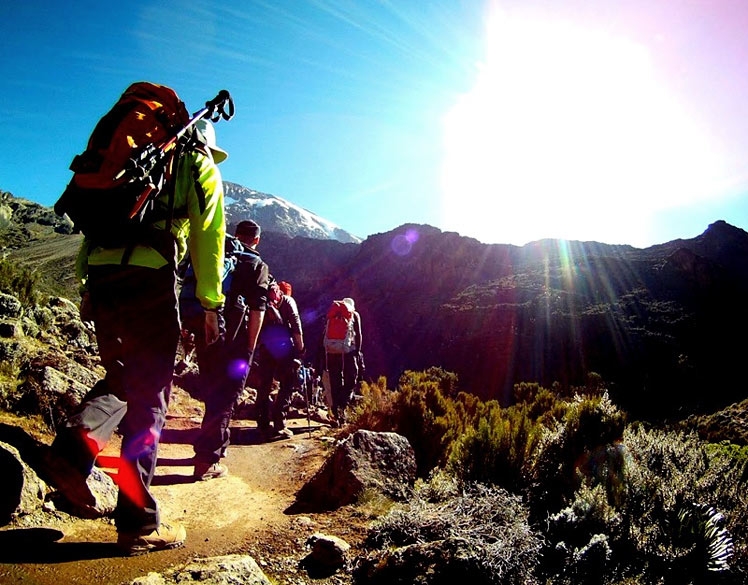
Kilimanjaro Food And Nutrition Mistakes: Avoid These To Summit Successfully
Proper nutrition is crucial for a successful Kilimanjaro climb. This guide details common food and nutrition mistakes climbers make, offering expert advice on what to eat, when to eat it...
View package details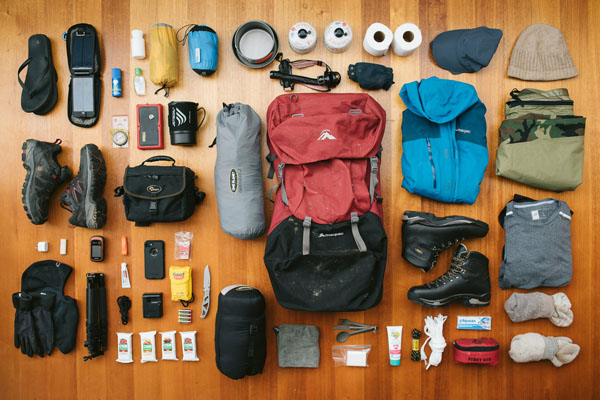
Kilimanjaro Gear-Rental Mistakes To Avoid For Your Climb 2026-2027
Planning a Kilimanjaro climb for 2026 or 2027? Renting gear can save money and hassle, but mistakes are common. This guide details the most frequent errors climbers make when renting...
View package details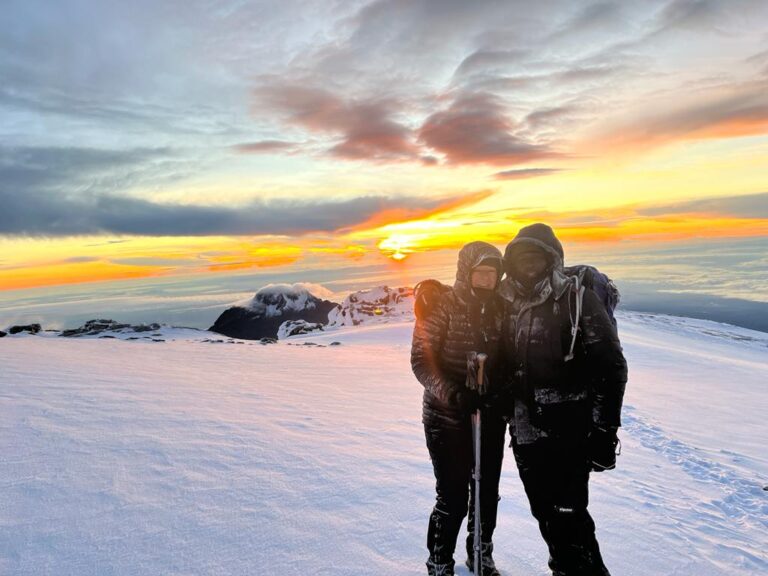
Kilimanjaro Hotel Booking Mistakes: Avoid These Pitfalls For A Smooth Climb
Booking accommodation near Kilimanjaro is crucial for a successful climb. This guide details common Kilimanjaro hotel booking mistakes to help you avoid them, ensuring comfort and readiness...
View package details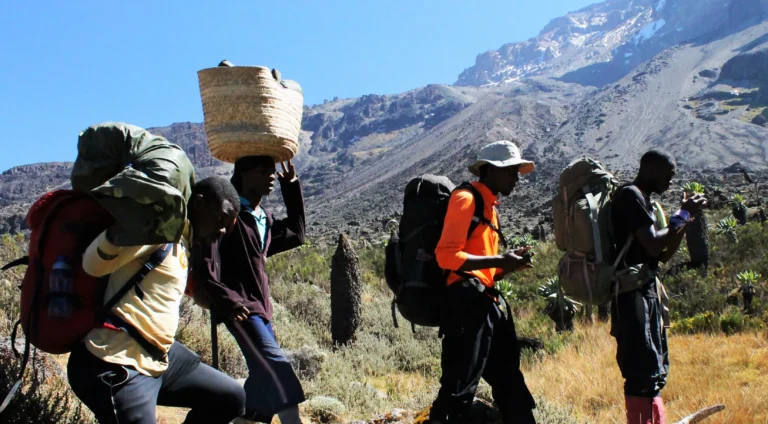
Kilimanjaro Flight-Booking Mistakes: Avoid These Pitfalls For Your Climb
Planning your Kilimanjaro climb for 2026 or 2027? Don't let flight booking errors derail your adventure. This guide covers critical mistakes to avoid, from choosing the right airport and...
View package details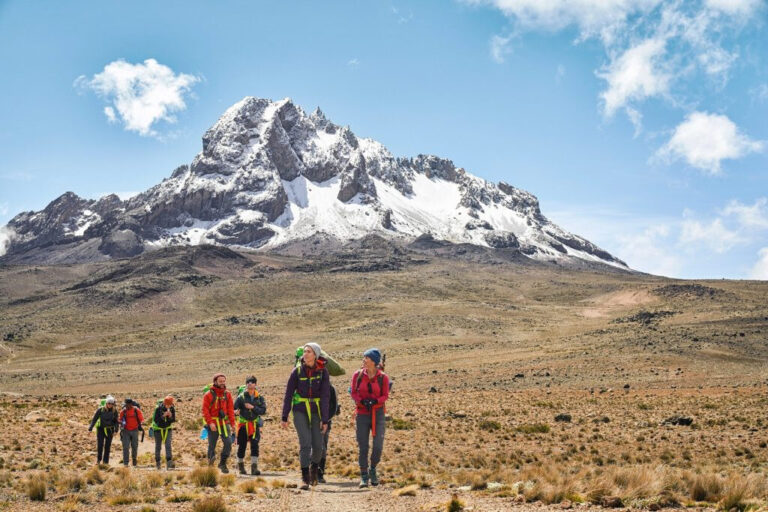
Kilimanjaro Insurance Mistakes To Avoid For A Safe Climb In 2026-2027
Climbing Mount Kilimanjaro is a dream for many, but overlooking proper insurance can turn an incredible adventure into a costly disaster. This guide details the most common Kilimanjaro...
View package details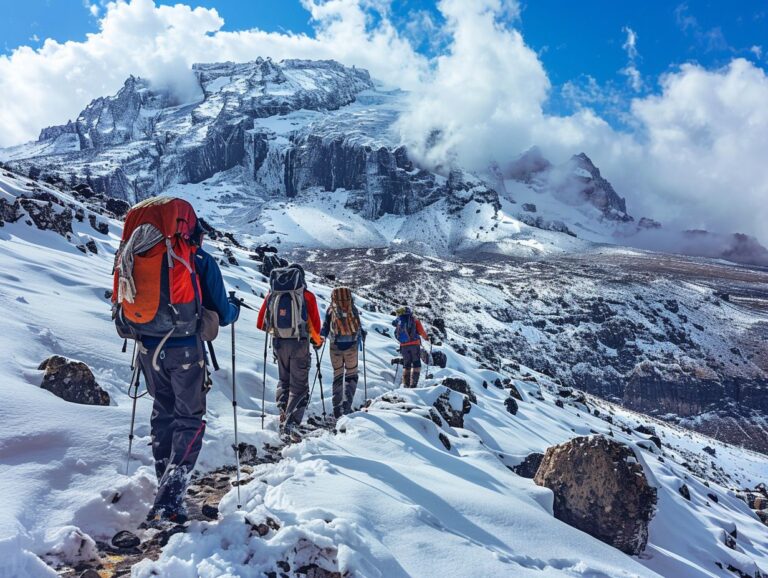
25 Kilimanjaro Climbing Mistakes First-Timers Make: Avoid Them In 2026-2027
Climbing Mount Kilimanjaro is a dream for many, but first-time trekkers can fall into common traps. This guide details 25 critical mistakes to avoid, from inadequate preparation and gear...
View package detailsKilimanjaro Low-Budget Booking Red Flags: Avoid Scams In 2026-2027
Climbing Kilimanjaro on a budget is possible, but requires vigilance. This guide highlights critical red flags to watch out for when booking a low-cost trek, ensuring your 2026-2027...
View package detailsKilimanjaro Photography Mistakes At High Altitude 2026-2027
Kilimanjaro Photography Mistakes at High Altitude is explained with current 2026-2027 planning, price, itinerary and booking information.
View package details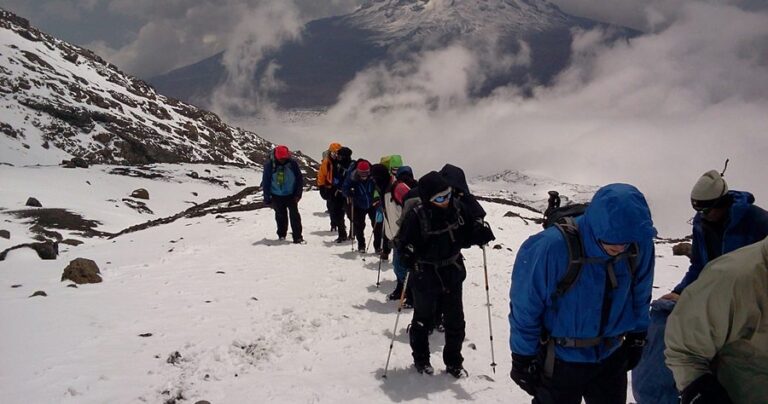
Kilimanjaro Tipping Mistakes And Etiquette: A Comprehensive Guide For Climbers
Navigating Kilimanjaro tipping can be confusing. This guide details common mistakes and proper etiquette for tipping your support crew, ensuring fair compensation and a positive experience...
View package details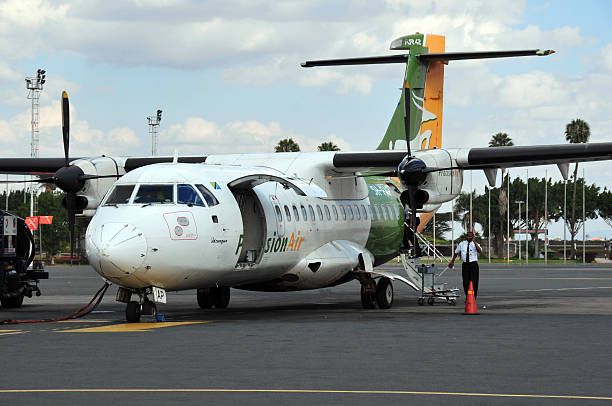
Kilimanjaro Route-Selection Mistakes 2026-2027
Kilimanjaro Route-Selection Mistakes is explained with current 2026-2027 planning, price, itinerary and booking information.
View package details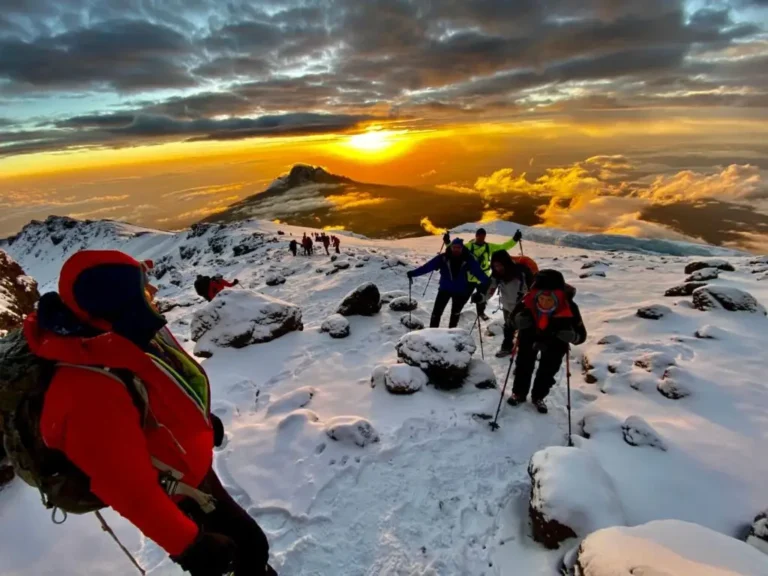
Kilimanjaro Layering Mistakes That Leave Climbers Cold: Expert Guide 2026-2027
Discover the common Kilimanjaro layering mistakes that can lead to discomfort and hypothermia. This guide provides essential tips on choosing the right gear and layering system to ensure...
View package detailsNo related package matches those filters. Clear one or more filters to see the other topic-matched options.



