
The most common Kilimanjaro route-selection mistakes involve prioritizing speed over acclimatization, underestimating the importance of scenery, choosing routes with lower success rates due to poor planning, and not matching the route’s difficulty to personal fitness and experience, which can lead to premature descent or a less fulfilling journey.
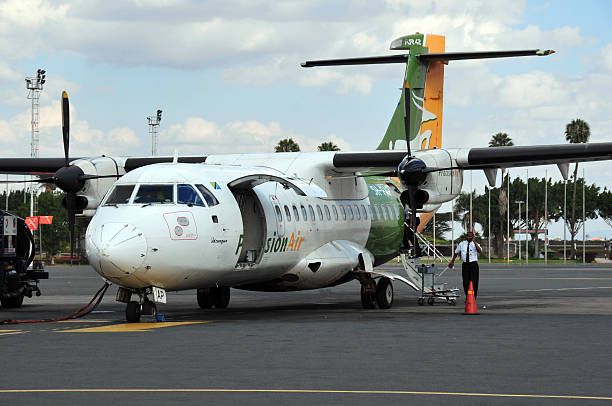
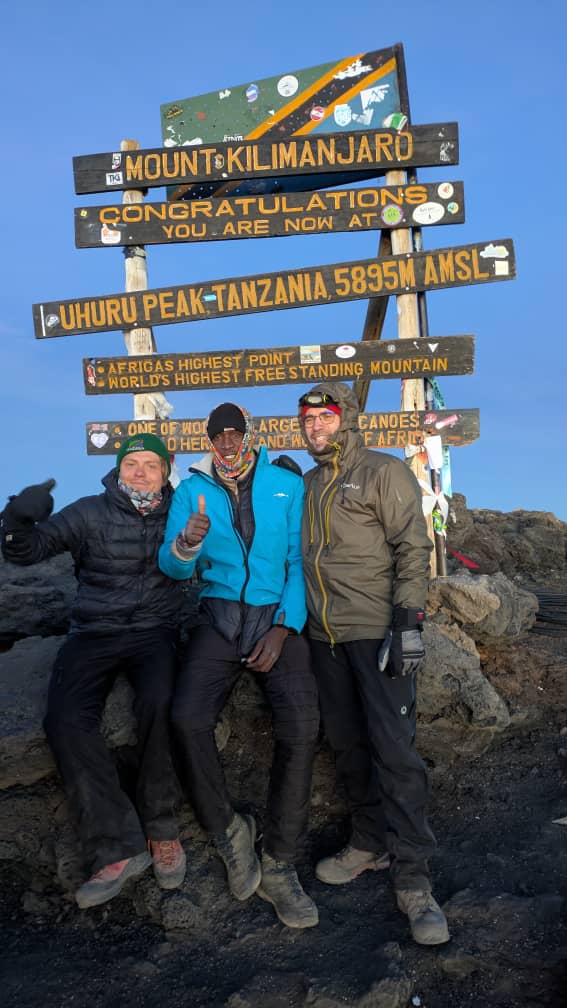

Understanding the Core of Kilimanjaro Route Selection Mistakes
Embarking on a Kilimanjaro climb is a significant undertaking, a bucket-list adventure for many. While the dream is clear – to stand atop Africa – the path to that summit is paved with critical decisions. Among the most consequential is the selection of the climbing route. This decision profoundly impacts your acclimatization, your enjoyment of the mountain’s diverse landscapes, your overall success rate, and ultimately, your experience. Unfortunately, many aspiring climbers make preventable Kilimanjaro route-selection mistakes that can jeopardize their expedition.
These errors often stem from a lack of comprehensive information, focusing on the wrong priorities, or succumbing to common misconceptions. By understanding these pitfalls in advance, you can navigate the route selection process with confidence, ensuring your 2026 or 2027 Kilimanjaro adventure is as safe and rewarding as possible. This guide is designed to highlight the most frequent errors climbers make when choosing their Kilimanjaro path, offering expert advice from Top Guide Adventures to help you avoid them.
Mistake 1: Prioritizing Speed Over Proper Acclimatization
Perhaps the most critical error in Kilimanjaro route selection is choosing a route based solely on its duration, believing that a shorter climb is more efficient or less demanding. This is a dangerous misconception. Kilimanjaro is a high-altitude mountain, and proper acclimatization is paramount for summit success and preventing altitude sickness. Routes like Marangu (5-day option) and Rongai (6-day option) are often chosen for their perceived speed, but they offer minimal acclimatization days.
The scientific consensus on altitude sickness prevention is clear: slow ascent is key. This means spending more time on the mountain, allowing your body to gradually adapt to decreasing oxygen levels. Routes that offer longer itineraries (7 days or more) inherently provide better acclimatization profiles. For instance, the Machame, Lemosho, and Northern Circuit routes are significantly longer and designed with gradual ascent in mind.
Consequences of Rushing:
- Increased risk of Altitude Sickness: Symptoms like headaches, nausea, dizziness, and fatigue can become severe, forcing a descent.
- Lower Summit Success Rates: Climbers who haven’t acclimatized properly are far less likely to reach Uhuru Peak.
- Reduced Enjoyment: Feeling constantly unwell detracts from the incredible scenery and the overall experience.
- Physical Strain: The body works overtime to cope with low oxygen, leading to exhaustion that can be mistaken for lack of fitness.
When planning your climb for 2026 or 2027, resist the temptation to pick the shortest route. Instead, consult with experienced tour operators like Top Guide Adventures. We emphasize longer itineraries because we prioritize your health and success. A 7-day Machame climb is far more likely to be successful and enjoyable than a 5-day Marangu climb, despite the longer duration.
Mistake 2: Underestimating the Importance of Scenery and Scenery-Rich Routes
Kilimanjaro is not just a physical challenge; it’s a journey through diverse and spectacular ecosystems. Many climbers, focused solely on the summit, overlook the aesthetic appeal of different routes. Some routes offer more varied and dramatic landscapes than others, significantly enhancing the overall trekking experience.
Route Scenery Comparisons:
- Marangu Route: Known as the “Coca-Cola” route, it’s often criticized for its monotonous ascent, trekking up and down the same path on the way down. It also lacks the scenic beauty of other routes.
- Machame Route: Highly popular for its excellent acclimatization profile and stunning scenery, particularly the trek through the Shira Plateau and the views of the Western Breach.
- Lemosho Route: Widely regarded as the most scenic route, Lemosho offers impressive views from the start, traversing diverse landscapes including rainforest, moorland, and alpine desert, with opportunities to see wildlife in the early stages.
- Shira Route: Similar to Lemosho but starts at a higher altitude, offering immediate spectacular views across the Shira Plateau. Its higher starting point requires careful acclimatization.
- Rongai Route: Approaches from the drier northern side, offering a different perspective and a chance to see wildlife. It’s less scenic in the early stages compared to Lemosho or Machame but offers a unique experience.
- Northern Circuit: The longest route, it offers the best acclimatization and unparalleled panoramic views as it circles the mountain. It’s arguably the most scenic route due to its extended duration and comprehensive traverse.
Choosing a route based purely on duration or cost can mean missing out on some of Kilimanjaro’s most incredible vistas. If the visual aspect of your trek is important, prioritize routes known for their beauty, such as Lemosho or the Northern Circuit. A slightly longer trek on a more scenic route often leads to a more memorable and satisfying expedition. Don’t let Kilimanjaro route-selection mistakes related to scenery diminish your adventure.
Mistake 3: Opting for Routes with Inherently Lower Success Rates
Every climber dreams of reaching Uhuru Peak. However, some routes, due to their steepness, rapid ascent profile, or higher starting altitude without adequate acclimatization, have statistically lower summit success rates. The Marangu route, especially the 5-day option, is a prime example. Its rapid ascent and lack of sufficient acclimatization days contribute to lower success figures compared to longer routes.
Factors Influencing Success Rates:
- Duration: Longer routes (7+ days) allow for better acclimatization, significantly increasing success.
- Ascent Profile: Gradual ascents are better than steep, rapid climbs, especially in the final stages.
- Starting Altitude: Routes starting at very high altitudes without a slow buildup can be challenging.
- Route Traffic: While not directly a success factor, very crowded routes can sometimes slow progress, though experienced guides manage this.
When evaluating routes for your 2026-2027 climb, look beyond marketing and focus on the route’s design for acclimatization. Routes like the Machame, Lemosho, and Northern Circuit are consistently recommended for their higher success rates, attributed to their longer duration and excellent acclimatization profiles. A route that prioritizes acclimatization is a route that prioritizes your summit attempt.
Mistake 4: Mismatching Route Difficulty with Personal Fitness and Experience
Another significant oversight in Kilimanjaro route-selection mistakes is failing to honestly assess personal fitness levels and prior trekking experience. While Kilimanjaro is not technically demanding (no ropes or ice axes are typically required), the altitude and duration present a substantial physical challenge.
Some routes are inherently more strenuous than others due to their length, terrain, or starting altitude.
- Steeper ascents: Routes like Machame have sections that are quite steep, particularly the Barranco Wall climb.
- Higher starting points: Shira and Lemosho start at higher elevations, requiring immediate adaptation.
- Longer trekking days: The Northern Circuit, while offering the best acclimatization, involves longer days of trekking over more days.
A climber with limited hiking experience might struggle immensely on a longer, more challenging route, even if it offers better acclimatization. Conversely, an experienced hiker might find a shorter, faster route too rapid for proper acclimatization, leading to altitude sickness despite their fitness.
Recommendations:
- Beginner Hikers: Consider routes like Rongai (7-day) or Machame (7-day) which offer good acclimatization and manageable daily distances.
- Moderately Fit Hikers: Machame (7-day), Lemosho (8-day) offer a good balance of challenge and reward.
- Experienced Hikers: Lemosho (8-day) or the Northern Circuit (9-day) provide excellent acclimatization and a more comprehensive experience.
Be honest with yourself about your physical condition. It’s always better to choose a route that allows you to enjoy the journey and reach the summit comfortably, rather than pushing yourself to the brink on a route that’s beyond your current capabilities. Consult with Top Guide Adventures; our team can help match you with the perfect route based on your fitness and experience.
Mistake 5: Ignoring the Importance of the Descent
Most planning and discussion around Kilimanjaro routes focus heavily on the ascent. However, the descent is also a crucial part of the trek and can be surprisingly demanding, especially after the physical and mental exertion of summit night.
Some routes have particularly steep and jarring descents. For example, the Marangu route’s descent involves trekking down the same path used for ascent, which can be hard on the knees and joints. The Mweka descent, common for Machame and Lemosho, is also steep and can be challenging after summit day fatigue.
Route-Specific Descent Considerations:
- Marangu: Descends the same path, offering huts but a less varied experience.
- Machame: Descends via Mweka, a steep path through the forest.
- Lemosho: Typically descends via Mweka, similar to Machame.
- Rongai: Descends via Marangu, a more gradual path than Mweka.
- Northern Circuit: Descends via the Mweka trail, similar to Lemosho.
While the descent is generally less technically challenging, the fatigue from the summit push means that even a seemingly easy descent can feel arduous. Choosing a route with a descent path that suits your physical condition, or simply being prepared for a steep, rocky path, can make a significant difference in your overall experience. This is a subtle but important aspect often overlooked in Kilimanjaro route-selection mistakes.
Mistake 6: Making Decisions Based Solely on Price Without Considering Value
Budget is, understandably, a significant factor for most travelers planning a Kilimanjaro climb for 2026 or 2027. However, choosing the absolute cheapest option is a common and potentially dangerous mistake. The cost of a Kilimanjaro climb reflects the quality of service, safety measures, equipment, and the experience of the guides and crew.
What Low Prices Might Indicate:
- Compromised Safety: Insufficient emergency equipment, undertrained guides, or inadequate crew-to-climber ratios.
- Poor Quality Gear: Tents, sleeping bags, and cooking equipment may be old, damaged, or inadequate for mountain conditions.
- Inadequate Food: Low-quality or insufficient food can lead to malnutrition and energy depletion.
- Unethical Treatment of Staff: The cheapest operators may underpay their guides and porters, impacting morale and service quality.
- Hidden Costs: Prices that seem too good to be true often hide extra charges for park fees, equipment rental, or emergency support.
What to Look For in Value:
- Experienced, Certified Guides: Crucial for safety and acclimatization advice.
- Proper Acclimatization Schedules: Prioritizing longer routes and safe ascent profiles.
- High-Quality Equipment: Reliable tents, warm sleeping bags, and good cooking gear.
- Nutritious Meals: Well-prepared, energy-rich food.
- Adequate Crew Size: Sufficient porters and support staff.
- Emergency Preparedness: Oxygen cylinders, first-aid kits, and evacuation plans.
- Ethical Treatment of Staff: Fair wages and good working conditions for guides and porters.
Top Guide Adventures prides itself on offering competitive pricing that reflects genuine value. We ensure that every aspect of your climb, from safety protocols to crew welfare, meets the highest standards. Don’t let a cheap price compromise your safety or success. Research operators thoroughly and choose one that offers transparent pricing and a commitment to quality and safety. Avoiding this common mistake is vital for a successful Kilimanjaro route selection.
Mistake 7: Not Researching Operator Reputation and Reviews
In the age of online information, it’s surprising how many climbers fail to thoroughly research the tour operators they are considering. Relying on the cheapest offer or a flashy website without checking reviews and operator credentials is a significant oversight.
Where to Look for Information:
- Online Review Sites: TripAdvisor, Google Reviews, and specialized trekking forums provide insights from past clients. Look for consistent feedback regarding safety, guide quality, and overall experience.
- Operator Websites: Check for transparency regarding itineraries, inclusions, safety protocols, and crew welfare policies.
- Industry Certifications: While not always present, some operators may highlight affiliations with reputable trekking associations.
- Word-of-Mouth: Recommendations from trusted friends or travel agencies can be invaluable.
Top Guide Adventures is proud of our reputation, built on years of providing exceptional Kilimanjaro climbs. We encourage potential clients to read reviews on platforms like TripAdvisor and see why so many choose us for their Tanzanian adventures. A reputable operator will be transparent about their operations and happy to answer all your questions. Failing to do this research is a serious contributor to Kilimanjaro route-selection mistakes.
Mistake 8: Overlooking the Importance of Group vs. Private Climbs
Another common oversight is not considering the difference between joining a group climb versus arranging a private climb. Both have their advantages and disadvantages, and the best choice depends on individual preferences and circumstances.
Group Climbs:
- Pros: Generally more affordable, opportunity to meet other travelers, fixed departure dates can simplify planning.
- Cons: Less flexibility in pace, may need to wait for slower members or be pushed by faster ones, less personalized attention.
Private Climbs:
- Pros: Complete control over pace, personalized attention from guides, flexibility with itinerary and departure dates, ideal for families or groups of friends.
- Cons: Typically more expensive than joining a group.
For those seeking a more tailored experience or with specific timing needs for their 2026 or 2027 climb, a private climb might be the better option. Top Guide Adventures specializes in both group and private expeditions, ensuring we can accommodate your needs. Don’t assume one size fits all; carefully consider which setup best suits your climbing style and priorities.
Mistake 9: Failing to Consider the Best Time to Climb
While not strictly a route-selection mistake, choosing the wrong time of year to climb Kilimanjaro can significantly impact your experience and even your success, often influencing route choices indirectly. Kilimanjaro has distinct dry and wet seasons.
Seasons:
- Dry Seasons (Best for Climbing): January-March and June-October. These periods offer clearer skies, less rain, and more stable weather conditions.
- Wet Seasons: April-May (long rains) and November-December (short rains). These months can bring heavy rainfall, snow at higher altitudes, and lower visibility, making climbing more challenging and potentially dangerous.
Climbing during the wet season often leads to routes being more difficult, potentially forcing detours or even cancellations. Some operators might offer lower prices during the off-season, which can be tempting but should be approached with caution. If you’re planning for 2026 or 2027, aim for the dry seasons for the best chance of favorable weather.
Route Choice and Season:
- Routes like Rongai, which approach from the north, are often recommended for the shoulder seasons (e.g., November) as the northern side tends to be drier.
- All major routes are viable during the peak dry seasons.
Ignoring the weather patterns and choosing a climb during the wet season can turn what should be an incredible adventure into a miserable and potentially hazardous experience. Always factor the season into your planning, especially when making Kilimanjaro route-selection decisions.
Mistake 10: Not Understanding the Role of Support Crew and Equipment
The success of any Kilimanjaro climb relies heavily on the quality of the support crew and the equipment used. Many climbers focus solely on the route and their own fitness, neglecting the critical infrastructure that ensures their safety and comfort.
Key Support Elements:
- Guides: Experienced, certified guides are essential. They manage acclimatization, monitor health, navigate, and make critical decisions regarding summit attempts.
- Porters: They carry the bulk of the equipment, tents, food, and personal gear, allowing climbers to focus on walking. Fair treatment and adequate numbers of porters are vital.
- Cooks: Prepare nutritious meals that provide essential energy for the strenuous trek.
- Equipment: High-quality tents, sleeping bags rated for extreme cold, and reliable cooking gear are non-negotiable.
Choosing an operator that skimps on crew numbers, training, or equipment due to cost-cutting is a significant mistake. A poorly equipped tent in freezing temperatures or an inexperienced guide can turn a challenging trek into a dangerous ordeal. Always inquire about the operator’s policies on crew welfare, training, and the quality of their equipment. This is an often-overlooked aspect of Kilimanjaro route-selection that directly impacts safety and comfort.
In-Depth Route Comparisons: Choosing Wisely for 2026-2027
To further illustrate how route selection impacts your climb, let’s compare the most popular Kilimanjaro routes in detail, highlighting their pros, cons, and suitability for different types of climbers. This deep dive aims to prevent common Kilimanjaro route-selection mistakes by providing clear, comparative information.
The Machame Route: The Popular All-Rounder
Duration: Typically 6-7 days (7 days recommended for better acclimatization).
Start Point: Machame Gate (1,800m / 5,905 ft).
End Point: Mweka Gate (1,640m / 5,380 ft).
Scenery: Excellent. Passes through rainforest, Shira Plateau, Lava Tower, Barranco Wall, and Karanga Valley. Offers spectacular views.
Acclimatization: Good, especially on the 7-day itinerary, utilizing the “climb high, sleep low” principle effectively.
Success Rate: High, particularly on the 7-day option.
Difficulty: Moderate to High. Features steep ascents like the Barranco Wall.
Pros:
- Excellent acclimatization profile (7-day).
- Stunning and diverse scenery.
- High success rate.
- Popular, meaning good availability of group departures.
Cons:
- Can be crowded due to its popularity.
- The Barranco Wall can be challenging for some.
- Descent via Mweka is steep.
Best for: Most climbers seeking a balance of scenery, acclimatization, and success, especially those with moderate fitness.
The Lemosho Route: The Most Scenic Choice
Duration: Typically 7-8 days (8 days recommended).
Start Point: Londorosi Gate (2,200m / 7,218 ft) or Mti Mkubwa Gate.
End Point: Mweka Gate (1,640m / 5,380 ft).
Scenery: Arguably the most beautiful. Starts in lush rainforest, traverses the Shira Plateau, offers stunning views of Kilimanjaro and the savannah. Often offers wildlife sightings in the early stages.
Acclimatization: Excellent, especially on the 8-day itinerary, due to its gradual ascent and longer duration.
Success Rate: Very High.
Difficulty: Moderate to High. Similar technical challenges to Machame but spread over more days.
Pros:
- Exceptional scenery throughout the trek.
- Superb acclimatization profile on longer options.
- Higher success rates.
- Less crowded than Machame, especially in the initial days.
Cons:
- More expensive than shorter routes due to longer duration.
- Starts at a higher altitude, requiring immediate adaptation.
Best for: Climbers prioritizing scenery and acclimatization, willing to invest more time and budget for a potentially more rewarding experience. Ideal for 2026-2027 climbs where quality is paramount.
The Northern Circuit: The Longest and Safest
Duration: 9 days.
Start Point: Londorosi Gate (2,200m / 7,218 ft).
End Point: Mweka Gate (1,640m / 5,380 ft).
Scenery: Unparalleled. It circles the entire mountain, offering panoramic views from all sides, including the remote northern slopes and the crater rim. It’s the most comprehensive scenic tour.
Acclimatization: The best. Its 9-day duration provides the slowest, most gradual ascent, maximizing the body’s adaptation to altitude.
Success Rate: Extremely High. Often cited as the highest success rate among all routes.
Difficulty: Moderate. While not technically difficult, the sustained duration requires good stamina.
Pros:
- Superior acclimatization leads to the highest success rates.
- Most scenic route due to its full circuit.
- Least crowded route, offering a more serene experience.
- Excellent for wildlife viewing in the early stages.
Cons:
- Longest duration, requiring more time off work or travel.
- Highest cost due to the extended duration.
Best for: Climbers who want the absolute best chance of summit success, prioritize acclimatization and scenery, and have the time and budget for a longer expedition. A top choice for a well-planned 2026 or 2027 climb.
The Rongai Route: The Alternative Approach
Duration: Typically 6-7 days (7 days recommended).
Start Point: Loitokitok Gate (1,800m / 5,905 ft) on the Kenyan border.
End Point: Marangu route descent path.
Scenery: Different from the western routes. Ascends through drier scrubland and moorland, offering a unique perspective. Less rainforest than Machame/Lemosho.
Acclimatization: Moderate. Better than Marangu’s 5-day option but less effective than Machame or Lemosho’s 7+ day options.
Success Rate: Good, especially on the 7-day option.
Difficulty: Moderate.
Pros:
- Approaches from the drier northern side, making it a good option during shoulder seasons (e.g., November).
- Less crowded than Machame or Marangu.
- Opportunity to see wildlife in the early stages.
- Generally a more gradual ascent profile.
Cons:
- Scenery is less dramatic in the initial stages compared to western routes.
- Descent uses the Marangu path, which is less scenic than Mweka.
Best for: Climbers looking for an alternative route, potentially with fewer crowds, or those climbing during slightly wetter months where the northern side’s drier climate is an advantage.
The Marangu Route: The Classic (with Caveats)
Duration: 5-6 days (5 days strongly discouraged).
Start Point: Marangu Gate (1,800m / 5,905 ft).
End Point: Marangu Gate.
Scenery: Considered the least scenic. Climbers ascend and descend the same path, offering repetitive views. It lacks the dramatic landscapes of western routes.
Acclimatization: Poor, especially on the 5-day option. The rapid ascent significantly increases the risk of altitude sickness.
Success Rate: Lowest among the popular routes, particularly on the 5-day option.
Difficulty: Moderate to High due to altitude, but terrain is less demanding than Machame’s Barranco Wall.
Pros:
- Unique in offering dormitory-style accommodation in huts (hence “Coca-Cola” route).
- Cheapest option due to shorter duration and less equipment needed (no tents).
- More gradual descent than Mweka.
Cons:
- Very low success rate on the 5-day option.
- Poor acclimatization profile.
- Least scenic route.
- Can be very crowded.
- Ascent and descent on the same path.
Best for: Budget-conscious climbers prioritizing huts over tents, and those who understand the risks associated with the short duration and lower success rate. Top Guide Adventures strongly advises against the 5-day Marangu; if choosing Marangu, opt for the 6-day itinerary for slightly better acclimatization.
Avoiding the Worst Kilimanjaro Route-Selection Mistakes in 2026-2027
Planning your Kilimanjaro climb for 2026 or 2027 requires careful consideration of many factors. By understanding and actively avoiding the common Kilimanjaro route-selection mistakes outlined above, you significantly enhance your chances of a safe, successful, and memorable ascent.
Your Kilimanjaro Route Selection Checklist:
- Prioritize Acclimatization: Always choose longer routes (7+ days) for better acclimatization.
- Consider Scenery: Opt for routes like Lemosho or Northern Circuit if visual beauty is important.
- Focus on Success Rates: Select routes known for higher success, typically longer ones.
- Assess Your Fitness: Match route difficulty to your personal fitness and experience level.
- Factor in Descent: Be aware of the descent path’s steepness and potential impact.
- Value Over Price: Choose reputable operators offering good value, not just the cheapest deal.
- Research Operators: Check reviews and credentials of tour companies.
- Group vs. Private: Decide which climbing style suits you best.
- Seasonal Timing: Plan your climb during the dry seasons for optimal weather.
- Support System: Ensure your operator provides excellent guides, crew, and equipment.
At Top Guide Adventures, we are dedicated to helping you make the right choices. Our experienced team understands the nuances of each Kilimanjaro route and can provide personalized recommendations based on your goals, fitness, and preferences for your 2026-2027 expedition. We believe that informed decisions are the foundation of a great climb.
Don’t let preventable Kilimanjaro route-selection mistakes derail your dream. By focusing on safety, acclimatization, and a well-rounded experience, you can choose the perfect route that leads you confidently to the Roof of Africa. Contact us today to start planning your unforgettable Kilimanjaro adventure.
Ready to plan your 2026 or 2027 Kilimanjaro climb and avoid common mistakes? Reach out to the experts at Top Guide Adventures. We offer personalized advice and tailor-made itineraries to ensure your journey is safe, successful, and unforgettable. Connect with us via WhatsApp at +255616946642 or email us at topguideadventures@gmail.com. For alternative inquiries, you can also use info@topguideadventures.com. Let us guide you to the summit!
“,
“faq_schema”: [
{
“question”: “What is the biggest mistake people make when choosing a Kilimanjaro route?”,
“answer”: “The biggest mistake is prioritizing a shorter duration over proper acclimatization. Routes like the 5-day Marangu are popular for their speed but significantly increase the risk of altitude sickness and lower summit success rates due to insufficient time for the body to adapt to the altitude.”
},
{
“question”: “Which Kilimanjaro route offers the best acclimatization and highest success rate?”,
“answer”: “The Northern Circuit (9 days) and the Lemosho Route (8 days) are widely considered to offer the best acclimatization profiles and consequently the highest summit success rates. Their longer duration allows for a more gradual ascent, crucial for acclimatization.”
},
{
“question”: “Is the Machame route a good choice for first-time Kilimanjaro climbers?”,
“answer”: “Yes, the Machame Route, particularly the 7-day itinerary, is an excellent choice for most climbers, including first-timers. It offers a good balance of acclimatization, stunning scenery, and a high success rate, provided the climber has a reasonable level of fitness.”
},
{
“question”: “Why is the Marangu route often discouraged for Kilimanjaro climbs?”,
“answer”: “The Marangu route is often discouraged, especially the 5-day option, due to its rapid ascent, poor acclimatization, repetitive scenery, and significantly lower success rates compared to longer routes. While it offers huts, the altitude challenges are substantial.”
},
{
“question”: “How does the time of year affect Kilimanjaro route selection?”,
“answer”: “While all routes can be climbed year-round, the dry seasons (June-October and January-March) are best for optimal weather. The Rongai route is sometimes recommended for shoulder seasons or slightly wetter months as it approaches from the drier northern side.”
},
{
“question”: “What are the key differences between group and private Kilimanjaro climbs?”,
“answer”: “Group climbs are typically more affordable and offer fixed departure dates, but with less pace flexibility. Private climbs offer more personalized attention, flexibility in pace and schedule, and are ideal for specific groups, though usually at a higher cost.”
},
{
“question”: “Should I choose a route based on its scenery?”,
“answer”: “Yes, scenery is a vital part of the experience. Routes like Lemosho and the Northern Circuit are renowned for their impressive and diverse landscapes, offering a more visually rewarding journey compared to routes with less varied terrain.”
},
{
“question”: “How important is the operator’s reputation when selecting a Kilimanjaro route?”,
“answer”: “Extremely important. Choosing a reputable operator like Top Guide Adventures ensures quality guides, proper safety equipment, fair treatment of porters, and well-planned itineraries, all of which are crucial for safety and success, regardless of the route chosen.”
},
{
“question”: “What is the cost implication of choosing a longer Kilimanjaro route?”,
“answer”: “Longer routes like Lemosho or the Northern Circuit are generally more expensive due to the increased number of days, requiring more resources (food, crew, park fees per day). However, this higher cost often translates to better acclimatization and a higher success rate.”
},
{
“question”: “Can I climb Kilimanjaro in 2026 or 2027?”,
“answer”: “Absolutely! 2026 and 2027 are excellent years to plan your Kilimanjaro climb. Booking in advance is recommended, especially for peak seasons, to secure your preferred route and dates. Contacting operators like Top Guide Adventures early is key.”
}
]
}
“`
Check Availability for Kilimanjaro Route-Selection Mistakes 2026-2027
Ready to compare dates, prices, and the best option for your group? Send the package name and travel month so the team can reply with a clear quote, availability, and what is included.
Reasons Climbers Regret Choosing A Short Kilimanjaro Route | Top Guide
Many Kilimanjaro climbers opt for shorter routes to save time or money, only to later regret their decision. This article details the common pitfalls of short routes, focusing on...
View package details
Kilimanjaro Group-Climb Mistakes: Avoid Common Pitfalls For A Successful
This guide details common Kilimanjaro group-climb mistakes, offering practical advice for trekkers aiming for a successful summit. Learn about preparation, acclimatization, gear, and...
View package details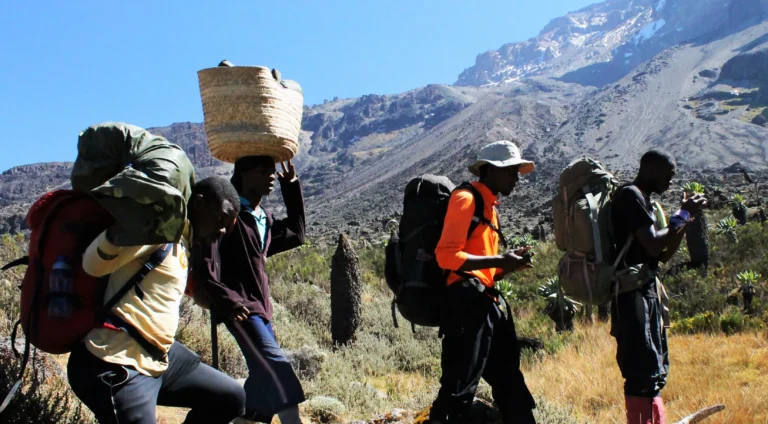
Kilimanjaro Photography Mistakes At High Altitude 2026-2027
Kilimanjaro Photography Mistakes at High Altitude is explained with current 2026-2027 planning, price, itinerary and booking information.
View package details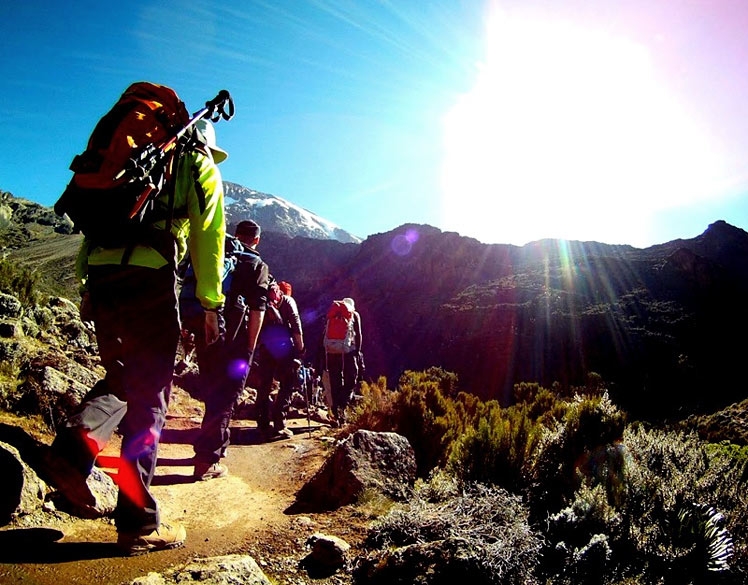
Kilimanjaro Food And Nutrition Mistakes: Avoid These To Summit Successfully
Proper nutrition is crucial for a successful Kilimanjaro climb. This guide details common food and nutrition mistakes climbers make, offering expert advice on what to eat, when to eat it...
View package details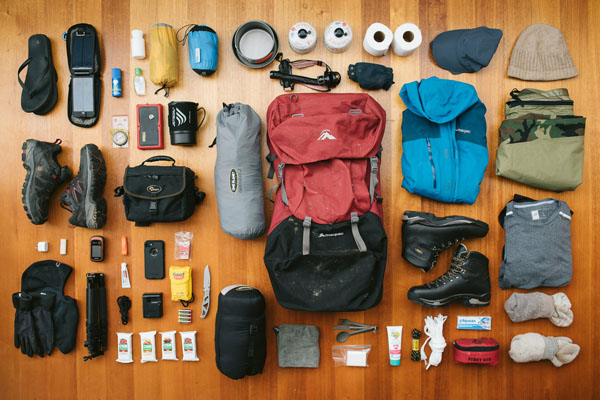
Kilimanjaro Gear-Rental Mistakes To Avoid For Your Climb 2026-2027
Planning a Kilimanjaro climb for 2026 or 2027? Renting gear can save money and hassle, but mistakes are common. This guide details the most frequent errors climbers make when renting...
View package details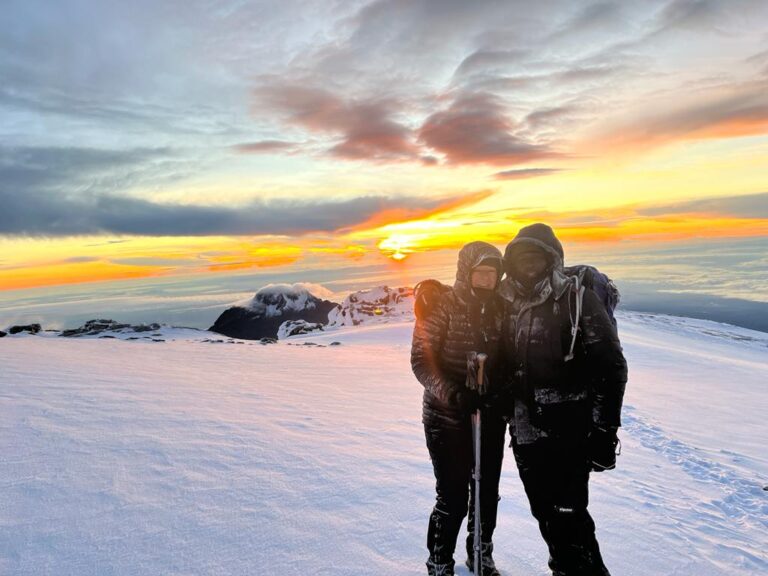
Kilimanjaro Hotel Booking Mistakes: Avoid These Pitfalls For A Smooth Climb
Booking accommodation near Kilimanjaro is crucial for a successful climb. This guide details common Kilimanjaro hotel booking mistakes to help you avoid them, ensuring comfort and readiness...
View package detailsKilimanjaro Flight-Booking Mistakes: Avoid These Pitfalls For Your Climb
Planning your Kilimanjaro climb for 2026 or 2027? Don't let flight booking errors derail your adventure. This guide covers critical mistakes to avoid, from choosing the right airport and...
View package details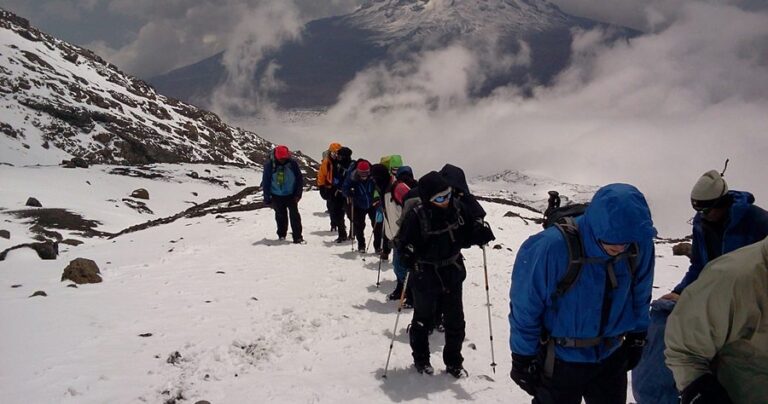
Kilimanjaro Tipping Mistakes And Etiquette: A Comprehensive Guide For Climbers
Navigating Kilimanjaro tipping can be confusing. This guide details common mistakes and proper etiquette for tipping your support crew, ensuring fair compensation and a positive experience...
View package details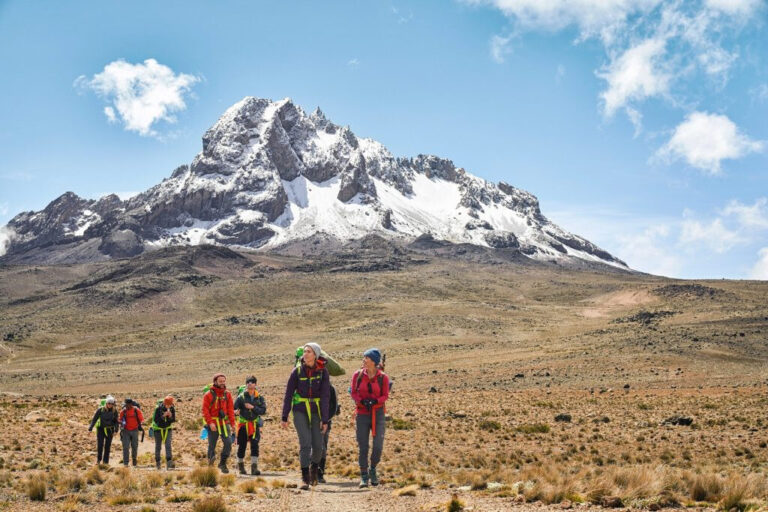
Kilimanjaro Insurance Mistakes To Avoid For A Safe Climb In 2026-2027
Climbing Mount Kilimanjaro is a dream for many, but overlooking proper insurance can turn an incredible adventure into a costly disaster. This guide details the most common Kilimanjaro...
View package details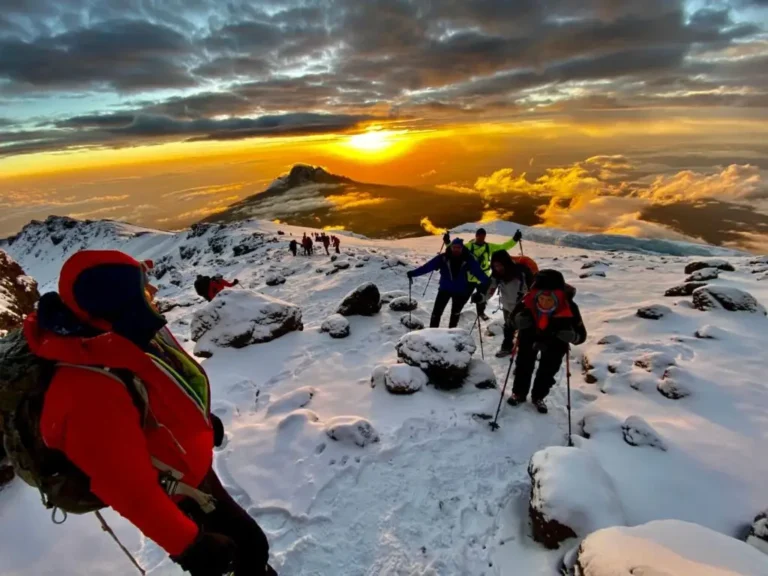
Kilimanjaro Layering Mistakes That Leave Climbers Cold: Expert Guide 2026-2027
Discover the common Kilimanjaro layering mistakes that can lead to discomfort and hypothermia. This guide provides essential tips on choosing the right gear and layering system to ensure...
View package details
Kilimanjaro Footwear Mistakes And Blister Prevention 2026-2027
Kilimanjaro Footwear Mistakes and Blister Prevention is explained with current 2026-2027 planning, price, itinerary and booking information.
View package details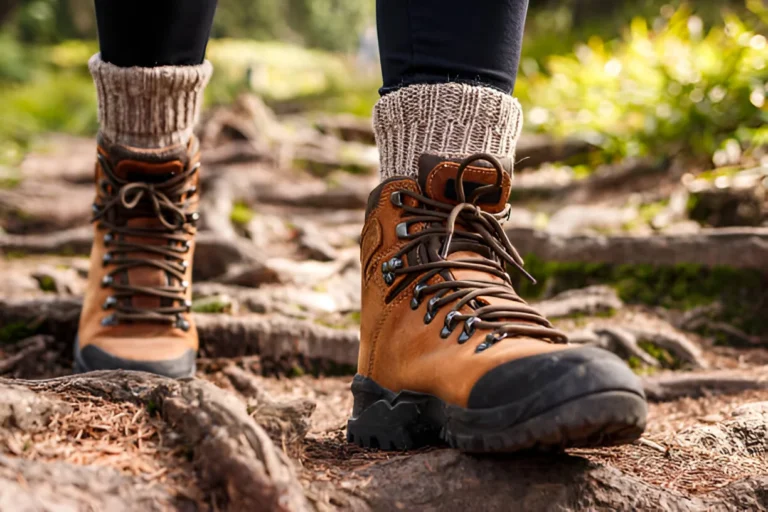
Kilimanjaro Packing Mistakes To Avoid For A Successful Climb In 2026-2027
Packing for Kilimanjaro is crucial for a successful trek. This guide details common packing mistakes to avoid, ensuring you have the right gear for the varying altitudes and conditions...
View package detailsNo related package matches those filters. Clear one or more filters to see the other topic-matched options.



