
Climbers often regret choosing a short Kilimanjaro route primarily due to insufficient acclimatization, leading to a higher likelihood of altitude sickness, a significantly lower success rate in reaching the summit, and a rushed, less enjoyable overall experience. Shorter routes, typically 5 or 6 days, do not allow the body adequate time to adapt to the extreme altitude, turning what should be a challenging but rewarding adventure into a physically punishing ordeal, sometimes ending in disappointment at base camp.
The Lure of Shorter Kilimanjaro Routes: A False Economy?
The allure of Kilimanjaro is undeniable. It stands as Africa’s highest peak, a dormant volcano offering a trek that many dream of completing. When planning this epic journey, one of the first decisions climbers face is choosing a route. While the mountain boasts several paths, a common temptation is to opt for the shorter routes, often presented as quicker and more budget-friendly options. However, as many seasoned climbers and tour operators like Top Guide Adventures have observed, this choice can frequently lead to significant regret. The reasons behind this regret are multifaceted, but they fundamentally boil down to one critical factor: the mountain’s altitude and the body’s need for time to adapt.
In 2026 and looking ahead to 2027, Kilimanjaro continues to be a prime destination for adventurers worldwide. While the dream of standing on the Roof of Africa is powerful, the methods employed to achieve it matter immensely. Opting for a short Kilimanjaro route, typically those lasting 5 or 6 days, is often a decision made with good intentions – perhaps due to time constraints or a desire to minimize costs. Yet, the harsh reality of high-altitude trekking on Kilimanjaro is that speed and brevity often come at the expense of success and enjoyment. This article will explore the profound reasons why choosing a short Kilimanjaro route is a decision many climbers come to regret, highlighting the critical importance of selecting a longer, more gradual ascent for a safer and more fulfilling experience.
Understanding Altitude and Acclimatization: The Cornerstone of Kilimanjaro Success
Kilimanjaro is not a technical climb; its primary challenge lies in its altitude. The summit, Uhuru Peak, sits at 5,895 meters (19,341 feet) above sea level. At this elevation, the atmospheric pressure is roughly half that of sea level, meaning there is significantly less oxygen available with each breath. The human body is remarkably adaptable, but this adaptation, known as acclimatization, is a gradual process. It involves physiological changes, such as increased red blood cell production, to better transport oxygen throughout the body.
When you ascend too quickly, your body doesn’t have enough time to make these necessary adjustments. This can lead to Altitude Sickness (Acute Mountain Sickness or AMS), a condition that can range from mild headaches and nausea to severe and life-threatening issues like High Altitude Cerebral Edema (HACE) and High Altitude Pulmonary Edema (HAPE). The symptoms of AMS can significantly detract from the trekking experience, making it uncomfortable and, in severe cases, necessitating an immediate descent.
The fundamental principle of safe high-altitude trekking is to ‘climb high, sleep low.’ This strategy allows climbers to ascend to higher altitudes during the day, stimulating acclimatization, and then descend to lower altitudes to sleep, where the body can rest and recover more effectively. This rhythm is impossible to maintain on a short route. The rapid ascent means climbers spend more time at dangerous altitudes without sufficient recovery periods, dramatically increasing their risk of developing AMS.
The Grim Statistics: Shorter Routes Mean Lower Summit Success Rates
One of the most significant indicators of regret stemming from short Kilimanjaro routes is the stark difference in summit success rates. While exact figures can vary depending on the operator, the route, and the season, it is widely acknowledged that shorter routes have considerably lower success rates compared to longer ones. Routes like the Marangu (5-day option) and Machame (6-day option) are often chosen for their perceived speed, but their summit success rates can be as low as 30-50%.
In contrast, longer routes, such as the Machame (7-day), Lemosho (7 or 8-day), or Northern Circuit (9-day), typically boast success rates of 70-90% or even higher. This disparity isn’t a coincidence; it’s a direct consequence of adequate acclimatization time. Longer routes follow the ‘pole pole’ (slowly, slowly) principle, incorporating more gradual ascents and often including ‘acclimatization days’ where climbers either rest or ascend to a higher point and return to a lower camp. These extra days are crucial for the body to adjust to the thinning air.
For a climber who has invested significant time, money, and effort into reaching Kilimanjaro, the ultimate goal is to stand at Uhuru Peak. To fall short, especially due to a preventable factor like choosing an inadequate route duration, is a profound source of disappointment and regret. Many climbers who attempt short routes and fail vow to return, this time opting for a longer, more scientifically proven path to the summit. This suggests that the initial saving in time or money on a short route is often overshadowed by the cost of a failed attempt and the need for a second, more expensive climb.
Common Short Kilimanjaro Routes and Their Acclimatization Deficiencies
Let’s look at the most frequently chosen short routes and why they often lead to regret:
- Marangu Route (5 Days): Often called the ‘Coca-Cola’ route due to its popularity and relatively comfortable hut accommodation, the 5-day Marangu is notoriously difficult for acclimatization. It is one of the only routes that uses a ‘point-to-point’ ascent and descent, meaning climbers ascend and descend the same path. This lack of varied terrain and the rapid gain in altitude over just five days make it a challenging option. The body simply doesn’t have the time to adapt to the extreme heights.
- Machame Route (6 Days): While the Machame route is generally considered a good route with excellent acclimatization profiles when done over 7 or more days, the 6-day version is a rushed attempt. It still involves significant altitude gain in a compressed timeframe. While slightly better than the 5-day Marangu, the 6-day Machame still sacrifices crucial acclimatization for speed.
- Lemosho Route (6 Days): Similar to the Machame, the Lemosho route is excellent for acclimatization when done over 7 or 8 days. The 6-day option, however, cuts corners on the acclimatization schedule, leading to increased risks of altitude sickness and a reduced chance of summiting.
These routes are popular because they are often advertised as the ‘cheapest’ or ‘quickest’ ways to summit Kilimanjaro. However, this is a dangerous oversimplification. The true cost of a Kilimanjaro climb isn’t just the upfront fee; it’s the experience, the safety, and the success of reaching the summit. Short routes often fail on all these counts.
The Physical and Mental Toll of Rushed Ascents
Beyond the statistics of summit success, the physical and mental toll of a rushed ascent on a short route is a primary reason for regret. Altitude sickness, even in its milder forms, is deeply unpleasant. Symptoms like severe headaches, persistent nausea, dizziness, and extreme fatigue can make every step feel like a monumental effort. Instead of enjoying the changing landscapes, the unique flora and fauna, and the camaraderie of fellow climbers, individuals on short routes are often solely focused on battling their physical discomfort.
The mental aspect is equally significant. Kilimanjaro is a mental challenge as much as a physical one. The sustained effort, the cold, the darkness of summit night, and the sheer willpower required to keep moving are immense. When these challenges are compounded by the debilitating effects of altitude sickness, the experience can become overwhelming and demoralizing. Climbers may find themselves questioning their decision, their physical limits, and the entire purpose of the trek. Instead of a triumphant achievement, it can become a desperate fight against their own bodies.
The summit night, typically starting around midnight, is the most demanding part of the climb. Climbers ascend in the dark, often in sub-zero temperatures, for 6-8 hours. On a short route, the body is already severely compromised by lack of acclimatization. This makes the summit night exponentially harder, increasing the likelihood of climbers turning back before reaching the peak due to exhaustion, sickness, or simply the overwhelming physical distress.
Moreover, the lack of proper rest and recovery days on short routes means climbers arrive at summit night already depleted. They haven’t had the chance to fully recover from the previous days’ ascents, making the final push an almost impossible task. This physical and mental exhaustion is a direct cause of regret, as climbers realize they underestimated the mountain and prioritized speed over a sustainable, enjoyable climb.
Diminished Experience: Missing Out on the Kilimanjaro Journey
Kilimanjaro is more than just a summit to be conquered; it’s a journey through diverse ecological zones, each offering unique beauty and challenges. The lower slopes boast lush rainforests, home to monkeys and diverse birdlife. As you ascend, these give way to moorlands, then alpine deserts, and finally, the arctic zone near the summit. Each zone presents a different environment, a different set of plants and animals, and a different feeling.
Short routes, by their very nature, compress this experience. Climbers spend less time in each zone, often rushing through the lower, more biodiverse areas to gain altitude quickly. This means they miss out on the subtle beauty and the gradual transition of ecosystems that make Kilimanjaro so special. The rainforest canals, the giant heathers of the moorland, the otherworldly volcanic landscapes – these are often seen through a haze of discomfort and haste on shorter itineraries.
The sense of accomplishment is also deeply tied to the journey itself. The camaraderie built with guides and fellow climbers, the quiet moments of reflection amidst stunning scenery, the challenge of overcoming each day’s trek – these elements contribute to a profound and memorable experience. When the focus is solely on surviving the altitude and pushing towards a summit that may remain elusive, these enriching aspects of the trek are lost. Climbers regret not taking the time to truly appreciate the mountain and the incredible journey it offers.
Furthermore, longer routes often include designated acclimatization days. These days are not just about physical adaptation; they are opportunities to explore the surroundings, learn more about the mountain from the guides, and simply rest and enjoy the environment. Without these, the trek becomes a monotonous, grueling march, devoid of the wonder and discovery that should characterize such an adventure. Many regret not allowing themselves the time to savor the experience, turning a potential special adventure into a race against time and altitude.
Cost Considerations: The True Cost of a Short Route
While short routes are often chosen for their lower price tag, this can be a misleading calculation. The ‘cheapest’ option might seem appealing initially, but it often fails to deliver value in terms of safety, success, and overall experience. The true cost of a Kilimanjaro climb includes factors that short routes compromise:
- Lower Success Rates = Higher Cost Per Attempt: If a short route has a 40% success rate, it means 60% of climbers fail to reach the summit. For those 60%, the entire cost of the trip – flights, permits, gear, guide fees – is spent on an unsuccessful endeavor. Many will then need to plan and pay for a second trip. In this light, a longer route with a 90% success rate is far more cost-effective.
- Medical Expenses and Emergency Evacuation: Altitude sickness can lead to serious medical complications. If a climber becomes severely ill, emergency medical treatment and evacuation can incur substantial costs, often not fully covered by standard travel insurance. Choosing a route that prioritizes acclimatization significantly reduces this risk.
- Missed Opportunities for Deeper Engagement: The intangible value of a Kilimanjaro climb lies in its memorable potential. A rushed trek, marked by sickness and disappointment, rarely offers this. Climbers regret spending their savings on an experience that left them feeling unwell and unfulfilled.
For 2026 and 2027, the cost of Kilimanjaro climbs will continue to reflect the value offered. Tour operators like Top Guide Adventures emphasize that investing in a longer route is an investment in safety, success, and an unforgettable experience. The minimal difference in price between a 6-day and a 7-day trek, for instance, can be the deciding factor between a successful summit and a costly failure.
Comparing Route Durations and Their Impact on Cost and Success (Illustrative for 2026-2027)
Here’s a general comparison of route durations, costs, and typical success rates. Please note that actual prices for 2026 and 2027 depend on specific inclusions, group size, and operator. Top Guide Adventures offers competitive pricing for all our routes.
| Route Option | Typical Duration (Days) | Estimated Cost Range (USD) 1 | Typical Summit Success Rate | Acclimatization Profile |
|---|---|---|---|---|
| Marangu (5 Days) | 5 | $1000 – $1500 | 30-50% | Poor |
| Machame (6 Days) | 6 | $1200 – $1800 | 50-60% | Fair |
| Lemosho (6 Days) | 6 | $1300 – $1900 | 55-65% | Fair |
| Machame (7 Days) | 7 | $1400 – $2100 | 70-85% | Good |
| Lemosho (7 Days) | 7 | $1500 – $2200 | 75-85% | Very Good |
| Lemosho (8 Days) | 8 | $1600 – $2400 | 80-90% | Excellent |
| Northern Circuit (9 Days) | 9 | $1800 – $2700 | 85-95% | Excellent |
1 Costs are estimates for 2026-2027 and exclude international flights, visa fees, and personal gear. They are indicative and can vary based on inclusions (e.g., accommodation before/after the climb, gear rental) and operator.
This table clearly illustrates that the marginal increase in cost for longer routes is directly correlated with significantly higher success rates and better acclimatization profiles. For climbers planning in 2026 or 2027, this data is crucial for making an informed decision.
What Constitutes a ‘Short’ Route and Why It’s Problematic
Generally, any Kilimanjaro route lasting 5 or 6 days is considered short and poses a significant risk of altitude-related problems. The widely accepted recommendation for a successful and safe ascent is a minimum of 7 days, with 8 or 9 days offering the best acclimatization and highest success rates.
The problem with short routes lies in the rapid elevation gain. For instance, on a 5-day Marangu route, climbers might gain over 3,000 meters in the first two days. This is far too fast for the body to adapt. Even a 6-day route compresses the ascent significantly, leaving little room for gradual adaptation. The body needs time to produce more red blood cells to carry oxygen efficiently, a process that takes several days. Shorter itineraries do not allow for this crucial biological response.
The ‘pole pole’ philosophy is central to Kilimanjaro climbing. It’s not just about walking slowly; it’s about respecting the mountain and your body’s limits. Short routes fundamentally disregard this principle. They encourage a pace that is too fast for optimal acclimatization, leading to the physiological stress that causes altitude sickness. Climbers often find themselves pushing through symptoms, hoping to make it to the top, only to be forced to turn back or endure a miserable descent.
Signs You Might Regret Choosing a Short Route
If you are considering a short Kilimanjaro route, ask yourself these questions. If you answer ‘yes’ to several, you may be setting yourself up for regret:
- Are you severely time-limited and treating Kilimanjaro like a quick checkbox? A rushed approach often leads to a compromised experience.
- Is your primary motivation to find the absolute cheapest option? While budget is important, the cheapest Kilimanjaro climb is rarely the best. Look for value, which includes safety and success.
- Do you have a history of altitude sickness on previous trips? If so, a short route significantly increases your risk.
- Are you expecting a comfortable trek with minimal physical discomfort? Even on longer routes, Kilimanjaro is challenging. Short routes amplify the physical discomfort due to poor acclimatization.
- Is reaching the summit your *only* goal, with little regard for the journey or the experience? While the summit is important, the journey is what makes it memorable. Short routes often sacrifice the journey.
Regret often stems from a mismatch between expectations and reality. If your expectation is a relatively smooth, successful climb based on a 5 or 6-day itinerary, you are likely to be disappointed. The reality of Kilimanjaro at altitude is that time and gradual ascent are paramount.
Choosing the Right Route for Success and Satisfaction in 2026-2027
For climbers planning their Kilimanjaro adventure for 2026 or 2027, the key takeaway is to prioritize a longer route. The additional days are not wasted time; they are crucial investments in your body’s ability to cope with the altitude, your chances of reaching the summit, and your overall enjoyment of the experience.
At Top Guide Adventures, we strongly recommend routes of at least 7 days. Our most popular and highly recommended routes for optimal acclimatization and success rates are:
- Machame Route (7 Days): A fantastic all-around route offering great scenery and a good acclimatization profile.
- Lemosho Route (7 or 8 Days): Considered one of the most beautiful routes, Lemosho offers excellent acclimatization, particularly the 8-day option.
- Northern Circuit (9 Days): The longest route, offering the best acclimatization, highest success rates, and a chance to traverse almost the entire mountain, providing unparalleled views.
These longer itineraries allow for the necessary physiological adaptations to occur, significantly reducing the risk of altitude sickness and dramatically increasing the probability of a successful summit bid. They also provide a more balanced and enjoyable trekking experience, allowing climbers to appreciate the diverse landscapes and the magnitude of their achievement.
When Short Might Be Okay (with caveats)
While we strongly advise against short routes, there are extremely rare circumstances where a 6-day trek might be considered, though still with significant caveats. This would only be for individuals with:
- Proven high-altitude experience: Having successfully summited other peaks above 5,000 meters with good acclimatization.
- Exceptional personal physiology: Some individuals naturally acclimatize better than others, but this is difficult to predict and should not be relied upon.
- A willingness to accept higher risks: Understanding that even with these factors, the risk of altitude sickness and failure is still considerably higher than on a 7+ day trek.
Even in these cases, a 6-day Machame or Lemosho is preferable to a 5-day Marangu. However, for the vast majority of climbers, the regret associated with short routes makes them a gamble not worth taking. For peace of mind and the best chance of a successful, memorable climb in 2026 or 2027, choose a longer path.
The Role of Guides and Support in Mitigating Risks
Even on longer routes, the expertise of your guides and support crew is paramount. Experienced guides, like those at Top Guide Adventures, are trained to recognize the signs of altitude sickness and to make critical decisions regarding a climber’s safety. They monitor climbers closely, manage the pace (‘pole pole’), and ensure proper hydration and nutrition.
On shorter routes, guides are often under pressure to keep the pace up, and the narrow margin for error means that even the best guides face an uphill battle against the mountain’s altitude. A shorter itinerary can put both the climber and the guide in a difficult position, where the decision to turn back, though necessary for safety, can feel like a failure amplified by the rushed nature of the climb.
Choosing a reputable tour operator is as important as choosing the right route duration. Top Guide Adventures prides itself on its highly trained guides, comprehensive safety protocols, and commitment to climber well-being. We believe that every climber deserves the best possible chance to succeed and enjoy their Kilimanjaro adventure, which is why we advocate for longer routes.
Hear from Those Who Regretted Their Choice
While we don’t wish to recount negative experiences in detail, anecdotal evidence from climbers who have attempted short routes is consistent. Many express profound regret, not for attempting Kilimanjaro, but for choosing an itinerary that was too short. They speak of:
- Constant headaches and nausea that overshadowed the views.
- The disappointment of turning back just hours from the summit due to severe altitude sickness.
- Feeling physically and mentally drained, unable to enjoy the trek.
- Realizing mid-climb that they had underestimated the mountain and the importance of acclimatization.
- Vowing to return for a second attempt on a longer route, acknowledging their initial mistake.
These stories underscore the critical importance of making an informed decision when selecting your Kilimanjaro route. For 2026 and 2027, let the experiences of others guide you toward a longer, safer, and more rewarding climb.
Planning Your 2026-2027 Kilimanjaro Climb with Confidence
When planning your Kilimanjaro climb for 2026 or 2027, consider the following to avoid the regret associated with short routes:
Your Kilimanjaro Planning Checklist:
- Prioritize route duration: Aim for a minimum of 7 days, preferably 8 or 9 days.
- Research acclimatization profiles: Understand how each route allows your body to adapt.
- Choose a reputable operator: Look for companies with experienced guides and strong safety records. Top Guide Adventures is committed to your safety and success.
- Be realistic about your fitness: While fitness helps, acclimatization is the key factor for summit success.
- Understand the costs: Recognize that a longer route is a better investment in your overall experience and success rate.
- Listen to your body: During the climb, communicate openly with your guides about how you are feeling.
By focusing on these aspects, you can ensure your Kilimanjaro adventure is a triumph, not a source of regret. The mountain is an incredible destination, and with the right preparation and route choice, you can have an unforgettable experience reaching Uhuru Peak.
Conclusion: The Wisdom of Patience on Kilimanjaro
The decision of which Kilimanjaro route to choose is pivotal. While the appeal of shorter itineraries—saving time and potentially money—is understandable, the overwhelming consensus among experienced climbers and guides is that these routes often lead to regret. The primary reasons are the inadequate acclimatization, the resulting lower summit success rates, and the diminished overall experience due to physical discomfort and a rushed journey.
For those planning their ascent in 2026 or 2027, the message is clear: patience and time are your greatest allies on Kilimanjaro. Investing in a longer route (7 days or more) is an investment in your health, safety, and the likelihood of achieving your dream of standing on the Roof of Africa. It allows your body the necessary time to adapt to the extreme altitude, significantly reducing the risk of altitude sickness and increasing your chances of a successful, enjoyable climb.
At Top Guide Adventures, we are dedicated to helping you plan the perfect Kilimanjaro expedition. We believe in providing accurate information and expert advice to ensure our clients have the most rewarding experience possible. We strongly encourage you to consider the benefits of longer routes and to consult with our experienced team to select the itinerary that best suits your goals and ensures your safety and success. Don’t let a rushed decision lead to regret; choose a path that allows you to truly conquer Kilimanjaro.
Ready to plan your successful Kilimanjaro climb for 2026 or 2027? Let’s make your dream a reality with a route designed for success and unforgettable memories. Contact Top Guide Adventures today to discuss your options. You can reach us via WhatsApp at +255616946642 or email us at topguideadventures@gmail.com. For alternative inquiries, please use info@topguideadventures.com.
Check Availability for Reasons Climbers Regret Choosing A Short Kilimanjaro Route | Top Guide
Ready to compare dates, prices, and the best option for your group? Send the package name and travel month so the team can reply with a clear quote, availability, and what is included.
Best Kilimanjaro Route For Climbers Over 60: Expert Guide 2026-2027
Choosing the right Kilimanjaro route is crucial for climbers over 60. This guide details the best options, focusing on acclimatization, duration, and success rates to help you plan your...
View package details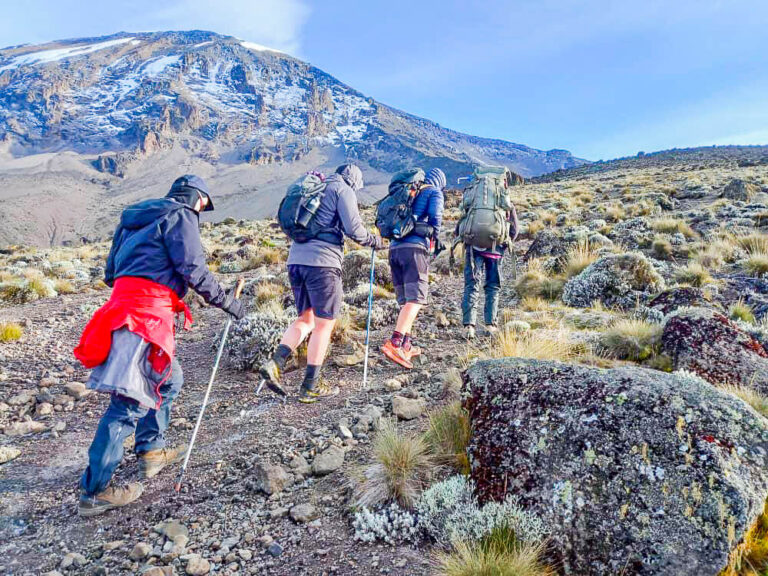
Kilimanjaro Booking Checklist For First-Time Climbers: Your Essential Guide
Planning your first Kilimanjaro climb in 2026 or 2027? This detailed checklist covers everything from choosing a route and operator to packing and acclimatization, ensuring a well-prepared...
View package details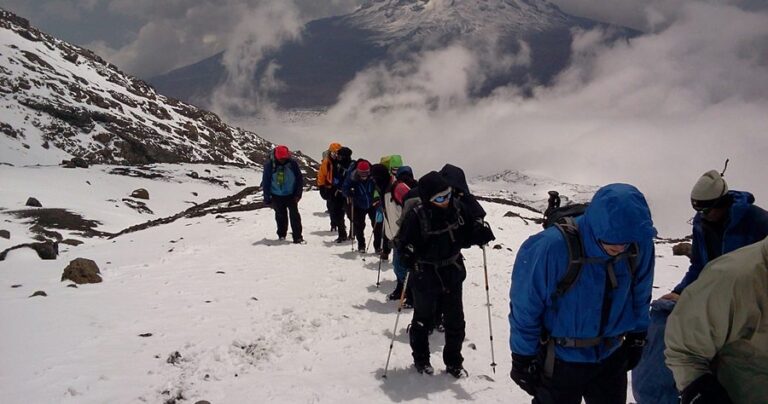
Kilimanjaro Tipping Mistakes And Etiquette: A Comprehensive Guide For Climbers
Navigating Kilimanjaro tipping can be confusing. This guide details common mistakes and proper etiquette for tipping your support crew, ensuring fair compensation and a positive experience...
View package details
Kilimanjaro Route-Selection Mistakes 2026-2027
Kilimanjaro Route-Selection Mistakes is explained with current 2026-2027 planning, price, itinerary and booking information.
View package details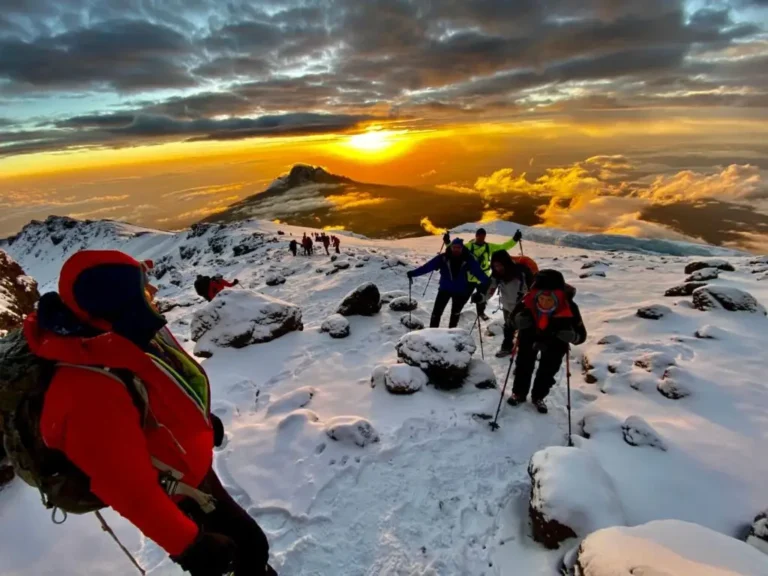
Kilimanjaro Layering Mistakes That Leave Climbers Cold: Expert Guide 2026-2027
Discover the common Kilimanjaro layering mistakes that can lead to discomfort and hypothermia. This guide provides essential tips on choosing the right gear and layering system to ensure...
View package details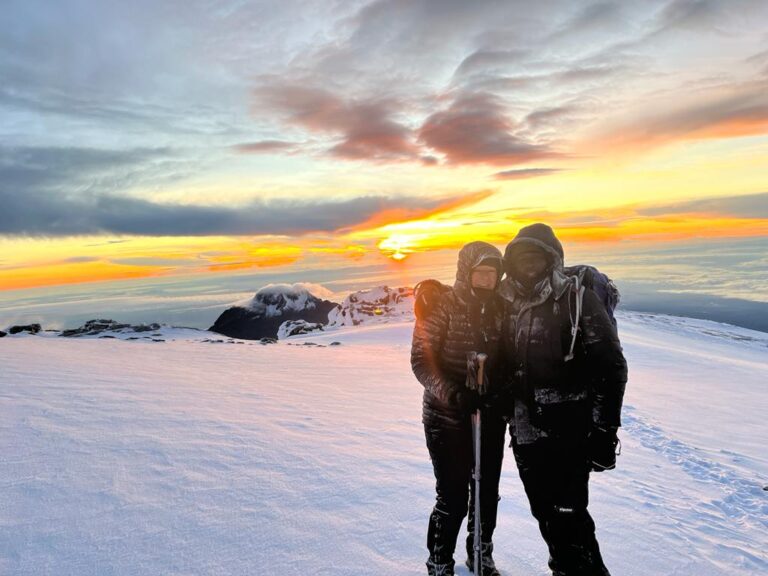
Barafu Camp Vs Kosovo On Kilimanjaro: A Definitive Comparison For Climbers
A detailed comparison of Barafu Camp and Kosovo Camp on Kilimanjaro, helping climbers decide which high-altitude staging post is best for their 2026-2027 ascent.
View package details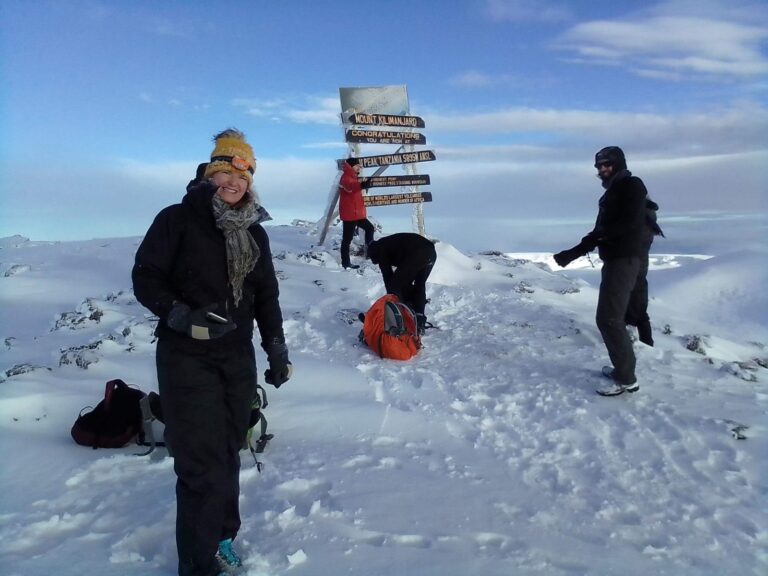
Kilimanjaro Medical Preparation For Older Climbers: Essential Guide 2026-2027
Climbing Kilimanjaro is achievable for older adventurers with thorough medical preparation. This guide covers essential health checks, fitness strategies, altitude acclimatization, and...
View package details
Kilimanjaro Family Climb With Shorter Walking Days Guide
Discover how to successfully undertake a Kilimanjaro family climb with shorter walking days, focusing on suitable routes, essential preparation, and making the most of your adventure in...
View package details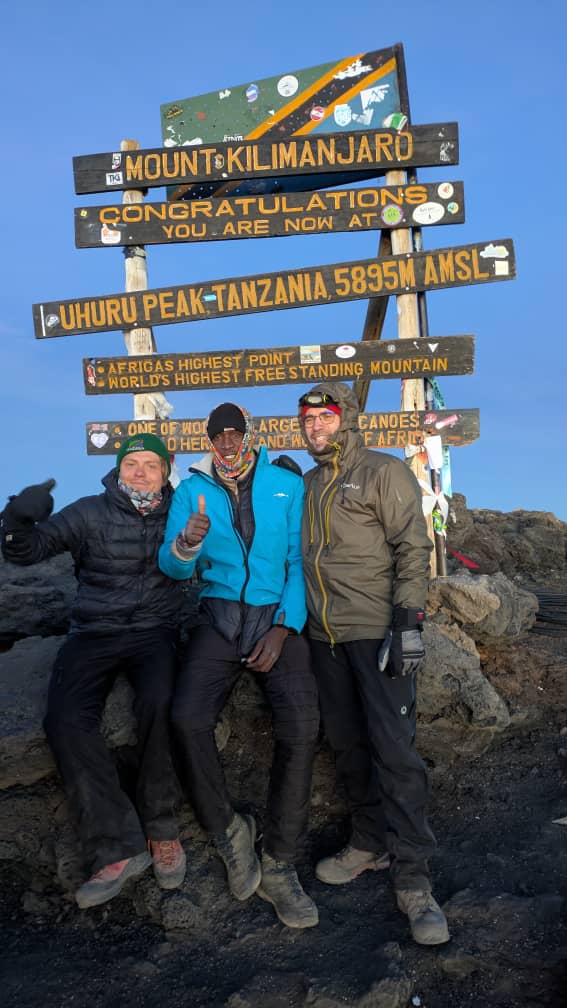
How Altitude Affects Younger Kilimanjaro Climbers In 2026-2027
Climbing Kilimanjaro presents unique challenges, especially for younger trekkers. This guide details how altitude affects them, covering symptoms, risks, preparation, and essential safety...
View package details
Kilimanjaro Training Plan For Teen Climbers: Summit Success In 2026-2027
Prepare your teen for the ultimate adventure with a detailed Kilimanjaro training plan. This guide covers physical conditioning, mental readiness, essential gear, and acclimatization...
View package details
Best Kilimanjaro Route For Teenagers 2026-2027
Best Kilimanjaro Route for Teenagers is explained with current 2026-2027 planning, price, itinerary and booking information.
View package details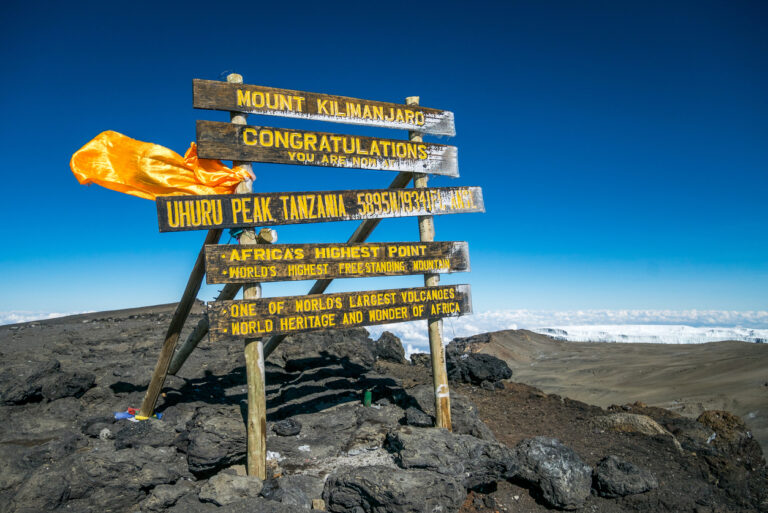
Kilimanjaro National Park Conservation Fees Explained For Climbers 2026-2027
Climbing Mount Kilimanjaro involves understanding various conservation fees essential for park maintenance and climber safety. This guide breaks down the current fee structure for...
View package detailsNo related package matches those filters. Clear one or more filters to see the other topic-matched options.



