
Booking a low-budget Kilimanjaro climb in 2026-2027 requires extreme caution to avoid common red flags like hidden fees, unqualified guides, inadequate equipment, and dangerously short itineraries. Always prioritize safety and value over the absolute lowest price, and thoroughly vet any operator offering significantly cheaper packages than the industry average.
Understanding the Lure of Low-Budget Kilimanjaro Treks
Mount Kilimanjaro, the Roof of Africa, stands as a beacon for adventurers worldwide. Its allure isn’t just its height, but the promise of a profound personal achievement. Naturally, many aspiring climbers look for ways to make this dream accessible, and the idea of a low-budget Kilimanjaro booking is highly appealing. In 2026 and 2027, as travel rebounds and more people seek meaningful experiences, budget-conscious options will continue to proliferate. However, this market segment is also ripe for exploitation by operators who cut corners on critical safety and support elements to offer rock-bottom prices. Recognizing the signs of a potentially problematic deal is paramount to ensuring your climb is a triumphant success, not a costly disaster.
The very nature of a Kilimanjaro climb demands significant logistical support: experienced guides, porters, quality food, safe accommodation, park fees, and emergency preparedness. When an operator offers a price that seems too good to be true, it almost always is. The savings are typically achieved by compromising on one or more of these essential components. This article will dissect the most common Kilimanjaro low-budget booking red flags, empowering you to make an informed decision for your 2026-2027 adventure.
Red Flag 1: Unusually Low Prices Compared to the Industry Average
This is often the first and most obvious indicator. While prices can vary based on route, duration, and inclusions, there’s a general cost range for a reputable Kilimanjaro climb. Operators offering prices significantly below this range, sometimes by hundreds or even thousands of dollars, are a major red flag. For instance, a standard 7-day Machame route climb with a reputable company might typically cost between $1,800 to $3,000 USD per person. If you see offers for $1,000 or less, especially for a full-service climb, proceed with extreme skepticism.
Why are prices so low?
- Underpaying Staff: Guides and porters are the backbone of the climb. Low-budget operators often pay their teams significantly less than fair wages, leading to demotivation, poor service, and potentially less experienced staff. This can also lead to ethical concerns regarding porter welfare.
- Inferior Equipment: Tents, sleeping bags, cooking gear, and first-aid supplies might be of poor quality, old, or insufficient for the harsh mountain conditions. This increases the risk of discomfort, illness, or equipment failure.
- Cutting Down on Food: Quality and quantity of food are crucial for energy at altitude. Cheap operators might provide insufficient, low-quality, or repetitive meals, impacting climber performance and well-being.
- Minimal Safety Measures: This is the most dangerous area where costs are cut. It could mean fewer guides per climber, no supplementary oxygen (even when recommended for certain routes or individuals), outdated or non-existent first-aid kits, and a lack of communication equipment.
- Short Itineraries: Offering a 5-day climb on a route like Marangu or Machame is often a cost-cutting measure. Shorter climbs dramatically increase the risk of altitude sickness because they don’t allow for adequate acclimatization.
When researching for your 2026-2027 climb, gather quotes from several reputable operators. If one quote is dramatically lower than the rest, it’s a prime candidate for a Kilimanjaro low-budget booking red flag. Top Guide Adventures, for example, focuses on providing a comprehensive and safe experience, which naturally aligns with industry-standard pricing for quality service. We believe in transparent pricing that reflects the true cost of a safe and enjoyable climb.
Price Comparison Tip for 2026-2027 Climbs
Don’t just look at the total price. Break down what’s included. A very cheap package might exclude essential items like park fees, crew wages, or even basic meals, which you’ll then have to pay for separately, often at inflated prices on the mountain.
Red Flag 2: Vague or Incomplete Itinerary Details
A reputable Kilimanjaro operator will provide clear, detailed itineraries for each route they offer. This includes daily mileage, estimated hiking times, altitude gains, and camping locations. Vague descriptions like “hike to the summit” or “spend a few days on the mountain” are major warning signs. For a low-budget Kilimanjaro booking, this vagueness often hides a rushed schedule designed for quick ascents, which is extremely dangerous.
What to look for in a detailed itinerary:
- Daily Breakdown: Clear information for each day of the trek.
- Altitude Profiles: Showing the altitude of campsites and the summit, with daily ascent and descent figures.
- Acclimatization Strategy: A good itinerary will incorporate gradual ascent and “climb high, sleep low” principles where applicable. For example, a 7-day Machame route itinerary is significantly better for acclimatization than a 5-day one.
- Start and End Points: Specific details on where the trek begins and concludes.
- Duration: A clear number of days on the mountain. Be wary of operators pushing 5-day ascents on routes like Machame, which are primarily designed for longer, safer ascents.
If an operator is hesitant to provide specific daily plans or tries to gloss over the details, it’s a strong indicator that they might be prioritizing speed and cost over your safety and success rate. For your 2026 or 2027 climb, demand clarity. A well-structured itinerary is a sign of a professional operation that understands the physiological demands of climbing Kilimanjaro.
Red Flag 3: Inadequate Guide and Porter Ratios
Safety on Kilimanjaro hinges on having enough support staff. The official Kilimanjaro National Park regulations stipulate minimum ratios, but reputable operators often exceed these for enhanced safety and service. A common guideline is a minimum of 1 guide for every 12 climbers, and 1 porter for every 2 climbers. However, for better safety and to ensure porters are not overloaded, many top operators maintain ratios of 1:8 or 1:10 for guides and 1:2 or 1:3 for porters.
Why ratios matter:
- Guide Supervision: More guides mean more eyes on the climbers. This allows for better monitoring of individual climber’s health, pace, and well-being, crucial for detecting early signs of altitude sickness.
- Porter Welfare: Strict regulations exist regarding the weight porters can carry (typically a maximum of 15kg per porter, excluding their own gear). Low-budget operators may exceed this limit to reduce the number of porters needed, which is unethical and dangerous for both the porters and the climbers (if porters become exhausted or injured).
- Emergency Response: A higher staff-to-climber ratio means more people available to assist in an emergency, whether it’s helping a climber descend or carrying vital supplies.
If a low-budget Kilimanjaro booking offers ratios that seem too high (e.g., 1 guide for 15+ climbers, or 1 porter for 4+ climbers), this is a significant red flag. It suggests the operator is cutting costs on personnel, directly compromising safety and the welfare of their staff. Always ask for the specific guide-to-climber and porter-to-climber ratios when getting quotes for your 2026-2027 climb.
Questions to Ask About Staffing
- What is your standard guide-to-climber ratio?
- What is your standard porter-to-climber ratio?
- Are your guides trained in wilderness first aid and altitude sickness management?
- How are your guides and porters paid? (Look for signs of fair wages.)
Red Flag 4: Exclusion of Essential Fees and Services
Kilimanjaro climbs involve several mandatory costs that are non-negotiable. These include national park entry fees, camping or hut fees, and rescue fees. Reputable operators will always include these in their quoted price, as they are substantial and unavoidable. A common tactic for low-budget Kilimanjaro booking deals is to quote a price that excludes these critical fees, making the initial offer seem much lower than it actually is.
Commonly Excluded Items:
- Park and Camping/Hut Fees: These are significant costs set by the Tanzanian government. For 2026-2027, these fees remain a substantial portion of the overall climb cost.
- Crew Wages: While some operators might list this, others might try to obscure it, expecting clients to tip excessively to supplement low base pay. Fair wages should be included.
- Rescue Fees: A mandatory fee for potential rescue operations.
- Meals: Some budget operators might only include breakfast, leaving you to purchase lunch and dinner at inflated prices on the mountain.
- Accommodation: Pre- and post-climb accommodation in Moshi or Arusha is often excluded from the cheapest packages.
- Transfers: Transport to and from the mountain gate.
Always scrutinize the “Inclusions” and “Exclusions” list. If a price seems too low, check if these essential fees are absent. You might end up paying far more than anticipated by the time you’ve added all the necessary components. A transparent operator, like Top Guide Adventures, will clearly state all inclusions, including park fees and crew wages, ensuring there are no nasty surprises for your 2026-2027 climb.
Understanding Kilimanjaro’s Cost Structure
The major cost components of a Kilimanjaro climb typically include: Park Fees (approx. 30-40%), Crew Wages (approx. 30-40%), Food & Equipment (approx. 10-15%), and Operator’s Profit/Overheads (approx. 10-15%). If an operator’s price doesn’t reflect these proportions, they are likely cutting corners elsewhere, often in crew wages or equipment quality.
Red Flag 5: Poor Quality or Lack of Essential Equipment
Climbing Kilimanjaro means enduring extreme weather conditions, from scorching sun at the base to freezing temperatures and high winds near the summit. Proper equipment is not a luxury; it’s a necessity for safety and comfort. Operators who provide subpar gear as part of a low-budget Kilimanjaro booking are a serious concern.
Key Equipment to Consider:
- Tents: Must be waterproof, windproof, and sturdy enough for mountain conditions. Cheap, flimsy tents will not suffice.
- Sleeping Bags: Rated for sub-zero temperatures (e.g., -10°C to -20°C or -4°F to -4°F). A bag not rated for these temperatures will lead to dangerous hypothermia.
- Cooking Gear: Reliable stoves and fuel are essential for preparing hot meals, which are vital for energy and morale.
- Dining Tent: A comfortable, enclosed space to eat meals, especially in poor weather.
- First-Aid Kits: Comprehensive and well-stocked kits carried by guides.
If an operator doesn’t specify the quality of their equipment or if reviews mention issues with gear, be wary. Some budget operators might rent out old, worn-out equipment, or expect you to rent essential items like sleeping bags separately. For your 2026-2027 climb, ensure the operator provides high-quality, well-maintained equipment as part of their package.
Red Flag 6: Limited or No Emergency Support and Medical Preparedness
Altitude sickness is a serious risk on Kilimanjaro, and complications can arise rapidly. A responsible operator will have robust emergency protocols and medical preparedness in place. This includes trained guides, comprehensive first-aid kits, communication devices (like satellite phones or radios), and potentially even supplementary oxygen.
Signs of inadequate emergency support:
- No mention of emergency oxygen: While not always mandatory, having it available for severe cases is a sign of a professional operation.
- Lack of communication devices: Relying solely on mobile phones (which have no signal at altitude) is insufficient.
- Vague first-aid protocols: Guides should be trained to recognize and manage altitude sickness symptoms.
- No evacuation plan: How will a climber be evacuated quickly if needed? This often involves coordination with park rangers and specialized rescue teams.
- Short itineraries: As mentioned, short climbs don’t allow for acclimatization, increasing the likelihood of needing emergency intervention.
A low-budget Kilimanjaro booking might skimp on these vital safety measures. Always inquire about their emergency procedures, the training of their guides in medical emergencies, and the availability of safety equipment like oxygen and satellite phones. For a 2026-2027 climb, safety must be your top priority, and this includes ensuring the operator is prepared for the worst-case scenario.
Prioritizing Safety for Your 2026-2027 Kilimanjaro Climb
A truly low-budget operator might only carry a basic first-aid kit and rely on park rangers for serious emergencies. Reputable companies invest in their staff’s medical training (e.g., Wilderness First Responder certifications) and carry advanced medical supplies, including supplementary oxygen and communication devices. This investment is non-negotiable for a safe climb.
Red Flag 7: Overly Aggressive Sales Tactics or Pressure to Book Immediately
While many operators offer competitive pricing, a genuine concern arises when aggressive sales tactics are employed. This can include high-pressure sales, “limited-time” offers that seem to be perpetually available, or significant discounts for booking immediately without allowing time for research.
Why this is a red flag:
- Masking a Poor Product: Operators with genuinely good products and services don’t need to resort to high-pressure sales. They rely on reputation, quality, and transparent information.
- Lack of Transparency: The pressure to book quickly might prevent you from asking critical questions or thoroughly vetting the company.
- Unrealistic Promises: Sometimes, these tactics are used to lock you into a deal that has hidden clauses or misrepresented inclusions.
For a low-budget Kilimanjaro booking, be particularly wary of these tactics. Take your time, compare multiple quotes, read independent reviews, and ensure you feel comfortable and confident with the operator you choose. Planning your 2026-2027 climb should be an exciting process, not a stressful one driven by urgency.
Red Flag 8: Poor or Non-Existent Online Reviews and Reputation
In the digital age, online reviews are a crucial indicator of a company’s performance and customer satisfaction. While every company might have an occasional negative review, a pattern of consistently poor feedback, or a complete lack of reviews, is a major red flag.
What to look for:
- Review Platforms: Check sites like TripAdvisor, Google Reviews, and specialized adventure travel forums.
- Content of Reviews: Look for recurring complaints about safety, guide quality, food, equipment, or hidden fees. Positive reviews should mention specific aspects that indicate good service.
- Company Website: Be cautious if a company only showcases glowing testimonials on their own website, especially if these are generic or lack detail. Independent platforms offer more credibility.
- Social Media Presence: A company that is active and responsive on social media often indicates better customer engagement.
A low-budget Kilimanjaro booking might be offered by a company with a minimal online footprint or a history of negative feedback. This could mean they are new and unproven, or that they have a reputation for cutting corners. For your 2026-2027 climb, invest time in researching the operator’s reputation. Top Guide Adventures is proud of its strong track record and positive reviews on platforms like TripAdvisor, reflecting our commitment to client satisfaction and safety.
Vetting Operators for 2026-2027
Don’t just read reviews; look for patterns. Are multiple clients mentioning the same issue? Also, consider when the reviews were posted. A company’s standards can change over time.
Red Flag 9: Unrealistic Promises About Success Rates
While operators strive for high success rates, Kilimanjaro is a challenging mountain, and no one can guarantee summit success. Factors like weather, individual fitness, and acclimatization play a huge role. Any operator promising a 100% success rate, especially for budget climbs, is likely being dishonest or misleading.
Why this is a red flag:
- Unscientific Claims: Success rates are influenced by many variables beyond the operator’s control.
- Potential for Pushing Climbers: To achieve these supposed high success rates, a dubious operator might push climbers too hard, ignoring signs of altitude sickness and increasing the risk of severe complications.
- Misrepresentation: They might be counting successful ascents to specific points (like Stella Point) as summit success, rather than the true summit (Uhuru Peak).
A reputable operator will discuss realistic success rates, often citing figures that align with industry averages for specific routes and durations (e.g., around 70-80% for 7-day treks, lower for shorter ones). They will emphasize preparation, acclimatization, and listening to your body. For your 2026-2027 climb, seek transparency about success rates rather than guarantees.
Red Flag 10: Lack of Clear Communication and Responsiveness
From your initial inquiry to post-climb follow-up, communication with your tour operator should be clear, prompt, and professional. If an operator is slow to respond to emails, provides vague answers to your questions, or seems difficult to get hold of, it’s a sign of potential problems down the line.
Why communication matters:
- Operational Efficiency: A company that struggles to communicate efficiently before you book may also struggle with operational logistics on the mountain.
- Problem Solving: If you encounter issues during your climb, you need an operator that can communicate effectively to resolve them.
- Trust and Transparency: Good communication builds trust. If they are evasive or slow now, imagine how they’ll handle a real problem on the mountain.
When seeking a low-budget Kilimanjaro booking, pay close attention to how the operator interacts with you. Are they patient? Do they answer all your questions thoroughly? For your 2026-2027 climb, choose an operator who makes you feel informed and supported from the very first contact. Top Guide Adventures prides itself on clear, responsive communication, ensuring you have all the information needed for a successful climb.
Red Flag 11: Short Itineraries That Compromise Acclimatization
This is a critical safety issue often disguised as a cost-saving measure in low-budget Kilimanjaro booking packages. The most common routes, like Machame and Lemosho, are best undertaken over 7 to 9 days to allow for proper acclimatization. Operators offering these routes in 5 or 6 days are significantly increasing the risk of altitude sickness for their clients.
The Dangers of Rushed Climbs:
- Altitude Sickness (AMS): The primary risk. Shorter itineraries don’t allow the body sufficient time to adapt to decreasing oxygen levels at higher altitudes.
- Lower Success Rates: Climbers on shorter itineraries are statistically less likely to reach the summit due to AMS or exhaustion.
- Increased Risk of Serious Conditions: Severe altitude sickness (HAPE and HACE) can be life-threatening and is more likely to occur on rushed ascents.
When comparing prices for your 2026-2027 climb, a 5-day Marangu or 6-day Machame itinerary is almost always a red flag for safety. Always opt for longer itineraries (7 days or more for Machame/Lemosho, 6 days for Marangu) for a better chance of success and safety. Remember, the goal is to enjoy the journey and reach the summit safely, not to race to the top.
Red Flag 12: Use of Unqualified or Untrained Staff
The guides on Kilimanjaro are not just porters; they are trained professionals responsible for your safety, well-being, and success. They need to be knowledgeable about altitude sickness, first aid, navigation, and mountain rescue protocols. Low-budget operators might hire less experienced individuals to cut costs.
Signs of unqualified staff:
- Lack of Certifications: Guides should have certifications in first aid and potentially specific mountain guiding qualifications.
- Poor English Proficiency: While not always a deal-breaker, guides need to communicate effectively with international clients about safety and health.
- Inexperience: Hiring guides who have only recently completed basic training or have limited experience on Kilimanjaro.
For a low-budget Kilimanjaro booking, this is a critical area where corners are often cut. Always ask about the qualifications and experience of the guiding team. For your 2026-2027 climb, ensure your guides are seasoned professionals who prioritize your safety above all else.
Red Flag 13: No Clear Policy on Porter Welfare
Porter welfare is a significant ethical concern in Kilimanjaro trekking. Reputable operators adhere to strict guidelines set by organizations like the Kilimanjaro Porters Assistance Project (KPAP), ensuring porters are treated fairly, paid adequately, and not overloaded. Operators who ignore these guidelines are often those offering the cheapest treks.
Signs of poor porter welfare policies:
- No mention of KPAP or similar organizations: A commitment to ethical trekking often involves partnering with or following the guidelines of such bodies.
- Exceeding weight limits: Porters carrying more than the recommended 15kg (excluding their own gear).
- Inadequate food and shelter for crew: Porters should receive meals of similar quality and quantity to clients, and have appropriate shelter.
- Low wages: Paying porters the bare minimum, forcing them to rely heavily on tips.
If a low-budget Kilimanjaro booking doesn’t have a clear, demonstrable policy on porter welfare, it’s a major ethical red flag. This not only reflects poorly on the operator but can also indirectly impact your climb, as overworked or poorly treated porters may not perform optimally. For your 2026-2027 climb, choose an operator committed to ethical trekking practices.
Ethical Trekking in 2026-2027
Supporting ethical operators not only ensures fair treatment for the mountain crew but often correlates with better overall service and safety for climbers, as these companies tend to be more professional and organized.
Red Flag 14: Lack of Pre-Climb Briefing and Information
A professional Kilimanjaro operator will provide comprehensive pre-climb information, including detailed packing lists, training advice, and information about altitude sickness. They will also conduct a thorough briefing before the trek begins, either in person or virtually.
What to expect from a good briefing:
- Detailed Packing List: Specifying essential clothing, gear, and personal items.
- Training Recommendations: Guidance on physical preparation.
- Altitude Sickness Explanation: How to recognize symptoms and what to do.
- Itinerary Review: A final run-through of the daily plan.
- Introduction to Guides: Meeting your lead guide.
If a low-budget Kilimanjaro booking comes with minimal pre-climb information or no briefing, it suggests a lack of attention to detail and client preparation. This oversight can leave you underprepared, increasing risks and reducing your chances of success for your 2026-2027 climb.
Red Flag 15: “Hidden” Costs for Tips
While tipping is customary and appreciated on Kilimanjaro, reputable operators will provide clear guidelines on expected tip amounts for guides, porters, and cooks. Some budget operators might intentionally underpay their staff, relying heavily on clients to cover the difference through tips. This can lead to awkward situations and unexpected expenses.
What to watch out for:
- No tipping guidelines provided: You’re left guessing how much to tip, and might end up under-tipping or over-tipping significantly.
- Extremely low base wages for staff: This is often revealed through staff behavior or direct comments.
- Pressure to tip: Guides or crew members pressuring clients for larger tips than recommended.
A truly low-budget operator might not explicitly include staff wages in their price, expecting tips to make up the shortfall. For your 2026-2027 climb, ensure the operator provides transparent tipping guidelines and that their quoted price reflects fair wages for the crew, not just the bare minimum.
Navigating the Booking Process for 2026-2027: A Practical Approach
Given these potential pitfalls, how can you confidently book a low-budget Kilimanjaro climb without falling victim to a red flag? It requires diligence, research, and a realistic perspective.
1. Research Thoroughly:
- Compare multiple operators: Get quotes from at least 3-5 companies, including well-established ones and those offering more budget-friendly options.
- Read independent reviews: Look beyond testimonials on company websites.
- Check for certifications and affiliations: Are they members of reputable tour operator associations? Do they work with KPAP?
2. Ask Detailed Questions:
- Request a day-by-day itinerary.
- Inquire about guide qualifications and experience.
- Ask about staff-to-climber ratios.
- Clarify all inclusions and exclusions, especially park fees and rescue fees.
- Ask about their emergency protocols and equipment (oxygen, satellite phones).
- Request information on porter welfare policies.
3. Look for Value, Not Just the Lowest Price:
- A slightly higher price for a 7-day trek with a reputable operator is far better value than a cheap 5-day trek with significant risks.
- Consider what is included: Quality food, reliable equipment, experienced guides, and robust safety measures are worth paying for.
4. Trust Your Gut:
- If something feels off, or if communication is poor, it’s often a sign to look elsewhere.
For those planning their Kilimanjaro adventure in 2026 or 2027, Top Guide Adventures offers a balance of quality, safety, and value. We provide comprehensive packages that transparently detail all inclusions, ensuring you understand the true cost of a safe and successful climb. Our experienced guides, ethical treatment of porters, and focus on client well-being set us apart. We invite you to compare our offerings and see the difference that dedication to quality makes.
The True Cost of Kilimanjaro: Beyond the Sticker Price
It’s essential to understand that climbing Kilimanjaro is not a cheap undertaking, even with budget operators. The Tanzanian government levies substantial park fees, and fair wages for the large crew required (guides, cooks, porters) constitute a significant portion of the overall cost. When an operator offers a price that drastically undercuts these known costs, they are almost certainly cutting corners in critical areas.
Breakdown of typical costs (approximate percentages for a mid-range operator in 2026-2027):
- Park Fees: 30-40% (includes entry fees, camping/hut fees, rescue fees)
- Crew Wages & Welfare: 30-40% (fair salaries, food, insurance)
- Food & Supplies: 10-15% (quality provisions for climbers and crew)
- Equipment & Logistics: 5-10% (tents, sleeping bags, cooking gear, transport)
- Operator Overhead & Profit: 10-15% (office costs, marketing, profit margin)
If a low-budget Kilimanjaro booking quote doesn’t align with these proportions, it’s a clear indicator that safety, staff welfare, or equipment quality is being compromised. For instance, if park fees alone are nearly 40% of the cost, and an operator is offering a package at 50% of the typical price, it’s mathematically impossible for them to be covering all essential services adequately.
Choosing Your Route Wisely: A Budget Consideration
While route choice is primarily about acclimatization and scenery, it can also impact budget. Some routes are inherently longer and thus more expensive due to more days of park fees and crew support. However, a shorter route doesn’t always mean a cheaper *safe* climb.
- Marangu Route: Often considered the most budget-friendly due to its hut accommodation (no camping fees) and shorter duration options (5-6 days). However, its 5-day option has a very low success rate due to poor acclimatization. The 6-day option is better but still less ideal than longer routes.
- Machame Route: Popular and scenic, typically 6-7 days. A 7-day Machame trek offers excellent acclimatization and a good success rate, making it a strong contender for value. Shorter Machame treks (5-6 days) are a red flag for safety.
- Lemosho Route: Generally more expensive due to its longer duration (7-8 days) and remote starting point. However, its superior acclimatization profile often leads to higher success rates and a more enjoyable experience, representing good value for money for 2026-2027.
When evaluating a low-budget Kilimanjaro booking, ensure the operator isn’t pushing a short, unsafe itinerary on a route simply to offer a lower price. Prioritize the recommended duration for the chosen route, even if it means a slightly higher initial cost.
The Impact of the 2026-2027 Travel Landscape
As we look towards 2026 and 2027, the travel industry continues to adapt. Post-pandemic, there’s a strong demand for authentic experiences, but also increased awareness of responsible tourism and safety. Budget operators may try to capitalize on this demand by offering seemingly attractive deals. However, discerning travelers are increasingly looking beyond just price. They value companies that prioritize safety, sustainability, and ethical practices.
Be aware that some operators might use the “budget” label to mask a lack of investment in essential areas. For example, they might claim to be “eco-friendly” or “community-focused” but fail to deliver on basic safety standards. Always cross-reference claims with reviews and direct communication. A genuine commitment to responsible tourism, which includes fair treatment of staff and robust safety measures, should be evident in an operator’s practices and pricing for any 2026-2027 booking.
Final Thoughts: Prioritizing Your Kilimanjaro Dream
Climbing Kilimanjaro is a significant undertaking, and your safety and enjoyment should be paramount. While seeking a low-budget Kilimanjaro booking is understandable, it’s crucial to be aware of the red flags that signal potential compromises on safety, quality, and ethics. By diligently researching operators, asking the right questions, and looking for value rather than just the lowest price, you can find a reputable company that offers a safe and memorable experience for your 2026-2027 adventure.
Don’t let a seemingly good deal turn into a dangerous situation or a disappointing climb. Prioritize well-trained guides, adequate staffing, quality equipment, and appropriate itineraries. If you’re looking for a trusted partner for your Kilimanjaro climb in 2026-2027, consider Top Guide Adventures. We are dedicated to providing a safe, ethical, and unforgettable experience on Africa’s highest peak. Feel free to reach out to us with any questions:
WhatsApp: +255616946642
Email: topguideadventures@gmail.com
Backup Email: info@topguideadventures.com
We are here to help you plan your dream Kilimanjaro climb, ensuring you avoid the pitfalls and focus on the summit!
Check Availability for Kilimanjaro Low-Budget Booking Red Flags: Avoid Scams In 2026-2027
Ready to compare dates, prices, and the best option for your group? Send the package name and travel month so the team can reply with a clear quote, availability, and what is included.
Kilimanjaro Booking Checklist For First-Time Climbers: Your Essential Guide
Planning your first Kilimanjaro climb in 2026 or 2027? This detailed checklist covers everything from choosing a route and operator to packing and acclimatization, ensuring a well-prepared...
View package details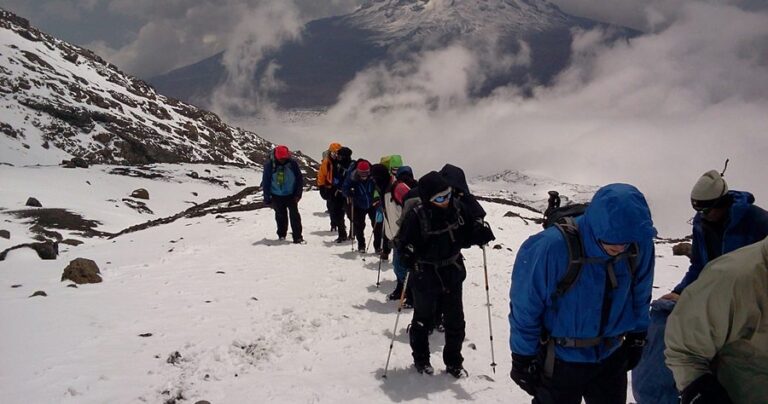
30 Things To Know Before Booking Kilimanjaro: Your Expert Guide For Climbs
Your ultimate checklist for booking a Kilimanjaro climb in 2026-2027. This guide covers everything from choosing the right route and understanding costs to essential gear and preparation...
View package details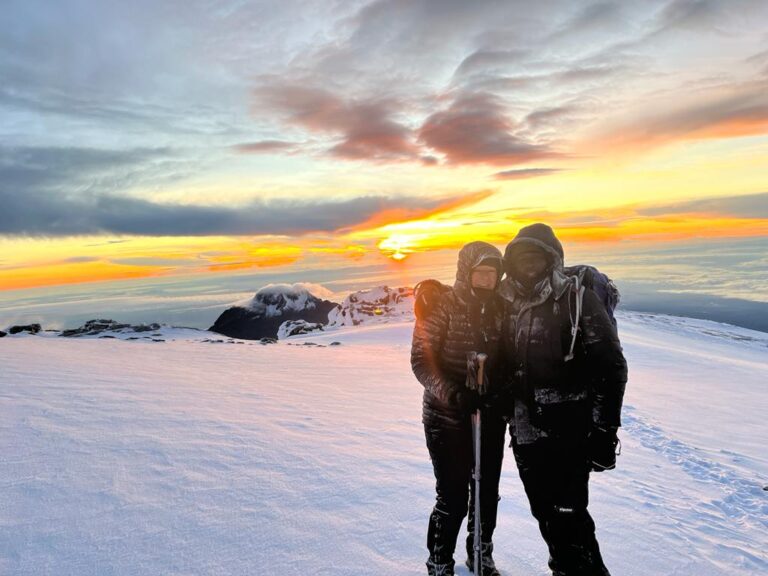
Kilimanjaro Hotel Booking Mistakes: Avoid These Pitfalls For A Smooth Climb
Booking accommodation near Kilimanjaro is crucial for a successful climb. This guide details common Kilimanjaro hotel booking mistakes to help you avoid them, ensuring comfort and readiness...
View package details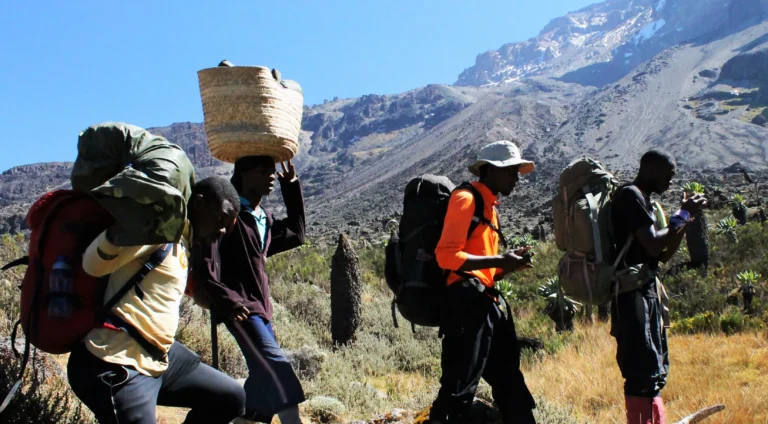
Kilimanjaro Flight-Booking Mistakes: Avoid These Pitfalls For Your Climb
Planning your Kilimanjaro climb for 2026 or 2027? Don't let flight booking errors derail your adventure. This guide covers critical mistakes to avoid, from choosing the right airport and...
View package details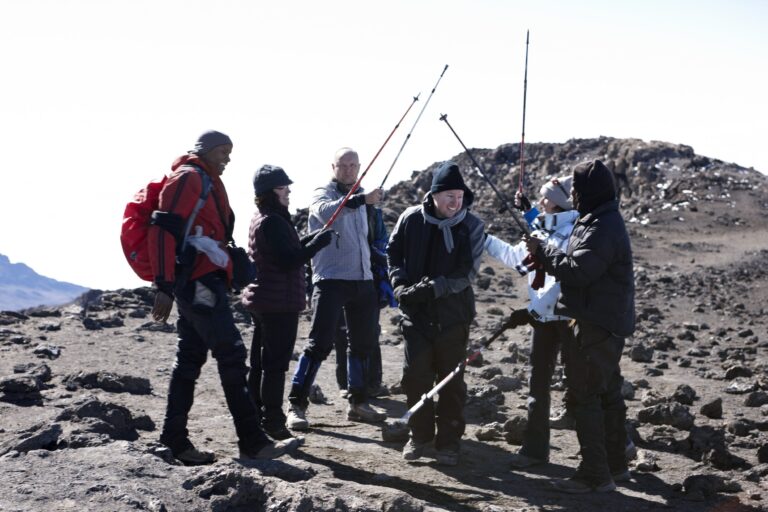
Kilimanjaro Booking Mistakes That Can Cost You Money 2026-2027
Kilimanjaro Booking Mistakes That Can Cost You Money is explained with current 2026-2027 planning, price, itinerary and booking information.
View package details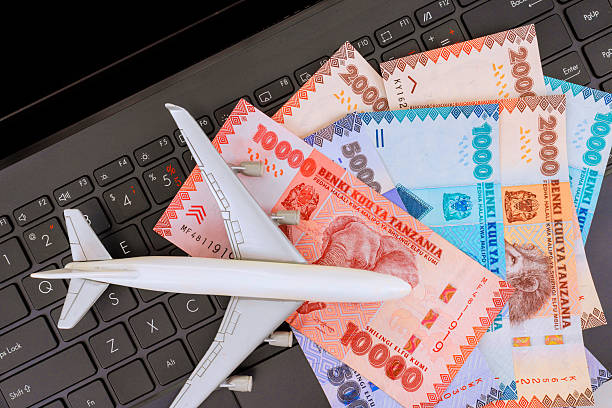
Kilimanjaro Direct Booking Vs Package Holiday 2026-2027
Kilimanjaro Direct Booking vs Package Holiday is explained with current 2026-2027 planning, price, itinerary and booking information.
View package details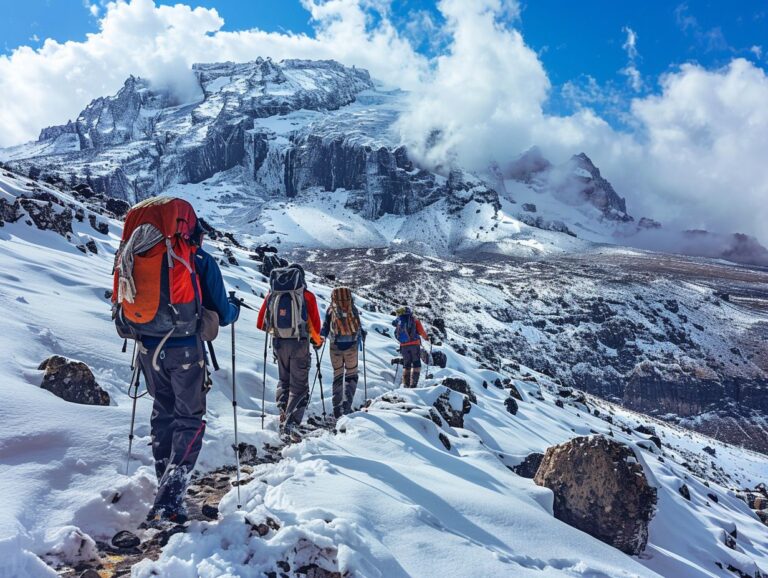
How To Identify An Unrealistically Cheap Kilimanjaro Package 2026-2027
How to Identify an Unrealistically Cheap Kilimanjaro Package is explained with current 2026-2027 planning, price, itinerary and booking information.
View package details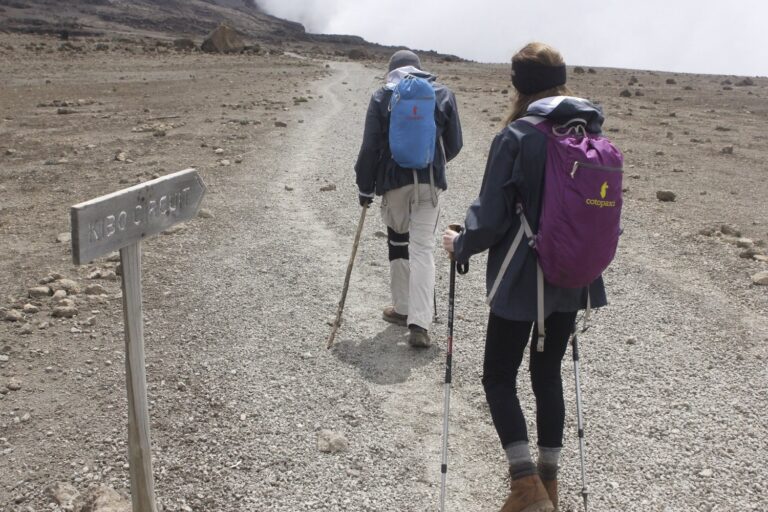
Kilimanjaro Standard Camp Vs Luxury Your Ultimate Comparison For Climbs
Choosing between standard and luxury camping on Kilimanjaro significantly impacts your trek experience. This guide breaks down the key differences in accommodation, meals, equipment, and...
View package details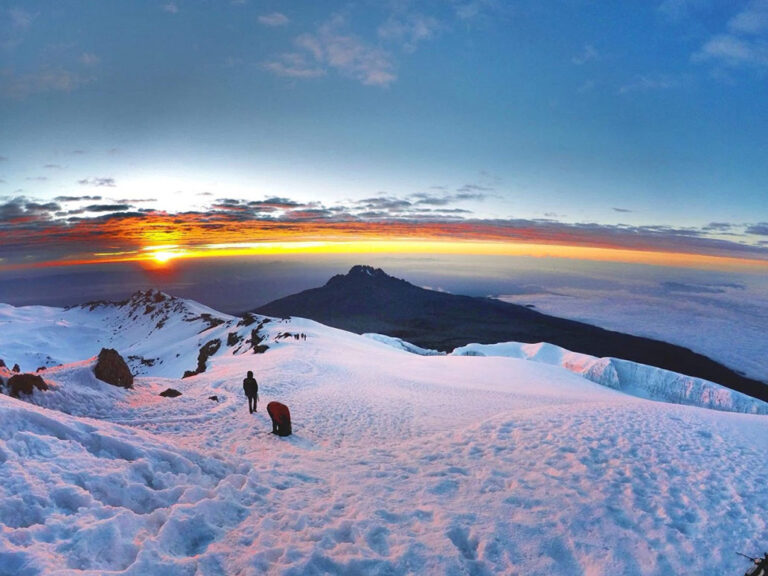
Kilimanjaro Climb For University Students: Your Ultimate Guide 2026-2027
Top Guide Adventures provides a comprehensive guide for university students planning a Kilimanjaro climb in 2026-2027. This extensive resource covers route selection, essential training...
View package details
Kilimanjaro National Park Conservation Fees Explained For Climbers 2026-2027
Climbing Mount Kilimanjaro involves understanding various conservation fees essential for park maintenance and climber safety. This guide breaks down the current fee structure for...
View package detailsKilimanjaro Climb With Materuni Recovery Day 2026-2027
Kilimanjaro Climb with Materuni Recovery Day is explained with current 2026-2027 planning, price, itinerary and booking information.
View package details
Kilimanjaro Climb With Lake Chala Relaxation Day: Your Ultimate Post-Trek
Experience the ultimate Kilimanjaro adventure followed by serene relaxation at Lake Chala. This guide details how to combine these incredible Tanzanian experiences, covering itineraries...
View package detailsNo related package matches those filters. Clear one or more filters to see the other topic-matched options.



