
Choosing between Kilimanjaro standard camp vs luxury camp primarily dictates the quality of your accommodation, dining experience, and the level of personal service you receive during your climb, with luxury options offering more comfortable tents, gourmet meals, and enhanced amenities, while standard camps provide essential, functional trekking facilities. For 2026-2027 climbs, understanding these differences is crucial for setting expectations and budgeting effectively.
Kilimanjaro Standard Camp vs Luxury Camp: Defining the Differences for Your Climb
Mount Kilimanjaro, Africa’s highest peak, is a dream destination for trekkers worldwide. As you plan your ascent for 2026 or 2027, one of the most significant decisions you’ll make revolves around the type of camping experience you desire. The distinction between a standard camp and a luxury camp on Kilimanjaro isn’t just about comfort; it influences your entire journey, from the food you eat to the equipment you use and the support you receive.
At Top Guide Adventures, we believe in providing clear, honest information to help you choose the perfect Kilimanjaro experience. This comprehensive comparison will dissect the nuances of Kilimanjaro standard camp vs luxury camp, empowering you to make an informed decision that aligns with your comfort, budget, and trekking goals. Whether you’re seeking a no-frills adventure or a more pampered expedition, understanding these differences is key to a successful and enjoyable climb.
What Constitutes a “Standard” Kilimanjaro Camp?
A standard Kilimanjaro camping experience is the traditional approach to climbing the mountain. It prioritizes functionality, safety, and the core trekking experience over extensive comfort. These packages are designed for trekkers who are primarily focused on reaching the summit and are comfortable with basic, yet adequate, camping facilities. The emphasis is on providing essential services and equipment necessary for a safe and successful climb.
Key characteristics of standard Kilimanjaro camps include:
- Tents: Typically, 3-season tents are used, offering protection from the elements but less insulation and space compared to luxury options. They are designed for sleeping and basic shelter.
- Sleeping Gear: While often provided, sleeping bags and mats in standard packages might be more basic, potentially less insulated, and may require renters to bring their own if they have specific needs for warmth or comfort.
- Dining: Meals are prepared by cooks using portable cooking equipment. While nutritious and sufficient, the focus is on hearty, energy-giving food rather than gourmet presentations. Dining tents are usually simple, providing a covered space to eat.
- Facilities: Toilet facilities are typically basic chemical or bush toilets set up at each campsite. Showers are generally not available, and washing is done with water from basins.
- Crew Support: Standard packages include experienced guides, porters, and cooks, all essential for a safe trek. However, the ratio of guides to clients might be standard, and the level of personal attention might be less than in luxury packages.
- Price Point: Standard camps are considerably more affordable, making Kilimanjaro accessible to a wider range of budgets.
Standard camps are ideal for adventurous individuals or groups who are seasoned campers or are prepared for a more rugged experience. They are highly effective in getting you to the summit safely, providing all the necessary support, but without the added luxuries that can enhance comfort at higher altitudes.
What Defines a “Luxury” Kilimanjaro Camp?
Luxury Kilimanjaro camping elevates the trekking experience by focusing on enhanced comfort, superior amenities, and a higher level of personal service. These packages are tailored for climbers who want to maximize their comfort and convenience while still undertaking the challenge of reaching Uhuru Peak. The goal is to make the arduous journey as pleasant and memorable as possible by providing a more comfortable and refined environment on the mountain.
Key characteristics of luxury Kilimanjaro camps include:
- Tents: Expect spacious, high-quality 4-season tents designed for better insulation, ventilation, and comfort. These often feature more robust poles, better waterproofing, and sometimes even private vestibules.
- Sleeping Gear: High-quality, warm sleeping bags (rated for extreme cold), comfortable sleeping mats or even inflatable mattresses, and sometimes pillows are standard.
- Dining: This is a major differentiator. Luxury packages often feature multi-course meals prepared with fresh ingredients, sometimes with more elaborate culinary techniques. Dining tents are more comfortable, often with proper tables and chairs, and sometimes even carpets. Hot drinks and snacks are frequently offered.
- Facilities: Some luxury operators provide portable flush toilets or more private toilet tents. While hot showers are still rare at very high altitudes, efforts are made to provide better washing facilities and more privacy.
- Crew Support: Luxury packages often mean a higher guide-to-client ratio, ensuring more personalized attention. Staff may be more specialized, and the overall service is more attentive, anticipating needs before they arise.
- Extras: This can include items like portable charging stations, complimentary toiletries, and even post-climb celebration amenities.
- Price Point: Luxury camps come at a premium, reflecting the enhanced services, equipment, and overall experience.
Luxury camping is suitable for those who value comfort, appreciate finer details, or are undertaking a significant personal challenge and wish to reward themselves with a more comfortable journey. It can also be a good option for older trekkers or those who are less accustomed to traditional camping.
Comparing Key Elements: Standard vs. Luxury Kilimanjaro Camps
To truly grasp the difference between Kilimanjaro standard camp vs luxury camp, let’s break down the core components of the trekking experience. These are the areas where you’ll notice the most significant distinctions, impacting your daily comfort, energy levels, and overall enjoyment of the climb.
Accommodation: Tents and Sleeping Comfort
Your tent is your sanctuary on Kilimanjaro. The type and quality of your tent and sleeping gear can dramatically affect your rest, which is crucial for acclimatization and energy conservation.
Standard Camp Tents and Sleeping Gear
- Tent Type: Expect standard dome or tunnel tents, typically made from durable nylon or polyester. These are designed to withstand wind and rain but may offer less insulation against the cold, especially at higher altitudes like Kibo Hut or Barafu Camp. They are usually sized for two people, meaning you’ll have some personal space, but not abundant.
- Setup: Tents are set up by the porters upon arrival at camp. You’ll need to be efficient in organizing your gear inside.
- Sleeping Mats: Basic foam sleeping mats are usually provided. These offer some cushioning and a minimal layer of insulation from the cold ground.
- Sleeping Bags: Often, operators provide sleeping bags. These are usually rated for temperatures down to around 0°C to -5°C (32°F to 23°F). For climbers who sleep cold, or for the summit night when temperatures plummet well below freezing, bringing a warmer bag or renting a high-quality one is often recommended, even on standard packages.
- Comfort Level: Sufficient for sleeping and sheltering from the elements, but not designed for lounging or spending extended periods inside.
Luxury Camp Tents and Sleeping Gear
- Tent Type: Luxury operators often use larger, more robust tents. These might be high-quality 4-season tents designed to withstand extreme weather and provide better insulation. Some might offer features like larger vestibules for gear storage or even private screened areas.
- Setup: Porters handle the setup, but the tents themselves are generally more spacious and comfortable.
- Sleeping Mats/Mattresses: Instead of basic foam, luxury camps often provide thicker, more comfortable sleeping mats or even inflatable mattresses. This significantly improves sleep quality and insulation.
- Sleeping Bags: High-quality, four-season sleeping bags rated for temperatures as low as -15°C to -20°C (5°F to -4°F) are standard. These are essential for comfortable sleep on the coldest nights, especially during the summit push.
- Comfort Level: Designed for better rest and can feel more like a comfortable room in a hotel, offering a significant boost to morale and physical recovery.
Cuisine: Meals and Dining Experience
Food is fuel, but on Kilimanjaro, it’s also a major morale booster. The quality and presentation of meals can vary significantly between standard and luxury options.
Standard Camp Meals and Dining
- Meal Style: Focuses on hearty, energy-dense, and easily digestible meals. Expect carbohydrate-rich dishes like pasta, rice, potatoes, and various stews. Breakfasts might include porridge, eggs, or toast. Lunches are often packed meals or hot meals prepared en route.
- Ingredients: Generally good quality, but prepared with practicality in mind for high-altitude cooking.
- Presentation: Meals are served from pots and pans into bowls or plates. The emphasis is on sustenance rather than fine dining.
- Dining Area: A simple mess tent is provided, usually with basic fold-out tables and benches. It offers shelter from the weather but is functional rather than luxurious.
- Beverages: Hot drinks like tea and coffee, along with water, are provided.
Luxury Camp Meals and Dining
- Meal Style: Gourmet meals are a hallmark of luxury Kilimanjaro treks. Expect multi-course dinners, often with choices, and more elaborate breakfasts and lunches. Menus can be surprisingly diverse, incorporating fresh vegetables, fruits, and higher-quality proteins.
- Ingredients: Emphasis on fresh, high-quality ingredients, often sourced locally. Chefs may have more advanced culinary skills.
- Presentation: Meals are often presented with more care, resembling restaurant-style plating. Even on the mountain, the visual appeal of the food is considered.
- Dining Area: The dining tent is usually more spacious and comfortable, often featuring proper tables and chairs, sometimes with tablecloths and even lighting. It’s designed to be a pleasant space for relaxation and socializing.
- Beverages & Extras: Beyond standard hot drinks, luxury camps might offer fresh juices, specialty coffees, and even welcome drinks or snacks upon arrival at camp.
Hygiene and Toilet Facilities
This is often an area where the difference between standard and luxury becomes very apparent and can significantly impact comfort.
Standard Camp Hygiene and Toilets
- Toilets: The most common setup is a “long drop” or “bush toilet” – essentially a hole dug in the ground, sometimes with a simple toilet seat over it. Alternatively, portable chemical toilets are used, often shared among trekkers. These are functional but basic.
- Washing: Washing facilities are usually limited to a basin of warm water brought to your tent by porters each morning and evening.
- Privacy: Toilet facilities are usually in a designated area, but privacy is minimal.
Luxury Camp Hygiene and Toilets
- Toilets: Luxury operators often provide a private toilet tent with a portable flush toilet or a more comfortable chemical toilet system. This offers significantly more privacy and a more pleasant experience than a shared or basic pit latrine.
- Washing: Expect more frequent and better-quality washing facilities. Hot water is more readily available, and sometimes larger basins or even a portable shower tent might be offered, though true showers are rare at higher altitudes.
- Privacy: The emphasis is on providing private facilities for both toilet use and washing.
Equipment and Gear Quality
The quality of the gear provided can impact your comfort and safety.
Standard Camp Equipment
- Tents: Durable, functional, 3-season tents.
- Sleeping Bags/Mats: Adequate for the conditions, but may require upgrades for sensitive sleepers.
- Trekking Poles: Often available for rent, usually basic models.
- Other Gear: Generally functional and well-maintained, but not necessarily the latest or highest-spec equipment.
Luxury Camp Equipment
- Tents: High-quality, spacious, 4-season tents.
- Sleeping Bags/Mats: Superior insulation and comfort, often including inflatable mattresses or pillows.
- Trekking Poles: High-quality, adjustable trekking poles are typically included.
- Other Gear: May include items like waterproof duffel bags, emergency kits, and other thoughtful additions. The focus is on providing the best possible gear for comfort and performance.
Crew Support and Personal Service
The human element of your climb is paramount. The size and attentiveness of your support crew can make a significant difference.
Standard Camp Crew Support
- Crew Ratios: Standard guide-to-client and porter-to-client ratios are maintained to ensure safety and efficiency. For example, a common ratio is 1 guide per 6-8 clients, and multiple porters per client.
- Service: Guides are experienced and knowledgeable, ensuring your safety and progress. Porters are efficient in carrying gear and setting up camp. Cooks prepare nutritious meals. The focus is on the essential tasks required for the trek.
- Personal Attention: While guides are attentive to your well-being, the service is generally more task-oriented.
Luxury Camp Crew Support
- Crew Ratios: Luxury packages often feature a higher guide-to-client ratio (e.g., 1:3 or 1:4), allowing for more individualized attention. The number of porters might also be higher, ensuring that personal gear is carried comfortably and that camp setup is swift.
- Service: Crew members are often selected for their experience and customer service skills. Guides may provide more detailed briefings, and the entire team aims to anticipate your needs.
- Personal Attention: Expect a higher level of personalized service, with guides and crew members taking a more active role in ensuring your comfort and enjoyment beyond just the logistical aspects of the climb. This can include more frequent check-ins, assistance with gear, and a more supportive psychological presence.
Choosing the Right Kilimanjaro Route: Standard vs. Luxury Considerations
While the distinction between standard and luxury camps is primarily about service and comfort levels, the choice of route can also be influenced by your desired experience. Most reputable operators offer both standard and luxury options across the popular Kilimanjaro routes. However, some routes might lend themselves better to one style over the other, or the luxury operator might offer route-specific enhancements.
Popular Routes and Their Suitability for Different Camp Styles
- Marangu Route: Often called the “Coca-Cola” route, it’s the only one with hut accommodations for most of the climb, but the final night is in a basic hut. When camping is involved on Marangu (less common now), standard facilities are typical. Luxury is less emphasized here due to the route’s nature.
- Machame Route: One of the most popular routes, known for its scenic beauty and “climb high, sleep low” profile. It offers excellent camping opportunities. Both standard and luxury options are widely available and highly recommended for either camp style. Top Guide Adventures offers excellent Machame Route treks in both standard and luxury configurations.
- Lemosho Route: A longer, more scenic, and more remote route, often considered premium due to its higher success rates and stunning views. It’s particularly well-suited for luxury treks, as the extended time on the mountain allows for greater appreciation of enhanced comfort.
- Shira Route: Similar to Lemosho but starts at a higher altitude. Also a good candidate for luxury experiences.
- Rongai Route: Approaches from the north, drier and less crowded. Standard camping is very common, but luxury upgrades are available.
- Northern Circuit: The longest route, offering the highest success rates due to its slow acclimatization. This route is often chosen by those seeking a more comprehensive and comfortable experience, making it a prime candidate for luxury camping.
Route Length and Acclimatization: Impact on Camp Choice
Longer routes like Lemosho or the Northern Circuit naturally provide more opportunities to benefit from luxury amenities. Spending an extra day or two in a more comfortable camp can significantly aid acclimatization and recovery. For shorter, more direct routes like Machame or Marangu, the focus might be more on the summit itself, and a standard camp might suffice for those prioritizing efficiency and cost.
Group vs. Private Treks: Standard vs. Luxury Integration
Whether you’re joining a group or opting for a private climb, the standard vs. luxury distinction applies. Top Guide Adventures offers both group departures and private climbs for 2026-2027. A private climb, regardless of being standard or luxury, guarantees a dedicated crew for your party, offering more flexibility and personalized attention. Luxury private climbs represent the pinnacle of customized Kilimanjaro expeditions.
Cost Comparison: Kilimanjaro Standard Camp vs Luxury Camp
The price difference between standard and luxury Kilimanjaro climbs is one of the most significant factors influencing a trekker’s decision. Understanding what drives these costs is essential for budgeting your 2026-2027 expedition.
Factors Influencing the Price Difference
- Equipment Quality: Higher-grade tents, sleeping bags, mattresses, and dining equipment used in luxury camps are more expensive to purchase and maintain.
- Food and Beverage: Gourmet meals, premium ingredients, and a wider variety of food and drink options significantly increase catering costs.
- Crew Wages and Ratios: Luxury operators often pay their guides and support staff higher wages and maintain smaller client-to-guide ratios, leading to increased labor costs.
- Permits and Fees: While park entry fees are generally the same for all climbers, some operators might include additional services or slightly higher-end facilities that contribute to overall costs.
- Logistics and Support: Enhanced services like private toilet tents, more frequent hot water, and extra staff time all add to the operational expenses.
Typical Price Ranges (Estimates for 2026-2027)
It’s important to note that exact prices can vary widely based on the operator, the specific route, the duration of the climb, and the season. However, here are general estimates for 2026-2027 climbs:
Estimated Kilimanjaro Climb Costs (Per Person)
These are indicative prices and can fluctuate. Always request a detailed quote for your specific 2026-2027 travel dates.
| Camp Style | Typical Route (e.g., Machame, 7 Days) | Estimated Price Range (USD) | Key Inclusions/Notes |
|---|---|---|---|
| Standard Camp | Machame Route (7 Days) | $1,400 – $2,200 | Basic tents, standard meals, essential crew, park fees, basic gear. Focus on value and core service. |
| Mid-Range Camp | Machame Route (7 Days) | $1,900 – $2,800 | Good quality tents, improved meals, good crew ratios, often includes sleeping bag rental. A balance of comfort and cost. |
| Luxury Camp | Machame Route (7 Days) | $2,800 – $4,500+ | Premium tents, gourmet meals, private toilets, higher crew ratios, superior sleeping gear, enhanced services. Focus on maximum comfort and experience. |
Note: Prices for 2026-2027 are subject to change based on operator pricing and park fee adjustments. Always confirm inclusions.
Important Considerations for 2026-2027 Pricing:
- Park Fees: Kilimanjaro National Park fees are a significant portion of the cost and are set by the Tanzanian government. These fees are generally the same regardless of the operator’s camp style, though they can increase annually.
- Seasonality: Climbing during peak seasons (January-March, June-October) may incur slightly higher costs due to demand.
- Inclusions: Always verify what is included. Standard packages might exclude items like tips for the crew, personal gear rental, or even bottled water. Luxury packages are more likely to have broader inclusions.
- Operator Reputation: Reputable operators, whether standard or luxury, invest more in safety, guide training, and fair wages for porters, which is reflected in their pricing. Top Guide Adventures prides itself on ethical treatment of staff and high safety standards across all its packages.
Pros and Cons of Each Camp Style
To help solidify your decision on Kilimanjaro standard camp vs luxury camp, let’s summarize the advantages and disadvantages of each.
Standard Camp: The Practical Choice
Pros:
- Cost-Effective: Significantly more affordable, making the climb accessible to more people.
- Focus on the Summit: Ideal for trekkers whose primary goal is reaching the summit, with less emphasis on creature comforts.
- Authentic Experience: Offers a more traditional, rugged trekking experience for those who enjoy basic camping.
- Widely Available: Most operators offer standard packages, providing ample choice.
Cons:
- Less Comfort: Basic tents, sleeping gear, and toilet facilities can lead to less restful sleep and a more challenging experience, especially for those not accustomed to camping.
- Limited Amenities: Lack of private facilities and simpler meals can be a drawback for some.
- Potential for Discomfort: Colder nights and less insulation in tents can be challenging.
Luxury Camp: The Comfort-Focused Expedition
Pros:
- Enhanced Comfort: Superior tents, mattresses, and sleeping bags lead to better rest and recovery.
- Gourmet Dining: Higher quality, more varied, and often more enjoyable meals.
- Improved Facilities: Private toilets and better washing arrangements significantly increase comfort and hygiene.
- Personalized Service: Higher crew ratios and attentive staff ensure a more supported and pampered experience.
- Higher Success Rates (Potentially): Better rest and comfort can contribute to better acclimatization and energy levels, potentially boosting summit success rates for some individuals.
Cons:
- Higher Cost: Significantly more expensive than standard packages.
- May Feel Less “Wild”: For some purists, the added comfort might detract from the raw wilderness experience.
- Availability: Fewer operators specialize in high-end luxury, so choices might be more limited.
Who Should Choose Which? Tailoring Your Kilimanjaro Experience
The decision between Kilimanjaro standard camp vs luxury camp hinges on your personal priorities, budget, and expectations for the trek.
Ideal Candidates for Standard Camps:
- Budget-conscious travelers.
- Experienced campers who are comfortable with basic facilities.
- Trekkers whose sole focus is reaching the summit and are less concerned with comfort.
- Younger, very fit individuals who may not require the extra comfort for recovery.
- Those seeking a more traditional, rugged mountain adventure.
Ideal Candidates for Luxury Camps:
- Trekkers who prioritize comfort and a higher quality of service.
- Those celebrating a special occasion (birthday, anniversary, milestone) and want to make the experience more memorable.
- Older trekkers or those less accustomed to traditional camping who may benefit from extra comfort for rest and recovery.
- Individuals who may be slightly more apprehensive about the physical demands and want extra support and comfort to ease their concerns.
- Anyone looking to maximize their enjoyment of the stunning Kilimanjaro scenery without the discomforts of basic camping.
- Corporate groups or private parties seeking a premium experience.
Making Your Booking for 2026-2027: Tips from Top Guide Adventures
When you’re ready to book your Kilimanjaro climb for 2026 or 2027, whether you lean towards a standard or luxury camp, Top Guide Adventures is here to guide you. Our commitment is to provide exceptional service and ensure your safety and satisfaction throughout your journey.
What to Look for in an Operator (Standard or Luxury)
- Safety Record: Look for operators with a strong safety record and well-trained guides.
- Ethical Porter Treatment: Ensure the operator treats their porters and guides fairly, providing adequate food, shelter, and wages. Organizations like Kilimanjaro Porters Assistance Project (KPAP) can be a good indicator.
- Inclusions: Clearly understand what is included in the price. Compare packages meticulously.
- Reviews and Testimonials: Read independent reviews on platforms like TripAdvisor to gauge other climbers’ experiences.
- Communication: A good operator will be responsive and informative throughout the booking process and preparation phase.
Booking Your Kilimanjaro Standard Camp vs Luxury Camp with Top Guide Adventures
At Top Guide Adventures, we offer meticulously planned Kilimanjaro treks for 2026 and 2027, catering to both standard and luxury preferences. We understand that your climb is a significant undertaking, and we are dedicated to making it as rewarding and comfortable as possible.
For Standard Camp Treks: We provide excellent value, ensuring all essential services, quality equipment, and experienced guides for a safe and successful summit. You’ll get a fantastic Kilimanjaro experience without the premium price tag.
For Luxury Camp Treks: We elevate your journey with superior accommodations, gourmet dining, enhanced personal service, and all the thoughtful touches that make a significant difference at altitude. Our luxury packages are designed for maximum comfort and enjoyment.
Why Choose Top Guide Adventures for your 2026-2027 Kilimanjaro Climb?
- Local Expertise: We are a trusted Tanzanian company with deep knowledge of Kilimanjaro.
- Personalized Service: We offer dedicated support from your initial inquiry to your return home.
- Safety First: Your safety is our absolute priority, with experienced guides and comprehensive safety protocols.
- Ethical Operations: We are committed to the fair treatment of our mountain crew.
- Flexibility: We can tailor itineraries and packages to your specific needs.
We are excited to help you plan your Kilimanjaro adventure for 2026 or 2027. Whether you choose the efficiency of a standard camp or the indulgence of a luxury camp, your journey to the Roof of Africa will be an unforgettable experience.
Ready to Plan Your Kilimanjaro Climb?
Don’t hesitate to reach out to our expert team at Top Guide Adventures. We can provide detailed itineraries, answer all your questions about Kilimanjaro standard camp vs luxury camp, and help you customize the perfect trek for your 2026-2027 adventure.
Contact us today:
- WhatsApp: +255616946642
- Email: topguideadventures@gmail.com
- Backup Email: info@topguideadventures.com
Let’s make your Kilimanjaro dream a reality!
Check Availability for Kilimanjaro Standard Camp Vs Luxury Your Ultimate Comparison For Climbs
Ready to compare dates, prices, and the best option for your group? Send the package name and travel month so the team can reply with a clear quote, availability, and what is included.
Kilimanjaro Luxury Climb For Mature Travellers In | Top Guide Adventures
Discover the ultimate Kilimanjaro luxury climb experience designed specifically for mature travellers in 2026-2027. Top Guide Adventures provides unparalleled comfort, expert guides, and...
View package details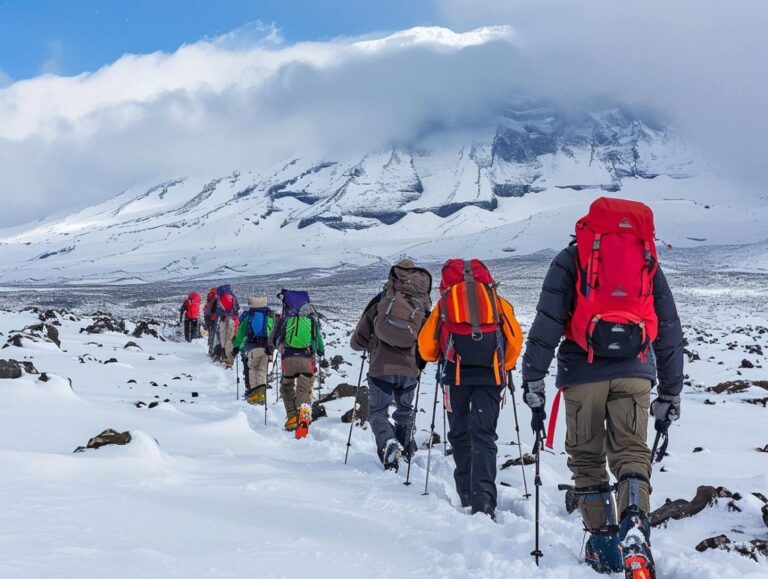
Kilimanjaro Standard Package Vs. Premium Your Definitive Guide 2026-2027
Choosing between a Standard and Premium Kilimanjaro package is a critical decision for your trek. This guide details the differences in services, inclusions, and costs for your 2026-2027...
View package details
Barafu Camp Vs Kosovo On Kilimanjaro: A Definitive Comparison For Climbers
A detailed comparison of Barafu Camp and Kosovo Camp on Kilimanjaro, helping climbers decide which high-altitude staging post is best for their 2026-2027 ascent.
View package details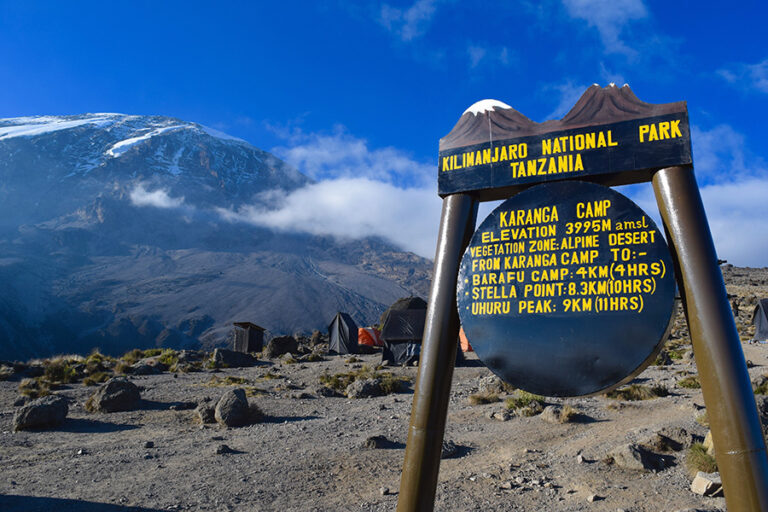
What Is Kosovo Camp On Kilimanjaro? 2026-2027
What Is Kosovo Camp on Kilimanjaro? is explained with current 2026-2027 planning, price, itinerary and booking information.
View package detailsKilimanjaro Hotel Booking Mistakes: Avoid These Pitfalls For A Smooth Climb
Booking accommodation near Kilimanjaro is crucial for a successful climb. This guide details common Kilimanjaro hotel booking mistakes to help you avoid them, ensuring comfort and readiness...
View package details
Kilimanjaro Shared Tent Vs Single Making The Right Choice For Your Climb
Choosing between a shared tent and a single tent for your Kilimanjaro climb is a significant decision impacting comfort, cost, and your overall experience. This guide breaks down the pros...
View package detailsKilimanjaro Safari And Climb Package For Seniors: Your Adventure 2026-2027
Top Guide Adventures offers tailored Kilimanjaro safari and climb packages for seniors in 2026-2027, focusing on safety, comfort, and an unforgettable Mount Kilimanjaro experience. Explore...
View package details
Kilimanjaro Family Climb With Private Guides: Your Adventure 2026-2027
start an unforgettable Kilimanjaro family climb with private guides in 2026-2027. Top Guide Adventures specializes in tailoring these incredible journeys for families, ensuring safety...
View package details
Kilimanjaro Climb With Materuni Recovery Day 2026-2027
Kilimanjaro Climb with Materuni Recovery Day is explained with current 2026-2027 planning, price, itinerary and booking information.
View package details
Kilimanjaro Climb With Lake Chala Relaxation Day: Your Ultimate Post-Trek
Experience the ultimate Kilimanjaro adventure followed by serene relaxation at Lake Chala. This guide details how to combine these incredible Tanzanian experiences, covering itineraries...
View package detailsKilimanjaro Climb & West Safari: The Ultimate Tanzania Adventure 2026-2027
Experience the pinnacle of Tanzania with a combined Kilimanjaro climb and West Kilimanjaro safari. This guide details itineraries, preparation, and what to expect for your 2026-2027...
View package details
Kilimanjaro Climb With Mkomazi Rhino Safari 2026-2027
Kilimanjaro Climb with Mkomazi Rhino Safari is explained with current 2026-2027 planning, price, itinerary and booking information.
View package detailsNo related package matches those filters. Clear one or more filters to see the other topic-matched options.



