
A Kilimanjaro climb combined with a Materuni recovery day offers a balanced approach to summiting Africa’s highest peak, allowing for essential rest and cultural immersion after the physical exertion of the trek. This popular package typically includes a guided trek up Kilimanjaro, followed by a day trip to the Materuni waterfalls and coffee plantations near Moshi, providing a chance to relax, rejuvenate, and experience local Chagga culture before departing Tanzania. Planning for 2026-2027 means considering various routes, operator inclusions, and the best timing for optimal weather and recovery.
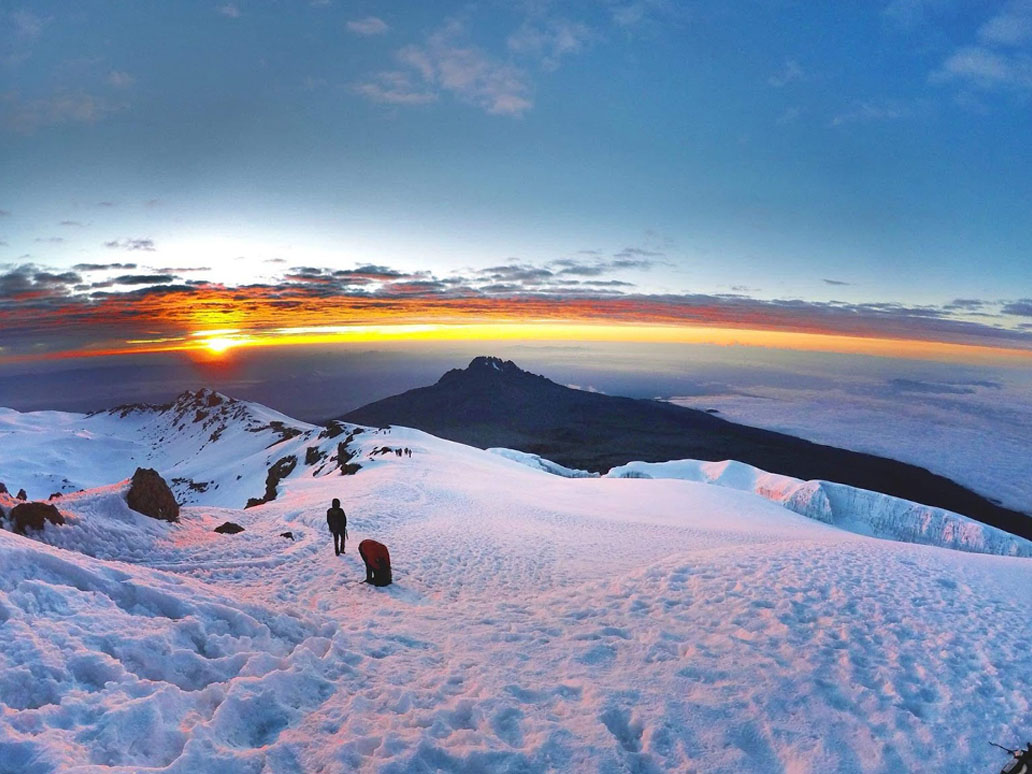
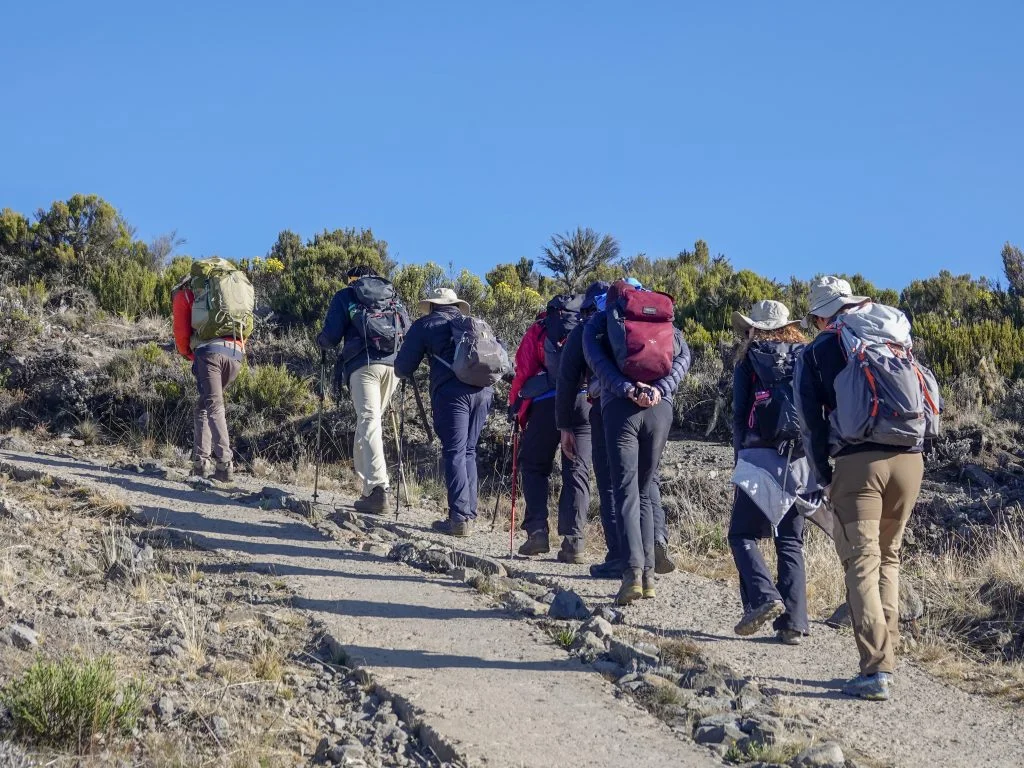
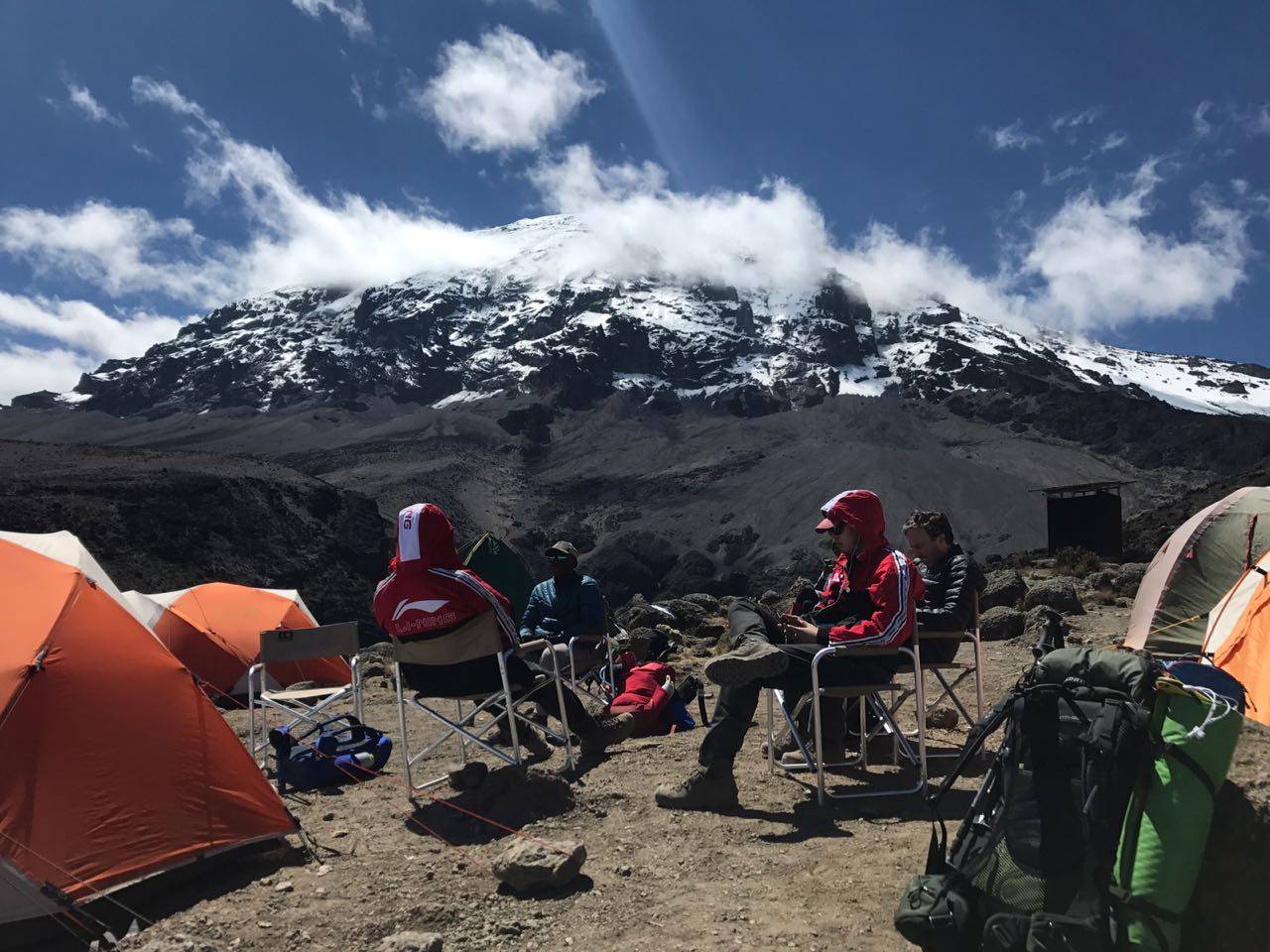
Understanding the Kilimanjaro Climb with Materuni Recovery Day Package
Combining a Kilimanjaro climb with a Materuni recovery day is an increasingly popular choice for trekkers seeking a more complete Tanzanian adventure. This integrated experience acknowledges the significant physical and mental demands of summiting Kilimanjaro and provides a structured, enjoyable way to unwind and explore local culture. For many, the climb is the primary objective, but the inclusion of a recovery day significantly enhances the overall travel experience, transforming a strenuous trek into a memorable cultural journey.
Top Guide Adventures specializes in creating these comprehensive packages, ensuring that your transition from the mountain’s summit to the serene landscapes of Materuni is as smooth and rewarding as possible. We understand that after days of trekking, often in challenging conditions, your body and mind need time to recover. The Materuni day trip offers a perfect antidote to the rigors of the climb, providing a gentle pace, beautiful scenery, and authentic cultural interaction.
The typical Kilimanjaro climb itself can range from 5 to 9 days, depending on the chosen route. Following this intense period, a dedicated recovery day is invaluable. This day is not just about rest; it’s an opportunity to engage with the vibrant local life of the Kilimanjaro region, sample fresh coffee, and witness the stunning natural beauty of the waterfalls. This synergy between physical achievement and cultural discovery is what makes the Kilimanjaro climb with Materuni recovery day a standout option for travelers in 2026 and 2027.
Why Choose Materuni for Your Kilimanjaro Recovery?
Materuni village, located on the slopes of Mount Kilimanjaro, offers a unique and tranquil setting for post-climb recovery. Its appeal lies in a combination of natural beauty, cultural richness, and accessibility, making it an ideal destination to unwind after the demanding Kilimanjaro ascent.
Natural Beauty: The centerpiece of Materuni is its spectacular waterfall, one of the highest in the Kilimanjaro region. The trek to the falls, though relatively short, is invigorating. Standing beneath the cascade, feeling the cool mist, and enjoying the lush, tropical surroundings provides a refreshing contrast to the alpine deserts and glaciers of Kilimanjaro’s upper reaches. The journey through verdant rainforest and past local banana and coffee farms adds to the sensory experience.
Cultural Immersion: Materuni is home to the Chagga people, one of Tanzania’s largest and most industrious ethnic groups. A visit here offers a genuine glimpse into their traditional way of life. The famous Materuni coffee tour is a highlight, where you can participate in the entire coffee-making process, from bean to cup. Learning about the cultivation, roasting, and grinding of coffee, and then enjoying a freshly brewed cup while interacting with local farmers, is an authentic and enjoyable cultural exchange.
Relaxation and Rejuvenation: Beyond the waterfall and coffee tour, Materuni provides opportunities for simple relaxation. You can enjoy the cooler climate, the peaceful atmosphere, and the stunning views of the plains below. Swimming in the natural pool at the base of the waterfall is a particularly invigorating way to cleanse and refresh your body after the physical stress of the climb. This relaxed pace is exactly what is needed after days of high-altitude trekking.
Accessibility: Located just a short drive from Moshi, the town that serves as the gateway to Kilimanjaro climbs, Materuni is easily accessible. This convenience means you don’t need to travel far for your recovery, minimizing additional travel stress post-climb. It can be easily incorporated into your itinerary either on the day you descend to Moshi or the day after, depending on your preference and energy levels.
For travelers planning their Kilimanjaro climb with Materuni recovery day in 2026 or 2027, this combination promises not just a successful summit but also a deep appreciation for the natural and cultural heritage of the Kilimanjaro region.
Kilimanjaro Climb Routes: Choosing the Right Path for Your Adventure
The success and enjoyment of your Kilimanjaro climb, and subsequently your recovery day, depend heavily on the route you choose. Each route offers a different experience in terms of scenery, difficulty, acclimatization profile, and infrastructure. Understanding these differences is crucial for planning your 2026-2027 adventure.
Popular Kilimanjaro Routes and Their Suitability for Recovery
When considering a Kilimanjaro climb with a Materuni recovery day, the route’s length and difficulty directly impact how much you’ll need that recovery. Longer routes generally offer better acclimatization, leading to higher success rates and potentially less fatigue, making the Materuni day more enjoyable.
- Marangu Route (Coca-Cola Route): This is the oldest and one of the most popular routes. It’s known for its gentler gradient and the unique accommodation in dormitory-style huts. It’s often considered the easiest route due to its gradual ascent. However, its acclimatization profile is poor, leading to lower success rates compared to longer routes. Duration: 5-6 days. While shorter, the poor acclimatization can leave climbers more exhausted.
- Machame Route (Whiskey Route): This is arguably the most popular route, offering excellent acclimatization through its “climb high, sleep low” trekking profile. It’s known for its scenic beauty, passing through diverse ecological zones. It’s a more challenging trek than Marangu but provides a higher success rate. Duration: 6-7 days. The 7-day option is highly recommended for better acclimatization and a more comfortable descent, which is ideal before a recovery day.
- Lemosho Route: Considered one of the most scenic routes, Lemosho offers superb acclimatization and diverse landscapes. It starts in the west and traverses the southern circuit. It’s a longer route, typically 7-8 days, which greatly increases the chances of success and reduces post-climb fatigue. The longer duration allows for a more gradual and enjoyable trek.
- Shira Route: Similar to Lemosho, Shira is a high-altitude starting route, offering excellent acclimatization. It’s often combined with Lemosho. Duration: 7-8 days.
- Rongai Route: This route approaches Kilimanjaro from the north, near the Kenyan border. It’s a good option during the rainy season as the northern side receives less rainfall. It’s generally a less crowded and more arid route. Duration: 6-7 days. While less scenically diverse than Lemosho or Machame, it offers a solid acclimatization profile.
- Northern Circuit: The longest route on Kilimanjaro, the Northern Circuit takes 9 days. It circles the mountain, offering the best acclimatization and highest success rates. This route provides ample time for the body to adjust to the altitude, meaning you’ll likely feel more prepared for your recovery day.
- Umbwe Route: This is the shortest and steepest route, making it the most challenging. It requires excellent physical fitness and prior trekking experience. Duration: 5-6 days. Due to its steepness and rapid ascent, it offers poor acclimatization and is generally not recommended for first-time climbers, especially if a relaxing recovery day is a priority.
Top Guide Adventures’ Recommendations for 2026-2027 Climbs
For a Kilimanjaro climb with a Materuni recovery day in 2026-2027, we highly recommend routes offering at least 7 days. The Machame (7-day option), Lemosho (7 or 8 days), and the Northern Circuit (9 days) stand out for their superior acclimatization profiles. These longer routes ensure you reach the summit with less physical strain, making your subsequent recovery day in Materuni a truly enjoyable experience rather than a desperate need for rest.
A 7-day Machame climb, for instance, allows for a more relaxed pace and better adaptation to altitude. Similarly, the 8-day Lemosho route provides an even more gradual ascent. The 9-day Northern Circuit is the ultimate for acclimatization and scenery, offering the highest success rates and leaving you feeling more invigorated for your post-climb activities. While the Marangu and Rongai routes can be done in 5-6 days, the risk of altitude sickness and subsequent fatigue is higher, potentially diminishing the enjoyment of your recovery day.
When booking your Kilimanjaro climb with Materuni recovery day for 2026 or 2027, discuss these route options with our expert team at Top Guide Adventures. We can help you select the perfect route that balances your desire for a successful summit with the need for a comfortable and rewarding recovery experience.
Acclimatization is Key for Recovery
Prioritizing routes with better acclimatization profiles is paramount. A well-acclimatized climber will have a higher chance of reaching the summit and will feel significantly less depleted afterward. This directly translates to a more pleasant and refreshing Materuni recovery day experience.
The Materuni Recovery Day Itinerary: What to Expect
A typical Materuni recovery day, often scheduled for the day after you descend from Kilimanjaro to Moshi, is designed to be a gentle yet enriching experience. It focuses on relaxation, local culture, and enjoying the natural beauty of the Kilimanjaro foothills.
A Sample Day in Materuni
While the exact timing can be flexible based on your needs and preferences, a standard Materuni recovery day itinerary with Top Guide Adventures looks something like this:
Morning: Departure from Moshi and Journey to Materuni
After a well-deserved rest in Moshi, your day begins with a scenic drive from your hotel to Materuni village, located on the northern slopes of Kilimanjaro. The drive itself offers beautiful views of the surrounding landscape and the majestic mountain you’ve just conquered. This journey typically takes about 45-60 minutes.
Mid-Morning: Trek to Materuni Waterfalls
Upon arrival in Materuni, you’ll be greeted by local guides who will accompany you on a short, relatively easy trek through lush rainforests and coffee plantations. The path leads to the impressive Materuni Waterfalls, one of the highest in the region. The walk is gentle, allowing your body to stretch and move in a relaxed manner.
Late Morning: Enjoying the Waterfalls and Swimming
The highlight of the morning is reaching the spectacular waterfall. You can admire its grandeur, take photos, and feel the refreshing mist. For those feeling up to it, swimming in the natural pool at the base of the falls is a highly recommended and invigorating experience. It’s a perfect way to cleanse and re-energize after the physical demands of the climb.
Lunchtime: Chagga Cultural Experience and Coffee Tour
After descending from the falls, you’ll be invited to experience the heart of Chagga culture. This includes a hands-on coffee tour. You’ll learn about the entire process, from picking the beans to roasting and grinding them. A significant part of this experience is the opportunity to participate in traditional coffee making, culminating in enjoying a freshly prepared cup of delicious local coffee. You’ll also likely share a traditional Chagga meal, prepared with local ingredients, offering an authentic taste of the region.
Afternoon: Relaxation and Return to Moshi
The afternoon is dedicated to further relaxation. You can chat with the local community, perhaps learn a few Swahili phrases, or simply enjoy the serene environment and the views. Later in the afternoon, you will be driven back to your hotel in Moshi, feeling refreshed, rejuvenated, and enriched by the cultural experience.
Key Inclusions for Your Materuni Recovery Day
When booking a Kilimanjaro climb with Materuni recovery day package with Top Guide Adventures, you can expect the following inclusions:
- Private Transportation: Comfortable, private vehicle for round-trip transfers between Moshi and Materuni.
- Local Guide Services: Experienced and knowledgeable local guides in Materuni for the waterfall trek and cultural tour.
- Entrance Fees: All necessary permits and entrance fees for the Materuni waterfalls and village.
- Coffee Tour: Hands-on participation in the traditional coffee-making process.
- Traditional Lunch: A delicious, locally prepared Chagga meal.
- Fresh Coffee Tasting: Enjoying the fruits of your labor with a freshly brewed cup.
- Swimming Opportunity: Access to swim at the base of the Materuni waterfall.
- Support from Top Guide Adventures: Ensuring a smooth and enjoyable experience throughout the day.
This carefully curated day ensures that your recovery is not just about rest but also about embracing the vibrant local culture and natural beauty that surrounds Kilimanjaro, making your 2026-2027 adventure truly unforgettable.
Cost Considerations for a Kilimanjaro Climb with Materuni Recovery Day (2026-2027)
Understanding the costs associated with a Kilimanjaro climb is essential for budgeting your 2026-2027 adventure. A Kilimanjaro climb with a Materuni recovery day will typically involve costs for both the climb itself and the day trip. Top Guide Adventures offers transparent pricing, but the final cost can vary based on several factors.
Factors Influencing Climb Costs
The price of a Kilimanjaro climb is influenced by the route chosen, the duration of the trek, the quality of service provided by the tour operator, and the group size.
- Route Length and Complexity: Longer routes like the Northern Circuit or Lemosho (8 days) are generally more expensive than shorter ones like Marangu (5 days) due to more days of crew, equipment, and park fees.
- Duration of Trek: As mentioned, longer treks naturally incur higher costs for park fees, crew wages, and supplies.
- Operator Standards: Reputable operators like Top Guide Adventures invest in quality equipment, well-trained guides and porters, good food, and ethical treatment of their staff. This commitment to quality, while potentially higher in price, ensures a safer and more enjoyable climb. Beware of extremely low prices, as they often indicate compromises on safety, crew welfare, or equipment quality.
- Group Size: Private climbs are more expensive per person than group climbs. Joining a scheduled group departure can significantly reduce the cost.
- Inclusions: The level of inclusions (e.g., accommodation before/after the climb, airport transfers, sleeping bags, trekking poles) can also affect the overall price.
Estimated Kilimanjaro Climb Costs (2026-2027)
While exact prices depend on your specific choices, here are general estimates for a Kilimanjaro climb with Materuni recovery day package from a reputable operator like Top Guide Adventures for 2026-2027:
Kilimanjaro Climb (7-day Machame Route as an example):
- Mid-Range/Quality Operator (like Top Guide Adventures): Expect prices to range from $2,200 to $3,000 USD per person for a shared group climb. Private climbs will be higher.
- Higher-End/Luxury Operators: May range from $3,000 to $4,500+ USD per person.
Included in a standard package typically are:
- Park entrance fees, camping/hut fees, rescue fees.
- All meals on the mountain.
- Water and basic refreshments.
- Experienced climbing guides, assistant guides, porters, and cook.
- Quality camping equipment (tents, sleeping mats, mess tent).
- Transfer from Moshi to the trailhead and back.
- Pre- and post-climb briefings.
- Oxygen cylinders and first-aid kit.
Not typically included:
- Flights to Tanzania.
- Visa fees.
- Travel insurance (mandatory).
- Personal climbing gear (boots, warm clothing, sleeping bag – though some operators offer rentals).
- Tips for the climbing crew (a significant but necessary expense).
- Lunches/dinners in Moshi before/after the climb (unless specified).
- The Materuni Recovery Day trip.
Estimated Cost for the Materuni Recovery Day
The Materuni recovery day is usually booked as an add-on or separate day trip. For 2026-2027, the cost for this experience typically ranges from $80 to $150 USD per person, depending on the operator and inclusions. This usually covers transportation, local guide fees, entrance to the falls, the coffee tour, lunch, and coffee tasting.
Total Estimated Cost for Kilimanjaro Climb + Materuni Recovery Day
Combining the estimates, a traveler planning a Kilimanjaro climb with Materuni recovery day for 2026-2027 can budget approximately:
$2,280 to $3,150+ USD per person (based on a mid-range operator, 7-day climb, and the Materuni day trip).
Important Note: It is crucial to get a detailed quote from your chosen operator. Top Guide Adventures provides comprehensive quotes that clearly outline what is included and excluded, allowing you to budget accurately for your 2026-2027 trip.
Tips for Crew: Budget approximately $250-$350 USD per climber for tips. This is a significant cost but essential for motivating the hardworking crew.
Preparing for Your Kilimanjaro Climb and Materuni Recovery
A successful Kilimanjaro climb and an enjoyable recovery day require thorough preparation. This involves physical training, mental readiness, appropriate gear, and understanding the logistics.
Physical Training
Kilimanjaro is a demanding trek, not a technical climb, but it requires significant cardiovascular fitness and leg strength. Focus your training on:
- Hiking: Regularly hike with a weighted backpack, ideally on inclines and varied terrain, to simulate mountain conditions. Aim for long hikes (4-6 hours) weekly in the months leading up to your climb.
- Cardiovascular Exercise: Engage in activities like running, cycling, or swimming at least 3-4 times a week to build stamina.
- Strength Training: Focus on leg muscles (squats, lunges) and core strength.
Mental Preparation
The mental aspect of climbing Kilimanjaro is as important as the physical. Be prepared for:
- Altitude Effects: Understand that altitude sickness is a risk. Stay positive, listen to your body and guides, and focus on reaching the summit one step at a time.
- Challenging Conditions: You will likely encounter cold weather, strong winds, and fatigue. Maintaining a positive attitude is key.
- The Summit Night: This is the most demanding part of the climb. It requires immense mental fortitude to push through the cold and darkness.
Essential Gear
Packing correctly is crucial for comfort and safety. Key items for your Kilimanjaro climb with Materuni recovery day include:
- Layering System: Base layers (moisture-wicking), mid-layers (fleece), and outer layers (waterproof and windproof jacket and trousers).
- Footwear: Broken-in, waterproof hiking boots are essential. Bring comfortable camp shoes or sandals for the evenings.
- Headwear: Warm beanie, sun hat, and balaclava or neck gaiter.
- Gloves: Warm, waterproof gloves and thinner liner gloves.
- Sleeping Bag: A 4-season sleeping bag rated to at least -10°C (14°F).
- Backpack: A comfortable daypack (30-40 liters) for essentials during the day, and a larger duffel bag (80-100 liters) for porters.
- Headlamp: With extra batteries.
- Sun Protection: High SPF sunscreen, sunglasses, lip balm.
- Hydration: Water bottles or a hydration reservoir (at least 3 liters capacity).
- Personal Items: Toiletries, personal first-aid kit, camera, power bank.
- Trekking Poles: Highly recommended for stability and reducing knee strain.
Top Guide Adventures can provide a detailed packing list tailored to your specific climb. Many items, like sleeping bags and trekking poles, can often be rented to reduce the amount you need to carry.
Logistics and Booking for 2026-2027
When booking your Kilimanjaro climb with Materuni recovery day for 2026-2027:
- Book in Advance: Popular dates, especially during the dry seasons (January-March and June-October), fill up quickly. Aim to book at least 6-12 months in advance.
- Choose a Reputable Operator: Select a company with a proven track record, ethical practices, and strong safety protocols. Top Guide Adventures is known for its excellent service and commitment to client safety and satisfaction.
- Understand Inclusions/Exclusions: Carefully review what is included in your package to avoid unexpected costs.
- Travel Insurance: Ensure your policy covers high-altitude trekking and emergency evacuation. This is mandatory.
- Visas and Vaccinations: Check visa requirements for Tanzania and consult your doctor about recommended vaccinations well in advance.
Proper preparation ensures that you are physically and mentally ready for the challenge of Kilimanjaro and can fully appreciate the relaxing and culturally rich Materuni recovery day that follows.
Best Time to Climb Kilimanjaro and Visit Materuni (2026-2027)
Choosing the right time to travel significantly impacts your Kilimanjaro climb and the enjoyment of your Materuni recovery day. Kilimanjaro experiences distinct wet and dry seasons, and understanding these helps in planning for 2026-2027.
Kilimanjaro’s Climate and Seasons
Kilimanjaro’s weather is largely dictated by altitude and can be divided into four distinct seasons:
- Dry Season (June to October): This is considered the best time to climb Kilimanjaro. Skies are generally clear, offering excellent visibility and stable weather conditions. Temperatures are cool but manageable, especially at lower altitudes. This is also a popular time for tourism, so expect more trekkers on the mountain.
- Short Rains (November to Mid-December): This period sees intermittent rainfall, particularly in the lower rainforest zone. Higher altitudes may experience snow. Visibility can be reduced, and trails can be muddy.
- Long Rains (March to May): This is the wettest period, characterized by heavy rainfall, especially in the lower and middle sections of the mountain. Trails can become very muddy and slippery, and cloud cover often obscures views. This is generally the least recommended time for climbing.
- Short Dry/Shoulder Season (Mid-December to February): This period often offers good weather, similar to the main dry season, though occasional showers can occur. It’s a good alternative if you prefer fewer crowds.
Materuni’s Climate
Materuni village, located at a lower altitude (around 1,400 meters or 4,600 feet), experiences a more tropical climate. It is generally warmer and more humid than the mountain’s higher reaches. Rainfall is common year-round, but it tends to be heavier during the main rainy seasons (March-May and November).
Recommended Timing for a Kilimanjaro Climb with Materuni Recovery Day (2026-2027)
For the ideal balance of a successful climb and a pleasant recovery experience:
- Best Overall: The dry season from June to October is highly recommended. You’ll have the best chance of clear views from the summit and stable trekking conditions. The weather in Materuni during these months is also generally pleasant, with less intense rain, making the waterfalls and coffee tours enjoyable.
- Good Alternative: The shoulder season from mid-December to February is also excellent. The weather is typically good, and there are fewer trekkers on the mountain. Materuni will be lush and green, though you might encounter occasional showers.
- Consider Shoulder Seasons: If you prefer fewer crowds and don’t mind the possibility of some rain, the shoulder months of November or late February/early March can be viable. The landscape is vibrant, and the recovery day can still be very rewarding.
- Avoid Peak Rains: Climbing during the main rainy seasons (March-May) is generally not advised due to challenging trail conditions and poor visibility, which can detract from both the climb and the recovery day.
When planning your Kilimanjaro climb with Materuni recovery day for 2026 or 2027, consult with Top Guide Adventures. We can provide specific advice based on current weather patterns and your preferences for crowd levels and budget, as prices can sometimes be slightly lower during the shoulder seasons.
Flexibility for Recovery
Even during the dry season, occasional rain showers can occur, especially in the rainforest zone. The Materuni waterfalls are often more impressive after rainfall, and the coffee tour is an indoor activity, making it enjoyable regardless of the weather. The key is that the recovery day offers a much gentler environment than the mountain summit itself.
Safety and Ethical Considerations for Your Kilimanjaro Climb
Safety and ethical practices are paramount for any Kilimanjaro climb. Top Guide Adventures is committed to ensuring the well-being of our clients and the fair treatment of our crew. Understanding these aspects will help you choose the right operator and prepare for a responsible adventure.
Safety Protocols on the Mountain
Your safety on Kilimanjaro is our top priority. We adhere to strict safety protocols:
- Experienced Guides: Our guides are certified, highly experienced, and trained in wilderness first aid and high-altitude rescue. They are skilled in monitoring trekkers for signs of altitude sickness and making critical decisions regarding safety.
- Acclimatization: We meticulously plan itineraries that prioritize gradual ascent and acclimatization, including the “climb high, sleep low” principle where applicable.
- Emergency Equipment: A comprehensive first-aid kit and supplementary oxygen are carried on every climb. We also carry a portable stretcher for emergencies.
- Communication: Guides carry radios or satellite phones for communication in case of emergencies. Park rangers are stationed at various points on the mountain.
- Health Monitoring: Regular checks for hydration, appetite, and symptoms of altitude sickness are conducted daily by your guides.
Ethical Trekking and Crew Welfare
We believe in responsible tourism that benefits local communities and ensures the welfare of our mountain crew. This is a core value at Top Guide Adventures:
- Fair Wages and Working Conditions: We ensure our guides, porters, and cooks receive fair wages, adequate food, proper shelter, and appropriate gear. We are members of KPAP (Kilimanjaro Porters Assistance Project) or adhere to similar ethical standards.
- Porter Support: We adhere to strict weight limits for porters and ensure they are treated with respect. Porters are vital to a successful climb, carrying the bulk of the equipment.
- Environmental Responsibility: We practice Leave No Trace principles, ensuring waste is properly managed and removed from the mountain. We encourage clients to minimize their environmental impact.
- Community Engagement: By choosing Top Guide Adventures, you contribute to the local economy and support sustainable tourism practices. The Materuni recovery day itself is a direct benefit to the local Chagga community.
Booking with Confidence for 2026-2027
When selecting an operator for your Kilimanjaro climb with Materuni recovery day, inquire about their safety and ethical policies. A reputable company will be transparent about these practices. Top Guide Adventures proudly upholds the highest standards, ensuring your adventure is not only memorable but also safe and responsible.
We recommend checking reviews on platforms like TripAdvisor to gauge other travelers’ experiences with an operator’s safety and ethical commitment. Our reviews often highlight the dedication and care of our team.
Why Ethical Trekking Matters
Choosing an ethical operator means you’re contributing positively to the lives of the people who make your Kilimanjaro dream possible. It ensures that the mountain remains a sustainable destination for future generations and that your climb supports responsible tourism.
Making the Most of Your Materuni Recovery Day
After the physical challenge of climbing Kilimanjaro, your Materuni recovery day is a chance to relax, reflect, and engage with local culture. Here’s how to maximize this experience:
Embrace the Slow Pace
The primary goal of this day is recovery. Resist the urge to rush. Allow yourself to move at a slower pace, both physically and mentally. Enjoy the gentle trek to the waterfall, savor the coffee tour, and take time to simply soak in the atmosphere of Materuni village.
Engage with the Local Culture
The Chagga people are known for their warmth and hospitality. Don’t hesitate to interact with your local guides and the community members you meet. Ask questions about their way of life, their traditions, and their coffee farming practices. Learning a few basic Swahili phrases like ‘Jambo’ (Hello) and ‘Asante sana’ (Thank you very much) can go a long way in fostering connection.
Enjoy the Sensory Experience
Materuni offers a feast for the senses. Listen to the roar of the waterfall, feel the cool mist on your skin, smell the rich aroma of roasting coffee beans, taste the freshly brewed coffee and local cuisine, and admire the vibrant green landscapes. Allow yourself to be present and appreciate the details.
Capture the Memories
While the climb itself provides incredible photo opportunities, Materuni offers a different kind of beauty – the beauty of everyday life, lush nature, and warm smiles. Take photos and videos, but also remember to put your camera down and experience the moments fully.
Hydrate and Nourish
Continue to prioritize hydration, especially after the strenuous climb. The fresh water from the Materuni springs is pure and refreshing. Enjoy the nutritious local meal provided, which will help replenish your body’s energy stores.
Reflect on Your Achievement
This recovery day is also a perfect time to reflect on your incredible accomplishment. You’ve stood atop Africa! Take moments to appreciate your strength, resilience, and the journey you’ve undertaken. The stunning views from Materuni often provide a perfect backdrop for this reflection.
By approaching your Materuni recovery day with an open mind and a relaxed attitude, you’ll find it to be a truly rewarding complement to your Kilimanjaro climb, making your 2026-2027 adventure even more memorable.
Planning Your 2026-2027 Kilimanjaro Climb with Top Guide Adventures
Top Guide Adventures is your trusted partner for organizing a memorable and successful Kilimanjaro climb with Materuni recovery day. We pride ourselves on providing personalized service, expert guidance, and a commitment to safety and ethical trekking.
Why Choose Top Guide Adventures?
- Local Expertise: As a leading Tanzanian tour operator, we possess deep knowledge of Kilimanjaro, its routes, and the local culture.
- Safety First: Our guides are highly trained, and we maintain strict safety protocols and emergency procedures.
- Ethical Practices: We are committed to fair treatment and good working conditions for our entire mountain crew.
- Customizable Itineraries: We can tailor your climb and recovery day to your specific needs and preferences.
- Excellent Support: From your initial inquiry to your departure, our team provides dedicated support and attention to detail.
Ready to Book Your 2026-2027 Kilimanjaro Adventure?
We are excited to help you plan your dream Kilimanjaro climb and recovery experience. Whether you’re aiming for a specific date in 2026 or looking ahead to 2027, our team is ready to assist you.
Contact us today to discuss your Kilimanjaro climb with Materuni recovery day:
- WhatsApp: +255616946642
- Email: topguideadventures@gmail.com
- Backup Email: info@topguideadventures.com
Let Top Guide Adventures guide you to the roof of Africa and provide the perfect, rejuvenating recovery experience in Materuni. We look forward to helping you create lasting memories in Tanzania in 2026-2027!
“,
“faq_schema”: [
{
“question”: “What is included in a typical Kilimanjaro climb with Materuni recovery day package?”,
“answer”: “A standard Kilimanjaro climb package usually includes park fees, meals on the mountain, experienced guides, porters, cooks, camping equipment, and transfers to/from the trailhead. The Materuni recovery day typically adds private transportation, a local guide, entrance fees, a coffee tour, a traditional lunch, and coffee tasting.”
},
{
“question”: “How long does a Kilimanjaro climb typically last?”,
“answer”: “Kilimanjaro climbs can range from 5 to 9 days, depending on the chosen route. Longer routes like Lemosho or the Northern Circuit offer better acclimatization and are recommended for a higher success rate and a more comfortable experience, which is ideal before a recovery day.”
},
{
“question”: “What is the best time of year for a Kilimanjaro climb and Materuni visit in 2026-2027?”,
“answer”: “The best time is during the dry seasons: June to October and mid-December to February. These periods offer clearer skies, stable weather, and better visibility, making both the climb and the recovery day more enjoyable. The Materuni waterfalls are also beautiful during these times, though occasional showers are possible.”
},
{
“question”: “How physically demanding is climbing Kilimanjaro?”,
“answer”: “Kilimanjaro is a strenuous trek requiring good cardiovascular fitness and endurance. While not technically difficult, the high altitude and long trekking days, especially summit night, are physically and mentally challenging. Proper training is essential.”
},
{
“question”: “What should I pack for a Kilimanjaro climb and Materuni recovery day?”,
“answer”: “Essential items include layered clothing (base, mid, outer waterproof layers), sturdy broken-in hiking boots, warm sleeping bag, hat, gloves, sunscreen, sunglasses, headlamp, and trekking poles. Your operator will provide a detailed packing list.”
},
{
“question”: “What are the main costs associated with a Kilimanjaro climb?”,
“answer”: “The main costs include the climb package (operator fees, park fees), flights, visa, travel insurance, personal gear, and tips for the mountain crew. The Materuni recovery day is an additional cost, typically ranging from $80-$150 USD per person.”
},
{
“question”: “Is altitude sickness a concern on Kilimanjaro?”,
“answer”: “Yes, altitude sickness is a significant concern. Choosing a longer route with better acclimatization, ascending gradually, staying hydrated, and listening to your guides are crucial for prevention and management. Most reputable operators have robust safety protocols for altitude sickness.”
},
{
“question”: “What is the Materuni recovery day like?”,
“answer”: “It’s a day trip focused on relaxation and cultural immersion after your climb. It typically involves a visit to the beautiful Materuni waterfalls, a swim, a traditional Chagga lunch, and a hands-on coffee tour where you learn to make coffee from bean to cup.”
}
]
}
“`
Check Availability for Kilimanjaro Climb With Materuni Recovery Day 2026-2027
Ready to compare dates, prices, and the best option for your group? Send the package name and travel month so the team can reply with a clear quote, availability, and what is included.
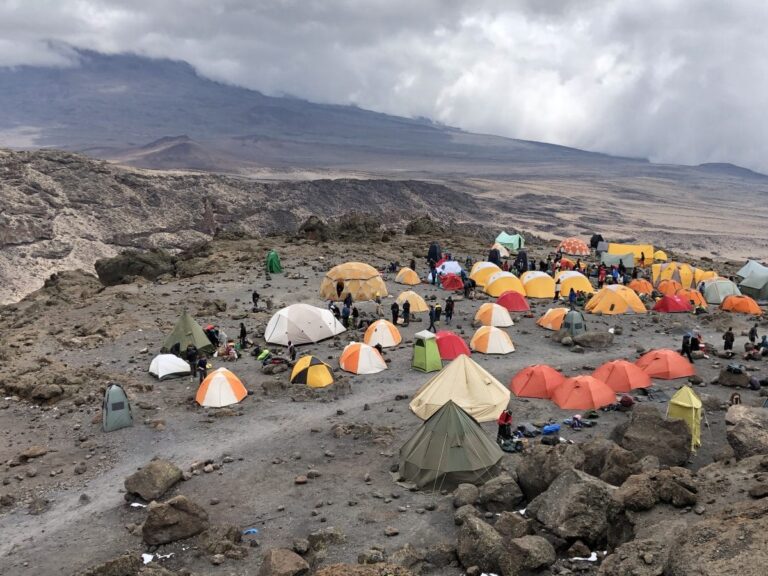
Kilimanjaro Climb With Lake Chala Relaxation Day: Your Ultimate Post-Trek
Experience the ultimate Kilimanjaro adventure followed by serene relaxation at Lake Chala. This guide details how to combine these incredible Tanzanian experiences, covering itineraries...
View package details
Kilimanjaro Climb & West Safari: The Ultimate Tanzania Adventure 2026-2027
Experience the pinnacle of Tanzania with a combined Kilimanjaro climb and West Kilimanjaro safari. This guide details itineraries, preparation, and what to expect for your 2026-2027...
View package details
Kilimanjaro Climb With Mkomazi Rhino Safari 2026-2027
Kilimanjaro Climb with Mkomazi Rhino Safari is explained with current 2026-2027 planning, price, itinerary and booking information.
View package details
Kilimanjaro Climb With Amboseli Safari Extension: Your Ultimate Tanzania
Experience the pinnacle of African adventure by combining a challenging Kilimanjaro climb with a impressive safari in Amboseli National Park. This guide details itineraries, costs, best...
View package details
13-Day Kilimanjaro Climb, Cultural Tour & Zanzibar Holiday: Your Ultimate
This 13-day itinerary offers an unparalleled Tanzanian experience, blending the thrill of conquering Mount Kilimanjaro with deep cultural exploration and the serene beauty of Zanzibar...
View package details
Kilimanjaro Questions To Ask During Your Briefing For Climbs 2026-2027
Before embarking on your Kilimanjaro adventure, a thorough briefing is crucial. This guide outlines the most important questions to ask your tour operator to ensure you're fully prepared...
View package details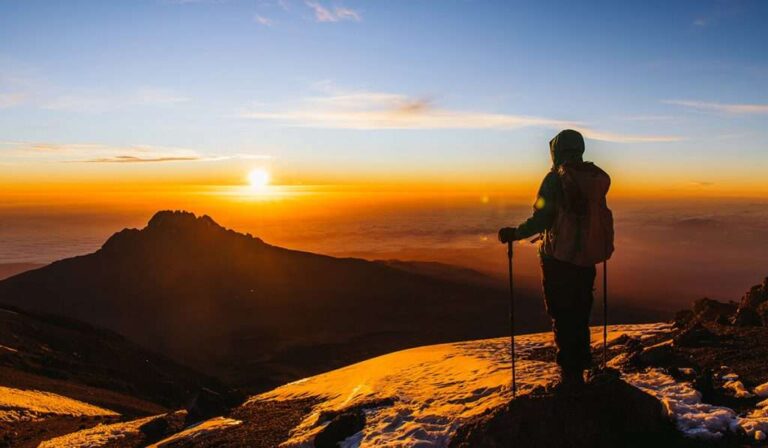
Kilimanjaro Contract Terms You Should Understand For Your Climb 2026-2027
Navigating the fine print of your Kilimanjaro climb contract is crucial. This guide breaks down essential terms, from payment schedules and cancellation policies to what's included and...
View package details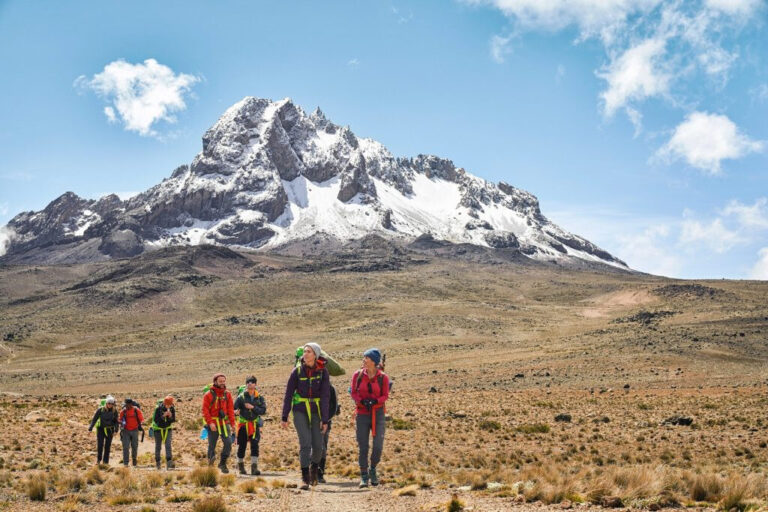
What A Kilimanjaro Mountain Crew Should Provide For Your Climb 2026-2027
Planning a Kilimanjaro climb? Understand precisely what your mountain crew needs to provide, from essential gear and experienced guides to food, safety, and logistical support. This...
View package details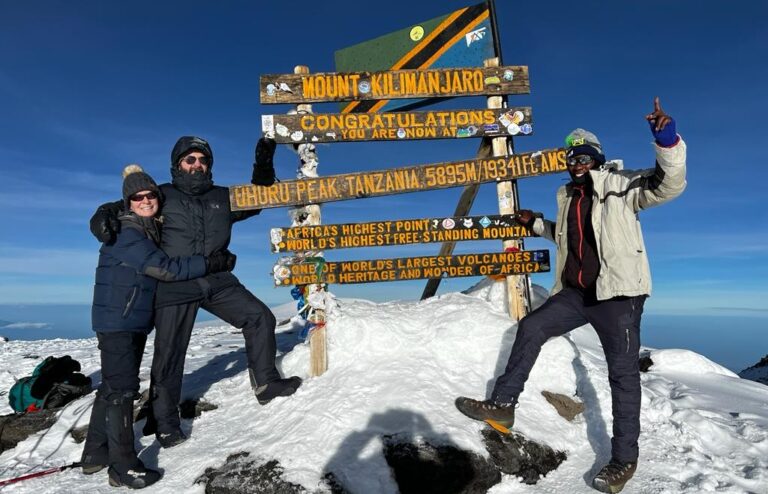
How To Compare Kilimanjaro Package Inclusions For Your Climb 2026-2027
Choosing the right Kilimanjaro climb package in 2026 or 2027 involves meticulously comparing what's included. This guide breaks down essential inclusions like park fees, guide/porter...
View package details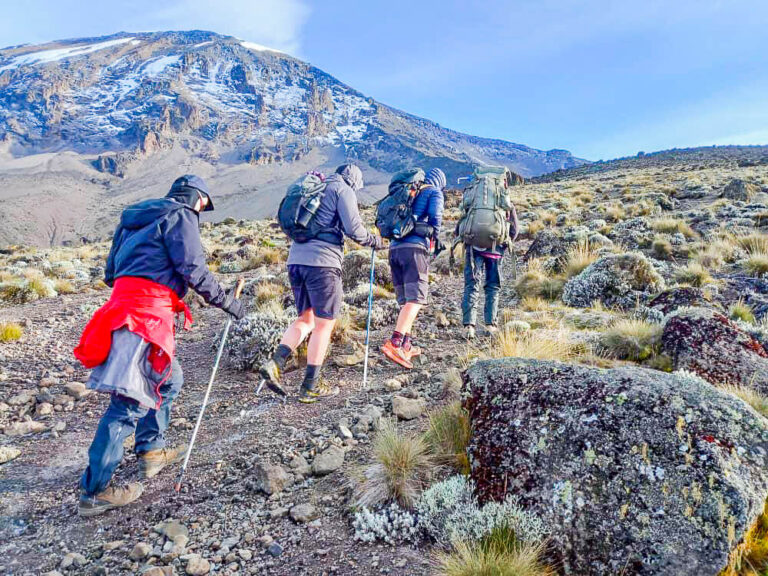
Kilimanjaro Booking Checklist For First-Time Climbers: Your Essential Guide
Planning your first Kilimanjaro climb in 2026 or 2027? This detailed checklist covers everything from choosing a route and operator to packing and acclimatization, ensuring a well-prepared...
View package details
Questions Your Kilimanjaro Operator Should Answer For A Successful Climb
Choosing the right Kilimanjaro operator is crucial for a safe and memorable climb. This comprehensive guide details the essential questions you must ask your potential tour operator...
View package details30 Things To Know Before Booking Kilimanjaro: Your Expert Guide For Climbs
Your ultimate checklist for booking a Kilimanjaro climb in 2026-2027. This guide covers everything from choosing the right route and understanding costs to essential gear and preparation...
View package detailsNo related package matches those filters. Clear one or more filters to see the other topic-matched options.



