
Combining a Kilimanjaro climb with a West Kilimanjaro safari offers a comprehensive Tanzania experience, merging the challenge of summiting Africa’s highest peak with the thrill of wildlife viewing in a less crowded, yet incredibly scenic, safari region. This adventure typically involves a 5-9 day trek up Kilimanjaro followed by a 2-4 day safari exploring areas like Amboseli (just across the border in Kenya, often accessed from West Kilimanjaro) or the unique landscapes around West Kilimanjaro itself, providing unparalleled views of the mountain and diverse fauna. Planning for 2026-2027 allows ample time for preparation, securing permits, and choosing the right operator for this dual-purpose journey.
The Dual Thrill: Why Combine Kilimanjaro Climb with West Kilimanjaro Safari
Tanzania is a land of unparalleled natural beauty and dramatic landscapes. For many, the ultimate Tanzanian adventure involves two iconic experiences: conquering Mount Kilimanjaro, the Roof of Africa, and exploring its vibrant wildlife on a safari. While many combine Kilimanjaro with the Serengeti or Ngorongoro Crater, a less common yet equally rewarding option is to pair the climb with a safari in West Kilimanjaro. This region offers a distinct safari experience, characterized by vast, open plains, stunning views of Kilimanjaro, and a chance to see a wide array of wildlife, including elephants, zebras, wildebeest, and giraffes, often with fewer crowds than the more famous parks.
A Kilimanjaro climb with West Kilimanjaro safari package is ideal for travelers who want to maximize their time in Tanzania, experiencing both the physical challenge of high-altitude trekking and the awe-inspiring spectacle of African wildlife. This combination provides a holistic view of Tanzania’s natural wonders, from the snow-capped peak of Kilimanjaro to the rolling savannas teeming with life. The proximity of West Kilimanjaro to the mountain makes logistical sense, often allowing for a smooth transition between your trek and safari. For those planning their 2026 or 2027 adventure, this integrated trip promises a lifetime of memories.
Understanding West Kilimanjaro: A Unique Safari Destination
West Kilimanjaro is not a national park in the traditional sense but rather a vast area of private conservancies and communal lands situated on the western and southern flanks of Mount Kilimanjaro. This region is crucial for wildlife corridors, particularly for elephants migrating between Amboseli National Park in Kenya and Tsavo West National Park. Its landscape is characterized by acacia woodlands, open grasslands, and dramatic views of Kilimanjaro’s western face, including the Shira Plateau and Kibo glaciers. Unlike the busier northern circuit parks, West Kilimanjaro offers a more exclusive and intimate safari experience.
Key attractions in West Kilimanjaro include:
- Abundant Elephants: The region is a vital sanctuary for large elephant herds.
- Stunning Kilimanjaro Vistas: The proximity offers unparalleled photographic opportunities of the mountain, especially during sunrise and sunset.
- Diverse Wildlife: Beyond elephants, expect to see lions, leopards, cheetahs, giraffes, zebras, wildebeest, and various plains game.
- Birdlife: A haven for ornithologists, with numerous resident and migratory bird species.
- Cultural Encounters: Opportunities to visit local Maasai communities and learn about their traditional way of life.
- Exclusive Experience: Fewer vehicles and lodges mean a more private and undisturbed wildlife viewing experience.
When planning a Kilimanjaro climb with West Kilimanjaro safari for 2026-2027, understanding this unique environment helps set expectations for a more off-the-beaten-path adventure.
Choosing Your Kilimanjaro Climb Route: The Foundation of Your Adventure
The success and enjoyment of your Kilimanjaro climb depend heavily on the route chosen. Each route offers a different experience in terms of scenery, difficulty, acclimatization profile, and accommodation. For a combined Kilimanjaro climb and West Kilimanjaro safari, the choice of route can also impact logistics and the overall flow of your trip.
Popular Kilimanjaro Routes and Their Suitability
Here’s a look at the most popular routes:
Marangu Route (Coca-Cola Route)
Duration: 5-6 days
Scenery: Less scenic, follows a direct path, often crowded.
Acclimatization: Poor, due to the rapid ascent.
Accommodation: Basic huts.
Pros: Only route with hut accommodation, considered the easiest in terms of physical difficulty due to gradual slopes, shortest duration.
Cons: Lowest success rates due to poor acclimatization, least scenic, high traffic.
Machame Route (Whiskey Route)
Duration: 6-7 days
Scenery: Highly scenic, passing through diverse vegetation zones.
Acclimatization: Excellent, follows the “climb high, sleep low” principle.
Accommodation: Camping.
Pros: High success rates, beautiful scenery, good acclimatization.
Cons: More challenging terrain, steeper sections, can be busy.
Lemosho Route
Duration: 7-8 days
Scenery: Exceptionally scenic, remote start, diverse landscapes.
Acclimatization: Excellent, due to longer duration and “climb high, sleep low”.
Accommodation: Camping.
Pros: Very high success rates, remote and pristine environment, stunning views.
Cons: Longer duration, higher cost, requires more fitness.
Shira Route
Duration: 7-8 days
Scenery: Similar to Lemosho but starts at a higher altitude.
Acclimatization: Moderate, starts at high altitude which can be challenging for some.
Accommodation: Camping.
Pros: Stunning scenery, good wildlife viewing on lower slopes.
Cons: High starting altitude can lead to immediate altitude sickness for some.
Rongai Route
Scenery: Starts from the drier northern side, less scenic initially but opens up.
Duration: 6-7 days
Acclimatization: Good.
Accommodation: Camping.
Pros: Good success rates, less crowded, offers a different perspective, better chance of seeing wildlife on the approach.
Cons: Less dramatic scenery compared to western routes.
Northern Circuit Route
Duration: 9-10 days
Scenery: Most scenic, circumnavigates the mountain, diverse landscapes.
Acclimatization: Best, due to the longest duration and “climb high, sleep low” principle.
Accommodation: Camping.
Pros: Highest success rates, most scenic, most comfortable acclimatization, least crowded.
Cons: Longest duration, highest cost.
For a Kilimanjaro climb with West Kilimanjaro safari, longer routes like Lemosho, Shira, or the Northern Circuit are highly recommended. They offer better acclimatization, increasing your chances of reaching the summit and enhancing your overall experience, which is crucial before embarking on a safari. These routes also often finish on the southern side, which can be logistically convenient for onward travel to West Kilimanjaro.
Crafting Your Itinerary: Integrating the Climb and Safari
A well-planned itinerary is key to a successful Kilimanjaro climb and West Kilimanjaro safari. The order can vary, but most travelers prefer to climb first and then relax on safari. This allows you to enjoy the wildlife viewing after the physical exertion of the trek.
Sample Itinerary: 7-Day Lemosho Climb + 3-Day West Kilimanjaro Safari
Day 1: Arrival in Moshi/Arusha
Arrive at Kilimanjaro International Airport (JRO). You’ll be met by your Top Guide Adventures representative and transferred to your hotel in Moshi or Arusha. Briefing about your upcoming climb.
Day 2: Moshi/Arusha to Londorossi Gate to Mti Mkubwa Camp
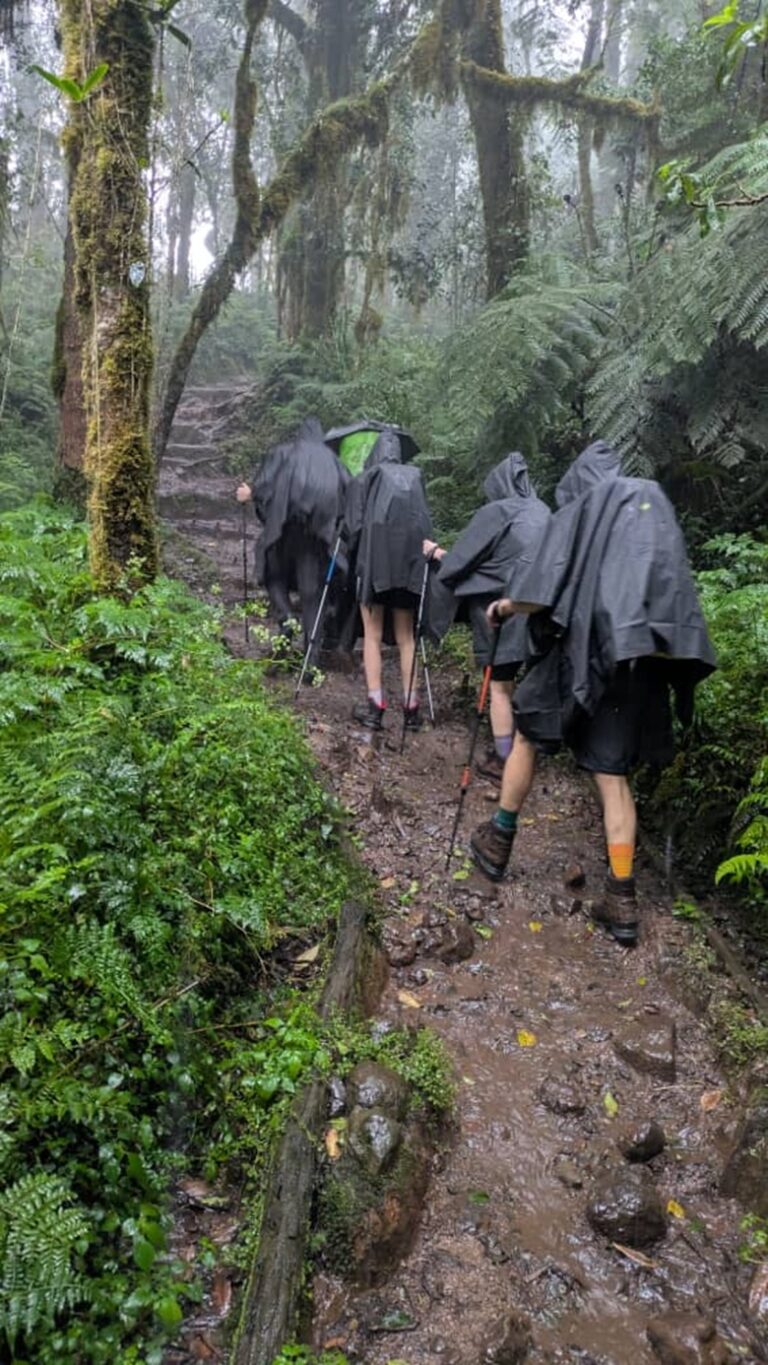
After breakfast, drive to Londorossi Gate (approx. 2-3 hours). Complete park formalities and begin your trek through the rainforest. Overnight at Mti Mkubwa Camp (2,800m).
Day 3: Mti Mkubwa Camp to Shira 1 Camp
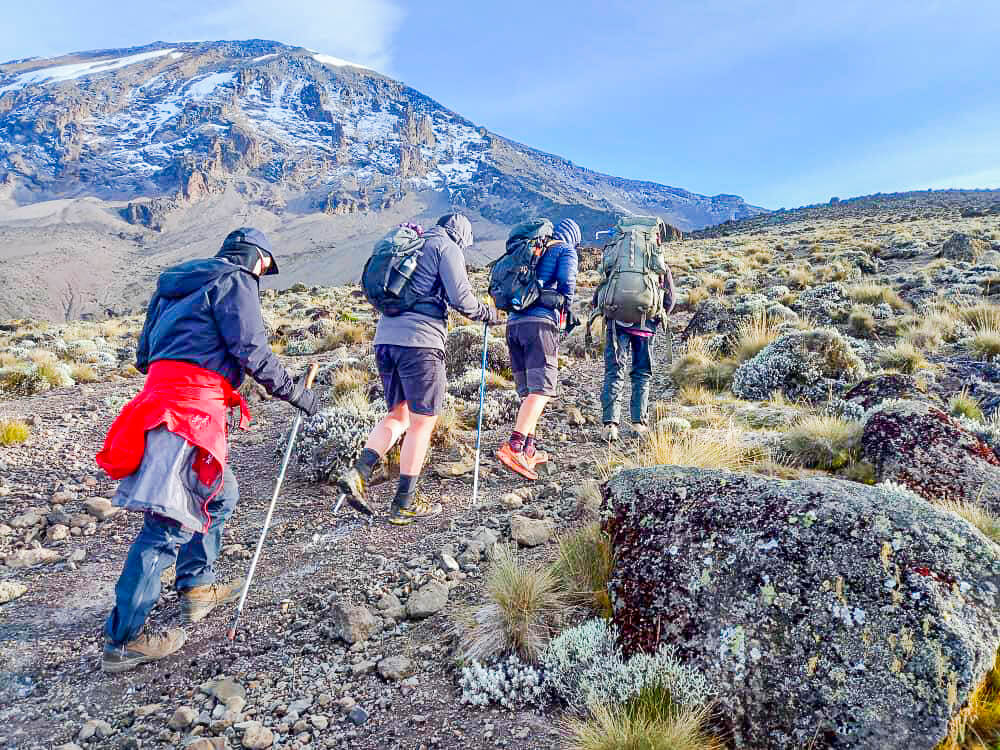
Trek through moorland, enjoying views of the Shira Plateau. Camp at Shira 1 (3,500m).
Day 4: Shira 1 Camp to Barranco Camp
A scenic day crossing the Shira Plateau, with gradual ascent and descent. Camp at Barranco Camp (3,950m), known for its stunning “Barranco Wall”.
Day 5: Barranco Camp to Karanga Camp
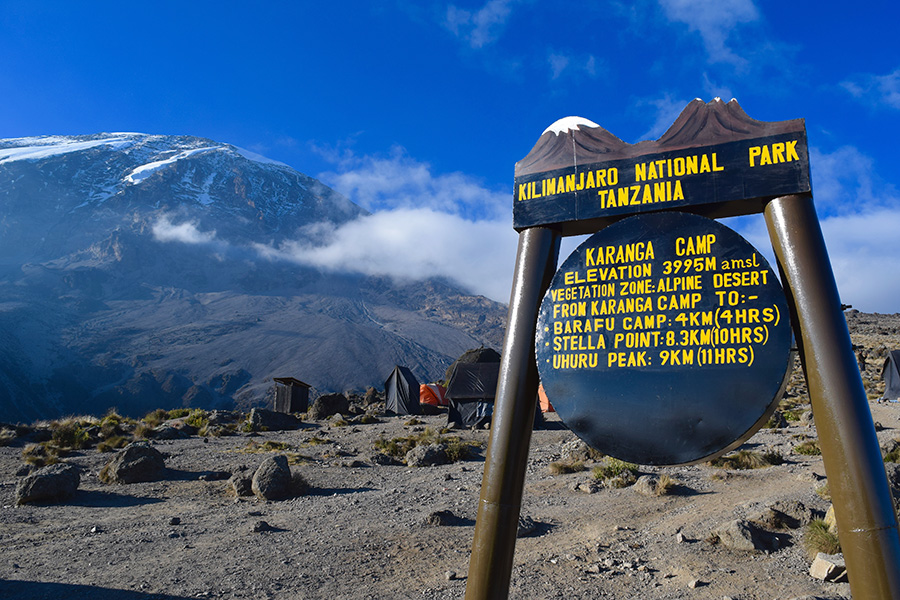
Ascend the Barranco Wall (a challenging but rewarding scramble) and trek through alpine desert. Camp at Karanga Camp (4,200m).
Day 6: Karanga Camp to Barafu Camp
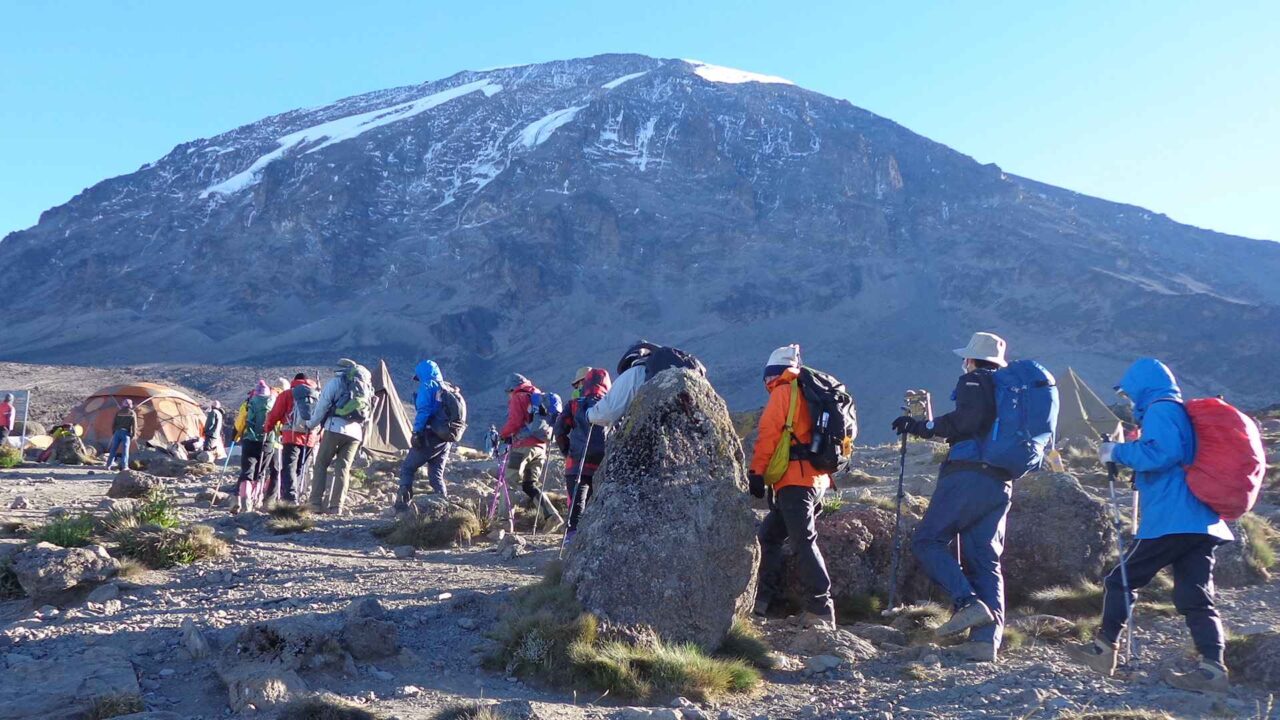
Trek across volcanic scree with increasingly harsh conditions. Reach Barafu Camp (4,600m) in the afternoon, resting before the summit attempt.
Day 7: Barafu Camp to Uhuru Peak to Mweka Camp
Summit night! Depart around midnight for Stella Point (5,756m) and then Uhuru Peak (5,895m) for sunrise. Descend to Barafu Camp for a short rest, then continue down to Mweka Camp (3,100m).
Day 8: Mweka Camp to Mweka Gate to Arusha/Moshi
Descend through the rainforest to Mweka Gate. Receive your climbing certificate and transfer back to your hotel. Relax and celebrate.
Day 9: Transfer to West Kilimanjaro Safari Area
After a leisurely breakfast, you’ll be transferred towards the West Kilimanjaro region. Check into your lodge or tented camp. Afternoon game drive.
Day 10: Full Day West Kilimanjaro Safari
Explore the diverse landscapes of West Kilimanjaro. Enjoy game drives searching for elephants, giraffes, zebras, and other plains game, with the iconic Kilimanjaro as a backdrop. Optional Maasai village visit.
Day 11: Morning Safari & Departure Preparation
Enjoy a final morning game drive. Afterwards, transfer back to Arusha or Kilimanjaro International Airport (JRO) for your onward journey, or to your hotel for further relaxation.
Day 12: Departure
Transfer to JRO for your international flight.
This sample itinerary is for a 7-day climb. Longer climbs (8-9 days) or shorter climbs (5-6 days) can be arranged. The safari portion can also be extended or shortened. For 2026-2027 bookings, we can customize this to your exact preferences.
Preparing for Your Kilimanjaro Climb & West Kilimanjaro Safari
A successful Kilimanjaro climb with West Kilimanjaro safari requires thorough preparation, covering physical fitness, gear, and acclimatization strategies.
Physical Fitness for Kilimanjaro
Kilimanjaro is a high-altitude trek, not a technical climb, but it demands significant physical endurance. Focus on:
- Cardiovascular Fitness: Engage in regular aerobic activities like hiking, running, cycling, or swimming.
- Hiking with a Pack: Practice hiking for several hours with a weighted backpack (5-10 kg) to simulate mountain conditions.
- Strength Training: Focus on leg strength (squats, lunges) and core stability.
- Mental Preparedness: Understand the challenges of altitude and cold.
Essential Gear for Kilimanjaro
Proper gear is critical for comfort and safety. Key items include:
- Layering System: Base layers (merino wool or synthetic), mid-layers (fleece), and outer layers (waterproof/windproof jacket and pants).
- Footwear: Broken-in, waterproof hiking boots.
- Headwear: Warm hat, sun hat, balaclava.
- Handwear: Warm gloves and liner gloves.
- Sleeping Bag: Rated to at least -15°C (0°F).
- Trekking Poles: Essential for reducing strain on knees.
- Headlamp: With spare batteries.
- Sun Protection: High SPF sunscreen, sunglasses, lip balm.
- Hydration: Water bottles or hydration reservoir (insulated to prevent freezing).
- Personal First-Aid Kit: Including any personal medications.
Top Guide Adventures provides a detailed gear list upon booking your Kilimanjaro climb with West Kilimanjaro safari. We also offer gear rental options for items like sleeping bags and jackets.
Acclimatization Strategies
Altitude sickness is the primary challenge on Kilimanjaro. Best practices include:
- Choose Longer Routes: Routes like Lemosho or Northern Circuit offer better acclimatization profiles.
- Ascend Slowly: “Pole pole” (slowly, slowly) is the mantra on the mountain.
- Hydrate Well: Drink plenty of water (3-4 liters per day).
- Avoid Alcohol and Smoking: These hinder acclimatization.
- Eat Well: Maintain energy levels with regular meals.
- Medication: Discuss Diamox (acetazolamide) with your doctor as a preventative measure.
Safari Preparation
For the West Kilimanjaro safari portion:
- Clothing: Lightweight, neutral-colored clothing (khaki, beige, green) for game drives.
- Footwear: Comfortable walking shoes or trainers.
- Camera Gear: Binoculars, zoom lenses, extra batteries, memory cards.
- Sun Protection: Wide-brimmed hat, sunglasses, sunscreen.
- Insect Repellent: Especially for evenings.
Proper preparation ensures you are ready for both the physical demands of the climb and the wildlife encounters on safari, making your Kilimanjaro climb with West Kilimanjaro safari truly memorable for 2026-2027.
Top Guide Adventures: Your Partner for Kilimanjaro and Safari
Choosing the right tour operator is paramount for a safe, enjoyable, and successful Kilimanjaro climb with West Kilimanjaro safari. Top Guide Adventures is one of Tanzania’s most trusted tour companies, dedicated to providing personalized service and unforgettable experiences across the country.
Why Choose Top Guide Adventures?
- Experienced Guides: Our Kilimanjaro guides are certified, highly experienced, and trained in wilderness first aid. They prioritize your safety and success.
- Quality Equipment: We use high-quality tents, sleeping bags, and mountaineering equipment to ensure comfort and safety on the mountain.
- Excellent Crew-to-Client Ratio: We maintain a favorable ratio of porters and guides to climbers, ensuring efficient support and ethical treatment of our crew.
- Tailored Itineraries: We specialize in creating custom trips, including combined Kilimanjaro climb with West Kilimanjaro safari packages, tailored to your interests, budget, and time.
- Safari Expertise: Our safari guides are knowledgeable about wildlife behavior and the best locations for sightings in West Kilimanjaro and other prime safari destinations.
- Commitment to Safety: Safety is our top priority. We have robust safety protocols, including oxygen cylinders and emergency evacuation plans.
- Local Knowledge: As a local company, we have deep insights into the best routes, wildlife patterns, and cultural experiences.
What’s Included in Our Packages?
While specific inclusions vary by package, a typical Kilimanjaro climb with West Kilimanjaro safari with Top Guide Adventures would generally include:
Kilimanjaro Climb Inclusions:
- All park fees, rescue fees, and government taxes.
- Professional, licensed Kilimanjaro guides.
- Support crew (cooks and porters).
- Accommodation in tents (except Marangu Route huts).
- All meals on the mountain (breakfast, lunch, dinner).
- Boiled water, tea, and coffee.
- Tents, sleeping mats, mess tent, table, and chairs.
- Portable toilet.
- Supplementary oxygen (used as needed).
- Free storage for excess luggage at our office.
- Airport transfers to/from your hotel in Arusha/Moshi.
- Pre-climb briefing.
West Kilimanjaro Safari Inclusions:
- Private 4×4 safari vehicle with a pop-up roof for game viewing.
- Professional English-speaking safari driver-guide.
- Accommodation in lodges or tented camps.
- All meals during the safari (breakfast, lunch, dinner).
- Park entry fees.
- Bottled water during game drives.
- Cultural visits (optional).
Exclusions (Generally):
- Flights to and from Kilimanjaro.
- Visa fees.
- Travel insurance (mandatory).
- Tips for guides and crew.
- Personal items (clothing, gear, toiletries).
- Soft drinks, alcoholic beverages, and extra bottled water.
- Optional activities or excursions.
- Vaccinations and malaria prophylaxis.
We are committed to transparency and will provide a detailed breakdown of inclusions and exclusions for your specific Kilimanjaro climb with West Kilimanjaro safari package for 2026-2027.
Pricing and Booking for 2026-2027
The cost of a Kilimanjaro climb with West Kilimanjaro safari package is influenced by several factors, including the route duration, the quality of accommodation, the number of people in your group, and the season.
Factors Affecting Cost:
- Route Choice: Longer routes (e.g., Northern Circuit) with more days and higher park fees will cost more than shorter ones (e.g., Marangu).
- Number of Days: More days on the mountain and on safari naturally increase the overall price.
- Group Size: Private climbs and safaris are more expensive per person than group tours. Shared departures can offer cost savings.
- Accommodation Standard: Luxury lodges on safari or higher-end camping equipment on the climb can impact the price.
- Season: Peak seasons (January-March, June-October) may have slightly higher prices due to demand.
Typical Price Ranges (Indicative for 2026-2027):
For a combined Kilimanjaro climb with West Kilimanjaro safari, expect the following indicative price ranges per person:
| Package Type | Duration (Climb + Safari) | Indicative Price Range (USD per person) |
|---|---|---|
| Standard (e.g., 7-Day Machame + 2-Day Safari) | 9 Days | $2,500 – $3,500 |
| Comfort/Extended (e.g., 8-Day Lemosho + 3-Day Safari) | 11 Days | $3,000 – $4,500 |
| Premium/Longest (e.g., 9-Day Northern Circuit + 4-Day Safari) | 13 Days | $4,000 – $6,000+ |
Note: These are estimates for 2026-2027 and can vary based on specific inclusions and group size. Exact quotes are provided upon request.
Booking Your 2026-2027 Adventure
To secure your preferred dates for a Kilimanjaro climb with West Kilimanjaro safari in 2026 or 2027, we recommend booking well in advance, ideally 6-12 months ahead, especially for peak seasons. This allows us to secure permits, accommodation, and ensure the best availability.
Ready to plan your dream trip? Contact Top Guide Adventures today for a personalized quote and itinerary.
- WhatsApp: +255616946642
- Email: topguideadventures@gmail.com
- Backup Email: info@topguideadventures.com
We look forward to helping you create an unforgettable Kilimanjaro climb with West Kilimanjaro safari experience!
Frequently Asked Questions about Kilimanjaro Climb & West Kilimanjaro Safari
Here are some common questions regarding this unique combination trip:
What is the best time of year for a Kilimanjaro climb and West Kilimanjaro safari?
The best times for Kilimanjaro climbing are generally the dry seasons: January to March and June to October. These periods also offer excellent safari conditions in West Kilimanjaro, with good game viewing and pleasant weather. Combining these, the shoulder months of these dry seasons are often ideal.
Is a West Kilimanjaro safari as good as the Serengeti?
West Kilimanjaro offers a different, more intimate safari experience. While it may not have the sheer density of animals or the dramatic migration spectacle of the Serengeti, it provides stunning scenery, excellent elephant sightings, and fewer crowds. It’s perfect for those seeking a quieter, more exclusive encounter with wildlife, especially with Kilimanjaro as a backdrop.
What is the success rate for climbing Kilimanjaro?
Success rates vary significantly by route and operator. Longer routes with better acclimatization (like Lemosho, Shira, Northern Circuit) generally have higher success rates, often exceeding 85-90% when guided by reputable companies like Top Guide Adventures. Shorter, faster routes have lower success rates.
Do I need special permits for West Kilimanjaro?
West Kilimanjaro operates under different regulations than national parks. Access is typically through conservancies or private land, and entry fees or conservancy fees apply, which are included in our safari packages.
Can I combine a Kilimanjaro climb with a Kenya safari?
Yes, it’s possible. Amboseli National Park in Kenya is very close to the West Kilimanjaro region and offers fantastic elephant sightings and Kilimanjaro views. Some itineraries might even include a day trip or overnight in Amboseli, accessible from West Kilimanjaro.
What are the risks of altitude sickness on Kilimanjaro?
Altitude sickness (Acute Mountain Sickness – AMS) is a risk for all climbers. Symptoms can range from mild headaches and nausea to severe conditions like HAPE (High Altitude Pulmonary Edema) and HACE (High Altitude Cerebral Edema). Proper acclimatization, hydration, and slow ascent are the best preventatives. Our guides are trained to recognize and manage AMS.
How much should I tip the Kilimanjaro guides and crew?
Tipping is customary and greatly appreciated. A general guideline for a 7-day climb is around $250-$350 per climber, distributed among the guides, cook, and porters. We provide specific recommendations upon booking.
What is the best route for acclimatization on Kilimanjaro?
The Northern Circuit (9-10 days) and Lemosho (7-8 days) are considered the best routes for acclimatization due to their duration and adherence to the “climb high, sleep low” principle.
Can I do a Kilimanjaro climb and safari in less than two weeks?
It’s challenging but possible to do a shorter Kilimanjaro climb (e.g., 6 days) combined with a brief 2-day safari, fitting it into approximately 10-12 days. However, this significantly compromises acclimatization on Kilimanjaro and the safari experience. We strongly recommend at least 14 days for a comfortable and safe combined trip.
What vaccinations are required for Tanzania?
A Yellow Fever vaccination certificate is required if you are arriving from or transiting through a country with a risk of Yellow Fever. Consult your doctor or a travel clinic for other recommended vaccinations (e.g., Hepatitis A, Typhoid) and malaria prevention advice for the safari portion.
Beyond the Climb and Safari: Exploring Tanzania Further
While a Kilimanjaro climb with West Kilimanjaro safari offers an incredible experience, Tanzania has much more to offer. If time permits after your adventure in 2026 or 2027, consider extending your trip:
- Serengeti National Park: Witness the Great Migration and experience world-class wildlife viewing.
- Ngorongoro Crater: Descend into this natural wonder for a unique concentration of wildlife.
- Tarangire National Park: Famous for its large elephant herds and baobab trees.
- Zanzibar: Relax on pristine beaches, explore Stone Town’s history, and enjoy spice tours.
- Cultural Tourism: Engage with local communities, such as the Maasai or Hadzabe, for deeper cultural insights.
Top Guide Adventures can help you craft a comprehensive Tanzanian itinerary that includes your Kilimanjaro climb with West Kilimanjaro safari and any other destinations you wish to explore.
Final Thoughts on Your Kilimanjaro Climb & West Kilimanjaro Safari Adventure
A Kilimanjaro climb with West Kilimanjaro safari is a powerful combination that showcases the diverse beauty and adventure Tanzania has to offer. It challenges you physically, rewards you with impressive panoramas, and immerses you in the wild heart of Africa. By choosing a reputable operator like Top Guide Adventures and planning meticulously for your 2026-2027 journey, you ensure a safe, rewarding, and truly unforgettable expedition.
We are passionate about creating unique travel experiences. Whether you dream of standing on Uhuru Peak or tracking lions across the savanna, our team is ready to make it happen. Let us help you design the perfect Kilimanjaro climb with West Kilimanjaro safari tailored precisely to your aspirations.
Contact us today to start planning your 2026-2027 adventure:
- WhatsApp: +255616946642
- Email: topguideadventures@gmail.com
- Backup Email: info@topguideadventures.com
- Website: Top Guide Adventures
- Instagram: @top_guide_adventures
- TripAdvisor Reviews: See our client reviews
We look forward to guiding you on your ultimate Tanzanian adventure!
Check Availability for Kilimanjaro Climb & West Safari: The Ultimate Tanzania Adventure 2026-2027
Ready to compare dates, prices, and the best option for your group? Send the package name and travel month so the team can reply with a clear quote, availability, and what is included.
Kilimanjaro Climb With Mkomazi Rhino Safari 2026-2027
Kilimanjaro Climb with Mkomazi Rhino Safari is explained with current 2026-2027 planning, price, itinerary and booking information.
View package details
Kilimanjaro Climb With Amboseli Safari Extension: Your Ultimate Tanzania
Experience the pinnacle of African adventure by combining a challenging Kilimanjaro climb with a impressive safari in Amboseli National Park. This guide details itineraries, costs, best...
View package details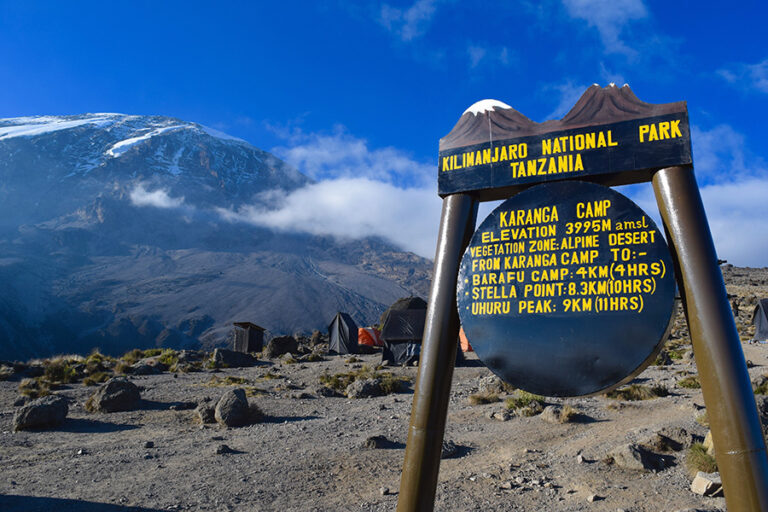
Kilimanjaro Safari And Climb Package For Seniors: Your Adventure 2026-2027
Top Guide Adventures offers tailored Kilimanjaro safari and climb packages for seniors in 2026-2027, focusing on safety, comfort, and an unforgettable Mount Kilimanjaro experience. Explore...
View package details
18-Day Kilimanjaro And Northern Tanzania Grand Adventure: Trek, Safari &
An 18-day itinerary blending Kilimanjaro's summit with Northern Tanzania's wildlife and culture offers a comprehensive African experience. This adventure typically includes a multi-day trek...
View package details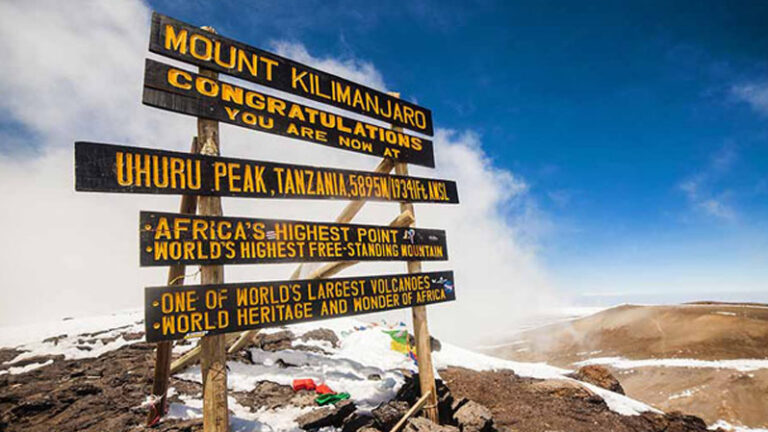
11-Day Kilimanjaro Acclimatization, Summit And Safari Package 2026-2027
11-Day Kilimanjaro Acclimatization, Summit and Safari Package is explained with current 2026-2027 planning, price, itinerary and booking information.
View package details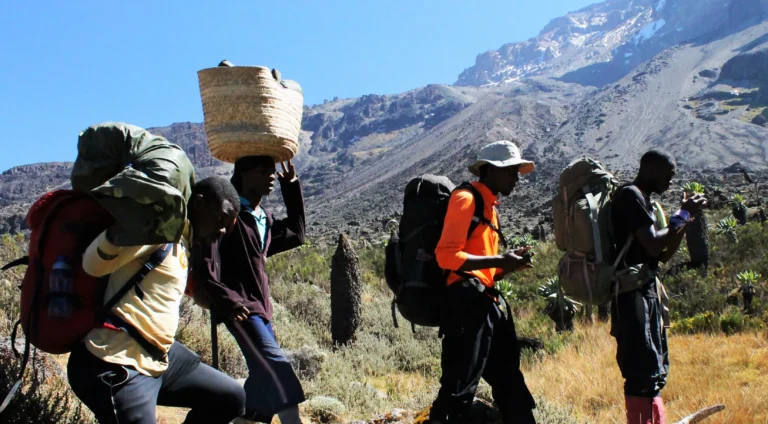
Kilimanjaro Safari First Vs Zanzibar 2026-2027
Kilimanjaro Safari First vs Zanzibar First is explained with current 2026-2027 planning, price, itinerary and booking information.
View package details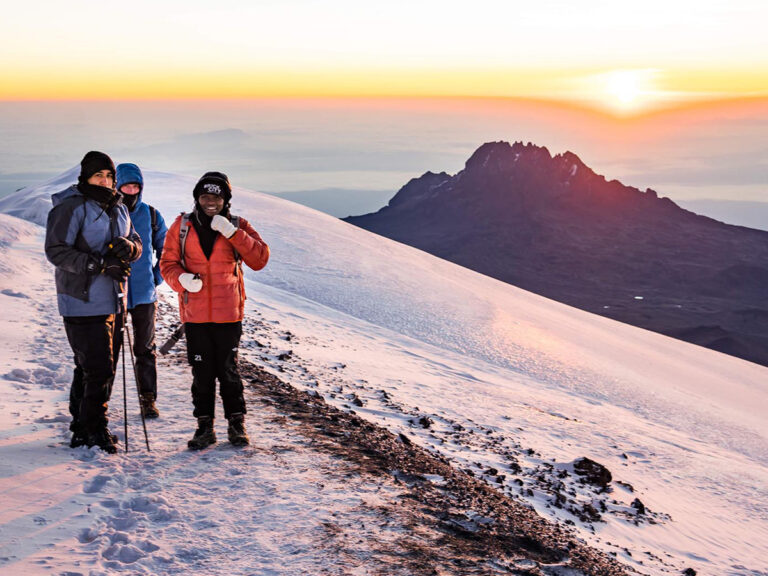
Kilimanjaro Graduation And Family Safari Package: Summit Success & Wildlife
Combine the ultimate achievement of summiting Mount Kilimanjaro with an unforgettable family safari in Tanzania. Top Guide Adventures curates these packages, blending adventure, cultural...
View package details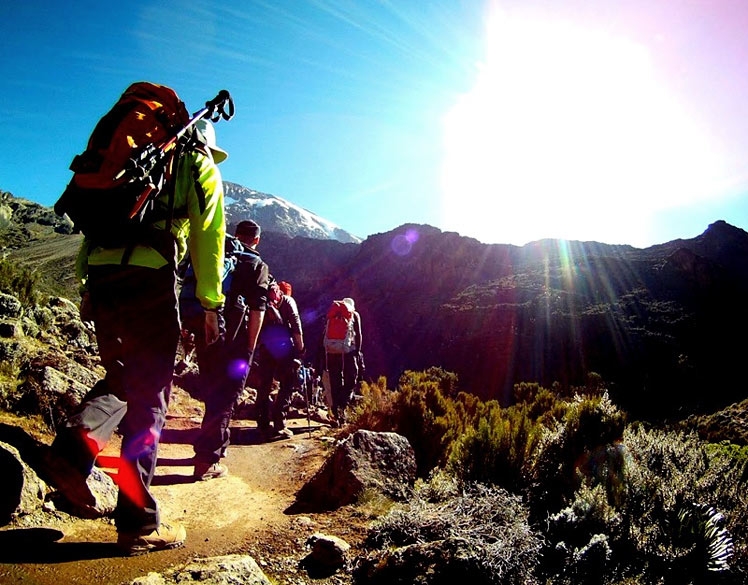
Kilimanjaro Family Safari After The Summit Guide
Extend your incredible Kilimanjaro achievement with a family safari in Tanzania. Top Guide Adventures crafts unforgettable post-summit experiences for 2026-2027, blending the thrill of...
View package details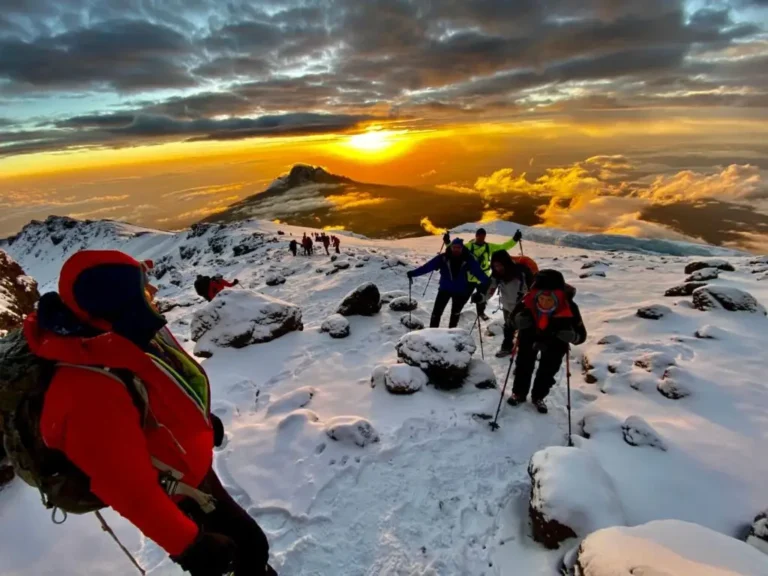
17-Day Kilimanjaro, Serengeti, Ngorongoro & Zanzibar Tour: Your Ultimate
This 17-day tour combines the iconic Mount Kilimanjaro climb with unparalleled wildlife safaris in the Serengeti and Ngorongoro Crater, culminating in a relaxing beach escape in Zanzibar...
View package details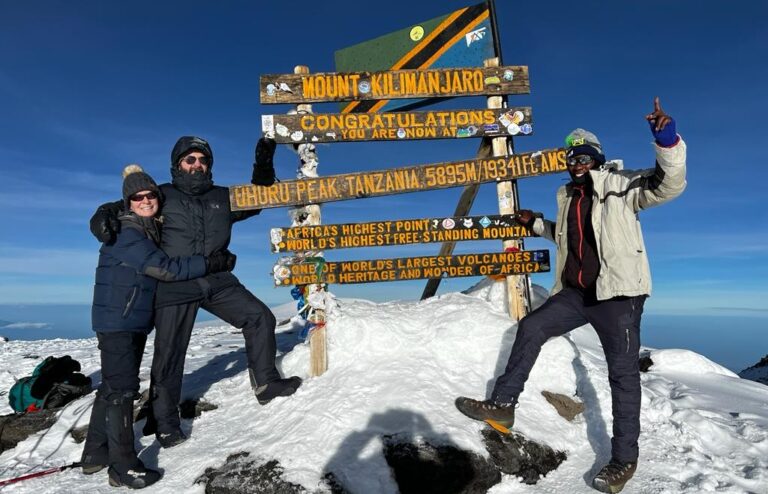
15-Day Kilimanjaro, Great Migration & Zanzibar Beach Package | Top Guide
Combine the thrill of summiting Mount Kilimanjaro, witnessing the iconic Great Migration in the Serengeti, and unwinding on the pristine beaches of Zanzibar in one unforgettable 15-day...
View package details
Kilimanjaro Climb With Materuni Recovery Day 2026-2027
Kilimanjaro Climb with Materuni Recovery Day is explained with current 2026-2027 planning, price, itinerary and booking information.
View package details
Kilimanjaro Climb With Lake Chala Relaxation Day: Your Ultimate Post-Trek
Experience the ultimate Kilimanjaro adventure followed by serene relaxation at Lake Chala. This guide details how to combine these incredible Tanzanian experiences, covering itineraries...
View package detailsNo related package matches those filters. Clear one or more filters to see the other topic-matched options.



