
Combining a Mount Kilimanjaro climb with a Mkomazi Rhino Safari offers an exceptional Tanzanian adventure, typically spanning 10-14 days and allowing you to conquer Africa’s highest peak before tracking endangered black rhinos in one of East Africa’s most vital conservation areas. This integrated journey, perfectly suited for planning in 2026-2027, provides a unique blend of challenging trekking and wildlife viewing, with Top Guide Adventures expertly organizing both components for a smooth experience.


Why Combine Kilimanjaro with Mkomazi Rhino Safari?
The allure of Mount Kilimanjaro, standing majestically at 5,895 meters (19,341 feet), draws adventurers from across the globe. Its summit, Uhuru Peak, represents a significant personal achievement. Complementing this high-altitude trek with a safari in Mkomazi National Park adds a profound wildlife dimension, focusing on conservation efforts for the critically endangered black rhino. Mkomazi is not just any park; it’s a sanctuary, a testament to successful anti-poaching initiatives and a place where you can witness these magnificent creatures in a semi-wild, protected environment. This combination is ideal for travelers seeking both a physical challenge and an impactful wildlife encounter, offering a holistic Tanzanian experience that few other itineraries can match. For those planning their expeditions in 2026-2027, this dual adventure promises unparalleled memories.
Understanding Mount Kilimanjaro: The Climb
Mount Kilimanjaro, a dormant volcano in Tanzania, is the world’s tallest free-standing mountain. Its accessibility, despite its height, makes it a prime destination for trekkers of all experience levels. However, “accessible” doesn’t mean easy. The ascent requires physical preparation, mental fortitude, and a respect for the mountain’s powerful environment. Several routes lead to the summit, each offering a different experience in terms of scenery, difficulty, and acclimatization profiles. Understanding these routes is crucial for a successful climb.
Kilimanjaro Routes: Choosing Your Path
The choice of route significantly impacts your Kilimanjaro climb experience. Factors like ascent profile, acclimatization potential, scenery, and crowds play a vital role. For a Kilimanjaro Climb with Mkomazi Rhino Safari, considering a route that optimizes your overall trip duration and acclimatization is key. Most climbers aim for summit success, and longer routes generally offer better acclimatization, increasing those odds.
- Marangu Route (Coca-Cola Route): The oldest and most direct route. It’s known for its “huts” rather than camping. It has a relatively steep ascent and lower acclimatization rates, leading to lower success rates compared to other routes. Duration: 5-6 days.
- Machame Route (Whiskey Route): Arguably the most popular route due to its excellent acclimatization profile and scenic beauty. It involves a “climb high, sleep low” strategy. It’s a camping route. Duration: 6-7 days. This is a strong contender for combining with a safari.
- Lemosho Route: A longer, more scenic route offering excellent acclimatization. It starts in the west and joins the Machame route. It’s a premium camping route, often preferred for its pristine scenery and lower crowds in the initial days. Duration: 7-8 days.
- Shira Route: Similar to Lemosho but starts at a higher altitude. It offers stunning views but can be challenging due to the initial high altitude. Duration: 7-8 days.
- Rongai Route: The only route approaching from the north. It’s drier and less crowded, making it a good option during the rainy seasons. It typically has a less gradual ascent than Machame or Lemosho. Duration: 6-7 days.
- Northern Circuit: The longest and highest route, offering the best acclimatization and highest success rates. It circles the mountain, providing diverse views. Duration: 9-10 days. Ideal for those who want the best chance of summiting and have ample time.
- Umbwe Route: The shortest, steepest, and most challenging route. It’s for experienced trekkers only and offers poor acclimatization. Duration: 5-6 days. Not recommended for most clients combining with a safari due to its difficulty.
For a Kilimanjaro Climb with Mkomazi Rhino Safari, the Machame or Lemosho routes are highly recommended. Their 7-day options provide superior acclimatization, increasing your chances of reaching Uhuru Peak, and fit well within a 10-14 day total trip, allowing ample time for the safari component.
Preparing for Your Kilimanjaro Climb
Successful preparation involves several key areas:
Physical Fitness
Focus on cardiovascular exercises like hiking (with a weighted pack), running, cycling, and swimming. Strength training for your legs and core is also beneficial. The goal is to build endurance and stamina for long days of trekking, often on steep terrain.
Acclimatization Strategy
This is the most critical factor for summit success. Choose a longer route (7+ days) that allows your body to adjust to the decreasing oxygen levels. Hydration, a slow ascent pace, and avoiding alcohol/smoking are vital. Your guide will manage the pace, but your awareness is crucial.
Gear and Equipment
Proper gear is non-negotiable. This includes:
- Layering System: Base layers (thermals), mid-layers (fleece), and outer layers (waterproof and windproof jacket and trousers).
- Footwear: Broken-in, waterproof hiking boots and comfortable trekking socks.
- Headwear: Warm hat, sun hat, and balaclava/neck gaiter.
- Handwear: Warm gloves and liner gloves.
- Sleeping Gear: A warm sleeping bag (rated to -10°C or -20°C) and a sleeping pad.
- Trekking Poles: Essential for reducing strain on knees and improving balance.
- Headlamp: With extra batteries for summit night.
- Sun Protection: High SPF sunscreen, sunglasses, and lip balm.
- Hydration: Water bottles or hydration reservoir (at least 3 liters capacity). Water purification tablets or a filter are also recommended.
Top Guide Adventures provides a detailed packing list to ensure you are fully equipped for your Kilimanjaro climb.
Mental Preparation
Kilimanjaro is as much a mental challenge as a physical one. Be prepared for discomfort, fatigue, and the effects of altitude. Positive self-talk, focusing on one step at a time, and trusting your guide are essential.
The Kilimanjaro Climbing Experience
Days on Kilimanjaro typically involve waking up early, a hearty breakfast, trekking for several hours, lunch en route, more trekking, arriving at the next camp, dinner, and rest. Summit night is the most demanding part, usually starting around midnight, with a steep ascent to Uhuru Peak for sunrise, followed by the descent back to a lower camp. The mountain offers diverse ecosystems, from lush rainforests at the base to alpine deserts and the arctic zone at the summit.
Mkomazi National Park: A Rhino Sanctuary
Mkomazi National Park, located in northern Tanzania, is a crucial conservation area, particularly famous for its success in breeding and reintroducing black rhinos. It also hosts a significant population of the endangered African wild dog. This park offers a different kind of adventure – one focused on observing wildlife in a rugged, semi-arid landscape, and understanding the importance of conservation.
The Mkomazi Rhino Sanctuary
Mkomazi is home to the Mkomazi Rhino Sanctuary, a fenced 50-square-kilometer area established in 1989. It was created to protect the dwindling black rhino population from poaching. Through dedicated efforts, the sanctuary has achieved remarkable breeding success, making Mkomazi a vital stronghold for the species. Visitors have the unique opportunity to see rhinos here, often with expert guides who can explain the conservation challenges and successes.
Wildlife in Mkomazi
Beyond rhinos, Mkomazi is a haven for a variety of wildlife:
- Black Rhinos: The main draw, a truly special sight.
- African Wild Dogs: Mkomazi is one of the few places in Tanzania where you can reliably see these endangered predators.
- Giraffes: Several subspecies, including the Gerenuk (long-necked antelope).
- Elephants: Often seen in herds.
- Predators: Lions, leopards, cheetahs, hyenas.
- Antelopes: Including oryx, dik-dik, greater kudu, and fringe-eared oryx.
- Birds: Over 400 species, making it a birdwatcher’s paradise.
Mkomazi Safari Experience
A safari in Mkomazi typically involves game drives in 4×4 vehicles. The landscape is dramatic, with rugged hills, dry riverbeds, and acacia woodlands. Game drives are often conducted in the early morning and late afternoon when animals are most active. The park’s vastness and lower visitor numbers compared to popular parks like the Serengeti mean you can enjoy a more intimate wildlife viewing experience. Visiting Mkomazi is not just about seeing animals; it’s about supporting conservation efforts that are vital for the survival of species like the black rhino and wild dog.
Integrating Kilimanjaro and Mkomazi: The Itinerary
A typical Kilimanjaro Climb with Mkomazi Rhino Safari package, designed for 2026-2027 travelers, might look something like this:
Sample 12-Day Kilimanjaro (Machame) & Mkomazi Safari Itinerary
- Day 1: Arrival in Tanzania. Arrive at Kilimanjaro International Airport (JRO), meet your Top Guide Adventures representative, and transfer to your hotel in Moshi. Briefing about your upcoming climb.
- Day 2: Kilimanjaro Prep & Moshi. Final gear check, enjoy a relaxed day in Moshi, perhaps visiting a local market or coffee plantation.
- Day 3: Machame Gate to Machame Camp. Drive to Machame Gate, begin your trek through the rainforest to Machame Camp (approx. 7-8 hours).
- Day 4: Machame Camp to Shira Camp. Trek across moorlands to Shira Camp (approx. 5-6 hours).
- Day 5: Shira Camp to Barranco Camp. A scenic day crossing lava towers and descending to Barranco Camp (approx. 6-7 hours).
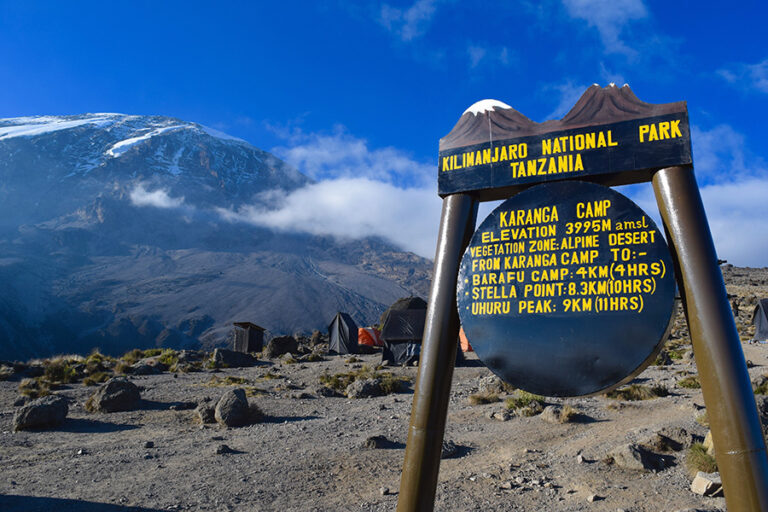
- Day 6: Barranco Camp to Karanga Camp. Conquer the Great Barranco Wall, then trek to Karanga Camp (approx. 4-5 hours).
- Day 7: Karanga Camp to Barafu Camp. Trek across alpine desert to Barafu Camp, the base for your summit attempt (approx. 4-5 hours).
- Day 8: Summit Day & Descent to Mweka Camp. Midnight start for the summit push to Uhuru Peak. Descend past Barafu Camp to Mweka Camp (approx. 11-14 hours total).
- Day 9: Mweka Camp to Moshi. Trek through the rainforest to Mweka Gate. Transfer back to your hotel in Moshi. Celebration!
- Day 10: Transfer to Mkomazi & Game Drive. After breakfast, transfer to Mkomazi National Park (approx. 3-4 hours). Check into your lodge/camp and start an afternoon game drive.
- Day 11: Mkomazi Full Day Safari. Full day of game drives in Mkomazi, focusing on rhino tracking and searching for wild dogs and other wildlife.
- Day 12: Mkomazi & Departure. Morning game drive or relaxation, followed by transfer back to Kilimanjaro International Airport (JRO) for your departure.
This is a sample itinerary. The duration can be adjusted, for instance, by opting for a 6-day Machame climb, which would shorten the trek but reduce acclimatization time. Alternatively, a longer 8-day Lemosho or Northern Circuit climb can be combined with a shorter 1-2 day safari in Mkomazi.
Top Guide Adventures: Your Partner for Kilimanjaro and Mkomazi
Choosing the right tour operator is paramount for a successful and enjoyable Kilimanjaro Climb with Mkomazi Rhino Safari. Top Guide Adventures is a leading Tanzanian company with extensive experience in organizing both Kilimanjaro treks and safaris.
Why Choose Top Guide Adventures?
- Expertise: Deep knowledge of Kilimanjaro routes, safety protocols, and the unique environment of Mkomazi National Park.
- Experienced Guides: Certified, local guides who are highly skilled in mountain trekking, wildlife spotting, and first aid. They prioritize your safety and enjoyment.
- Safety First: We carry essential safety equipment, including oxygen cylinders, and our guides are trained to manage altitude sickness. Regular health checks are conducted during the climb.
- Quality Equipment: We provide high-quality tents, sleeping mats, and cooking equipment, ensuring comfort and durability in challenging conditions.
- Sustainable Tourism: Commitment to responsible travel practices that benefit local communities and protect the environment.
- Personalized Service: Tailored itineraries and dedicated support from your initial inquiry through to your departure. We believe in personal attention for every client.
- Value for Money: Competitive pricing without compromising on quality or safety. We offer clear inclusions and exclusions.
What’s Included in Our Packages?
Our comprehensive packages for the Kilimanjaro Climb with Mkomazi Rhino Safari typically include:
- Kilimanjaro Climb:
- Park fees (Kilimanjaro National Park, Conservation Fees)
- All camping fees
- Accommodation before and after the climb (usually 2 nights)
- Professional, licensed Kilimanjaro guides
- Assistant guides
- Porters to carry camping equipment and food
- Cook for preparing all meals during the climb
- All meals during the climb (breakfast, lunch, dinner)
- Boiled water for drinking
- All camping equipment (tents, sleeping mats, mess tent, table, chairs)
- Emergency oxygen and comprehensive first-aid kit
- Transfer to/from Kilimanjaro International Airport (JRO)
- Transfer to/from Machame Gate/Mweka Gate
- Mkomazi Rhino Safari:
- Park fees (Mkomazi National Park)
- Accommodation in Mkomazi (lodge or tented camp)
- Professional safari guide
- 4×4 safari vehicle with pop-up roof
- All meals during the safari (breakfast, lunch, dinner)
- Bottled water during game drives
- Airport transfers from Mkomazi area if needed
What’s Not Included?
Typically excluded items are:
- International flights
- Visa fees
- Travel insurance (mandatory for Kilimanjaro climbs)
- Personal climbing gear (sleeping bag, boots, clothing, etc.)
- Tips for guides, porters, and driver-guide
- Soft drinks, alcoholic beverages, and personal expenses
- Optional activities not listed in the itinerary
Cost Considerations for 2026-2027
The cost of a Kilimanjaro Climb with Mkomazi Rhino Safari package can vary significantly based on the route chosen, duration, quality of service, group size, and accommodation standard. For 2026-2027, expect pricing to reflect current operational costs, park fee adjustments, and the level of service provided.
Kilimanjaro Climb Costs
Kilimanjaro climbs are often priced per person. Factors influencing price include:
- Route Length: Longer routes (7+ days) are generally more expensive due to more park and camping fees.
- Operator Tier: Budget operators vs. mid-range vs. premium operators. Premium operators offer higher guide-to-client ratios, better food, and higher quality equipment.
- Group Size: Private climbs are more expensive per person than joining a group climb.
As a guideline for 2026-2027, a reputable mid-range operator like Top Guide Adventures might offer a 7-day Machame climb ranging from $1,800 to $2,500 per person. Premium operators could charge upwards of $3,000.
Mkomazi Safari Costs
Safari costs are influenced by:
- Accommodation: Camping, mid-range lodges, or luxury lodges.
- Vehicle Type: Standard 4×4 vs. custom-built safari vehicles.
- Duration: More days mean higher costs for accommodation, park fees, and vehicle/guide hire.
A 2-day Mkomazi safari, including accommodation and game drives, could range from $500 to $1,000+ per person, depending on the lodge choice.
Combined Package Pricing
When combining both, Top Guide Adventures aims to provide excellent value. A typical 10-12 day package for a Kilimanjaro Climb with Mkomazi Rhino Safari in 2026-2027 might range from $2,500 to $4,000+ per person. This would usually include a 7-day climb on a popular route like Machame and a 2-day Mkomazi safari, with mid-range accommodation and services.
For a personalized quote tailored to your 2026 or 2027 travel dates and preferences, please contact us directly.
Best Time to Travel for Kilimanjaro and Mkomazi
The best time to undertake a Kilimanjaro Climb with Mkomazi Rhino Safari depends on balancing the climbing season with favorable safari conditions.
Kilimanjaro Climbing Seasons:
- Dry Seasons (Recommended): January-March and June-October. These months offer the clearest skies, lowest rainfall, and best trekking conditions.
- Wet Seasons: April-May (long rains) and November-December (short rains). These periods can see heavy rainfall, fog, and snow at higher altitudes, making trekking more challenging and potentially dangerous.
Mkomazi Safari Seasons:
Mkomazi is generally a year-round destination. However, the dry seasons (June-October and January-February) are often preferred for safaris as wildlife congregates around water sources, making them easier to spot. The landscape is also drier and dustier, which can be more conducive to spotting animals.
Optimal Combination Timing:
The ideal window for combining both experiences is during Kilimanjaro’s dry seasons, particularly:
- June to October: Excellent for both climbing and safari. The weather is stable for Kilimanjaro, and Mkomazi offers good game viewing.
- January to March: Another excellent dry period. You can climb Kilimanjaro and enjoy good safari conditions in Mkomazi.
While it’s possible to travel during shoulder seasons or even the wet season (especially for budget-conscious travelers in 2026-2027), be prepared for potentially challenging weather on the mountain.
Health and Safety Considerations
Your well-being is our top priority. Both Kilimanjaro and Mkomazi require attention to health and safety.
Altitude Sickness on Kilimanjaro
Acute Mountain Sickness (AMS) is the primary concern. Symptoms include headache, nausea, dizziness, and fatigue. The best prevention is a slow ascent and proper acclimatization. Your guides are trained to monitor for AMS and will make decisions regarding your safety, including descent if necessary. Carry a personal first-aid kit with remedies for common ailments.
Vaccinations and Health Precautions
Consult your doctor or a travel clinic well in advance of your 2026-2027 trip regarding recommended vaccinations (e.g., Yellow Fever, Hepatitis A & B, Typhoid) and malaria prophylaxis. Mkomazi is in a malaria-risk area, so precautions are necessary.
Travel Insurance
Comprehensive travel insurance covering high-altitude trekking and emergency medical evacuation is mandatory for all Kilimanjaro climbs. Ensure your policy covers trekking up to 6,000 meters.
Safety on Safari
In Mkomazi, always follow your guide’s instructions. Do not leave the vehicle during game drives unless instructed. Keep a safe distance from wildlife. Secure your belongings and be aware of your surroundings at your lodge or camp.
Packing Essentials: Beyond the Standard List
While a detailed packing list will be provided, here are some specific items crucial for the Kilimanjaro Climb with Mkomazi Rhino Safari:
- High-Altitude Boots: Well broken-in, waterproof, and insulated.
- Gaiters: To prevent snow, mud, and rocks from entering your boots.
- Waterproof Bags/Dry Sacks: To protect electronics and clothing inside your duffel bag.
- Headlamp with Rechargeable Batteries: Essential for summit night and camping. Consider a spare.
- Camera and Extra Batteries/Power Bank: You’ll want to capture the incredible landscapes and wildlife. Cold temperatures can drain batteries faster.
- Binoculars: Highly recommended for wildlife viewing in Mkomazi.
- Personal First-Aid Kit: Including blister treatment, pain relievers, and any personal medications.
- Hand Sanitizer: Crucial for hygiene, especially on the mountain.
- Snacks: High-energy snacks like energy bars, nuts, and dried fruit can be a lifesaver on tough trekking days.
- Book or E-reader: For downtime in camps or lodges.
The Mkomazi Rhino Conservation Story
Mkomazi’s success with black rhinos is a beacon of hope in conservation. The park was established on degraded land, and significant efforts were made to restore its ecosystem and protect its wildlife. The establishment of the rhino sanctuary, supported by international organizations and dedicated conservationists like Tony Fitzjohn and his late wife, has been instrumental. The program involved carefully relocating rhinos from other areas and implementing robust anti-poaching measures. This has allowed the rhino population to grow and thrive. Visiting Mkomazi provides a tangible connection to these conservation efforts, and your tourism contributes directly to the park’s ongoing protection.
Why 2026-2027 is a Great Time to Plan
Planning your Kilimanjaro Climb with Mkomazi Rhino Safari for 2026-2027 offers several advantages:
- Availability: Booking in advance, especially for peak seasons, ensures you secure your preferred dates and climb route. Popular dates for 2027 fill up quickly.
- Early Bird Planning: Allows ample time for physical training, gear acquisition, and financial planning.
- Potential for Better Pricing: While prices are subject to change, booking early with Top Guide Adventures can sometimes offer stability or allow for payment plans.
- Informed Decisions: Gives you time to research routes, understand the acclimatization process, and prepare mentally.
- Tanzania’s Tourism Growth: Tanzania continues to invest in its infrastructure and conservation, making 2026-2027 an exciting time to experience its natural wonders.
Making Your Booking with Top Guide Adventures
Ready to start this incredible journey? Top Guide Adventures is here to make your dream trip a reality. We specialize in creating unforgettable experiences that blend the thrill of climbing Kilimanjaro with the wonder of a Mkomazi rhino safari.
Our team is dedicated to providing exceptional service, ensuring every detail is handled with care. From initial planning and itinerary customization to on-the-ground support, we are with you every step of the way.
To inquire about availability for 2026-2027, discuss custom itineraries, or request a detailed quote for your Kilimanjaro Climb with Mkomazi Rhino Safari, please reach out to us:
Contact Top Guide Adventures:
- WhatsApp: +255616946642
- Email: topguideadventures@gmail.com
- Backup Email: info@topguideadventures.com
- Website: www.topguideadventures.com
- Instagram: @top_guide_adventures
We look forward to helping you plan your ultimate Tanzanian adventure!
This combined adventure offers a profound connection to both the natural majesty of Mount Kilimanjaro and the critical conservation efforts in Mkomazi National Park. It’s an experience that challenges the body, inspires the mind, and leaves a lasting impact. Start planning your Kilimanjaro Climb with Mkomazi Rhino Safari for 2026-2027 with Top Guide Adventures today.
“,
“faq_schema”: [
{
“question”: “What is the best time of year for a Kilimanjaro Climb and Mkomazi Rhino Safari in 2026-2027?”,
“answer”: “The best time to combine a Kilimanjaro climb with a Mkomazi Rhino Safari is during Tanzania’s dry seasons: June to October and January to March. These periods offer the clearest skies for climbing and optimal wildlife viewing conditions in Mkomazi.”
},
{
“question”: “How long does a typical Kilimanjaro Climb with Mkomazi Rhino Safari take?”,
“answer”: “A typical combined trip ranges from 10 to 14 days. This usually includes 7-8 days for the Kilimanjaro climb (e.g., Machame or Lemosho route) and 2-3 days for the Mkomazi safari.”
},
{
“question”: “What is the estimated cost for a combined Kilimanjaro and Mkomazi safari package in 2026-2027?”,
“answer”: “Costs vary based on route, duration, and service level. A mid-range 10-12 day package with a reputable operator like Top Guide Adventures typically ranges from $2,500 to $4,000+ per person for 2026-2027.”
},
{
“question”: “Which Kilimanjaro route is best for combining with a safari?”,
“answer”: “For combining with a safari, the Machame or Lemosho routes are highly recommended. Their 7-day options offer excellent acclimatization for summit success and fit well within a 10-14 day itinerary, leaving ample time for the Mkomazi safari.”
},
{
“question”: “What makes Mkomazi National Park special for a rhino safari?”,
“answer”: “Mkomazi National Park is a vital sanctuary for critically endangered black rhinos, housing a successful breeding program. It’s also one of the few places in Tanzania where you can reliably see endangered African wild dogs, alongside other diverse wildlife in a rugged landscape.”
},
{
“question”: “Is travel insurance mandatory for this trip?”,
“answer”: “Yes, comprehensive travel insurance covering high-altitude trekking up to 6,000 meters and emergency medical evacuation is mandatory for all Kilimanjaro climbs.”
},
{
“question”: “What physical preparation is needed for Kilimanjaro?”,
“answer”: “Physical preparation should focus on cardiovascular endurance and leg strength. Regular hiking (with a pack), running, cycling, and swimming are recommended. Mental preparation is also key, as the climb is a significant challenge.”
},
{
“question”: “How do I book a Kilimanjaro Climb with Mkomazi Rhino Safari with Top Guide Adventures?”,
“answer”: “You can book by contacting Top Guide Adventures via WhatsApp at +255616946642, email at topguideadventures@gmail.com or info@topguideadventures.com, or through their website. They offer personalized quotes and support for your 2026-2027 adventure.”
}
]
}
“`
Check Availability for Kilimanjaro Climb With Mkomazi Rhino Safari 2026-2027
Ready to compare dates, prices, and the best option for your group? Send the package name and travel month so the team can reply with a clear quote, availability, and what is included.
Kilimanjaro Climb & West Safari: The Ultimate Tanzania Adventure 2026-2027
Experience the pinnacle of Tanzania with a combined Kilimanjaro climb and West Kilimanjaro safari. This guide details itineraries, preparation, and what to expect for your 2026-2027...
View package details
Kilimanjaro Climb With Amboseli Safari Extension: Your Ultimate Tanzania
Experience the pinnacle of African adventure by combining a challenging Kilimanjaro climb with a impressive safari in Amboseli National Park. This guide details itineraries, costs, best...
View package detailsKilimanjaro Safari And Climb Package For Seniors: Your Adventure 2026-2027
Top Guide Adventures offers tailored Kilimanjaro safari and climb packages for seniors in 2026-2027, focusing on safety, comfort, and an unforgettable Mount Kilimanjaro experience. Explore...
View package details
18-Day Kilimanjaro And Northern Tanzania Grand Adventure: Trek, Safari &
An 18-day itinerary blending Kilimanjaro's summit with Northern Tanzania's wildlife and culture offers a comprehensive African experience. This adventure typically includes a multi-day trek...
View package details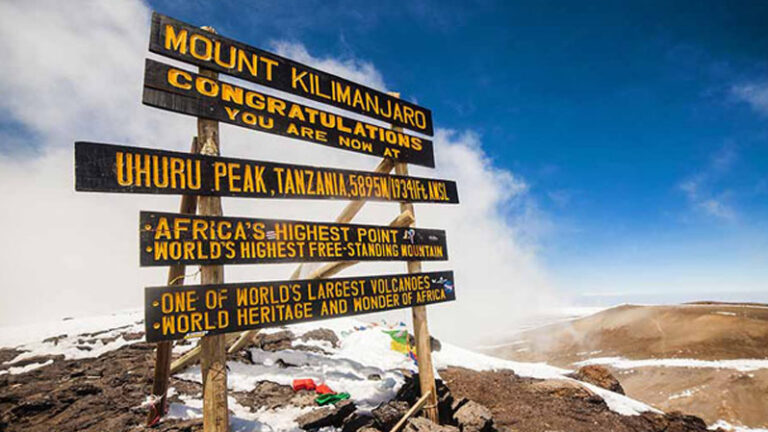
11-Day Kilimanjaro Acclimatization, Summit And Safari Package 2026-2027
11-Day Kilimanjaro Acclimatization, Summit and Safari Package is explained with current 2026-2027 planning, price, itinerary and booking information.
View package details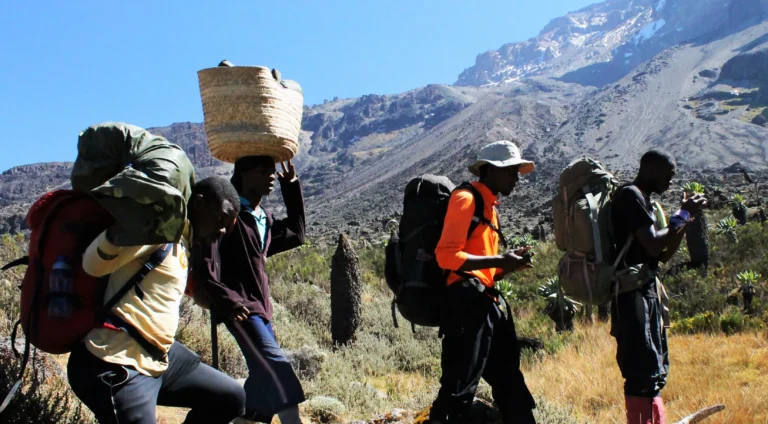
Kilimanjaro Safari First Vs Zanzibar 2026-2027
Kilimanjaro Safari First vs Zanzibar First is explained with current 2026-2027 planning, price, itinerary and booking information.
View package details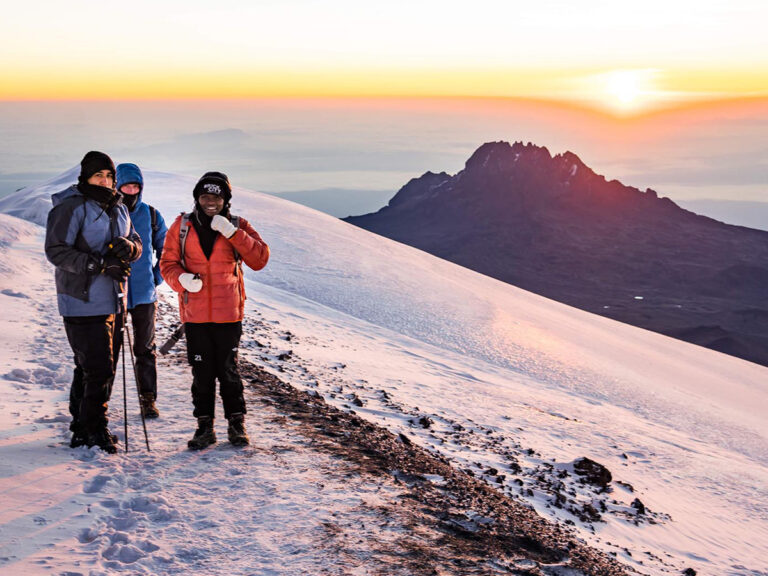
Kilimanjaro Graduation And Family Safari Package: Summit Success & Wildlife
Combine the ultimate achievement of summiting Mount Kilimanjaro with an unforgettable family safari in Tanzania. Top Guide Adventures curates these packages, blending adventure, cultural...
View package details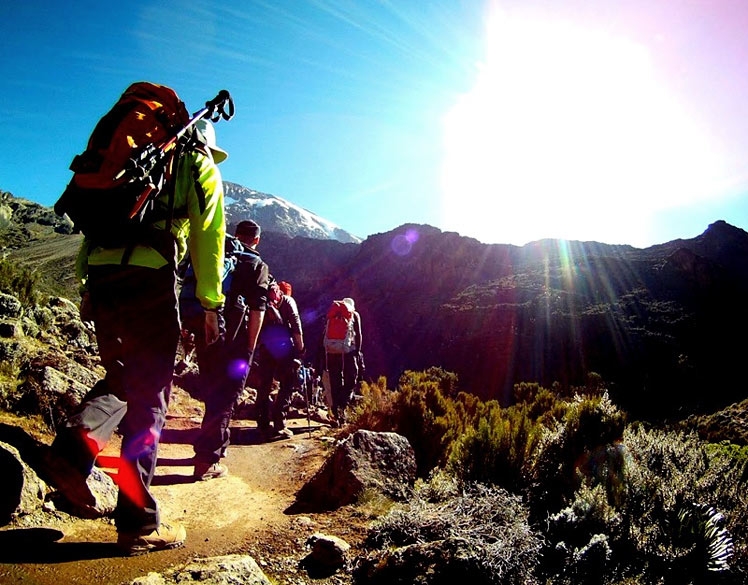
Kilimanjaro Family Safari After The Summit Guide
Extend your incredible Kilimanjaro achievement with a family safari in Tanzania. Top Guide Adventures crafts unforgettable post-summit experiences for 2026-2027, blending the thrill of...
View package details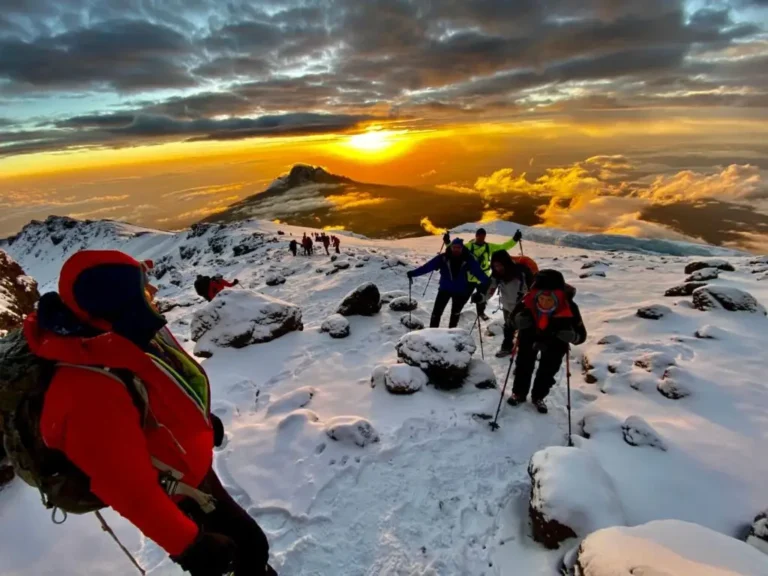
17-Day Kilimanjaro, Serengeti, Ngorongoro & Zanzibar Tour: Your Ultimate
This 17-day tour combines the iconic Mount Kilimanjaro climb with unparalleled wildlife safaris in the Serengeti and Ngorongoro Crater, culminating in a relaxing beach escape in Zanzibar...
View package details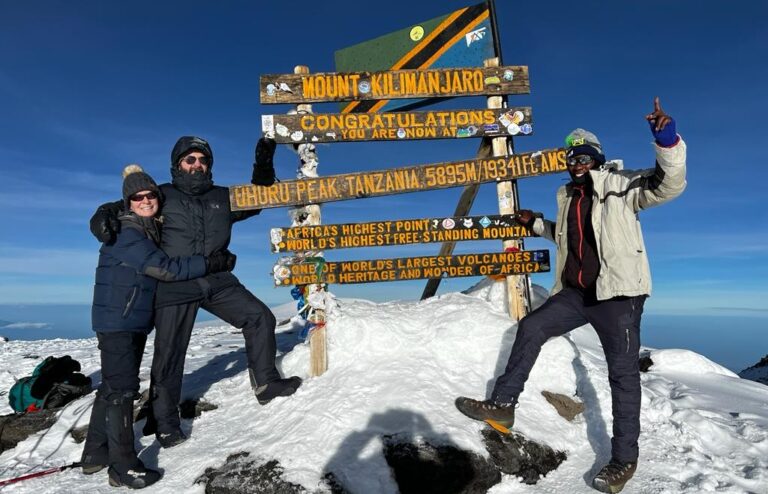
15-Day Kilimanjaro, Great Migration & Zanzibar Beach Package | Top Guide
Combine the thrill of summiting Mount Kilimanjaro, witnessing the iconic Great Migration in the Serengeti, and unwinding on the pristine beaches of Zanzibar in one unforgettable 15-day...
View package details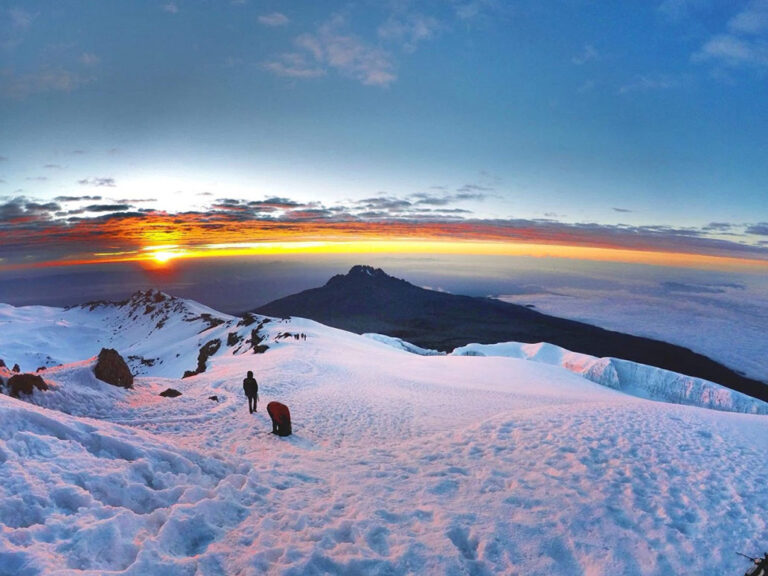
Kilimanjaro Climb With Materuni Recovery Day 2026-2027
Kilimanjaro Climb with Materuni Recovery Day is explained with current 2026-2027 planning, price, itinerary and booking information.
View package details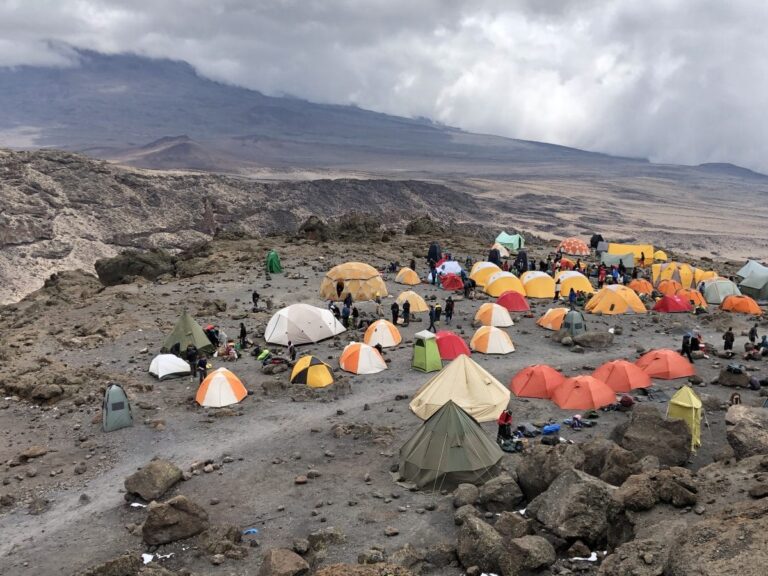
Kilimanjaro Climb With Lake Chala Relaxation Day: Your Ultimate Post-Trek
Experience the ultimate Kilimanjaro adventure followed by serene relaxation at Lake Chala. This guide details how to combine these incredible Tanzanian experiences, covering itineraries...
View package detailsNo related package matches those filters. Clear one or more filters to see the other topic-matched options.



