
A Kilimanjaro climb combined with an Amboseli safari extension offers a remarkable adventure, typically spanning 10-14 days. This popular itinerary allows you to conquer Africa’s highest peak and then witness the iconic wildlife of Kenya’s Amboseli National Park, famous for its large elephant herds against the backdrop of Mount Kilimanjaro. Top Guide Adventures specializes in crafting these comprehensive packages for 2026-2027, ensuring expert guidance, safety, and an unforgettable experience from mountain summit to savanna plains.
The Ultimate Kilimanjaro Climb and Amboseli Safari Experience
Combining a Kilimanjaro climb with an extension to Kenya’s Amboseli National Park is a dream itinerary for many adventurers. It perfectly blends the physical challenge and personal triumph of summiting Africa’s rooftop with the awe-inspiring wildlife encounters of the African savanna. This journey is more than just a vacation; it’s an expedition that tests your limits and rewards you with unparalleled natural beauty and cultural insights. For those planning their adventure in 2026 or 2027, understanding the intricacies of this combined trip is crucial for a successful and memorable expedition.
Top Guide Adventures, as a leading tour operator in Tanzania, understands the unique appeal of this dual-destination experience. We have meticulously designed itineraries that flow logically, maximizing your time and enjoyment while ensuring smooth transitions between the mountain and the wild plains. This guide aims to provide you with comprehensive information, covering everything from choosing the right Kilimanjaro route to packing for your safari, and understanding the best times to start this incredible journey in the coming years.
Why Combine Kilimanjaro with Amboseli? The Synergy of Peaks and Plains
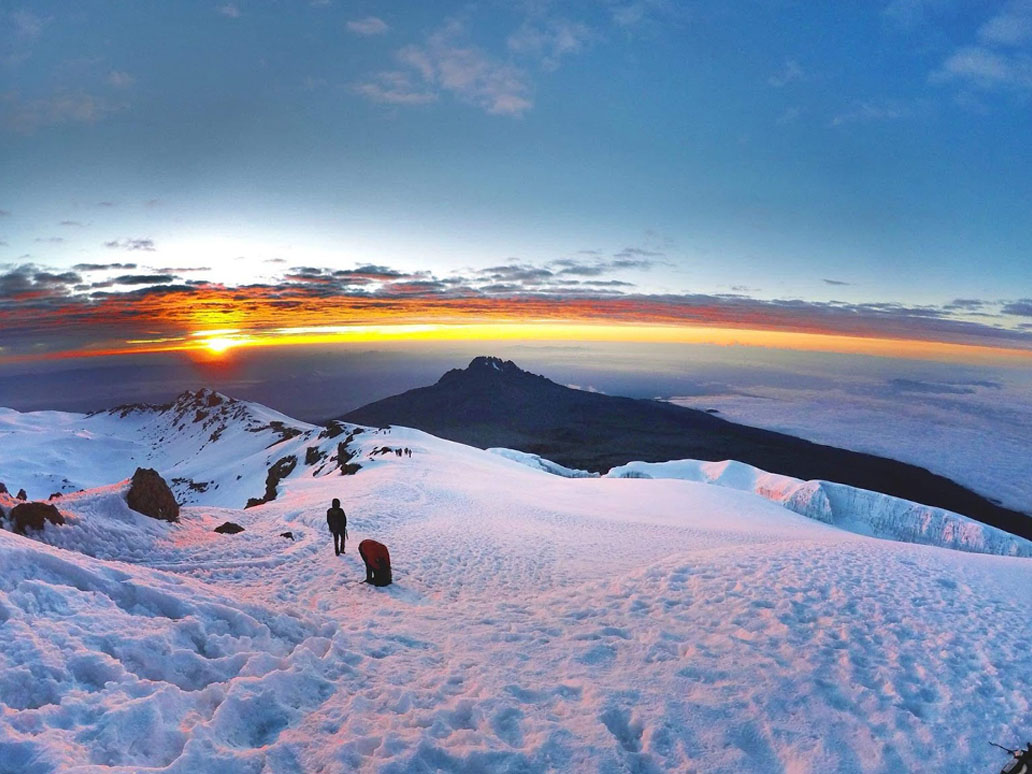
The allure of Mount Kilimanjaro lies in its status as the world’s highest free-standing mountain and one of the Seven Summits. The climb itself is a profound personal achievement, offering spectacular landscapes that change dramatically from rainforest to alpine desert and arctic summit. It’s a journey of endurance, acclimatization, and mental fortitude.
Amboseli National Park, just across the border in Kenya, provides a stark yet complementary contrast. Known for its wide-open grasslands, acacia woodlands, and, most famously, its large population of African elephants, Amboseli offers classic safari scenes. The park’s relatively small size makes wildlife viewing highly rewarding, and the constant, majestic presence of Kilimanjaro’s snow-capped peak on the horizon provides a dramatic and unforgettable backdrop to every safari drive. Witnessing herds of elephants with Kilimanjaro in the background is an iconic image of Africa, and experiencing it firsthand is truly special.
Combining these two destinations offers a well-rounded African experience: the challenge and exhilaration of high-altitude trekking followed by the relaxed wonder of wildlife observation. It’s a journey that engages both the body and the spirit, creating a lifetime of memories. For your 2026-2027 travel plans, this combination promises an adventure that is both epic in scale and deeply personal.
Logistical Flow: From Summit to Safari
The typical flow for a Kilimanjaro climb with an Amboseli safari extension begins with your arrival in Tanzania, usually at Kilimanjaro International Airport (JRO). After acclimatizing and preparing for your trek, you’ll start your chosen Kilimanjaro route. Upon successfully descending the mountain, you will typically transfer from Moshi or Arusha to the Kenya-Tanzania border, cross over, and proceed to Amboseli National Park. After your safari, you can either fly out from Nairobi, Kenya, or return to Tanzania for onward travel.
Top Guide Adventures manages these transfers and border crossings efficiently, ensuring a smooth transition. We often arrange for a private vehicle and guide for the safari portion, enhancing your wildlife viewing experience. The timing for this extension is flexible, but many opt for it immediately after their Kilimanjaro descent to maintain momentum and capitalize on the proximity.
Choosing Your Kilimanjaro Route: Foundation for Your Adventure
The success and enjoyment of your Kilimanjaro climb are heavily influenced by the route you choose. Each route offers different scenery, difficulty levels, acclimatization profiles, and camping experiences. For a Kilimanjaro climb with an Amboseli safari extension, the choice of route is paramount, as it impacts your physical condition and overall enjoyment before the safari portion.
Here are the most popular routes, with considerations for this combined itinerary:
1. Machame Route (Whiskey Route)
Duration: 6-7 days
Difficulty: Moderate to Difficult
Scenery: Excellent, diverse rainforest, moorland, alpine desert, arctic summit.
Acclimatization: Good, especially on the 7-day option, due to its ‘climb high, sleep low’ profile.
Accommodation: Camping.
The Machame Route is arguably the most popular and offers excellent acclimatization, which is vital for a successful summit. Its popularity means it can be busier, but the stunning scenery and high success rates make it a favorite. For a Kilimanjaro climb with an Amboseli safari, the Machame Route’s good acclimatization profile helps ensure you are in good physical condition for the subsequent safari.
2. Lemosho Route
Duration: 7-8 days
Difficulty: Moderate to Difficult
Scenery: Arguably the most beautiful route, starting in lush rainforest and offering panoramic views.
Acclimatization: Excellent, especially on longer itineraries (7 or 8 days), with a slow ascent through varied landscapes.
Accommodation: Camping.
The Lemosho Route is renowned for its impressive scenery and excellent acclimatization profile. It offers a more remote feel in its initial stages. An 8-day Lemosho trek provides ample time for the body to adjust to the altitude, increasing your chances of summit success and ensuring you feel strong enough to enjoy your Amboseli safari extension. This is often considered the best route for combining the climb with other activities due to the better preparation it offers.
3. Marangu Route (Coca-Cola Route)
Duration: 5-6 days
Difficulty: Moderate
Scenery: Less scenic than western routes, but unique in its path.
Acclimatization: Poorer than western routes due to a more direct ascent.
Accommodation: Huts (dormitory style).
The Marangu Route is the oldest and most established. Its main advantage is the availability of huts, offering more comfort than camping. However, its rapid ascent profile leads to lower success rates due to poor acclimatization. While it’s a viable option, for a Kilimanjaro climb with an Amboseli safari, we generally recommend longer routes like Machame or Lemosho to ensure you are well-prepared and recovered for the safari.
4. Rongai Route
Duration: 6-7 days
Difficulty: Moderate
Scenery: Starts on the drier northern side, offering different views and potentially more wildlife sightings on the approach.
Acclimatization: Moderate.
Accommodation: Camping.
The Rongai Route approaches Kilimanjaro from the north, offering a different perspective and often experiencing less rain. It’s a good option for those seeking a less crowded experience. While it offers a solid climb, its acclimatization might not be as optimal as Lemosho or a 7-day Machame for those prioritizing peak physical condition for a subsequent safari.
5. Northern Circuit and Shira Route
Duration: 8-9 days (Northern Circuit), 7-8 days (Shira)
Difficulty: Moderate to Difficult
Scenery: Spectacular, with the Northern Circuit offering a full traverse of the mountain’s northern slopes.
Acclimatization: Excellent, especially the Northern Circuit, which is the longest route and provides the best acclimatization profile.
Accommodation: Camping.
The Northern Circuit is the longest and offers the best acclimatization, leading to the highest success rates. It provides a more relaxed pace and allows for deeper appreciation of the mountain’s diverse ecosystems. The Shira Route is similar to Lemosho but starts at a higher altitude. For an extended Kilimanjaro climb with an Amboseli safari, these longer routes are ideal for ensuring you are fully recovered and ready for the safari portion.
Recommendation for Kilimanjaro Climb with Amboseli Safari Extension
For the best experience combining a Kilimanjaro climb with an Amboseli safari extension, we strongly recommend the 7 or 8-day Lemosho Route or the 7-day Machame Route. These routes offer superior acclimatization, increasing your summit success rate and ensuring you are in the best possible physical condition to enjoy your safari afterwards. The longer duration also allows for a more gradual and enjoyable ascent, reducing the risk of altitude sickness and improving your overall experience. The Northern Circuit (9 days) is also an excellent choice for those seeking the highest comfort and acclimatization levels.
Crafting Your Amboseli Safari Extension Itinerary
Once you’ve conquered Kilimanjaro, the transition to your Amboseli safari is a welcome change of pace. The focus shifts from physical exertion to wildlife observation and relaxation. An extension typically lasts 2 to 4 days, providing ample time to explore the park’s diverse habitats and iconic residents.
Typical Amboseli Safari Itinerary (3 Days / 2 Nights)
This is a common and highly recommended duration for an extension:
Day 1: Border Crossing & Amboseli Arrival
After descending Kilimanjaro and spending a night in Arusha or Moshi, you’ll be transferred to the Namanga border crossing. After completing immigration and customs procedures, you’ll meet your Kenyan safari guide and vehicle. A scenic drive (approximately 2-3 hours) takes you into Amboseli National Park. Check into your lodge or camp, enjoy lunch, and start your first afternoon game drive. Keep an eye out for elephants, wildebeest, zebras, giraffes, and various antelope species. The majestic Mount Kilimanjaro will dominate the horizon.
Day 2: Full Day Amboseli Exploration
Spend the entire day exploring Amboseli National Park. Morning game drives are particularly rewarding as wildlife is most active. You might visit Observation Hill for panoramic views of the park and its inhabitants, explore the swampy areas that attract large herds of elephants, and drive through the open plains searching for predators like lions, cheetahs, and hyenas. Your guide will tailor the drives based on recent wildlife sightings and your interests. Enjoy sundowners with Kilimanjaro as your backdrop.
Day 3: Morning Game Drive & Departure
Enjoy a final early morning game drive in Amboseli, perhaps searching for any species you haven’t yet seen or revisiting favorite spots. After breakfast, you’ll drive back to Namanga for your transfer back to Tanzania or to Nairobi for your onward flight. If flying from Nairobi, the drive takes about 4-5 hours.
Extending Your Safari
For those who wish for more wildlife encounters, you can extend your Amboseli safari to 4 or 5 days. This allows for deeper exploration of the park, visiting less-frequented areas, and potentially adding a visit to a Maasai village for a cultural experience. Alternatively, you could combine Amboseli with other Kenyan parks like Tsavo West or even fly to the Masai Mara for a more diverse safari experience.
When to Plan Your Kilimanjaro Climb and Amboseli Safari in 2026-2027
Timing is crucial for both trekking Kilimanjaro and experiencing the best of Amboseli. The weather significantly impacts both the climb and wildlife viewing conditions.
Kilimanjaro Climbing Seasons:
Kilimanjaro has two main dry seasons, which are considered the best times to climb:
- January to March: This is a popular period, offering clear skies and good visibility. It’s also a good time for wildlife viewing in Amboseli, as vegetation is less dense.
- June to October: This is the longest and most popular climbing season. The weather is typically dry and cool, with excellent visibility. Amboseli also experiences its dry season during this time, concentrating wildlife around water sources, making for fantastic viewing opportunities.
The shoulder seasons (April-May and November) are wetter and less predictable, with increased chances of rain and cloud cover on the mountain. While climbs are possible, visibility might be reduced, and trails can be muddy. However, these months often see fewer crowds and potentially lower prices.
Amboseli Safari Best Times:
Amboseli is a year-round destination, but wildlife viewing is generally best during the dry seasons:
- June to October: This is the peak dry season. Animals congregate around waterholes, and the vegetation is sparse, making them easier to spot. The backdrop of Kilimanjaro is often clear and dramatic.
- January and February: Also a dry period, offering good game viewing.
During the wet seasons (November to May, excluding Jan/Feb), the landscape is greener, and there are fewer tourists. However, rain can make roads challenging, and wildlife may disperse.
Recommended Timing for 2026-2027:
For the optimal Kilimanjaro climb with Amboseli safari extension experience in 2026-2027, aim for the following periods:
- June to October 2026/2027: This aligns perfectly with the best climbing conditions on Kilimanjaro and the prime dry season for wildlife viewing in Amboseli. You’ll experience clear skies on the mountain and abundant wildlife on the plains.
- January to February 2026/2027: Another excellent window, offering good climbing weather and excellent safari opportunities.
Consider booking well in advance for these peak seasons, especially for 2026 and 2027, as availability can be limited. Top Guide Adventures can help you secure permits and accommodations during these sought-after times.
What’s Included: Understanding Your Package
When booking a Kilimanjaro climb with an Amboseli safari extension, it’s crucial to understand what is included in your package. This ensures there are no hidden costs and that you are fully prepared. Top Guide Adventures provides comprehensive packages designed for a hassle-free experience.
Typical Inclusions for Kilimanjaro Climb:
- Park fees: All necessary entry fees for Kilimanjaro National Park.
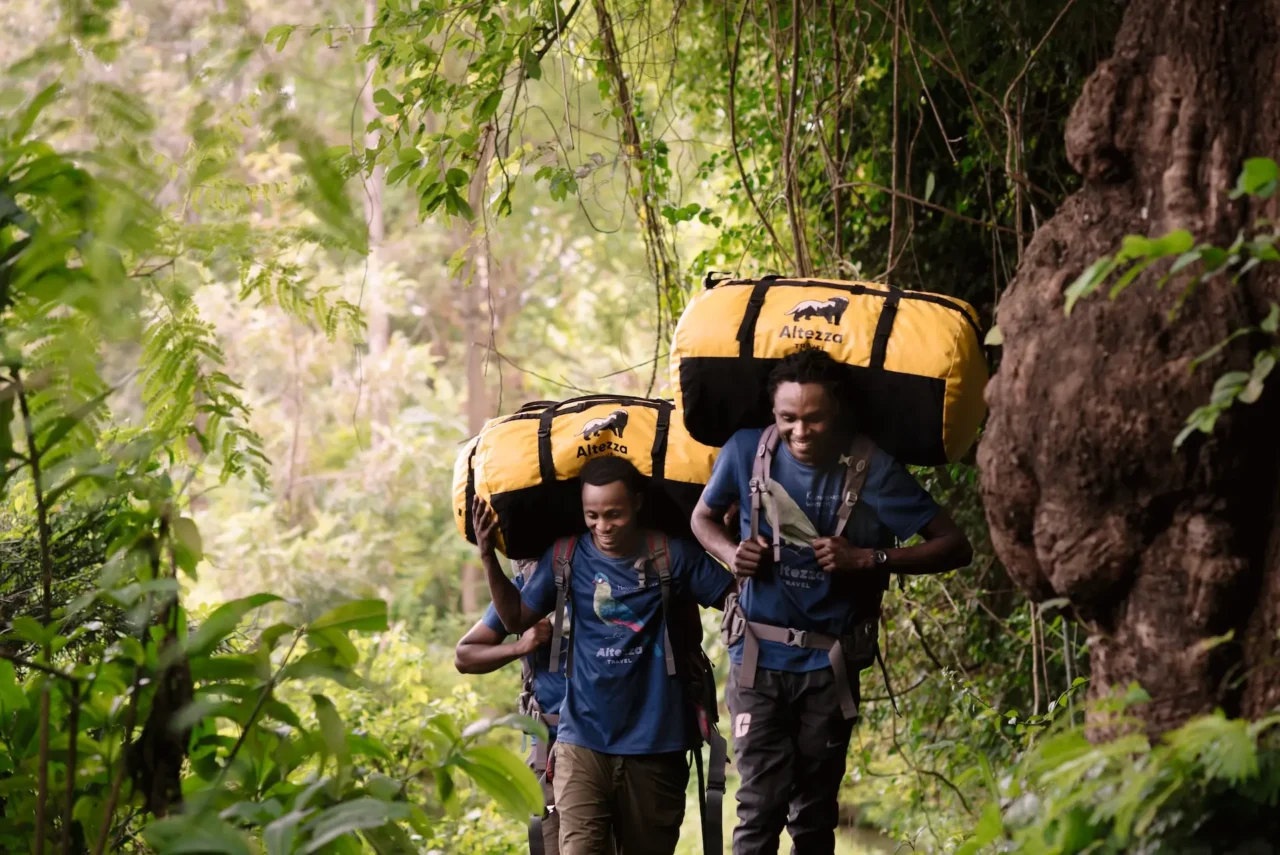
- Guides and Porters: Experienced, certified guides, assistant guides, and a dedicated team of porters.
- Accommodation: Camping equipment (tents, sleeping mats) during the climb.
- Meals: All meals prepared by a professional cook during the trek (breakfast, lunch, dinner).
- Water: Boiled and purified drinking water.
- Safety Equipment: First-aid kit, oxygen cylinders (used under guide’s discretion), and communication equipment.
- Transportation: Transfers from Kilimanjaro Airport/Arusha to the mountain gate and back to Arusha/Moshi post-climb.
- Group Equipment: Dining tent, table, chairs, toilet tent.
Typical Inclusions for Amboseli Safari Extension:
- Park Fees: Entry fees for Amboseli National Park.
- Accommodation: Lodges or tented camps within or near the park.
- Meals: All meals during the safari (breakfast, lunch, dinner), as specified in the itinerary.
- Transportation: Private 4×4 safari vehicle with a professional English-speaking driver-guide.
- Transfers: Transfers from the Tanzania border (Namanga) to Amboseli and from Amboseli to Nairobi or back to Tanzania.
- Activities: Game drives as per the itinerary.
Exclusions (Commonly):
- International flights
- Visa fees
- Travel insurance (mandatory)
- Personal climbing gear (boots, clothing, sleeping bag)
- Tips for guides, porters, and driver-guide
- Lunches and drinks on non-trekking/safari days (e.g., arrival day in Arusha)
- Gratuities
- Personal expenses (souvenirs, laundry)
- Optional activities (e.g., Maasai village visit, hot air balloon safari)
Always confirm the specific inclusions and exclusions with your tour operator. Top Guide Adventures is transparent about what each package covers, ensuring you can budget accurately for your 2026-2027 adventure.
Cost Considerations for Your 2026-2027 Expedition
The cost of a Kilimanjaro climb with an Amboseli safari extension can vary significantly based on several factors:
- Kilimanjaro Route and Duration: Longer routes with better acclimatization (like Lemosho or Northern Circuit) are generally more expensive due to more days of park fees, guide/porter salaries, and logistics.
- Number of Days on Safari: A 3-day safari will cost less than a 4 or 5-day extension.
- Accommodation Style: For the safari, lodge accommodation is typically more expensive than tented camps. For Kilimanjaro, all routes (except Marangu) involve camping.
- Group Size: Private climbs and safaris are more expensive per person than joining a group tour.
- Time of Year: Peak seasons (June-October) might have slightly higher costs due to demand.
- Tour Operator: Different operators have different pricing structures, reflecting their service quality, safety standards, and inclusion policies.
Estimated Price Range for 2026-2027:
As a general guideline, a combined Kilimanjaro climb (7-day Machame or Lemosho) with a 3-day Amboseli safari extension package from a reputable operator like Top Guide Adventures might range from $2,500 to $4,500+ per person.
- Kilimanjaro Climb Portion: Typically accounts for $1,500 – $3,000+ per person, depending on the route and duration.
- Amboseli Safari Extension Portion: Typically accounts for $700 – $1,500+ per person for a 3-day/2-night trip, depending on accommodation and vehicle type.
Note: These are estimates for 2026-2027. Exact pricing depends on specific inclusions, group size, and current park fees. It’s always best to request a detailed, personalized quote.
Getting a Quote for 2026-2027
To get the most accurate pricing for your Kilimanjaro climb with Amboseli safari extension, we encourage you to contact Top Guide Adventures directly. We offer tailored itineraries to suit your budget and preferences. Reach out via:
WhatsApp: +255616946642
Email: topguideadventures@gmail.com
Backup Email: info@topguideadventures.com
Let us know your desired travel dates for 2026 or 2027, the number of people in your group, and your preferred Kilimanjaro route, and we will prepare a detailed proposal.
Preparing for Your Kilimanjaro Climb
A successful Kilimanjaro climb requires thorough preparation, both physically and mentally. The altitude is the biggest challenge, so proper training and acclimatization are key.
Physical Training:
- Cardiovascular Fitness: Focus on activities like hiking, running, cycling, and swimming. Aim for at least 3-4 sessions per week in the months leading up to your trek.
- Hiking with a Pack: Practice hiking on varied terrain (hills, stairs) while wearing a backpack similar to what you’ll carry on the mountain (around 8-10 kg). This simulates the actual conditions.
- Strength Training: Focus on leg strength (squats, lunges) and core stability.
- Altitude Simulation: If possible, spend time at higher altitudes before your climb.
Mental Preparation:
The climb can be mentally demanding. Understand that there will be tough days. Focus on the goal, take it one step at a time, and trust your guides. Positive self-talk and a determined attitude are invaluable.
Essential Gear:
Proper gear is crucial for comfort and safety. Key items include:
- Layered Clothing: Base layers (merino wool or synthetic), mid-layers (fleece), and an outer shell (waterproof and windproof jacket and pants).
- Footwear: Broken-in, waterproof hiking boots; comfortable camp shoes.
- Headwear: Warm hat, sun hat, balaclava.
- Gloves: Warm, waterproof gloves or mittens.
- Sleeping Bag: Rated for -15°C to -20°C (4-season bag).
- Backpack: Daypack (30-40L) for essentials on climb days, and a larger duffel bag (80-100L) for porters to carry.
- Trekking Poles: Highly recommended for stability and reducing strain.
- Headlamp: With extra batteries.
- Sun Protection: High SPF sunscreen, sunglasses, lip balm.
- Hydration: Water bottles or hydration reservoir (at least 3 liters capacity).
- First Aid Kit: Personal medications, blister treatment, pain relievers.
Top Guide Adventures provides a detailed packing list upon booking. We can also assist with gear rental for items like sleeping bags and trekking poles.
Preparing for Your Amboseli Safari
Compared to Kilimanjaro, safari preparation is more relaxed, but still requires attention.
What to Pack for Safari:
- Lightweight Clothing: Neutral colors (khaki, beige, green) are best for blending in. Avoid bright colors. Include long-sleeved shirts and trousers for sun and insect protection.
- Comfortable Footwear: Trainers or comfortable walking shoes are sufficient. You won’t be doing much walking outside the vehicle, except at lodges.
- Sun Protection: Wide-brimmed hat, sunglasses, high SPF sunscreen.
- Camera: With extra batteries and memory cards. Binoculars are highly recommended.
- Insect Repellent: Especially for evenings.
- Personal Items: Medications, toiletries, hand sanitizer.
Safari Etiquette and Expectations:
- Respect Wildlife: Maintain a safe distance from animals. Never feed them.
- Quiet Observation: Keep noise levels down in the vehicle to avoid disturbing animals.
- Photography: Ask your guide before photographing people, especially Maasai villagers.
- Ask Questions: Your guide is a wealth of knowledge; don’t hesitate to ask about the animals, plants, and culture.
Safety and Health Considerations
Safety is paramount for both the climb and the safari. Top Guide Adventures prioritizes your well-being.
Kilimanjaro Safety:
- Acclimatization: Follow your guide’s advice on pacing and hydration. ‘Pole pole’ (slowly, slowly) is the mantra.
- Guides: Our guides are highly trained in wilderness first aid and altitude sickness management.
- Oxygen: Supplemental oxygen is carried for emergency use, administered by guides.
- Communication: Guides carry radios or satellite phones for emergencies.
- Health: Consult your doctor about vaccinations (e.g., Yellow Fever, Hepatitis A) and malaria prophylaxis before traveling to Tanzania and Kenya. Diamox can help with altitude sickness prevention and management; discuss this with your doctor.
Amboseli Safari Safety:
- Vehicle Safety: Always stay inside the safari vehicle unless instructed otherwise by your guide.
- Wildlife Encounters: Follow your guide’s instructions regarding proximity to animals. Large animals, especially elephants and buffalo, can be dangerous.
- Health: Drink bottled or purified water. Be mindful of food hygiene.
Travel insurance covering high-altitude trekking and emergency medical evacuation is mandatory for all Kilimanjaro climbs.
The Role of Top Guide Adventures in Your Journey
As one of Tanzania’s most trusted tour companies, Top Guide Adventures is dedicated to providing exceptional travel experiences. For your Kilimanjaro climb with an Amboseli safari extension in 2026-2027, we offer:
- Expert Local Knowledge: Our team has extensive experience in organizing treks and safaris.
- Safety First Approach: We adhere to strict safety protocols and use well-maintained equipment.
- Experienced Guides: Our mountain guides are certified, knowledgeable, and passionate about sharing their expertise. Our safari guides are seasoned professionals with intimate knowledge of the parks.
- Personalized Service: We offer dedicated support from your initial inquiry through to your departure, with personal attention to detail.
- Tailor-Made Journeys: We can customize itineraries to fit your specific needs, budget, and interests.
- Responsible Tourism: We are committed to sustainable tourism practices that benefit local communities and conservation efforts.
We understand that planning a trip like this can be complex. Our team is here to answer all your questions and ensure your Kilimanjaro climb and Amboseli safari are everything you dreamed of and more. Whether you’re looking at dates in 2026 or 2027, we are ready to help you plan the adventure of a lifetime.
Frequently Asked Questions about Kilimanjaro Climb with Amboseli Safari Extension
Here are some common questions potential travelers ask:
Q1: How physically demanding is the Kilimanjaro climb?
Kilimanjaro is a challenging trek, primarily due to the altitude. While it doesn’t require technical climbing skills, good cardiovascular fitness and mental resilience are essential. The success rate is significantly higher for those who prepare physically and choose longer routes for better acclimatization.
Q2: What is the best route for acclimatization on Kilimanjaro?
The longest routes, such as the Northern Circuit (9 days) and the 8-day Lemosho Route, offer the best acclimatization profiles. They allow for a gradual ascent, following the ‘climb high, sleep low’ principle, which is crucial for adapting to the altitude and increasing summit success rates.
Q3: Can I do the Kilimanjaro climb and Amboseli safari independently?
While independent travel is possible in some parts of Tanzania and Kenya, climbing Kilimanjaro requires licensed guides and porters. For safety and logistical reasons, it is highly recommended to book your Kilimanjaro climb with a reputable tour operator. Similarly, arranging a safari with a licensed operator ensures you have a safe and comfortable experience with knowledgeable guides.
Q4: What is the currency used in Tanzania and Kenya?
The currency in Tanzania is the Tanzanian Shilling (TZS). In Kenya, it’s the Kenyan Shilling (KES). US Dollars are widely accepted for park fees and larger purchases, especially in Tanzania. It’s advisable to carry some local currency for smaller expenses and tips.
Q5: How far in advance should I book my Kilimanjaro climb and safari for 2026-2027?
For peak seasons (June-October), it is recommended to book at least 6-9 months in advance, especially for 2026 and 2027, to secure your preferred dates, routes, and accommodations. For off-peak seasons, 3-4 months might suffice, but early booking is always advised.
Q6: What are the visa requirements for Tanzania and Kenya?
Visa requirements vary by nationality. Many nationalities can obtain visas on arrival at the airport or border crossings. However, it is best to check the latest regulations with the respective embassies or high commissions of Tanzania and Kenya well in advance of your travel dates for 2026-2027. Some countries may require you to apply online prior to arrival.
Q7: What is the best way to stay hydrated on Kilimanjaro?
Hydration is critical for acclimatization. Aim to drink at least 3-4 liters of water per day. Your trekking crew will provide boiled and purified water. It’s also advisable to bring water purification tablets or a filter as a backup. Electrolyte powders can help with hydration and replacing lost salts.
Q8: Are tips included in the package price?
Tips for guides, porters, cook, and safari driver-guides are generally not included in the package price. Tipping is customary and greatly appreciated for good service. Your tour operator will provide guidelines on appropriate tipping amounts.
Your Unforgettable Kilimanjaro Climb and Amboseli Safari Awaits
The combination of a Kilimanjaro climb with an Amboseli safari extension represents a pinnacle of adventure travel. It’s a journey that challenges you physically, rewards you with incredible natural beauty, and leaves you with profound memories. Whether you’re aiming for the summit in 2026 or planning your 2027 adventure, Top Guide Adventures is your trusted partner in making this dream a reality.
We pride ourselves on offering complete travel experiences across Tanzania and beyond, with personal attention, care, and dedicated support for every client. Our expertise in organizing Kilimanjaro climbs, Serengeti and Ngorongoro tours, Zanzibar holidays, and tailor-made journeys ensures that your entire trip is smooth and unforgettable. From the moment you contact us to the moment you depart, our team is committed to providing you with an exceptional adventure.
Don’t miss the opportunity to conquer Kilimanjaro and witness the majesty of Amboseli. Contact us today to start planning your personalized Kilimanjaro climb with Amboseli safari extension for 2026-2027. Let Top Guide Adventures guide you on an extraordinary expedition.
Reach out to us:
WhatsApp: +255616946642
Email: topguideadventures@gmail.com
Backup Email: info@topguideadventures.com
Visit our website to explore more about our Tanzania safaris and Kilimanjaro climbs. You can also check our Instagram for inspiration and read reviews from our happy clients.
Check Availability for Kilimanjaro Climb With Amboseli Safari Extension: Your Ultimate Tanzania
Ready to compare dates, prices, and the best option for your group? Send the package name and travel month so the team can reply with a clear quote, availability, and what is included.
Kilimanjaro Climb & West Safari: The Ultimate Tanzania Adventure 2026-2027
Experience the pinnacle of Tanzania with a combined Kilimanjaro climb and West Kilimanjaro safari. This guide details itineraries, preparation, and what to expect for your 2026-2027...
View package details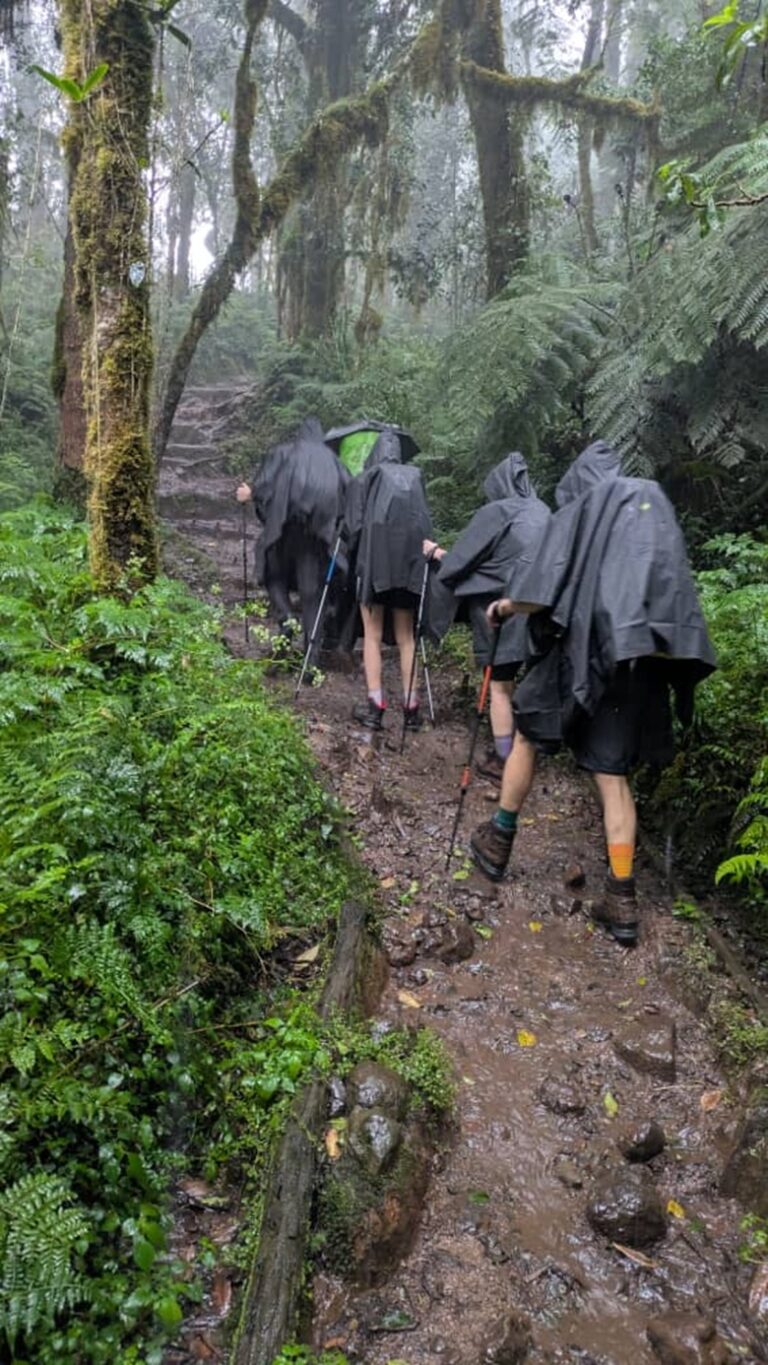
Kilimanjaro Climb With Mkomazi Rhino Safari 2026-2027
Kilimanjaro Climb with Mkomazi Rhino Safari is explained with current 2026-2027 planning, price, itinerary and booking information.
View package detailsKilimanjaro Safari And Climb Package For Seniors: Your Adventure 2026-2027
Top Guide Adventures offers tailored Kilimanjaro safari and climb packages for seniors in 2026-2027, focusing on safety, comfort, and an unforgettable Mount Kilimanjaro experience. Explore...
View package details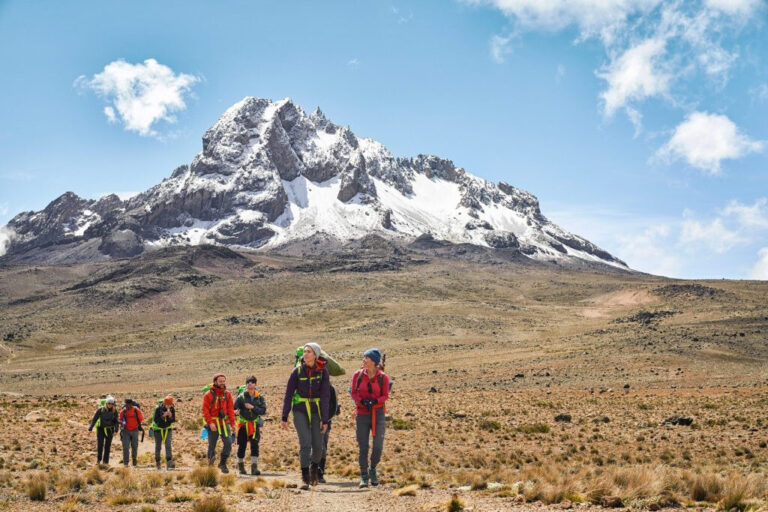
18-Day Kilimanjaro And Northern Tanzania Grand Adventure: Trek, Safari &
An 18-day itinerary blending Kilimanjaro's summit with Northern Tanzania's wildlife and culture offers a comprehensive African experience. This adventure typically includes a multi-day trek...
View package details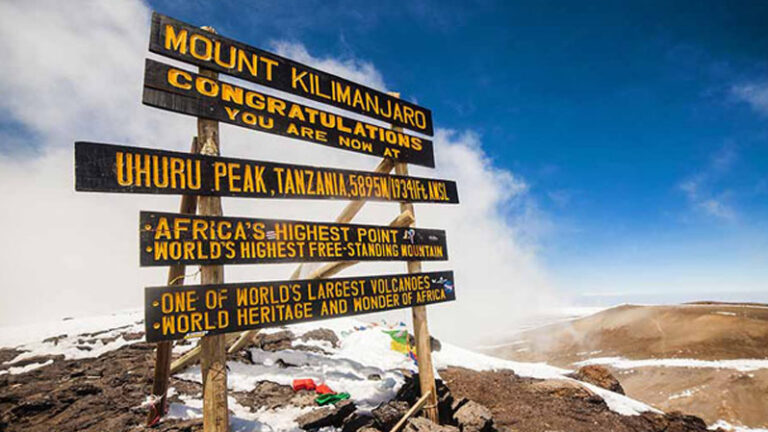
11-Day Kilimanjaro Acclimatization, Summit And Safari Package 2026-2027
11-Day Kilimanjaro Acclimatization, Summit and Safari Package is explained with current 2026-2027 planning, price, itinerary and booking information.
View package details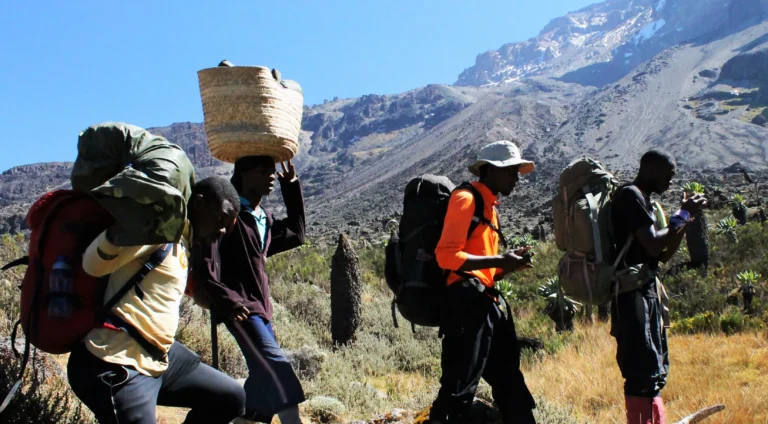
Kilimanjaro Safari First Vs Zanzibar 2026-2027
Kilimanjaro Safari First vs Zanzibar First is explained with current 2026-2027 planning, price, itinerary and booking information.
View package details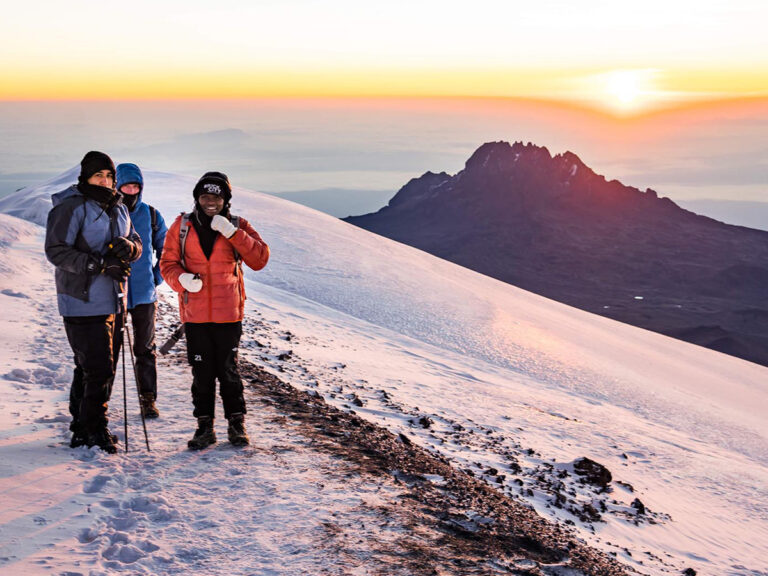
Kilimanjaro Graduation And Family Safari Package: Summit Success & Wildlife
Combine the ultimate achievement of summiting Mount Kilimanjaro with an unforgettable family safari in Tanzania. Top Guide Adventures curates these packages, blending adventure, cultural...
View package details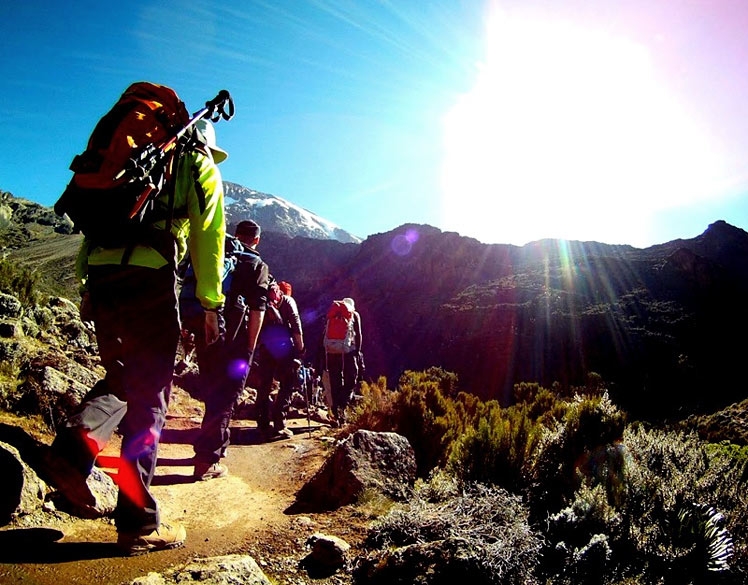
Kilimanjaro Family Safari After The Summit Guide
Extend your incredible Kilimanjaro achievement with a family safari in Tanzania. Top Guide Adventures crafts unforgettable post-summit experiences for 2026-2027, blending the thrill of...
View package details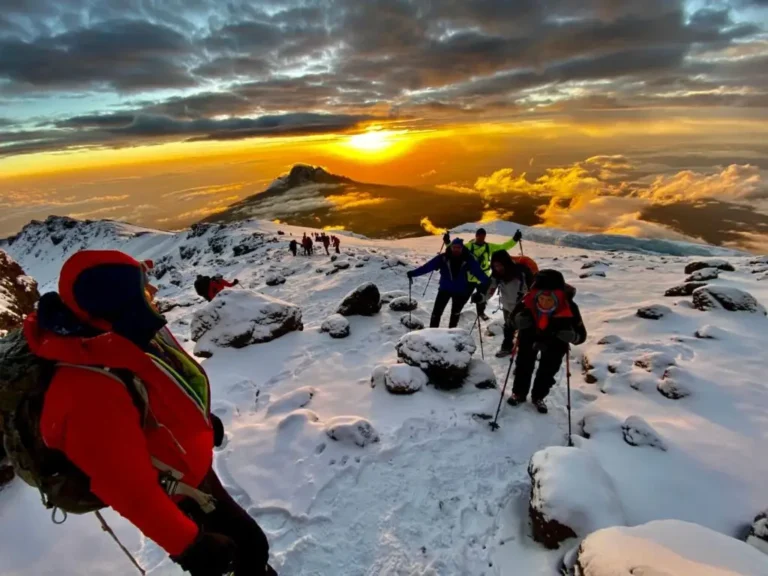
17-Day Kilimanjaro, Serengeti, Ngorongoro & Zanzibar Tour: Your Ultimate
This 17-day tour combines the iconic Mount Kilimanjaro climb with unparalleled wildlife safaris in the Serengeti and Ngorongoro Crater, culminating in a relaxing beach escape in Zanzibar...
View package details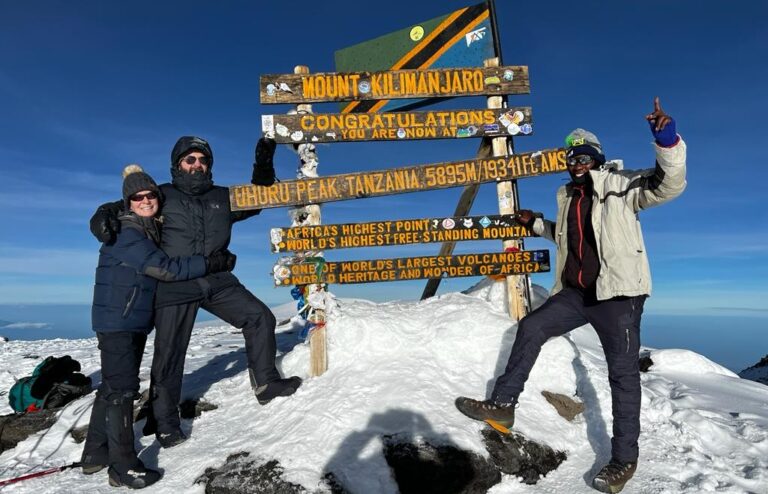
15-Day Kilimanjaro, Great Migration & Zanzibar Beach Package | Top Guide
Combine the thrill of summiting Mount Kilimanjaro, witnessing the iconic Great Migration in the Serengeti, and unwinding on the pristine beaches of Zanzibar in one unforgettable 15-day...
View package details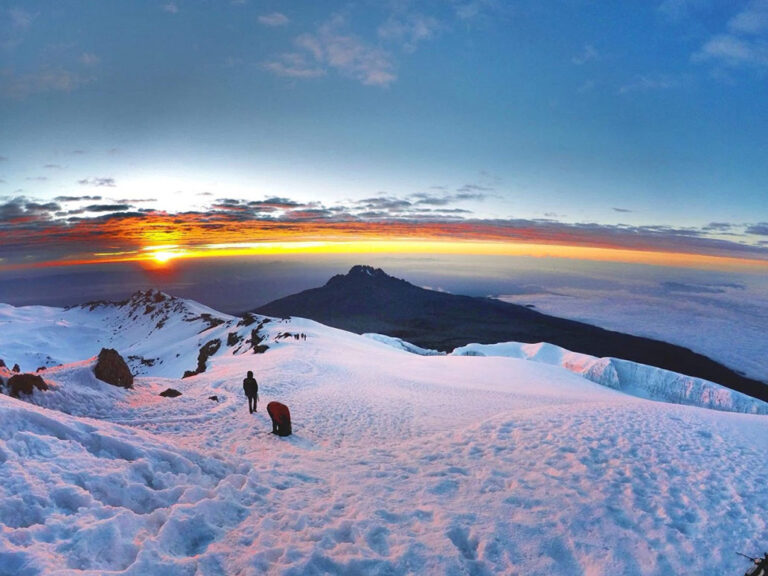
Kilimanjaro Climb With Materuni Recovery Day 2026-2027
Kilimanjaro Climb with Materuni Recovery Day is explained with current 2026-2027 planning, price, itinerary and booking information.
View package details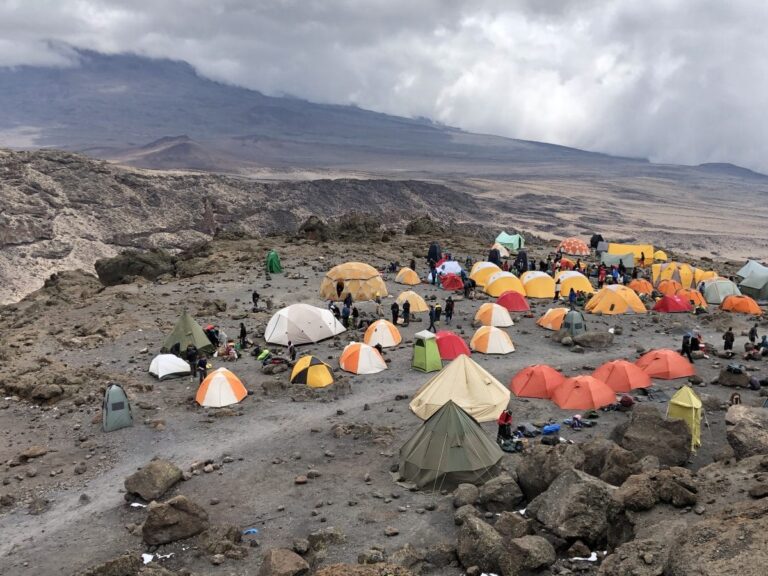
Kilimanjaro Climb With Lake Chala Relaxation Day: Your Ultimate Post-Trek
Experience the ultimate Kilimanjaro adventure followed by serene relaxation at Lake Chala. This guide details how to combine these incredible Tanzanian experiences, covering itineraries...
View package detailsNo related package matches those filters. Clear one or more filters to see the other topic-matched options.



