
A Kilimanjaro mountain crew should provide experienced guides, skilled porters, a qualified cook, comprehensive safety equipment, quality camping gear, nutritious meals, and logistical support throughout the trek. This includes detailed pre-climb briefings, acclimatization strategy, emergency protocols, and responsible waste management, ensuring a safe, comfortable, and successful ascent for climbers in 2026 and 2027.
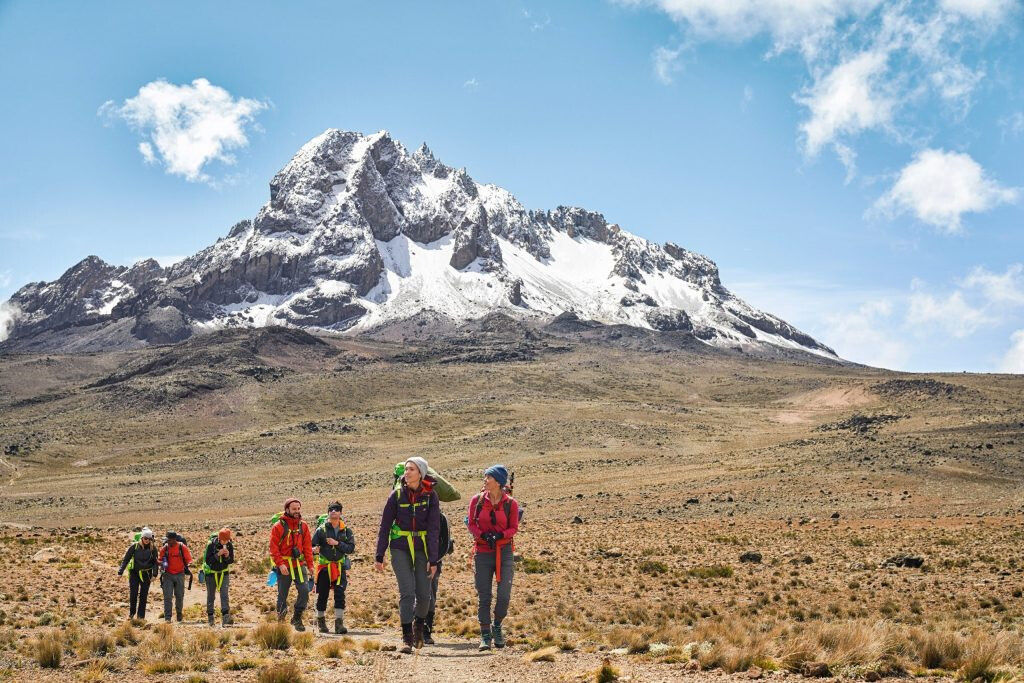
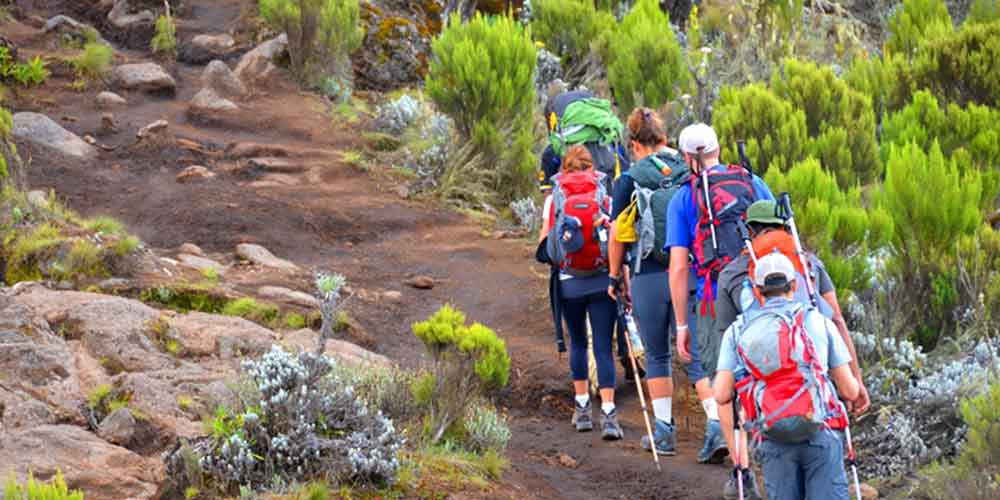
Understanding the Essential Components of a Kilimanjaro Expedition Crew
Climbing Mount Kilimanjaro is a significant undertaking, a journey that demands not only personal fortitude but also a highly professional and well-equipped support team. The mountain crew is the backbone of your expedition, silently working behind the scenes to ensure your safety, comfort, and overall success. For anyone planning a climb in the 2026-2027 seasons, understanding precisely what a Kilimanjaro mountain crew should provide is crucial for making informed decisions and selecting the right tour operator.
Your crew is more than just carriers; they are your guides, your medics, your chefs, and your safety net. They possess intimate knowledge of the mountain, its ever-changing weather, and the best practices for ascending safely. When you inquire about expedition packages, whether for 2026, 2027, or any future year, scrutinizing the provisions and services offered by the mountain crew is paramount. Top Guide Adventures, as one of Tanzania’s trusted tour companies, prioritizes the welfare and success of every climber by assembling highly competent and ethical mountain crews.
This detailed exploration will break down every aspect of what you should expect from your Kilimanjaro mountain crew. From the qualifications of your guides to the quality of your sleeping bag and the emergency procedures in place, we cover it all. This will empower you to assess potential operators and ensure your chosen team is fully prepared to help you achieve your Kilimanjaro dream.
The Core Team: Roles and Responsibilities
A successful Kilimanjaro climb hinges on the synergy and expertise of a dedicated team. Each member plays a vital role, contributing to the overall safety, comfort, and progression of the expedition. Understanding these roles helps you appreciate the complexity of the operation and what to expect from a professional Kilimanjaro mountain crew.
Lead Guide(s): The Captains of the Climb
Your lead guide is the most critical member of your Kilimanjaro mountain crew. Their expertise dictates the pace of the climb, manages acclimatization, and makes crucial decisions regarding safety. A good lead guide is not just knowledgeable about the routes; they are trained in wilderness first aid, high-altitude physiology, and emergency rescue. They are responsible for:
- Route Navigation: Ensuring you are on the correct path at all times, especially in challenging weather or low visibility.
- Pacing and Acclimatization: Setting a sustainable pace that allows your body to adjust to the altitude, preventing Acute Mountain Sickness (AMS). They monitor each climber closely for symptoms.
- Safety Management: Implementing safety protocols, assessing risks, and making decisions about whether to proceed, descend, or evacuate in case of emergencies.
- Team Morale: Providing encouragement, motivation, and clear communication to keep spirits high.
- Environmental Awareness: Educating climbers on Leave No Trace principles and ensuring the crew adheres to them.
For any climb planned for 2026 or 2027, ensure your operator hires guides with extensive experience on Kilimanjaro, preferably certified by relevant mountaineering bodies. Top Guide Adventures ensures its lead guides are not only seasoned climbers but also possess advanced first-aid training.
Assistant Guides: Expanding the Safety Net
For every lead guide, there are usually one or two assistant guides, depending on the group size. Their primary role is to support the lead guide and to directly assist climbers, particularly those who might be struggling. They often take responsibility for smaller groups within the main party, ensuring no one is left behind or overlooked. Assistant guides are also trained in first aid and mountain safety, acting as an additional layer of support and vigilance.
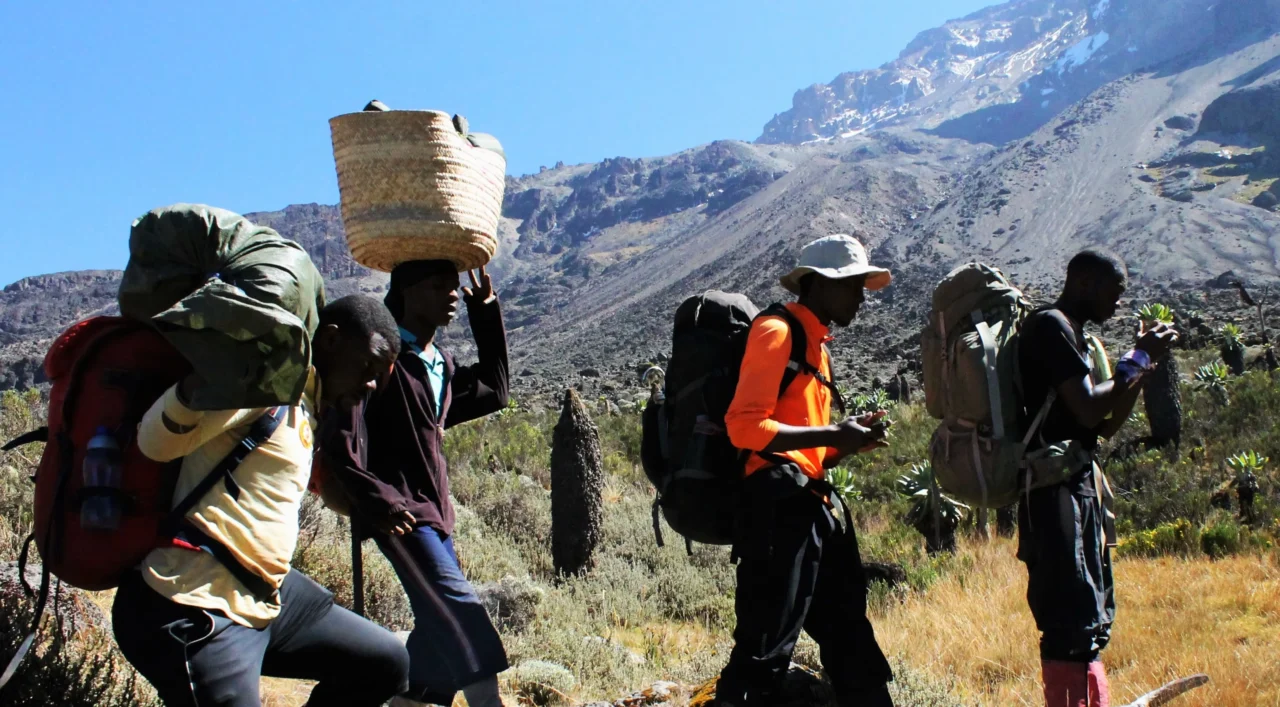
Porters: The Unsung Heroes
Porters are indispensable to the Kilimanjaro climbing experience. They carry the bulk of the equipment, including tents, food, cooking supplies, and personal gear for the climbers. Their strength and endurance are remarkable, and their role extends beyond mere carrying:
- Logistical Support: Setting up camp before climbers arrive, ensuring tents are pitched, and the camp is organized.
- Gear Management: Carefully packing and unpacking equipment, ensuring everything is accounted for and protected from the elements.
- Camp Services: Assisting with the distribution of meals and hot drinks, and generally maintaining the cleanliness and order of the campsite.
- Emergency Assistance: In some cases, porters may assist in carrying a climber who is unable to walk, though this is a strenuous task and depends on their training and the specific situation.
It is vital that porters are treated with respect and provided with adequate food, shelter, and fair wages by the tour operator. Ethical treatment of the mountain crew is a hallmark of responsible trekking companies. When considering operators for your 2026-2027 climb, inquire about their porter welfare policies.
Cook: The Culinary Maestro
While climbing Kilimanjaro, nutrition is paramount for energy and acclimatization. The cook is responsible for preparing all meals and snacks. This isn’t just about sustenance; it’s about providing varied, nutritious, and palatable food that climbers look forward to after a day on the mountain.
- Menu Planning: Creating a balanced menu that provides sufficient carbohydrates, protein, and fats, suitable for high-altitude trekking.
- Food Preparation: Cooking hot, hygienic meals in often challenging conditions, using portable cooking equipment.
- Dietary Needs: Accommodating special dietary requirements (vegetarian, vegan, allergies) when communicated in advance.
A good cook can make a significant difference to the enjoyment and success of the trek. Expect a range of dishes, from hearty breakfasts and packed lunches to warm dinners. The cook works closely with the guides to ensure food supplies are managed effectively.
Essential Gear and Equipment Provided by the Crew/Operator
Beyond the human element, the physical equipment provided by the operator and managed by the crew is what directly impacts your comfort and safety. This is an area where quality and completeness are non-negotiable for a successful 2026 or 2027 Kilimanjaro climb.
Camping Equipment: Your Home on the Mountain
The quality of your shelter is crucial for rest and protection from the elements. A reputable operator will provide:
- Tents: Sturdy, waterproof, and wind-resistant tents suitable for alpine conditions. Typically, 3-4 season tents are used. You should expect a tent for every two climbers, or a private tent if arranged.
- Sleeping Mats: Insulated sleeping mats are essential for comfort and to prevent heat loss to the cold ground.
- Dining Tent: A separate, larger tent used as a common area for meals, especially in adverse weather. This often includes a table and chairs.
- Toilet Tent: A portable toilet tent providing privacy for waste disposal, often with a portable toilet or a designated area.
Cooking and Dining Gear: Ensuring Comfort and Hygiene
The crew’s ability to prepare and serve meals relies on their equipment:
- Stoves and Fuel: Reliable, high-performance camping stoves and sufficient fuel for cooking all meals.
- Cookware and Utensils: Pots, pans, plates, cups, and cutlery, all kept clean and hygienic.
- Water Purification: Methods for purifying water, such as filters or purification tablets, to ensure safe drinking water.
Safety and First Aid Equipment: The Paramount Provision
This is perhaps the most critical aspect of what a Kilimanjaro mountain crew must provide. Safety equipment is not optional; it is fundamental.
- Comprehensive First Aid Kit: A well-stocked kit including bandages, antiseptic wipes, pain relievers, altitude sickness medication (e.g., Diamox, administered by guides with medical training), blister treatment, and more.
- Oxygen Cylinders: For emergency use, especially on higher routes or for climbers experiencing severe altitude sickness. While not always used proactively, their availability is a significant safety measure.
- Stretcher/Evacuation Sled: For safely transporting a climber who cannot walk.
- Communication Devices: Satellite phones or two-way radios for communication with base camp or emergency services, as mobile signal is unreliable on the mountain.
- Emergency Bivouac Gear: Including emergency blankets and shelter.
Personal Gear Provision (What You Might Rent or Need to Bring)
While the crew provides communal and safety gear, there’s also personal equipment. Some operators offer rental services for key items, which can be convenient for international travelers planning their 2026-2027 trips.
- Sleeping Bags: High-quality, -10°C to -20°C rated sleeping bags suitable for freezing night temperatures.
- Trekking Poles: Adjustable poles to aid balance and reduce strain on knees.
- Water Bottles/Hydration Packs: Sufficient capacity for carrying water.
Top Guide Adventures provides a detailed packing list and offers rental options for essential gear like sleeping bags and trekking poles to simplify your preparation.
Nutritious and Delicious Meals: Fueling Your Ascent
The food provided on Kilimanjaro is a critical factor in energy levels, acclimatization, and overall enjoyment. A professional Kilimanjaro mountain crew, including a skilled cook, will offer a varied and balanced diet designed to sustain you throughout the demanding trek.
Breakfast: Starting the Day Right
Expect a substantial breakfast to fuel your morning’s trek. Common options include:
- Oatmeal or porridge
- Eggs (scrambled, fried, or omelets)
- Pancakes or French toast
- Sausages or bacon
- Toast with jam or butter
- Fresh fruit
- Tea, coffee, and hot chocolate
Lunch: Mid-Trek Refueling
Lunch is often packed to be eaten on the trail, or sometimes served at camp if you reach it early.
- Sandwiches (various fillings)
- Hard-boiled eggs
- Fruit (apples, bananas, oranges)
- Snacks like biscuits, nuts, and chocolate
- Hot soup (especially welcome on colder days)
Dinner: The Main Event
Dinners are designed to be hearty and replenishing, providing essential calories and nutrients.
- Soups: A warm starter, often vegetable or chicken soup.
- Main Courses: Varied options such as rice with chicken or beef stew, pasta dishes, vegetable curry, ugali (a staple maize dish) with greens, or even grilled meats.
- Vegetables: Fresh or cooked vegetables to provide vitamins and minerals.
- Dessert: Often a simple but welcome treat like fruit salad, cake, or pudding.
Hydration and Snacks
Adequate hydration is as important as food. The crew will provide boiled and purified water. You should also expect:
- Unlimited Boiled Water: Provided throughout the day.
- Snacks: Biscuits, chocolate bars, energy bars, nuts, and dried fruit are often provided daily.
- Hot Drinks: Tea, coffee, and hot chocolate are available at meals and sometimes during breaks.
Dietary Considerations for 2026-2027 Climbs
Reputable operators like Top Guide Adventures are accustomed to catering to specific dietary needs. It is essential to communicate any requirements (vegetarian, vegan, gluten-free, allergies) well in advance, ideally during the booking process for your 2026 or 2027 climb. The cook will then adjust the menu accordingly.
Safety Protocols and Emergency Preparedness
The safety of climbers is the absolute priority for any responsible Kilimanjaro mountain crew. This involves meticulous planning, constant vigilance, and a clear, practiced emergency response strategy.
Acclimatization Strategy
The most common cause of issues on Kilimanjaro is Acute Mountain Sickness (AMS). A good crew, led by experienced guides, will implement a slow and steady ascent profile. This is often summarized by the mantra “Pole Pole” (slowly, slowly) and “Hike High, Sleep Low.” Guides monitor climbers daily for signs of AMS, including headaches, nausea, dizziness, and fatigue. They will adjust the pace or recommend descent if symptoms become severe.
Daily Health Checks
Guides should conduct brief health checks each morning and evening. This involves asking about how each climber is feeling, checking for symptoms of AMS, and assessing general well-being. This proactive approach allows for early intervention.
Emergency Evacuation Plan
Every operator must have a robust emergency evacuation plan. This typically involves:
- Communication: Using satellite phones or radios to contact the ground team or local rescue services.
- Designated Rescue Points: Knowing where and how to get a climber to a point where evacuation can begin.
- Support Personnel: Having trained staff ready to assist in an evacuation, which may involve porters helping to carry a climber down.
- Coordination with Park Rangers: Working with Kilimanjaro National Park rangers, who are often involved in larger rescue operations.
For serious emergencies, evacuation from higher altitudes can be extremely challenging and time-consuming. This is why prevention through proper acclimatization and monitoring is paramount.
Rescue Insurance
Climbers are strongly advised to have travel insurance that covers emergency medical evacuation from remote locations. This is often a requirement for booking a Kilimanjaro climb, and operators will specify this. Ensure your policy covers high-altitude trekking and helicopter rescue if applicable.
Hygiene and Sanitation
Preventing illness is also a key safety measure. The crew should maintain high standards of hygiene:
- Hand Washing: Providing facilities and encouraging frequent hand washing, especially before meals.
- Food Preparation: Ensuring all food is cooked thoroughly and prepared in a clean environment.
- Waste Management: Properly disposing of all waste, packing it out from the mountain to prevent environmental contamination. This is a critical aspect of responsible tourism.
Ethical Treatment and Fair Wages for the Mountain Crew
A crucial, yet sometimes overlooked, aspect of what a Kilimanjaro mountain crew should provide is their own well-being and fair treatment. Responsible tour operators prioritize the welfare of their staff, recognizing that their dedication is key to a climber’s success and safety.
Fair Wages and Tips
Porters, guides, and cooks should receive wages that meet or exceed the minimum standards set by Kilimanjaro National Park regulations and local labor laws. Tipping is customary and a significant part of their income. Operators should provide clear guidelines on recommended tipping amounts, ensuring transparency. For 2026-2027 expeditions, research operators known for fair labor practices.
Adequate Food and Shelter
The crew must be provided with sufficient, nutritious food – comparable to what climbers eat, though perhaps simpler. They should also have appropriate shelter, especially during cold nights, and adequate clothing for the conditions. This includes sleeping bags and tents for the crew.
Working Conditions
Reputable companies ensure that porters are not overloaded (weight limits are strictly enforced), that they have reasonable working hours, and that they are not made to carry items that should be handled by the operator (e.g., personal items beyond a reasonable limit).
Crew Safety
The crew’s safety is as important as the climbers’. This means ensuring they have access to first aid, are trained in emergency procedures, and are not pressured to take unnecessary risks.
Top Guide Adventures is committed to the ethical treatment of its mountain crew, ensuring they are well-compensated, well-fed, and respected. This commitment translates to a more motivated and professional team, directly benefiting your climb experience for any 2026-2027 adventure.
Route-Specific Crew Provisions
While the core responsibilities of a Kilimanjaro mountain crew remain consistent across all routes, there can be slight variations in team size and specific provisions depending on the chosen route and its duration. Understanding these nuances can help you better plan for your 2026-2027 climb.
Marangu Route (5-6 Days)
As one of the shortest and most popular routes, the Marangu route often uses a slightly smaller crew ratio compared to longer routes. However, the quality of guides, porters, and cooks remains paramount. The provision of tents is different as climbers sleep in huts on this route, but the crew still manages dining tents and toilet facilities.
Machiame Route (6-7 Days)
The Machame route is longer and more challenging, requiring a larger crew to ensure adequate support and safety. Typically, you’ll have a higher ratio of guides and porters per climber. This route involves camping, so all the standard camping equipment provision is essential. The longer duration means careful management of food supplies and fuel by the cook and crew.
Lemosho Route (7-8 Days)
Similar to Machame, Lemosho is a longer, more scenic, and challenging route. It often involves more remote camping sections, necessitating a robust and well-equipped crew. The extended duration means that the crew’s ability to manage resources, maintain morale, and handle potential issues over a longer period is critical. For 2026-2027 climbs, choosing a longer route like Lemosho will require a highly experienced and well-supported crew.
Northern Circuit (9-10 Days)
The longest route circles the mountain, offering excellent acclimatization. This extended trek requires the most comprehensive provision from the mountain crew, including ample food, fuel, and robust camping gear. The crew’s endurance and logistical planning skills are tested on such a long expedition, making the experience and reliability of the crew particularly important for 2026-2027 trekkers.
What Remains Consistent Across Routes:
Regardless of the route chosen for your 2026-2027 climb, the fundamental requirements for the mountain crew remain:
- Qualified Guides: Experienced in high-altitude trekking and first aid.
- Sufficient Porters: To carry all necessary gear and supplies.
- Skilled Cook: Capable of preparing nutritious meals.
- Safety Equipment: First aid kits, communication devices, and emergency supplies.
- Quality Camping Gear: Tents, mats, and dining facilities.
- Ethical Treatment: Fair wages, adequate food, and respectful working conditions.
When booking your Kilimanjaro climb with Top Guide Adventures for 2026 or 2027, we tailor the crew size and specific support to your chosen route, ensuring optimal safety and comfort.
Making the Right Choice: Questions to Ask Potential Operators
Selecting the right tour operator is as important as understanding what their mountain crew should provide. Don’t hesitate to ask detailed questions to ensure you are choosing a reputable and capable company for your 2026-2027 Kilimanjaro adventure.
Questions about the Crew:
- What is the guide-to-climber ratio?
- What qualifications and experience do your guides have (e.g., WFR, specific mountain guiding certifications)?
- How do you ensure the ethical treatment and fair wages of your porters and crew?
- What is the typical size of a climbing crew for the route I am considering?
- Do your guides receive regular first-aid and high-altitude medical training?
Questions about Equipment:
- What type of tents do you provide (e.g., 3-season, 4-season)?
- Do you provide sleeping mats? What kind?
- What safety equipment do you carry (e.g., oxygen, satellite phone)?
- Do you offer rental equipment for items like sleeping bags or trekking poles?
- What are your waste management policies on the mountain?
Questions about Food and Safety:
- Can you provide a sample menu?
- How do you cater to dietary restrictions or allergies?
- What is your emergency evacuation procedure?
- Do you have a relationship with local rescue services?
By asking these questions, you can gauge the professionalism and commitment of an operator to providing a safe, ethical, and enjoyable Kilimanjaro experience for your 2026 or 2027 climb.
The Top Guide Adventures Commitment to Crew Excellence
At Top Guide Adventures, we understand that the success of your Kilimanjaro climb is directly linked to the quality and dedication of our mountain crew. We pride ourselves on assembling some of the most experienced, skilled, and ethical teams in Tanzania, ensuring your 2026-2027 expedition is both safe and memorable.
Our commitment extends to every member of the crew, from our lead guides who possess extensive knowledge of high-altitude mountaineering and first aid, to our hardworking porters who are treated with the utmost respect and fairness. We ensure:
- Experienced and Certified Guides: Our guides undergo continuous training in wilderness first aid, high-altitude physiology, and rescue techniques.
- Fair Porter Practices: We adhere strictly to ethical porter treatment guidelines, providing fair wages, adequate food, shelter, and ensuring they are not overloaded.
- Quality Equipment: We invest in high-quality, durable camping gear, safety equipment, and cooking supplies to ensure comfort and reliability.
- Nutritious Cuisine: Our cooks are trained to prepare delicious and energy-rich meals, catering to diverse dietary needs.
- Robust Safety Protocols: We maintain well-equipped first-aid kits, carry emergency oxygen, and utilize satellite communication for paramount safety.
When you choose Top Guide Adventures for your 2026 or 2027 Kilimanjaro climb, you are choosing a team that prioritizes your well-being, supports its staff, and is dedicated to providing an exceptional mountain experience. We believe that a well-supported and motivated crew is essential for you to achieve your summit goals.
Final Preparations for Your 2026-2027 Kilimanjaro Expedition
With a clear understanding of what your Kilimanjaro mountain crew should provide, the final step is to prepare yourself. Ensure you have reviewed the packing list provided by your operator, trained appropriately, and are mentally ready for the challenge. Remember that your crew is there to support you every step of the way. Trust their expertise, communicate openly about how you are feeling, and enjoy the incredible journey to the roof of Africa.
For any inquiries regarding our expeditions, crew provisions, or to start planning your 2026 or 2027 Kilimanjaro climb, please do not hesitate to contact us. We are here to ensure your adventure is perfectly organized and unforgettable.
Contact Top Guide Adventures:
WhatsApp: +255616946642
Email: topguideadventures@gmail.com
Backup Email: info@topguideadventures.com
Check Availability for What A Kilimanjaro Mountain Crew Should Provide For Your Climb 2026-2027
Ready to compare dates, prices, and the best option for your group? Send the package name and travel month so the team can reply with a clear quote, availability, and what is included.
What A Safe Kilimanjaro Package Should Include 2026-2027
What a Safe Kilimanjaro Package Should Include is explained with current 2026-2027 planning, price, itinerary and booking information.
View package details
Kilimanjaro Contract Terms You Should Understand For Your Climb 2026-2027
Navigating the fine print of your Kilimanjaro climb contract is crucial. This guide breaks down essential terms, from payment schedules and cancellation policies to what's included and...
View package details
What To Check Before Paying A Kilimanjaro Deposit In 2026-2027
Planning to climb Kilimanjaro? Learn what crucial details to verify before paying your deposit to ensure a safe, successful, and well-organized trek in 2026 or 2027.
View package details
Questions Your Kilimanjaro Operator Should Answer For A Successful Climb
Choosing the right Kilimanjaro operator is crucial for a safe and memorable climb. This comprehensive guide details the essential questions you must ask your potential tour operator...
View package details
What Kilimanjaro Packages Often Leave Out 2026-2027
What Kilimanjaro Packages Often Leave Out is explained with current 2026-2027 planning, price, itinerary and booking information.
View package details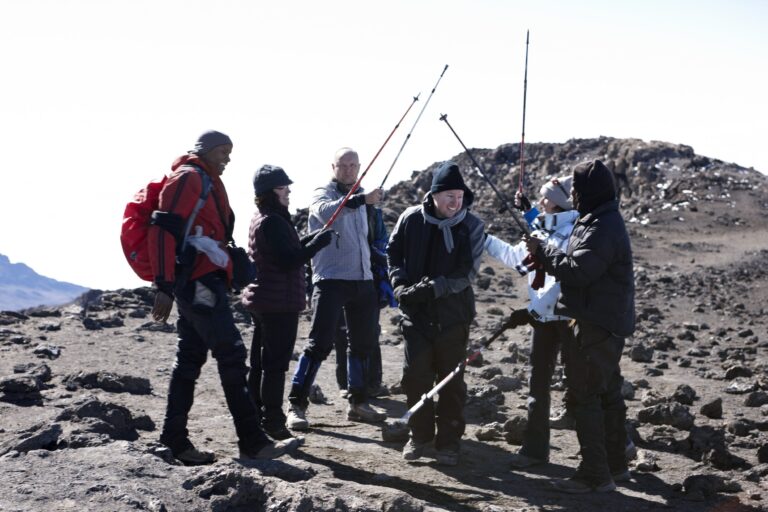
What Nobody Tells You About Climbing Kilimanjaro 2026-2027
What Nobody Tells You about Climbing Kilimanjaro is explained with current 2026-2027 planning, price, itinerary and booking information.
View package details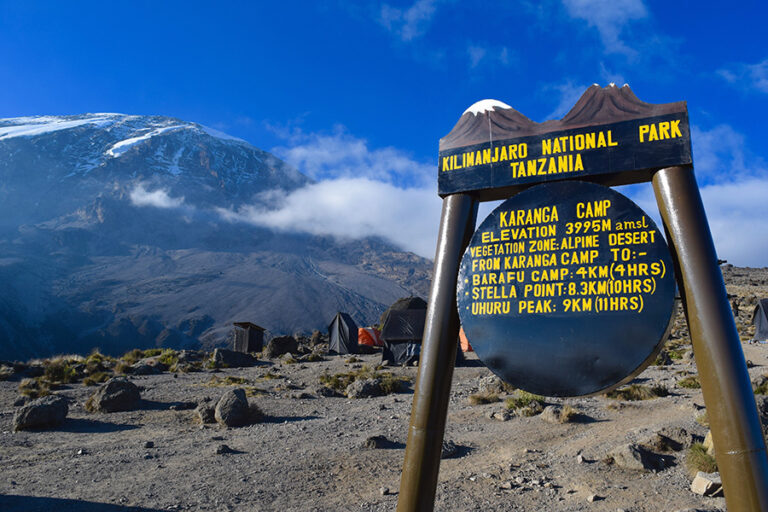
Kilimanjaro Packed Lunch Vs Hot Mountain 2026-2027
Kilimanjaro Packed Lunch vs Hot Mountain Lunch is explained with current 2026-2027 planning, price, itinerary and booking information.
View package details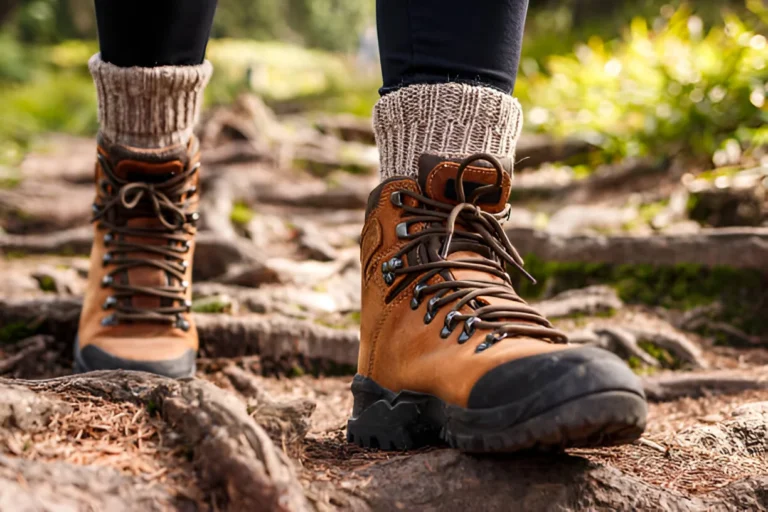
Moshi Hotel Vs Mountain Lodge Before Kilimanjaro 2026-2027
Moshi Hotel vs Mountain Lodge before Kilimanjaro is explained with current 2026-2027 planning, price, itinerary and booking information.
View package details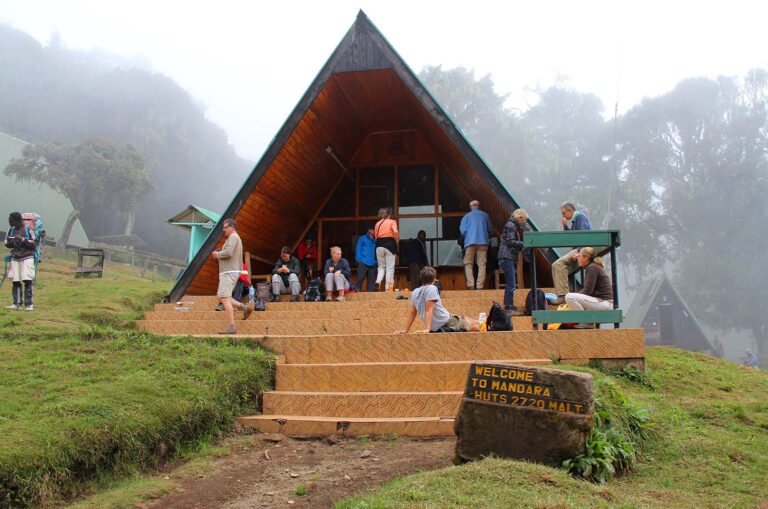
Stella Point Vs. Uhuru Peak: Understanding The Difference On Kilimanjaro
Climbing Mount Kilimanjaro involves reaching the crater rim, often at Stella Point, before a final push to Uhuru Peak, the true summit. This guide clarifies the distinctions, crucial for...
View package details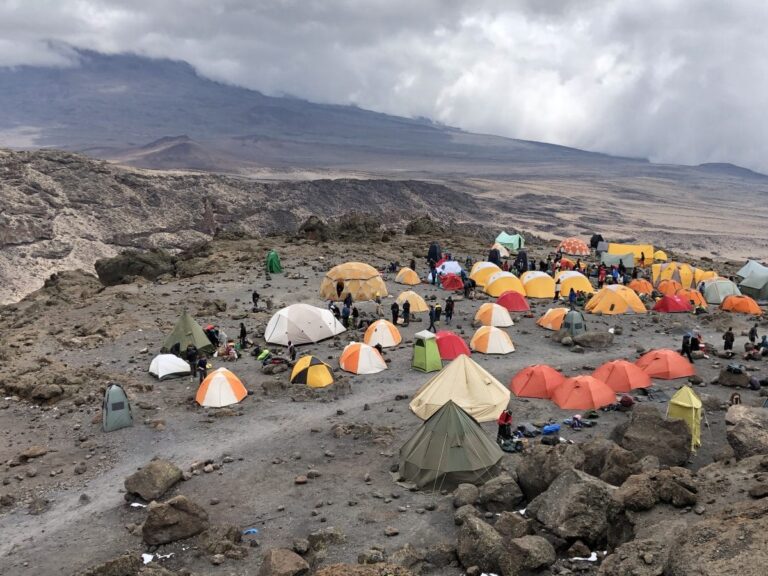
Can You See Elephants On Kilimanjaro? What Wildlife To Expect 2026-2027
While the iconic image of Mount Kilimanjaro is one of snow-capped peaks and challenging ascents, many prospective climbers also wonder about the wildlife they might encounter. Specifically...
View package details
How Crowded Is Uhuru Peak At Sunrise? What To Expect On Kilimanjaro 2026-2027
Climbing Kilimanjaro to witness the sunrise from Uhuru Peak is a dream for many. But how crowded is it, especially during peak season? This guide details what to expect, offering practical...
View package details
What Is The Kilimanjaro Summit Sign Like? Your Complete Guide 2026-2027
The Kilimanjaro summit sign is a recognizable metal signpost at Uhuru Peak, marking the highest point on the continent. Reaching it signifies the culmination of a challenging trek, offering...
View package detailsNo related package matches those filters. Clear one or more filters to see the other topic-matched options.



