
Understanding Kilimanjaro contract terms before booking your 2026 or 2027 climb is vital for a smooth and secure experience, covering critical aspects like payment schedules, cancellation and refund policies, inclusions and exclusions, emergency procedures, and liability waivers. Thoroughly reviewing these terms ensures you know your commitments, what services are guaranteed, and how potential issues will be handled, preventing misunderstandings and protecting your investment.
Why Kilimanjaro Contract Terms Matter for Your 2026-2027 Expedition
Climbing Mount Kilimanjaro is a significant undertaking, both physically and financially. The contract you sign with your tour operator is more than just a booking confirmation; it’s a legally binding agreement that outlines the responsibilities of both parties. For adventurers planning their expeditions in 2026 and 2027, a clear grasp of these terms is paramount. It ensures transparency, manages expectations, and provides a framework for resolving any unforeseen circumstances.
At Top Guide Adventures, we believe in complete clarity. We want every climber to feel fully informed and confident before they even set foot on the mountain. This detailed exploration of Kilimanjaro contract terms is designed to empower you, our valued client, with the knowledge needed to make informed decisions and fully enjoy your Kilimanjaro adventure.
Key Components of a Kilimanjaro Trekking Contract
While specific wording can vary between tour operators, most Kilimanjaro contracts share common critical elements. Understanding these will help you compare offers and select the operator best suited to your needs for a 2026-2027 climb.
1. Payment Schedule and Methods
The financial aspect of your contract is usually the first thing climbers scrutinize. This section details how and when payments are due.
- Deposit: Typically, a non-refundable deposit is required upon booking to secure your spot and begin logistical arrangements. This deposit amount can range from 10% to 30% of the total tour cost. For 2026-2027 bookings, this deposit confirms your commitment and allows us to reserve guides, porters, and park permits well in advance.
- Final Payment: The remaining balance is usually due a specific number of days or weeks before the trek begins. Common deadlines are 30, 45, or 60 days prior to your departure date. Adhering to this schedule is crucial, as failure to pay the final balance can result in cancellation of your booking.
- Payment Methods: Contracts will specify accepted payment methods. This may include bank transfers, credit card payments (sometimes with a surcharge), or online payment platforms. For international clients booking their 2026-2027 Kilimanjaro climb, understanding transfer fees and currency exchange rates is important.
- Currency: The contract should clearly state the currency in which payments are to be made, usually USD or TZS.
Top Guide Adventures accepts payments via bank transfer and secure online payment links. We clearly outline the due dates for deposits and final payments in our booking confirmations for all 2026-2027 expeditions.
2. Cancellation and Refund Policy
This is perhaps the most sensitive part of any travel contract. It outlines what happens if you need to cancel your trip and what refunds, if any, you are entitled to.
- Cancellation by the Client: The policy will specify the timeframe for cancellations and the corresponding refund amounts. Generally, cancellations made further in advance receive a higher refund percentage, minus the non-refundable deposit and any non-recoverable costs (like pre-booked park permits). For example, cancelling 60 days before departure might yield an 80% refund (less deposit), while cancelling within 30 days might result in no refund. This is critical for planning your 2026-2027 climb, as circumstances can change.
- Cancellation by the Operator: Reputable operators will also outline conditions under which they might cancel a trip, such as insufficient bookings for a scheduled group climb or force majeure events (natural disasters, political unrest). In such cases, clients are usually entitled to a full refund or the option to reschedule.
- Refund Processing: The contract should mention the timeframe for processing refunds.
- Travel Insurance: Most contracts strongly recommend or require clients to have comprehensive travel insurance that covers trip cancellation and medical emergencies. This is not just a formality; it’s your primary financial protection.
We understand that plans can change. Our cancellation policy for 2026-2027 Kilimanjaro treks is designed to be fair, reflecting the costs incurred by us at different stages of planning. Please review our detailed policy on our website or request it directly.
3. Inclusions and Exclusions
This section clarifies precisely what is covered by the tour price and what is not. It’s crucial for avoiding unexpected expenses on the mountain.
- Inclusions: Typically include park fees, camping fees, rescue fees, guide and porter salaries, food during the trek, purified water, accommodation before and after the climb (often specified, e.g., 2 nights in a hotel), a welcome and farewell dinner, group climbing equipment (tents, cooking gear), and basic first-aid kits. For a 2026-2027 Kilimanjaro climb, ensuring these are clearly listed is key.
- Exclusions: Commonly exclude international flights, visa fees, travel insurance, personal climbing gear (boots, clothing, sleeping bags), tips for guides and porters (often a significant, expected expense), alcoholic beverages, personal expenses, and optional activities.
- Accommodation: Specify the type and duration of accommodation provided before and after the climb. This could be in a standard hotel or a lodge.
- Meals: Detail the number of meals provided on the mountain and typically before/after the climb.
Top Guide Adventures provides a comprehensive list of inclusions and exclusions for every Kilimanjaro package. We aim to be transparent so you can budget accurately for your 2026-2027 expedition. For example, our standard packages include all park and camping fees, experienced guides and crew, meals on the mountain, and pre/post-climb accommodation.
4. Itinerary and Route Details
The contract or accompanying documentation should clearly outline the chosen climbing route, its duration, and the daily schedule.
- Route: Specify the name of the route (e.g., Machame, Lemosho, Marangu) and its expected number of days.
- Daily Itinerary: A day-by-day breakdown of the trek, including estimated hiking times, distances, and overnight camping or hut locations.
- Flexibility: Contracts may mention the operator’s right to alter the itinerary due to weather conditions, safety concerns, or other unforeseen circumstances.
Choosing the right route is essential for acclimatization and enjoyment. For 2026-2027 climbs, consider routes like Machame or Lemosho for higher success rates due to their longer duration and better acclimatization profiles.
5. Safety, Health, and Emergency Procedures
Given the nature of climbing Kilimanjaro, safety protocols are a critical part of the contract.
- Guide Qualifications: Reputable operators will detail the training and experience of their guides, including certifications in wilderness first aid.
- Emergency Evacuation: The contract should explain the procedures for medical emergencies, including the use of oxygen, first-aid, and evacuation services (e.g., Kilimanjaro Animal Cruelty & Education Trust – KAECE, or private evacuation services). It should clarify who is responsible for arranging and paying for evacuation.
- Client Health Requirements: Operators may require clients to be in good physical health and may ask for a doctor’s clearance. Pre-existing medical conditions should be disclosed.
- Altitude Sickness: While not a guarantee, contracts often mention that guides are trained to monitor for symptoms of Acute Mountain Sickness (AMS) and will make decisions based on the climber’s well-being.
Safety is our top priority at Top Guide Adventures. Our guides are highly trained, and we have established protocols for emergencies. We ensure that all our climbing teams for 2026-2027 expeditions are equipped with necessary medical supplies and communication devices.
6. Liability and Waivers
Climbing Kilimanjaro involves inherent risks. Contracts will include clauses that limit the operator’s liability and require clients to sign waivers.
- Assumption of Risk: Clients typically acknowledge and accept the inherent risks associated with high-altitude trekking.
- Waiver of Liability: This clause often releases the tour operator, its employees, and agents from liability for injuries, damages, or loss sustained during the trip, provided the operator has not acted negligently.
- Force Majeure: This clause addresses situations beyond the operator’s control (acts of God, war, natural disasters) and outlines how they will handle disruptions.
It is important to read these clauses carefully and understand them. If you have concerns, discuss them with the tour operator or seek legal advice.
7. Force Majeure and Unforeseen Circumstances
This section deals with events that are outside the control of the tour operator and could disrupt your climb.
- Definition: Force majeure typically includes events like natural disasters (earthquakes, floods), political instability, terrorism, widespread epidemics, or government-imposed travel restrictions.
- Operator’s Response: The contract should state how the operator will respond. This might involve attempting to reschedule the trip, offering alternative arrangements, or, in some cases, providing a partial refund depending on the unrecoverable costs.
- Client’s Responsibility: This clause often reiterates the importance of travel insurance to cover losses arising from such events.
Planning a 2026-2027 climb requires acknowledging these possibilities. While we strive to ensure every trek goes as planned, preparedness for the unexpected is key.
8. Client Responsibilities
Beyond financial obligations, contracts may outline other responsibilities for the client.
- Health and Fitness: Clients are expected to be medically fit for the climb and disclose relevant health conditions.
- Behavior: Adherence to rules and regulations set by park authorities and the tour operator, including respecting local culture and the environment.
- Gear: Ensuring they have the appropriate personal equipment as specified by the operator.
- Compliance: Following the instructions of guides and crew for safety and operational reasons.
Your cooperation ensures a safer and more enjoyable experience for everyone on the mountain, contributing to a successful 2026-2027 Kilimanjaro ascent.
Comparing Contract Terms for 2026-2027 Kilimanjaro Climbs
When comparing offers from different tour operators for your 2026-2027 Kilimanjaro climb, pay close attention to how they handle these contractual elements. A slightly lower price might hide less favorable terms regarding cancellations, inclusions, or safety.
| Contract Term | Key Consideration for Comparison | What to Look For |
|---|---|---|
| Payment Schedule | Deposit amount & final payment due date | Reasonable deposit; sufficient time before trek for final payment. Check currency and fees. |
| Cancellation Policy | Refund percentages by cancellation date | Fair refund structure; clarity on non-recoverable costs. Operator cancellation terms. |
| Inclusions | What’s covered (fees, crew, food, accommodation) | Comprehensive coverage, especially park fees, rescue fees, and experienced crew. Compare value. |
| Exclusions | What’s NOT covered (flights, gear, tips, insurance) | Clear list to avoid surprises. Ensure tips are estimated or guided. |
| Safety & Emergency | Evacuation procedures, guide qualifications | Detailed emergency plan; certified guides; inclusion of rescue fees. |
| Liability & Waivers | Assumption of risk, operator’s responsibility | Understand limitations and your own responsibilities. |
For example, one operator might include summit oxygen and a private evacuation service in their standard package for 2026-2027 climbs, while another charges extra for these vital safety measures. Reading the Kilimanjaro contract terms carefully will reveal these differences.
Tips for Reviewing Your Kilimanjaro Contract
Before signing, take these steps to ensure you fully understand your Kilimanjaro contract:
- Read Everything: Do not skim. Every clause matters.
- Highlight Key Dates: Note deposit deadlines, final payment dates, and cancellation cut-offs.
- Clarify Ambiguities: If any term is unclear, ask for an explanation in writing.
- Check for Consistency: Ensure the contract aligns with what was discussed verbally or in marketing materials.
- Verify Inclusions/Exclusions: Make a personal checklist against the contract.
- Understand the Refund Process: Know how and when you’ll receive any eligible refunds.
- Assess Safety Provisions: Confirm emergency plans and equipment are clearly stated.
- Consider Travel Insurance: Ensure your policy covers the specific activities and risks of a Kilimanjaro climb.
- Keep a Copy: Save a signed copy of the contract for your records.
For your 2026-2027 Kilimanjaro adventure, proactive review of these Kilimanjaro contract terms will save potential headaches later.
Specific Considerations for 2026-2027 Bookings
Booking a Kilimanjaro climb for the 2026-2027 seasons involves specific considerations related to planning and potential global travel shifts.
- Permit Availability: Kilimanjaro National Park has daily limits on the number of climbers allowed. Booking well in advance, especially for peak seasons in 2026-2027, is crucial to secure permits. Your contract should reflect that the operator is responsible for obtaining these permits.
- Guide and Porter Availability: Experienced guides and porters are essential. Popular seasons in 2026 and 2027 will see high demand for skilled crew members. Early booking helps operators secure the best teams.
- Price Stability: While tour operators aim for stable pricing, park fee changes or currency fluctuations can impact costs. Contracts for 2026-2027 climbs might include clauses addressing potential adjustments, though reputable companies try to lock prices once a deposit is paid.
- Travel Advisories and Health Protocols: Depending on the global situation, there might be ongoing travel advisories or health protocols. Your contract should ideally address how the operator will navigate these, or at least align with them. This could affect cancellation policies or requirements for vaccinations/testing.
Top Guide Adventures begins securing permits and crew for 2026-2027 climbs months, sometimes over a year, in advance. Our contracts reflect the commitment to securing these essential elements for your trek.
What If Something Goes Wrong? Understanding Dispute Resolution
Despite careful planning, disputes can occasionally arise. Your Kilimanjaro contract should ideally outline a process for resolving disagreements.
- Internal Resolution: The first step usually involves direct communication with the tour operator to resolve the issue amicably.
- Mediation/Arbitration: Some contracts may specify mediation or arbitration as a next step if direct resolution fails.
- Governing Law: The contract will state which country’s laws govern the agreement, typically Tanzania for climbs departing from there.
We prioritize client satisfaction and aim to address any concerns promptly and fairly. For bookings made through Top Guide Adventures for 2026-2027, we encourage open communication to resolve issues before they escalate.
Choosing a Reputable Operator: The Contract as a Reflection
The quality and clarity of a tour operator’s contract can be a strong indicator of their professionalism and reliability. A well-drafted, transparent contract for your 2026-2027 Kilimanjaro climb suggests:
- Professionalism: They take their business and client commitments seriously.
- Transparency: They are open about costs, services, and potential risks.
- Preparedness: They have thought through various scenarios, including emergencies and cancellations.
- Commitment to Safety: Clear safety protocols and emergency procedures are detailed.
Conversely, a vague, overly restrictive, or confusing contract should raise red flags. Always choose an operator who is willing to explain their terms and makes you feel secure.
Final Thoughts on Kilimanjaro Contract Terms for 2026-2027 Climbers
Your Kilimanjaro contract is a critical document. By understanding its key components – payments, cancellations, inclusions, exclusions, safety, and liability – you can approach your 2026 or 2027 climb with confidence. It protects your investment, clarifies expectations, and ensures you are well-prepared for the adventure ahead.
Top Guide Adventures is committed to providing exceptional service and clear, fair contracts for all our Kilimanjaro expeditions. We invite you to review our detailed terms and conditions on our website or contact us directly with any questions. Let us help you plan an unforgettable and safe ascent of Kilimanjaro in 2026-2027.
For personalized assistance with your 2026-2027 Kilimanjaro climb contract and planning, please reach out:
WhatsApp: +255616946642
Email: topguideadventures@gmail.com
Backup Email: info@topguideadventures.com
Visit our website for more information on our Kilimanjaro climbs and Tanzania tours.
Check Availability for Kilimanjaro Contract Terms You Should Understand For Your Climb 2026-2027
Ready to compare dates, prices, and the best option for your group? Send the package name and travel month so the team can reply with a clear quote, availability, and what is included.
What A Kilimanjaro Mountain Crew Should Provide For Your Climb 2026-2027
Planning a Kilimanjaro climb? Understand precisely what your mountain crew needs to provide, from essential gear and experienced guides to food, safety, and logistical support. This...
View package details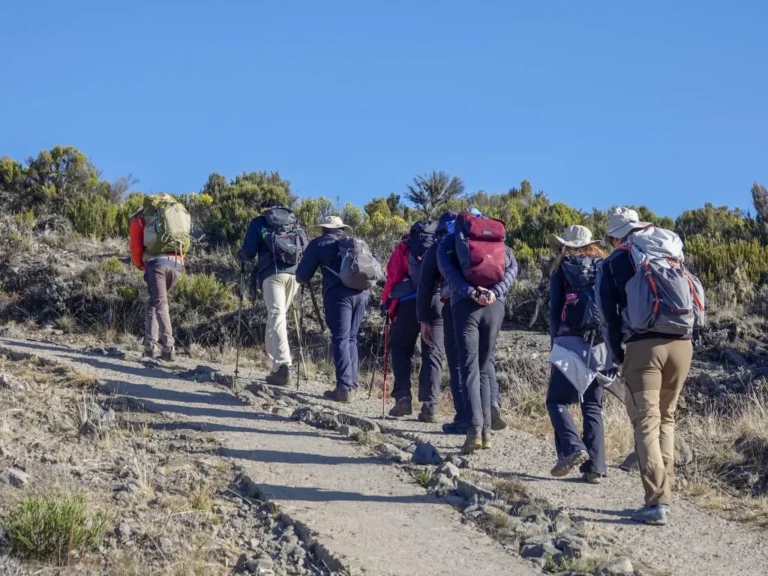
What A Safe Kilimanjaro Package Should Include 2026-2027
What a Safe Kilimanjaro Package Should Include is explained with current 2026-2027 planning, price, itinerary and booking information.
View package details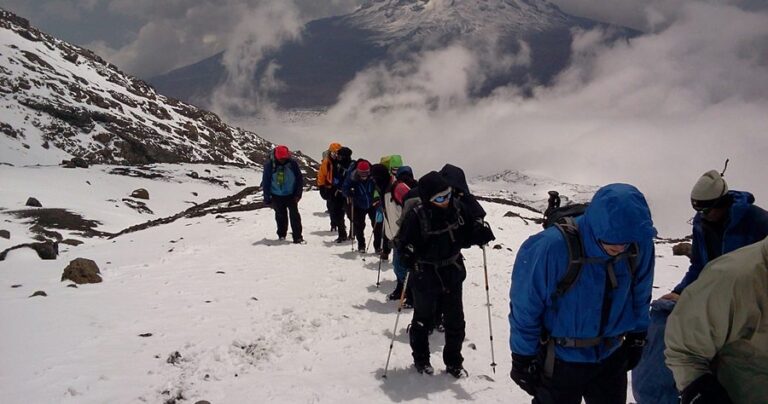
Questions Your Kilimanjaro Operator Should Answer For A Successful Climb
Choosing the right Kilimanjaro operator is crucial for a safe and memorable climb. This comprehensive guide details the essential questions you must ask your potential tour operator...
View package details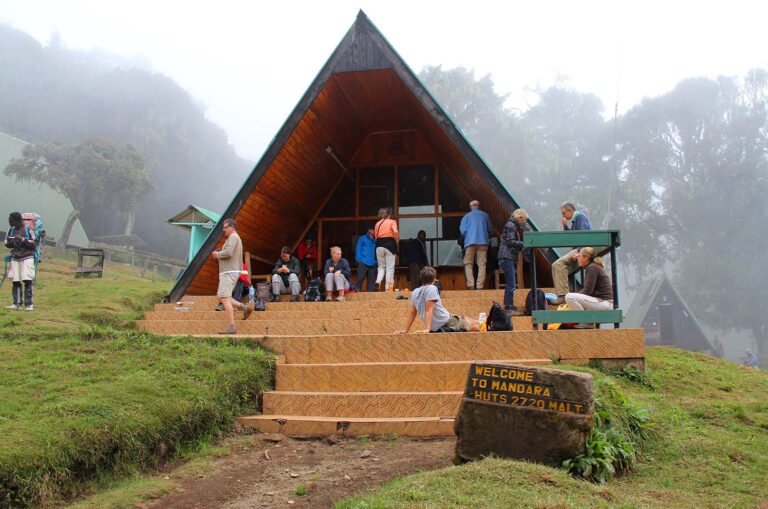
Stella Point Vs. Uhuru Peak: Understanding The Difference On Kilimanjaro
Climbing Mount Kilimanjaro involves reaching the crater rim, often at Stella Point, before a final push to Uhuru Peak, the true summit. This guide clarifies the distinctions, crucial for...
View package details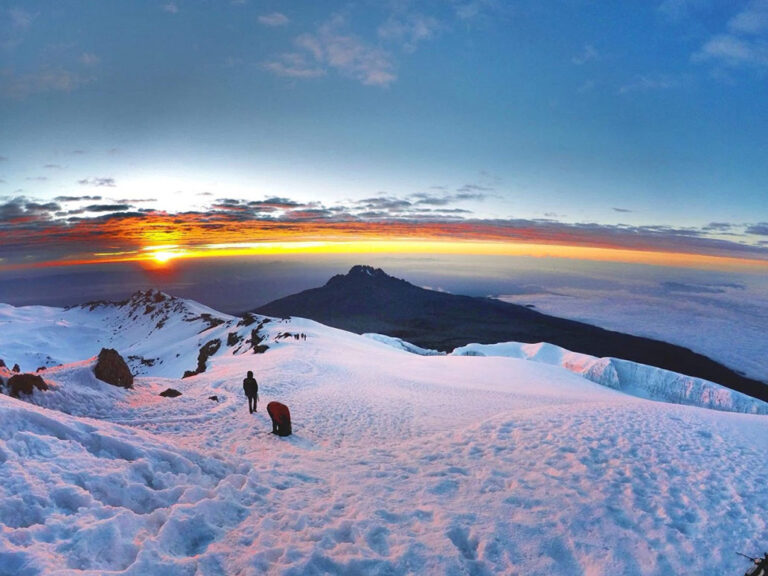
Kilimanjaro Climb With Materuni Recovery Day 2026-2027
Kilimanjaro Climb with Materuni Recovery Day is explained with current 2026-2027 planning, price, itinerary and booking information.
View package details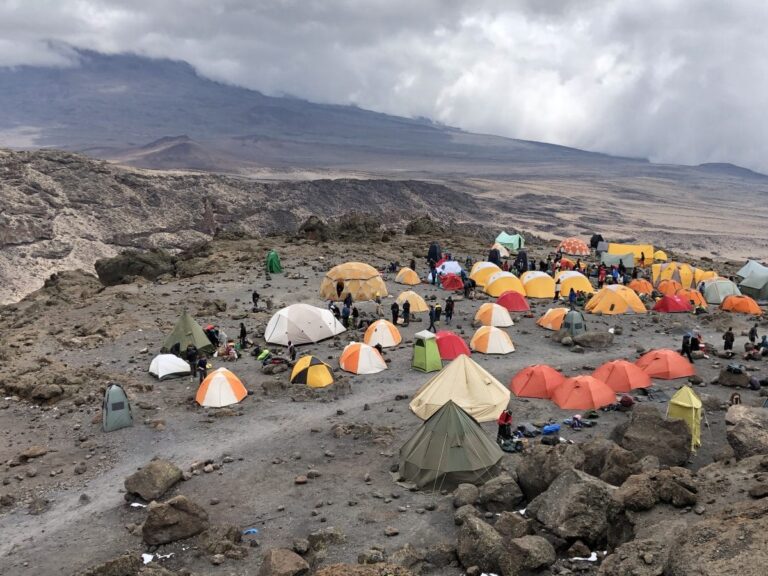
Kilimanjaro Climb With Lake Chala Relaxation Day: Your Ultimate Post-Trek
Experience the ultimate Kilimanjaro adventure followed by serene relaxation at Lake Chala. This guide details how to combine these incredible Tanzanian experiences, covering itineraries...
View package details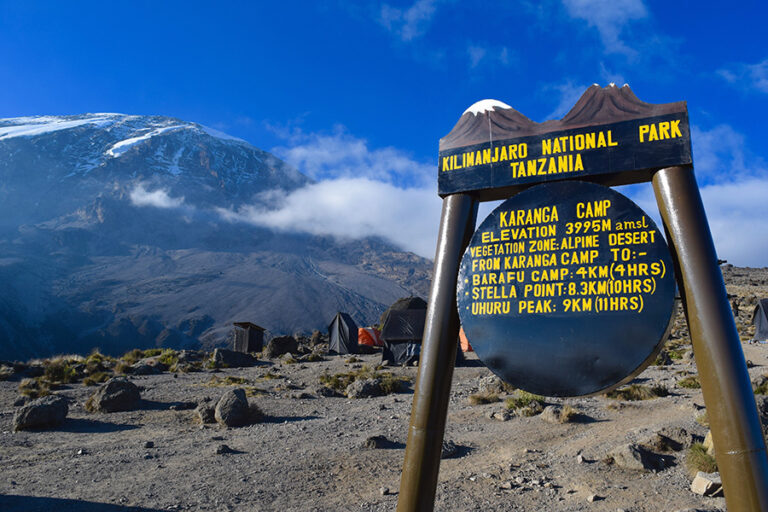
Kilimanjaro Climb & West Safari: The Ultimate Tanzania Adventure 2026-2027
Experience the pinnacle of Tanzania with a combined Kilimanjaro climb and West Kilimanjaro safari. This guide details itineraries, preparation, and what to expect for your 2026-2027...
View package details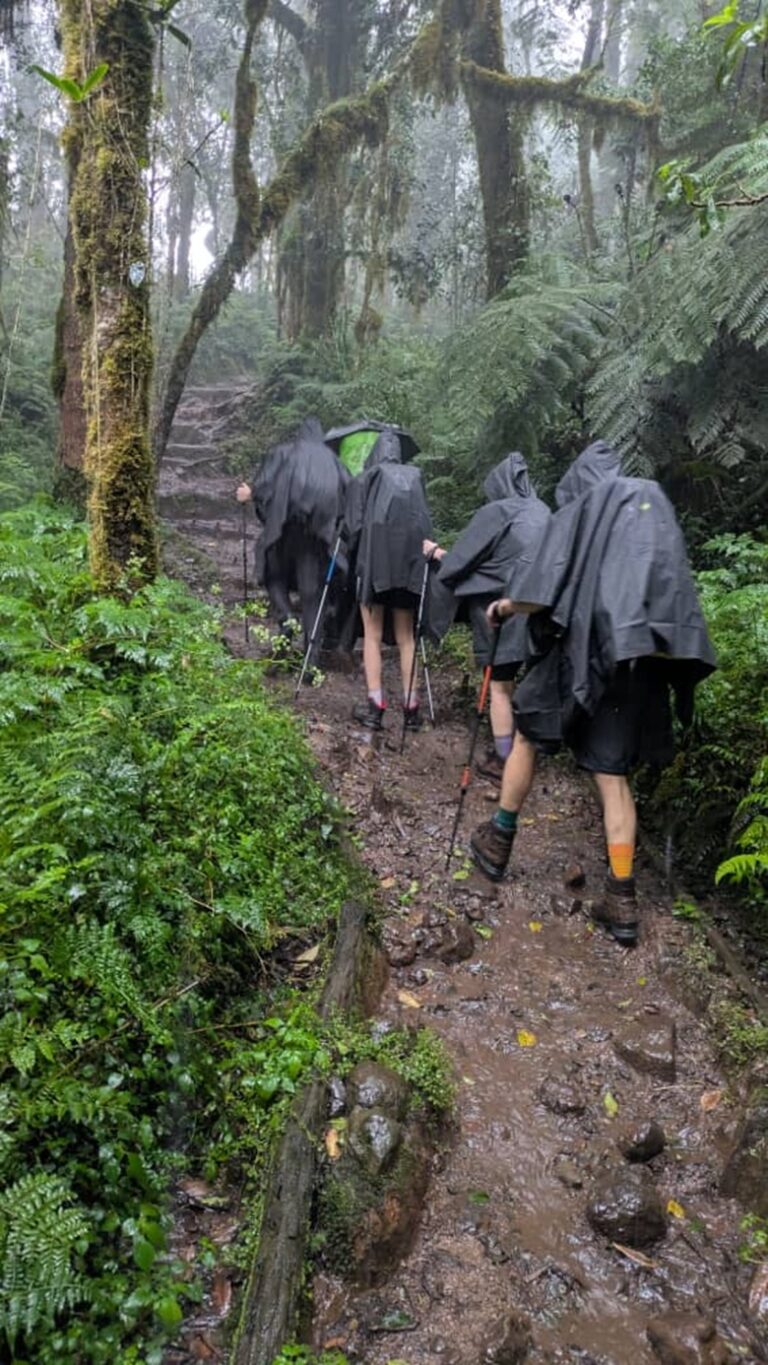
Kilimanjaro Climb With Mkomazi Rhino Safari 2026-2027
Kilimanjaro Climb with Mkomazi Rhino Safari is explained with current 2026-2027 planning, price, itinerary and booking information.
View package details
Kilimanjaro Climb With Amboseli Safari Extension: Your Ultimate Tanzania
Experience the pinnacle of African adventure by combining a challenging Kilimanjaro climb with a impressive safari in Amboseli National Park. This guide details itineraries, costs, best...
View package details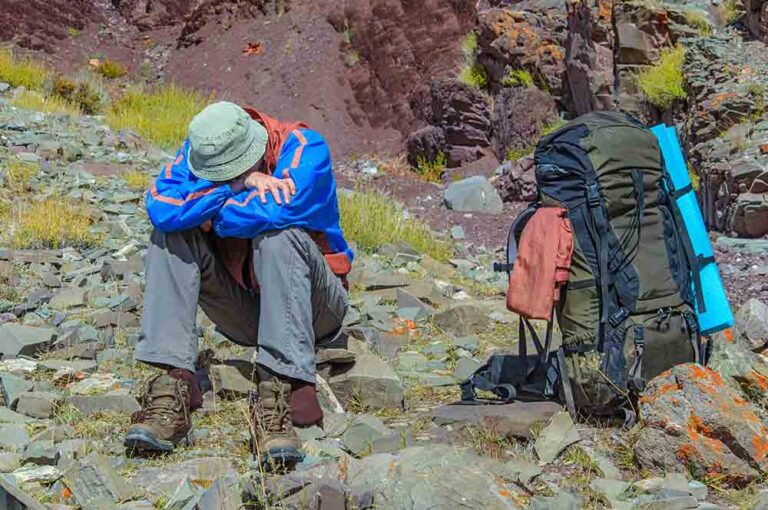
21-Day Kilimanjaro And Complete Tanzania Holiday: Your Ultimate Adventure
This comprehensive 21-day itinerary offers the ultimate Tanzanian adventure, merging the challenge of climbing Mount Kilimanjaro with the wildlife wonders of its famed national parks and...
View package details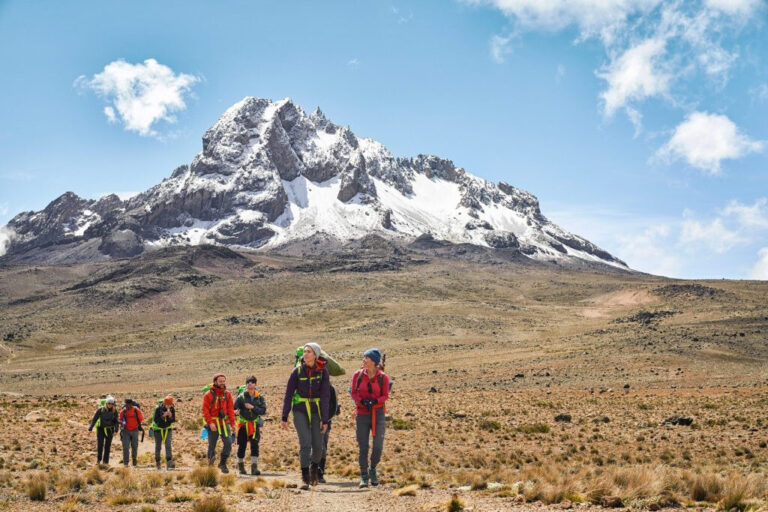
18-Day Kilimanjaro And Northern Tanzania Grand Adventure: Trek, Safari &
An 18-day itinerary blending Kilimanjaro's summit with Northern Tanzania's wildlife and culture offers a comprehensive African experience. This adventure typically includes a multi-day trek...
View package details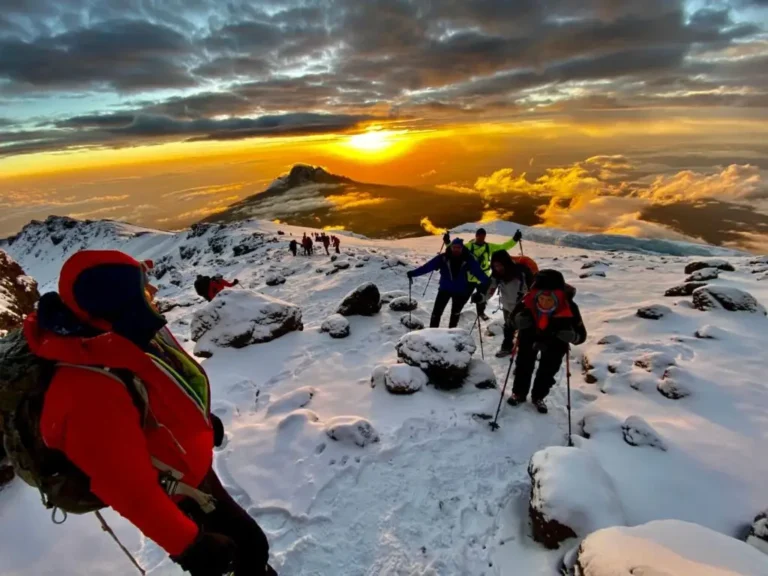
17-Day Kilimanjaro, Serengeti, Ngorongoro & Zanzibar Tour: Your Ultimate
This 17-day tour combines the iconic Mount Kilimanjaro climb with unparalleled wildlife safaris in the Serengeti and Ngorongoro Crater, culminating in a relaxing beach escape in Zanzibar...
View package detailsNo related package matches those filters. Clear one or more filters to see the other topic-matched options.



