
The Kilimanjaro summit sign is an iconic, weathered metal signpost located at Uhuru Peak, the absolute highest point of Mount Kilimanjaro and the African continent. It stands as a definitive marker of your achievement, typically featuring the words “Uhuru Peak 5,895m” and often adorned with various stickers from past trekkers. Reaching this sign is the ultimate goal for most climbers, representing the successful completion of an arduous journey through diverse climate zones, culminating in a impressive, albeit often cold and windy, moment of triumph at dawn.


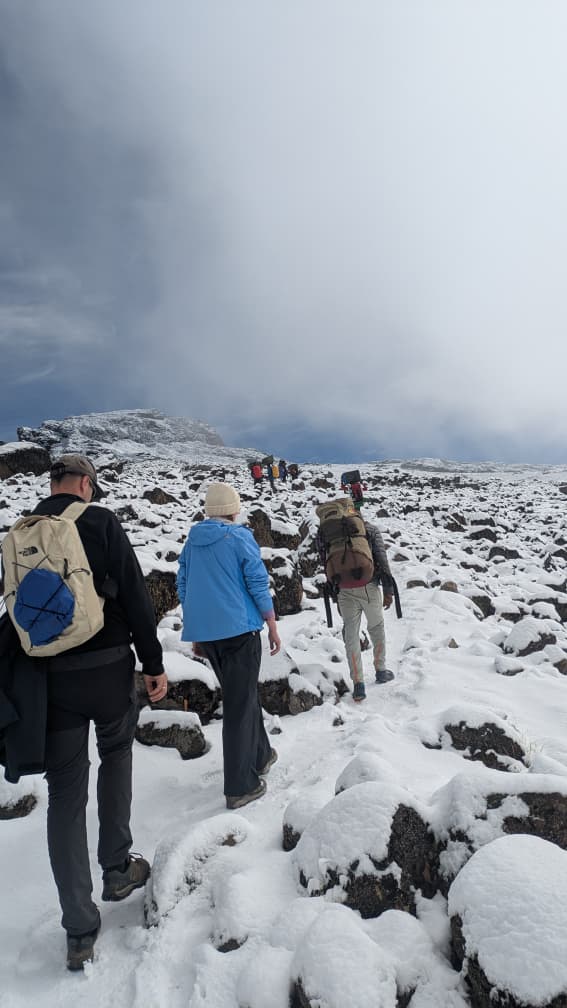
Understanding the Kilimanjaro Summit Sign: More Than Just a Photo Opportunity
For many who undertake the epic journey to the Roof of Africa, the Kilimanjaro summit sign is the singular, tangible symbol of their accomplishment. It’s the visual confirmation, the proof that you’ve stood atop the highest free-standing mountain in the world. But what is it truly like to stand there? It’s a blend of intense physical and emotional satisfaction, a stark landscape, and a moment shared with fellow adventurers who have conquered the same monumental challenge.
The sign itself is a testament to the many who have come before. Weathered by extreme conditions – the intense equatorial sun, freezing temperatures, and powerful winds – it carries a certain gravitas. Its surface might be scratched, faded, or covered in layers of stickers left by triumphant climbers from around the globe. Each mark tells a story of perseverance. When you finally reach it, often in the pre-dawn darkness after a grueling final ascent, the sign is illuminated by your headlamp or the first rays of sunlight, making the moment even more profound.
Top Guide Adventures understands that reaching this sign is the pinnacle of your Kilimanjaro experience. We meticulously plan every aspect of your climb, from acclimatization to the final summit push, ensuring you have the best possible chance to reach Uhuru Peak and witness this iconic marker in 2026 or 2027. Our expert guides will be there to capture your moment, whether it’s a quick photo or a few cherished minutes soaking in the view.
Where Exactly is the Kilimanjaro Summit Sign Located?
The Kilimanjaro summit sign is situated at Uhuru Peak, which stands at an elevation of 5,895 meters (19,341 feet) above sea level. This is the highest point on Kilimanjaro and, consequently, the highest point in all of Africa. Uhuru Peak is not a distinct mountain cone itself but rather a point on the rim of the main crater, Kibo. Specifically, it’s located on the western edge of the crater, north of Stella Point.
When you ascend Kilimanjaro, particularly via routes like Marangu, Machame, Lemosho, or Northern Circuit, the final summit push typically begins in the early morning hours from your last camp (often Kibo Hut or Barafu Camp). You’ll navigate across the lunar-like landscape of the crater plateau. The path leads you first towards Stella Point (5,739m), which is a significant achievement as it’s on the crater rim. From Stella Point, it’s a further approximately 1-1.5 hour walk along the rim to reach Uhuru Peak. The Kilimanjaro summit sign is prominently displayed at this ultimate destination.
The journey from Stella Point to Uhuru Peak is a relatively flat walk along the crater rim, but at this extreme altitude, every step is challenging. The air is thin, and the temperature can be well below freezing. The signpost serves as a clear beacon, guiding you the final distance. Many climbers pause at Stella Point for a brief rest and to witness the sunrise, before continuing to the true summit to stand by the sign.
The Significance of Uhuru Peak
The name “Uhuru” is Swahili for “freedom.” The peak was officially named Uhuru Peak on December 9, 1961, when Tanzania gained its independence, as a memorial to this occasion. Standing at Uhuru Peak, by the Kilimanjaro summit sign, you are standing at the highest point of a continent, a place that symbolizes freedom, achievement, and the vastness of the natural world.
What to Expect When You Reach the Kilimanjaro Summit Sign
Reaching the Kilimanjaro summit sign is the culmination of days of hard trekking and a challenging night ascent. Here’s a breakdown of what you can realistically expect:
The Final Ascent: A Grueling Night Trek
The final push to the summit usually begins between 11 PM and 2 AM from your highest camp. You’ll be trekking in the dark, guided by your headlamp and the lights of other climbers. The terrain is steep and often scree-covered, making each step a deliberate effort. The altitude is the biggest factor; the air contains only about half the oxygen you’d find at sea level, making breathing difficult and physical exertion taxing. Temperatures can plummet to -10°C to -20°C (-14°F to -4°F) or even lower, with wind chill exacerbating the cold.
Arriving at Stella Point
Your first major milestone on summit night is reaching Stella Point. This marks your arrival on the crater rim. By this time, you’ll have been trekking for 5-7 hours. The views from Stella Point, especially as the sun begins to rise, are absolutely spectacular. Many climbers take a moment here to rest, rehydrate, and appreciate the unfolding panorama. For some, Stella Point is the highest they reach due to altitude sickness or exhaustion, and it’s still a monumental achievement.
The Walk to Uhuru Peak and the Sign
From Stella Point, the path follows the crater rim towards Uhuru Peak. This section is relatively flat but can be deceptively long (about 1-1.5 hours). You’ll be walking on the edge of the crater, with vast volcanic plains stretching out below on one side and the immense crater, sometimes filled with ice formations, on the other. The Kilimanjaro summit sign will become visible as you approach.
At the Sign: The Moment of Truth
When you finally reach the Kilimanjaro summit sign at Uhuru Peak, the feeling is overwhelming. It’s a mix of exhaustion, elation, and awe. You’ve done it. You’ve reached the highest point in Africa. Expect:
- Crowds (Potentially): Depending on the season and the day of the week, there can be other groups reaching the summit around the same time. While it’s not usually chaotic, you might have to wait a few minutes for your turn to take photos at the sign.
- Extreme Cold and Wind: Even though you’re often there at sunrise, the wind can be fierce, and temperatures remain well below freezing. You’ll need to keep your gear on and be prepared for the cold.
- Thin Air: Altitude sickness is a real concern. You’ll likely feel the effects of the altitude – shortness of breath, fatigue, and possibly mild headaches. Moving slowly and deliberately is key.
- Photo Opportunities: This is the moment for photos! Your guide will help capture the iconic shots of you with the sign, the glaciers, and the stunning views. However, don’t linger too long; the descent is just as important and can be challenging.
- Glaciers: The iconic Kilimanjaro glaciers are a prominent feature near the summit. While they are receding due to climate change, they still form a dramatic backdrop to the summit sign.
- Sense of Accomplishment: This is the ultimate reward. The sheer effort involved makes standing at the Kilimanjaro summit sign an unforgettable experience.
Top Guide Adventures prioritizes your safety and success. Our guides are trained to monitor your health closely and will ensure you have adequate time at the summit to savor the moment while also managing the risks associated with the altitude and weather. We aim to make your encounter with the Kilimanjaro summit sign a highlight of your adventure in 2026-2027.
The Appearance of the Kilimanjaro Summit Sign
The Kilimanjaro summit sign is not a grand monument but rather a functional, utilitarian object that has become incredibly symbolic. Here’s a closer look at its appearance:
Material and Construction
The sign is made of metal, likely aluminum or steel, designed to withstand the harsh mountain environment. It’s typically a pole with a sign board attached. The board is usually painted white or a light color, with dark lettering. Over the years, it has been repainted multiple times, but the core structure remains.
What the Sign Says
The primary inscription on the sign reads: “Uhuru Peak 5,895 m”. This clearly indicates the location and its elevation in meters. Sometimes, you might see variations or additional inscriptions depending on recent repainting or additions, but the core information remains consistent.
Wear and Tear: A Sign of Time
One of the most striking aspects of the Kilimanjaro summit sign is its weathered appearance. The intense UV radiation at high altitudes, extreme temperature fluctuations (freezing at night, hot under the direct sun), and abrasive winds contribute to its aged look. The paint may be chipped, faded, or peeling in places. This wear and tear only adds to its character and the sense of history it embodies.
Stickers and Personal Touches
A common sight on the signpost (and sometimes on the surrounding rocks) are stickers left by climbers. These are often from their home countries, universities, sports teams, or personal messages of triumph. While park authorities sometimes clean these off, climbers often find ways to leave their mark, turning the sign into a colorful, albeit unofficial, collage of global achievement. It’s a visual representation of the international community that conquers Kilimanjaro each year.
The Glacial Backdrop
While not part of the sign itself, the surrounding landscape is crucial to the summit experience. The Kilimanjaro summit sign is often photographed with the famous Kilimanjaro glaciers in the background. These glaciers are remnants of the ice cap that once covered the peak. Sadly, they are rapidly shrinking due to climate change. Seeing them, even in their diminished state, is a poignant reminder of the mountain’s changing environment.
Why the Kilimanjaro Summit Sign is So Important to Climbers
The quest to reach the Kilimanjaro summit sign is more than just a physical challenge; it’s a deeply personal journey. The sign represents the culmination of immense effort, planning, and mental fortitude.
Symbol of Achievement
Standing at Uhuru Peak and touching the sign is the ultimate symbol of accomplishment. It signifies that you have overcome the physical and mental hurdles, including the severe effects of high altitude. For many, it’s a lifelong dream realized, a bucket-list item ticked off.
A Tangible Goal
During the trek, especially during the arduous summit night, the summit sign is a concrete, tangible goal to focus on. It provides motivation when fatigue sets in and the conditions are harsh. Knowing that this simple metal sign awaits you at the top can be a powerful driving force.
The Ultimate Photo Opportunity
The photograph taken at the Kilimanjaro summit sign is perhaps the most coveted souvenir from the climb. It’s the visual proof that you conquered Africa’s highest peak. Sharing this image with friends and family back home brings a sense of shared pride and accomplishment.
Connection to a Global Community
The signpost, often adorned with stickers from various nations and organizations, connects you to a global community of Kilimanjaro climbers. It’s a reminder that you are part of a lineage of adventurers who have undertaken this incredible journey.
A Moment of Reflection
Reaching the summit, with the sign as a marker, provides a unique opportunity for reflection. Climbers often contemplate the journey, the challenges they’ve overcome, and the personal growth they’ve experienced. It’s a moment of profound self-discovery at the top of the world.
Preparing for Your Summit Attempt and the Sign
Successfully reaching the Kilimanjaro summit sign requires careful preparation. Top Guide Adventures emphasizes that success is a combination of choosing the right route, physical fitness, proper acclimatization, and mental resilience.
Choosing the Right Route
Different routes offer varying acclimatization profiles, which significantly impact your chances of reaching the summit. Routes like the Lemosho, Shira, and Northern Circuit are generally considered to have higher success rates due to their longer duration and gradual ascent, allowing for better acclimatization. The Machame route is also popular and offers good acclimatization. The Marangu route, while shorter, has a lower success rate due to its faster ascent and lack of proper acclimatization days.
For 2026-2027 climbs, consider these popular routes:
- Northern Circuit (9 days): The longest route, offering the best acclimatization and highest success rates.
- Lemosho (7-8 days): Excellent acclimatization and stunning scenery.
- Machame (6-7 days): A popular, challenging route with good acclimatization.
Physical Training
While you don’t need to be an elite athlete, good cardiovascular fitness is essential. Focus on:
- Hiking: Regular hikes, preferably with a weighted backpack, are crucial. Simulate the conditions you’ll face, including steep ascents and descents.
- Cardio: Activities like running, cycling, or swimming will build your endurance.
- Strength Training: Focus on leg and core strength.
Acclimatization is Key
This is arguably the most critical factor. Your body needs time to adapt to the decreasing oxygen levels as you gain altitude. Never ascend too quickly. Follow the principle of ‘pole pole’ (slowly, slowly). Guides will manage your pace. Ensure your chosen itinerary includes adequate acclimatization days, ideally 7 days or more for a better chance of reaching the summit and enjoying the experience.
Gear and Equipment
Proper gear is vital for comfort and safety, especially for the summit night. Key items include:
- Layered Clothing: Thermal base layers, fleece mid-layers, and a waterproof/windproof outer shell.
- Insulated Jacket: A warm down or synthetic jacket for summit night.
- Waterproof Trousers: Essential for protection against wind and rain.
- Gloves and Mittens: Warm, waterproof gloves are a must. Consider liner gloves too.
- Warm Hat: A fleece or wool hat that covers your ears.
- Hiking Boots: Broken-in, waterproof, and sturdy hiking boots.
- Headlamp: Essential for the night ascent. Bring spare batteries!
- Sunglasses: High UV protection is needed.
- Sunscreen and Lip Balm: High SPF.
- Water Bottles/Hydration Pack: Insulated to prevent freezing.
Mental Preparation
Kilimanjaro is as much a mental challenge as a physical one. Be prepared for discomfort, cold, and fatigue. Maintain a positive attitude, trust your guides, and focus on one step at a time. The Kilimanjaro summit sign is within reach if you are mentally prepared.
Hydration and Nutrition
Drink plenty of water throughout the trek. Dehydration exacerbates altitude sickness. Eat well at every meal; your body needs fuel. Many climbers lose their appetite at altitude, so finding foods you can tolerate is important. Energy bars and snacks are useful for the summit attempt.
Summit Night Essentials Checklist
- Headlamp with spare batteries
- Warm hat and gloves/mittens
- Balaclava or neck gaiter
- Thermal base layers (top and bottom)
- Fleece mid-layer
- Insulated down or synthetic jacket
- Waterproof and windproof outer jacket
- Waterproof and windproof trousers
- Warm, sturdy hiking socks (at least two pairs)
- Broken-in, waterproof hiking boots
- Gaiters (to keep snow and scree out of boots)
- Sunglasses
- Sunscreen and lip balm (high SPF)
- Water bottles (at least 2 liters, insulated) or hydration pack
- High-energy snacks (chocolates, nuts, energy bars)
- Personal first-aid kit (blister treatment, pain relievers)
- Camera (optional, ensure it’s protected from cold)
Top Guide Adventures provides comprehensive packing lists to all clients planning their 2026-2027 climbs.
The Kilimanjaro Summit Sign in Different Seasons (2026-2027 Outlook)
The experience of reaching the Kilimanjaro summit sign can vary depending on the season. While the mountain is climbable year-round, certain periods offer more favorable conditions. Planning your climb for 2026 or 2027 involves considering these seasonal differences.
Dry Seasons (Best Times to Climb)
- January to March: Generally dry and warm. Offers clear skies and good visibility. This is a popular time, so expect more climbers. Temperatures are cold at the summit, but generally less extreme than in the wet season.
- June to October: Another dry season, often considered the coldest but also very clear. This is peak season, especially July, August, and September. The weather is stable, making summit attempts more reliable. The Kilimanjaro summit sign might be viewed under crisp, clear skies.
Wet Seasons
- April to May: Long rains. This period sees significant rainfall, especially at lower and middle altitudes. Snowfall is more common at the summit. Trails can be muddy and slippery, and visibility may be poor. Success rates can be lower, and the experience can be less pleasant.
- November to December: Short rains. Typically brings lighter, intermittent showers. While generally drier than the long rains, conditions can be unpredictable. Higher humidity and cloud cover are common.
Seasonal Considerations for 2026-2027
When planning your 2026 or 2027 Kilimanjaro climb, consider the following:
- Crowds: If you prefer fewer people, aim for the shoulder months of the dry seasons (e.g., late January/February or late October/early November) or the beginning/end of the wet seasons.
- Weather Reliability: The dry seasons offer the most reliable weather for summit attempts. The Kilimanjaro summit sign is most likely to be seen under clear skies during these times.
- Temperature: The coldest temperatures are typically in the June-October dry season, meaning summit night can be particularly harsh.
- Pricing: While tour operator prices are often fixed, flights and accommodation in Tanzania might fluctuate based on demand during peak seasons.
Top Guide Adventures can advise on the best time for your 2026-2027 Kilimanjaro adventure based on your preferences for weather, crowds, and overall experience.
Altitude Sickness and Reaching the Kilimanjaro Summit Sign
Altitude sickness, or Acute Mountain Sickness (AMS), is the most significant risk on Kilimanjaro and the primary reason climbers fail to reach the summit sign. Understanding and respecting AMS is crucial for a safe and successful climb.
What is Altitude Sickness?
AMS occurs when you ascend too quickly, and your body doesn’t have enough time to adjust to the lower oxygen levels at higher altitudes. Symptoms can range from mild to life-threatening.
Common Symptoms of AMS
- Headache (the most common symptom)
- Nausea and vomiting
- Dizziness and lightheadedness
- Fatigue and weakness
- Loss of appetite
- Difficulty sleeping
- Increased heart rate
Severe Forms of AMS
In more severe cases, AMS can progress to High Altitude Cerebral Edema (HACE) or High Altitude Pulmonary Edema (HAPE), which are medical emergencies:
- HACE: Swelling of the brain. Symptoms include confusion, disorientation, loss of coordination (ataxia – inability to walk a straight line), drowsiness, and eventually coma.
- HAPE: Fluid accumulation in the lungs. Symptoms include severe shortness of breath (even at rest), cough (sometimes with frothy or pink sputum), chest tightness, and extreme fatigue.
Prevention and Management
The best way to deal with altitude sickness is prevention:
- Ascend Slowly: Choose a longer itinerary (7+ days) that allows for gradual acclimatization. Follow the ‘pole pole’ mantra.
- Hydrate: Drink at least 3-4 liters of water per day.
- Avoid Alcohol and Smoking: These can worsen AMS symptoms.
- Eat Well: Maintain energy levels with regular meals.
- Consider Diamox: Acetazolamide (Diamox) is a prescription medication that can help speed up acclimatization. Consult your doctor well in advance of your 2026-2027 climb.
- Listen to Your Body: Report any symptoms to your guide immediately.
The Role of Guides
Your guides are trained in recognizing and managing AMS. They will monitor you constantly, check your oxygen saturation levels, and assess your condition. The cardinal rule of altitude sickness is: if you feel symptoms, do not ascend further. If symptoms worsen, descend. Your guide’s primary responsibility is your safety, even if it means turning back before reaching the Kilimanjaro summit sign.
At Top Guide Adventures, safety is paramount. Our guides are highly experienced and certified in wilderness first aid, ensuring they are well-equipped to handle any altitude-related issues that may arise during your 2026-2027 Kilimanjaro trek.
The Descent: What Happens After Reaching the Kilimanjaro Summit Sign
Reaching the Kilimanjaro summit sign is only half the battle. The descent is often underestimated but can be just as challenging, if not more so, than the ascent.
The Immediate Descent from Uhuru Peak
After a brief period at the summit (usually 15-30 minutes, depending on conditions and group well-being), the descent begins. The first part is retracing your steps along the crater rim back to Stella Point. This walk feels easier due to the downhill gradient, but the thin air and fatigue still make it demanding.
The Scree Slope Challenge
From Stella Point, the route down the scree slopes (especially on the Mweka or Barafu routes) is notoriously steep and loose. It requires careful footing to avoid slips and falls. Many climbers find their knees and ankles taking a pounding on this section. Trekking poles are invaluable here for stability and to reduce impact on your joints.
Return to High Camp
The descent from Stella Point to Barafu Camp (or Kibo Hut) can take 2-4 hours. You’ll likely arrive back at camp exhausted, dehydrated, and hungry. A short rest and some food/water are usually provided before you continue your descent to the next camp lower down (e.g., Mweka Camp or Horombo Camp).
The Final Leg to the Gate
The final descent from the last camp to the park gate (e.g., Mweka Gate) is typically another 3-5 hours. By this point, you’ll likely be walking through the montane forest zone again. The relief of reaching the gate is immense. You’ll sign out, receive your climbing certificate (if you reached Gilman’s Point or Stella Point), and meet your transport back to your hotel.
Why the Descent is Crucial
- Altitude Effects: While you are moving to lower altitudes, the effects of the summit night and exhaustion can still be significant.
- Physical Strain: The downhill motion puts different stresses on your body, particularly your knees and feet.
- Risk of Injury: Fatigue and loose terrain increase the risk of slips and falls.
- Dehydration: It’s crucial to continue drinking fluids even on the descent.
Top Guide Adventures ensures your guides remain vigilant throughout the descent, prioritizing your safety until you reach the park gate. The memory of the Kilimanjaro summit sign is strong, but a safe return is the ultimate goal.
Comparing Kilimanjaro Summit Sign Experiences: Routes and Success Rates
While the Kilimanjaro summit sign itself is the same iconic marker, the journey to reach it varies significantly depending on the route chosen. Success rates, acclimatization, scenery, and overall experience differ. Understanding these differences is key for planning your 2026-2027 climb.
| Route | Typical Duration | Approx. Success Rate to Uhuru Peak | Acclimatization Profile | Scenery | Key Features |
|---|---|---|---|---|---|
| Marangu (Coca-Cola Route) | 5-6 days | ~70% (5-day) / ~85% (6-day) | Poor (fast ascent) | Forest, moorland, arctic zone | Huts available, only route with non-camping option. Less scenic. |
| Machame (Whiskey Route) | 6-7 days | ~80% (6-day) / ~90% (7-day) | Good (volcanic “climb high, sleep low”) | Diverse, dramatic landscapes, “Shira Plateau” | Most popular, challenging, scenic. Camping only. |
| Lemosho | 7-8 days | ~85% (7-day) / ~90%+ (8-day) | Very Good (gradual ascent, longer) | Remote, pristine rainforest, varied landscapes | Excellent acclimatization, stunning views, less crowded initially. Camping only. |
| Northern Circuit | 9 days | ~90%+ | Excellent (longest, best acclimatization) | Circumnavigates the mountain, diverse zones, remote | Highest success rate, most comprehensive views, least crowded. Camping only. |
| Rongai | 6-7 days | ~75% (6-day) / ~85% (7-day) | Fair (enters from the north, drier side) | More arid scenery initially, then joins Marangu path | Good option during rainy seasons, less crowded. Camping only. |
| Umbwe | 5-6 days | ~65% (5-day) / ~75% (6-day) | Poor (steep, direct ascent) | Steep, challenging, forest and rock face | For experienced, fit mountaineers seeking a challenge. Camping only. |
Key Considerations for 2026-2027 Climbers:
- Success Rate: For the best chance of reaching the Kilimanjaro summit sign, opt for longer routes (7-9 days) like the Northern Circuit or Lemosho.
- Acclimatization: Routes that follow the “climb high, sleep low” principle and offer more days are superior.
- Scenery and Experience: Lemosho and Northern Circuit offer the most pristine and varied scenery. Machame is dramatic and popular.
- Camping vs. Huts: Marangu is the only route with hut accommodation. All other routes involve camping, which Top Guide Adventures excels at providing with comfortable, high-quality gear.
- Crowds: Marangu and Machame are the busiest. Lemosho and Northern Circuit are generally less crowded.
Choosing the right route significantly enhances your experience and your likelihood of standing proudly by the Kilimanjaro summit sign. Top Guide Adventures offers tailored advice to help you select the perfect route for your 2026-2027 Kilimanjaro adventure.
Beyond the Sign: The Broader Kilimanjaro Experience
While the Kilimanjaro summit sign is the ultimate destination, the journey itself is what truly defines the experience. The trek offers a unique opportunity to witness incredible biodiversity and diverse landscapes.
The Five Ecological Zones
As you ascend Kilimanjaro, you pass through five distinct ecological zones, each with its own unique flora, fauna, and climate:
- Cultivation Zone (1,000m – 1,800m): The lower slopes are fertile, used for agriculture. You’ll see coffee plantations, banana groves, and maize fields.
- Rainforest Zone (1,800m – 2,800m): Lush and humid, with dense vegetation, towering trees, ferns, and mosses. You might spot monkeys (like the Colobus monkey), various birds, and perhaps even a leopard if you’re very lucky (though sightings are rare).
- Moorland Zone (2,800m – 4,000m): The trees become sparser, replaced by heather, giant groundsels, and lobelias. The landscape opens up, offering stunning views. This is where acclimatization becomes more critical.
- Alpine Desert Zone (4,000m – 5,000m): Arid and exposed, resembling a high-altitude desert. Vegetation is sparse, consisting of hardy grasses and small shrubs. Days can be sunny and warm, but nights are freezing.
- Arctic Zone (Above 5,000m): The summit region. Characterized by bare rock, ice, and snow. Oxygen levels are critically low. Vegetation is virtually non-existent. This is the domain of the crater rim, glaciers, and the Kilimanjaro summit sign.
The Role of Guides and Porters
Your experience on Kilimanjaro is profoundly shaped by the dedicated team that supports you. Top Guide Adventures prides itself on employing skilled, experienced, and ethical guides and porters.
- Guides: They are responsible for navigation, safety, monitoring your health for altitude sickness, and ensuring the trek runs smoothly. They are knowledgeable about the mountain, its flora, fauna, and local culture.
- Porters: They carry the bulk of the equipment, including tents, food, cooking gear, and your personal duffel bag. Their strength and efficiency are vital to the trek’s logistics.
- Cooks: They prepare nutritious and delicious meals at the campsites, a welcome comfort after a long day of trekking.
Fair treatment of porters is a major focus for reputable companies like Top Guide Adventures. We adhere to Kilimanjaro Porter Assistance Project (KPAP) guidelines to ensure our porters are well-equipped, adequately fed, and fairly compensated.
Environmental Responsibility
Kilimanjaro is a UNESCO World Heritage Site, and preserving its delicate ecosystem is crucial. Responsible trekking practices include:
- Leave No Trace: Pack out everything you pack in, including all trash.
- Stay on the Trail: Avoid damaging vegetation and eroding the paths.
- Respect Wildlife: Do not feed or disturb animals.
- Proper Waste Disposal: Use designated toilets or dig catholes appropriately.
Top Guide Adventures is committed to sustainable tourism practices, ensuring the beauty of Kilimanjaro is preserved for future generations to reach its summit sign in 2026 and beyond.
Booking Your Kilimanjaro Climb with Top Guide Adventures for 2026-2027
Planning a Kilimanjaro climb is a significant undertaking. Top Guide Adventures offers comprehensive packages and personalized service to make your dream a reality. We are dedicated to providing an exceptional experience, from your initial inquiry to your triumphant return from Uhuru Peak.
Why Choose Top Guide Adventures?
- Experienced & Certified Guides: Our guides are highly trained, with extensive knowledge of Kilimanjaro and altitude medicine.
- Safety First Approach: We prioritize your well-being with rigorous safety protocols, including regular health checks and emergency preparedness.
- Ethical Porter Treatment: We are committed to fair wages and conditions for our porters, ensuring a positive experience for the entire team.
- Quality Equipment: We provide comfortable and reliable camping gear, including tents, sleeping bags, and mats.
- Tailor-Made Itineraries: We can customize your climb to suit your preferences, fitness level, and desired pace.
- Competitive Pricing: We offer excellent value for money, with transparent pricing that includes most essential services.
Planning Your 2026-2027 Climb
When you’re ready to plan your 2026 or 2027 Kilimanjaro expedition, here’s how to get started:
- Contact Us: Reach out via email or WhatsApp to discuss your plans.
- Choose Your Route & Dates: We’ll help you select the best route and suitable dates based on your fitness, preferences, and the season.
- Receive a Detailed Itinerary & Quote: We’ll provide a comprehensive breakdown of your climb, including inclusions, exclusions, and pricing.
- Booking: Secure your spot with a deposit. We’ll then provide detailed pre-departure information.
- Preparation: We offer guidance on training, gear, and what to expect.
Ready to reach the Kilimanjaro summit sign?
Don’t just dream about standing at Uhuru Peak; make it happen. Whether you’re aiming for 2026 or 2027, Top Guide Adventures is your trusted partner for an unforgettable Kilimanjaro climb. We are passionate about sharing the magic of Kilimanjaro and ensuring every climber has a safe, rewarding, and memorable experience reaching the iconic Kilimanjaro summit sign.
Get in touch today to start planning your adventure!
WhatsApp: +255616946642
Email: topguideadventures@gmail.com
Backup Email: info@topguideadventures.com
Let us guide you to the Roof of Africa and the unforgettable moment at the Kilimanjaro summit sign!
Check Availability for What Is The Kilimanjaro Summit Sign Like? Your Complete Guide 2026-2027
Ready to compare dates, prices, and the best option for your group? Send the package name and travel month so the team can reply with a clear quote, availability, and what is included.
What Happens If You Cannot Summit Kilimanjaro? Planning For Success 2026-2027
Climbing Kilimanjaro is a dream for many, but not everyone reaches the summit. This comprehensive guide explains what happens if you cannot summit Kilimanjaro, covering safety, logistics...
View package details
Kilimanjaro Training Plan For Teen Climbers: Summit Success In 2026-2027
Prepare your teen for the ultimate adventure with a detailed Kilimanjaro training plan. This guide covers physical conditioning, mental readiness, essential gear, and acclimatization...
View package details
Can You See Elephants On Kilimanjaro? What Wildlife To Expect 2026-2027
While the iconic image of Mount Kilimanjaro is one of snow-capped peaks and challenging ascents, many prospective climbers also wonder about the wildlife they might encounter. Specifically...
View package details
How Crowded Is Uhuru Peak At Sunrise? What To Expect On Kilimanjaro 2026-2027
Climbing Kilimanjaro to witness the sunrise from Uhuru Peak is a dream for many. But how crowded is it, especially during peak season? This guide details what to expect, offering practical...
View package details
What Happens At Mweka Gate After Your Kilimanjaro Climb? 2026-2027
Your Kilimanjaro adventure culminates at Mweka Gate. Learn about the descent, certificate ceremony, post-climb celebrations, and what to expect logistically upon reaching the base.
View package details
What Is Kosovo Camp On Kilimanjaro? 2026-2027
What Is Kosovo Camp on Kilimanjaro? is explained with current 2026-2027 planning, price, itinerary and booking information.
View package details
What Is It Like To Climb The Barranco Wall? Your Expert Guide 2026-2027
The Barranco Wall is a famous and formidable section of the Kilimanjaro climb, often described as a scramble rather than a climb. This guide details what to expect, including its...
View package details
What Happens During A Kilimanjaro Medical Evacuation? 2026-2027
What Happens during a Kilimanjaro Medical Evacuation? is explained with current 2026-2027 planning, price, itinerary and booking information.
View package details
What Happens If Your Flight To Kilimanjaro Is Delayed? 2026-2027
What Happens If Your Flight to Kilimanjaro Is Delayed? is explained with current 2026-2027 planning, price, itinerary and booking information.
View package details
What Happens If You Turn Back On Kilimanjaro? Your Options And Consequences
If you decide to turn back on Kilimanjaro, your climb ends, and you'll be escorted down the mountain. This guide details the process, health implications, financial impact, and alternative...
View package details
What Happens If Your Kilimanjaro Group Does Not Form? | Top Guide Adventures
If your planned Kilimanjaro group doesn't materialize, Top Guide Adventures offers flexible options including joining an existing group, a private climb, or exploring alternative dates for...
View package detailsKilimanjaro Region Seven-Day Non-Climbing Itinerary: Explore Beyond The Summit
Explore the vibrant Kilimanjaro Region for seven days without climbing the mountain. This itinerary focuses on cultural immersion, wildlife encounters, local markets, and scenic beauty...
View package detailsNo related package matches those filters. Clear one or more filters to see the other topic-matched options.



