
If you decide to turn back on Kilimanjaro, your trek will immediately end, and you will be accompanied by a guide and porter(s) down the mountain to the nearest exit point or back to the base. This decision usually stems from altitude sickness, injury, or exhaustion. While safety is paramount, turning back means forfeiting the remainder of your climb, potentially incurring additional costs for descent and transport, and missing the summit experience. It’s crucial to communicate with your guide immediately if you feel unwell or decide to descend.
Understanding the Decision to Turn Back on Kilimanjaro
Climbing Mount Kilimanjaro is an extraordinary challenge, pushing physical and mental limits. While most trekkers aim for the summit, circumstances can arise where turning back becomes the only sensible, or indeed necessary, option. This decision is never taken lightly, either by the trekker or the guiding team. At Top Guide Adventures, the safety and well-being of our clients are our absolute priority, and our guides are trained to assess situations and make crucial decisions to ensure everyone’s safety.
What happens if you turn back on Kilimanjaro? The process is straightforward, yet the implications can be significant. It involves an immediate halt to your ascent, a guided descent, and subsequent arrangements for your return to the starting point or onward travel. This guide will explore the practicalities, the reasons behind such decisions, the support you’ll receive, and what it means for your trek and your investment.
Why Might a Trekker Turn Back on Kilimanjaro?
The decision to descend from Kilimanjaro is rarely due to a lack of willpower. It is typically driven by a combination of factors, predominantly related to the mountain’s demanding environment and its effect on the human body. Understanding these reasons is key to preparing for your climb and recognizing potential warning signs.
Altitude Sickness (Acute Mountain Sickness – AMS)
This is by far the most common reason for trekkers turning back. As you ascend Kilimanjaro, the atmospheric pressure decreases, meaning less oxygen is available for your body to absorb. Symptoms of AMS can range from mild headaches and nausea to severe, life-threatening conditions like High Altitude Pulmonary Edema (HAPE) and High Altitude Cerebral Edema (HACE).
- Mild AMS: Symptoms include headache, dizziness, fatigue, nausea, and loss of appetite. These are common and can often be managed by resting, drinking plenty of fluids, and acclimatizing slowly. Your guide will monitor you closely.
- Moderate AMS: Symptoms worsen, with severe headache, vomiting, shortness of breath even at rest, and difficulty walking. At this stage, descent is usually recommended.
- Severe AMS: This is a medical emergency. Symptoms include severe shortness of breath, confusion, disorientation, loss of coordination (ataxia), and potentially coma. Immediate descent is critical.
Your guide’s primary responsibility is to assess your condition. If symptoms are severe or not improving with rest and acclimatization, they will mandate a descent. Ignoring AMS can have dire consequences, and it is the most frequent reason why climbers cannot reach the summit and must turn back on Kilimanjaro.
Physical Exhaustion and Fatigue
Kilimanjaro climbs are physically demanding. Long days of hiking, steep ascents, and varying weather conditions can lead to extreme fatigue. While most trekkers push through discomfort, sometimes exhaustion can become debilitating. This can be exacerbated by poor sleep at altitude, inadequate nutrition, or pre-existing fitness levels not quite meeting the demands of the trek.
If fatigue prevents you from walking safely, maintaining pace, or making sound decisions, your guide may advise you to descend. This is not a sign of failure but a recognition of your body’s limits.
Injuries
Minor injuries can occur on any trek. Sprains, strains, blisters, or falls can happen, especially on rough terrain or during challenging weather. While minor issues like blisters are often manageable with proper care and blister kits, more significant injuries, such as a twisted ankle or a fall resulting in a more serious injury, can make further ascent impossible and dangerous.
If an injury compromises your ability to walk safely or increases the risk of further harm, descent is the necessary course of action. Our guides are trained in basic first aid and can manage minor injuries, but serious ones will necessitate an immediate return to a lower altitude.
Pre-existing Medical Conditions
While clients are required to declare any pre-existing medical conditions, sometimes symptoms can be triggered or exacerbated by the altitude and physical exertion. Conditions like heart problems, respiratory issues, or severe allergies can become more problematic at high altitudes, potentially leading to a situation where continuing the climb is unsafe.
Personal Decision or Psychological Factors
Sometimes, despite being physically capable, a trekker may experience overwhelming fear, anxiety, or simply a change of heart. The sheer scale of the mountain, the isolation, or the intensity of the challenge can affect individuals differently. If you feel you cannot continue for psychological reasons, it’s important to communicate this to your guide. While challenging, your mental state is also a factor in your overall safety and enjoyment.
The Process of Turning Back on Kilimanjaro
When the decision to turn back on Kilimanjaro is made, the process is initiated immediately. It’s designed to be as safe and efficient as possible, prioritizing the trekker’s well-being.
Immediate Communication with Your Guide
The first and most crucial step is to inform your lead guide about how you are feeling. Do not hesitate, no matter how minor you think the symptom is. Your guide is your primary point of contact and is trained to assess your condition, suggest remedies, and make the final call on whether descent is necessary. Honesty and open communication are vital here.
Guide’s Assessment
Your guide will perform a thorough assessment. This includes asking about your symptoms, checking your vital signs (heart rate, respiration rate, oxygen saturation if a pulse oximeter is available), and observing your general condition and mobility. They will consider the altitude, your rate of ascent, and your recent acclimatization progress.
Decision to Descend
Based on their assessment and established altitude sickness protocols, the guide will make a recommendation or, if necessary, a mandatory decision to descend. For mild symptoms, they might suggest a short rest or descending to the next camp to acclimatize. For moderate to severe symptoms, or if an injury is significant, immediate descent is required.
Accompanied Descent
You will not be left alone. Your lead guide will accompany you down the mountain. Depending on the situation and the number of porters assigned to your group, additional porters may also accompany you to provide support. The descent is typically on the same path you ascended, though sometimes alternative routes might be used for faster evacuation if necessary.
The pace of the descent will be managed to ensure your safety. It will be slower than a typical hike to minimize jarring movements and to allow you to navigate the terrain carefully, especially if you are injured or feeling unwell.
Reaching Lower Altitudes
The primary goal of the descent is to reach a lower altitude where the symptoms of AMS will begin to subside. This often means returning to the last camp you passed or descending all the way to the park gate. The time this takes can vary significantly depending on where on the mountain the decision is made.
Transport to the Base
Once you reach the park gate (Marangu, Mweka, or other gates depending on your route), you will be met by a vehicle. This vehicle will typically take you back to your hotel in Moshi or Arusha. Top Guide Adventures will arrange this transfer for you.
Consequences of Turning Back on Kilimanjaro
Deciding to turn back on Kilimanjaro has several practical and financial consequences that trekkers should be aware of. This is important information for anyone planning a climb in 2026 or 2027.
Forfeiture of the Climb
The most immediate consequence is that your summit attempt is over. You will not reach Uhuru Peak. This can be emotionally difficult for those who have trained hard and dreamed of this achievement. However, reaching a lower altitude safely is always the priority.
Financial Implications
Trek Fees: The majority of your trek fees cover the costs associated with the entire climb, including park fees, guide and porter wages, food, and equipment for the full duration of the planned itinerary. These costs are largely incurred regardless of whether you reach the summit. Therefore, if you turn back, you generally cannot get a refund for the unused portion of the trek. Tour operators like Top Guide Adventures invest heavily in logistics and staff for the entire planned trip.
Additional Costs: You may incur additional costs:
- Transport: If you descend from a high camp and are not able to walk the entire way to the gate, or if you need to be evacuated, there might be costs associated with special transport or additional porters to carry you or your gear.
- Accommodation: You will need accommodation in Moshi or Arusha after your descent.
- Re-attempting the Climb: If you wish to try Kilimanjaro again in the future, you will need to book and pay for a completely new trek.
- Medical Expenses: Depending on the severity of your condition, you might incur medical expenses upon return. Ensure you have adequate travel insurance that covers high-altitude trekking and potential medical evacuation.
Impact on Group Dynamics
If you are part of a group trek, your decision to descend will affect the group. While the group will continue, your absence will be noted. Most groups are understanding, as safety is paramount for everyone. However, it can sometimes be a difficult moment for the remaining trekkers.
Psychological Impact
For many, turning back can be a source of disappointment or even shame. It’s important to remember that climbing Kilimanjaro is a significant undertaking, and listening to your body and prioritizing safety is a sign of maturity and good judgment, not failure. Many trekkers who have had to descend still consider their experience valuable, appreciating the beauty of the mountain and the challenge they faced.
What Support Can You Expect if You Turn Back?
When you decide to turn back on Kilimanjaro, you are not left to fend for yourself. Reputable tour operators, including Top Guide Adventures, have robust support systems in place.
Experienced Guides
Your lead guide is trained in wilderness first aid and altitude sickness management. They are your first line of support and will make critical decisions regarding your safety. They will communicate with the rest of the crew and with our operations team in Moshi.
Porter Support
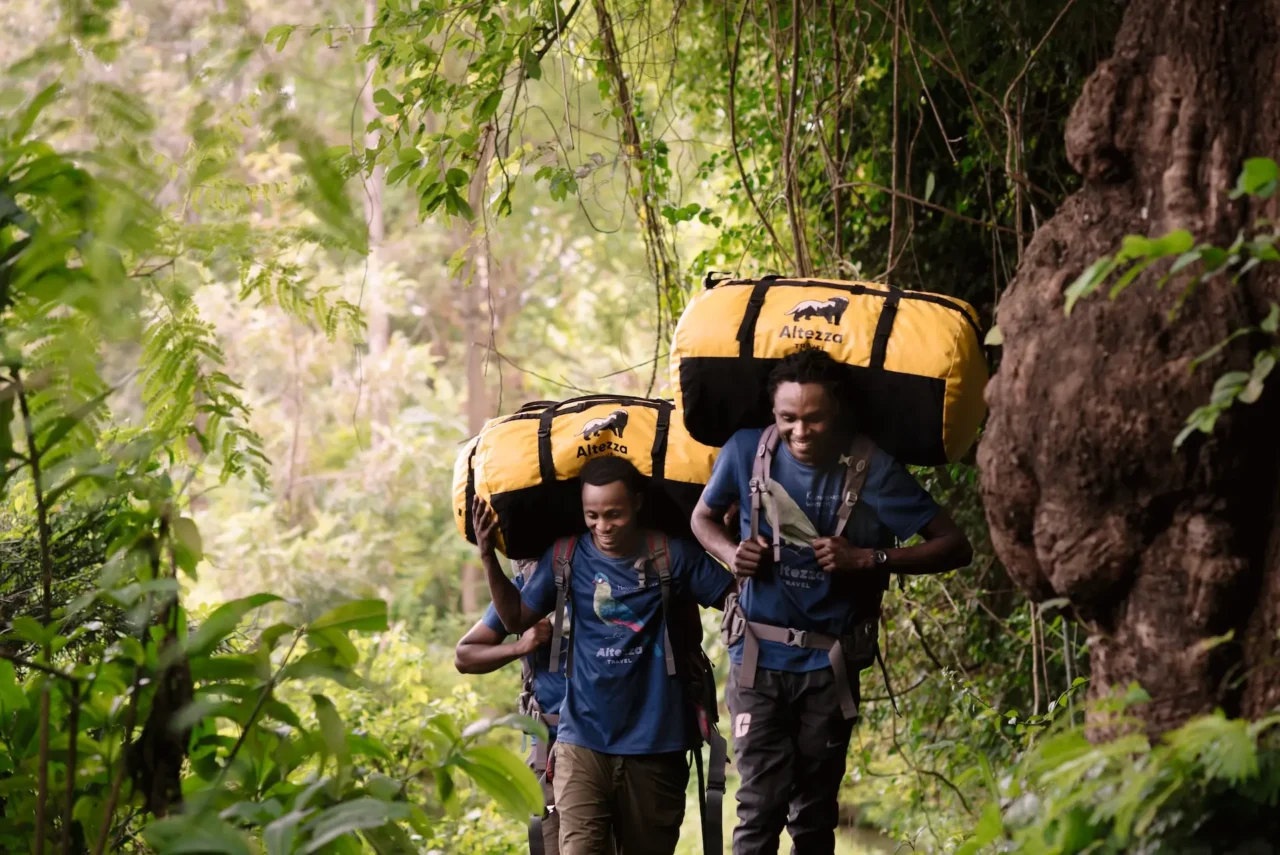
Porters are essential for carrying your gear, but they also provide crucial support during descents. They can help carry your backpack, provide a steadying arm, and assist in making the descent as comfortable and safe as possible. In cases of severe illness or injury, a team of porters might be mobilized to carry you down on a stretcher.
Communication Systems
Guides carry mobile phones and sometimes satellite phones (depending on the operator and route) for emergencies. They will use these to contact our base in Moshi and, if necessary, emergency services. While mobile reception can be intermittent on the mountain, it is usually available at lower altitudes and in specific spots higher up.
Emergency Evacuation
For serious medical emergencies, evacuation procedures are in place. This typically involves a team of porters carrying the individual to a point where a vehicle can access them, or in very critical cases, arranging for a helicopter evacuation (which is extremely expensive and usually covered by travel insurance). Top Guide Adventures works closely with park rangers and emergency services to facilitate any necessary evacuations.
Preventing the Need to Turn Back
While you cannot control every factor, several strategies can significantly reduce the likelihood of needing to turn back on Kilimanjaro.
Choose the Right Route
Some routes offer better acclimatization profiles than others. Routes like the Lemosho and Machame routes are popular because they follow the principle of ‘climb high, sleep low,’ which aids acclimatization. The Northern Circuit is the longest and offers the best acclimatization. Shorter routes like the Marangu (5-day option) and Rongai (5-day option) have higher AMS rates because they ascend too quickly.
For a 2026 or 2027 climb, consider opting for routes that are 7 days or longer. For example, the Machame Route (7 days) or the Lemosho Route (7 or 8 days) are excellent choices for acclimatization and success rates.
Acclimatize Properly
This is the single most important factor in preventing altitude sickness. Listen to your guides. Do not ascend too quickly. Ensure your chosen itinerary allows for sufficient days on the mountain (7-9 days is highly recommended). This allows your body to adapt to the decreasing oxygen levels gradually.
Stay Hydrated and Nourished
Drink plenty of water – aim for 3-4 liters per day. Dehydration can mimic AMS symptoms and exacerbate altitude sickness. Eat well, even if your appetite is reduced. High-carbohydrate meals are recommended at altitude. Your guides and porters will provide nutritious meals, but it’s up to you to eat them.
Pace Yourself
Walk ‘pole pole’ (slowly, slowly). This is a mantra on Kilimanjaro for a reason. A slow, steady pace conserves energy and allows your body to acclimatize more effectively. Rushing will lead to fatigue and increase the risk of AMS.
Listen to Your Body
Pay attention to any symptoms you experience. Report headaches, nausea, dizziness, or unusual fatigue to your guide immediately. Early detection and management of AMS symptoms are key to preventing them from becoming severe.
Physical Fitness
While you don’t need to be an elite athlete, good cardiovascular fitness is essential. Engage in regular aerobic exercise (hiking, running, cycling) in the months leading up to your climb. Focus on endurance rather than speed.
Pre-Climb Health Check
Consult your doctor before your trip. Discuss your plans and get a thorough check-up, especially if you have any pre-existing medical conditions. Your doctor can advise on any necessary precautions or medications.
Travel Insurance
Ensure your travel insurance covers high-altitude trekking and emergency medical evacuation. This is non-negotiable for a Kilimanjaro climb. Check the policy details carefully to understand coverage limits and exclusions.
What to Do If You Decide to Turn Back on Kilimanjaro: Practical Steps
If you are reading this, you might be contemplating the possibility of turning back, or you are already on the mountain and facing this decision. Here’s what to do:
- Communicate Immediately: Tell your lead guide exactly how you feel. Don’t wait.
- Be Honest: Describe your symptoms clearly and honestly. Don’t downplay them to avoid disappointing others or yourself.
- Follow Guide’s Advice: Trust your guide’s expertise. They are trained professionals focused on your safety.
- Prepare for Descent: Gather your essential personal items. Your guide and porters will assist with packing your main gear.
- Stay Hydrated (if possible): Continue to drink fluids during the descent, as advised by your guide.
- Descend Slowly and Carefully: Take your time. Use trekking poles for stability, especially on scree or uneven ground.
- Rest When Needed: Take short breaks during the descent if necessary, but avoid prolonged stops that could lead to chilling.
- Stay Warm: Wear layers and ensure you have waterproof outer gear. The temperature can change rapidly during descent.
When Is Descent Mandatory?
There are clear indicators when a trekker must descend, and the guide has the authority to enforce this for safety reasons. These include:
- Severe AMS Symptoms: Signs of HACE (confusion, ataxia) or HAPE (severe breathlessness, chest tightness, cough) require immediate descent.
- Inability to Walk: If you are too weak, dizzy, or injured to walk unassisted, even with support.
- Rapid Deterioration: If your condition worsens significantly despite attempts to manage it at the current altitude.
- Medical Emergencies: Any situation deemed a medical emergency by the guide.
In these situations, the guide’s decision is final. It is a critical part of their responsibility to ensure that no trekker is put at undue risk. This is a standard operating procedure for all reputable operators, including Top Guide Adventures, for climbs in 2026 and 2027.
Alternative Options if You Cannot Continue
If turning back means a full descent to the gate, but you are still capable of walking, here are some things to consider:
- Descend to a Lower Camp: If symptoms are mild, your guide might suggest descending to the previous camp to rest and acclimatize overnight before attempting to rejoin the group or continue if you feel better.
- Wait at a Lower Camp: If you are part of a private group and the decision is made for you to stop at a specific camp, your guide might stay with you while the rest of the group continues, and then accompany you down later. This is more common on longer, private treks.
- Transfer to a Different Route (Rare): In very rare and specific circumstances, and if feasible logistically and medically, a transfer to a lower altitude part of a different route might be considered, but this is highly improbable and complex.
- Rest and Recover in Moshi/Arusha: Once you are back in town, you can rest, recover, and enjoy the other attractions Tanzania has to offer.
What Happens to Your Gear and Belongings?
When you turn back on Kilimanjaro, your main duffel bag and any equipment left at the camps will be managed by the support crew. Your lead guide will coordinate with the remaining crew to ensure your belongings are safely brought down the mountain by the porters. They will be waiting for you at the park gate or brought back to your hotel in Moshi by the expedition manager.
Ensure you pack essentials for your descent in your daypack, such as water, snacks, warm layers, rain gear, and any personal medication. Your main gear will be handled by the crew.
The Psychological Aspect: Dealing with Disappointment
It’s natural to feel disappointed, frustrated, or even embarrassed if you have to turn back on Kilimanjaro. It’s a significant achievement just to attempt the climb, and the mountain is a formidable challenge. Here’s how to approach it:
- Acknowledge Your Feelings: Allow yourself to feel whatever emotions come up. It’s okay to be sad or frustrated.
- Focus on What You Achieved: You still climbed to a significant altitude, faced a challenging environment, and made a brave decision for your health. That is an accomplishment in itself.
- Remember Safety First: Your guide’s decision, or your decision to descend, was based on your health and safety. This is the most important outcome. A healthy return is always better than a summit attempt that ends in a medical emergency.
- Reframe the Experience: Think of it as a valuable learning experience. You’ve gained insight into your body’s response to altitude and the demands of high-altitude trekking.
- Plan for the Future: If you wish to try again, you can use this experience to plan a more successful climb in the future, perhaps choosing a longer route or focusing more on acclimatization techniques. Many people successfully summit on their second attempt after having to turn back on their first.
Kilimanjaro Routes and Their Impact on Turning Back
The choice of route significantly influences your acclimatization and, consequently, the likelihood of needing to turn back. Shorter, faster routes like the 5-day Marangu or Rongai routes ascend too rapidly, leading to higher rates of altitude sickness. For instance, the 5-day Marangu route has a summit success rate of around 60-70%, meaning up to 40% of trekkers might not make it, often due to altitude issues requiring them to turn back.
In contrast, longer routes that prioritize acclimatization show much higher success rates. The 7-day Machame route, for example, boasts success rates often exceeding 85-90%. The 8-day Lemosho or the 9-day Northern Circuit routes offer even better acclimatization and correspondingly higher success rates, minimizing the chances of having to turn back on Kilimanjaro.
When planning your climb for 2026 or 2027, consider the following:
- 7-Day Routes (e.g., Machame, Lemosho): A good balance of acclimatization and duration.
- 8-Day Routes (e.g., Lemosho, Northern Circuit): Excellent acclimatization, higher success rates, and a more relaxed pace.
- 9-Day Routes (e.g., Northern Circuit): The best acclimatization profile, offering the highest success rates and the lowest risk of altitude sickness.
Choosing a longer route with Top Guide Adventures means investing in a better chance of reaching the summit safely and reducing the possibility of needing to turn back on Kilimanjaro.
What Happens to Your Guides and Porters if You Turn Back?
If a trekker turns back, the guides and porters assigned to that trek will accompany them down. Their work does not end prematurely; their priority shifts to ensuring the safe descent of the client. They will continue to receive their wages for the duration of the trek as planned.
If the trekker needs to be evacuated and requires a significant support team for carrying, this work is part of their duties. Reputable companies like Top Guide Adventures ensure that all crew members are paid fairly for their time and effort, regardless of whether the summit is reached. Their professionalism means they will manage the situation calmly and efficiently.
Safety Protocols and Guide Training
The ability of guides to manage altitude sickness and make critical decisions is paramount. Guides at Top Guide Adventures undergo rigorous training, which includes:
- Wilderness First Aid and CPR: Certification in essential medical response.
- Altitude Sickness Management: Training in recognizing symptoms, using pulse oximeters, and implementing acclimatization protocols.
- Emergency Procedures: Knowing how to handle evacuations, communication, and emergency scenarios.
- Route Knowledge: Comprehensive understanding of the mountain, its weather patterns, and safe routes.
These protocols are constantly reviewed and updated to align with international best practices, ensuring that decisions about turning back on Kilimanjaro are always made with the client’s best interests at heart.
Can You Re-attempt Kilimanjaro After Turning Back?
Absolutely. Many trekkers who have had to turn back on a previous attempt successfully summit on a subsequent climb. If you decide to re-attempt Kilimanjaro, it’s an opportunity to:
- Choose a Longer Route: Opt for a 7, 8, or 9-day itinerary for better acclimatization.
- Focus on Training: Ensure your physical preparation is adequate.
- Listen More Closely to Your Body: Be even more attentive to early signs of altitude sickness.
- Consider a Private Climb: If group dynamics or pace were an issue, a private climb offers more flexibility.
When planning a re-attempt for 2026 or 2027, discuss your previous experience with your tour operator. They can offer tailored advice and help you select the best approach for a successful summit bid.
Final Thoughts: Safety Above All
The decision to turn back on Kilimanjaro is a difficult one, but it is a responsible one. The mountain is a serious undertaking, and respecting its power and your body’s limits is crucial. While the summit is the ultimate goal, your health and safety are the ultimate priorities. Top Guide Adventures is committed to ensuring that every trekker has the best possible chance of a safe and rewarding experience, whether that includes reaching the summit or making the wise decision to descend.
If you are planning a climb for 2026 or 2027 and have concerns or questions about altitude, safety, or what happens if you need to turn back on Kilimanjaro, please do not hesitate to contact us. We are here to help you prepare thoroughly for your adventure.
Contact us:
- WhatsApp: +255616946642
- Email: topguideadventures@gmail.com
- Backup Email: info@topguideadventures.com
We look forward to helping you plan your unforgettable Kilimanjaro adventure!
Check Availability for What Happens If You Turn Back On Kilimanjaro? Your Options And Consequences
Ready to compare dates, prices, and the best option for your group? Send the package name and travel month so the team can reply with a clear quote, availability, and what is included.
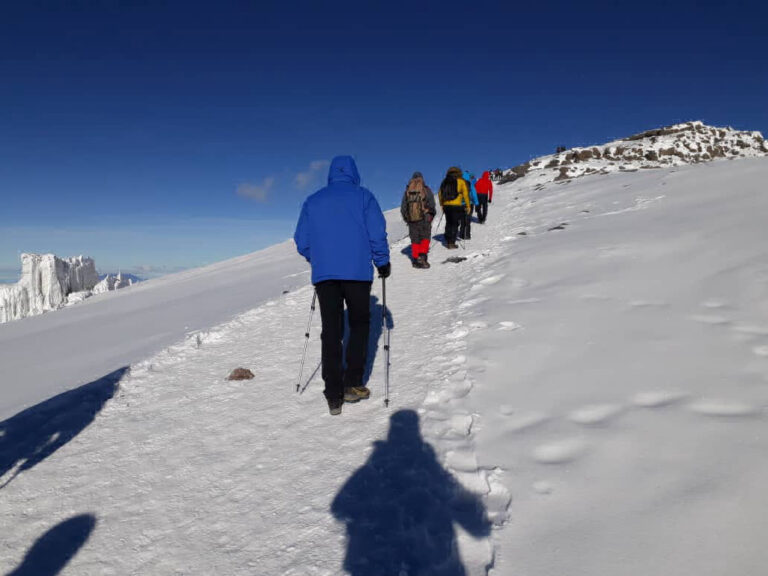
What Happens At Mweka Gate After Your Kilimanjaro Climb? 2026-2027
Your Kilimanjaro adventure culminates at Mweka Gate. Learn about the descent, certificate ceremony, post-climb celebrations, and what to expect logistically upon reaching the base.
View package details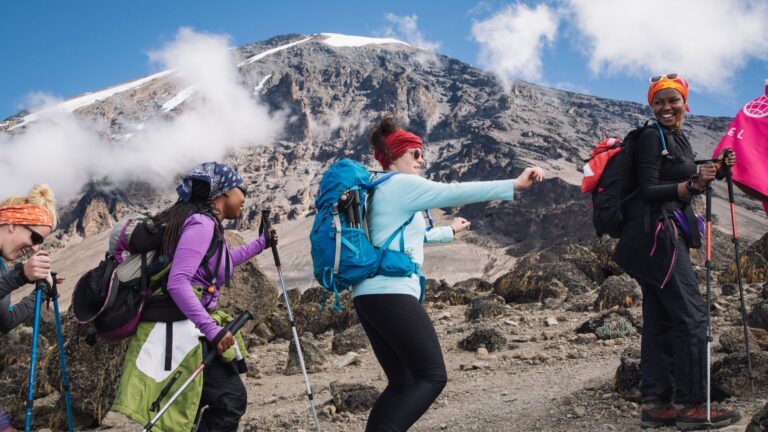
What Happens During A Kilimanjaro Medical Evacuation? 2026-2027
What Happens during a Kilimanjaro Medical Evacuation? is explained with current 2026-2027 planning, price, itinerary and booking information.
View package details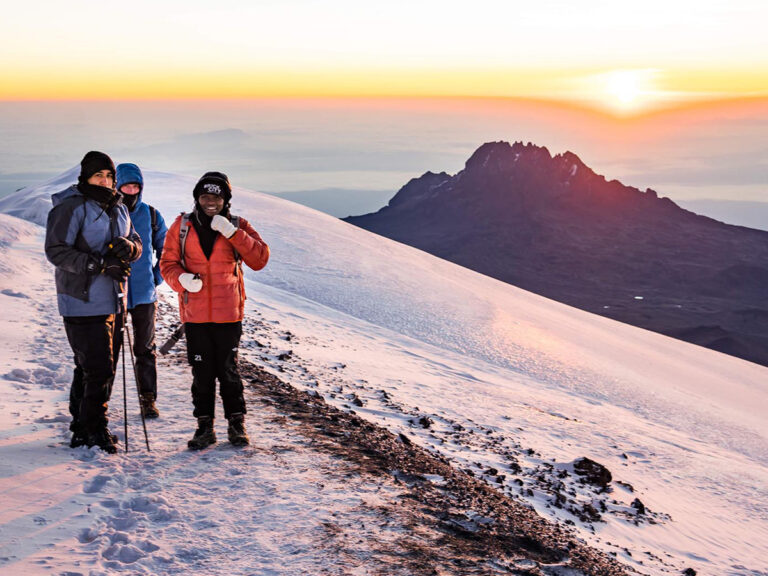
What Happens If Your Flight To Kilimanjaro Is Delayed? 2026-2027
What Happens If Your Flight to Kilimanjaro Is Delayed? is explained with current 2026-2027 planning, price, itinerary and booking information.
View package details
What Happens If You Cannot Summit Kilimanjaro? Planning For Success 2026-2027
Climbing Kilimanjaro is a dream for many, but not everyone reaches the summit. This comprehensive guide explains what happens if you cannot summit Kilimanjaro, covering safety, logistics...
View package details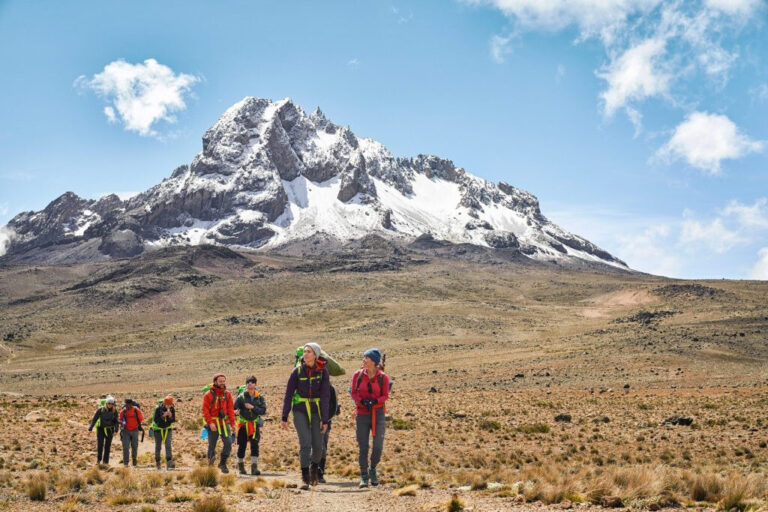
What Happens If Your Kilimanjaro Group Does Not Form? | Top Guide Adventures
If your planned Kilimanjaro group doesn't materialize, Top Guide Adventures offers flexible options including joining an existing group, a private climb, or exploring alternative dates for...
View package details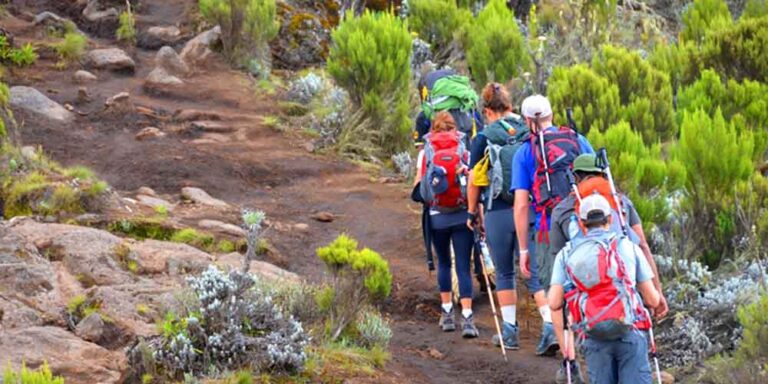
What Happens To Human Waste On Kilimanjaro? Managing On Africas Highest Peak
Human waste on Kilimanjaro is managed through a system of collection and removal, primarily using portable toilets and waste bags, to protect the mountain's fragile ecosystem. This guide...
View package details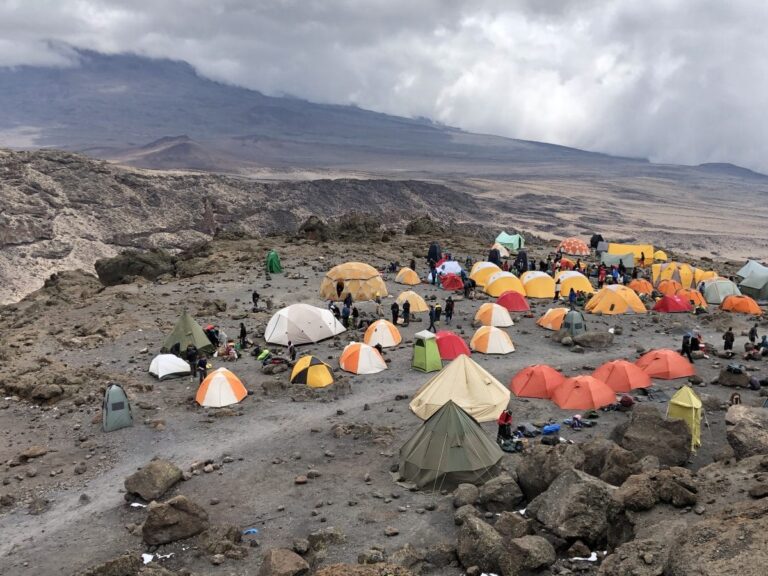
Can You See Elephants On Kilimanjaro? What Wildlife To Expect 2026-2027
While the iconic image of Mount Kilimanjaro is one of snow-capped peaks and challenging ascents, many prospective climbers also wonder about the wildlife they might encounter. Specifically...
View package details
How Crowded Is Uhuru Peak At Sunrise? What To Expect On Kilimanjaro 2026-2027
Climbing Kilimanjaro to witness the sunrise from Uhuru Peak is a dream for many. But how crowded is it, especially during peak season? This guide details what to expect, offering practical...
View package details
What Is The Kilimanjaro Summit Sign Like? Your Complete Guide 2026-2027
The Kilimanjaro summit sign is a recognizable metal signpost at Uhuru Peak, marking the highest point on the continent. Reaching it signifies the culmination of a challenging trek, offering...
View package details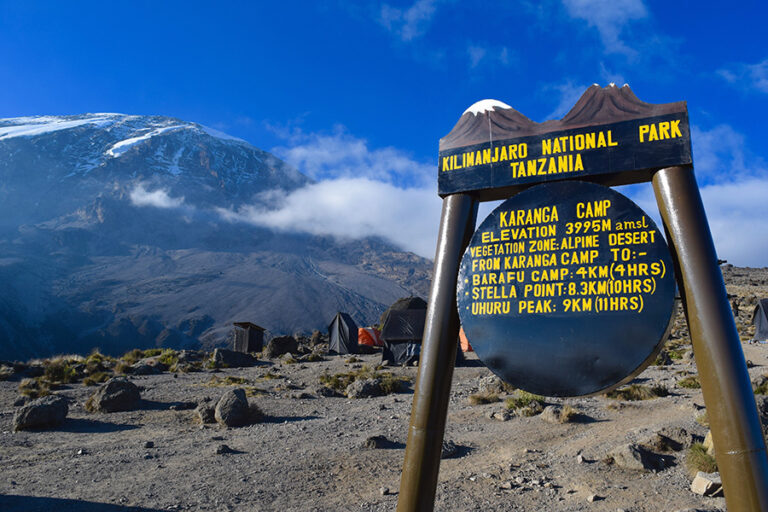
What Is Kosovo Camp On Kilimanjaro? 2026-2027
What Is Kosovo Camp on Kilimanjaro? is explained with current 2026-2027 planning, price, itinerary and booking information.
View package details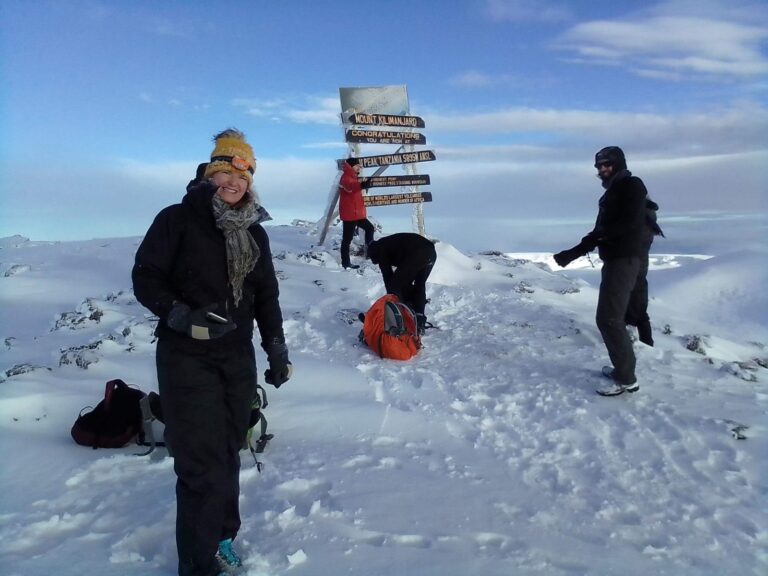
What Happens If You Lose Your Passport In Moshi? Guide
Losing your passport in Moshi, Tanzania, while on safari or climbing Kilimanjaro can be stressful. This guide outlines the immediate steps, required documents, embassy procedures, and...
View package details
What Can Non-Climbers Do Near Kilimanjaro? Explore Tanzanias Wonders 2026-2027
While Mount Kilimanjaro draws adventurers for its summit, the surrounding region offers a wealth of experiences for those who prefer to stay at lower altitudes. From thrilling wildlife...
View package detailsNo related package matches those filters. Clear one or more filters to see the other topic-matched options.



