
A Kilimanjaro medical evacuation involves assessing a climber’s health issue, initiating communication with rescue teams and medical personnel, and then transporting the individual to a lower altitude or a medical facility via the most appropriate method, which can range from assisted walking with guides to using a stretcher, a specialized stretcher carried by porters, a helicopter, or a 4×4 vehicle, depending on the severity of the condition and location on the mountain.
Understanding Kilimanjaro Medical Evacuations: A Comprehensive Overview
Climbing Mount Kilimanjaro is an incredible adventure, a journey that tests physical and mental endurance against the backdrop of impressive landscapes. While most climbers successfully reach Uhuru Peak and return safely, the reality of high-altitude trekking means that medical emergencies can and do occur. For any prospective climber, understanding what happens during a Kilimanjaro medical evacuation is not just a matter of curiosity, but a critical component of responsible planning and preparation. This guide, brought to you by Top Guide Adventures, aims to demystify the process, outline the procedures, and highlight the importance of choosing a reputable tour operator dedicated to your safety.
The primary goal of any medical evacuation on Kilimanjaro is to quickly and safely remove a climber from a dangerous altitude or situation to receive appropriate medical attention. This can be triggered by a range of issues, from acute mountain sickness (AMS) to more severe conditions like high-altitude cerebral edema (HACE), high-altitude pulmonary edema (HAPE), or even injuries from falls. Knowing the protocols, potential costs, and the role of your trekking company can significantly alleviate anxiety and ensure you are well-prepared for the unexpected during your 2026 or 2027 climb.
The Crucial First Steps: Recognizing and Reporting a Medical Issue
The moment a climber begins to feel unwell, or a guide observes concerning symptoms, the process of a potential Kilimanjaro medical evacuation begins. Early recognition and prompt reporting are paramount.
Recognizing Symptoms of Altitude Sickness
The most common reason for evacuation on Kilimanjaro is Acute Mountain Sickness (AMS). AMS is the body’s reaction to the lower oxygen levels at higher altitudes. Symptoms can manifest between 6-24 hours after ascending to a higher elevation and can include:
- Headache (often the first and most common symptom)
- Nausea and vomiting
- Dizziness or lightheadedness
- Fatigue and weakness
- Loss of appetite
- Difficulty sleeping
While mild AMS can often be managed by resting at the current altitude, acclimatizing, or descending a few hundred meters, more severe forms require immediate action. Two life-threatening conditions can develop from untreated AMS:
- High-Altitude Cerebral Edema (HACE): This is a severe form of AMS where the brain swells due to altitude. Symptoms include severe headache, confusion, loss of coordination (ataxia), altered mental state, drowsiness, and in severe cases, coma. HACE is a medical emergency requiring immediate descent.
- High-Altitude Pulmonary Edema (HAPE): This occurs when fluid accumulates in the lungs, making breathing difficult. Symptoms include shortness of breath (even at rest), a persistent cough (which may produce frothy or pink sputum), chest tightness, extreme fatigue, and a blueish tint to the lips or fingernails (cyanosis). HAPE is also a medical emergency requiring immediate descent.
The Guide’s Role in Symptom Assessment
Your lead guide is your first line of defense and is highly trained to recognize the signs and symptoms of altitude sickness and other medical emergencies. They conduct daily health checks, asking each climber about their well-being, checking for headaches, nausea, appetite, and energy levels. They also observe your physical condition and coordination during the trek. This constant monitoring is essential for early detection. If a guide suspects a climber is suffering from more than mild AMS, they will take immediate action, which might include:
- Administering oxygen if available and appropriate for the condition.
- Advising medication (like Diamox, if prescribed and carried by the climber).
- Recommending rest at the current altitude.
- Suggesting or ordering an immediate descent.
Communicating the Emergency
Once a guide determines that a climber’s condition warrants a potential evacuation, swift communication is key. Guides are equipped with satellite phones or radios to contact our operations office in Moshi. This initial call provides:
- The climber’s name and the nature of the suspected condition.
- The climber’s current location on the mountain (e.g., specific camp, trail section, altitude).
- The immediate plan of action (e.g., resting, descending).
Our operations team then springs into action, coordinating with emergency services, rescue teams, and potentially air evacuation providers. This communication chain is vital for a timely and effective response to any Kilimanjaro medical evacuation scenario.
Key Takeaway: Early Reporting is Crucial
Never downplay your symptoms. Be honest with your guide about how you are feeling. Early reporting of symptoms is the single most important factor in preventing a minor altitude issue from becoming a serious emergency requiring a full Kilimanjaro medical evacuation.
The Evacuation Process: From Assessment to Rescue
When an evacuation is deemed necessary, a structured process ensures the climber’s safety and efficient removal from the mountain. The specific steps and methods employed depend heavily on the climber’s condition, location, and the prevailing weather conditions.
On-Mountain Assessment and Decision Making
The lead guide, often in consultation with other guides and potentially a medic if one is part of a larger group, makes the critical decision to initiate an evacuation. This decision is based on:
- Symptom Severity: The intensity and progression of symptoms.
- Response to Treatment: Whether symptoms improve with rest, oxygen, or descent.
- Risk Assessment: The potential for the condition to worsen at higher altitudes.
- Climber’s Condition: Overall physical state, consciousness, and ability to move.
If the condition is stable and symptoms are mild, a slow descent might be sufficient. However, for more serious conditions like HACE or HAPE, or when a climber is incapacitated, a rapid evacuation is required.
Types of Evacuation Methods
Kilimanjaro has a well-established rescue infrastructure, but the remoteness and terrain mean that different methods are used:
- Assisted Descent: For climbers who are weak but still mobile, guides will help them walk down the mountain, often with a slower pace and frequent breaks. This is the most common form of ‘evacuation’ for mild to moderate AMS.
- Stretcher Evacuation: If a climber cannot walk, they will be placed on a stretcher. This can be a standard stretcher or a specialized “mountain stretcher” designed for rough terrain. This method requires a team of strong porters to carry the stretcher, which is a physically demanding task. This is often used for falls or severe incapacitation on sections of the trail where vehicle access is impossible.
- Porter-Assisted Evacuation: For less severe cases where a stretcher isn’t needed but the climber requires significant support, a team of porters can assist in walking the climber down.
- 4×4 Vehicle Extraction: The lower sections of Kilimanjaro’s routes, particularly near Marangu Gate and Mweka Gate, are accessible by 4×4 vehicles. If a climber can be brought down to a point where a vehicle can reach them, this is often the quickest method to get them off the mountain and towards medical facilities. This is a common final step for many evacuations.
- Helicopter Evacuation: This is the fastest but most expensive option. Helicopters are typically used for severe medical emergencies or when a climber is located in a particularly inaccessible area. They can land at designated points or hover to winch a climber to safety. This service is usually coordinated through specialized air rescue companies and requires good weather conditions. The Kilimanjaro National Park has a dedicated rescue helicopter, which can be deployed for emergencies.
The Role of Park Rangers and Rescue Teams
Kilimanjaro National Park has a dedicated rescue team, often comprising park rangers and trained personnel. They are instrumental in coordinating and executing evacuations, especially those requiring stretchers or helicopter support. When Top Guide Adventures reports an emergency, we work closely with the park authorities to ensure the rescue operation is efficient and effective. They are experienced in navigating the mountain’s complex terrain and managing emergencies.
Coordination with Tour Operators
As your dedicated tour operator, Top Guide Adventures plays a central role in managing the Kilimanjaro medical evacuation process. Our operations team in Moshi is the central hub. Upon receiving a call from the mountain, they:
- Contact the Kilimanjaro National Park (KINAPA) rescue services.
- Arrange for necessary ground transport (4×4 vehicles) to meet the climber at the nearest gate.
- If necessary, arrange for the specialized stretcher teams or coordinate with helicopter services.
- Communicate with the climber’s emergency contact (if applicable and with permission).
- Ensure the climber is transferred to the appropriate medical facility for further treatment.
Our commitment is to ensure that every step of the evacuation process is handled with professionalism and urgency, prioritizing the climber’s well-being above all else.
Medical Evacuation Costs: What to Expect and How to Prepare
The cost associated with a Kilimanjaro medical evacuation can vary significantly, and it’s a crucial aspect of trip planning that climbers must understand. While tour operators strive to manage these situations efficiently, some costs are typically borne by the individual climber.
Factors Influencing Evacuation Costs
The final cost depends on several variables:
- Method of Evacuation: Assisted walking is generally included in your tour package. Stretcher evacuations involving porter teams may incur additional fees for porter services. Helicopter evacuations are the most expensive, often costing several thousand US dollars per hour or per rescue operation. 4×4 vehicle transfers from the gate to a clinic or hospital are usually a separate charge.
- Location on the Mountain: The further up the mountain the evacuation starts, the more complex and costly the operation will be.
- Medical Facility Fees: Once off the mountain, the climber will be responsible for any medical consultations, treatments, medications, or hospital stays.
- Insurance Coverage: The extent to which your travel insurance covers emergency medical evacuation and repatriation.
Typical Costs (Estimates for 2026-2027)
It’s important to note that these are estimates, and actual costs can fluctuate. For 2026 and 2027 expeditions, climbers should budget for the following potential expenses:
- Assisted Descent/Basic Porter Support: Often included in reputable tour operator packages, but significant porter teams for complex stretcher rescues could add $100 – $500+.
- 4×4 Vehicle Transfer: From Marangu or Mweka gates to a local clinic or hospital in Moshi can range from $50 – $200, depending on distance and vehicle type.
- Helicopter Evacuation: This is the most significant potential cost. Prices can range from $3,000 to $10,000+ for a single rescue, depending on the provider and duration of the operation. These costs are often covered by specialized travel insurance.
- Medical Treatment: Costs for consultations, medication, and hospital stays in Moshi vary but can range from $50 to $500+ per day, depending on the required care.
The Importance of Travel Insurance
Adequate travel insurance is non-negotiable for any Kilimanjaro climb. Top Guide Adventures strongly advises all clients to secure comprehensive travel insurance that specifically covers:
- Emergency Medical Evacuation: This should cover costs for rescue from the mountain, including helicopter services if necessary, and transport to the nearest appropriate medical facility. Look for policies with high coverage limits for evacuation (e.g., $100,000 or more).
- Repatriation: Coverage for transport back to your home country if you require further medical treatment.
- Medical Expenses: Coverage for treatment received at hospitals and clinics.
- Trip Cancellation/Interruption: In case you are unable to complete your climb due to illness or injury.
Ensure you read the policy details carefully, paying attention to altitude limits and any exclusions. We can recommend insurance providers that are familiar with Kilimanjaro expeditions, but the ultimate responsibility lies with the climber to secure adequate coverage.
What Top Guide Adventures Covers
When you book with Top Guide Adventures, your expedition package includes the services of our trained guides, porters, and crew, who are equipped to handle initial assessments and assisted descents. We manage the coordination of rescues with park authorities and arrange for the initial stages of evacuation, including communication and organizing ground transport from the park gates to local medical facilities. We do not cover the direct costs of helicopter evacuations or extensive medical treatments, as these are typically handled by the climber’s insurance. Our role is to ensure a swift and organized response on the ground and to facilitate the rescue process.
Estimated Costs for Kilimanjaro Medical Evacuation (2026-2027)
| Service | Estimated Cost (USD) | Typical Coverage |
|---|---|---|
| Assisted Descent / Basic Porter Support | Often included; complex stretcher rescues: $100 – $500+ | Tour Operator / Insurance |
| 4×4 Vehicle Transfer (Gate to Clinic) | $50 – $200 | Climber / Insurance |
| Helicopter Evacuation | $3,000 – $10,000+ | Primarily Travel Insurance |
| Local Medical Treatment/Hospital Stay | $50 – $500+ per day | Climber / Insurance |
Note: These are estimates for 2026-2027. Always verify with your insurance provider and tour operator.
Preventing the Need for Evacuation: Proactive Safety Measures
While understanding the Kilimanjaro medical evacuation process is essential, the best strategy is always prevention. Top Guide Adventures prioritizes safety by implementing robust protocols and advising climbers on best practices.
Choosing the Right Route and Duration
The success of a Kilimanjaro climb hinges on acclimatization. Longer routes generally offer better acclimatization profiles, significantly reducing the risk of altitude sickness.
- Longer Routes (8-9 days): Routes like the Lemosho, Machame, and Northern Circuit are highly recommended for their superior acclimatization schedules. They involve a gradual ascent, allowing your body more time to adjust to the thinning air. Climbers on these routes have a substantially higher success rate and a lower incidence of severe altitude sickness requiring evacuation.
- Shorter Routes (6-7 days): Routes like Marangu and Umbwe (especially the 6-day Marangu) ascend more rapidly, increasing the risk of AMS. While still possible, these routes demand better personal acclimatization and fitness.
For your 2026 or 2027 climb, consider prioritizing a longer itinerary for a safer and more enjoyable experience. For example, the 9-day Lemosho route offers an excellent balance of scenery and acclimatization.
Gradual Ascents and Acclimatization Hikes
Your guides will adhere to the principle of “pole pole” (slowly, slowly) and “climb high, sleep low” where possible. This means:
- Pacing: Maintaining a slow, steady pace is crucial. Rushing can lead to exhaustion and exacerbate altitude sickness.
- Acclimatization Dumps: On longer routes, guides will often plan for days where you ascend to a higher altitude during the day for acclimatization and then descend to a lower camp to sleep.
- Hydration: Drinking plenty of fluids (water, herbal teas) is vital for acclimatization and preventing dehydration, which can mimic AMS symptoms. Aim for 3-4 liters per day.
- Nutrition: Eating well, even when appetite is reduced, provides the energy needed to cope with altitude. High-carbohydrate meals are generally recommended.
The Role of Guides and Crew
Top Guide Adventures employs experienced, certified guides who are trained in high-altitude medicine and wilderness first aid. They are your primary resource for staying safe. They monitor your health daily, manage your pace, and make critical decisions regarding your well-being on the mountain. Our entire crew, including porters, is trained to assist in emergencies and to support evacuation efforts when needed.
Personal Preparation and Health
Before you even set foot on Kilimanjaro, preparation is key:
- Medical Consultation: Consult your doctor about high-altitude travel. Discuss any pre-existing conditions and ask about preventative medications like Acetazolamide (Diamox).
- Fitness: While Kilimanjaro is not a technical climb, good cardiovascular fitness is essential. Train with hiking, running, or cycling in the months leading up to your trip.
- Packing: Bring a comprehensive personal first-aid kit, including any prescribed medications, pain relievers, and blister treatment.
- Mental Preparedness: Understand the risks and challenges of high-altitude trekking. A positive and resilient mindset is a powerful tool.
Your Pre-Climb Safety Checklist
- Consult your doctor about high-altitude travel and potential medications.
- Secure comprehensive travel insurance covering emergency medical evacuation and repatriation.
- Choose a longer route (8-9 days) for better acclimatization.
- Pack a personal first-aid kit with necessary medications.
- Focus on cardiovascular fitness in the months before your climb.
- Understand the symptoms of AMS, HACE, and HAPE and be prepared to report them immediately.
- Commit to a slow, steady pace (“pole pole”) throughout the climb.
- Stay well-hydrated and eat nutritious meals.
What to Do if You Need Evacuation: A Climber’s Guide
If you find yourself in a situation where you need medical evacuation from Kilimanjaro, staying calm and following instructions is paramount. Your guides are there to manage the situation, but your cooperation is vital.
Immediate Actions for the Climber
If you are experiencing significant symptoms:
- Inform Your Guide Immediately: Do not wait. Tell your guide exactly how you feel, even if you think it’s minor. Describe your symptoms clearly – headache, nausea, dizziness, shortness of breath, coordination issues.
- Stop Moving: Do not try to push yourself further up the mountain. Rest where you are and await instructions.
- Do Not Descend Alone: Never attempt to descend the mountain by yourself. Always wait for your guide and the support crew.
- Stay Calm: Panicking can worsen symptoms and make decision-making difficult. Trust your guide’s expertise.
Cooperating with the Rescue Team
Once the decision for evacuation is made, you will need to cooperate fully with your guides and any rescue personnel involved:
- Follow Instructions: Listen carefully to your guide’s directions regarding movement, hydration, and rest.
- Assist as Able: If you are able to walk, you will be assisted by guides and possibly porters. If you are unable to walk, you will be placed on a stretcher.
- Communicate Your Needs: If you feel your condition changing or have specific needs (e.g., medication, comfort), communicate this to your guide.
- Be Patient: Evacuations can take time, especially if complex logistics like stretcher teams or helicopter coordination are involved.
Providing Necessary Information
You may be asked for information by your guide or rescue personnel. Be prepared to provide:
- Your Name and Group Details
- Your Insurance Policy Number and Emergency Contact Information
- Details of Your Symptoms and When They Began
Your guide will relay this information to the Top Guide Adventures operations team, who will then liaise with park authorities and medical services. This ensures a smooth handover and continuity of care during the Kilimanjaro medical evacuation.
Post-Evacuation Procedures and Medical Follow-Up
Once you have been safely evacuated from the mountain, the process doesn’t necessarily end. Receiving appropriate medical care and understanding the next steps are crucial for recovery.
Transfer to Medical Facilities
Depending on the severity of your condition and the location of the evacuation point, you will be transferred to either:
- Local Clinics in Moshi: For less severe cases, a clinic in Moshi may provide initial assessment and treatment.
- Hospitals in Moshi: For more serious conditions, you will be taken to a hospital in Moshi, such as the Kilimanjaro Christian Medical Centre (KCMC) or Mawenzi Regional Hospital, which offer a higher level of medical care.
- Referral to Higher Facilities: In very rare and complex cases, you might be referred to specialized hospitals in Arusha or even further afield, depending on your insurance coverage and the medical advice.
Liaising with Your Insurance Provider
This is where your travel insurance becomes critical. You or a designated contact person should:
- Notify Your Insurer Immediately: Contact your insurance company as soon as possible to report the evacuation and the need for medical treatment.
- Provide Documentation: Keep all medical reports, receipts, and bills. Your insurer will require these for processing your claim.
- Follow Their Guidance: Your insurer may have preferred medical providers or specific procedures they want you to follow.
Top Guide Adventures can assist by providing any necessary documentation from our end, such as expedition details or confirmation of the evacuation event, to support your insurance claim.
Recovery and Repatriation
Your recovery plan will be determined by medical professionals. Depending on your condition, you may need a few days of rest in Moshi before you are fit to travel home, or you may require immediate repatriation if your condition is severe and cannot be treated locally. Your insurance policy should cover repatriation costs if deemed medically necessary.
Continuing Support from Top Guide Adventures
Even after you’ve been evacuated, Top Guide Adventures remains committed to your well-being. We will check in on your condition, offer support in liaising with authorities or medical facilities, and assist with any necessary administrative tasks related to your expedition. Our goal is to ensure you receive the care you need and to help facilitate your journey home as smoothly as possible following an incident requiring a Kilimanjaro medical evacuation.
Frequently Asked Questions About Kilimanjaro Medical Evacuations
Here are answers to some common questions prospective climbers have regarding medical evacuations on Kilimanjaro for their 2026-2027 expeditions:
Q1: How common are medical evacuations on Kilimanjaro?
Medical evacuations are not extremely common, but they do happen. The vast majority of climbers complete their treks without incident. However, altitude sickness is a significant risk, and evacuations due to AMS, HACE, or HAPE are the most frequent reasons. Injuries from falls are less common but also occur. Choosing a reputable operator like Top Guide Adventures and a longer route significantly reduces the risk.
Q2: Does my tour package with Top Guide Adventures include evacuation costs?
Our standard tour packages include the services of our highly trained guides and crew to manage the initial stages of an evacuation, including assisted descents and coordination with park rescue services. The direct costs of specialized evacuations like helicopter rescues or extensive medical treatments are NOT included in our package prices. These costs are typically covered by your comprehensive travel insurance. We ensure prompt assistance and coordination to get you the help you need.
Q3: What is the difference between a rescue and an evacuation?
While often used interchangeably, a ‘rescue’ might refer to the operation of getting a person out of a dangerous situation or location on the mountain. An ‘evacuation’ typically implies the subsequent transport to a medical facility for assessment and treatment. On Kilimanjaro, the rescue operation often directly leads to the medical evacuation.
Q4: Can I be evacuated by helicopter from any point on Kilimanjaro?
Helicopter evacuations are subject to weather conditions and the availability of landing or winch-capable zones. While Kilimanjaro National Park has a rescue helicopter, it cannot land everywhere due to steep terrain and altitude. Evacuations are usually coordinated to accessible points or designated clearings. If weather prevents helicopter use, ground-based evacuation methods (stretcher, 4×4) will be employed.
Q5: What should I do if I feel sick on Kilimanjaro?
The most important thing is to tell your guide immediately. Be honest about your symptoms, no matter how minor they seem. Your guide is trained to assess your condition and will advise on the best course of action, which could range from rest and medication to an immediate descent. Never try to hide your symptoms or push through severe discomfort.
Q6: How much money should I budget for potential evacuation costs in 2026-2027?
While specific costs vary, helicopter evacuations can easily run into thousands of dollars. It is essential to have travel insurance that covers at least $100,000 USD for emergency medical evacuation. For ground transfers and potential local medical care, budgeting an additional $500 – $1,000 USD for out-of-pocket expenses is advisable, though this is highly dependent on your specific situation and insurance coverage.
Your Safety is Our Priority: Partner with Top Guide Adventures
Climbing Mount Kilimanjaro is an adventure of a lifetime, and at Top Guide Adventures, we are dedicated to making that adventure as safe and rewarding as possible. We understand the potential risks associated with high-altitude trekking and have implemented comprehensive safety protocols to mitigate them. From selecting the best routes with optimal acclimatization profiles for your 2026 or 2027 climb to employing highly trained guides and ensuring clear communication channels, your well-being is at the forefront of our operations.
Knowing what happens during a Kilimanjaro medical evacuation, understanding the preventative measures, and being prepared for contingencies provides peace of mind. We encourage all our clients to secure robust travel insurance and to communicate openly with their guides about their health throughout the trek. Our team is committed to providing support not just during the climb, but also in managing any unforeseen emergencies, including facilitating the evacuation process and liaising with necessary authorities.
Ready to plan your Kilimanjaro adventure with a team that prioritizes your safety? Contact us today to discuss your climb and learn more about our commitment to responsible and secure trekking experiences.
For inquiries or to start planning your 2026-2027 Kilimanjaro expedition, reach out to us:
- WhatsApp: +255616946642
- Email: topguideadventures@gmail.com
- Backup Email: info@topguideadventures.com
Visit our website www.topguideadventures.com to explore our itineraries and learn more about our services. Follow us on Instagram @top_guide_adventures for inspiring travel content and updates.
“,
“faq_schema”: [
{
“question”: “How common are medical evacuations on Kilimanjaro?”,
“answer”: “Medical evacuations are not extremely common, but they do happen. The vast majority of climbers complete their treks without incident. However, altitude sickness is a significant risk, and evacuations due to AMS, HACE, or HAPE are the most frequent reasons. Injuries from falls are less common but also occur. Choosing a reputable operator like Top Guide Adventures and a longer route significantly reduces the risk.”
},
{
“question”: “Does my tour package with Top Guide Adventures include evacuation costs?”,
“answer”: “Our standard tour packages include the services of our highly trained guides and crew to manage the initial stages of an evacuation, including assisted descents and coordination with park rescue services. The direct costs of specialized evacuations like helicopter rescues or extensive medical treatments are NOT included in our package prices. These costs are typically covered by your comprehensive travel insurance. We ensure prompt assistance and coordination to get you the help you need.”
},
{
“question”: “What is the difference between a rescue and an evacuation?”,
“answer”: “While often used interchangeably, a ‘rescue’ might refer to the operation of getting a person out of a dangerous situation or location on the mountain. An ‘evacuation’ typically implies the subsequent transport to a medical facility for assessment and treatment. On Kilimanjaro, the rescue operation often directly leads to the medical evacuation.”
},
{
“question”: “Can I be evacuated by helicopter from any point on Kilimanjaro?”,
“answer”: “Helicopter evacuations are subject to weather conditions and the availability of landing or winch-capable zones. While Kilimanjaro National Park has a rescue helicopter, it cannot land everywhere due to steep terrain and altitude. Evacuations are usually coordinated to accessible points or designated clearings. If weather prevents helicopter use, ground-based evacuation methods (stretcher, 4×4) will be employed.”
},
{
“question”: “What should I do if I feel sick on Kilimanjaro?”,
“answer”: “The most important thing is to tell your guide immediately. Be honest about your symptoms, no matter how minor they seem. Your guide is trained to assess your condition and will advise on the best course of action, which could range from rest and medication to an immediate descent. Never try to hide your symptoms or push through severe discomfort.”
},
{
“question”: “How much money should I budget for potential evacuation costs in 2026-2027?”,
“answer”: “While specific costs vary, helicopter evacuations can easily run into thousands of dollars. It is essential to have travel insurance that covers at least $100,000 USD for emergency medical evacuation. For ground transfers and potential local medical care, budgeting an additional $500 – $1,000 USD for out-of-pocket expenses is advisable, though this is highly dependent on your specific situation and insurance coverage.”
}
]
}
“`
Check Availability for What Happens During A Kilimanjaro Medical Evacuation? 2026-2027
Ready to compare dates, prices, and the best option for your group? Send the package name and travel month so the team can reply with a clear quote, availability, and what is included.
What Happens At Mweka Gate After Your Kilimanjaro Climb? 2026-2027
Your Kilimanjaro adventure culminates at Mweka Gate. Learn about the descent, certificate ceremony, post-climb celebrations, and what to expect logistically upon reaching the base.
View package details
What Happens If Your Flight To Kilimanjaro Is Delayed? 2026-2027
What Happens If Your Flight to Kilimanjaro Is Delayed? is explained with current 2026-2027 planning, price, itinerary and booking information.
View package details
What Happens If You Turn Back On Kilimanjaro? Your Options And Consequences
If you decide to turn back on Kilimanjaro, your climb ends, and you'll be escorted down the mountain. This guide details the process, health implications, financial impact, and alternative...
View package details
What Happens If You Cannot Summit Kilimanjaro? Planning For Success 2026-2027
Climbing Kilimanjaro is a dream for many, but not everyone reaches the summit. This comprehensive guide explains what happens if you cannot summit Kilimanjaro, covering safety, logistics...
View package details
What Happens If Your Kilimanjaro Group Does Not Form? | Top Guide Adventures
If your planned Kilimanjaro group doesn't materialize, Top Guide Adventures offers flexible options including joining an existing group, a private climb, or exploring alternative dates for...
View package details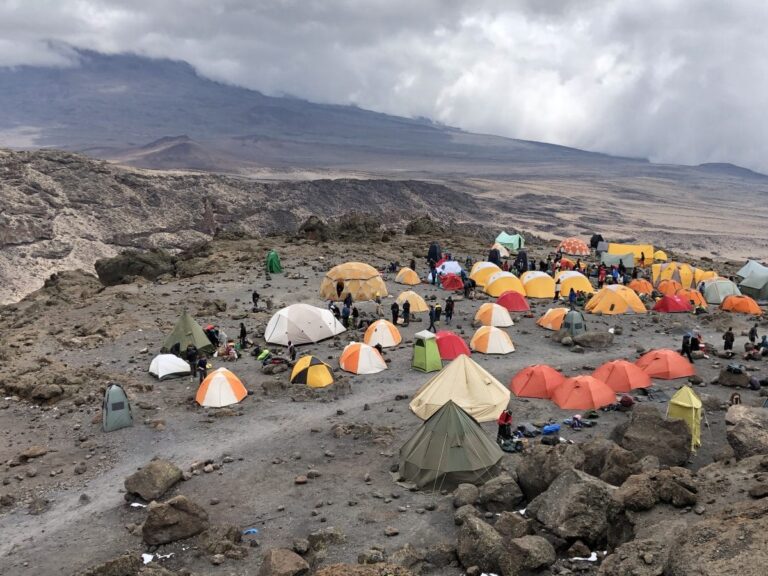
Can You See Elephants On Kilimanjaro? What Wildlife To Expect 2026-2027
While the iconic image of Mount Kilimanjaro is one of snow-capped peaks and challenging ascents, many prospective climbers also wonder about the wildlife they might encounter. Specifically...
View package details
How Crowded Is Uhuru Peak At Sunrise? What To Expect On Kilimanjaro 2026-2027
Climbing Kilimanjaro to witness the sunrise from Uhuru Peak is a dream for many. But how crowded is it, especially during peak season? This guide details what to expect, offering practical...
View package details
What Is The Kilimanjaro Summit Sign Like? Your Complete Guide 2026-2027
The Kilimanjaro summit sign is a recognizable metal signpost at Uhuru Peak, marking the highest point on the continent. Reaching it signifies the culmination of a challenging trek, offering...
View package details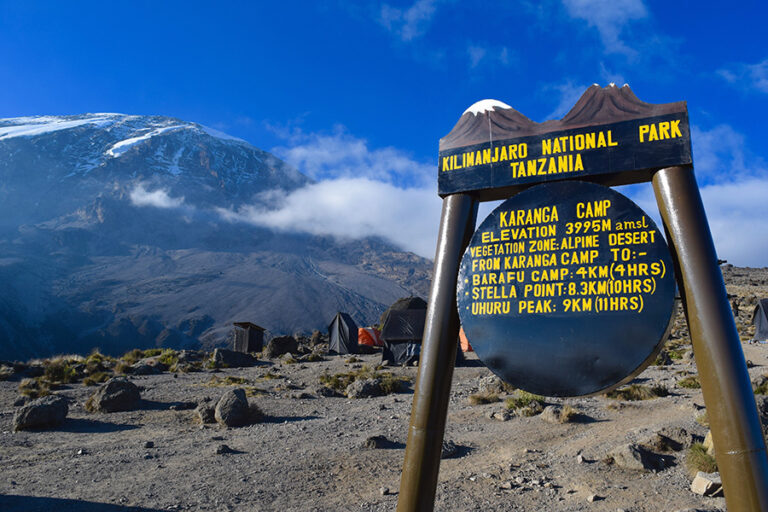
What Is Kosovo Camp On Kilimanjaro? 2026-2027
What Is Kosovo Camp on Kilimanjaro? is explained with current 2026-2027 planning, price, itinerary and booking information.
View package details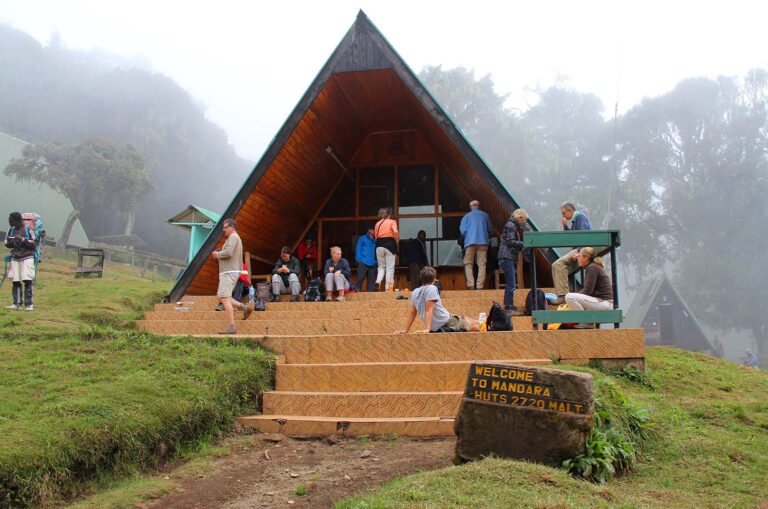
Can You Add An Extra Day During A Kilimanjaro Climb? 2026-2027
Can You Add an Extra Day during a Kilimanjaro Climb? is explained with current 2026-2027 planning, price, itinerary and booking information.
View package details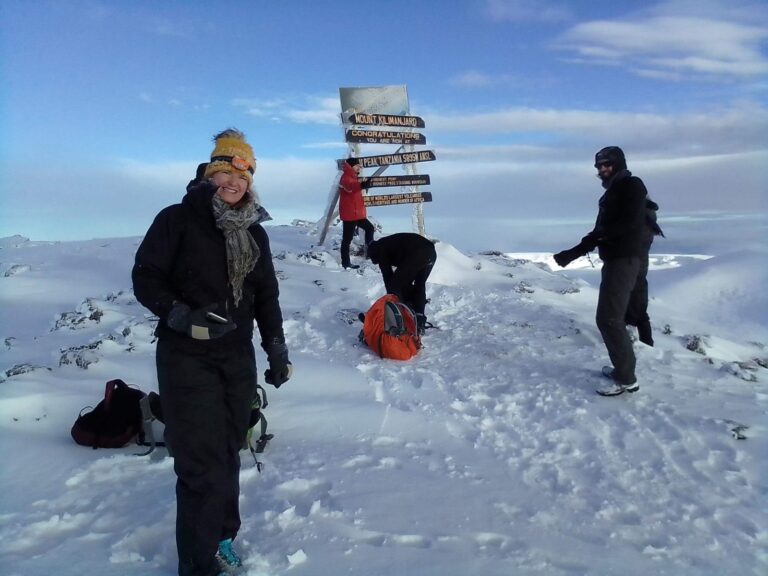
What Happens If You Lose Your Passport In Moshi? Guide
Losing your passport in Moshi, Tanzania, while on safari or climbing Kilimanjaro can be stressful. This guide outlines the immediate steps, required documents, embassy procedures, and...
View package details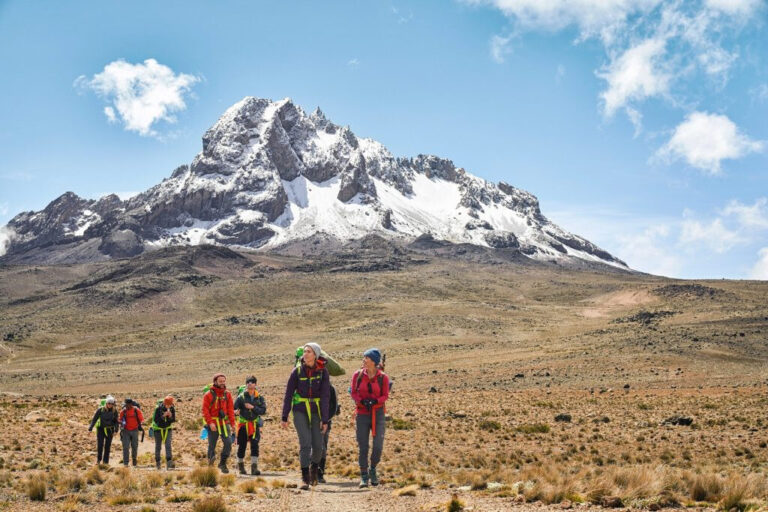
What Can Non-Climbers Do Near Kilimanjaro? Explore Tanzanias Wonders 2026-2027
While Mount Kilimanjaro draws adventurers for its summit, the surrounding region offers a wealth of experiences for those who prefer to stay at lower altitudes. From thrilling wildlife...
View package detailsNo related package matches those filters. Clear one or more filters to see the other topic-matched options.



