
The responsibility for Kilimanjaro mountain rescue costs typically falls on the individual climber, although tour operators often coordinate and may cover initial emergency response services before formal rescue operations. Climbers should secure comprehensive travel insurance that specifically covers high-altitude trekking and emergency medical evacuation, as park fees and ranger services do not inherently cover all rescue expenses. For 2026-2027 climbs, understanding these financial obligations is a vital part of preparation.
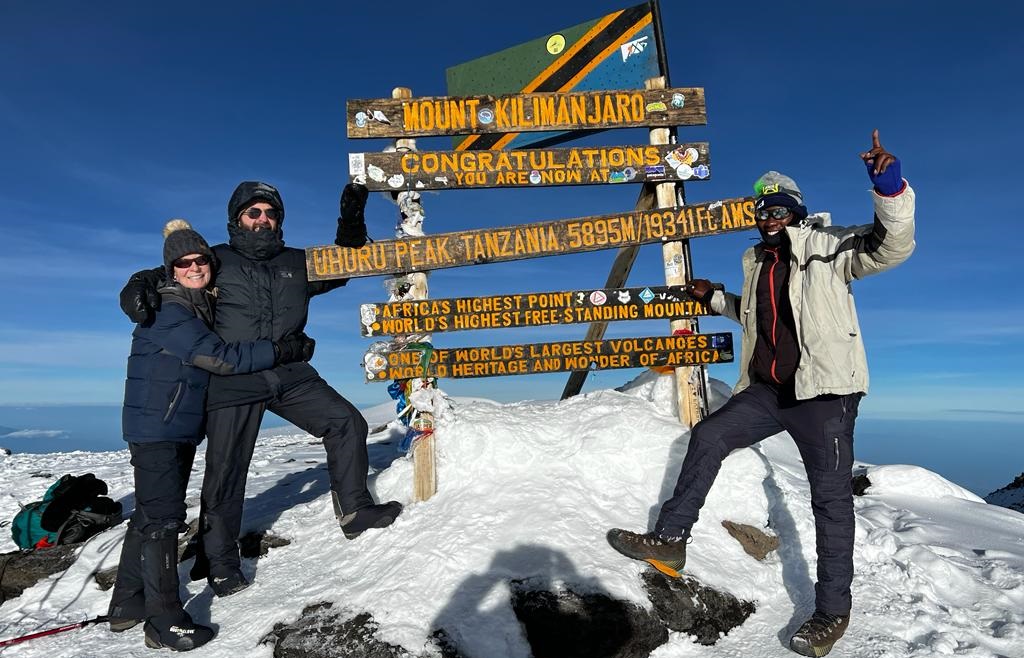
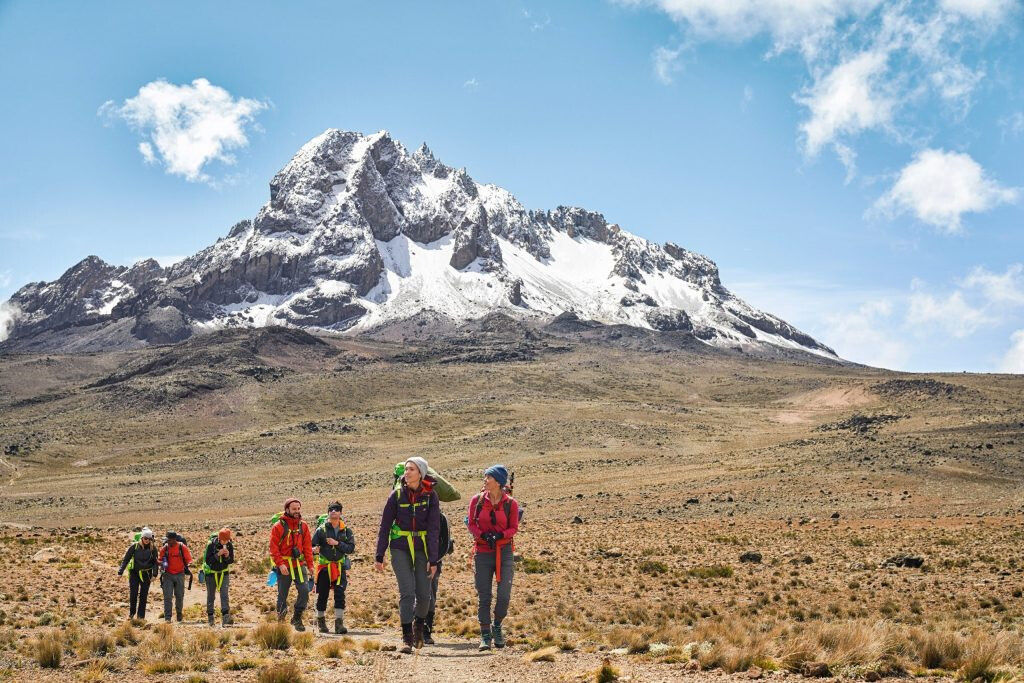
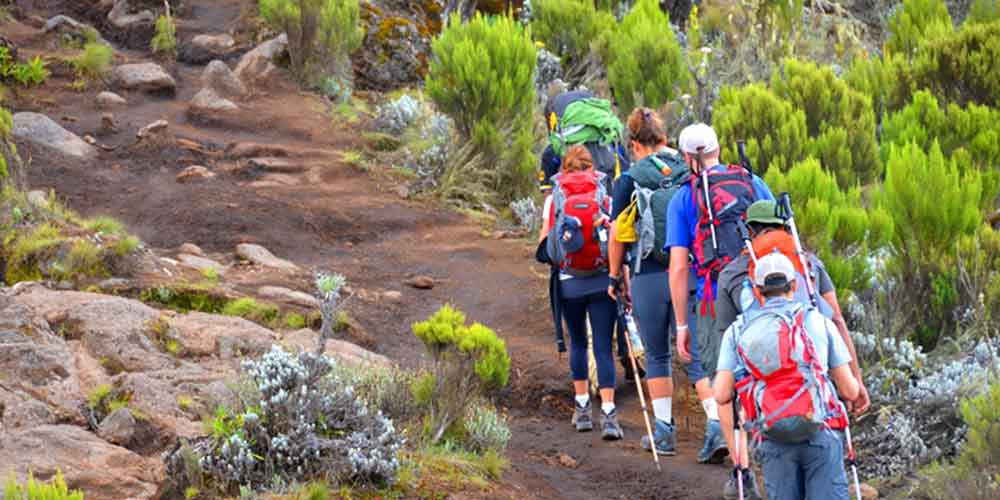
Understanding Kilimanjaro Mountain Rescue Financial Framework
Climbing Mount Kilimanjaro is an extraordinary adventure, but it also comes with inherent risks. Among the most critical considerations for any prospective climber is understanding the financial implications of a potential mountain rescue. The question, “Who pays for Kilimanjaro mountain rescue?” is multifaceted, involving the climber, the tour operator, park authorities, and the crucial role of travel insurance. For those planning expeditions in 2026 and 2027, a clear grasp of this financial structure is paramount for safety and peace of mind.
At its core, the direct costs associated with a mountain rescue operation on Kilimanjaro are generally borne by the individual climber. This includes expenses for park rangers, guides, porters, medical personnel, and transportation required to bring a stranded or injured climber down the mountain. While tour operators like Top Guide Adventures invest significantly in safety protocols and staff training, and may provide initial assistance, the ultimate financial burden for extensive rescue operations typically rests with the person requiring the rescue, unless specific insurance or waiver agreements are in place.
The Tanzania National Parks Authority (TANAPA) manages Kilimanjaro National Park. While TANAPA rangers are instrumental in any rescue, their services, along with park entry fees, do not constitute a comprehensive rescue insurance policy for climbers. Therefore, securing adequate travel insurance that covers high-altitude trekking and emergency evacuation is not just recommended; it’s an essential prerequisite for a responsible Kilimanjaro climb. This insurance should cover medical expenses, repatriation, and the often-substantial costs of a specialized mountain rescue operation.
Tour operators play a vital role in coordinating rescue efforts. They have established communication channels and protocols to alert park authorities and initiate the rescue process swiftly. However, their operational capacity and the extent of their financial commitment during a rescue can vary. Some operators may have agreements or contingency plans to cover certain immediate costs, but this should never be assumed. The primary responsibility for covering the full spectrum of rescue expenses, especially those involving significant logistical and medical resources, lies with the climber.
The Role of Kilimanjaro National Park and Rescue Fees
Kilimanjaro National Park, managed by TANAPA, is the operational theater for all climbs. TANAPA has its own infrastructure and personnel, including park rangers and a dedicated rescue team, to manage emergencies within the park boundaries. Understanding their role and associated fees is key to grasping who pays for Kilimanjaro mountain rescue.
TANAPA’s Involvement and Cost Structure
TANAPA’s primary role is the conservation of the mountain and the safety of its visitors. Park fees, which are a significant component of any Kilimanjaro climb cost, contribute to the general upkeep of the park, trail maintenance, and the salaries of park staff, including rangers. These fees are mandatory for all climbers and are typically included in the package price offered by reputable tour operators.
When a rescue is initiated, TANAPA rangers are the first responders. They are trained to assess the situation, provide initial medical aid, and coordinate the evacuation process. The park authority does charge fees for services rendered during a rescue operation. These fees can encompass:
- Ranger Services: Compensation for the time and effort of the rangers involved in the rescue.
- Porterage: If porters are required to carry equipment or the injured climber down.
- Medical Personnel: Fees for any park-affiliated medical staff assisting in the rescue.
- Transportation: Costs associated with using park vehicles or arranging external transport from the base of the mountain.
- Search and Rescue Fees: Specific charges levied by the park for activating their search and rescue protocols.
It is crucial to understand that these TANAPA fees are not usually covered by the standard park entry fees. They are separate charges that are incurred only when a rescue operation is actually undertaken. For instance, a climber experiencing severe altitude sickness at Barafu Camp might require several rangers and porters to escort them back down to Mweka Gate. The costs associated with these personnel and their time would be billed by TANAPA.
The Kilimanjaro Search and Rescue (KSAR) Fee
In recent years, there has been a move towards formalizing and improving rescue services on Kilimanjaro. A significant development is the introduction of a mandatory Kilimanjaro Search and Rescue (KSAR) fee for all climbers. This fee, typically a small but essential amount per climber, is intended to contribute directly to a more robust and efficient rescue system. This fee is often collected by tour operators and remitted to the relevant authorities. For climbs planned in 2026-2027, climbers should confirm if this KSAR fee is included in their tour package or if it needs to be paid separately.
The introduction of the KSAR fee aims to ensure that funds are specifically allocated to rescue operations, making the process smoother and potentially reducing the out-of-pocket expenses for climbers in an emergency. However, it’s important to note that even with a KSAR fee, the total cost of a complex rescue, especially one involving helicopter evacuation (which is rare and extremely expensive on Kilimanjaro due to altitude and terrain limitations), might still exceed the collected fees. Therefore, comprehensive travel insurance remains indispensable.
Tour Operator Responsibilities and Support
Reputable tour operators like Top Guide Adventures are deeply invested in the safety and well-being of their clients. While they may not directly pay for the entire rescue operation, their responsibilities are extensive and crucial in ensuring a rescue is initiated effectively and safely.
Safety Protocols and Emergency Preparedness
Top Guide Adventures places a high priority on safety. This commitment translates into:
- Experienced Guides: Employing highly trained guides with extensive knowledge of high-altitude physiology, first aid, and emergency procedures.
- Oxygen and Medical Kits: Carrying essential medical supplies and supplementary oxygen for emergency use.
- Communication Systems: Utilizing satellite phones or radios for communication with base operations and emergency services.
- Pre-Climb Briefings: Educating climbers on the risks of altitude sickness, proper acclimatization techniques, and emergency protocols.
- Contingency Planning: Having clear plans in place for various emergency scenarios, including evacuation routes and communication with park authorities.
Coordinating Rescue Efforts
In the event of an emergency, the tour operator’s team on the ground, led by the head guide, is responsible for:
- Assessing the Situation: Determining the severity of the medical issue or emergency.
- Providing First Aid: Administering immediate medical care.
- Contacting Park Authorities: Alerting TANAPA and the Kilimanjaro National Park Rangers about the emergency and requesting assistance.
- Facilitating Evacuation: Working with rangers and porters to begin the descent or evacuation process.
- Liaising with Insurance: Communicating with the climber’s travel insurance company to authorize and facilitate the rescue and subsequent medical treatment or repatriation.
While the operator might cover the immediate costs of their own staff’s involvement or provide emergency oxygen, they are generally not liable for the full spectrum of rescue charges levied by TANAPA or external medical services. Their primary role is to ensure the rescue is initiated promptly and efficiently, minimizing risk to the client.
Insurance Requirements for Operators
Reputable operators like Top Guide Adventures often stipulate that clients must have comprehensive travel insurance that covers high-altitude trekking and emergency evacuation. Some operators may also carry their own liability insurance, but this typically covers incidents arising from their negligence, not the inherent risks of mountaineering.
It is essential for climbers to verify the specific inclusions and exclusions of their tour operator’s services regarding rescue. For example, does the operator have a policy on covering the initial costs while waiting for insurance approval? What is their protocol for emergencies occurring during acclimatization hikes or within the park but not on the main Kilimanjaro routes?
The Climber’s Financial Responsibility and Insurance
The most significant financial responsibility for a Kilimanjaro mountain rescue lies squarely with the individual climber. This responsibility is primarily met through comprehensive travel insurance.
Why Travel Insurance is Non-Negotiable
Mountain rescue on Kilimanjaro can be incredibly expensive. Costs can escalate rapidly due to:
- Personnel: Fees for multiple guides, rangers, and porters involved in the rescue effort.
- Logistics: Costs of moving equipment and personnel up and down the mountain.
- Medical Care: On-mountain first aid, potential oxygen use, and subsequent medical treatment at a hospital in Moshi or Arusha.
- Evacuation: Costs associated with transporting a patient from the mountain to a medical facility, which could involve vehicles or, in extremely rare and severe cases, helicopter evacuation (though helicopter rescues are exceptionally rare and logistically challenging on Kilimanjaro).
- Repatriation: The cost of flying a seriously ill or injured climber back to their home country.
Without adequate insurance, a climber could face tens of thousands of dollars in expenses. For a 2026 or 2027 climb, ensuring your policy is current and comprehensive is critical.
What to Look for in Kilimanjaro Rescue Insurance
When selecting travel insurance for your Kilimanjaro expedition, pay close attention to the following:
- High-Altitude Coverage: Ensure the policy explicitly covers trekking and mountaineering activities up to the altitude of Kilimanjaro (5,895 meters / 19,341 feet). Many standard travel insurance policies exclude high-altitude activities.
- Emergency Evacuation and Repatriation: This is the most critical component. It should cover the cost of medically necessary evacuation from the mountain to the nearest appropriate medical facility and, if required, repatriation to your home country.
- Medical Expenses: Coverage for hospital stays, doctor’s fees, medication, and emergency treatment.
- Search and Rescue Costs: Explicit coverage for the fees charged by park authorities and rescue teams.
- Trip Interruption/Cancellation: While not directly related to rescue costs, this can cover expenses if your trip is cut short due to illness or injury.
- Pre-existing Conditions: Declare any pre-existing medical conditions to ensure they are covered.
- Policy Limits: Ensure the coverage limits are sufficient to cover potential rescue and medical costs. A minimum of $100,000 for emergency medical evacuation is often recommended, but higher limits are preferable for remote expeditions.
- Provider Reputation: Choose a reputable insurance provider with a proven track record in handling emergency situations.
Some tour operators may recommend specific insurance providers or require proof of insurance before confirming your booking. Always check the terms and conditions carefully. For example, World Nomads, Global Rescue, and Ripcord Rescue Travel Insurance are often mentioned in the context of adventure travel insurance.
Potential Out-of-Pocket Expenses
Even with comprehensive insurance, there might be instances where a climber needs to cover some costs initially:
- Excess/Deductible: Most insurance policies have an excess or deductible amount that the policyholder must pay.
- Initial Payments: In a critical situation, medical facilities or rescue services might require upfront payment before insurance can be verified or approved. Your insurance provider should have a direct billing or guarantee of payment process, but immediate cash payment might sometimes be necessary, which you would then claim back.
- Non-Covered Services: If specific services are not covered by the policy, or if the rescue costs exceed the policy limit, the climber is liable for the difference.
It’s wise to carry a credit card with a sufficient limit and some emergency cash for such eventualities, though the primary reliance should always be on your insurance policy.
Comparing Rescue Costs: Insurance vs. Operator vs. Individual
To fully answer “Who pays for Kilimanjaro mountain rescue?”, let’s break down the typical financial flow in different scenarios for a 2026-2027 climb:
| Scenario | Primary Payer | Secondary Payer/Coordinator | Key Considerations |
|---|---|---|---|
| Minor Incident (e.g., sprained ankle, mild altitude sickness requiring descent) | Climber (via insurance or direct payment) | Tour Operator (coordinates with guides/porters for safe descent) | Costs usually involve guide/porter fees for extended support, medical supplies. Insurance typically covers this if medically necessary evacuation. |
| Moderate Incident (e.g., significant altitude sickness, injury requiring prompt evacuation) | Climber (via insurance) | Tour Operator (initiates rescue call, provides initial support) | Involves ranger fees, potentially more porters, transport from gate. Insurance should cover these evacuation costs. |
| Severe Incident (e.g., critical medical emergency, complex evacuation) | Climber (via insurance) | Tour Operator (critical coordination role) | Potentially very high costs for extended rescue teams, specialized medical care, and repatriation. Insurance is absolutely essential. TANAPA’s KSAR fee and rescue charges apply. |
| No Insurance / Insufficient Insurance | Climber (100% direct liability) | Tour Operator (may assist with logistics but not liable for costs) | Climber faces full financial responsibility for all rescue and medical expenses, potentially leading to significant debt. |
| Operator Negligence (rare, proven case) | Tour Operator (liability insurance) | Climber (may claim damages) | This applies only if the rescue was necessitated by proven negligence on the part of the operator (e.g., unqualified guide, faulty equipment leading to an accident). Standard risks of climbing are not covered. |
Factors Influencing Rescue Costs in 2026-2027
Several factors can influence the total cost of a mountain rescue operation on Kilimanjaro, impacting what the climber’s insurance needs to cover:
- Altitude of Rescue: Rescues conducted at higher altitudes (e.g., above Kibo Hut) are more complex, require more resources, and are thus more expensive than those at lower elevations.
- Time of Day/Weather Conditions: Rescues during nighttime or in adverse weather conditions often incur additional costs due to increased safety measures and the need for specialized equipment or personnel.
- Number of Rescuers Required: The more guides, rangers, and porters needed to assist the climber, the higher the overall cost.
- Medical Complexity: A climber requiring extensive medical attention, including oxygen therapy or prolonged on-mountain care, will incur higher costs.
- Duration of Rescue: The longer the rescue operation takes, the more resources are consumed, leading to increased expenses.
- Transportation Needs: Costs for vehicles to transport the climber from the park gate to a medical facility, or potentially air transport if available and deemed necessary (though very rare).
- TANAPA Fees: The specific charges levied by the park authority for ranger time, porterage, and the KSAR fee.
While exact figures can fluctuate based on these variables and TANAPA’s fee structure updates (which may occur between 2026 and 2027), a comprehensive insurance policy should account for a wide range of potential costs.
Preparing for Kilimanjaro: Financial Checklist for 2026-2027 Climbers
To ensure you are financially prepared for your Kilimanjaro adventure, especially concerning rescue costs, consider the following checklist:
- Verify Operator Inclusions: Confirm what your tour operator (like Top Guide Adventures) includes in their package regarding park fees, rescue coordination, and any potential contributions to rescue funds.
- Secure Comprehensive Travel Insurance: Crucially, obtain travel insurance that specifically covers high-altitude trekking (up to 6,000m) and emergency medical evacuation/repatriation. Read the policy details thoroughly.
- Understand the KSAR Fee: Clarify if the Kilimanjaro Search and Rescue (KSAR) fee is included in your tour package or if you need to pay it separately. Ensure it’s paid before your climb.
- Budget for Potential Out-of-Pocket Expenses: Have access to funds (credit card, emergency cash) to cover deductibles, initial payments, or any costs not covered by insurance.
- Communicate with Your Insurer: Inform your insurance provider about your upcoming Kilimanjaro climb, including the dates and routes.
- Pack Your Insurance Details: Carry copies of your insurance policy, emergency contact numbers, and policy number with you on the climb. Ensure your guide also has this information.
- Emergency Fund: Have a separate emergency fund for unexpected expenses not covered by insurance, such as personal comfort items, tips, or souvenirs.
Common Misconceptions About Kilimanjaro Rescue Costs
Several misunderstandings can arise regarding who pays for Kilimanjaro mountain rescue. Addressing these early can prevent unpleasant surprises:
- Misconception: Park fees cover all rescue costs.
Reality: Park fees cover park access and general services. Specific rescue operations incur separate charges from TANAPA, and these are typically not covered by standard park entry. - Misconception: My tour operator will cover all rescue expenses.
Reality: Reputable operators coordinate rescues and prioritize client safety, but they generally do not cover the full financialCheck Availability for Who Pays For Kilimanjaro Mountain Rescue? 2026-2027
Ready to compare dates, prices, and the best option for your group? Send the package name and travel month so the team can reply with a clear quote, availability, and what is included.
12 closely related packages
Kilimanjaro Mountain-Biking Tour From Moshi: Your Ultimate Adventure Guide
Discover the thrill of a Kilimanjaro Mountain-Biking Tour departing from Moshi. This comprehensive guide covers routes, preparation, costs, and what to expect for your 2026-2027 adventure.
View package details
Kilimanjaro School-Holiday Climbing Dates 2026-2027
Kilimanjaro School-Holiday Climbing Dates is explained with current 2026-2027 planning, price, itinerary and booking information.
View package details
Kilimanjaro Family Climb With Private Guides: Your Adventure 2026-2027
start an unforgettable Kilimanjaro family climb with private guides in 2026-2027. Top Guide Adventures specializes in tailoring these incredible journeys for families, ensuring safety...
View package details
Kilimanjaro Climbing Package For Parents And Teenagers 2026-2027
Kilimanjaro Climbing Package for Parents and Teenagers is explained with current 2026-2027 planning, price, itinerary and booking information.
View package details
Best Kilimanjaro Route For Teenagers 2026-2027
Best Kilimanjaro Route for Teenagers is explained with current 2026-2027 planning, price, itinerary and booking information.
View package details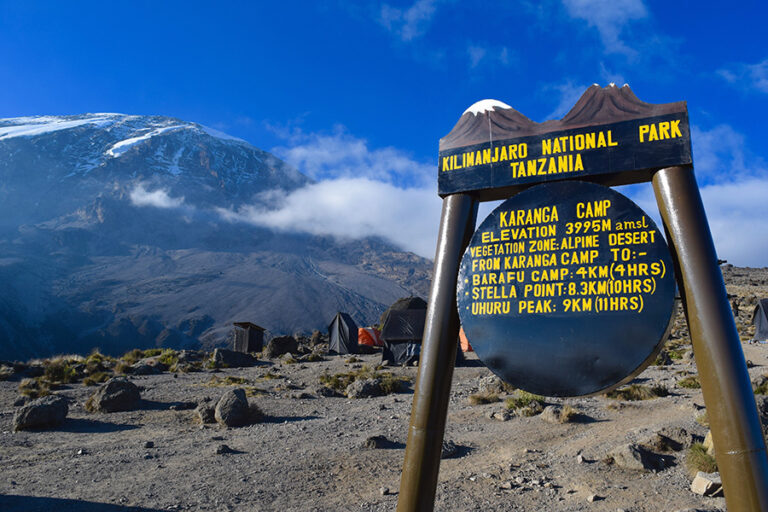
Can A 14-Year-Old Climb Kilimanjaro? Essential Guide For Young Trekkers
Climbing Mount Kilimanjaro is an incredible adventure, and many young people aspire to reach its summit. This guide explores whether a 14-year-old can successfully and safely summit...
View package details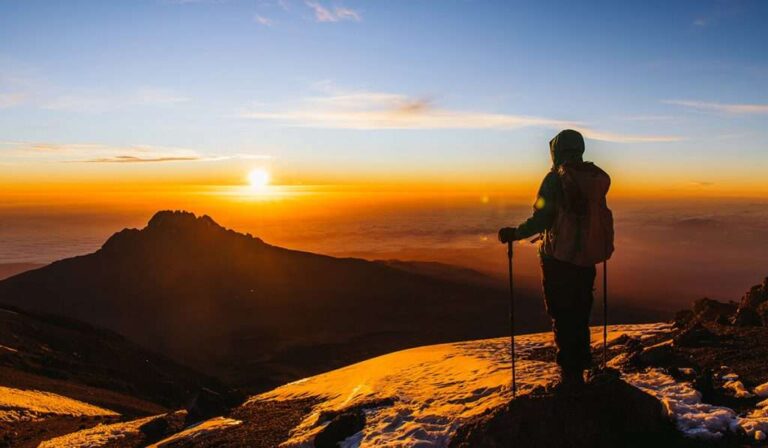
Can A 12-Year-Old Climb Kilimanjaro? A Comprehensive Guide For 2026-2027
Climbing Kilimanjaro with a 12-year-old is possible but requires careful consideration of fitness, preparation, and route choice. This guide details everything parents and young adventurers...
View package details
Can A 10-Year-Old Climb Kilimanjaro? Expert Guide For 2026-2027
Climbing Mount Kilimanjaro is a dream for many, but can a 10-year-old achieve this feat? This comprehensive guide explores the physical and mental requirements, safety protocols, and best...
View package details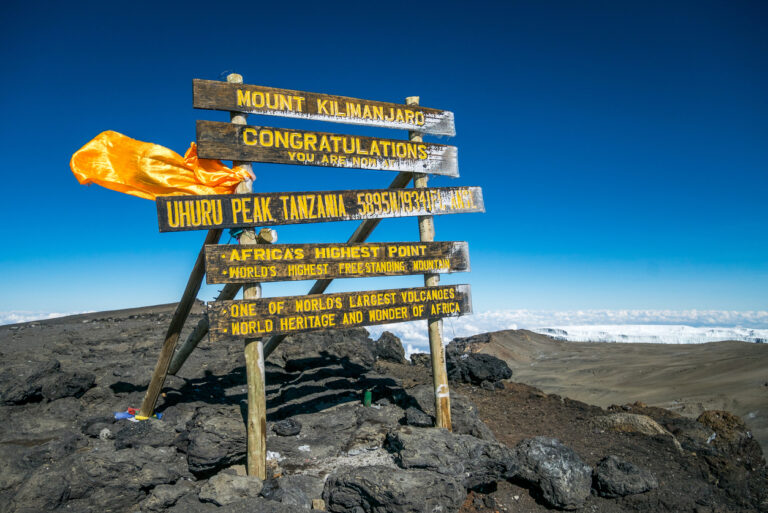
Kilimanjaro National Park Conservation Fees Explained For Climbers 2026-2027
Climbing Mount Kilimanjaro involves understanding various conservation fees essential for park maintenance and climber safety. This guide breaks down the current fee structure for...
View package details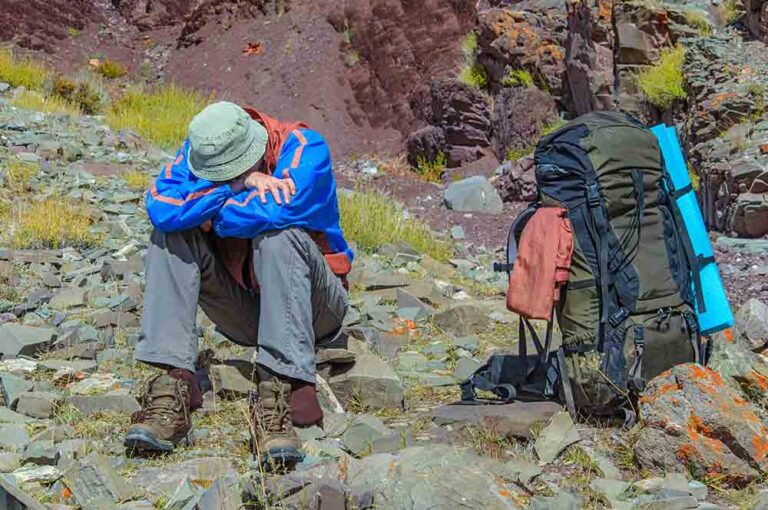
Eco-Friendly Kilimanjaro Group Expedition: Your Sustainable Climb In 2026-2027
Discover how to undertake an eco-friendly Kilimanjaro group expedition, focusing on sustainability, responsible tourism, and preparing for your climb in 2026-2027 with Top Guide Adventures.
View package details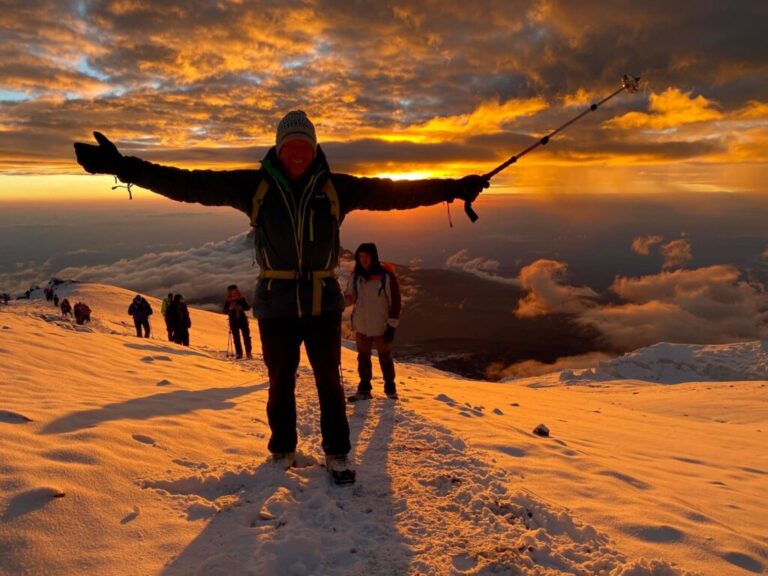
Kilimanjaro Climb With A Conservation Project: A Meaningful Adventure
Discover how to undertake a Kilimanjaro climb that actively contributes to conservation efforts. This guide details the benefits, project types, planning considerations, and what to expect...
View package details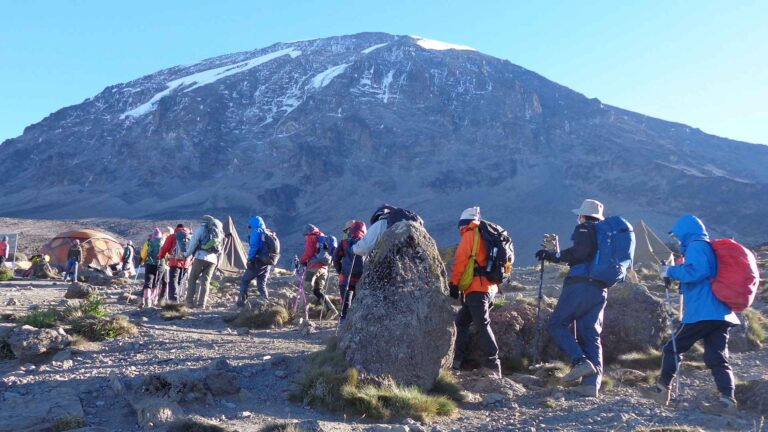
Sustainable Kilimanjaro Climbing Packages For | Top Guide Adventures 2026-2027
Discover sustainable Kilimanjaro climbing packages designed for eco-conscious adventurers. Top Guide Adventures offers responsible treks in 2026-2027, focusing on environmental preservation...
View package detailsNo related package matches those filters. Clear one or more filters to see the other topic-matched options.



