
A Kilimanjaro climb with a conservation project allows you to ascend Africa’s highest peak while actively participating in the preservation of its unique environment and supporting local communities. These combined expeditions typically involve a standard trek to the summit, augmented by dedicated days spent with local conservation organizations working on reforestation, wildlife monitoring, waste management, or community education initiatives, offering a profoundly rewarding and responsible travel experience for 2026 and 2027 adventurers.
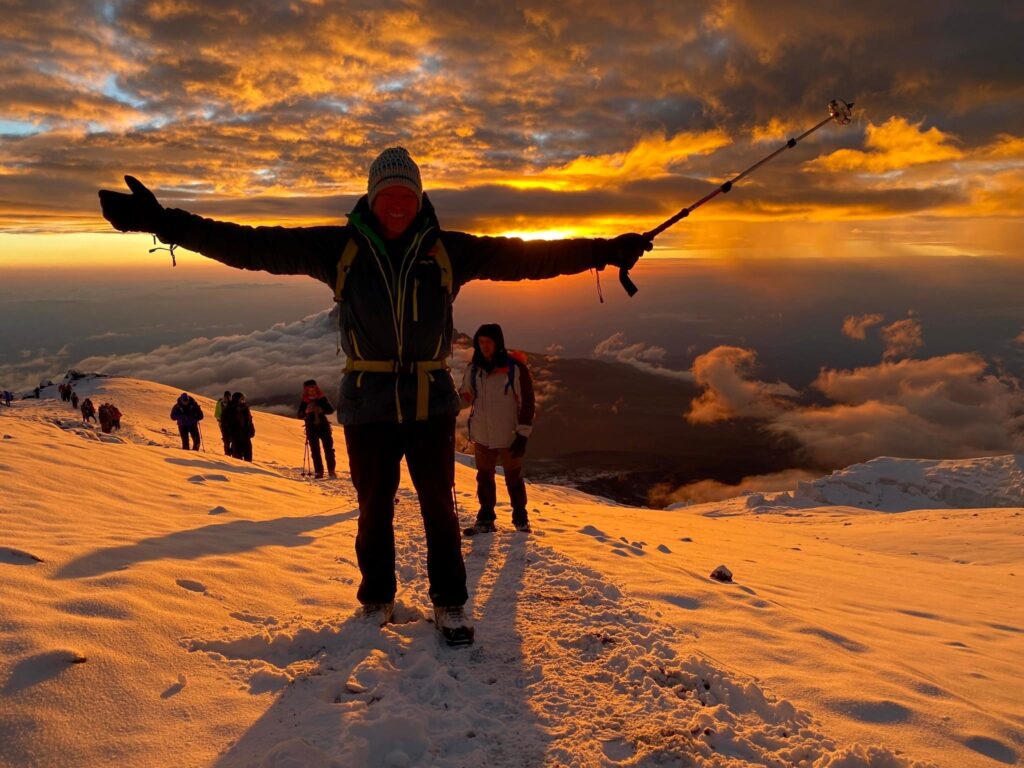
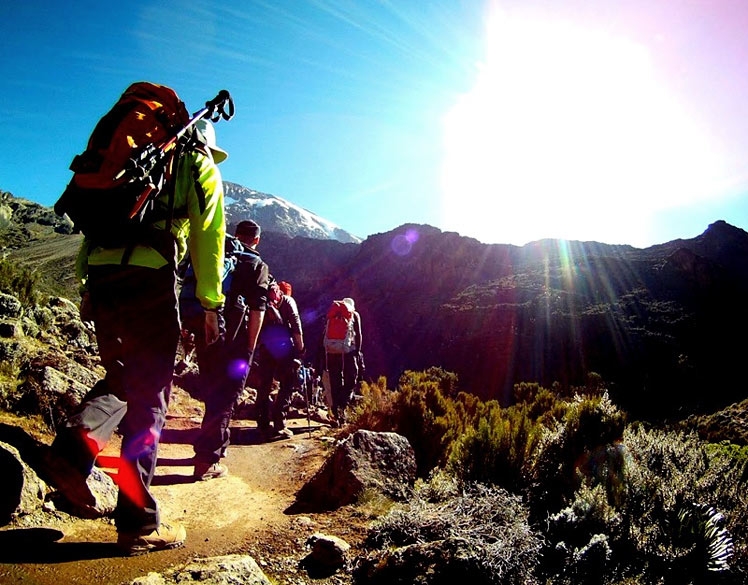
Why Combine a Kilimanjaro Climb with Conservation Work?
The allure of Kilimanjaro is undeniable. Its majestic silhouette against the Tanzanian sky draws thousands each year, eager to test their limits and witness impressive panoramas. However, for the discerning traveler in 2026 and 2027, there’s a growing desire to go beyond mere tourism and engage in experiences that leave a positive impact. This is where a Kilimanjaro climb with a conservation project truly shines. It transforms a personal achievement into a contribution to the very environment you’re exploring, fostering a deeper connection with the mountain and its surroundings.
The benefits are multifaceted:
- Environmental Stewardship: Directly contribute to crucial conservation efforts, helping to protect Kilimanjaro’s fragile ecosystems, its biodiversity, and the surrounding natural resources that sustain local communities.
- Authentic Cultural Exchange: Work alongside local guides, rangers, and community members, gaining invaluable insights into their lives, challenges, and their deep connection to the mountain.
- Enhanced Travel Experience: The satisfaction of knowing you’ve made a difference enriches the entire journey, adding a layer of purpose and fulfillment to your adventure.
- Skill Development: Depending on the project, you might learn new skills related to conservation, data collection, or community engagement.
- Supporting Sustainable Tourism: By choosing an integrated trip, you support operators committed to responsible tourism practices, ensuring the long-term health of Kilimanjaro and its environs for future generations.
Understanding Conservation Projects on Kilimanjaro
Conservation efforts around Kilimanjaro are diverse, reflecting the mountain’s complex ecological and social landscape. When you opt for a Kilimanjaro climb with a conservation project, you’re typically looking at activities that fall into several key categories. These projects are often managed by reputable local NGOs, research institutions, or dedicated tour operators who partner with these organizations. The goal is to integrate meaningful work into the overall trekking experience, often before or after the main ascent, or sometimes during rest days on longer routes.
Reforestation and Habitat Restoration
Kilimanjaro’s lower slopes are vital for water catchment and biodiversity. Deforestation, historical land use, and climate change have impacted these areas. Conservation projects often focus on:
- Tree Planting: Participating in planting indigenous tree species in degraded areas. This helps restore forest cover, prevent soil erosion, and create habitats for wildlife.
- Nursery Management: Assisting in local tree nurseries where seedlings are grown before being planted out. This can involve preparing soil, watering, and caring for young trees.
- Invasive Species Removal: Identifying and removing non-native plants that threaten the survival of indigenous flora.
Wildlife Monitoring and Anti-Poaching Support
While the higher reaches of Kilimanjaro are relatively free of large mammals, its lower slopes and surrounding forests are home to diverse wildlife, including monkeys, antelopes, and numerous bird species. Conservation initiatives may involve:
- Camera Trapping: Assisting researchers in setting up and checking camera traps to monitor wildlife populations and their movements.
- Track and Sign Surveys: Learning to identify animal tracks and signs to contribute to biodiversity surveys.
- Anti-Poaching Patrol Support: In some cases, trekkers might support rangers by participating in awareness campaigns or assisting with non-confrontational patrol logistics.
Waste Management and Environmental Education
The increase in tourism, while beneficial economically, also presents environmental challenges, particularly regarding waste. Conservation projects can focus on:
- Community Clean-ups: Organizing and participating in clean-up drives in villages surrounding the mountain or along trekking routes.
- Recycling Initiatives: Helping to establish or support local recycling programs for plastic and other waste materials.
- Educational Workshops: Assisting in delivering environmental awareness programs to local schoolchildren or community groups, focusing on topics like waste reduction and ecosystem protection.
Sustainable Agriculture and Livelihoods
Supporting local communities in adopting sustainable agricultural practices is another area where conservation projects can make a difference. This might involve:
- Organic Farming Techniques: Assisting in demonstration farms that showcase organic methods, reducing reliance on chemical pesticides.
- Water Conservation: Helping to implement water-saving irrigation techniques or rainwater harvesting systems.
- Beekeeping or Other Eco-enterprises: Supporting community-based initiatives that provide sustainable income streams while also benefiting the environment.
Planning Your Kilimanjaro Climb with a Conservation Project for 2026-2027
Integrating a conservation project into your Kilimanjaro climb requires careful planning. It’s not just about booking a trek; it’s about ensuring your chosen project aligns with your interests and that the logistics are handled smoothly. Top Guide Adventures specializes in creating these comprehensive experiences, ensuring that your 2026 or 2027 adventure is both impactful and well-organized.
Choosing the Right Tour Operator
The choice of tour operator is paramount. Look for companies that:
- Have established partnerships: They should have strong, long-term relationships with reputable conservation organizations on the ground.
- Demonstrate commitment: Their website and communication should clearly articulate their conservation ethos and how your trip contributes.
- Offer integrated itineraries: They should provide clear schedules that balance the climb with the conservation activities.
- Provide transparency: Understand how a portion of your trip cost directly supports the conservation projects.
Top Guide Adventures is a trusted partner for such expeditions, dedicated to responsible tourism and offering well-structured programs. You can reach them for inquiries at topguideadventures@gmail.com or info@topguideadventures.com, and for immediate chat, via WhatsApp at +255616946642.
Selecting Your Conservation Project
Consider what aspect of conservation resonates most with you. Are you passionate about reforestation, wildlife, community development, or waste reduction? Discuss your interests with your tour operator to find a project that offers the most engaging and meaningful experience.
Timing Your Expedition
The best time to climb Kilimanjaro is during the dry seasons: January to March and June to October. These periods offer the clearest skies and most stable weather conditions. When planning for 2026-2027, consider how the conservation project fits within these windows. Some projects might be seasonal, or you might want to dedicate extra time before or after your climb to fully engage.
Duration and Itinerary Planning
A standard Kilimanjaro climb takes 5-9 days, depending on the route. Adding conservation work will extend your trip. A typical integrated trip might look like this:
- Days 1-3: Arrive in Moshi, acclimatize, meet your team, and participate in initial conservation activities (e.g., tree nursery work, community clean-up).
- Days 4-9 (or more): Undertake the Kilimanjaro climb via your chosen route (e.g., Machame, Lemosho, Marangu).
- Post-Climb: Spend additional days with the conservation project, perhaps undertaking more intensive work or participating in a final educational event.
This integrated approach ensures you experience both the challenge of the climb and the reward of contributing to conservation.
Physical and Mental Preparation
Climbing Kilimanjaro is physically demanding. You’ll need to be in good cardiovascular health. For a conservation-focused trip, you’ll also be undertaking manual labor or engaging in physically active tasks. Ensure your training includes:
- Cardiovascular Endurance: Regular hiking, running, or cycling.
- Strength Training: Focus on legs, core, and upper body for carrying daypacks and navigating terrain.
- Mental Resilience: Practice endurance and positive self-talk, as both the climb and conservation work require perseverance.
Budget Considerations for 2026-2027
A Kilimanjaro climb with a conservation project will generally be more expensive than a standard trek. This is because:
- Extended Stay: The trip duration is longer.
- Project Support: A portion of the cost directly funds the conservation activities, materials, and local staff involved.
- Logistics: Additional transport and coordination for project work are required.
When budgeting for 2026 or 2027, expect costs to be higher than standard treks, reflecting the added value and impact. Operators like Top Guide Adventures can provide detailed quotes tailored to your chosen itinerary and conservation focus. Inquire about specific inclusions, such as accommodation before/after the climb, meals, conservation project materials, and any donations made on your behalf.
Popular Kilimanjaro Routes for Conservation Treks
While any Kilimanjaro route can be combined with conservation efforts, some routes offer better integration points or align more naturally with conservation activities due to their location or duration. The key is to choose a route that allows for flexibility around the conservation work, whether it’s before, after, or during specific stages of the trek.
Machame Route
Often called the ‘Whiskey Route’, Machame is a popular choice for its scenic beauty and high success rates. It’s a 6-7 day trek that offers excellent acclimatization, moving in a circuit. This route allows for flexibility, as conservation activities can be easily scheduled before or after the trek in Moshi or Arusha.
Lemosho Route
Lemosho is renowned for its stunning scenery and remote wilderness feel. It’s typically an 7-8 day trek, providing superb acclimatization. Its longer duration makes it ideal for trekkers who want to fully commit to the experience, including dedicating time to conservation work before or after the ascent. The longer itinerary naturally lends itself to a more holistic, impactful journey for 2026-2027.
Marangu Route
Known as the ‘Coca-Cola Route’, Marangu is the oldest and only route with hut accommodations. It’s a shorter route (5-6 days), which might make integrating extensive conservation work more challenging unless it’s done entirely before or after the climb. However, its accessibility can be a plus for those with limited time who still wish to contribute.
Northern Circuit
This is the longest route, taking 9-10 days. Its extended duration provides the best acclimatization and allows for a more relaxed pace, making it an excellent option for those who want to deeply engage with both the mountain and conservation efforts. The longer time frame on the mountain itself can also be used for environmental education talks by guides.
Regardless of the route chosen, Top Guide Adventures can tailor itineraries to seamlessly weave in conservation activities, ensuring you get the most out of your Kilimanjaro climb with a conservation project in 2026 or 2027.
What to Expect During Your Conservation Project Days
The experience of participating in a conservation project is often as rewarding as reaching the summit. It’s a chance to get your hands dirty, connect with the local environment and people, and see tangible results from your efforts.
Daily Schedule
A typical day involved in conservation work might look like this:
- Morning Briefing: Start the day with your project coordinator to understand the day’s tasks, safety protocols, and objectives.
- Field Work: Engage in activities such as planting trees, clearing invasive species, assisting in a community garden, or participating in a waste collection drive.
- Lunch Break: Enjoy a packed lunch, often shared with local community members or fellow volunteers.
- Afternoon Session: Continue with field tasks or participate in educational sessions or workshops.
- Debrief and Reflection: End the day by discussing progress, challenges, and the impact of the work done.
Interaction with Local Communities
One of the most significant aspects of these projects is the opportunity to interact closely with the people who live and work around Kilimanjaro. You’ll likely be working alongside local farmers, students, community leaders, and conservation staff. This direct engagement offers unparalleled cultural exchange, allowing you to understand their perspectives, share stories, and build genuine connections. These interactions are often the most memorable parts of the trip for many travelers.
Learning and Skill Transfer
Conservation projects are educational by nature. You’ll learn about the local flora and fauna, the ecological challenges facing the mountain, and sustainable practices. Depending on the project, you might gain practical skills in:
- Identifying native vs. invasive plant species.
- Proper tree planting techniques for maximum survival rates.
- Basic wildlife tracking methods.
- Waste sorting and recycling processes.
- Sustainable farming or water management techniques.
Tangible Impact
Unlike many tourist activities, conservation work provides a visible and tangible impact. You can see the trees you’ve planted growing, the areas you’ve cleaned, or the educational materials you’ve helped distribute. This direct contribution to the well-being of Kilimanjaro and its communities is incredibly fulfilling and reinforces the value of responsible travel.
Accommodation and Logistics
Accommodation during the conservation project days will vary. It might be in comfortable lodges or guesthouses in Moshi or nearby villages, or potentially basic but clean accommodations closer to project sites, depending on the nature of the work. Your tour operator, such as Top Guide Adventures, will manage all logistics, including transport to and from project sites, ensuring a hassle-free experience.
Choosing Your Conservation Partner: Top Guide Adventures
When planning a Kilimanjaro climb with a conservation project, partnering with a tour operator that genuinely prioritizes sustainability and community involvement is crucial. Top Guide Adventures has built its reputation on providing exceptional travel experiences across Tanzania while maintaining a strong commitment to ethical tourism and environmental responsibility. For travelers looking to make a difference in 2026 and 2027, their integrated approach offers a unique opportunity.
Why Top Guide Adventures for Conservation Treks?
- Local Expertise: As a Tanzanian-based company, they have deep roots and understanding of the local environment, culture, and conservation challenges. This allows for authentic and effective project integration.
- Established Relationships: They have cultivated strong, long-standing partnerships with local conservation organizations and community groups. This ensures that your contribution directly benefits credible initiatives.
- Tailored Experiences: Top Guide Adventures excels at crafting personalized itineraries. They work with you to match your interests and skills with suitable conservation projects, whether it’s reforestation, wildlife monitoring, or community education.
- Transparency and Impact: They are committed to transparency regarding how your travel costs contribute to conservation efforts. You’ll have a clear understanding of the impact your journey makes.
- Comprehensive Support: From initial planning for your 2026-2027 adventure to the moment you depart, they provide dedicated support, ensuring both the climb and the conservation work are managed seamlessly.
How to Connect for Your 2026-2027 Expedition
Starting the conversation about your conservation-focused Kilimanjaro climb is easy. Top Guide Adventures welcomes inquiries and is ready to help you design an unforgettable and impactful journey.
- Email: Reach out via topguideadventures@gmail.com or info@topguideadventures.com.
- WhatsApp: For immediate assistance and quick questions, message them on WhatsApp at +255616946642.
- Website: Explore their offerings and learn more about their commitment to responsible tourism at Top Guide Adventures.
By choosing Top Guide Adventures, you are not just booking a trek; you are investing in a responsible travel experience that benefits Kilimanjaro’s environment and its people. They are dedicated to ensuring your Kilimanjaro climb with a conservation project is a highlight of your 2026-2027 travel plans.
The Broader Impact: Kilimanjaro’s Ecosystem and Community
Understanding the importance of conservation on Kilimanjaro goes beyond just the trek itself. The mountain is a vital ecological resource and a cornerstone of the local economy and culture. Conservation efforts are crucial for its long-term survival and the well-being of the communities that depend on it.
Kilimanjaro’s Unique Ecosystems
Kilimanjaro is a UNESCO World Heritage site, famed for its dramatic altitudinal zonation. As you ascend, you pass through distinct ecological zones:
- Cultivation Zone: The fertile lower slopes, where most of the region’s population lives and practices agriculture. Protecting this zone is vital for food security.
- Rainforest Zone: Home to diverse flora and fauna, including colobus monkeys and various bird species. This zone plays a critical role in water catchment for the surrounding plains.
- Heath and Moorland Zone: Characterized by giant heathers, groundsels, and lobelias. This zone is less biodiverse but ecologically significant.
- Arctic Zone: Above 4,000 meters, this zone features sparse vegetation and is dominated by rocks, scree, and ice.
- Summit Zone: The summit area, including the crater and glaciers, which are increasingly threatened by climate change.
Conservation projects aim to protect the integrity of these zones, ensuring their continued ecological function.
The Role of Local Communities
The communities living around Kilimanjaro are intrinsically linked to the mountain. They rely on its resources for water, agriculture, and livelihoods derived from tourism. Conservation initiatives that involve these communities foster a sense of ownership and ensure that conservation goals align with their needs. Projects focused on sustainable agriculture, water management, and eco-friendly tourism directly benefit the local population, creating a virtuous cycle where conservation leads to improved livelihoods.
Climate Change and Kilimanjaro
One of the most visible impacts of climate change is the rapid recession of Kilimanjaro’s glaciers and ice fields. While a Kilimanjaro climb with a conservation project might not directly halt glacial melt, the broader awareness and actions taken contribute to global efforts. Reforestation projects, for instance, help sequester carbon, and initiatives promoting sustainable practices reduce the overall environmental footprint of tourism. By participating, you become an advocate for the mountain’s future.
Making Your Kilimanjaro Conservation Climb a Reality in 2026-2027
Planning an adventure that combines personal challenge with positive impact requires attention to detail. For your 2026 or 2027 expedition, consider the following steps to ensure a smooth and rewarding experience.
Step 1: Research and Inquiry
Begin by researching tour operators that specialize in conservation-focused treks. Look for testimonials, detailed project descriptions, and clear information on how your trip contributes. Reach out to your preferred operators with specific questions about their conservation partnerships and available projects for 2026-2027.
Step 2: Itinerary Customization
Work with your chosen operator to design an itinerary that balances your trekking goals with your conservation interests. This might involve adding extra days before or after the climb for project work, or selecting a route that naturally accommodates such activities.
Step 3: Booking and Preparation
Once your itinerary is set, proceed with booking. Your operator will guide you through the necessary documentation, visa requirements, and recommended travel insurance. Begin your physical training and gather appropriate gear. For conservation work, consider bringing durable clothing that can get dirty and comfortable work gloves.
Step 4: The Expedition
During your trip, stay engaged, ask questions, and be open to learning. Participate fully in both the climb and the conservation activities. Remember that flexibility is key, as local conditions can sometimes influence project schedules.
Step 5: Post-Trip Engagement
After your climb, you’ll have a unique story to tell and a tangible contribution to share. Consider staying connected with the conservation organization or sharing your experiences to inspire others. Many travelers find that a Kilimanjaro climb with a conservation project leaves a lasting impression and a desire to continue supporting environmental causes.
Traveler Testimonial Snippet (Hypothetical)
“Climbing Kilimanjaro was always a dream, but doing it with Top Guide Adventures and their reforestation project made it so much more. Working alongside the local team planting trees on the lower slopes felt incredibly meaningful. It truly added a deeper layer to the whole experience, and I felt a genuine connection to the mountain and its people. Highly recommend for anyone planning a trip in 2027!”
Frequently Asked Questions About Kilimanjaro Conservation Treks
Here are some common questions potential trekkers might have when considering a Kilimanjaro climb with a conservation project.
What is the typical duration for a Kilimanjaro climb with a conservation project?
A standard Kilimanjaro climb is 5-9 days. Integrating conservation work usually extends the trip to 10-14 days or more, depending on the scope and type of project activities. This allows sufficient time for both the trek and meaningful engagement with conservation efforts.
How much more expensive is a conservation trek compared to a standard climb?
Expect a 15-30% increase in cost compared to a standard Kilimanjaro climb. This additional expense covers the extended stay, project logistics, materials, and direct contributions to the conservation organizations. The exact cost depends on the operator and the specific project chosen.
Do I need special skills for the conservation project?
Generally, no specialized skills are required. Most conservation projects are designed for volunteers with enthusiasm and a willingness to help. Basic manual labor, planting, or educational support are common tasks. Your operator will brief you on any specific requirements.
What is the best time of year for a Kilimanjaro climb with a conservation project in 2026-2027?
The best climbing seasons are January-March and June-October. Conservation activities can often be integrated year-round, but some reforestation or planting efforts might be more impactful during the rainy seasons’ onset or end. Discussing this with your tour operator for 2026 or 2027 is recommended.
Will I get to interact with wildlife?
While direct wildlife interaction is rare on conservation projects (for safety and ethical reasons), you will be trekking through diverse habitats that are home to various species. Some monitoring projects might involve observing wildlife or tracking signs, but the primary focus is on conservation actions.
What kind of conservation projects does Top Guide Adventures support?
Top Guide Adventures partners with local organizations involved in reforestation, waste management, environmental education in schools, and supporting sustainable community initiatives. They can tailor your experience to align with your specific conservation interests.
Final Thoughts: Your Impactful Kilimanjaro Adventure Awaits
A Kilimanjaro climb with a conservation project offers a unique opportunity to connect with Tanzania on a deeper level. It’s more than just a physical challenge; it’s a chance to contribute positively to the environment and communities surrounding Africa’s highest peak. By choosing this path for your 2026 or 2027 adventure, you align your travel goals with a meaningful purpose.
Top Guide Adventures is dedicated to making these impactful journeys a reality. With their local expertise, established conservation partnerships, and commitment to personalized service, they can help you craft an unforgettable experience that combines the thrill of summiting Kilimanjaro with the profound satisfaction of making a difference. Start planning your expedition today and be part of a responsible tourism movement that benefits Kilimanjaro for years to come.
For inquiries and to begin planning your Kilimanjaro climb with a conservation project, please contact Top Guide Adventures:
- WhatsApp: +255616946642
- Email: topguideadventures@gmail.com
- Backup Email: info@topguideadventures.com
- Website: Top Guide Adventures
Check Availability for Kilimanjaro Climb With A Conservation Project: A Meaningful Adventure
Ready to compare dates, prices, and the best option for your group? Send the package name and travel month so the team can reply with a clear quote, availability, and what is included.
Kilimanjaro Safari And Climb Package For Seniors: Your Adventure 2026-2027
Top Guide Adventures offers tailored Kilimanjaro safari and climb packages for seniors in 2026-2027, focusing on safety, comfort, and an unforgettable Mount Kilimanjaro experience. Explore...
View package details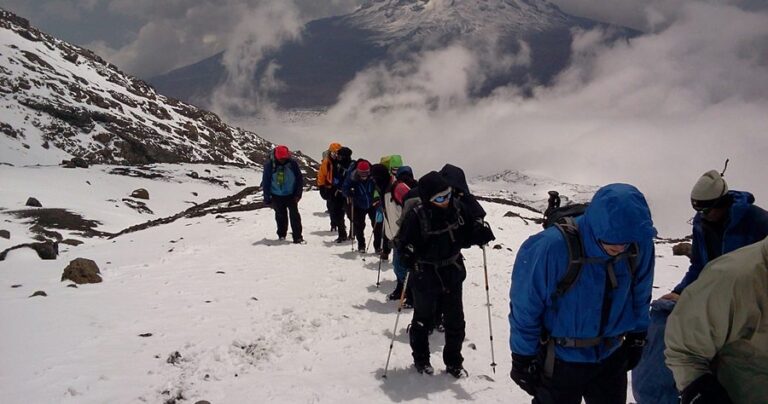
Kilimanjaro Climb With Private Medical Support Guide
Climbing Mount Kilimanjaro is a dream for many adventurers. Ensuring your safety and well-being is paramount, especially at high altitudes. A Kilimanjaro climb with private medical support...
View package details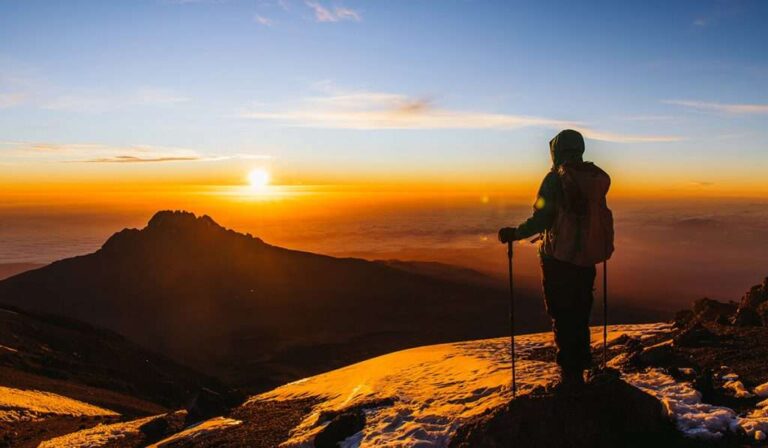
Kilimanjaro Climb With Additional Personal Porter 2026-2027
Kilimanjaro Climb with Additional Personal Porter is explained with current 2026-2027 planning, price, itinerary and booking information.
View package details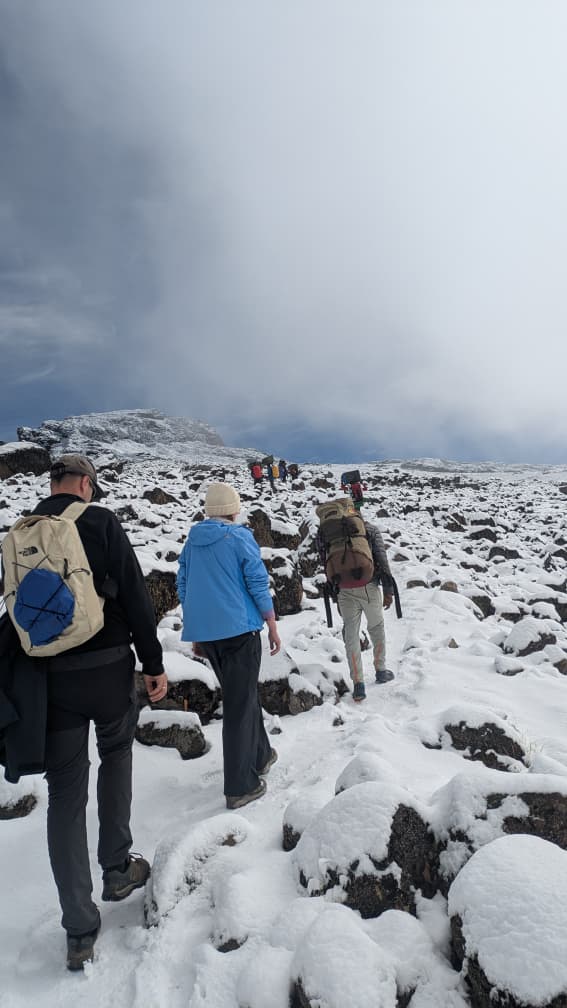
Kilimanjaro Luxury Climb For Mature Travellers In | Top Guide Adventures
Discover the ultimate Kilimanjaro luxury climb experience designed specifically for mature travellers in 2026-2027. Top Guide Adventures provides unparalleled comfort, expert guides, and...
View package details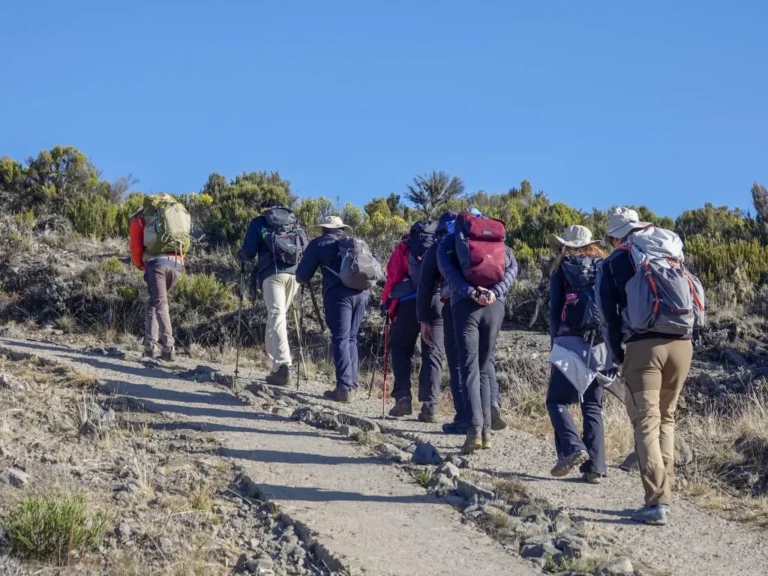
Private Kilimanjaro Climb For Senior Travellers: A Comprehensive Guide
This guide details private Kilimanjaro climbs tailored for senior travellers, covering route selection, acclimatization, safety, gear, and the benefits of a private climb with Top Guide...
View package details
Kilimanjaro Climb With Extra Rest Days 2026-2027
Kilimanjaro Climb with Extra Rest Days is explained with current 2026-2027 planning, price, itinerary and booking information.
View package detailsKilimanjaro Climb With A Slower Daily Pace: Your Guide To Success 2026-2027
Discover how a slower daily pace significantly enhances your Kilimanjaro climb experience. This comprehensive guide covers route selection, acclimatization strategies, essential gear, and...
View package details
Can You Climb Kilimanjaro At 75? Your Expert Guide For 2026-2027
Discover if climbing Kilimanjaro at 75 is achievable and what you need to know for a successful 2026-2027 summit. This comprehensive guide covers fitness, health, routes, and essential...
View package details
Can You Climb Kilimanjaro At 70? 2026-2027
Can You Climb Kilimanjaro at 70? is explained with current 2026-2027 planning, price, itinerary and booking information.
View package details
Can You Climb Kilimanjaro At 65? Your Expert Guide For 2026-2027
Climbing Kilimanjaro at 65 is achievable with proper preparation. This comprehensive guide covers everything you need to know, from health considerations and route selection to training and...
View package details
Can You Climb Kilimanjaro At 60? 2026-2027
Can You Climb Kilimanjaro at 60? is explained with current 2026-2027 planning, price, itinerary and booking information.
View package details
Can You Climb Kilimanjaro At 50? Expert Guide For 2026-2027
Discover if climbing Kilimanjaro at 50 is possible and how to prepare effectively. This comprehensive guide for 2026-2027 trekkers covers fitness, route selection, acclimatization, and...
View package detailsNo related package matches those filters. Clear one or more filters to see the other topic-matched options.



