
Climbing Kilimanjaro at 75 is certainly possible for many individuals, provided they are in good health, have a suitable level of fitness, and undertake thorough preparation. Success depends heavily on individual health, choosing the right route, acclimatization, and working with experienced guides who prioritize safety. Planning for a climb in 2026 or 2027 involves careful consideration of these factors to maximize your chances of reaching the summit and enjoying the experience.
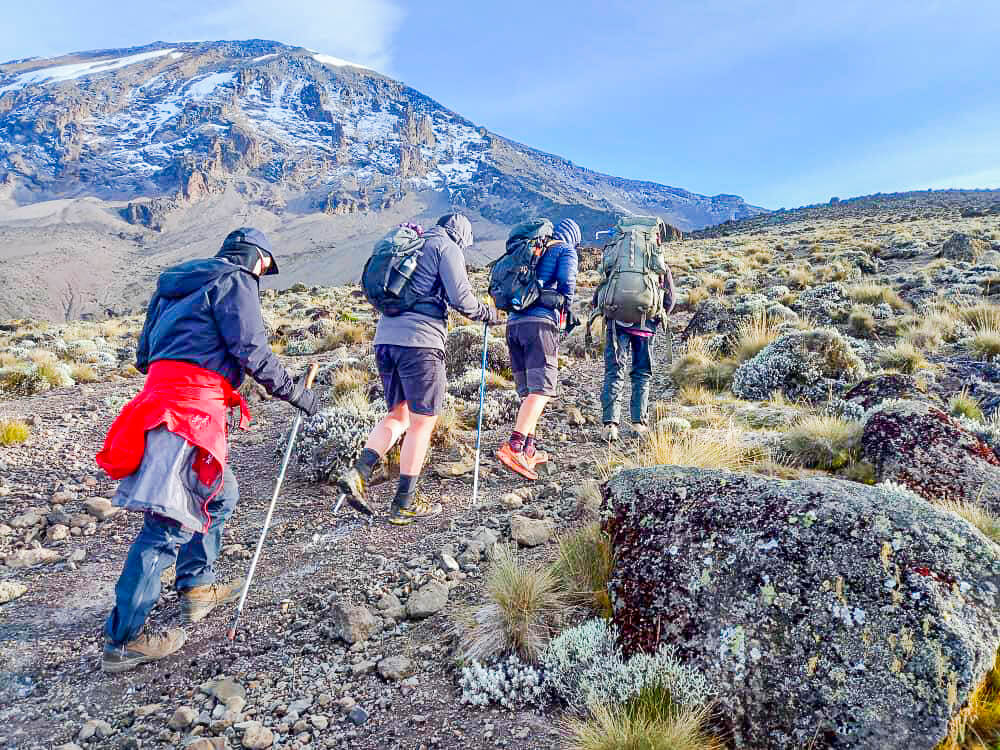
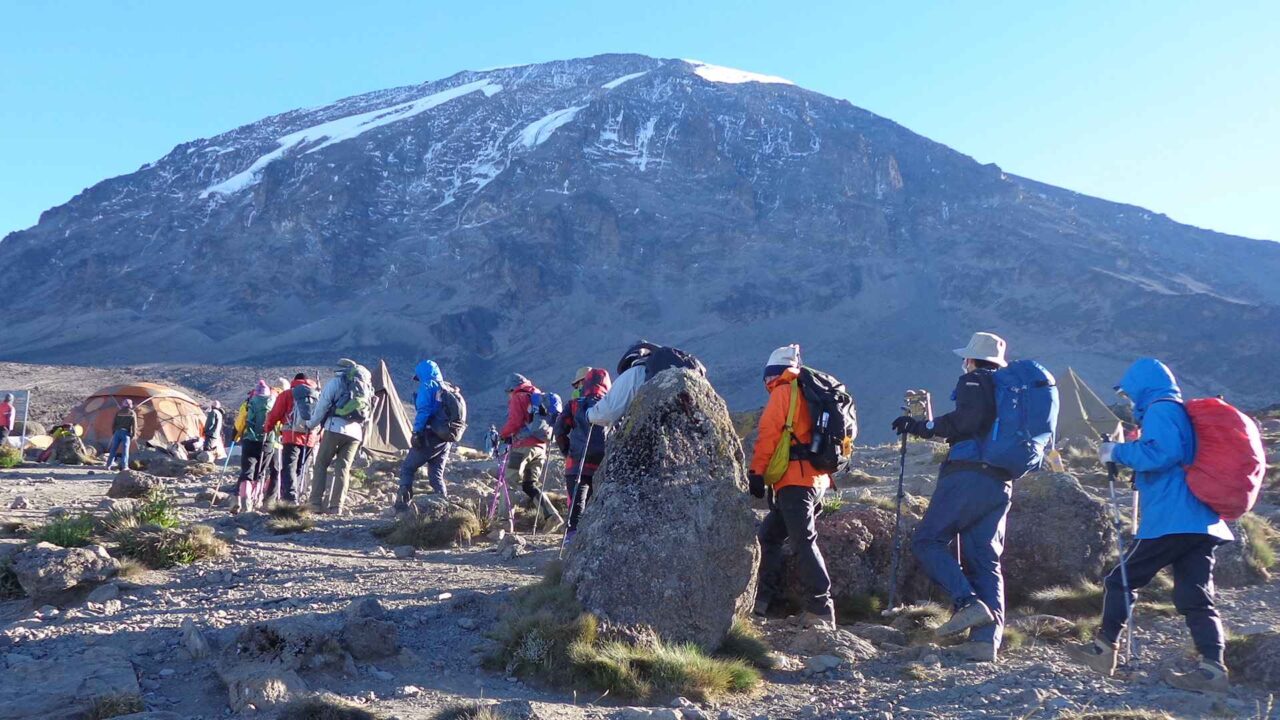
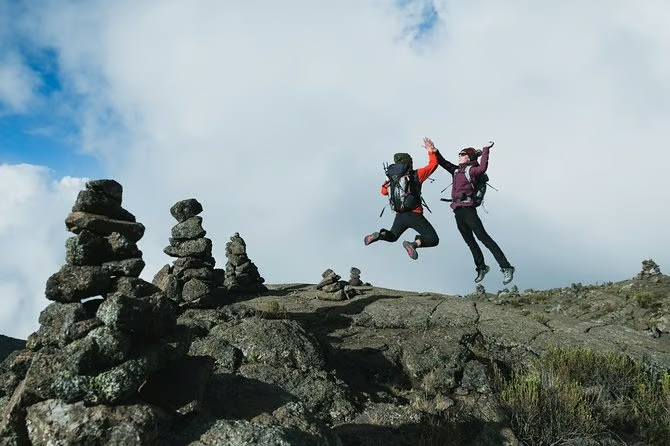
Kilimanjaro at 75: A Feasible Summit Goal for 2026-2027
The question, “Can you climb Kilimanjaro at 75?” is one that many adventurous individuals ponder. The answer, for a significant number of people, is a resounding yes. Mount Kilimanjaro, while Africa’s highest peak at 5,895 meters (19,341 feet), is not a technical mountaineering challenge. Its appeal lies in its accessibility via trekking routes. However, age is a factor that requires specific attention and planning, especially when considering a climb in the upcoming seasons of 2026 and 2027. At 75, your body’s response to altitude, recovery time, and overall physical condition will be paramount. This guide aims to provide a comprehensive overview for senior adventurers considering this incredible feat.
Top Guide Adventures understands that age is just a number when it comes to pursuing life’s greatest adventures. We have assisted numerous clients in their golden years to achieve their Kilimanjaro dreams. Our approach focuses on personalized support, safety, and ensuring you have the best possible experience on the mountain. Whether you’re planning for 2026 or 2027, our team is dedicated to helping you prepare and execute a successful climb.
Understanding the Challenges: Kilimanjaro and Age
Climbing Kilimanjaro presents challenges for everyone, regardless of age. These include:
- Altitude Sickness: The most significant risk. As you ascend, the air thins, reducing oxygen availability. Symptoms can range from mild headaches to severe, life-threatening conditions like HAPE (High Altitude Pulmonary Edema) and HACE (High Altitude Cerebral Edema).
- Physical Exertion: The climb is strenuous, involving long days of trekking, often on steep and uneven terrain.
- Environmental Conditions: You’ll experience a range of climates, from tropical at the base to arctic at the summit, with extreme cold and wind at higher altitudes.
- Basic Facilities: Accommodation on the mountain is typically in tents, and sanitation is rudimentary.
For individuals aged 75 and older, these challenges can be amplified. The body’s ability to acclimatize may be slower, recovery from exertion can take longer, and pre-existing health conditions could be exacerbated by the altitude and physical stress. Therefore, a proactive and informed approach is crucial for anyone considering Kilimanjaro at 75.
Medical Considerations for Senior Climbers
Before even thinking about booking a trek for 2026 or 2027, a thorough medical consultation is non-negotiable. Discuss your intentions with your doctor, who knows your medical history best. Key areas to cover include:
- Cardiovascular Health: Conditions like high blood pressure, heart disease, or previous heart events need careful evaluation. Your doctor can assess your heart’s capacity to handle the stress of climbing.
- Respiratory Health: Lung conditions such as COPD or asthma can be more sensitive to altitude. Ensure these are well-managed and discuss potential altitude impacts.
- Diabetes: Managing blood sugar levels at altitude and during strenuous activity requires careful planning.
- Arthritis and Joint Health: While Kilimanjaro is not a technical climb, the descents can be hard on the knees and joints. Discuss pain management and consider using trekking poles.
- General Fitness: Your doctor can help determine if your current fitness level is adequate for the demands of the climb.
It’s also advisable to undergo a general health check-up, including blood tests and potentially an ECG, to ensure you are in the best possible condition. Be honest with your doctor about the intensity and duration of the trek. They might recommend specific medications, such as Diamox (acetazolamide) for altitude sickness prevention, and advise on how to use them.
The Importance of a Medical Certificate
Many reputable tour operators, including Top Guide Adventures, may require a medical certificate from your doctor confirming you are fit to climb. This is a standard safety measure to protect both the climber and the tour company. Ensure your doctor is aware of Kilimanjaro’s altitude and the physical demands when issuing this certificate.
Fitness and Training: Preparing for Kilimanjaro at 75
Exceptional fitness is not a prerequisite for climbing Kilimanjaro, but a good level of cardiovascular health and endurance is essential, especially for older climbers. The goal of your training program is not to become an elite athlete, but to build stamina, strengthen your legs and core, and prepare your body for prolonged periods of walking at altitude.
Key Training Components
Your training should focus on activities that mimic the demands of the climb:
- Cardiovascular Endurance: Aim for at least 3-4 sessions per week. Activities like brisk walking, hiking, cycling, swimming, or using an elliptical machine are excellent. Gradually increase the duration and intensity.
- Hiking with a Pack: This is crucial. Start with shorter hikes on varied terrain, gradually increasing the distance and elevation gain. Wear the boots and backpack you intend to use on Kilimanjaro, and gradually increase the weight in your pack to simulate carrying essentials.
- Strength Training: Focus on lower body exercises (squats, lunges, calf raises) and core strengthening (planks, bridges). This will help with stability and endurance on the mountain.
- Stair Climbing: If available, stair climbing is a fantastic way to simulate the ascent. Use a stair machine at the gym or find a local stadium.
- Flexibility and Balance: Incorporate stretching and balance exercises to prevent injuries and improve stability on uneven ground.
Training Timeline for 2026-2027 Climbs
Start your training program at least 3-6 months before your planned departure date for a Kilimanjaro climb in 2026 or 2027. If you are currently sedentary, start with gentler activities and gradually build up. Consistency is key. Even 30-60 minutes of focused training most days can make a significant difference.
Example Training Schedule (Adjustable)
| Month Before Climb | Frequency | Activities | Notes |
|---|---|---|---|
| 6-4 Months Out | 3-4 times/week | Brisk walking, cycling, light strength training | Focus on building a base level of fitness. |
| 3-2 Months Out | 4-5 times/week | Longer hikes (2-4 hours) with moderate pack weight, cardio, strength training | Increase duration and intensity. Include hills. |
| 1 Month Out | 5-6 times/week | Long weekend hikes (4-6+ hours) with full pack weight, practice on steep terrain, maintain cardio | Simulate mountain conditions as much as possible. |
| Final 2 Weeks | Moderate activity | Shorter walks, light stretching, rest | Allow your body to recover and build up energy. Avoid strenuous new activities. |
Listen to your body throughout the training process. Rest days are as important as training days to prevent overexertion and injury. If you experience pain, stop and consult with a healthcare professional.
Choosing the Right Kilimanjaro Route for Seniors (2026-2027)
The route you choose significantly impacts your chances of success and overall experience. For climbers aged 75, prioritizing routes with higher success rates and better acclimatization profiles is crucial. Longer routes generally offer better acclimatization, allowing your body more time to adjust to the altitude.
Recommended Routes for 75+ Climbers
The Lemosho Route and the Machame Route are often recommended due to their longer duration and excellent acclimatization profiles. The Northern Circuit is the longest and offers the best acclimatization, but also requires more time and is typically more expensive.
- Lemosho Route (7-8 Days): Starts on the western side of Kilimanjaro, offering stunning scenery and excellent acclimatization. The 8-day version is highly recommended for better success rates. It typically has a success rate of around 90% for all age groups, and its gradual ascent is ideal for older climbers.
- Machame Route (6-7 Days): Known as the “Whiskey Route,” it’s very popular and scenic, also with a good acclimatization profile. The 7-day Machame is preferable for seniors to allow for more gradual ascent and better acclimatization. Success rates are comparable to Lemosho.
- Northern Circuit (9-10 Days): The longest route, circumnavigating the mountain. It offers the best acclimatization and stunning views from all sides. This is arguably the best route for minimizing altitude sickness risks, making it highly suitable for seniors, though it requires more time and budget.
Routes to Consider Carefully or Avoid
- Marangu Route (5-6 Days): While it’s the only route with dormitory-style accommodation (“Coca-Cola route”), its short duration leads to rapid ascent and poor acclimatization, resulting in lower success rates. Not recommended for climbers at 75.
- Rongai Route (6-7 Days): Approaches from the north, it’s drier and less scenic than western routes. While it can be good for acclimatization, its descent is often steep and fast, which can be hard on the knees.
- Umbwe Route (5-7 Days): The shortest and steepest route, with a very rapid ascent and poor acclimatization. It’s technically more challenging and has the lowest success rates. Definitely not recommended for senior climbers.
When planning your 2026 or 2027 climb, discuss these options thoroughly with your tour operator. Top Guide Adventures will help you select the route that best matches your fitness level, available time, and comfort preferences, prioritizing safety and success.
Acclimatization: The Key to Summit Success for 75+ Climbers
Acclimatization is the process by which your body adapts to lower oxygen levels at higher altitudes. For climbers aged 75, this process can be slower and requires more attention. The principle of “climb high, sleep low” is fundamental to successful acclimatization. Longer routes facilitate this by allowing for more gradual ascents and descents on certain days.
Understanding Altitude Sickness Symptoms
It’s vital to recognize the signs of Acute Mountain Sickness (AMS) and know when to report them. Symptoms typically appear 12-24 hours after reaching a higher altitude and can include:
- Headache (the most common symptom)
- Nausea and vomiting
- Dizziness or lightheadedness
- Fatigue and weakness
- Loss of appetite
- Difficulty sleeping
If you experience mild symptoms, rest, hydrate, and consider descending slightly. If symptoms worsen or are severe (e.g., severe headache unresponsive to medication, shortness of breath at rest, confusion, loss of balance), immediate descent is necessary. Your guides will monitor you closely.
Strategies for Better Acclimatization
- Choose a Longer Route: As discussed, routes like Lemosho (8 days) or the Northern Circuit (9-10 days) are best.
- Ascend Slowly: Follow the pace of your guides. “Pole pole” (slowly, slowly) is the mantra on Kilimanjaro.
- Hydrate: Drink plenty of water (3-4 liters per day). Dehydration can mimic or worsen AMS symptoms.
- Eat Well: Maintain your energy levels with regular meals. High-carbohydrate foods are beneficial at altitude.
- Avoid Alcohol and Smoking: These can impair acclimatization.
- Consider Diamox: Consult your doctor about prescribing Diamox (acetazolamide) to aid acclimatization. It’s not a cure but can help alleviate symptoms.
- Listen to Your Body: Don’t push yourself if you feel unwell. Report any symptoms to your guide immediately.
For climbers at 75, a conservative approach to ascent and a willingness to listen to your body and guides are paramount. A successful summit is wonderful, but a safe descent is the true goal.
Gear and Equipment: Essential for Comfort and Safety
Proper gear is crucial for comfort, warmth, and safety on Kilimanjaro, especially for older climbers who might be more susceptible to cold. Investing in good quality, well-fitting equipment is essential for your 2026 or 2027 climb.
Key Clothing Layers
Layering is the key to managing temperature changes:
- Base Layers: Moisture-wicking thermal underwear (merino wool or synthetic). Avoid cotton.
- Mid Layers: Fleece jackets or down vests for insulation.
- Outer Layer: Waterproof and windproof jacket and trousers (Gore-Tex or similar).
- Insulation Layer: A warm down jacket for summit night and cold evenings.
Footwear and Accessories
- Hiking Boots: Well-broken-in, waterproof, mid-weight hiking boots with good ankle support.
- Socks: Several pairs of warm, moisture-wicking socks (wool or synthetic blend).
- Camp Shoes: Comfortable shoes or sandals for wearing at camp.
- Gloves: Warm, waterproof gloves or mittens, plus thinner liner gloves.
- Hat: A warm, insulated hat covering the ears, and a sun hat or cap for daytime.
- Gaiters: To keep mud, snow, and scree out of your boots.
Essential Gear
- Backpack: A comfortable daypack (30-40 liters) for carrying essentials during the day (water, snacks, rain gear, camera).
- Sleeping Bag: A 4-season sleeping bag rated to at least -15°C (0°F).
- Trekking Poles: Highly recommended, especially for seniors, to reduce strain on knees during descents and provide stability.
- Headlamp: With extra batteries, essential for summit night.
- Sunglasses: High UV protection.
- Sunscreen and Lip Balm: High SPF.
- Water Bottles/Hydration Reservoir: At least 3 liters capacity. Consider insulated bottles to prevent freezing.
- Personal First-Aid Kit: Including any personal medications, blister treatment, pain relievers, and antiseptic wipes.
Top Guide Adventures can provide a detailed packing list. We also offer gear rental options for items like sleeping bags and warm jackets, which can be convenient for international travelers planning their 2026 or 2027 expedition.
The Role of Guides and Support Staff
On Kilimanjaro, your guides and support crew are your lifeline. For a 75-year-old climber, their expertise, attentiveness, and commitment to safety are even more critical. A reputable tour operator like Top Guide Adventures ensures you have a highly trained and experienced team.
What to Expect from Your Guides
- Monitoring Health: Guides are trained to recognize symptoms of altitude sickness and will regularly check your vital signs (pulse, oxygen saturation, respiration rate).
- Pacing: They will ensure the group maintains a slow, steady pace suitable for everyone, especially older climbers.
- Safety Decisions: They have the final say on whether it’s safe for you to continue, especially on summit night.
- Encouragement: They provide vital motivation and support, especially during challenging moments.
- Logistics: They manage camp setup, meals, and the overall flow of the trek.
The Importance of Porters and Cooks
Porters carry the bulk of the equipment, tents, food, and cooking gear, allowing you to focus on walking with just your daypack. Cooks prepare nutritious meals to keep your energy levels up. A well-supported team significantly enhances the experience and safety for all climbers.
Top Guide Adventures prioritizes fair treatment and good working conditions for our crew. We believe a happy and well-supported team contributes directly to a climber’s success and well-being. When booking your 2026 or 2027 climb, inquire about the operator’s crew welfare policies.
Mental Preparation for Kilimanjaro at 75
Physical preparation is only half the battle. The mental fortitude required for a Kilimanjaro climb is substantial, and this is an area where older climbers can often draw on a lifetime of experience.
- Patience: The climb is slow and can feel monotonous at times. Patience is key.
- Resilience: There will be moments of discomfort, fatigue, and doubt. The ability to push through these challenges is vital.
- Positive Attitude: Maintaining a positive outlook, even when facing difficulties, can make a huge difference.
- Focus on the Goal: Keep the magnificent summit and the sense of accomplishment in mind.
- Acceptance: Be prepared for the possibility that you might not summit. The journey itself is an incredible achievement, and safety must always come first.
Drawing on life experiences, problem-solving skills, and a determined spirit can be powerful assets for a 75-year-old climber. Visualize success, but also prepare mentally for potential setbacks and the importance of turning back if necessary.
Nutrition and Hydration on the Mountain
Proper nutrition and hydration are critical for maintaining energy levels and aiding acclimatization. Your body needs fuel to perform at altitude.
Hydration Strategies
- Drink Constantly: Aim for 3-4 liters of fluid per day. This includes water, herbal teas, and soup.
- Monitor Urine: Light yellow urine is a good indicator of adequate hydration. Dark urine suggests you need to drink more.
- Prevent Freezing: In cold conditions, water bottles can freeze. Keep them inside your sleeping bag at night or use insulated carriers. Hydration reservoirs can also freeze in the tube.
Meal Planning on Kilimanjaro
Reputable operators like Top Guide Adventures provide balanced, high-carbohydrate meals designed to provide sustained energy. Expect:
- Breakfast: Oatmeal, porridge, eggs, toast, pancakes.
- Lunch: Sandwiches, pasta salads, soups, packed lunches for longer trekking days.
- Dinner: Rice, pasta, potatoes, stews, chicken or fish dishes, followed by dessert.
- Snacks: Energy bars, nuts, dried fruit, biscuits are provided, but bringing your own favorites is a good idea.
For senior climbers, ensuring adequate calorie intake is important, as appetite can sometimes decrease at altitude. Don’t hesitate to ask for extra portions if needed. High-energy snacks are particularly valuable for maintaining blood sugar levels.
Summit Night: The Ultimate Challenge
Summit night is the most demanding part of the climb. It typically begins around midnight, involves trekking through the night in extreme cold and darkness, and reaches the summit, Uhuru Peak, shortly after sunrise. For a 75-year-old, this requires careful planning and unwavering support.
Key Considerations for Summit Night
- Rest: Get as much sleep as possible in the days leading up to summit night.
- Warmth: Layer up extensively. The temperature can drop to -20°C (-4°F) or lower with wind chill.
- Pacing: Move extremely slowly. Your guides will emphasize “pole pole.”
- Hydration & Snacks: Sip water frequently and eat small, high-energy snacks.
- Headlamp: Ensure your headlamp is bright and you have spare batteries.
- Monitor Symptoms: Be hyper-vigilant for any signs of AMS.
- Communicate: Tell your guide immediately if you feel unwell, cold, or excessively tired.
The success of summit night for any climber, especially a senior, hinges on their ability to manage the cold, altitude, and fatigue while maintaining a positive mindset and communicating openly with their guides. The descent from the summit is also challenging and requires concentration.
Post-Climb Recovery
After successfully summiting and descending, your body will be exhausted. Allow ample time for recovery. This might involve a few days of rest in Moshi or Arusha before undertaking further travel or returning home. Listen to your body and don’t rush into strenuous activities.
Can You Climb Kilimanjaro at 75? The Verdict for 2026-2027
The question of whether you can climb Kilimanjaro at 75 is not a simple yes or no. It depends entirely on the individual. However, with proper medical clearance, dedicated physical training, careful route selection, a focus on acclimatization, and the support of an experienced tour operator, climbing Kilimanjaro at 75 is an achievable and incredibly rewarding goal for 2026 and 2027.
At Top Guide Adventures, we specialize in creating personalized Kilimanjaro climbing experiences that cater to the needs and abilities of all our clients, including seniors. We understand the unique considerations for older climbers and prioritize safety, comfort, and success above all else. Our experienced guides are adept at managing altitude, providing encouragement, and ensuring a memorable journey.
Planning Your 2026-2027 Kilimanjaro Adventure with Top Guide Adventures
If you are aged 75 or older and dreaming of standing on the roof of Africa, we encourage you to start planning now for a 2026 or 2027 climb. Here’s how Top Guide Adventures can support you:
- Personalized Consultations: We offer detailed consultations to discuss your fitness, health, and aspirations.
- Route Recommendations: Based on your profile, we’ll recommend the most suitable route, prioritizing safety and acclimatization.
- Tailored Itineraries: We can adjust itineraries to allow for a more relaxed pace if needed.
- Experienced Guides: Our guides are certified, experienced, and trained in wilderness first aid and altitude management.
- Comprehensive Support: From pre-trip planning to post-climb services, we are with you every step of the way.
Don’t let age be a barrier to achieving your mountaineering goals. Kilimanjaro awaits, and with the right preparation and support, your 2026 or 2027 summit could be a reality. We are here to help you make it happen safely and memorably.
For inquiries or to start planning your Kilimanjaro adventure, please reach out to us:
WhatsApp: +255616946642
Email: topguideadventures@gmail.com
Backup Email: info@topguideadventures.com
Visit our website for more information on our Kilimanjaro climbs and other Tanzanian adventures: Top Guide Adventures. You can also find group departure dates and shared tour options here: Tanzania Safaris Group Departures and specific Kilimanjaro route information here: Machame Route Group Departures.
Check Availability for Can You Climb Kilimanjaro At 75? Your Expert Guide For 2026-2027
Ready to compare dates, prices, and the best option for your group? Send the package name and travel month so the team can reply with a clear quote, availability, and what is included.
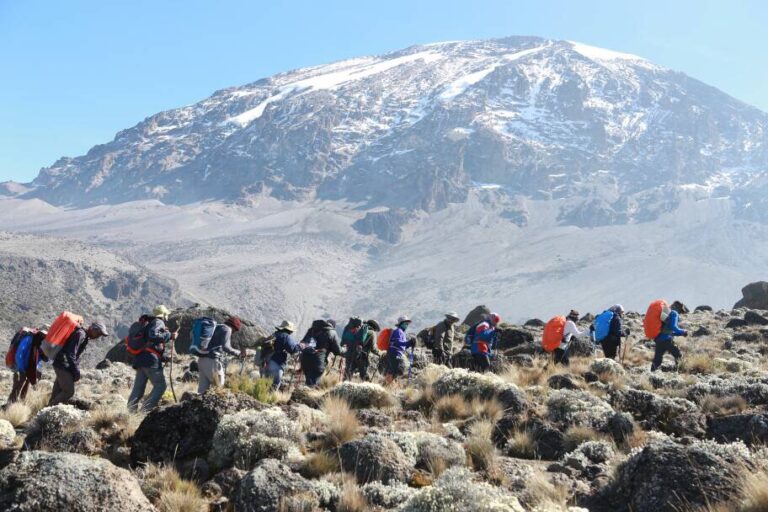
Kilimanjaro Group-Climb Mistakes: Avoid Common Pitfalls For A Successful
This guide details common Kilimanjaro group-climb mistakes, offering practical advice for trekkers aiming for a successful summit. Learn about preparation, acclimatization, gear, and...
View package details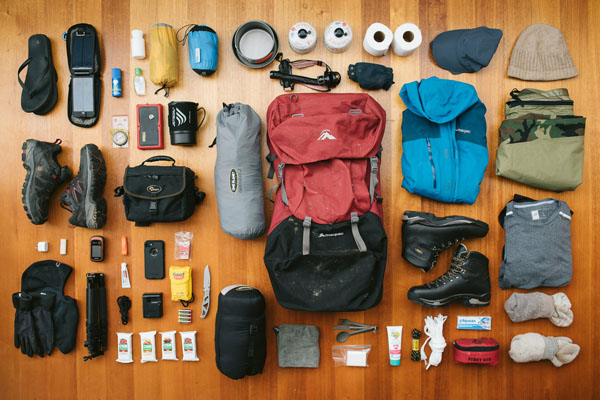
Kilimanjaro Gear-Rental Mistakes To Avoid For Your Climb 2026-2027
Planning a Kilimanjaro climb for 2026 or 2027? Renting gear can save money and hassle, but mistakes are common. This guide details the most frequent errors climbers make when renting...
View package details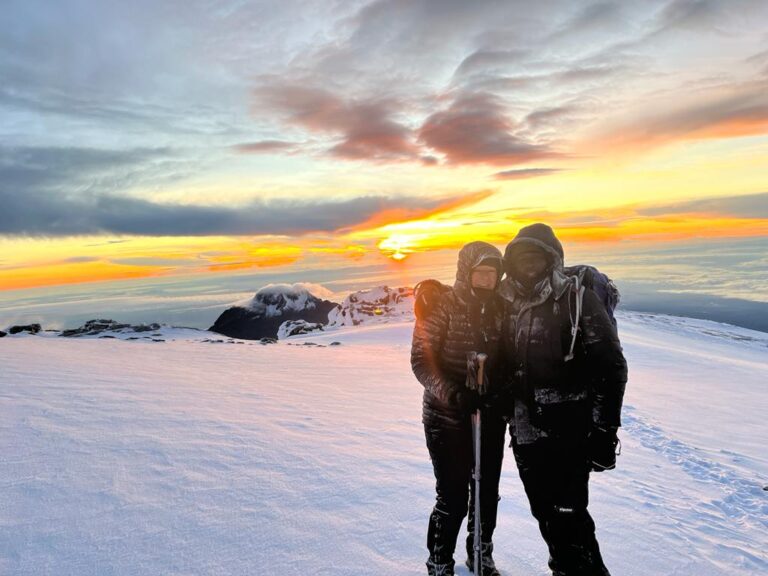
Kilimanjaro Hotel Booking Mistakes: Avoid These Pitfalls For A Smooth Climb
Booking accommodation near Kilimanjaro is crucial for a successful climb. This guide details common Kilimanjaro hotel booking mistakes to help you avoid them, ensuring comfort and readiness...
View package details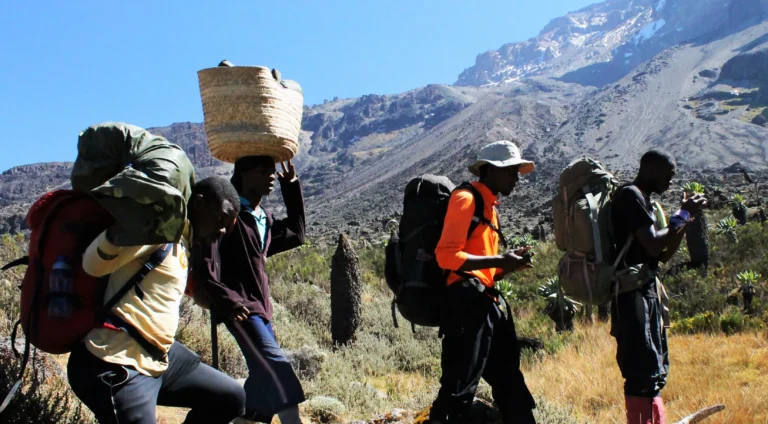
Kilimanjaro Flight-Booking Mistakes: Avoid These Pitfalls For Your Climb
Planning your Kilimanjaro climb for 2026 or 2027? Don't let flight booking errors derail your adventure. This guide covers critical mistakes to avoid, from choosing the right airport and...
View package details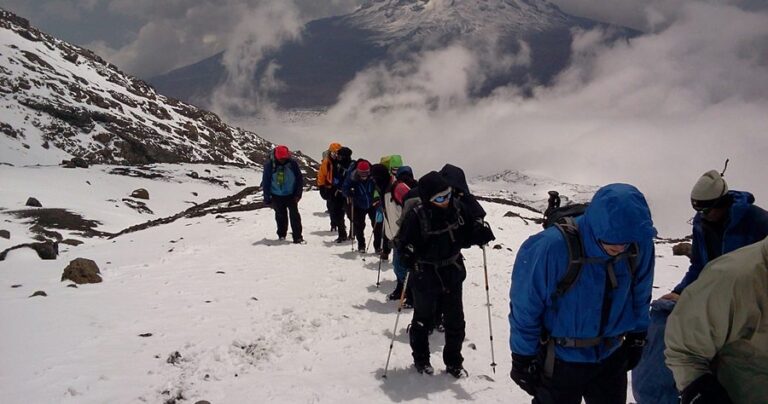
Kilimanjaro Tipping Mistakes And Etiquette: A Comprehensive Guide For Climbers
Navigating Kilimanjaro tipping can be confusing. This guide details common mistakes and proper etiquette for tipping your support crew, ensuring fair compensation and a positive experience...
View package details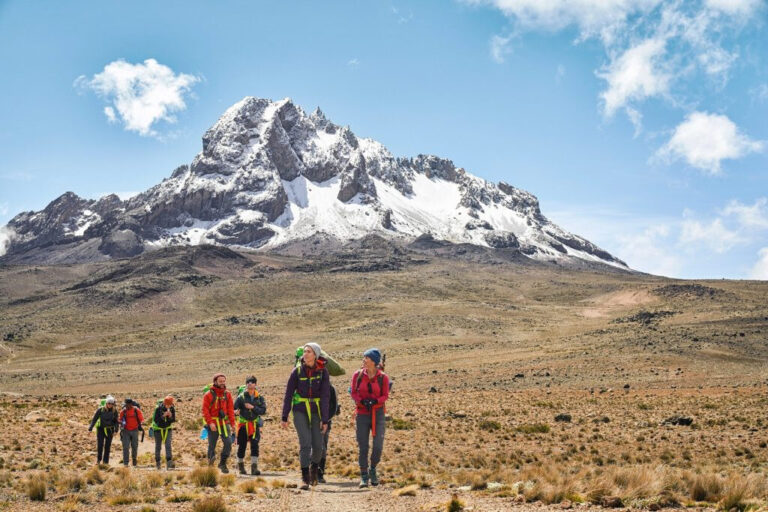
Kilimanjaro Insurance Mistakes To Avoid For A Safe Climb In 2026-2027
Climbing Mount Kilimanjaro is a dream for many, but overlooking proper insurance can turn an incredible adventure into a costly disaster. This guide details the most common Kilimanjaro...
View package details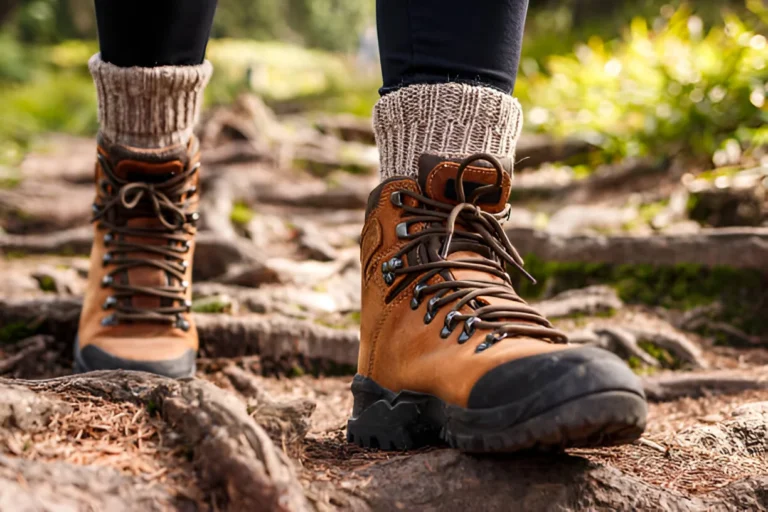
Kilimanjaro Packing Mistakes To Avoid For A Successful Climb In 2026-2027
Packing for Kilimanjaro is crucial for a successful trek. This guide details common packing mistakes to avoid, ensuring you have the right gear for the varying altitudes and conditions...
View package details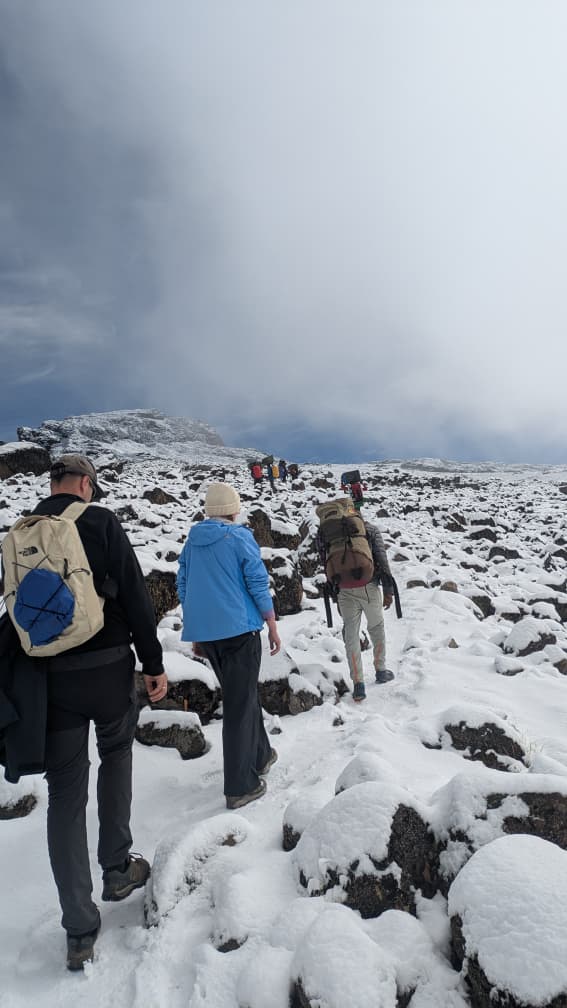
Kilimanjaro Morning Flight Vs Evening Arrival: Which Is Better For Your Climb?
Choosing between a morning and evening flight arrival at Kilimanjaro International Airport (JRO) significantly impacts your pre-climb preparations and initial acclimatization. This guide...
View package detailsKilimanjaro Full-Moon Vs Dark-Sky Climb: Which Is Best For You In ? 2026-2027
Choosing between a Kilimanjaro full-moon or dark-sky climb in 2026-2027 involves weighing unique advantages. A full-moon climb offers visibility and a magical atmosphere, while a dark-sky...
View package details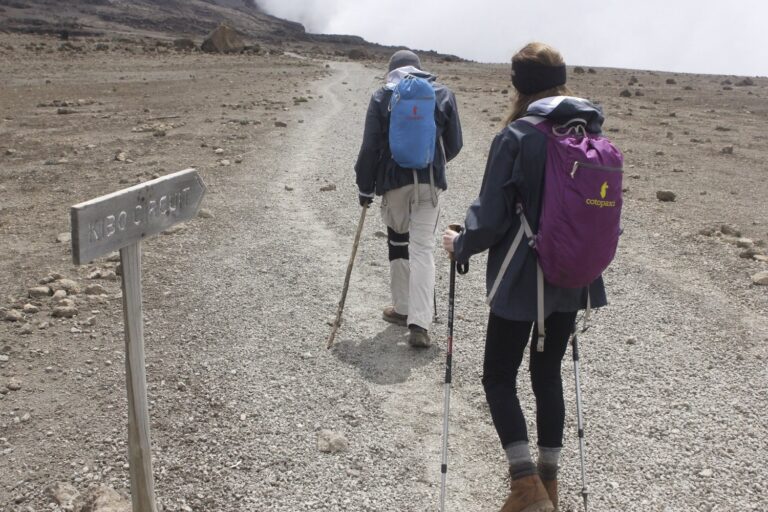
Kilimanjaro Standard Camp Vs Luxury Your Ultimate Comparison For Climbs
Choosing between standard and luxury camping on Kilimanjaro significantly impacts your trek experience. This guide breaks down the key differences in accommodation, meals, equipment, and...
View package details
Kilimanjaro Shared Tent Vs Single Making The Right Choice For Your Climb
Choosing between a shared tent and a single tent for your Kilimanjaro climb is a significant decision impacting comfort, cost, and your overall experience. This guide breaks down the pros...
View package detailsKilimanjaro Local Operator Vs. Overseas Travel Agent: Your Ultimate Climbing
Deciding who to book your Kilimanjaro climb with is crucial. This guide compares local Tanzanian operators against overseas travel agents, detailing the pros and cons of each for your...
View package detailsNo related package matches those filters. Clear one or more filters to see the other topic-matched options.



