
A Kilimanjaro full-moon climb offers the advantage of significant natural light during summit night, aiding navigation and providing a dramatic, albeit potentially crowded, ascent under moonlight, ideal for those prioritizing visibility and a unique nocturnal panorama. Conversely, a dark-sky climb provides an unparalleled opportunity for stargazing, with the Milky Way clearly visible, and a more serene, less congested experience on the trail, suited for astronomers, photographers, and those seeking a quieter, more natural ascent. The choice between a Kilimanjaro full-moon vs dark-sky climb in 2026-2027 largely depends on whether you prioritize clear views of the terrain and a bright summit night, or the awe-inspiring spectacle of the cosmos and a more solitary journey.
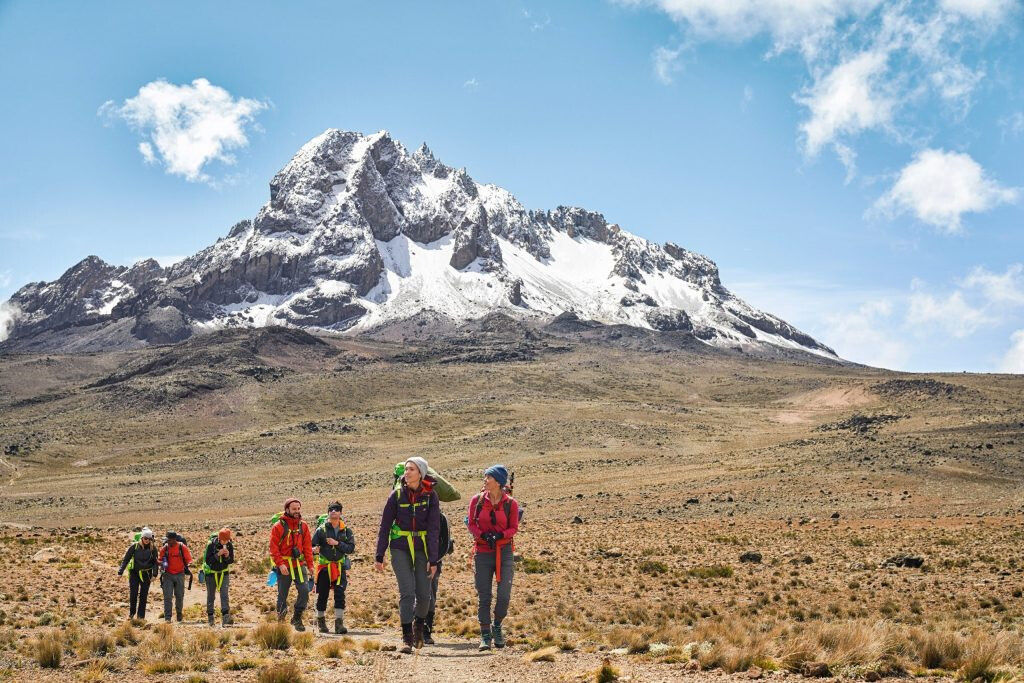
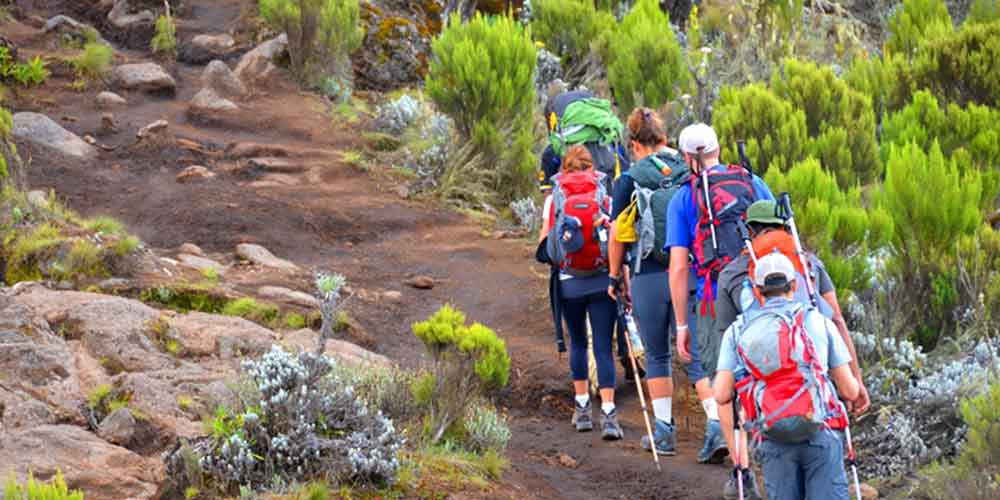
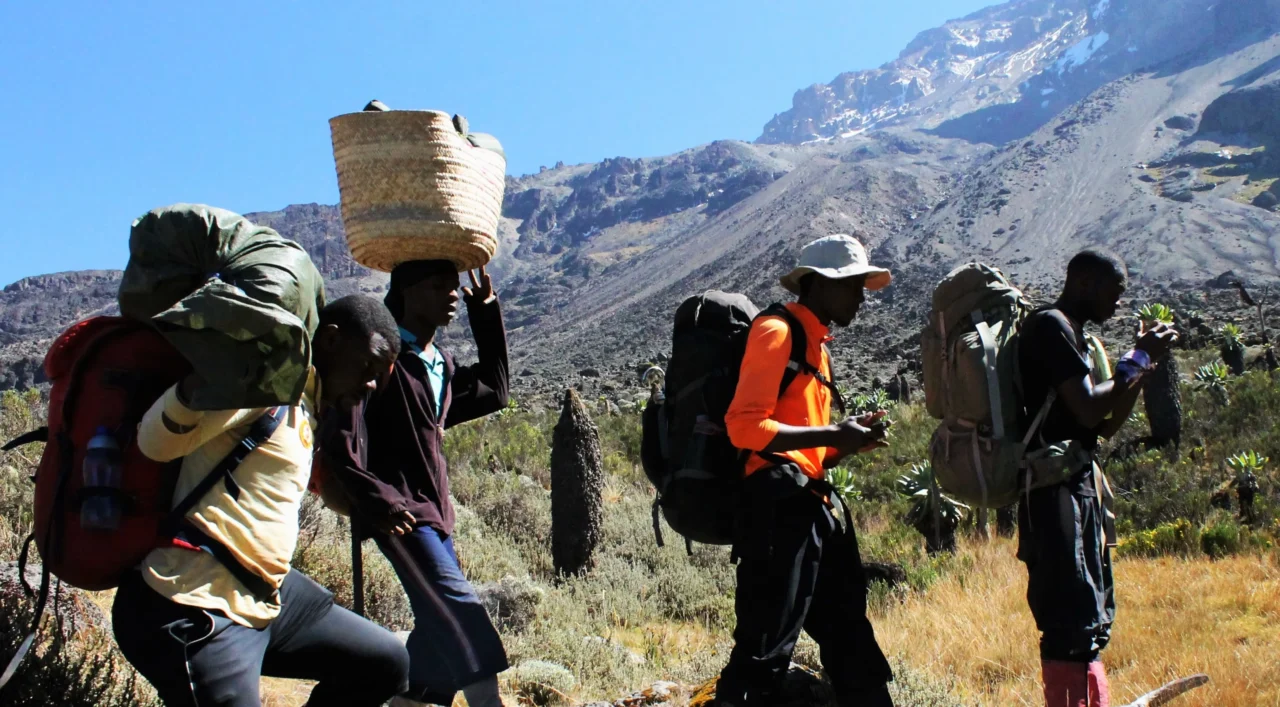
Understanding the Core Differences: Full-Moon vs. Dark-Sky Kilimanjaro Ascents
Mount Kilimanjaro, the Roof of Africa, presents trekkers with a unique choice that can profoundly shape their summit experience: ascend during a full moon or opt for a darker, star-filled night. While the ultimate goal—standing atop Africa’s highest peak—remains the same, the timing of your summit bid, particularly concerning lunar cycles, introduces distinct advantages and considerations. For many planning their Kilimanjaro climb in 2026 or 2027, understanding these differences is crucial for selecting the option that best aligns with their personal preferences, photographic aspirations, and overall adventure goals.
The concept of a ‘full-moon climb’ on Kilimanjaro refers to scheduling your summit night to coincide with the period around the full moon. This is a popular choice, and operators often highlight these dates due to the perceived benefits of increased natural light. This light significantly illuminates the mountain’s terrain, making the steep, rocky paths more visible and reducing the reliance on headlamps. For those who find the idea of climbing in complete darkness daunting, a full-moon ascent offers a sense of security and allows for better appreciation of the surrounding landscape, even at night. The views of the crater rim and the plains below, bathed in moonlight, can be truly spectacular.
On the other hand, a ‘dark-sky climb’ is essentially the opposite. It involves planning your summit night to occur during the new moon phase or when the moon is below the horizon. This maximizes the darkness, creating a canvas for an astonishing display of stars. For amateur astronomers, astrophotographers, or anyone who cherishes the wonder of a truly dark night sky, this offers an unparalleled experience. The Milky Way can be seen with incredible clarity, and the sheer number of visible stars is a humbling sight. The ascent is often more serene, with fewer climbers on the trail during the crucial summit hours, leading to a more personal and introspective journey.
The decision between a Kilimanjaro full-moon vs dark-sky climb is not merely about aesthetics; it also touches upon practical aspects like navigation, safety, and the overall mood of the trek. While a full moon aids visibility, it can also mean more people on the same paths, potentially leading to a more crowded summit experience. Conversely, a dark-sky climb, while offering solitude and cosmic beauty, requires a greater reliance on headlamps and a stronger sense of confidence in navigating the challenging terrain in low light conditions.
The Allure of Moonlight: Benefits of a Kilimanjaro Full-Moon Climb
The romantic notion of ascending a majestic mountain under the glow of a full moon is a powerful draw for many Kilimanjaro aspirants. This astronomical alignment offers tangible benefits that can enhance the trekking experience, particularly during the most challenging part of the journey: summit night. For trekkers planning their ascent in 2026 or 2027, understanding these advantages is key to appreciating why the full-moon climb is so frequently sought after.
Enhanced Visibility and Navigation
The most significant advantage of a full-moon climb is the dramatic increase in natural light. As your team begins the final push to the summit from base camps like Barafu or Kibo Hut, often starting around midnight, the moon can illuminate the path ahead. This ambient light reduces the absolute reliance on headlamps, making the trail, rocks, and potential obstacles more visible. For climbers who may feel anxious about navigating steep, uneven terrain in complete darkness, the moonlight provides a greater sense of security. It allows guides to more easily spot the best routes and for climbers to maintain better footing, potentially reducing the risk of stumbles or falls. This improved visibility can make the physical act of walking feel less disorienting and more manageable, even at high altitudes.
Awe-Inspiring Nocturnal Scenery
Kilimanjaro’s summit night is an otherworldly experience regardless of the light conditions. However, under a full moon, the landscape takes on a magical quality. The stark, volcanic terrain, the vast glaciers, and the expansive plains stretching out below are all rendered in shades of silver and shadow. Seeing the massive Stella Point or Gilman’s Point crater rims emerge from the darkness, bathed in moonlight, is a profound visual spectacle. The glaciers, often a highlight of the upper reaches of the mountain, can appear to glow, adding to the ethereal atmosphere. This illuminated scenery can be a significant morale booster during the arduous climb, offering moments of impressive beauty that transcend the physical exertion.
Psychological Boost and Reduced Anxiety
For many, the idea of climbing a mountain in the dark is intimidating. The psychological aspect of being in a remote, high-altitude environment is amplified when visibility is limited to the small beam of a headlamp. A full-moon climb significantly alleviates this anxiety. Knowing that there is ample natural light can provide a considerable psychological comfort, allowing trekkers to focus more on their breathing, pace, and the task at hand, rather than being overwhelmed by the darkness. This can lead to a more positive and confident mindset throughout summit night, which is critical for maintaining motivation when fatigue sets in.
Potential for Better Photography
While astrophotography is challenging under a full moon, the lunar light itself can create dramatic photographic opportunities. The moonlit landscapes, silhouettes of climbers against the glowing sky, and the illuminated glaciers offer unique visual elements. Photographers might find it easier to capture wider shots of the mountain and its surroundings without the need for extremely long exposures or high ISO settings that might be required in total darkness. The contrast between the bright moon, the shadowed terrain, and the stars (though less visible) can yield striking images. Many trekkers appreciate being able to capture the grandeur of Kilimanjaro at night, and the full moon provides a distinct photographic context.
A Unique and Memorable Experience
Climbing Kilimanjaro during a full moon is, in itself, a unique event. The combination of reaching a famous summit and doing so under such a celestial spectacle creates a truly memorable experience. It adds another layer of wonder to an already extraordinary adventure. Many who have completed a full-moon climb recount the feeling of being in a different world, with the moon as their guide and the mountain bathed in its soft, ethereal light. This shared experience with fellow climbers under the moon can foster a strong sense of camaraderie and accomplishment.
Embracing the Cosmos: Advantages of a Kilimanjaro Dark-Sky Climb
While the full moon offers a bright ascent, the absence of moonlight during a dark-sky climb reveals another of Kilimanjaro’s wonders: the celestial sphere in all its glory. For those who are drawn to the night sky, or who simply prefer a quieter, more solitary experience, a dark-sky climb presents a compelling alternative. Planning a Kilimanjaro trek in 2026 or 2027 with a new moon phase in mind can lead to an unforgettable journey under a blanket of stars.
Unrivaled Stargazing Opportunities
This is the primary draw for a dark-sky climb. Far from light pollution, Kilimanjaro’s high altitude offers exceptionally clear and dark skies. During a new moon phase, the absence of lunar light allows the fainter celestial objects to become visible. The Milky Way galaxy stretches across the sky like a luminous river, constellations are sharply defined, and planets shine brightly. For anyone with an interest in astronomy, or simply a desire to witness the universe’s grandeur, this is an unparalleled experience. Seeing shooting stars or the distinct band of the Milky Way above the crater rim is a profound and humbling moment that few other trekking destinations can match.
A More Serene and Solitary Ascent
Full-moon climbs, due to their popularity and the enhanced visibility, can sometimes lead to a feeling of congestion on the summit trail. Multiple groups may be ascending simultaneously, creating a caravan-like effect. A dark-sky climb, by contrast, often offers a more peaceful and solitary experience. With fewer climbers on the trail during the crucial summit hours, you are more likely to feel a sense of isolation and personal connection with the mountain. This tranquility can be very conducive to reflection and a deeper appreciation of the natural environment. The silence, broken only by the sounds of your own breathing and footsteps, can be incredibly powerful.
Focus on the Journey and Inner Experience
Without the distraction of a brightly lit landscape, a dark-sky climb encourages a greater focus on the immediate surroundings and the internal journey. Climbers become more attuned to the subtle shifts in temperature, the crunch of volcanic scree underfoot, and the rhythm of their own body. The reliance on headlamps means that the world is perceived in a more intimate, focused way – the path directly ahead, the figures of guides and fellow climbers nearby. This can lead to a more mindful and meditative experience, allowing for deeper introspection and a stronger sense of personal accomplishment as you overcome the challenges in relative solitude.
Astrophotography Potential
For photographers specializing in night sky imagery, a dark-sky climb is ideal. The absence of the moon allows for the capture of the faintest details in the cosmos. The Milky Way, nebulae, and distant galaxies can be photographed with greater clarity and vibrancy. While specialized equipment and knowledge are required, the conditions on Kilimanjaro during a new moon are perfect for capturing stunning astrophotography. Imagine setting up your tripod on the slopes of Kilimanjaro, with the vastness of space unfolding above you – a truly unique photographic opportunity.
A More Natural and Primal Experience
There’s a primal satisfaction in navigating a challenging environment using only the tools at hand and one’s own senses. A dark-sky climb, with its reliance on headlamps and the profound darkness, can feel more raw and authentic. It connects the climber more directly to the ancient human experience of moving through the night. This can be incredibly rewarding for those who seek an adventure that feels less curated and more elemental. It’s a chance to experience the mountain in its most natural, unadorned state, under the vast, indifferent beauty of the universe.
Comparing the Practicalities: Full-Moon vs. Dark-Sky
Beyond the aesthetic and experiential differences, several practical factors come into play when deciding between a Kilimanjaro full-moon vs dark-sky climb. These considerations can significantly influence your comfort, safety, and overall enjoyment of the trek. When planning for 2026 or 2027, it’s wise to weigh these points carefully.
Crowd Levels on Summit Night
Full-Moon Climbs: Due to the popularity and perceived benefits of climbing under moonlight, summit nights coinciding with a full moon tend to be significantly busier. This means you’ll likely encounter more trekking groups on the trail, especially on popular routes like Marangu, Machame, and Lemosho. While this can offer a sense of safety in numbers, it can also lead to bottlenecks, especially at steeper sections or narrower paths. The pace might be dictated by the slowest groups, and the sense of solitude is diminished. It can feel less like a personal challenge and more like participating in a large event.
Dark-Sky Climbs: Conversely, dark-sky climbs, typically coinciding with the new moon, often experience fewer trekkers on summit night. This results in a more intimate and less congested experience. You are more likely to have stretches of the trail to yourself, allowing for a more relaxed pace and a greater sense of personal achievement. The quietude can be a significant advantage for those who prefer a more contemplative journey.
Reliance on Headlamps and Navigation
Full-Moon Climbs: While the full moon provides ample light, it’s crucial to remember that it’s not daylight. You will still need a reliable headlamp, and it’s wise to carry spare batteries. The moonlight can create strong shadows and glare, which can sometimes be disorienting. Guides will still use their expertise for navigation, but the increased light makes the terrain more visible to climbers, aiding in their own awareness.
Dark-Sky Climbs: These climbs demand a higher reliance on headlamps. A powerful, well-functioning headlamp with fresh batteries is essential. It’s recommended to carry a backup headlamp or spare batteries. Guides will be highly skilled in navigating by headlamp alone, but climbers need to be comfortable with their own visibility being limited to the beam of their light. This requires a greater degree of focus and confidence in one’s footing.
Temperature and Weather Conditions
The moon phase itself does not directly influence temperature or weather patterns on Kilimanjaro. However, the peak trekking seasons, which often coincide with periods of stable weather, are also when full moons occur. Therefore, many full-moon climbs happen during the drier months (January-March and June-October), which are generally considered the best times to climb. Dark-sky climbs, if specifically timed for a new moon outside these peak seasons, might encounter less predictable weather. However, operators like Top Guide Adventures work to schedule climbs during favorable weather windows regardless of the moon phase, prioritizing safety and success rates for all their clients in 2026 and 2027.
Photography Considerations
Full-Moon Climbs: Offer opportunities for dramatic moonlit landscape photography. However, capturing the stars is very difficult due to the ambient light. The bright moon can wash out fainter stars and the Milky Way.
Dark-Sky Climbs: Provide the ultimate conditions for astrophotography. The lack of lunar light allows for clear views of constellations, the Milky Way, and other celestial phenomena. This is the preferred option for dedicated night sky photographers.
Choosing Your Route
The choice between a full-moon or dark-sky climb does not typically dictate your route selection. All major routes—Marangu, Machame, Lemosho, Shira, Rongai, and Northern Circuit—offer opportunities for both types of ascents. Your route choice should be based on factors like duration, difficulty, scenery, acclimatization profile, and cost. For example, the Machame and Lemosho routes are known for their scenic beauty and good acclimatization, while the Marangu route offers a different experience with its hut accommodation. Top Guide Adventures can help you select the best route for your Kilimanjaro climb in 2026-2027, and then align it with your preferred moon phase if possible.
Timing Your Kilimanjaro Climb: Aligning with Lunar Cycles in 2026-2027
Successfully planning a Kilimanjaro full-moon vs dark-sky climb requires careful attention to the lunar calendar. While the exact dates of the full moon and new moon shift each year, understanding these cycles is essential for booking your trek. For those planning ahead for 2026 and 2027, here’s how to approach the timing.
Understanding Full Moon Dates
A full moon occurs approximately every 29.5 days. To climb during a full moon, you’ll want to schedule your summit night to fall on or very close to the date of the full moon. This means looking at the calendar for specific dates.
- Full Moon in 2026: Key full moon dates falling within typical trekking seasons include mid-January, mid-February, mid-March, mid-April, mid-May, mid-June, mid-July, mid-August, mid-September, mid-October, mid-November, and mid-December.
- Full Moon in 2027: Similarly, full moon dates in 2027 will occur monthly, with significant dates in late January, late February, late March, late April, late May, late June, late July, late August, late September, late October, late November, and late December.
When booking, communicate your preference for a full-moon summit to your tour operator. They can help you align your chosen route and departure dates with the lunar cycle. Be aware that popular full-moon dates can book up quickly, especially for 2026 and 2027, so early planning is recommended.
Understanding New Moon Dates
A new moon signifies the darkest phase of the lunar cycle, making it ideal for dark-sky climbs. Like the full moon, new moons occur monthly.
- New Moon in 2026: Key new moon dates for dark-sky climbs in 2026 will fall roughly at the beginning and end of each month, with specific dates in mid-January, mid-February, mid-March, mid-April, mid-May, mid-June, mid-July, mid-August, mid-September, mid-October, mid-November, and mid-December.
- New Moon in 2027: New moon dates in 2027 will also be spread throughout the year, offering monthly opportunities for dark-sky ascents in late January, late February, late March, late April, late May, late June, late July, late August, late September, late October, late November, and late December.
If your priority is stargazing and a solitary ascent, express your interest in a dark-sky climb. Your operator will guide you towards departure dates that align with the new moon phase, ensuring optimal conditions for celestial viewing.
Peak Seasons vs. Lunar Cycles
The best times to climb Kilimanjaro generally fall within its two main dry seasons: January to March and June to October. These periods offer the most stable weather conditions, which are crucial for a safe and successful summit attempt. When considering a Kilimanjaro full-moon vs dark-sky climb, it’s important to see how the lunar cycles align with these peak trekking months.
- Full Moons in Peak Seasons: Often, full moons will occur within these prime trekking windows, making full-moon climbs particularly popular during these times. For instance, a full moon in July or August of 2026 or 2027 would fall squarely within the ideal June-October dry season.
- New Moons in Peak Seasons: New moons also occur year-round, including during the dry seasons. This means you can absolutely plan a dark-sky climb during the best weather windows. For example, a new moon in February 2027 or September 2026 would offer excellent trekking conditions for a dark-sky ascent.
Top Guide Adventures strongly recommends prioritizing the dry seasons for your climb, regardless of the moon phase. We can help you find the best available dates in 2026 and 2027 that align with both favorable weather and your preferred lunar condition. While we aim to accommodate moon phase requests, safety and optimal weather are paramount.
Booking Lead Times
Given the popularity of Kilimanjaro, especially for specific dates like full moon ascents, booking well in advance is highly advisable. For 2026 and 2027, especially if you have specific date requirements tied to the full moon or new moon, contacting your tour operator 6-12 months in advance is a good practice. This gives operators like Top Guide Adventures ample time to secure permits, arrange logistics, and confirm your preferred departure dates, ensuring you get the experience you desire for your Kilimanjaro full-moon vs dark-sky climb decision.
Choosing Your Route Wisely for Either Climb Type
While the lunar cycle influences the *timing* of your summit night, your choice of route profoundly impacts the *journey* itself. All major routes can be adapted for either a full-moon or dark-sky ascent, but some routes offer better acclimatization, scenery, or challenge, which can complement the specific experience you’re seeking.
Machame Route (Whiskey Route)
Duration: 6-7 days.
Pros: Very scenic, excellent acclimatization profile (especially on 7-day option), popular. Offers a good balance of challenge and success rate.
Best for: Most trekkers, good for both full-moon and dark-sky climbs due to its popularity and varied scenery. A 7-day Machame climb in August 2026 with a full moon could offer spectacular illuminated views, while a 6-day climb in September 2027 during a new moon would provide incredible starry skies.
Lemosho Route
Duration: 7-8 days.
Pros: Arguably the most scenic route, excellent acclimatization, starts in a pristine wilderness area. Offers a sense of remoteness.
Best for: Those seeking a more in-depth wilderness experience and prioritizing acclimatization. A longer 8-day Lemosho climb in July 2026 during a full moon would be impressive, with moonlight illuminating the vast caldera and surrounding plains. An extended 8-day Lemosho in March 2027 during a new moon would be ideal for astrophotography enthusiasts.
Northern Circuit
Duration: 9-10 days.
Pros: Longest route, best acclimatization, circles the mountain offering diverse views, less crowded than Machame.
Best for: Those who want the highest success rate due to superior acclimatization and a more relaxed pace. A 9-day Northern Circuit in June 2026 during a full moon would allow ample time to appreciate the moonlit vistas over multiple days. A 10-day trek in October 2027 during a new moon would offer unparalleled stargazing opportunities during the extended trek.
Marangu Route (Coca-Cola Route)
Duration: 5-6 days.
Pros: Only route with hut accommodation, considered by some to be easier due to the huts and gradual incline.
Cons: Poorer acclimatization profile, lower success rates on shorter durations. Can be crowded.
Best for: Budget travelers or those who prefer sleeping in beds. A 5-day Marangu climb in August 2026 during a full moon might be very busy. A 6-day Marangu in April 2027 during a new moon could offer a slightly less crowded experience with clear night skies.
Rongai Route
Duration: 6-7 days.
Pros: Approaches from the drier northern side, good for climbing during wetter months (though still recommend dry season), less crowded.
Best for: Those seeking a less crowded experience. A 6-day Rongai climb in January 2027 during a full moon would offer good visibility on the northern approach. A 7-day Rongai in September 2026 during a new moon would be excellent for stargazing with fewer crowds.
Top Guide Adventures offers all these routes and can tailor your departure dates to align with your preferred moon phase for your Kilimanjaro full-moon vs dark-sky climb. We recommend routes of 7 days or longer for better acclimatization and higher success rates, regardless of the moon phase you choose for your 2026 or 2027 adventure.
Key Considerations for Summit Night
Regardless of whether you choose a full-moon or dark-sky ascent, summit night on Kilimanjaro is demanding. Key factors to manage include:
- Pacing: Maintain a slow, steady pace (‘pole pole’).
- Hydration: Drink plenty of water, even if you don’t feel thirsty.
- Nutrition: Eat small, high-energy snacks regularly.
- Clothing: Layer effectively to manage temperature fluctuations.
- Mental Fortitude: Stay positive and focused.
- Guide’s Advice: Always follow your guide’s instructions.
The choice between a Kilimanjaro full-moon vs dark-sky climb adds a unique dimension to these fundamental challenges.
Making Your Decision: Kilimanjaro Full-Moon vs Dark-Sky Climb in 2026-2027
The ultimate decision between a Kilimanjaro full-moon vs dark-sky climb hinges on your personal priorities. There is no universally ‘better’ option; only the option that is better suited for *you* and your vision of this incredible journey. As you plan for 2026 or 2027, reflect on these key questions:
What is your primary motivation for the climb?
- If reaching the summit with maximum visibility and a dramatic, illuminated landscape is key: A full-moon climb might be more appealing. The clear views of the terrain and the surreal moonlight can be profoundly inspiring.
- If experiencing the vastness of the universe, unparalleled stargazing, and a quieter, more introspective journey are paramount: A dark-sky climb is likely your preference. The celestial spectacle and the solitude can offer a deeply moving experience.
How comfortable are you with climbing in the dark?
- If darkness adds significant anxiety: The enhanced visibility of a full-moon climb can offer substantial psychological comfort.
- If you are confident navigating with a headlamp and embrace the challenge of limited visibility: A dark-sky climb, with its greater reliance on artificial light, might be an exciting prospect.
What are your photography interests?
- If you are interested in capturing dramatic moonlit landscapes: A full-moon climb offers unique photographic opportunities.
- If astrophotography is a passion or interest: A dark-sky climb is essential for capturing the stars and Milky Way effectively.
Do you prefer a more communal or solitary experience?
- If you don’t mind (or even prefer) sharing the experience with other groups: A full-moon climb, which tends to be busier, might be fine.
- If solitude and a more personal connection with the mountain are important: A dark-sky climb will likely provide a more serene atmosphere.
What are your booking priorities?
- Full-Moon Climbs: These dates are highly sought after. You’ll need to book well in advance, especially for 2026 and 2027, and be flexible with your exact departure date to align with the lunar cycle.
- Dark-Sky Climbs: While potentially less booked than full-moon dates, it’s still wise to plan ahead. Communicate your preference early to ensure your operator can schedule your summit bid accordingly.
Ultimately, both types of climbs offer an incredible opportunity to stand on the summit of Kilimanjaro. The ‘best’ choice is subjective and depends entirely on what you hope to gain from the experience. Whether bathed in moonlight or under a canopy of stars, the achievement of reaching Uhuru Peak is profound.
Why Choose Top Guide Adventures for Your 2026-2027 Kilimanjaro Climb?
When planning a significant adventure like climbing Mount Kilimanjaro, selecting a trusted and experienced tour operator is paramount. Top Guide Adventures has established itself as one of Tanzania’s premier companies, dedicated to providing clients with safe, memorable, and personalized trekking experiences. For your Kilimanjaro full-moon vs dark-sky climb decision in 2026 or 2027, we offer the expertise and support you need.
Expert Planning and Customization
We understand the nuances of planning a Kilimanjaro climb, including the specific considerations for full-moon or dark-sky ascents. Our team can help you:
- Select the best route for your fitness level, time, and preferences.
- Align your trek dates with the lunar calendar for your desired full-moon or dark-sky summit experience, prioritizing favorable weather conditions.
- Provide detailed packing lists, training advice, and pre-trip information to ensure you are fully prepared.
- Offer flexible itineraries and tailor-made journeys across Tanzania.
Safety and Professionalism
Your safety is our highest priority. We work with:
- Highly experienced, certified local guides who possess extensive knowledge of Kilimanjaro’s routes, weather patterns, and altitude sickness management.
- A dedicated support crew, including porters and cooks, who are well-trained and equipped.
- High-quality camping gear and safety equipment.
- Strict safety protocols, including carrying supplementary oxygen and comprehensive first-aid kits.
Personalized Support and Attention
Unlike larger, more impersonal operators, Top Guide Adventures prides itself on offering personal attention to every client. From your initial inquiry to your return home, you will have dedicated support. We believe in building relationships and ensuring your journey is as smooth and enjoyable as possible.
Commitment to the Local Community
As a local Tanzanian company, we are committed to ethical tourism practices and supporting the local communities and economies. We ensure our guides and porters are treated fairly, paid well, and provided with proper working conditions.
Ready to Plan Your 2026-2027 Kilimanjaro Adventure?
Whether you dream of summiting under the ethereal glow of a full moon or beneath a impressive star-filled sky, Top Guide Adventures is here to make it happen. We are passionate about sharing the magic of Kilimanjaro and Tanzania with you.
Contact us today to discuss your Kilimanjaro full-moon vs dark-sky climb plans for 2026-2027:
- WhatsApp: +255616946642
- Email: topguideadventures@gmail.com
- Backup Email: info@topguideadventures.com
Let us help you craft an unforgettable Kilimanjaro experience tailored to your dreams. Visit our website for more information on our services and upcoming departures: www.topguideadventures.com. You can also find reviews and insights from fellow travelers on TripAdvisor: Top Guide Adventures Reviews.
Check Availability for Kilimanjaro Full-Moon Vs Dark-Sky Climb: Which Is Best For You In ?…
Ready to compare dates, prices, and the best option for your group? Send the package name and travel month so the team can reply with a clear quote, availability, and what is included.
Kilimanjaro Climb With Materuni Recovery Day 2026-2027
Kilimanjaro Climb with Materuni Recovery Day is explained with current 2026-2027 planning, price, itinerary and booking information.
View package details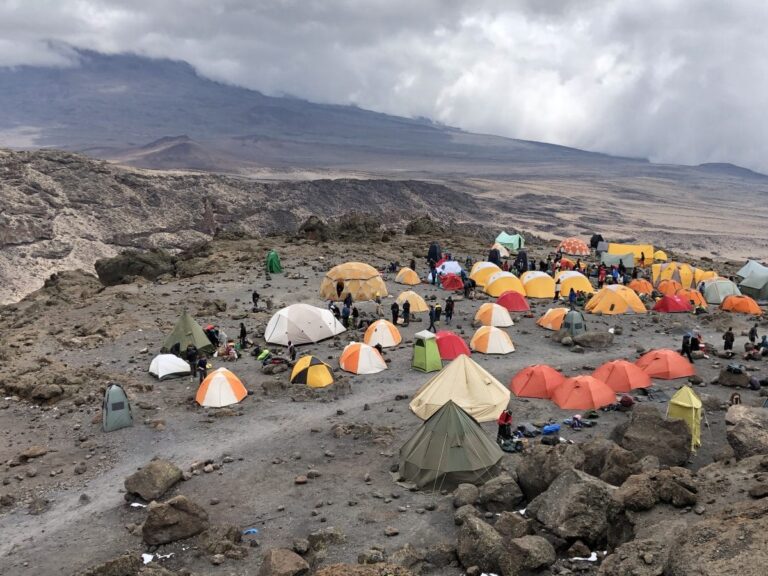
Kilimanjaro Climb With Lake Chala Relaxation Day: Your Ultimate Post-Trek
Experience the ultimate Kilimanjaro adventure followed by serene relaxation at Lake Chala. This guide details how to combine these incredible Tanzanian experiences, covering itineraries...
View package details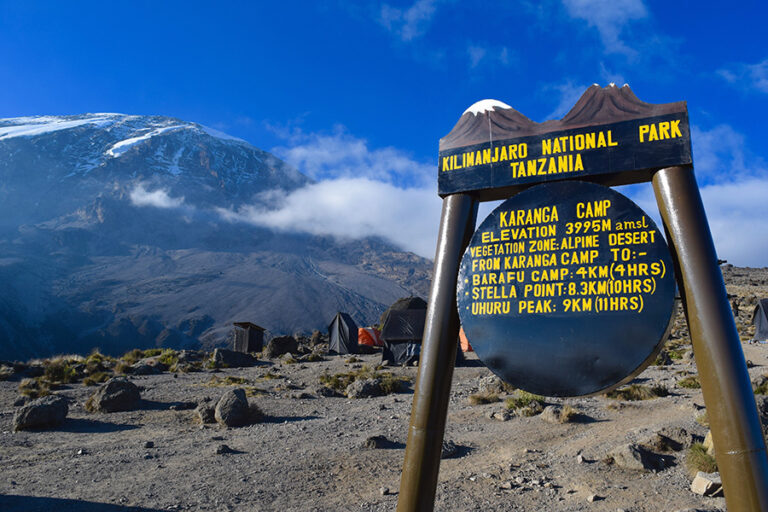
Kilimanjaro Climb & West Safari: The Ultimate Tanzania Adventure 2026-2027
Experience the pinnacle of Tanzania with a combined Kilimanjaro climb and West Kilimanjaro safari. This guide details itineraries, preparation, and what to expect for your 2026-2027...
View package details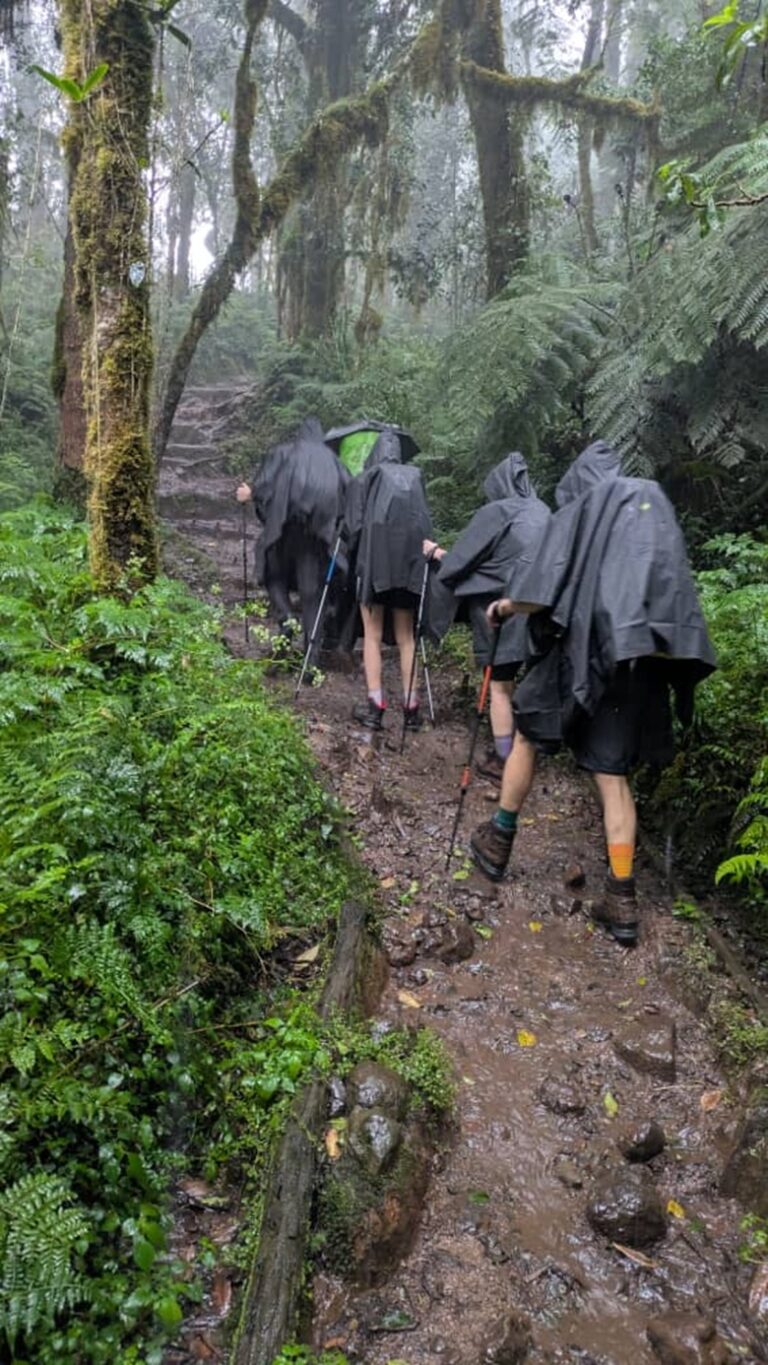
Kilimanjaro Climb With Mkomazi Rhino Safari 2026-2027
Kilimanjaro Climb with Mkomazi Rhino Safari is explained with current 2026-2027 planning, price, itinerary and booking information.
View package details
Kilimanjaro Climb With Amboseli Safari Extension: Your Ultimate Tanzania
Experience the pinnacle of African adventure by combining a challenging Kilimanjaro climb with a impressive safari in Amboseli National Park. This guide details itineraries, costs, best...
View package details
13-Day Kilimanjaro Climb, Cultural Tour & Zanzibar Holiday: Your Ultimate
This 13-day itinerary offers an unparalleled Tanzanian experience, blending the thrill of conquering Mount Kilimanjaro with deep cultural exploration and the serene beauty of Zanzibar...
View package details
Kilimanjaro Questions To Ask During Your Briefing For Climbs 2026-2027
Before embarking on your Kilimanjaro adventure, a thorough briefing is crucial. This guide outlines the most important questions to ask your tour operator to ensure you're fully prepared...
View package details
Kilimanjaro Contract Terms You Should Understand For Your Climb 2026-2027
Navigating the fine print of your Kilimanjaro climb contract is crucial. This guide breaks down essential terms, from payment schedules and cancellation policies to what's included and...
View package details
What A Kilimanjaro Mountain Crew Should Provide For Your Climb 2026-2027
Planning a Kilimanjaro climb? Understand precisely what your mountain crew needs to provide, from essential gear and experienced guides to food, safety, and logistical support. This...
View package details
How To Compare Kilimanjaro Package Inclusions For Your Climb 2026-2027
Choosing the right Kilimanjaro climb package in 2026 or 2027 involves meticulously comparing what's included. This guide breaks down essential inclusions like park fees, guide/porter...
View package details
Kilimanjaro Booking Checklist For First-Time Climbers: Your Essential Guide
Planning your first Kilimanjaro climb in 2026 or 2027? This detailed checklist covers everything from choosing a route and operator to packing and acclimatization, ensuring a well-prepared...
View package details
Questions Your Kilimanjaro Operator Should Answer For A Successful Climb
Choosing the right Kilimanjaro operator is crucial for a safe and memorable climb. This comprehensive guide details the essential questions you must ask your potential tour operator...
View package detailsNo related package matches those filters. Clear one or more filters to see the other topic-matched options.



